Artwork
'As the Old Sing, So Pipe the Young'
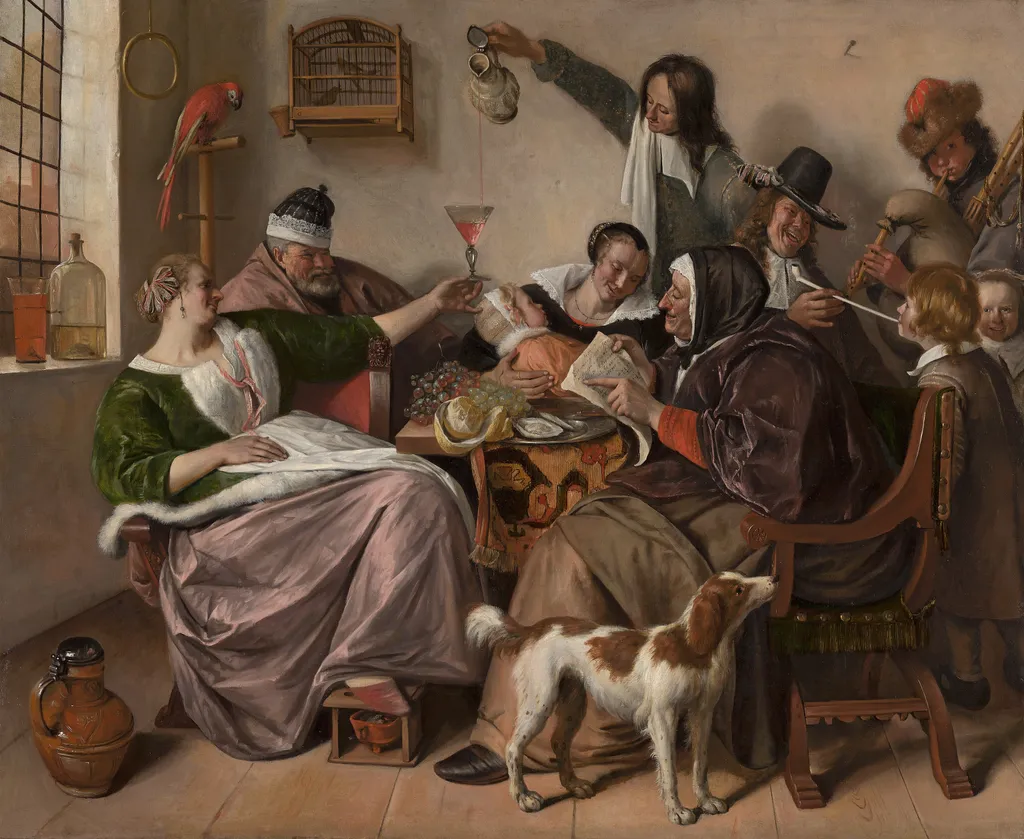
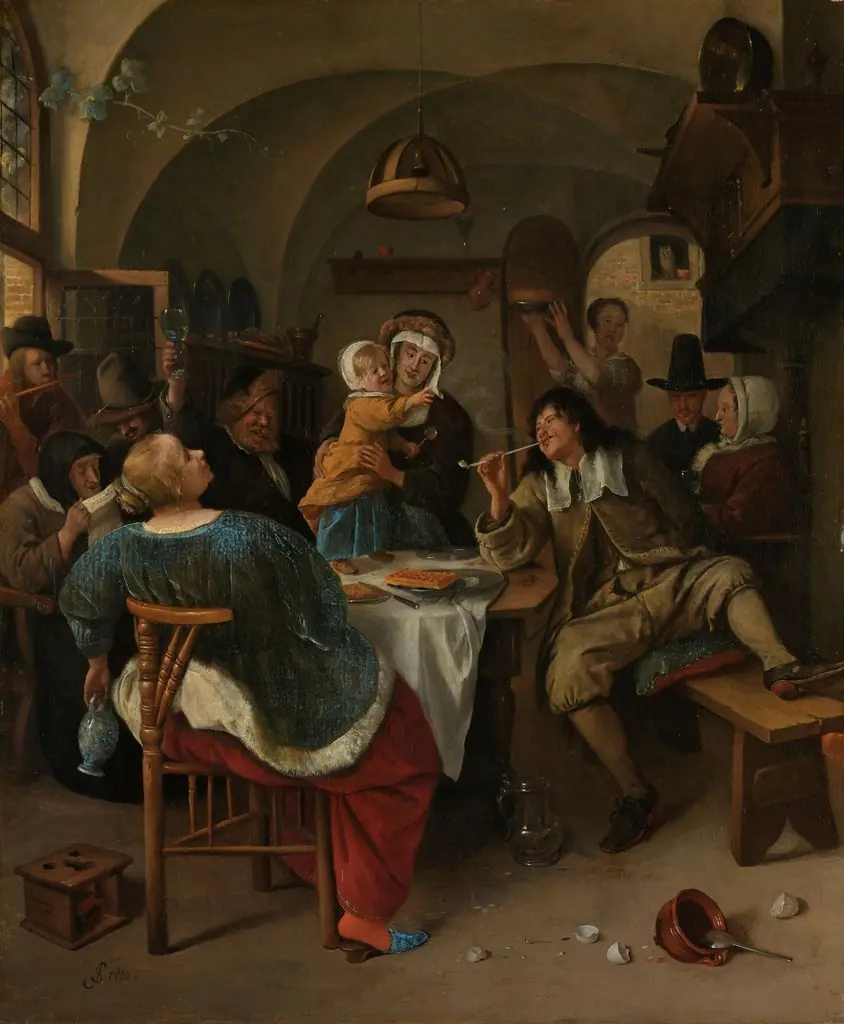
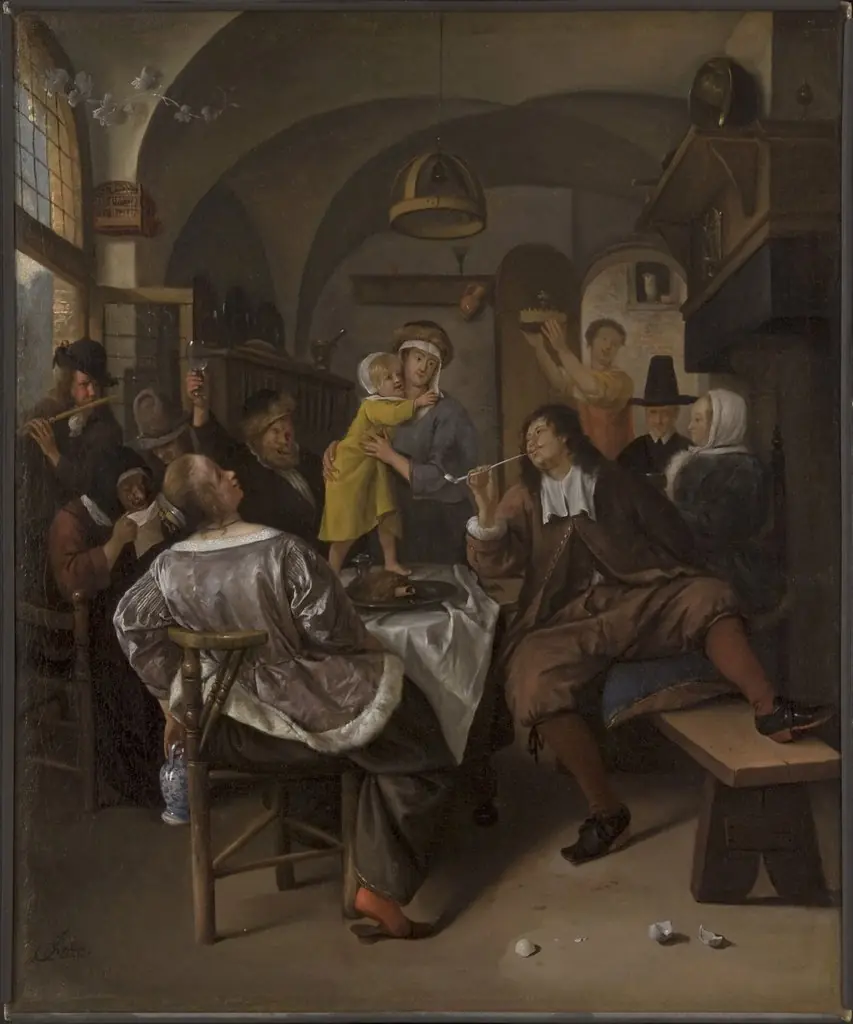
'As the Old Sing, So Pipe the Young' is an oil painting by the Dutch Golden Age artist Jan Steen. It dates from 1665 and is held in the collection of the Mauritshuis.
About this work
Overview
Painted around 1668–1670 by Jan Steen, this oil-on-canvas work captures a lively domestic gathering during a festive occasion.
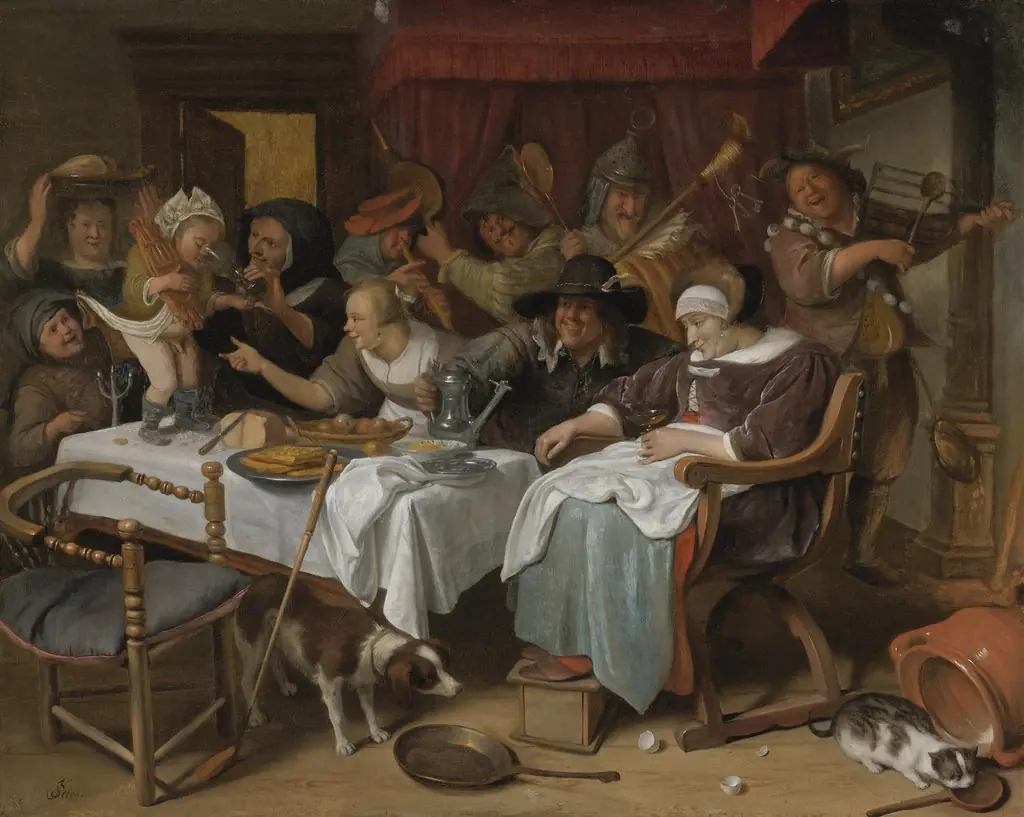
Painted around 1668–1670 by Jan Steen, this oil-on-canvas work captures a lively domestic gathering during a festive occasion. The painting’s Dutch title, 'Soo voer gesongen, soo na gepepen,' translates to 'As the old sing, so pipe the young,' reflecting its thematic focus on generational behavior. It is one of thirteen known versions by the artist and is held in the Mauritshuis, The Hague, where it is regarded as the most fully realized example of the series.
Subject & Meaning
The scene portrays three generations of a Dutch household engaged in merrymaking, with adults drinking, children mimicking their actions, and a cat perched nearby. The composition suggests a moral observation: children absorb the habits of their elders, whether virtuous or reckless. Steen does not condemn the revelry but presents it as a natural, if chaotic, extension of familial conduct, inviting reflection on upbringing and social continuity.
Technique & Style
Steen employed layered glazing to achieve rich, luminous color and subtle tonal transitions, particularly in fabrics and skin tones. His brushwork is lively yet controlled, capturing movement in falling garments and tilted glasses with a sense of spontaneity. The composition is deliberately crowded, drawing the viewer into the intimate, slightly unruly atmosphere of the home, characteristic of Dutch genre painting of the period.
History & Provenance
The painting entered the Mauritshuis collection in the early 19th century, having previously belonged to a private Dutch collector. Its attribution to Steen has remained consistent since its documentation in the 1700s. Among the multiple versions of this theme, this one stands out for its completeness and preservation, with no significant alterations or losses recorded over time.
Context
In mid-17th-century Holland, genre scenes depicting domestic life were popular among the middle class. Steen’s works often blended humor with moral instruction, reflecting contemporary concerns about social order and familial responsibility. The theme of children imitating adults was a common proverbial motif, and Steen’s repeated treatment of it suggests both public interest and his own preoccupation with the dynamics of home life.
Legacy
Steen’s treatment of this subject influenced later genre painters who sought to capture everyday morality through narrative detail. While not overtly didactic, the painting’s enduring presence in museum collections underscores its role as a nuanced record of Dutch domestic values. It remains a key reference for understanding how 17th-century artists visualized the transmission of behavior across generations.
Own this work as a print
Artist & collection
Artist
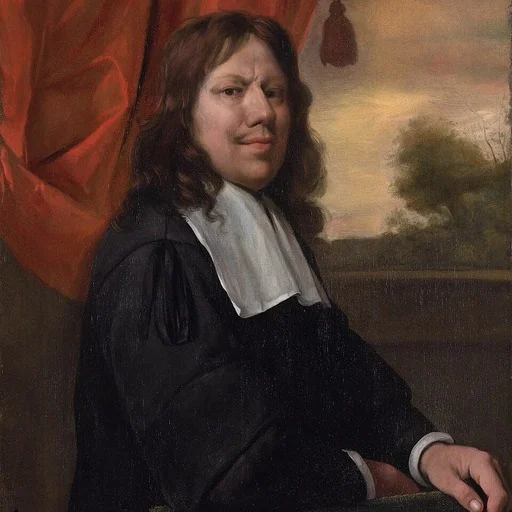
Jan Havickszoon Steen was a Dutch Golden Age painter, one of the leading genre painters of the 17th century.

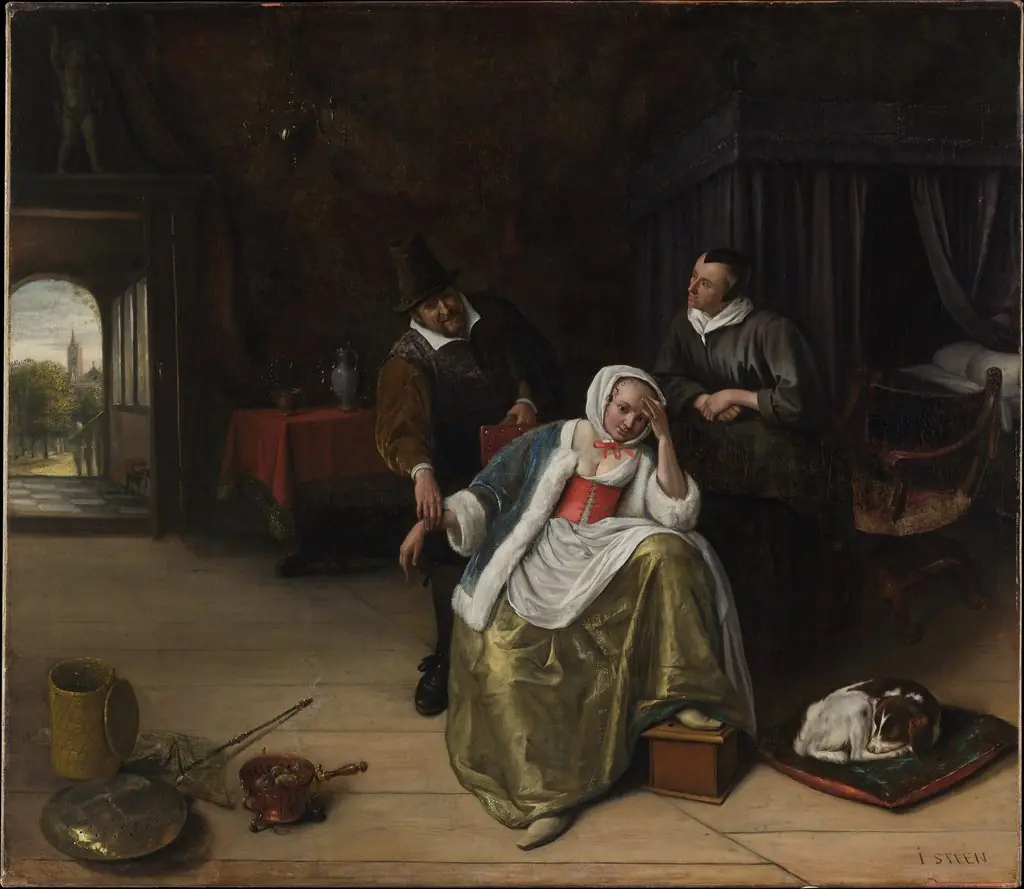 Paintings of physicians by Jan Steen
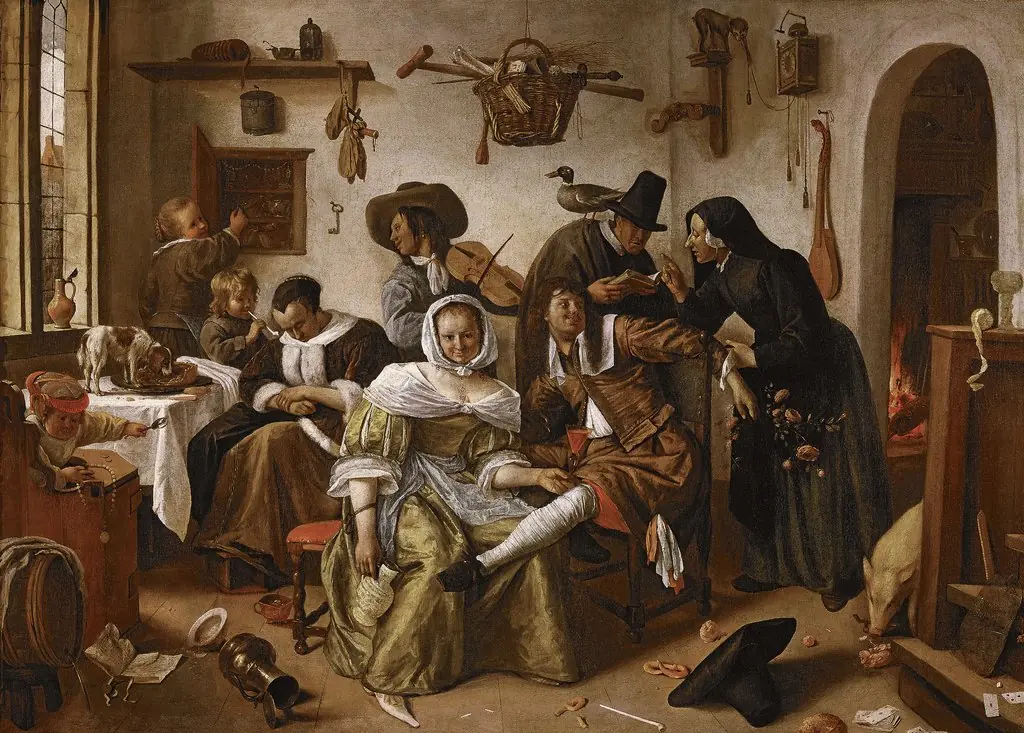
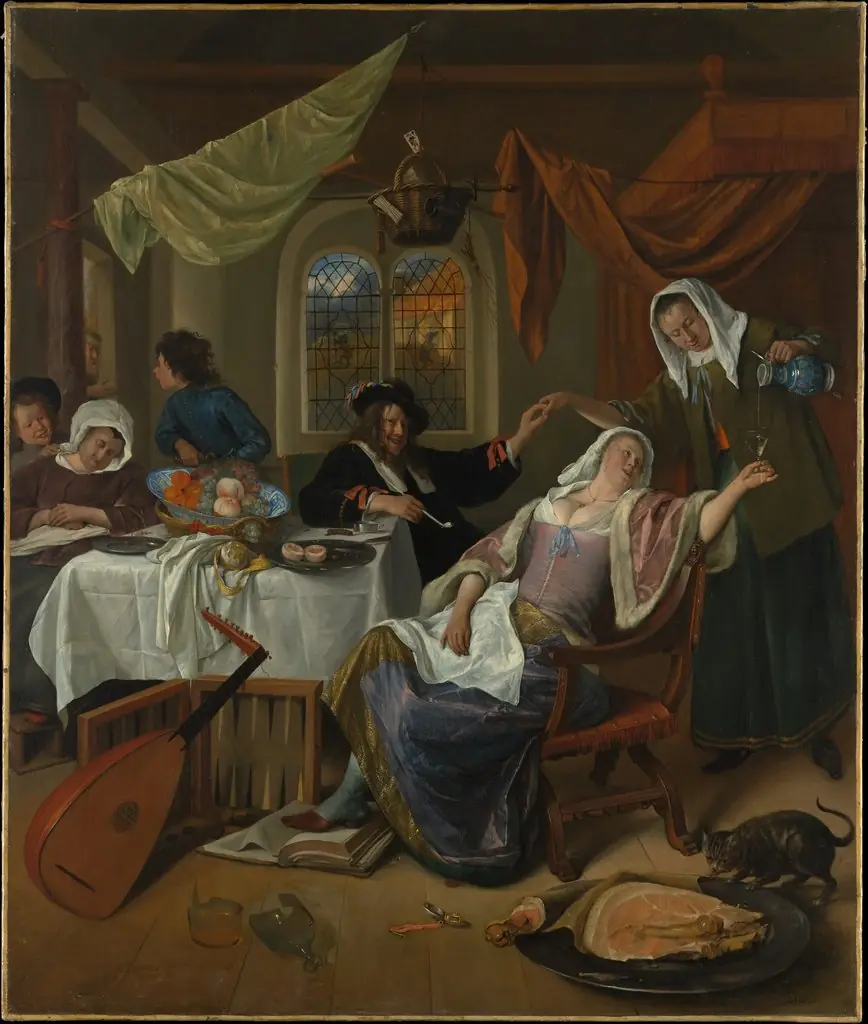 The Dissolute Household
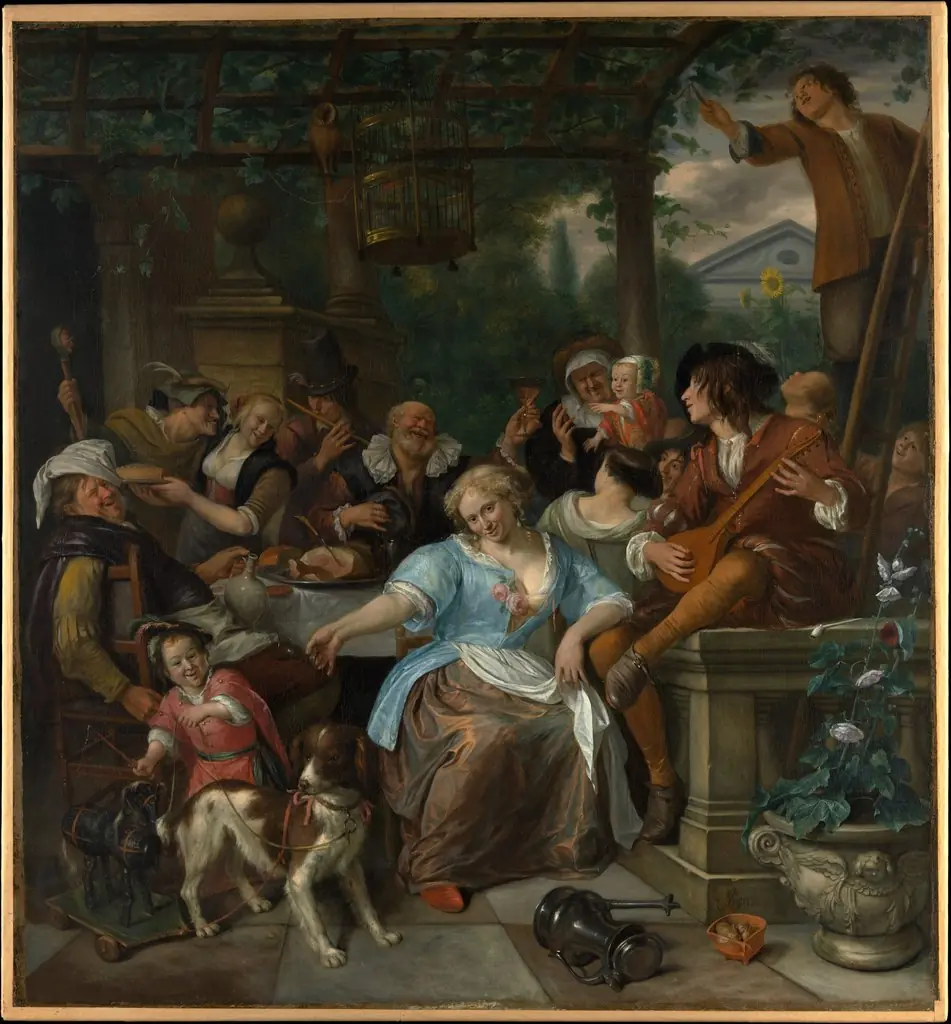 Merry Company on a Terrace
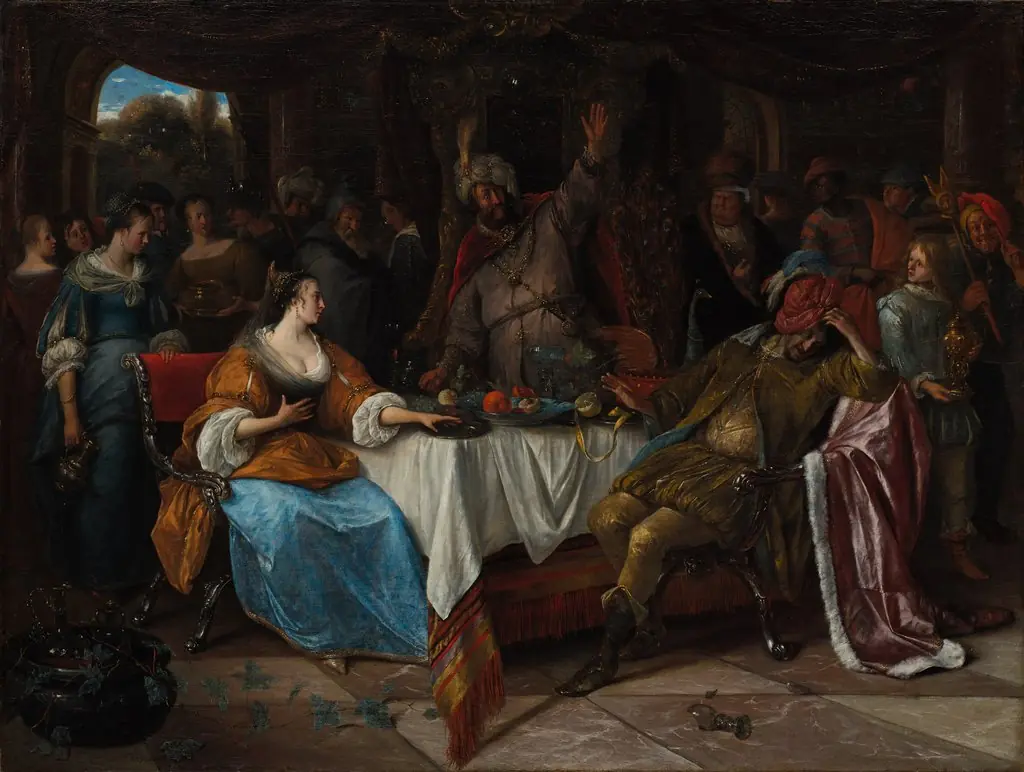 Esther, Ahasuerus, and Haman
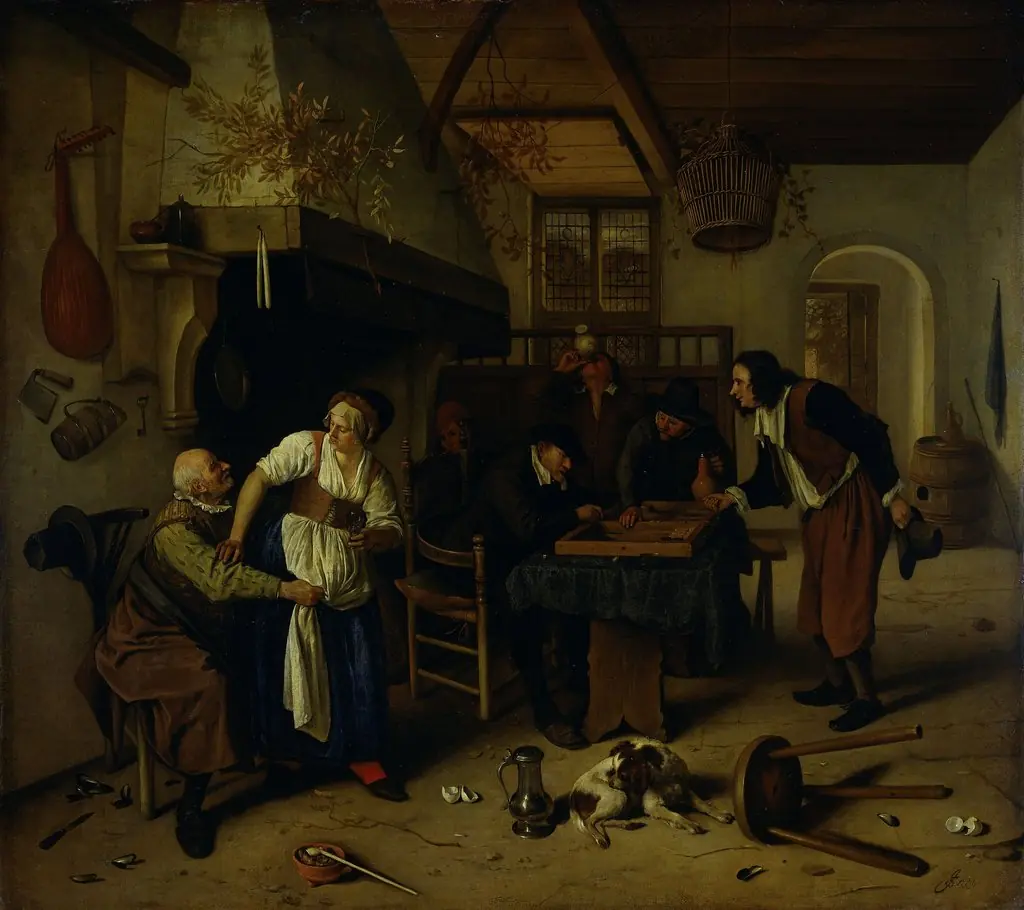 Interior of an inn with an old man amusing himself with the landlady and two men playing backgammon, known as 'Two kinds of games'
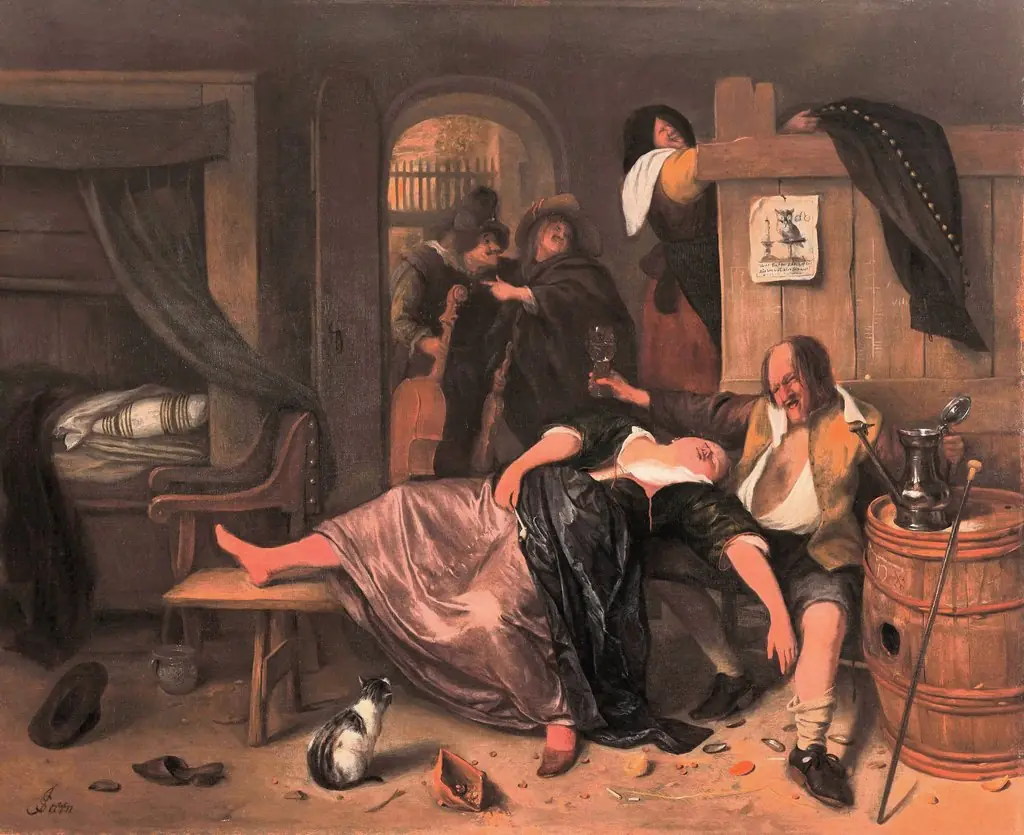 The Drunken Couple
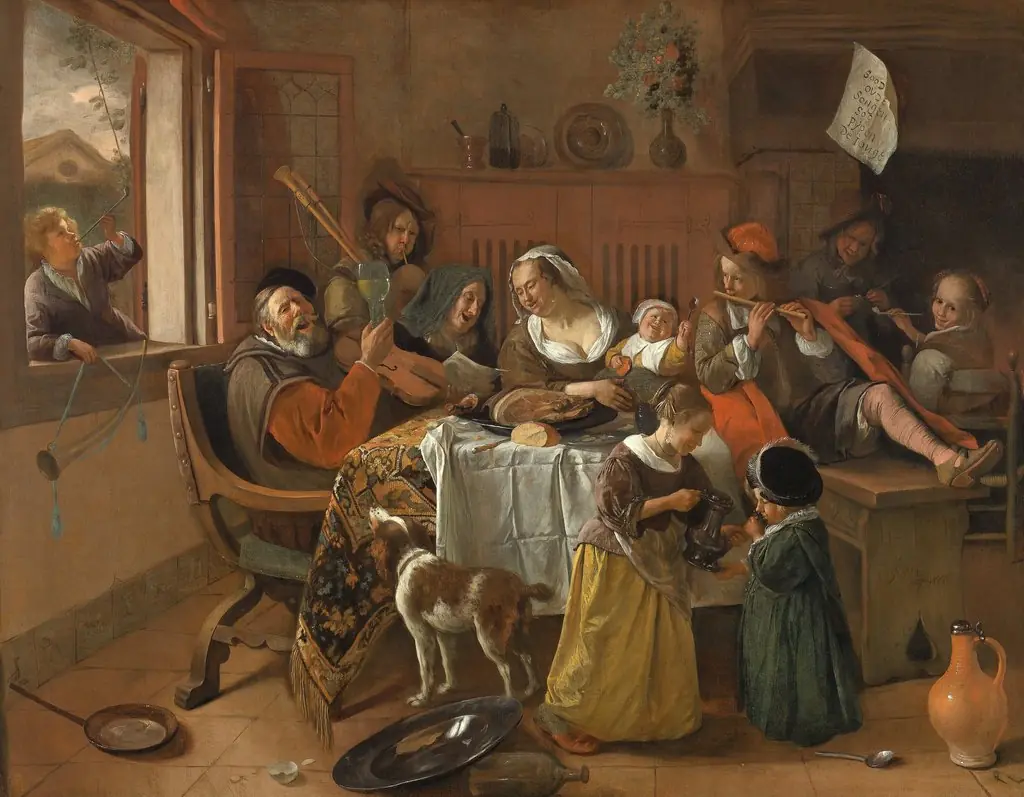 The Happy Family
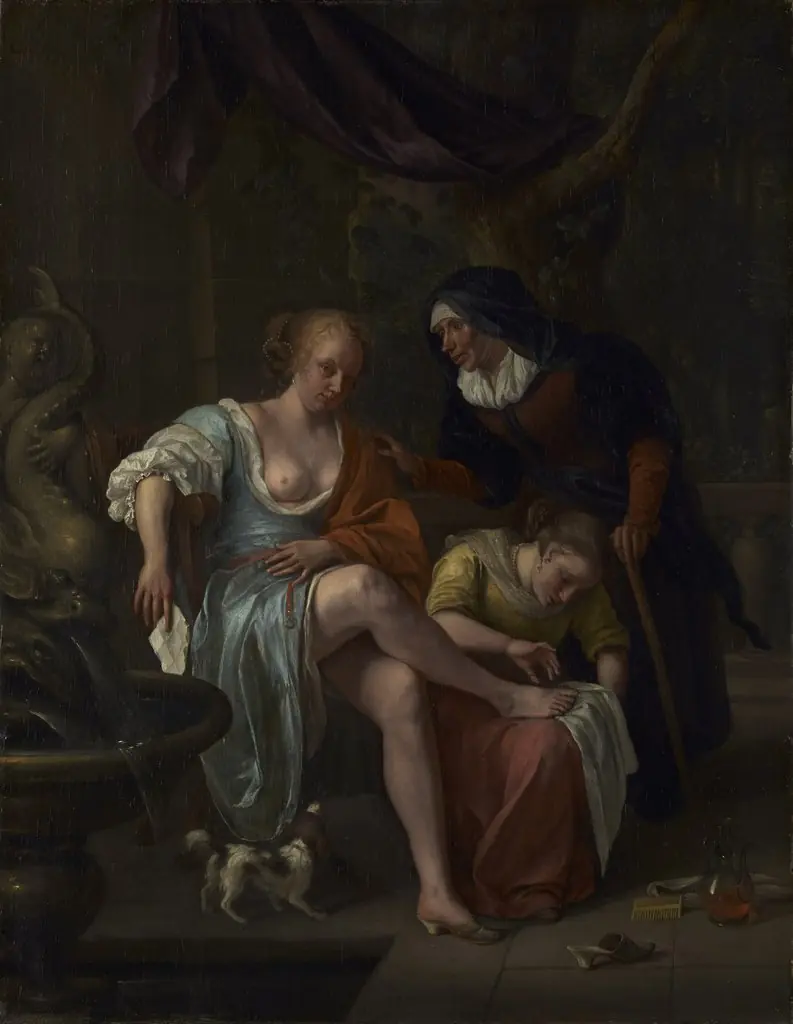 Bathsheba after the Bath