Artwork
Beware of Luxury (“In Weelde Siet Toe”)
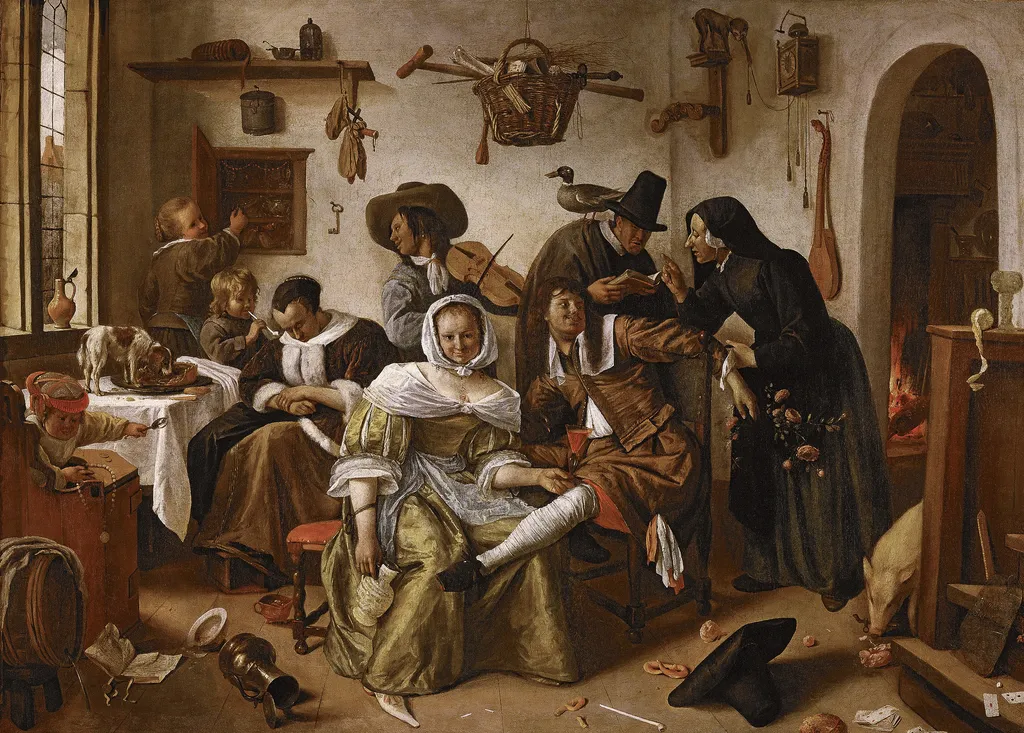
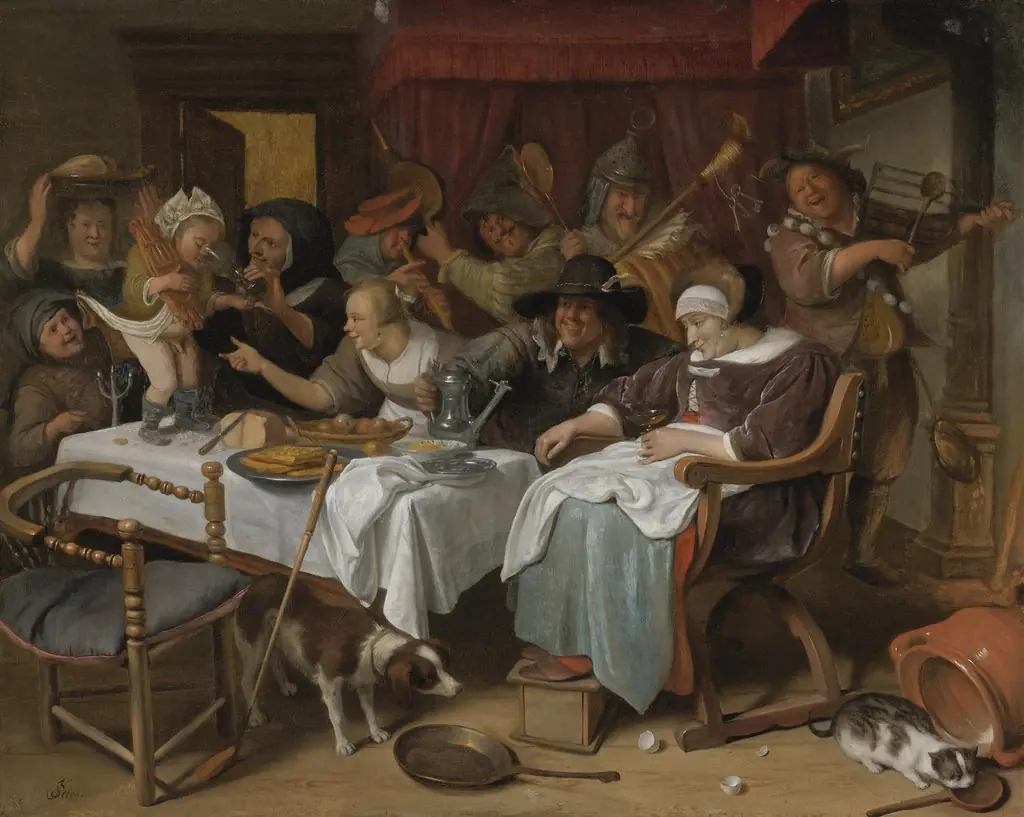
Beware of Luxury (“In Weelde Siet Toe”) is an oil painting by the Dutch Golden Age artist Jan Steen. It dates from 1663 and is held in the collection of the Kunsthistorisches Museum.
About this work
Beware of Luxury is a painting by Jan Steen. It's an oil painting made in 1663.
The painting is also known as Die verkehrte Welt, which translates to "the topsy-turvy world". This suggests that the painting may depict a scene that is unconventional or chaotic.
You can learn more about the techniques used in this painting by looking up the technique of glazing.
Overview
Painted in 1663 by Jan Steen, this oil work is titled Beware of Luxury, with an alternate Dutch name, In weelde siet toe.
Painted in 1663 by Jan Steen, this oil work is titled Beware of Luxury, with an alternate Dutch name, In weelde siet toe. Also known as Die verkehrte Welt, or The Upside-Down World, it portrays a domestic scene turned chaotic. The painting resides in the Kunsthistorisches Museum in Vienna and exemplifies Steen’s focus on satirical depictions of everyday life, using humor to underscore moral lessons.
Subject & Meaning
The scene shows a household in disarray, where social norms are inverted: servants act as masters, children mimic adult vices, and propriety is abandoned. At the center, a woman—believed to be Steen’s wife—engages the viewer with a knowing smile, reinforcing the painting’s ironic tone. The composition warns against indulgence, suggesting that excess leads to moral and domestic collapse.
Technique & Style
Steen employed oil glazing to achieve rich, luminous surfaces and subtle transitions in skin tones and fabrics. His brushwork is lively yet controlled, capturing movement and expression with wit. Figures are arranged in a dynamic inverted triangle, guiding the eye toward the central figure and heightening the sense of instability. The detailed interiors reflect Dutch genre painting traditions while amplifying narrative absurdity.
History & Provenance
The painting was completed in 1663 during Steen’s most active period as a genre painter. It entered the Habsburg collection in the 18th century and has remained in Vienna since, housed in the Kunsthistorisches Museum. Its survival through centuries reflects its recognized cultural value, though its moral message was never intended as solemn—rather, it invited reflection through laughter.
Context
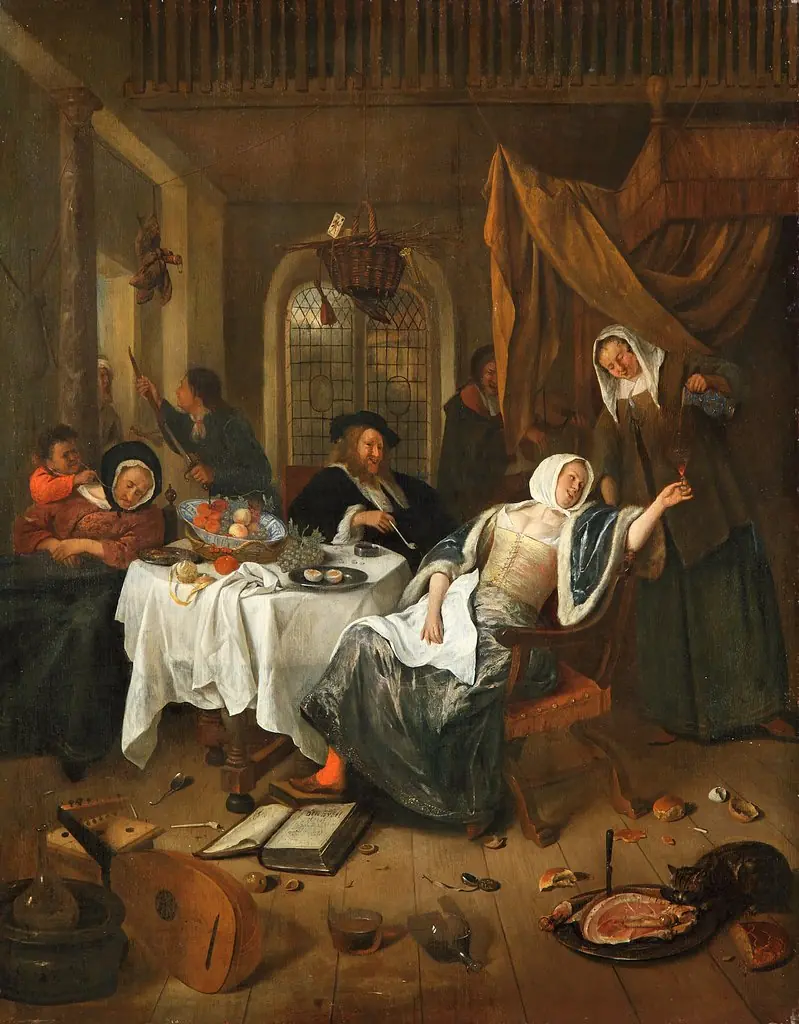
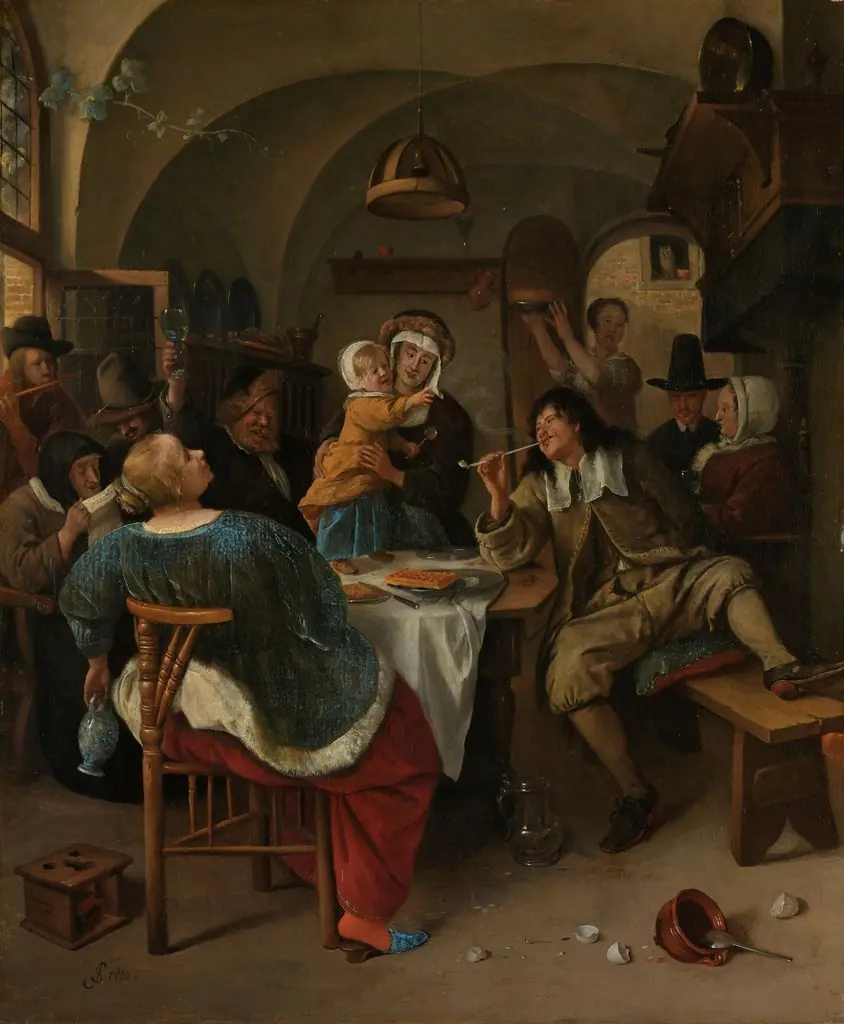
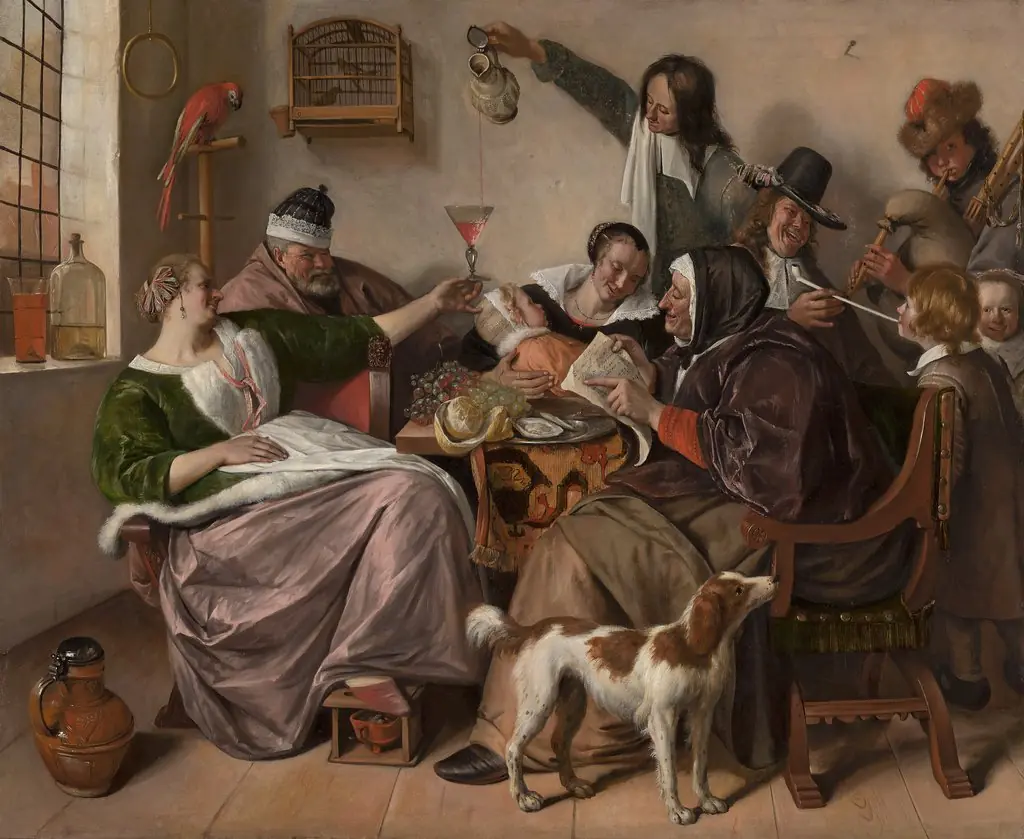
In 17th-century Dutch society, moralizing art was common, especially in homes where Protestant values emphasized moderation. Steen’s work responded to this climate by dramatizing the consequences of vice through relatable, humorous scenes. Comparable works like As the Old Sing, So Pipe the Young and The Effects of Intemperance similarly used domestic chaos to critique social behavior without overt preaching.
Legacy
Steen’s approach influenced later genre painters by blending observation with satire, making moral instruction accessible through narrative and character. While not universally admired in his time, his works gained scholarly attention in the 19th and 20th centuries for their psychological depth and social commentary. Today, Beware of Luxury remains a key example of how art could entertain while subtly challenging societal norms.
Own this work as a print
Artist & collection
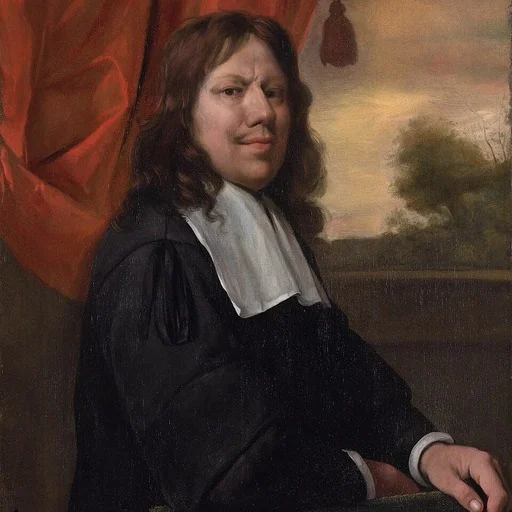
Artist
Jan Havickszoon Steen was a Dutch Golden Age painter, one of the leading genre painters of the 17th century.

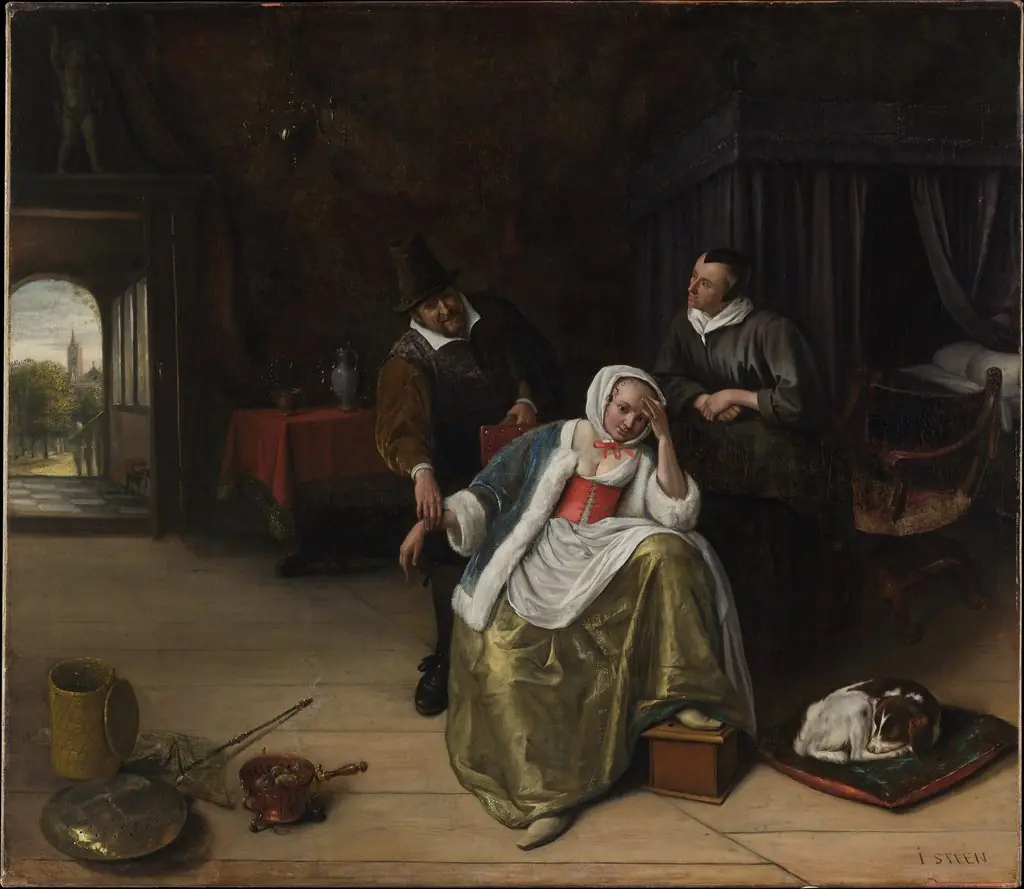 Paintings of physicians by Jan Steen
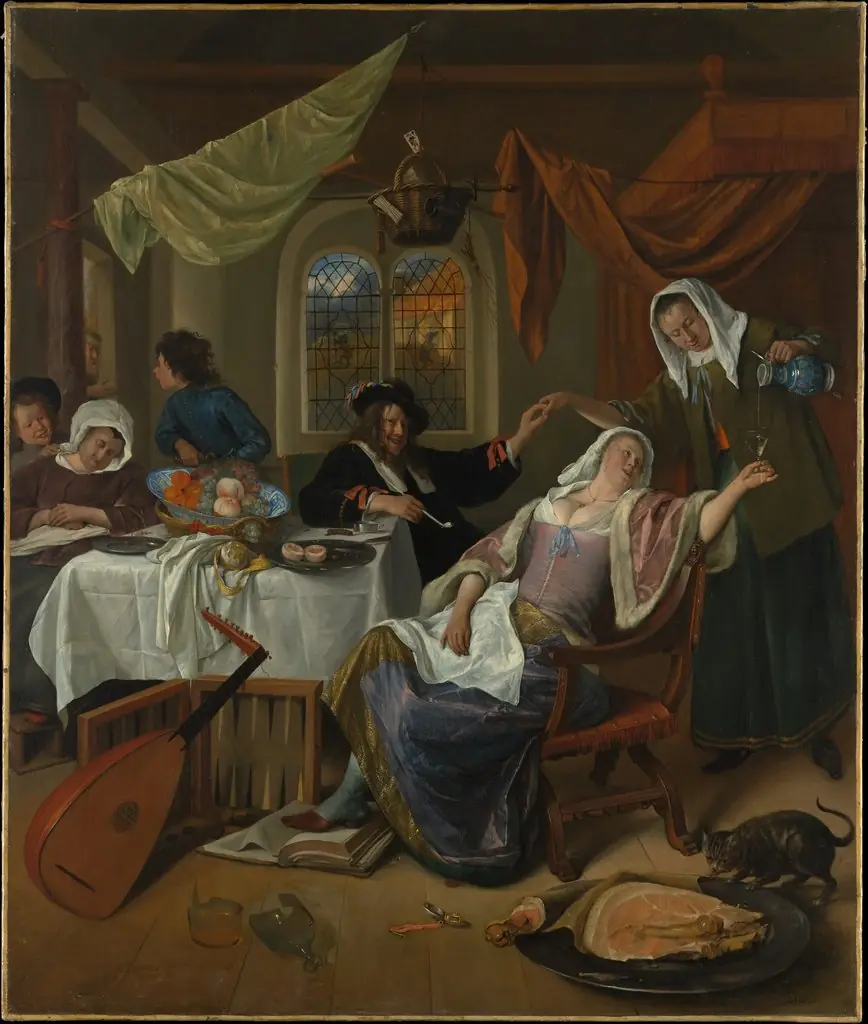 The Dissolute Household
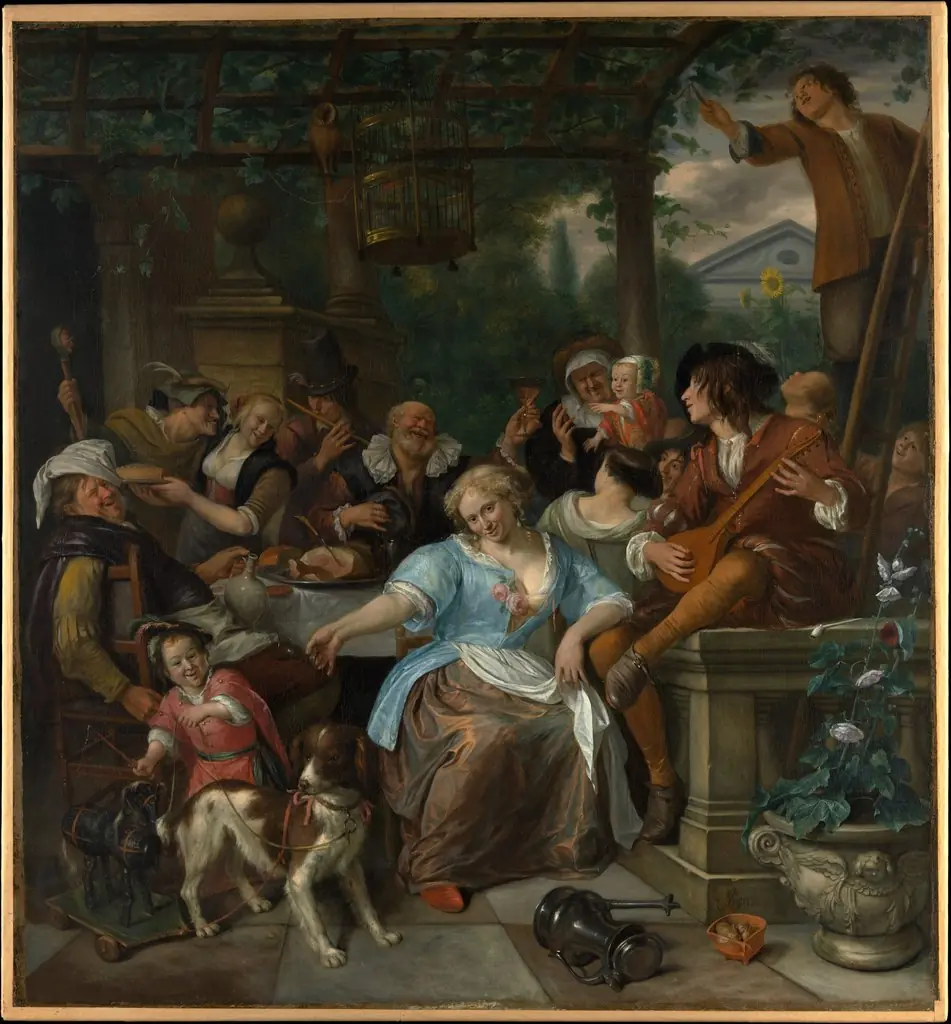 Merry Company on a Terrace
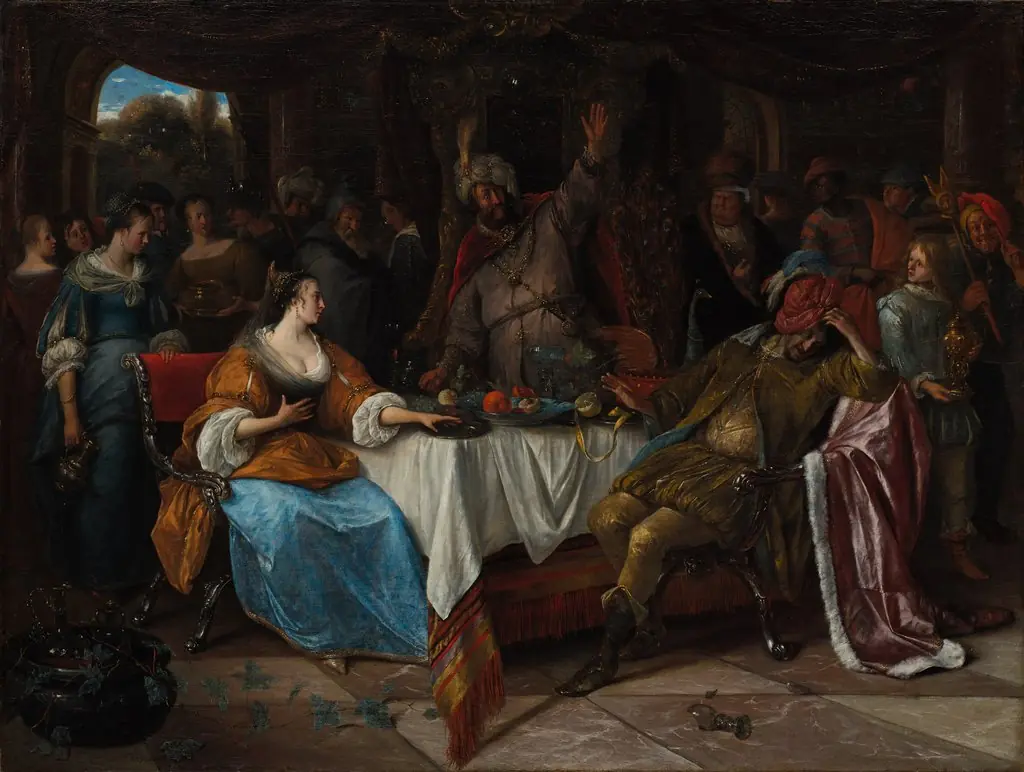 Esther, Ahasuerus, and Haman
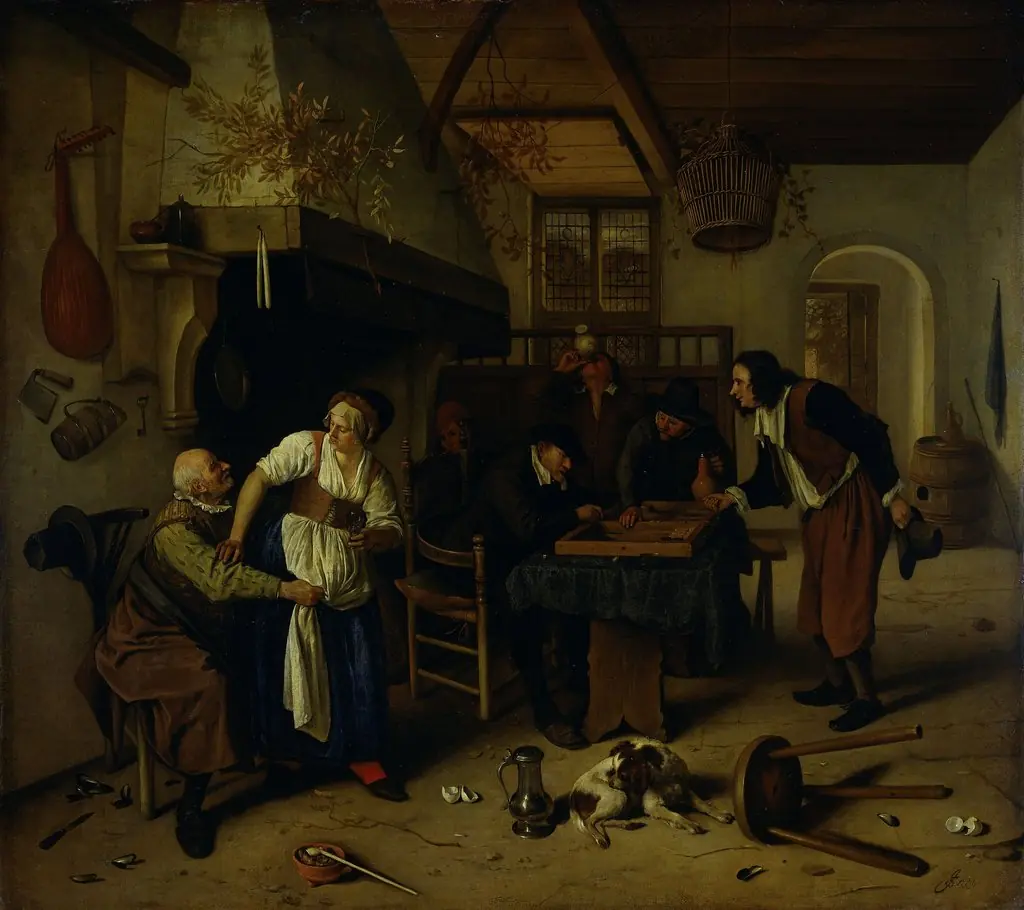 Interior of an inn with an old man amusing himself with the landlady and two men playing backgammon, known as 'Two kinds of games'
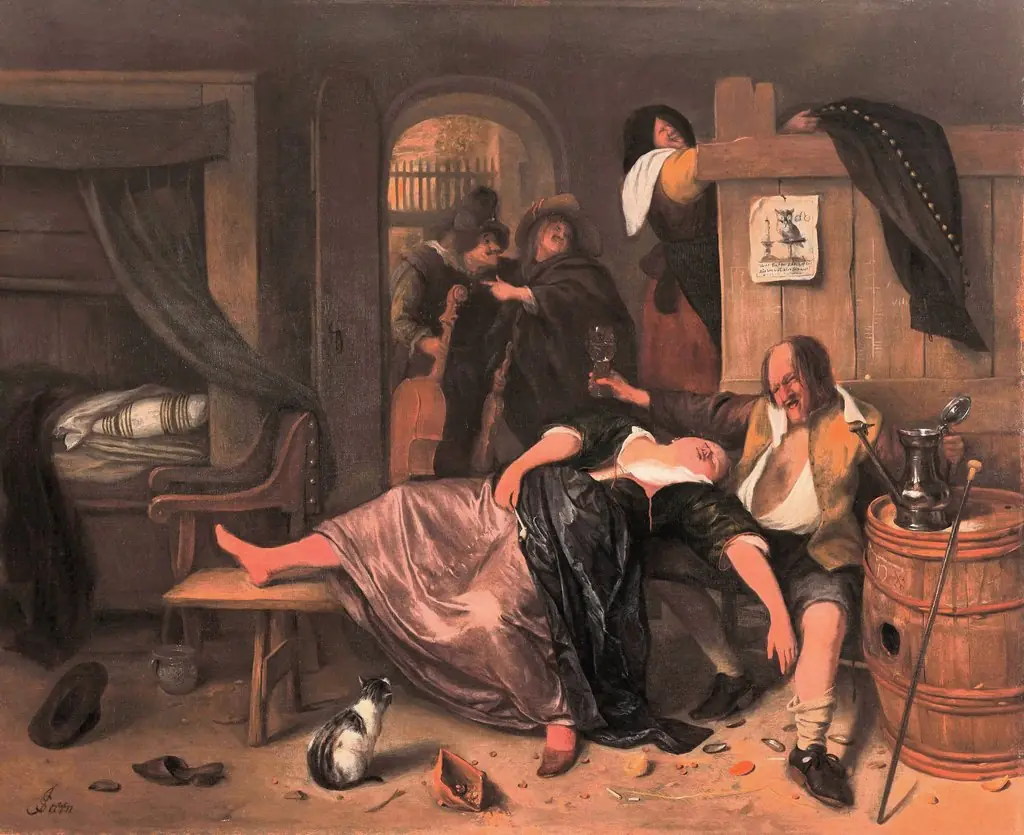 The Drunken Couple
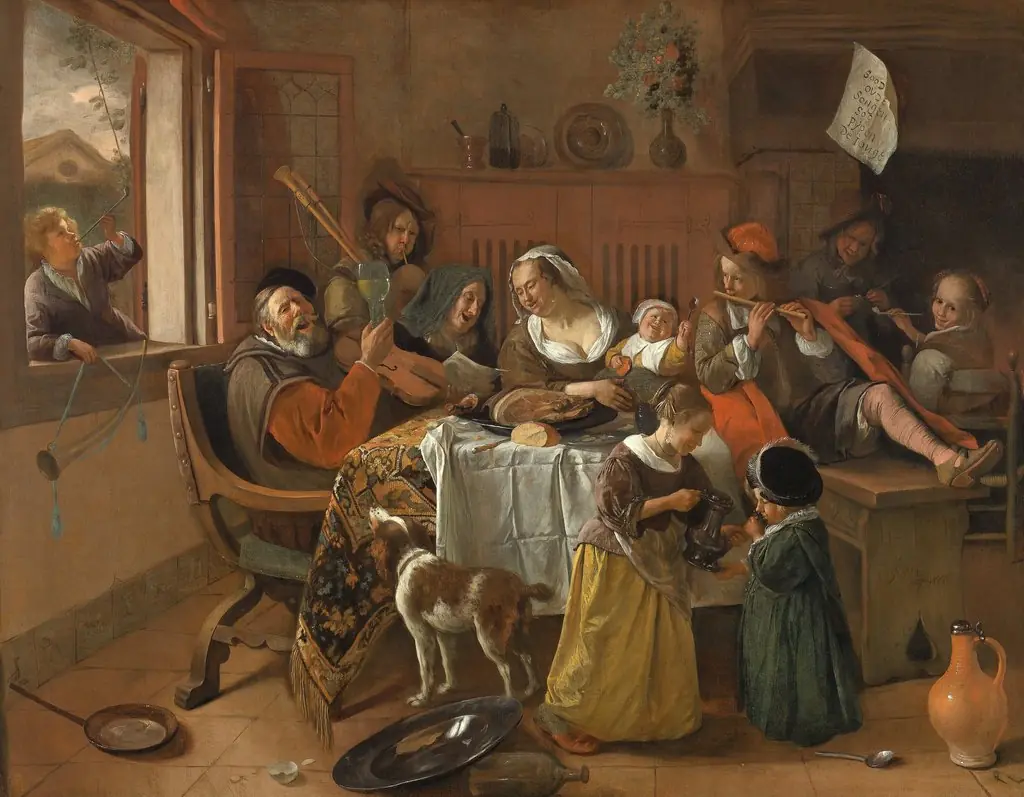 The Happy Family
 Bathsheba after the Bath