Artwork
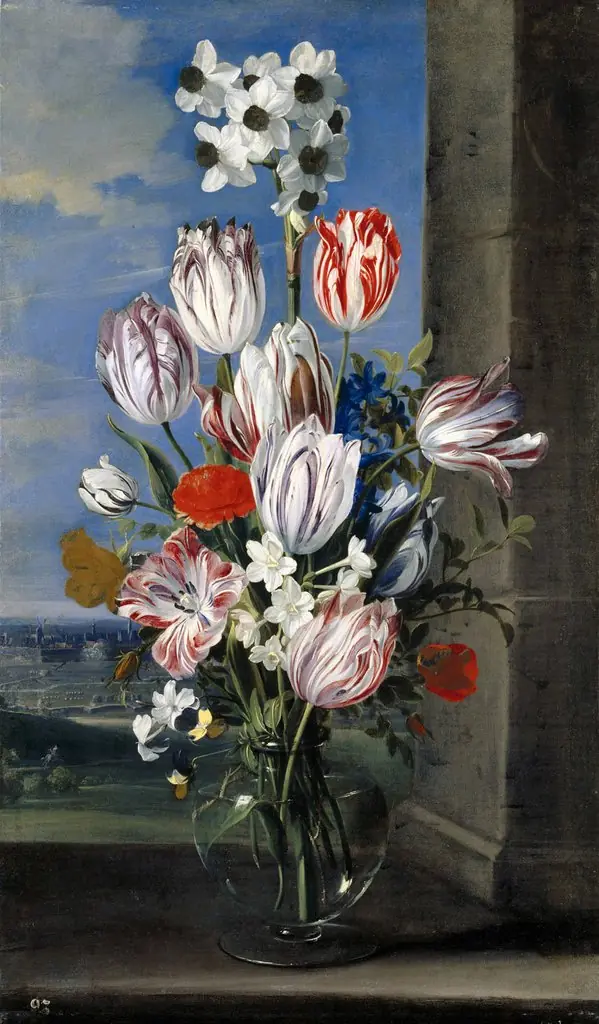
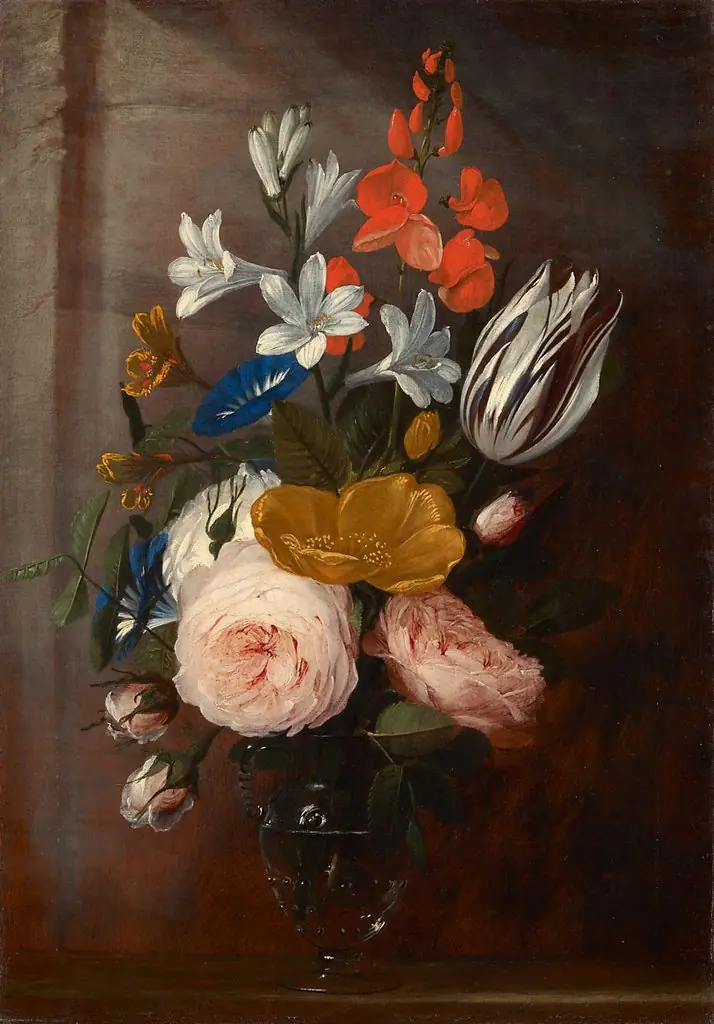
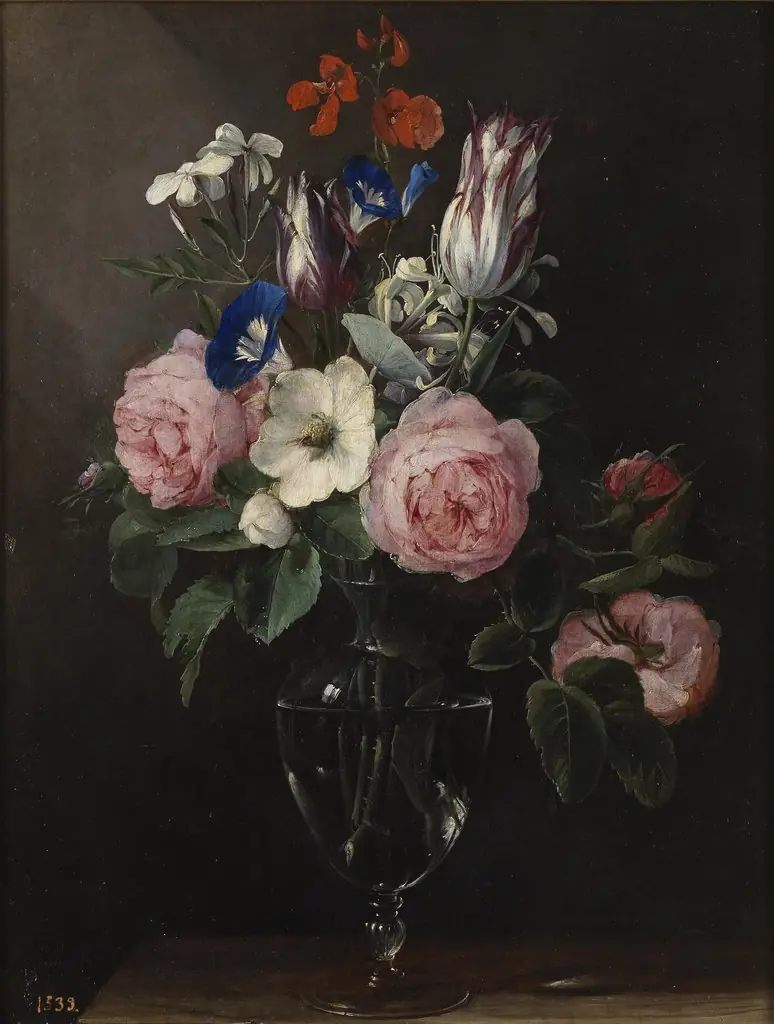
Glass with Anemones
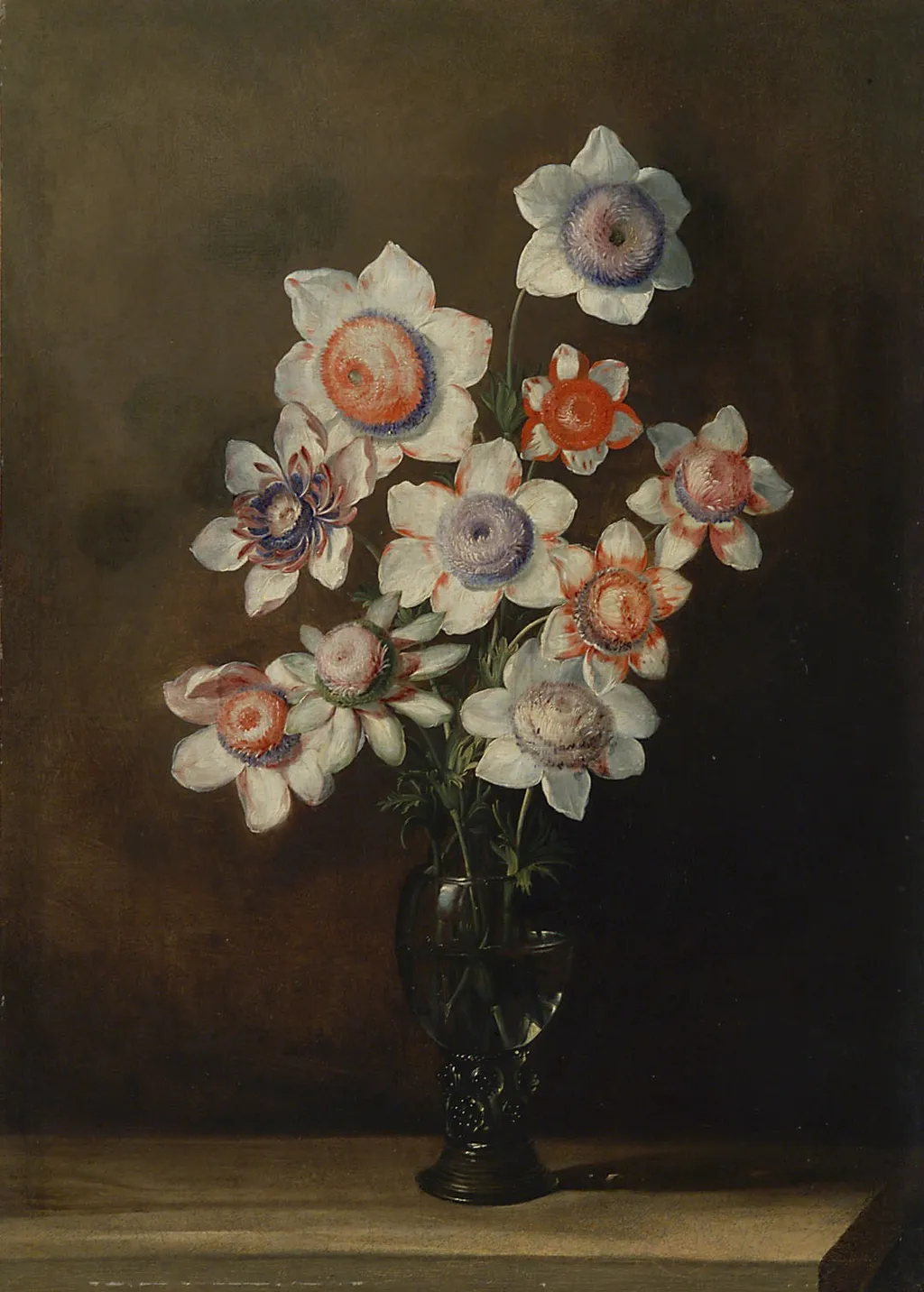
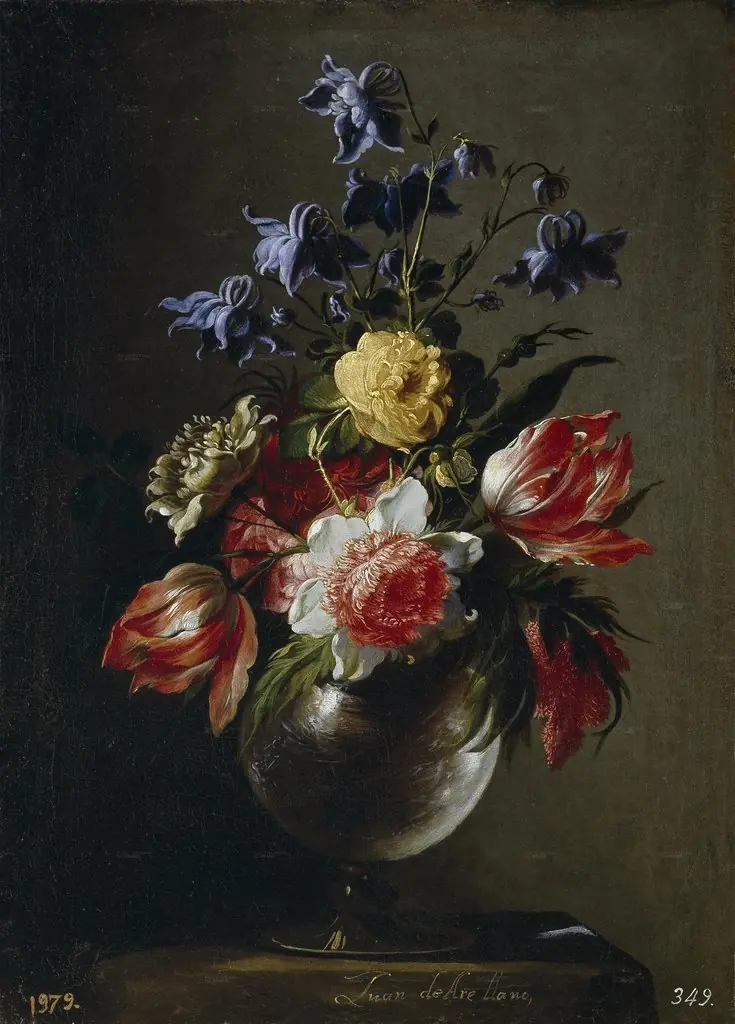
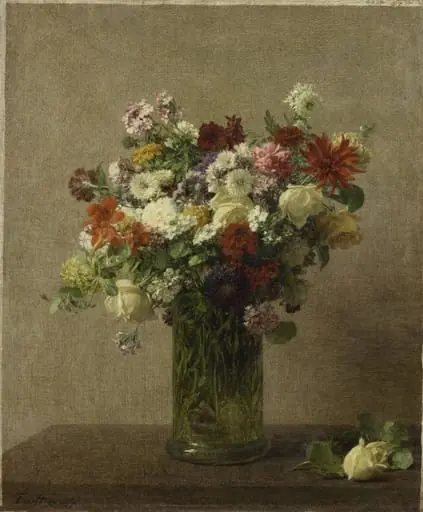
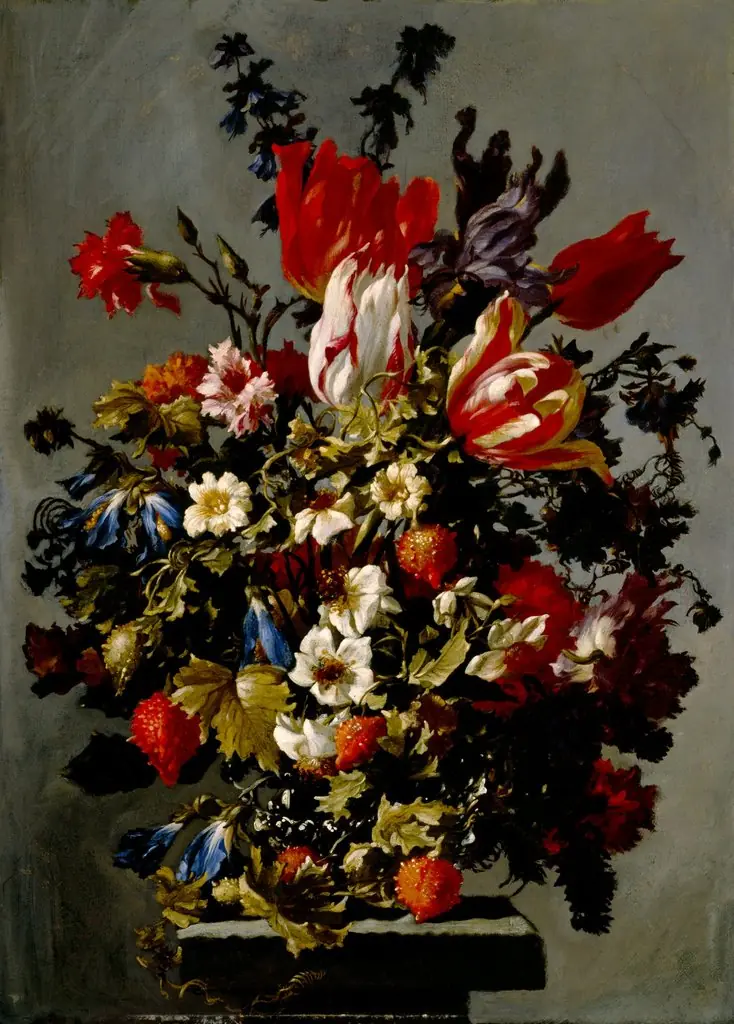
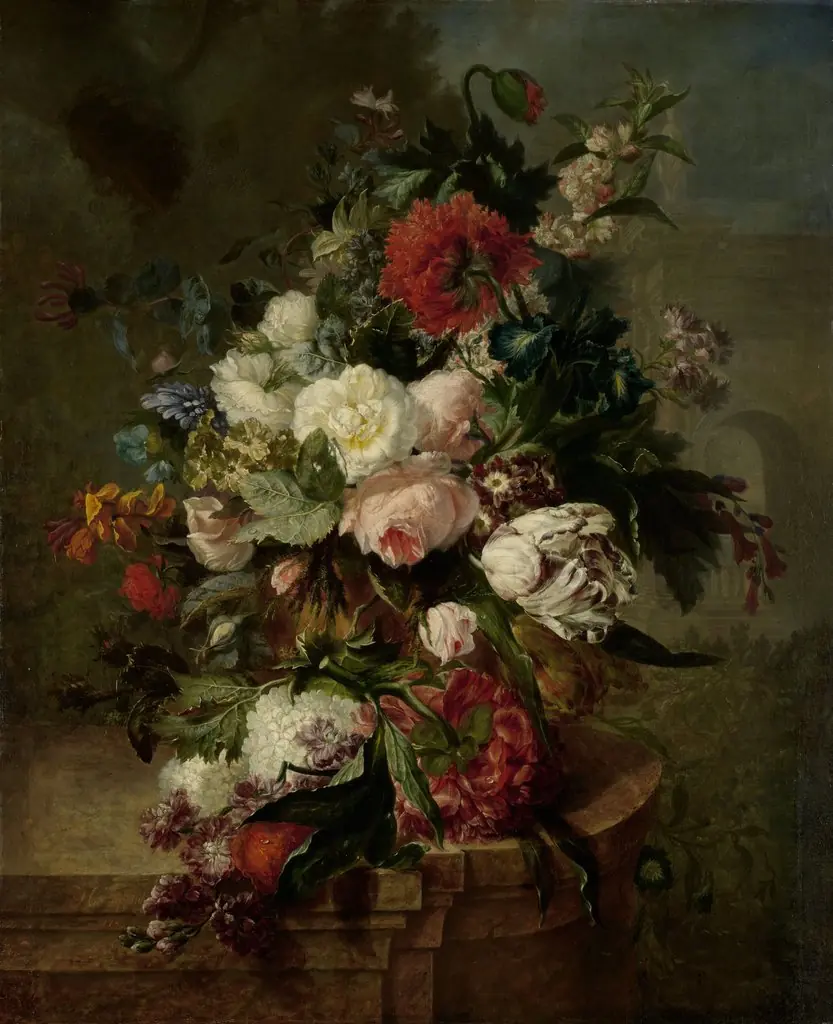
Glass with Anemones is an unspecified painting by the Dutch Golden Age artist Jan van den Hecke. It dates from 1653 and is held in the collection of the Kunsthistorisches Museum.
About this work
The painting is called Glass with Anemones.
It was made by Jan van den Hecke in 1653.
The artist chose a floral theme, which was a popular subject in art at the time, and it's now held at the Kunsthistorisches Museum, where people can see it in person.
You can learn more about the artist's style by looking up the technique of chiaroscuro.
Overview
Glass with Anemones is a 1653 canvas painting by Flemish Baroque artist Jan van den Hecke the Elder, characterized by its depiction of a glass vase filled with anemones.
Subject & Meaning
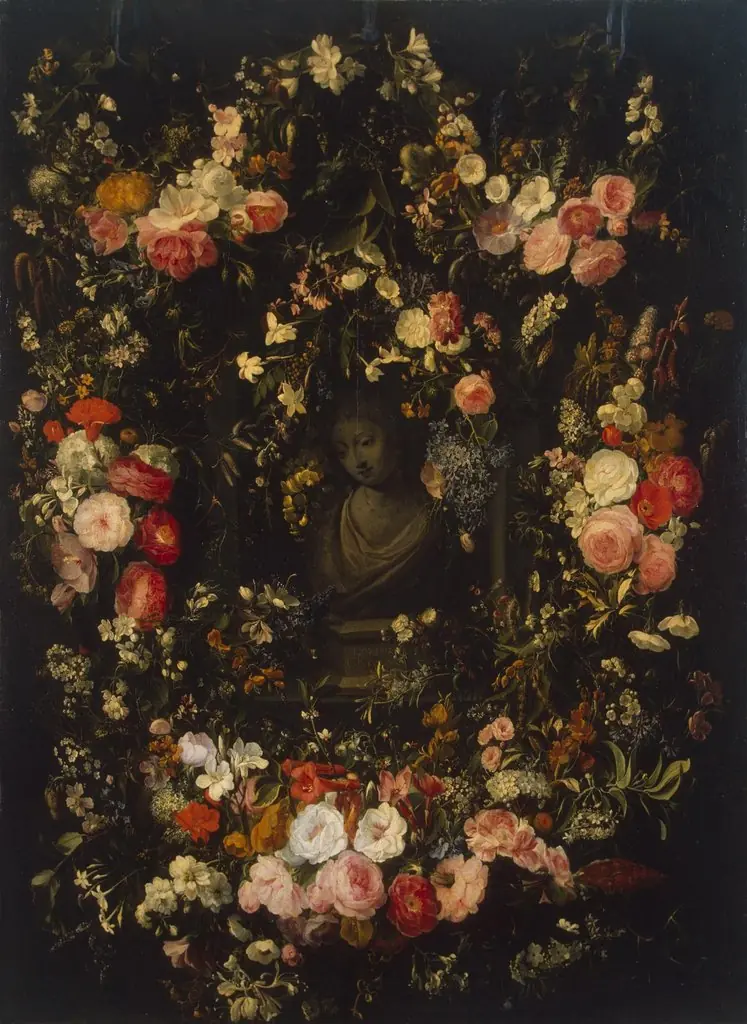
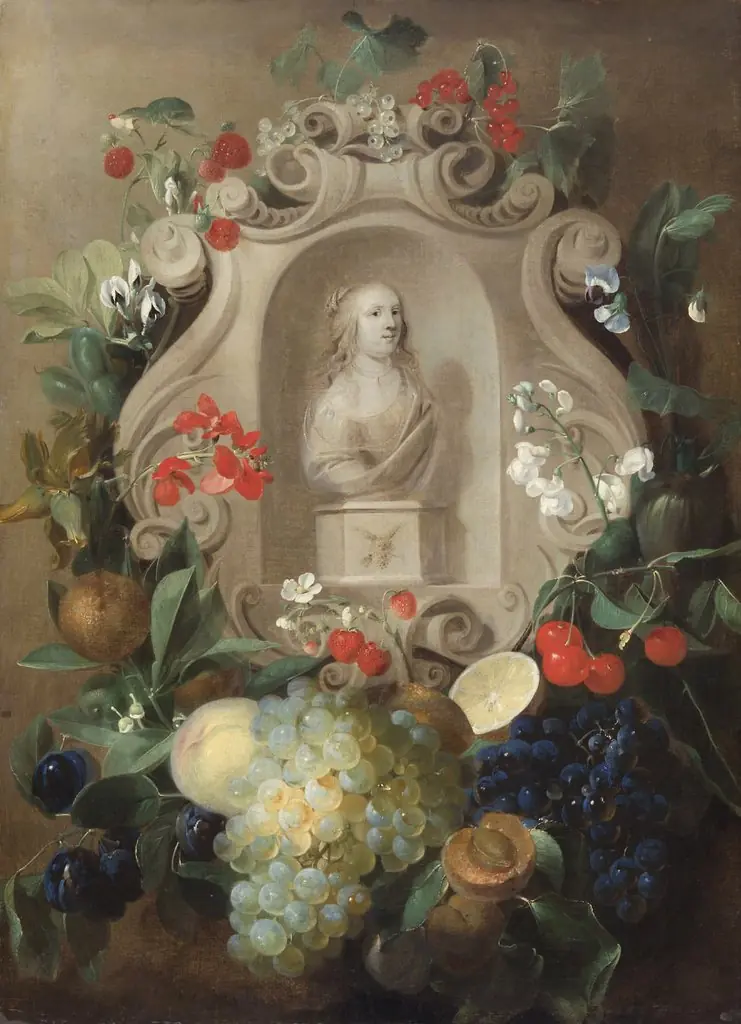
The painting's floral theme, specifically featuring anemones in a glass vase, reflects the popularity of still-life subjects during the Dutch Golden Age, inviting contemplation of beauty and transience.
Technique & Style
While specific techniques used in *Glass with Anemones* are not detailed here, van den Hecke's work often employed chiaroscuro, a method utilizing strong contrasts between light and dark to create three-dimensional effects.
History & Provenance
Created in 1653, the painting is now part of the collection at the Kunsthistorisches Museum, accessible to the public.
Context
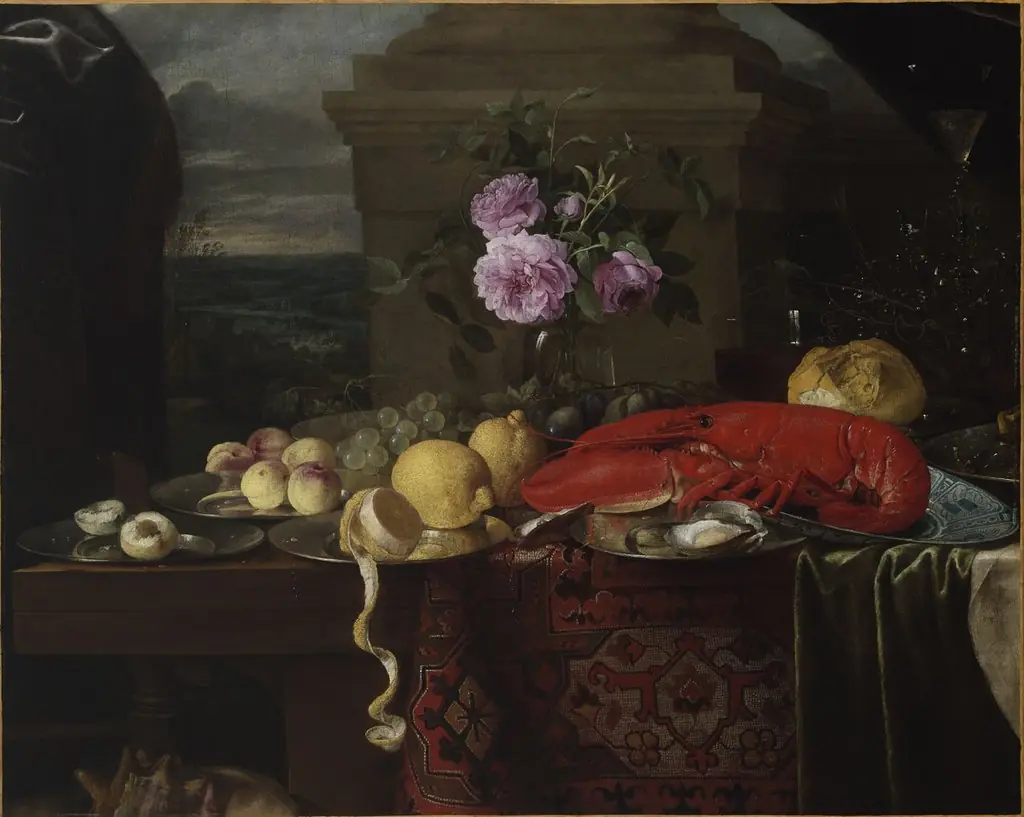
As part of the Dutch Golden Age, *Glass with Anemones* sits within a broader artistic movement that valued meticulous detail and everyday subjects, alongside van den Hecke's diverse output in landscapes and battle scenes.
Legacy
The painting's legacy is tied to its representation of 17th-century Flemish still-life painting, with its enduring presence in a major museum contributing to ongoing appreciation of the genre.
Artist & collection
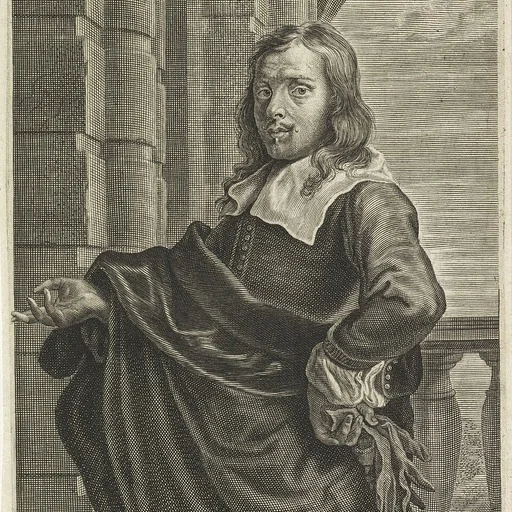
Artist
Jan van den Hecke or Jan van den Hecke the Elder (1620–1684) was a Flemish Baroque painter, draughtsman, printmaker and engraver, mainly known for his still lifes, landscapes and battle scenes.