Artwork
Still life with fruit
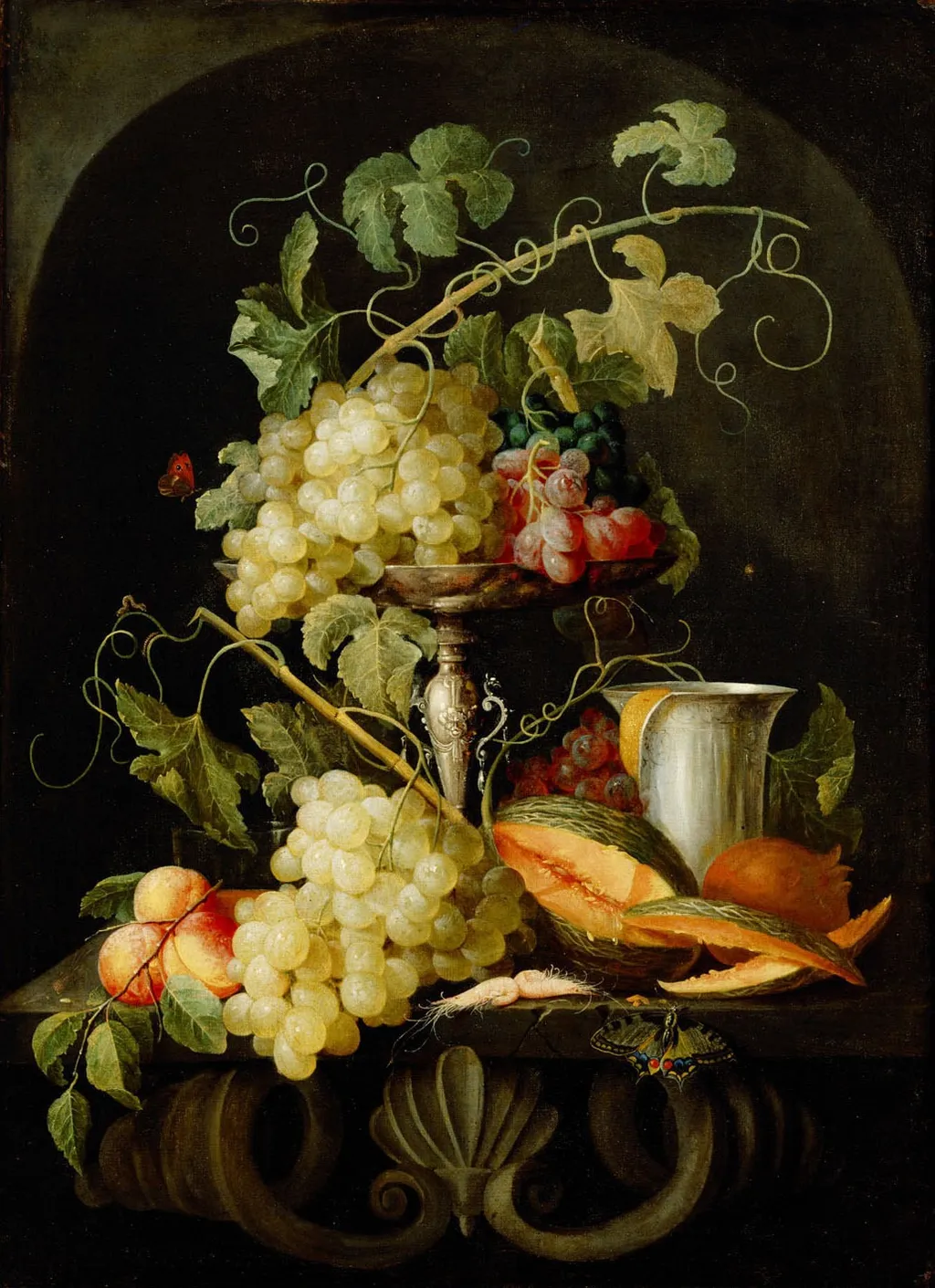
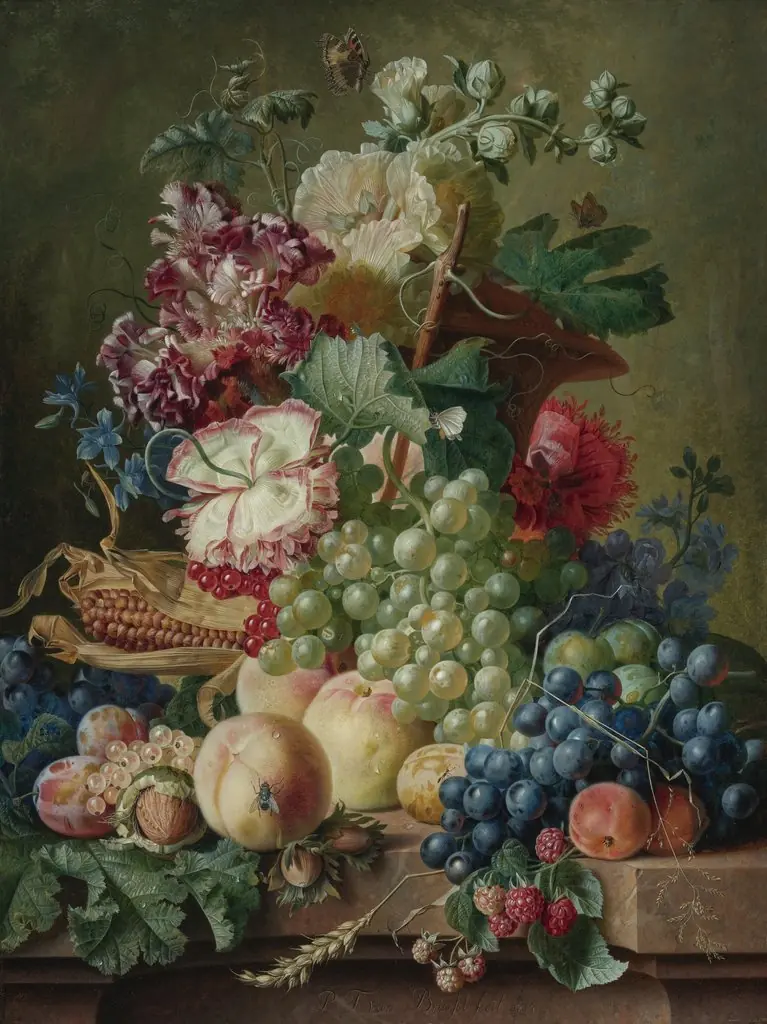
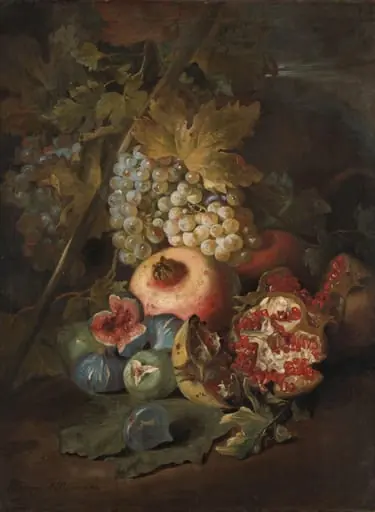
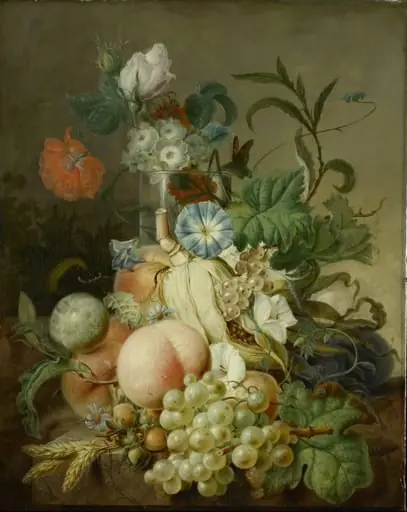
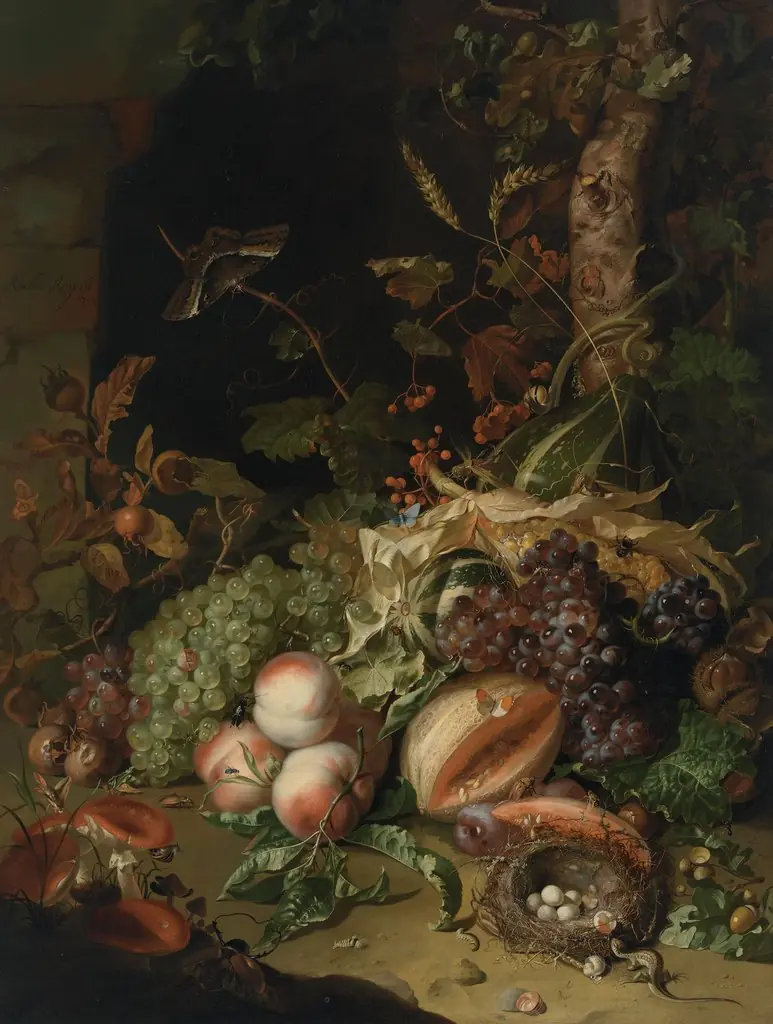
Still life with fruit is an oil painting by the Dutch Golden Age artist Jan van den Hecke. It dates from 1655 and is held in the collection of the Kunsthistorisches Museum.
About this work
Overview
Painted in 1655 by Jan van den Hecke the Elder, this oil-on-canvas still life presents a carefully composed arrangement of seasonal fruits and vessels.
Painted in 1655 by Jan van den Hecke the Elder, this oil-on-canvas still life presents a carefully composed arrangement of seasonal fruits and vessels. Van den Hecke, a Flemish artist trained in Antwerp and active in Rome, brought a refined sense of observation to his still lifes. The work is held in the Kunsthistorisches Museum, Vienna, and reflects the broader European tradition of detailed naturalism in 17th-century painting.
Subject & Meaning
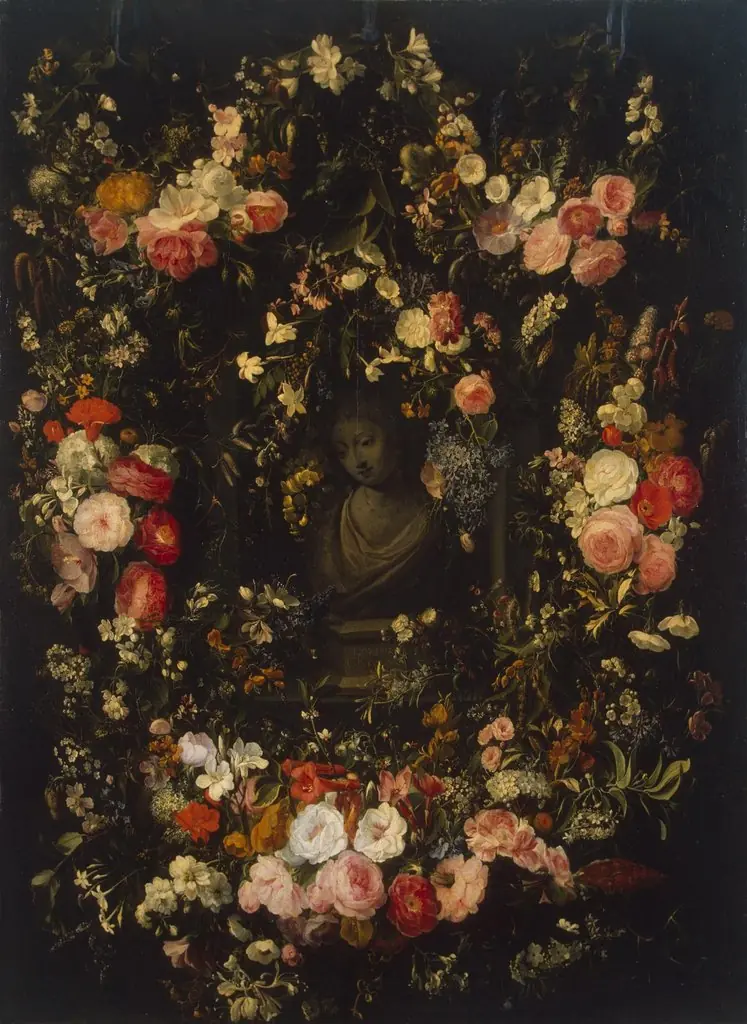
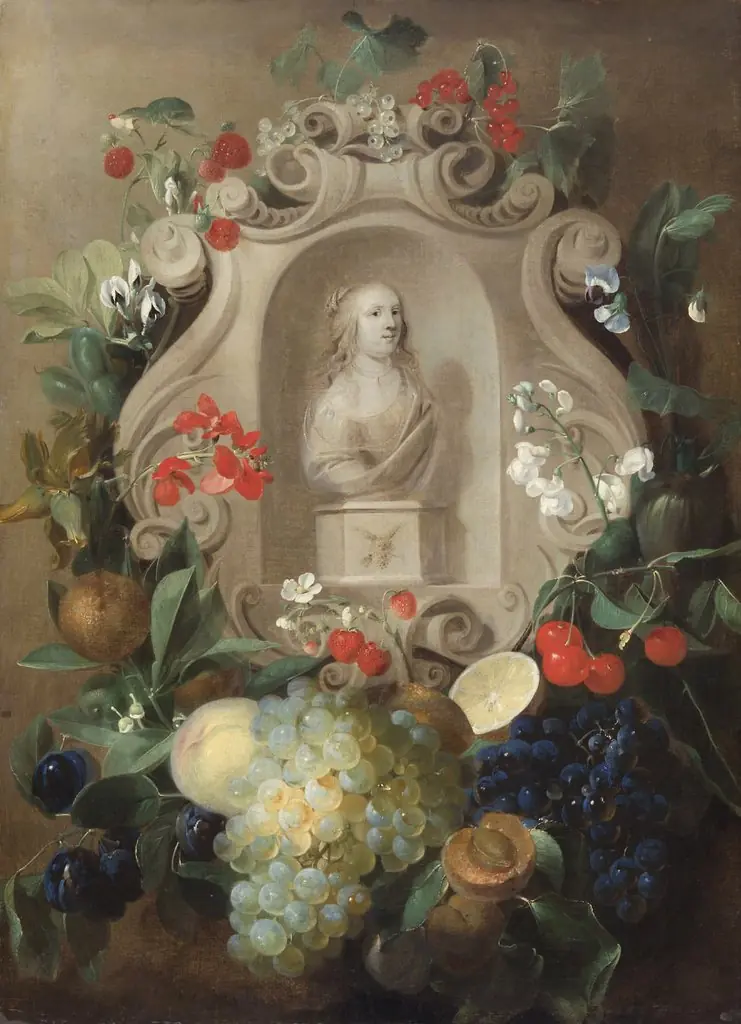
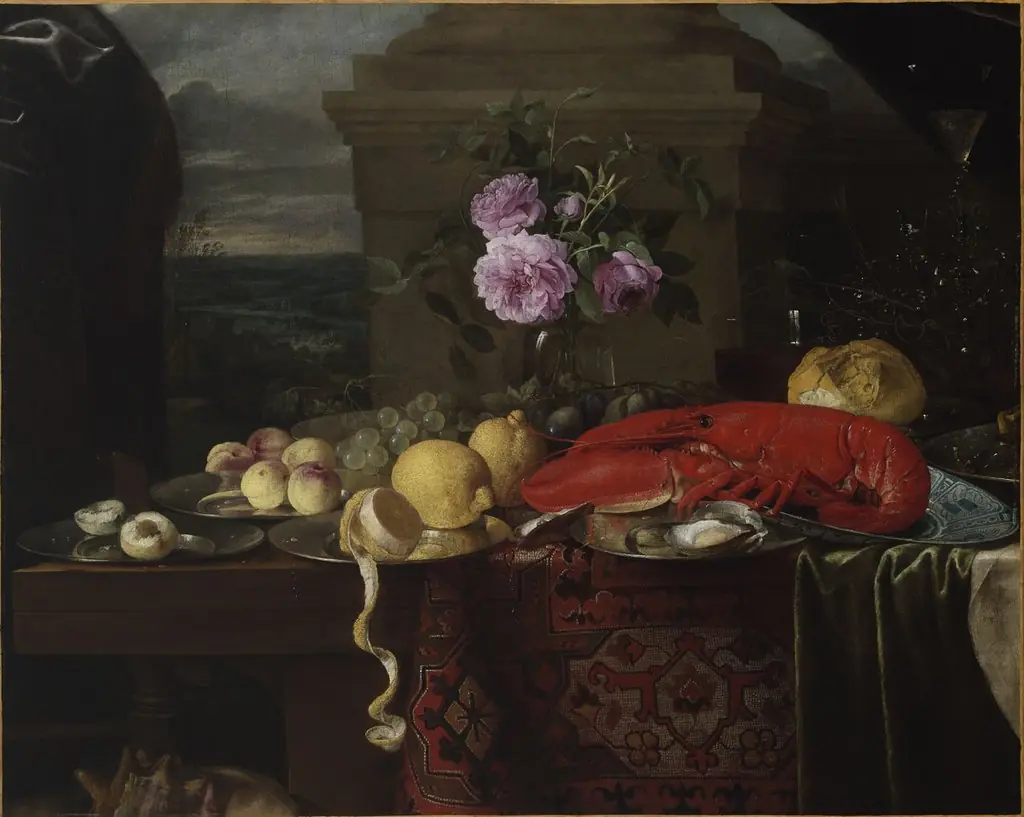
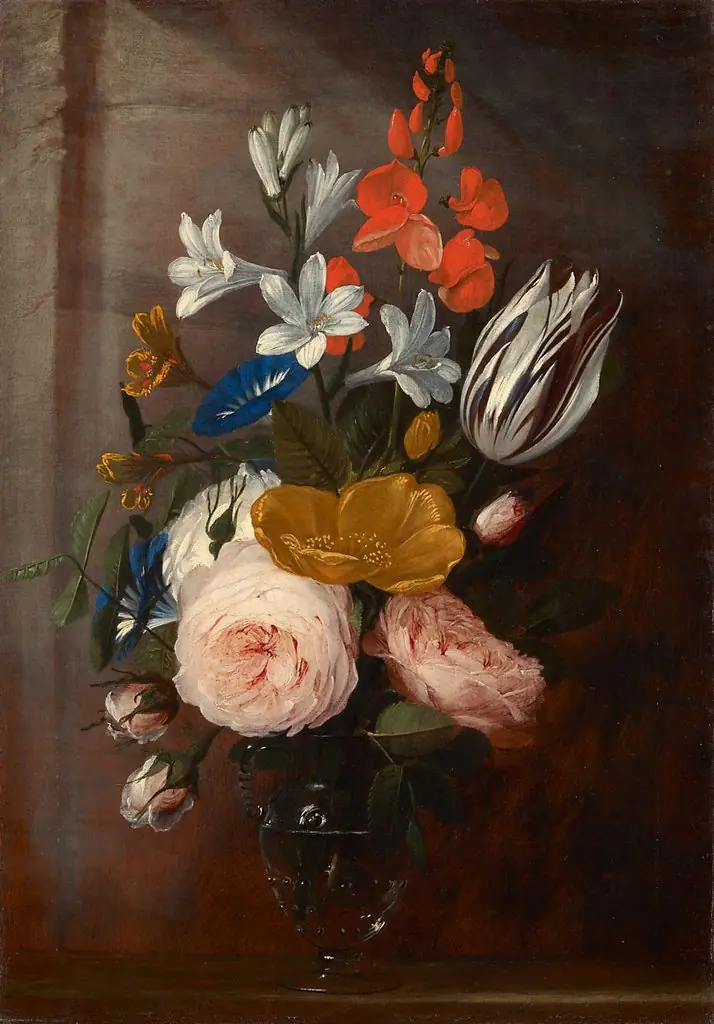
The composition features ripe peaches, plums, sliced melon, and a cluster of pale grapes, arranged alongside a silver pitcher and a small cup. Butterflies rest along the table’s edge, suggesting transience and the fleeting nature of abundance. The objects, though ordinary, are rendered with precision, inviting contemplation of decay, labor, and the sensory pleasure of nature’s harvest within a domestic setting.
Technique & Style
Van den Hecke employed a dark, near-black background to intensify the luminosity of the fruit and metallic surfaces. His brushwork captures subtle variations in texture—glossy skin, fuzzy peach, cool metal—through controlled contrasts of light and shadow. This use of chiaroscuro enhances three-dimensionality without dramatic lighting, favoring quiet realism over theatricality, characteristic of Flemish still life at mid-century.
History & Provenance
Created during van den Hecke’s later years in Flanders, the painting likely served a noble patron, possibly Archduke Leopold Wilhelm of Austria, known for collecting art in Vienna. The work entered the Kunsthistorisches Museum’s collection through imperial holdings, preserving its original context. Its survival in good condition reflects its valued status among collectors of naturalistic still lifes in the Habsburg court.
Context
This painting emerged during the Dutch Golden Age, when still life painting flourished across the Low Countries as a genre celebrating material abundance and technical skill. Though Flemish, van den Hecke’s work aligns with broader regional trends: meticulous detail, symbolic undertones, and a preference for dark grounds to heighten visual impact. His time in Rome may have influenced his tonal approach, blending Italian chiaroscuro with northern precision.
Legacy
Van den Hecke’s still lifes contributed to the evolution of naturalistic representation in Baroque art, influencing later generations of Flemish and Dutch painters. While less widely known than contemporaries like Ruysch or Claesz, his work exemplifies the quiet mastery of everyday objects rendered with quiet dignity. The painting remains a reference point for studies in light, texture, and the symbolic language of fruit in 17th-century visual culture.
Artist & collection
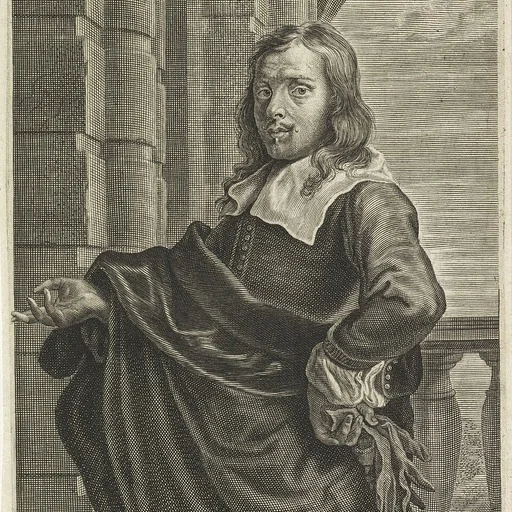
Artist
Jan van den Hecke or Jan van den Hecke the Elder (1620–1684) was a Flemish Baroque painter, draughtsman, printmaker and engraver, mainly known for his still lifes, landscapes and battle scenes.