Artwork
The Black Pig Inn at Maarssen
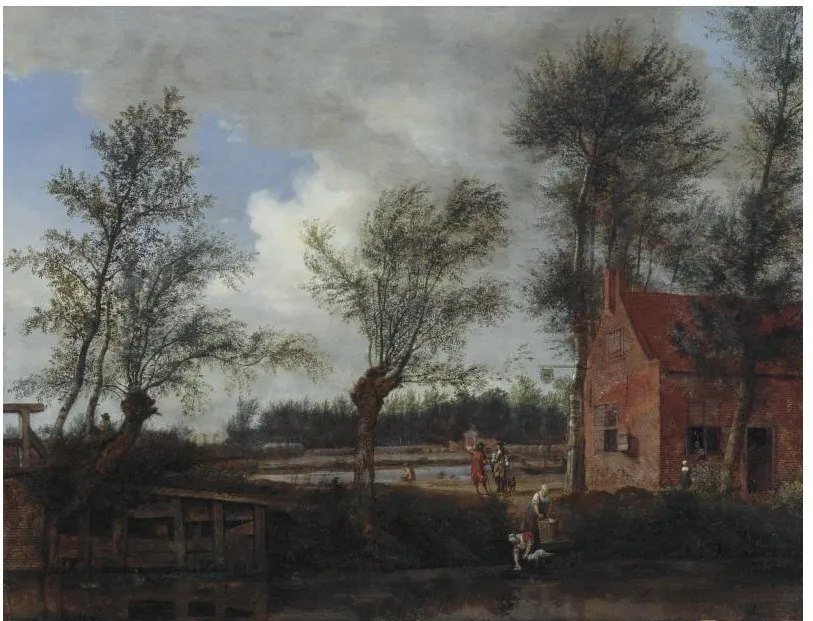
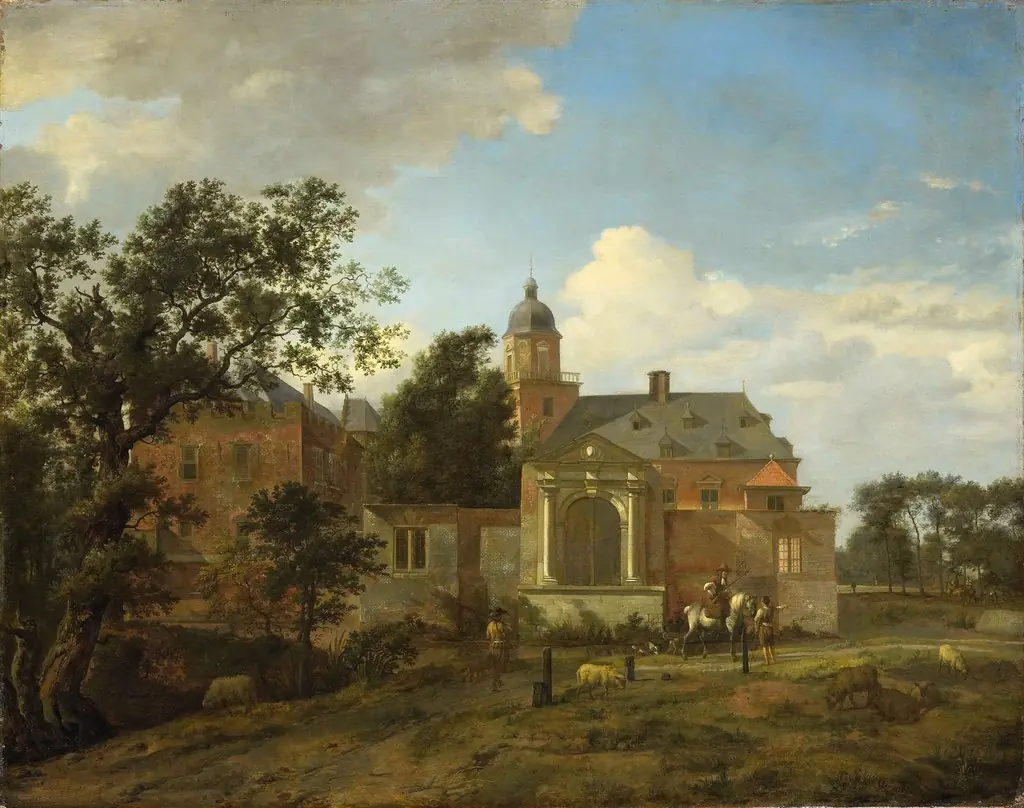
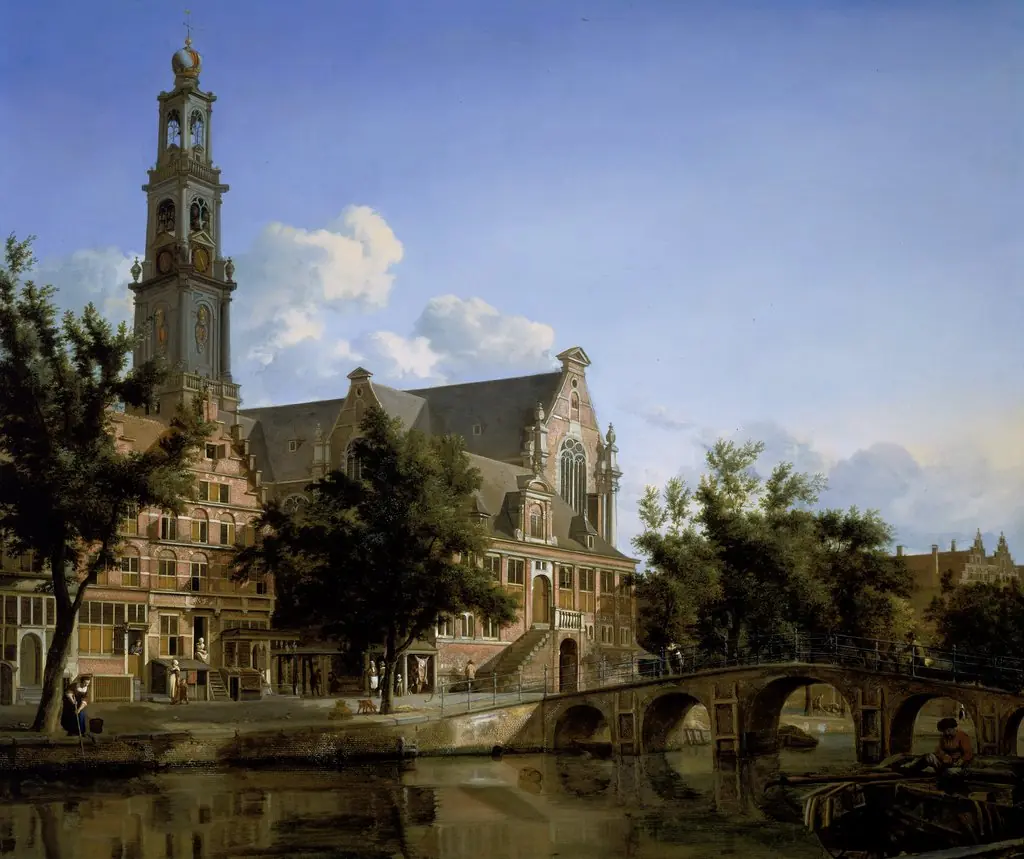
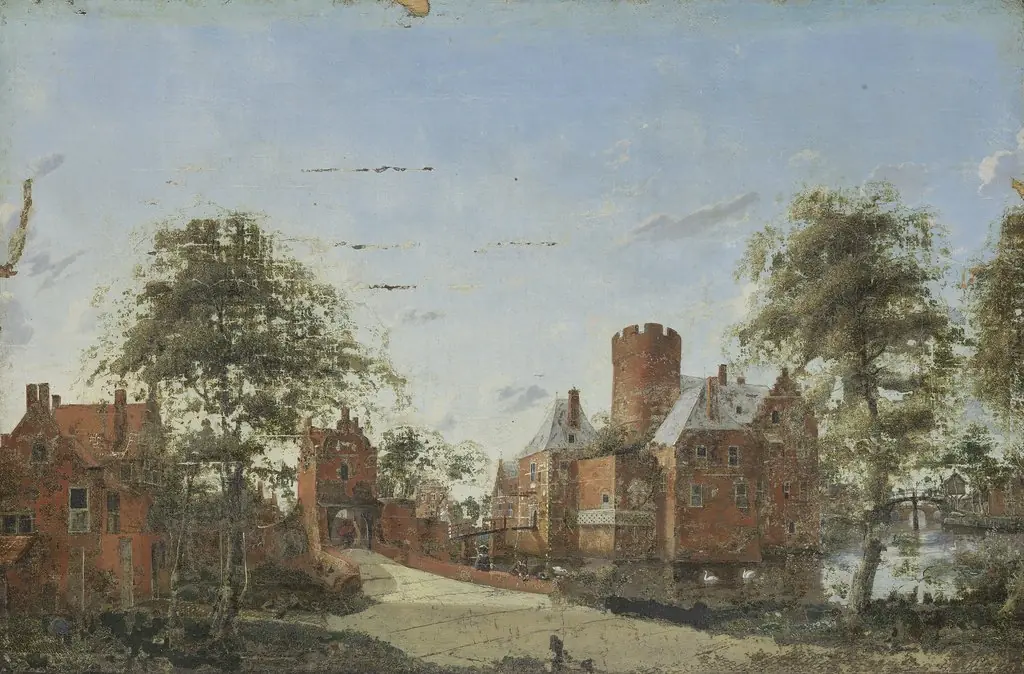
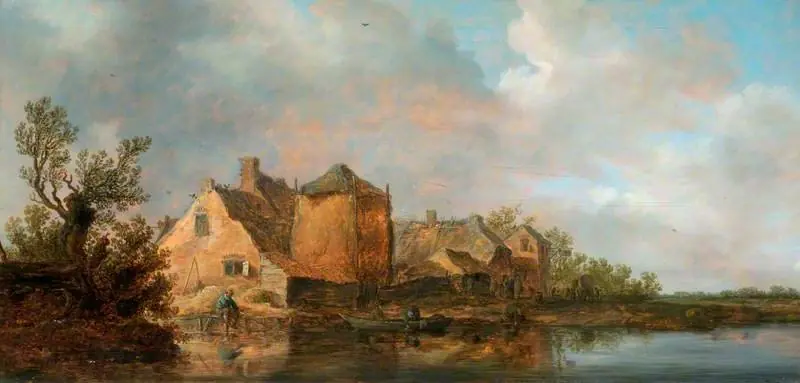
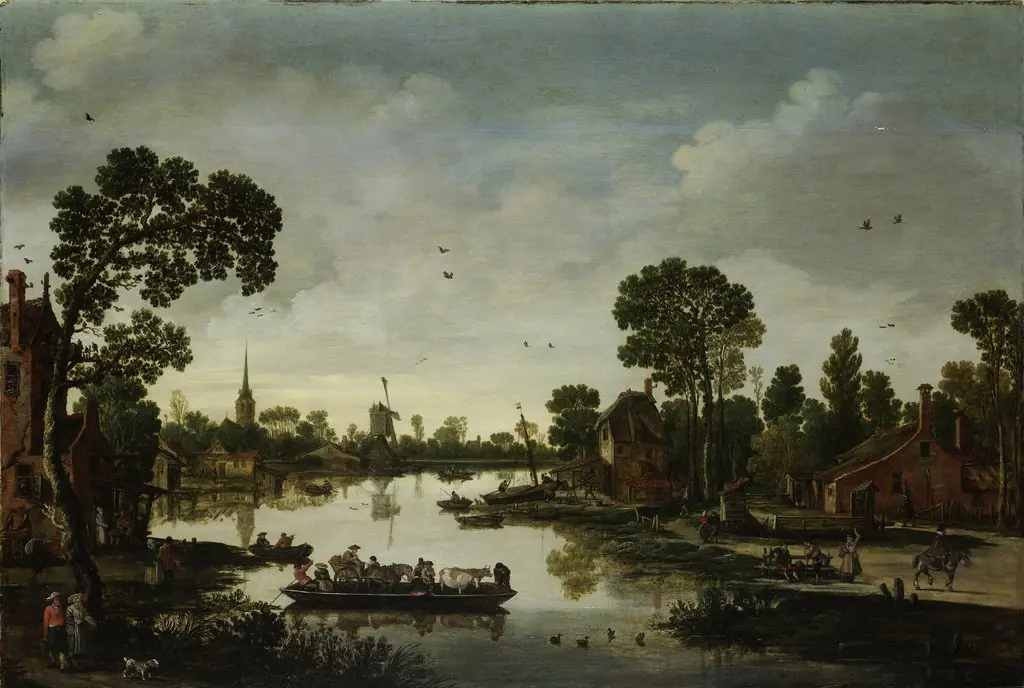
The Black Pig Inn at Maarssen is an oil painting by the Dutch Golden Age artist Jan van der Heyden. It dates from 1668 and is held in the collection of the J. Paul Getty Museum.
About this work
Overview
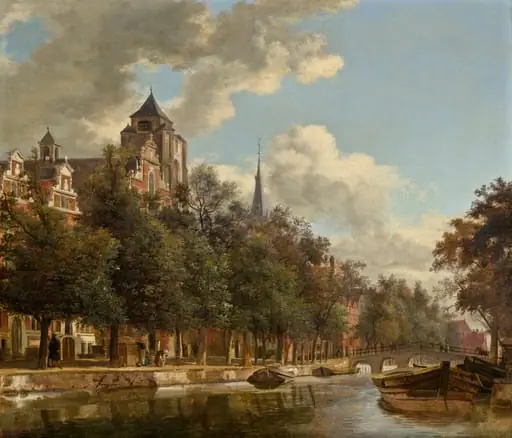
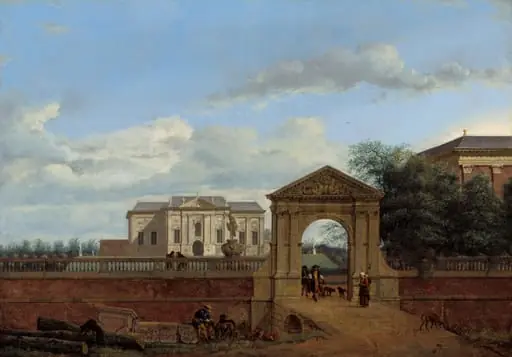
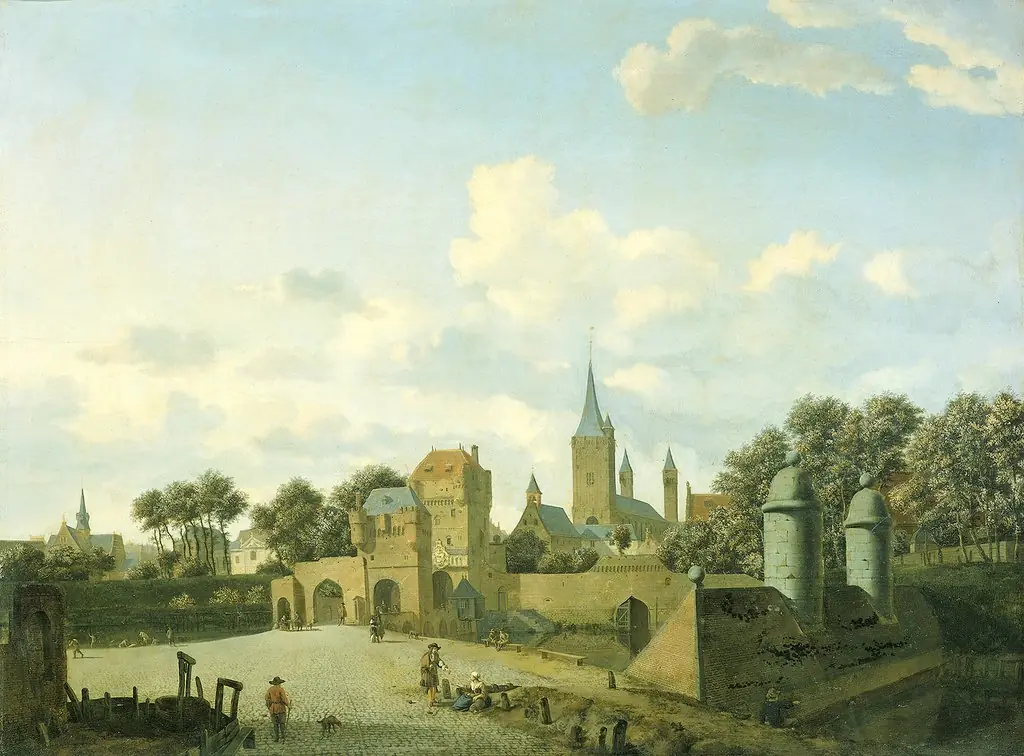
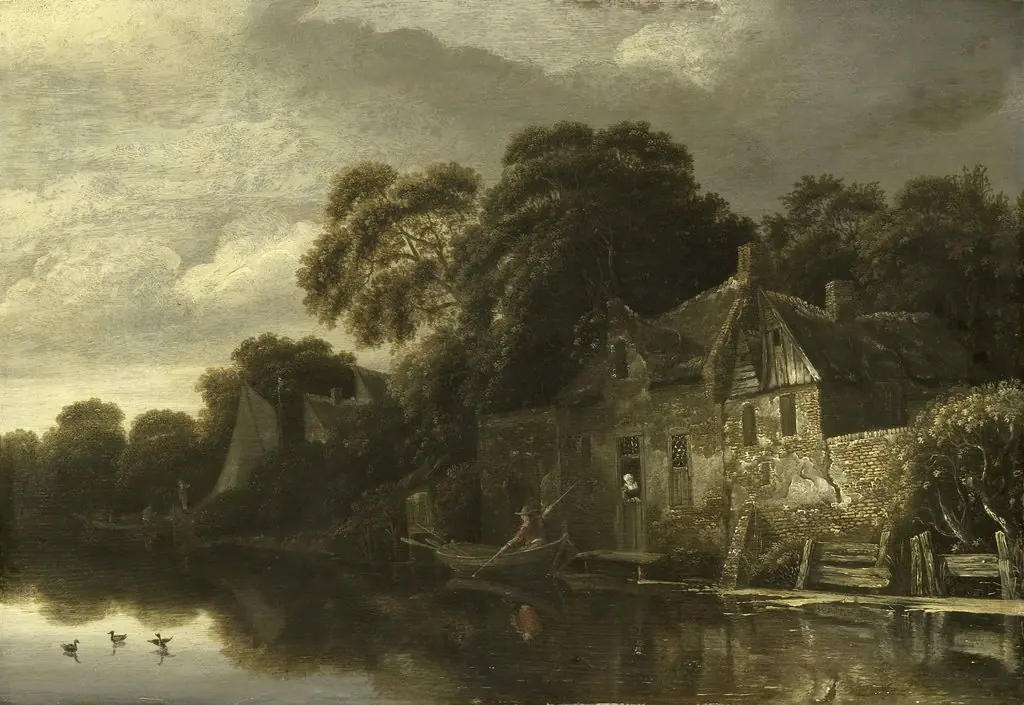
Jan van der Heyden’s 1668 oil painting portrays the Black Pig Inn situated in the Dutch town of Maarssen. The composition centers on a modest brick tavern with a red tiled roof, set beside a tranquil waterway and framed by leafy trees. A woman is shown washing laundry in the foreground while a man stands nearby, lending the scene a quiet, everyday atmosphere.
Subject & Meaning
The work captures a slice of 17th‑century Dutch life, emphasizing the routine activities of rural inhabitants. By placing domestic labor beside a recognizable public house, van der Heyden highlights the interplay between private chores and communal gathering places, reflecting the social fabric of the Dutch Golden Age.
Technique & Style
Van der Heyden employs a subtle chiaroscuro, balancing warm brick tones against cooler reflections in the water to create depth. Delicate brushwork renders the cloudy sky and foliage, while careful modulation of light defines the figures, guiding the eye toward the inn’s central position within the landscape.
History & Provenance
Created during van der Heyden’s mature period, the painting exemplifies his interest in architectural and urban subjects. It entered the collection of the J. Paul Getty Museum, where it remains on display, offering insight into the artist’s broader oeuvre that also includes contributions to early firefighting technology with his brother.
Artist & collection
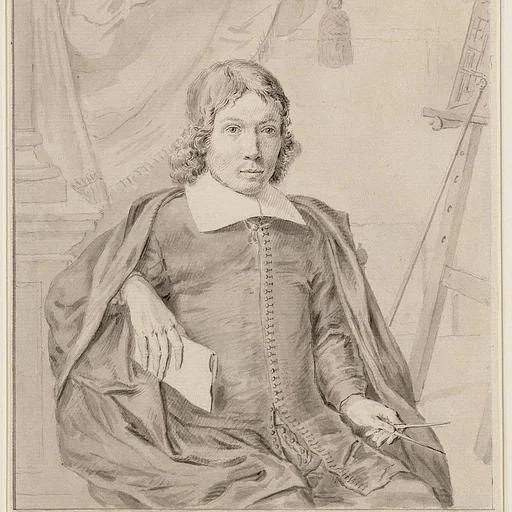
Artist
Jan van der Heyden (5 March 1637, Gorinchem – 28 March 1712, Amsterdam) was a Dutch Baroque-era painter, glass painter, draughtsman and printmaker.