Artwork
The Windmill
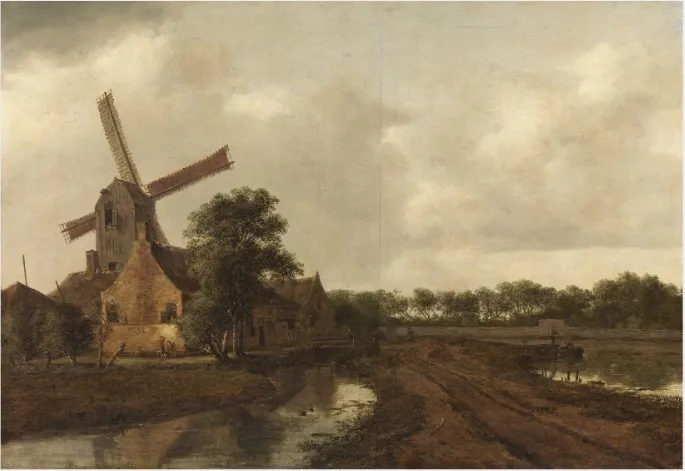
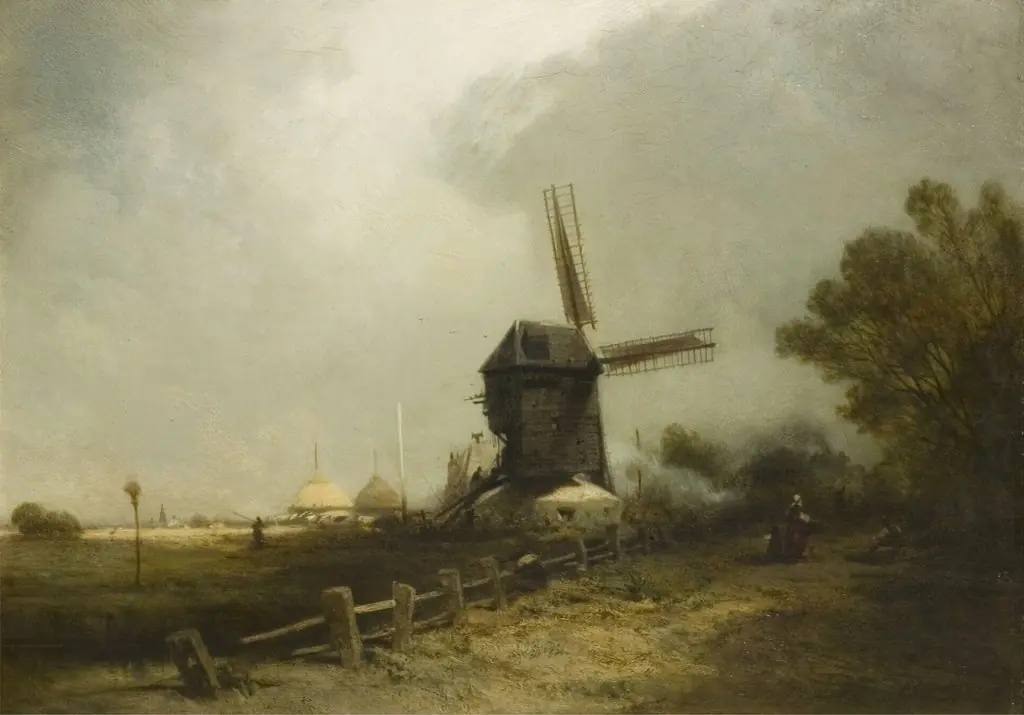
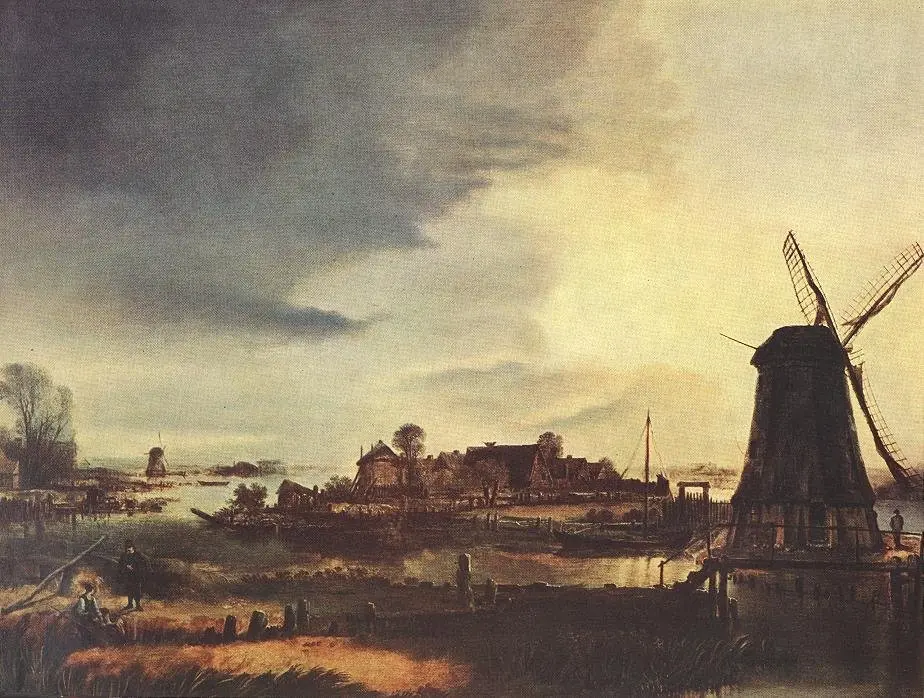
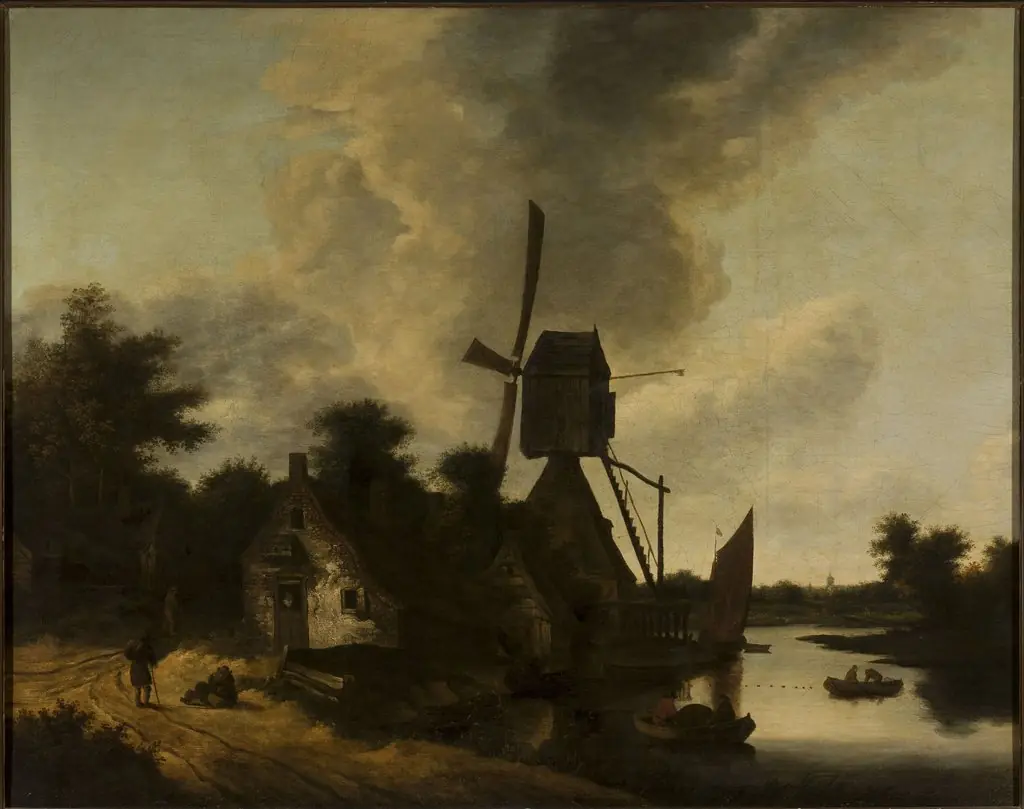
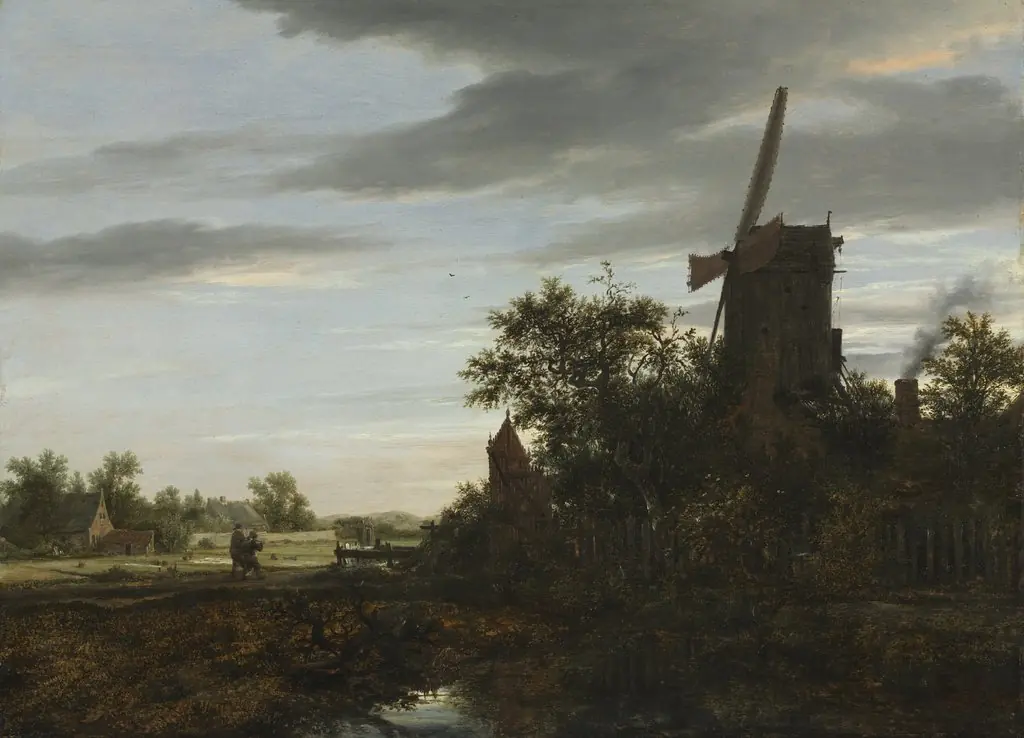
The Windmill is an oil painting by the Dutch Golden Age artist Wouter Knijff. It dates from 1663 and is held in the collection of the National Gallery of Ireland.
About this work
Overview
The Windmill, a 1663 oil painting by Dutch Golden Age artist Wouter Knijff, is a landscape featuring a windmill as its central element, set within a broader natural scene.
Subject & Meaning
The painting depicts a windmill on the left, with a large tree in front, a turning wheel, and a nearby stream, evoking serenity and highlighting the interplay between human-made structures and nature.
Technique & Style
Knijff employed earthy tones, predominantly browns and greens, to create depth and texture, characteristic of his genre and influenced by Jan van Goyen's style.
History & Provenance
Created in 1663, the work is part of the National Gallery of Ireland's collection. Knijff, a Guild of St. Luke member since 1640, later instructed his painter sons.
Context
As a Dutch Golden Age piece, it reflects the era's emphasis on landscape painting, with Knijff's style situating him among followers of van Goyen.
Legacy
The Windmill represents Knijff's contribution to the Dutch landscape tradition, with his work and teaching influencing subsequent generations through his sons.
Artist & collection
Artist
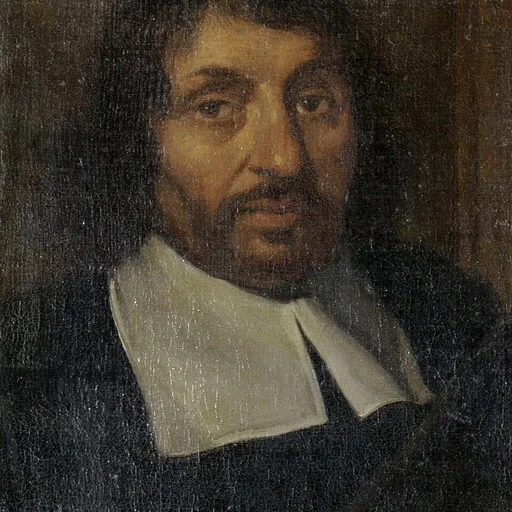
Wouter Knijff (1605 in Wesel – 1694 in Bergen op Zoom), was a Dutch Golden Age landscape painter.