Artwork
View of Veere, Zeeland
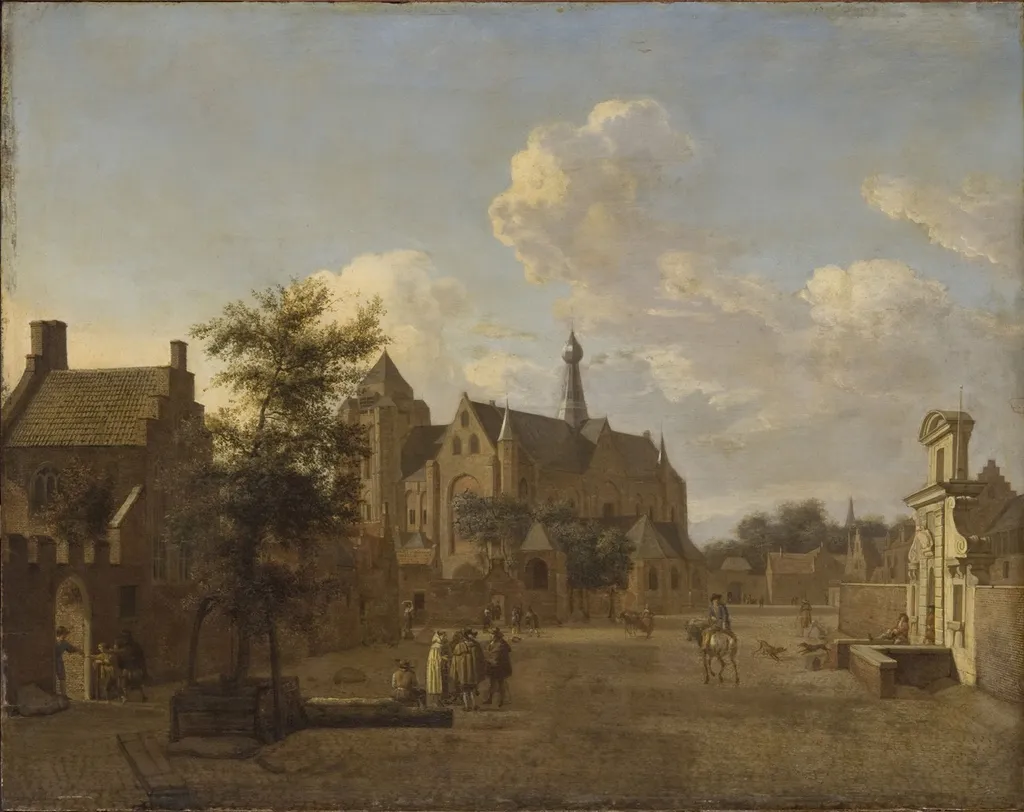
View of Veere, Zeeland is an oil painting by the Dutch Golden Age artist Jan van der Heyden. It dates from 1690 and is held in the collection of the Philadelphia Museum of Art.
About this work
Overview
Painted in 1690 by Jan van der Heyden, this oil on panel work captures the Dutch town of Veere in Zeeland with quiet precision.
Painted in 1690 by Jan van der Heyden, this oil on panel work captures the Dutch town of Veere in Zeeland with quiet precision. It belongs to a series of urban views that document provincial life during the Dutch Golden Age. Unlike dramatic landscapes, van der Heyden favored calm, orderly compositions that emphasized architectural clarity and atmospheric stillness, reflecting both his artistic discipline and his technical interests.
Subject & Meaning
The painting centers on Veere’s parish church, its tall spire anchoring the composition amid tightly packed buildings. Figures in the foreground—walking, talking, or tending to goods—suggest daily routines without theatricality. The inclusion of a single tree introduces natural rhythm against the man-made structures. The scene conveys neither grandeur nor decay, but a settled, functional community, embodying the Dutch preference for dignified, unembellished civic life.
Technique & Style
Van der Heyden employed fine brushwork to render brickwork, windows, and rooftops with near-architectural accuracy. His muted palette—soft grays, browns, and ochres—enhances the sense of atmospheric cohesion, while the pale blue sky and drifting clouds add subtle depth without distraction. Shadows are carefully modulated to suggest consistent daylight, reinforcing the painting’s serene, uneventful mood. The style avoids romanticism, favoring observation over embellishment.
History & Provenance
Created near the end of van der Heyden’s career, the painting reflects his mature approach to urban depiction. It entered the Philadelphia Museum of Art’s collection through documented acquisitions in the early 20th century, part of a broader interest in Dutch genre and topographical works. Its survival in good condition underscores its careful preservation, though its specific ownership history prior to the 1900s remains largely unrecorded.
Context
During the late 17th century, Dutch towns like Veere were centers of trade and local governance, often depicted in art as symbols of civic pride. Van der Heyden’s townscapes aligned with a growing market for accurate, non-idealized views of everyday places. His work stood apart from landscape painters who emphasized nature; instead, he treated architecture as the primary subject, informed by his knowledge of engineering and perspective.
Legacy
Though better known today for his innovations in firefighting equipment, van der Heyden’s paintings remain significant for their methodical documentation of Dutch urban form. His precise renderings influenced later topographical artists and provided valuable visual records of 17th-century architecture. This work, like others in his oeuvre, contributes to an understanding of how Dutch society viewed its own built environment—with quiet reverence rather than spectacle.
Artist & collection
Artist
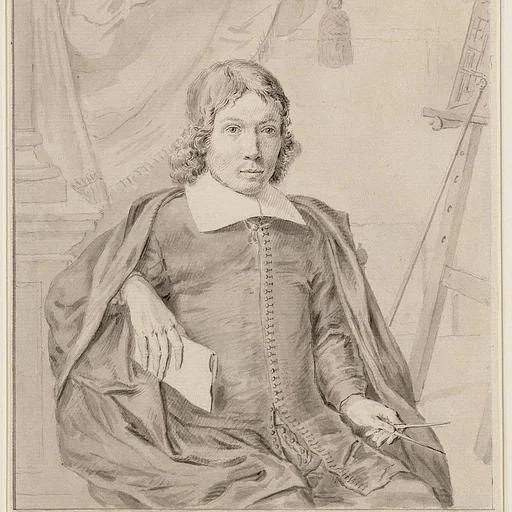
Jan van der Heyden (5 March 1637, Gorinchem – 28 March 1712, Amsterdam) was a Dutch Baroque-era painter, glass painter, draughtsman and printmaker.

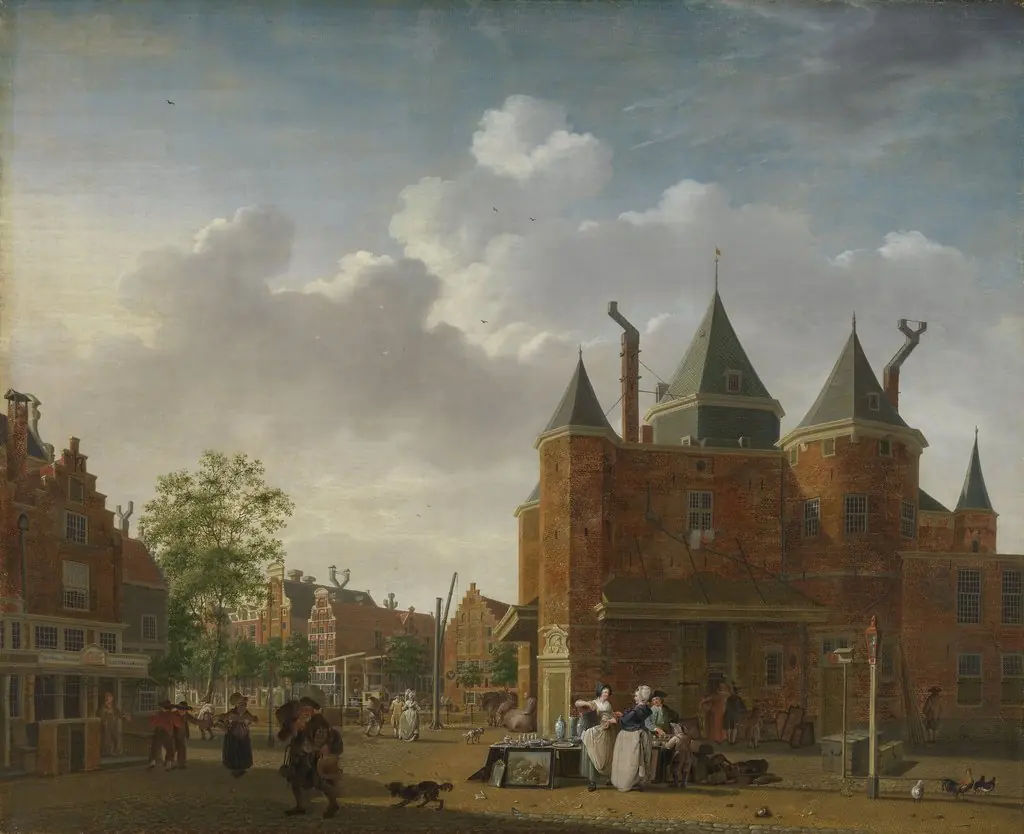 The Sint-Antoniuswaag in Amsterdam
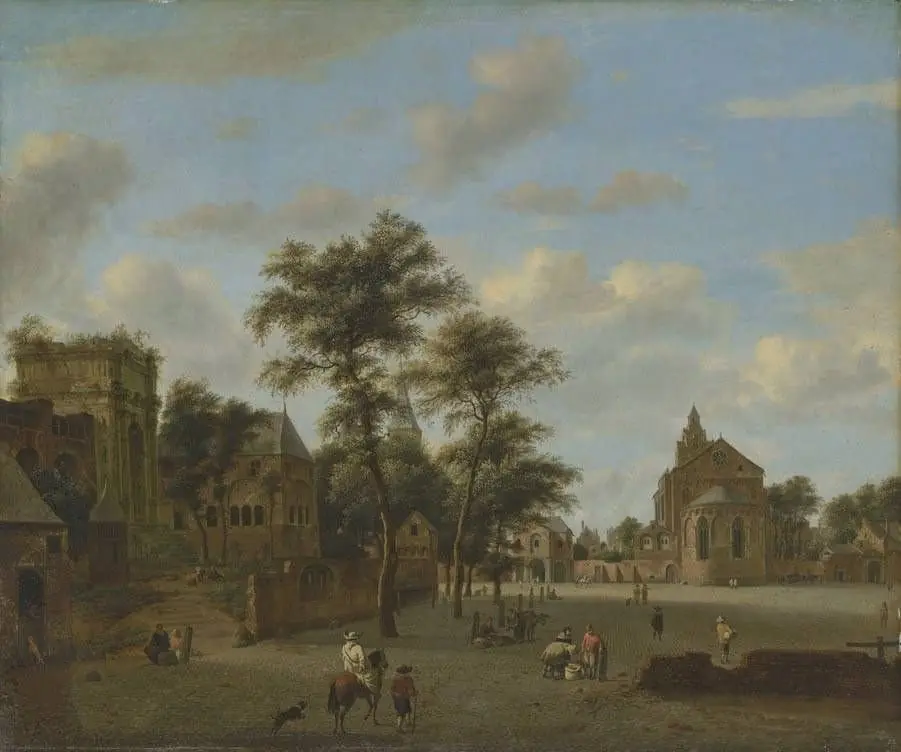 A Square with Four Cologne Churches
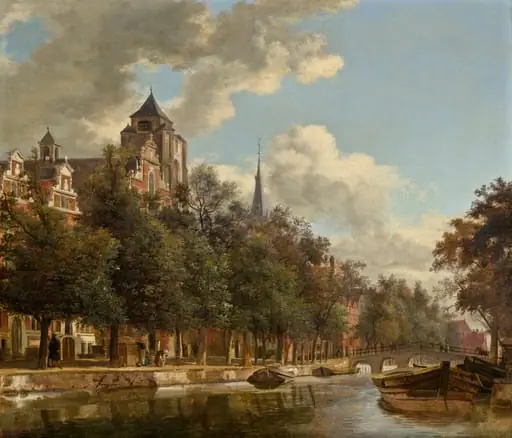
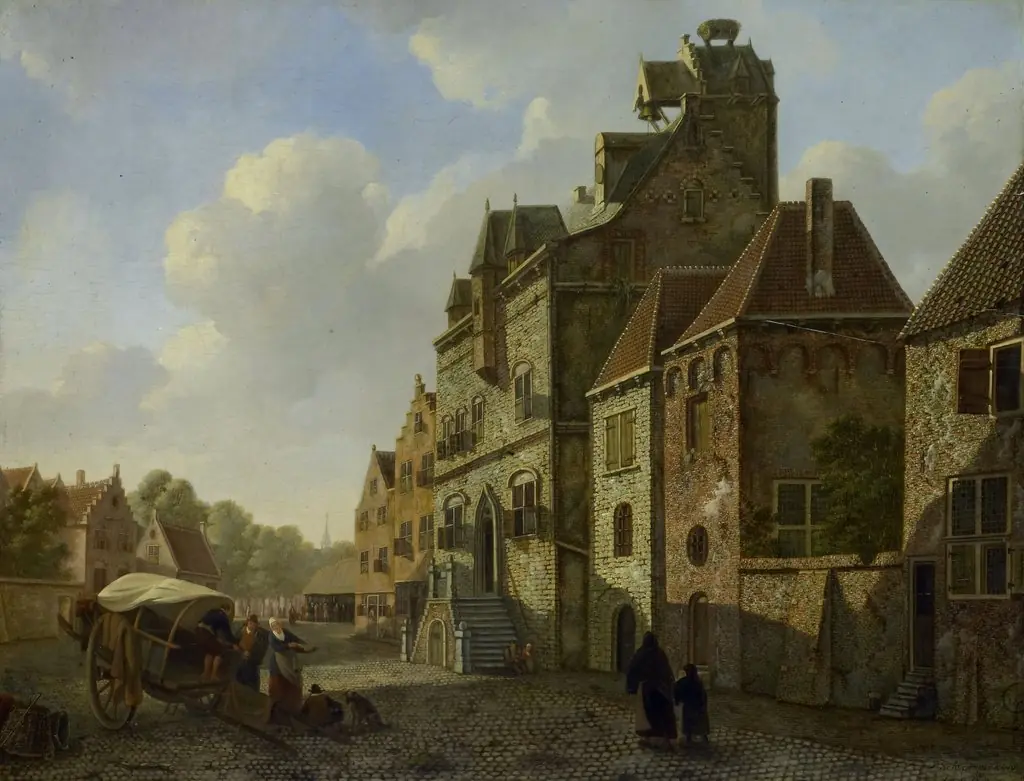 View in Dordrecht
 View in Dordrecht
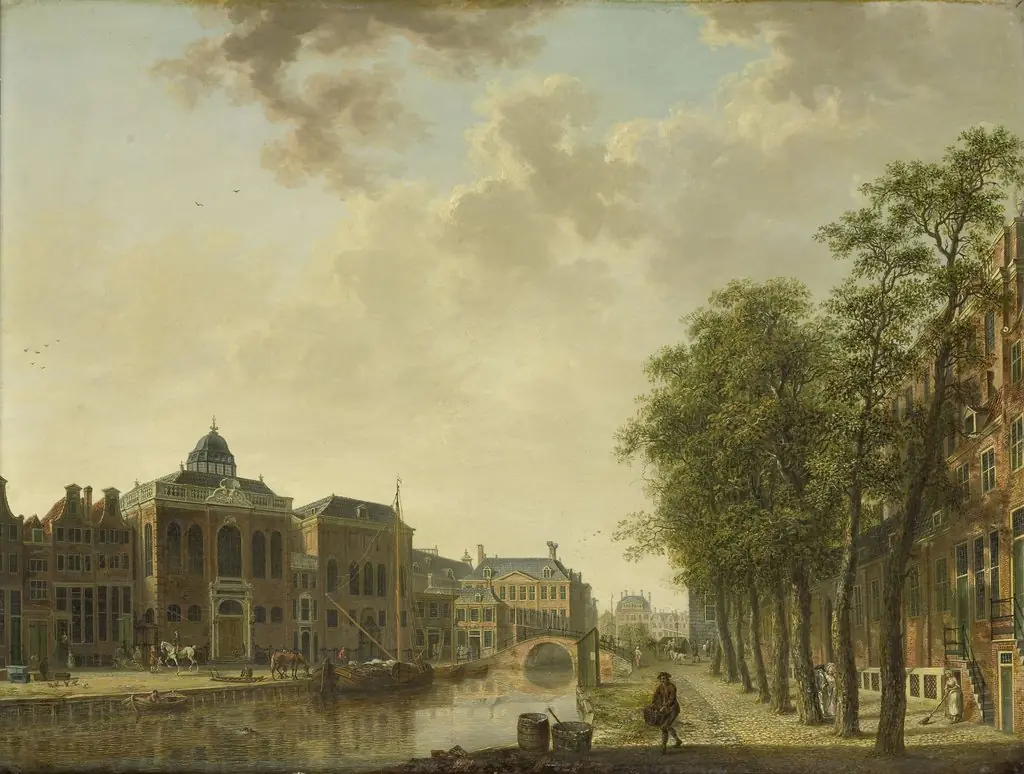 View of the Houtmarkt in Amsterdam
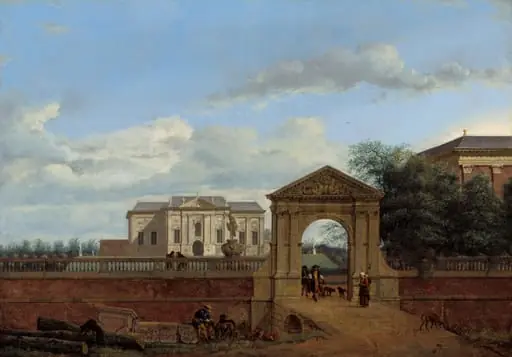
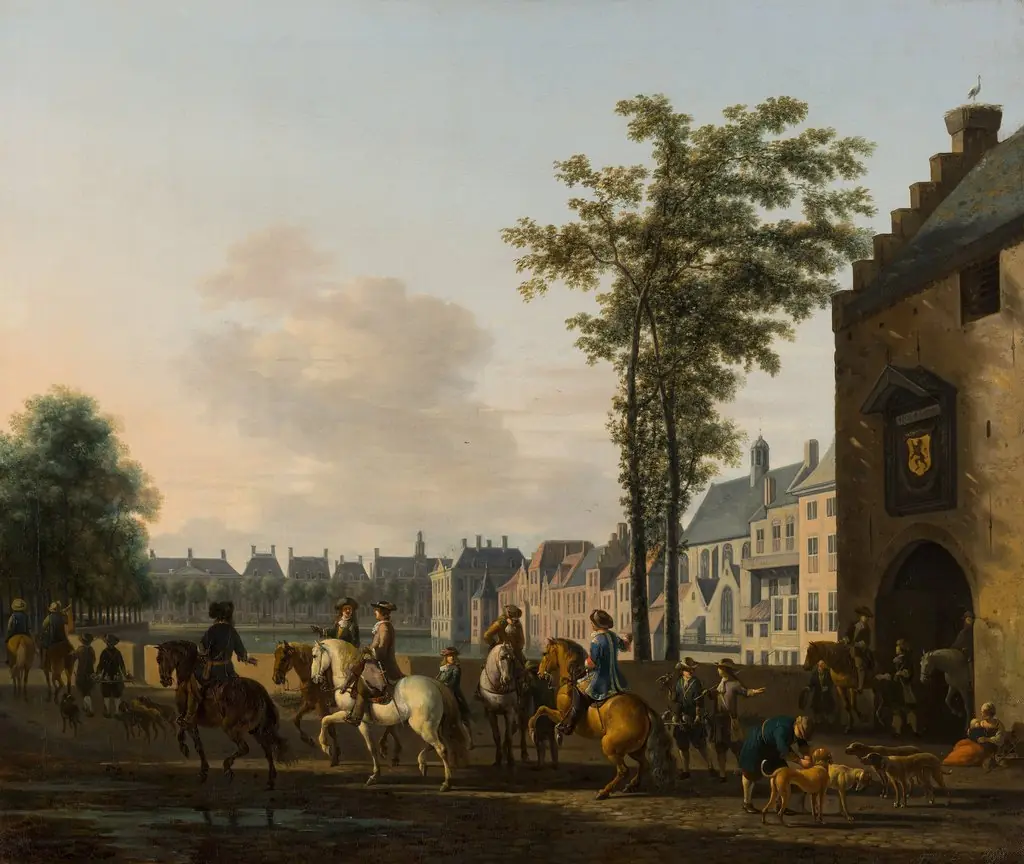 A hunting party near the Hofvijver in The Hague, seen from the South
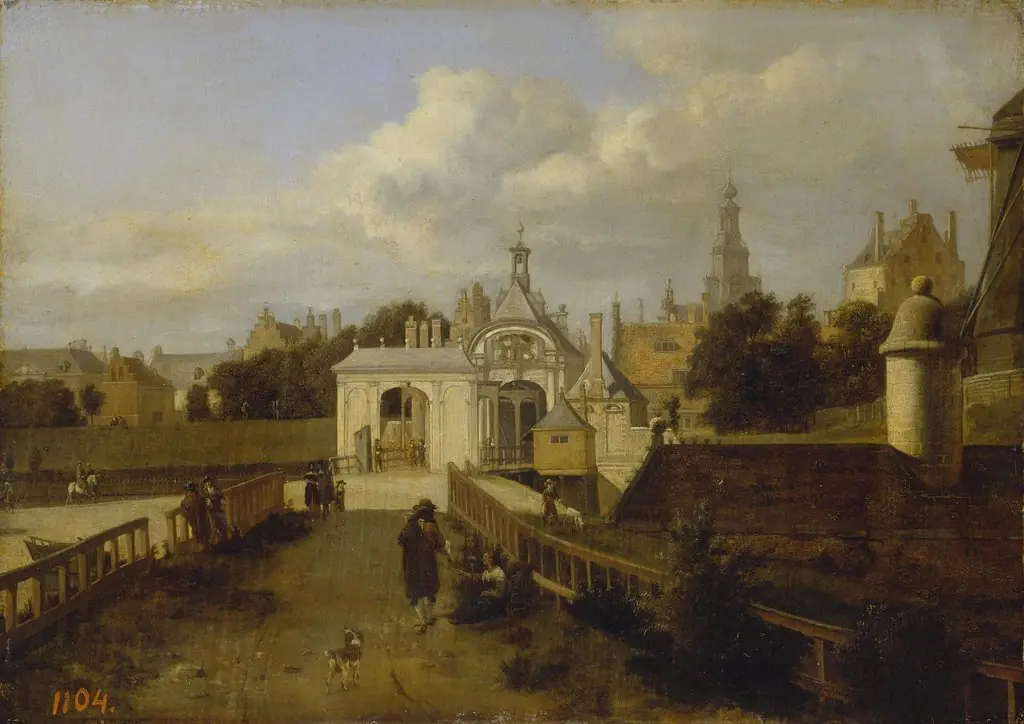 St Antony Gates in Amsterdam
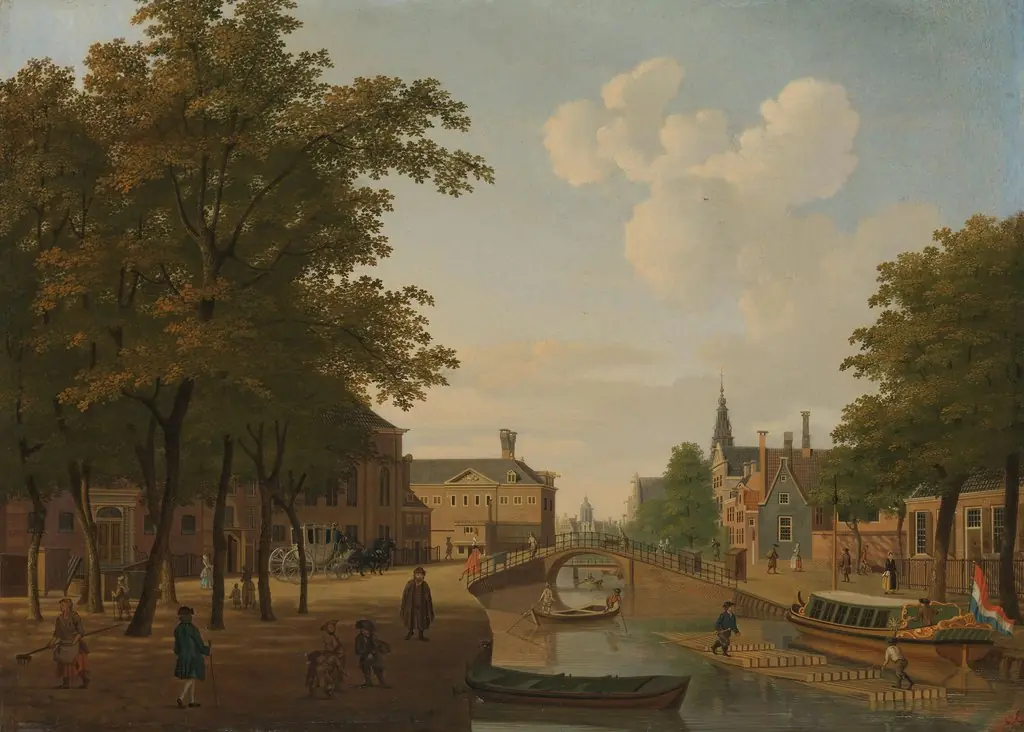 Gezicht op de Houtmarkt te Amsterdam
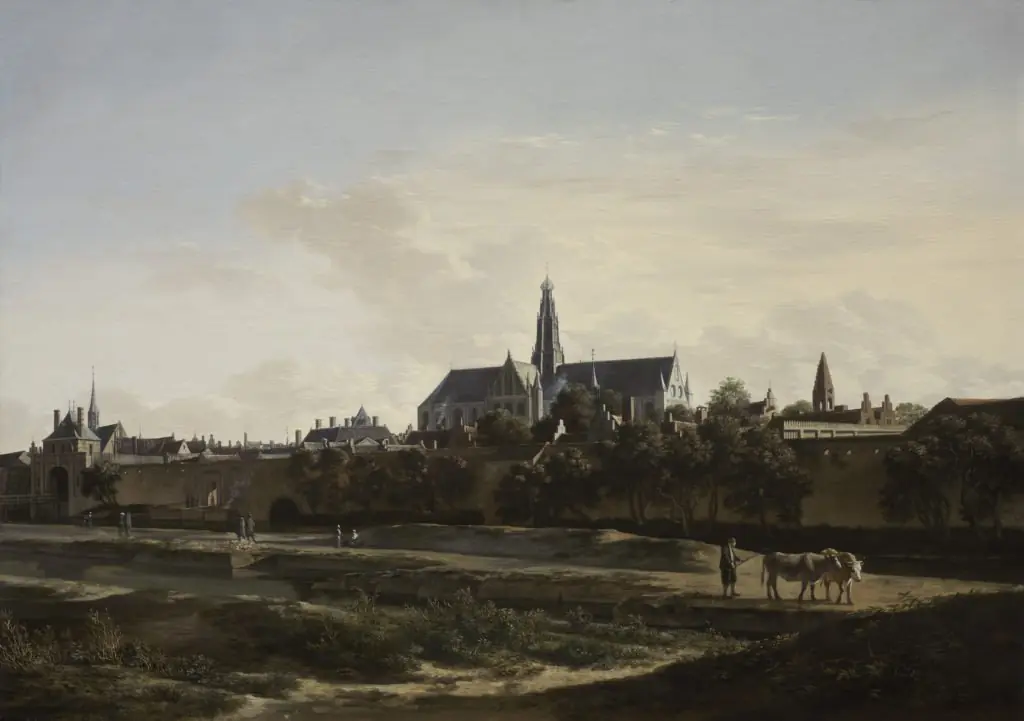 A View of Haarlem
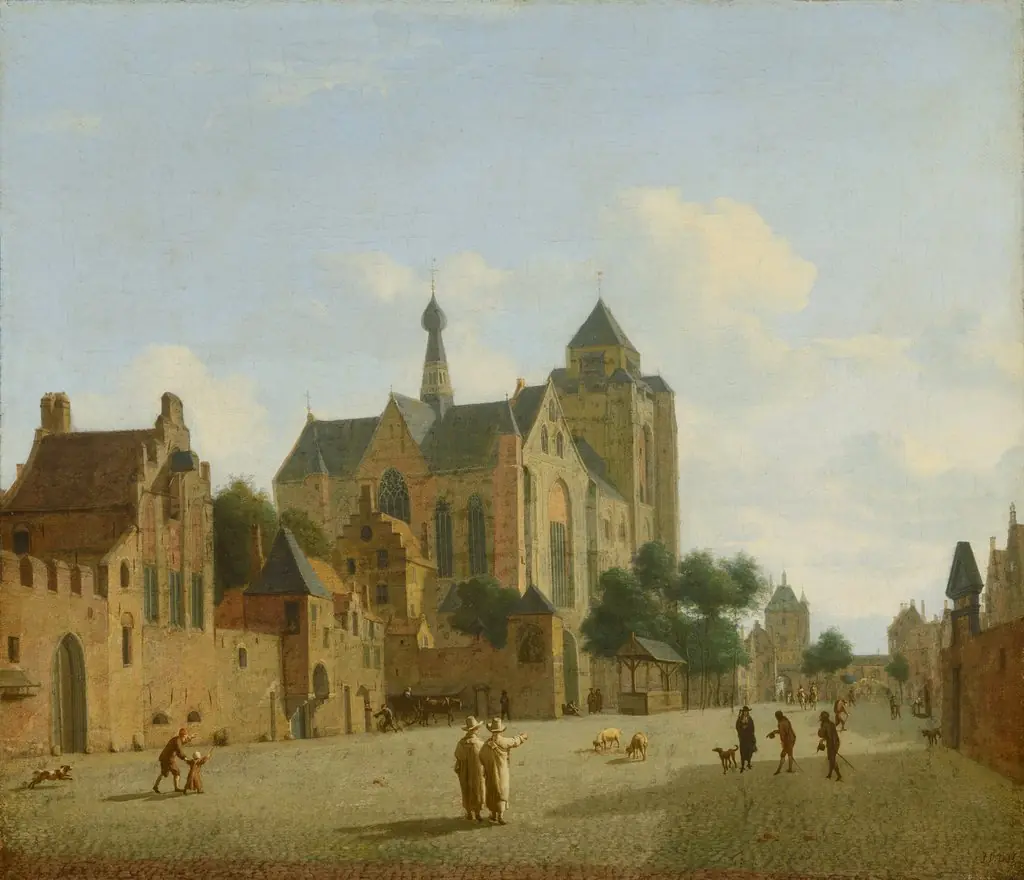 The Church at Veere