Artwork
The Flaying of Marsyas
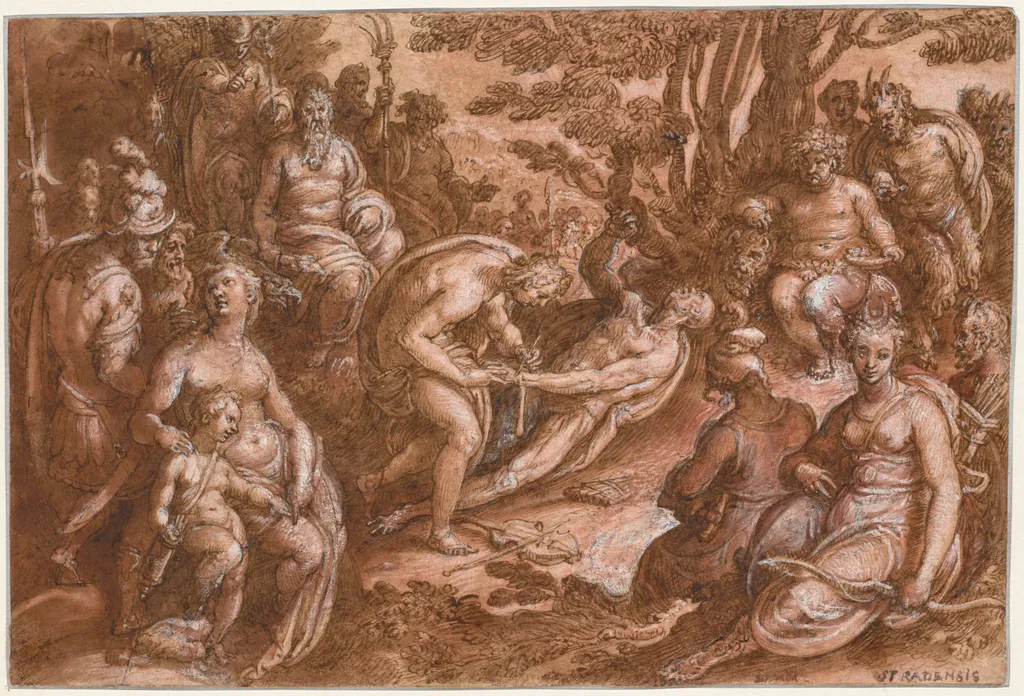
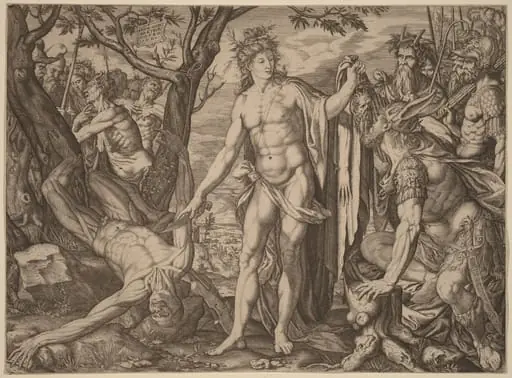
The Flaying of Marsyas is a drawing by the Renaissance artist Jan van der Straet, called Johannes Stradanus. It dates from 1588 and is held in the collection of the Cleveland Museum of Art. Johannes Stradanus's drawing depicts a pivotal moment from mythological lore: the punishment of Marsyas, a satyr, at the hands of Apollo.
About this work
Overview
Johannes Stradanus's drawing depicts a pivotal moment from mythological lore: the punishment of Marsyas, a satyr, at the hands of Apollo. The scene revolves around the act of flaying, a brutal punishment for Marsyas' hubris in challenging Apollo to a musical contest.
Subject & Meaning
The drawing conveys the severe consequences of arrogance through the graphic flaying of Marsyas. Surrounding gods exhibit varied reactions, underscoring the dramatic and moral implications of the scene. Stradanus likely intended the flaying as a metaphor for the importance of anatomical study in artistic training.
Technique & Style
Stradanus employs chiaroscuro, a strong contrast between light and dark, to heighten the drama and tension of the scene. This technique emphasizes the brutality of the act, as highlighted by the gleam of Apollo's knife and the peeling of Marsyas' skin.
History & Provenance
Created during Stradanus's association with the Accademia delle Arti del Disegno in Florence, which he helped establish in 1563, the drawing reflects the academy's emphasis on anatomical studies through human dissection, influencing the artist's depiction of the flaying.
Context
The work is rooted in classical mythology (the story of Marsyas' musical contest loss and subsequent punishment) and the artistic practices of 16th-century Florence, where studying human anatomy through dissection became integral to artistic training.
Artist & collection
Artist
Jan van der Straet, called Johannes Stradanus
Jan van der Straet, called Johannes Stradanus (1523–1605) was a Netherlandish artist.

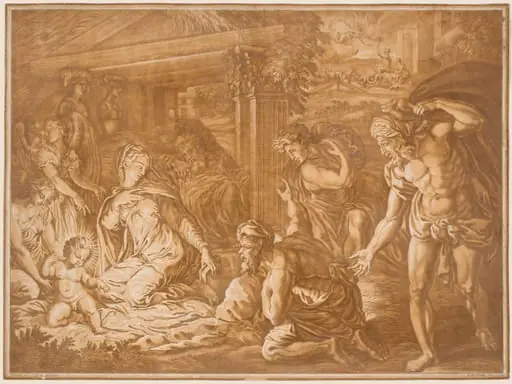 The Adoration of the Shepherds
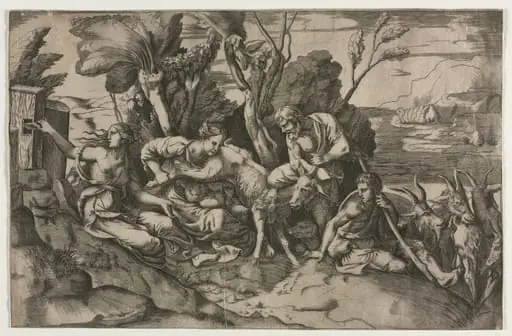 Jupiter Suckled by the Goat Amalthea
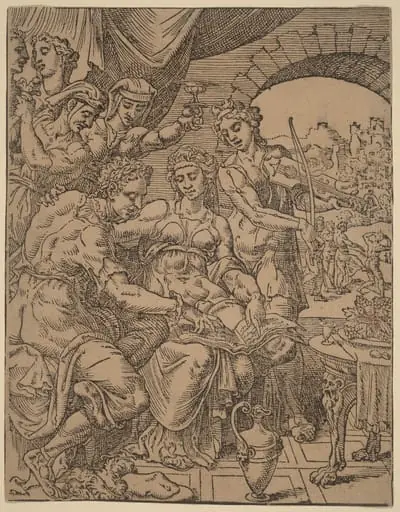 The Prodigal Son Squandering His Inheritance on Harlots
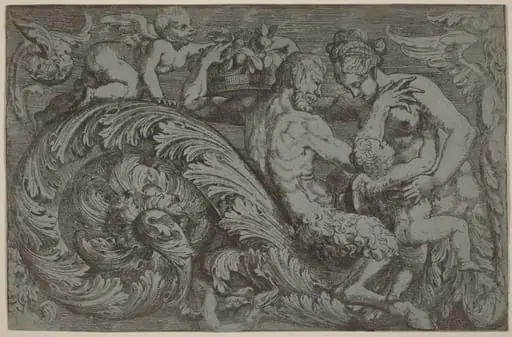 Decorative Panel with Mythological Figures
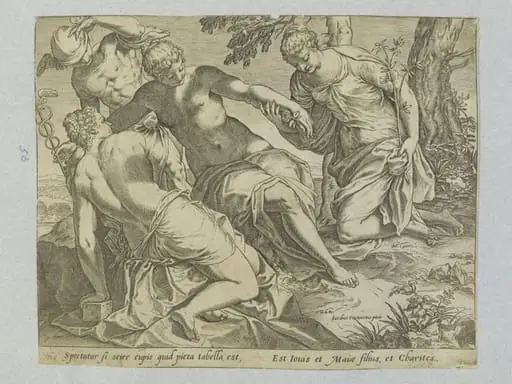 Mercury and the Graces
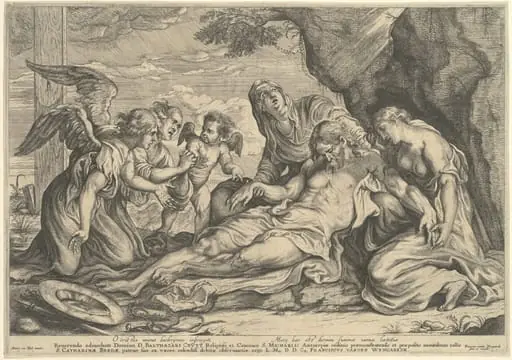 The Lamentation
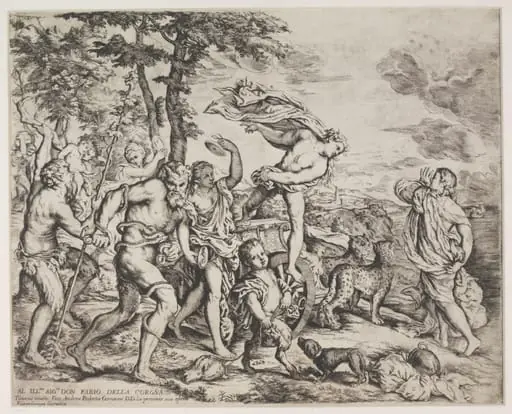 Bacchus and Ariadne
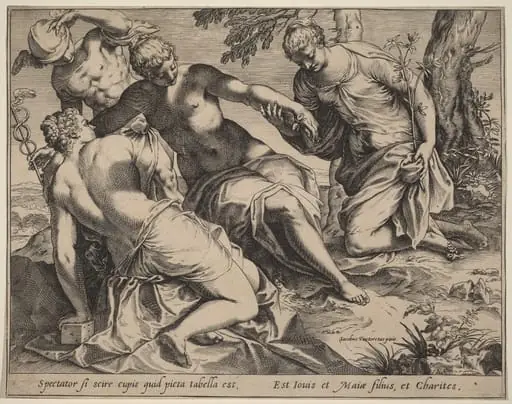 Mercury and the Three Graces
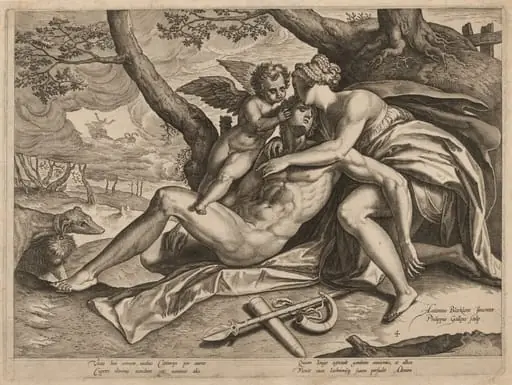 The Death of Adonis
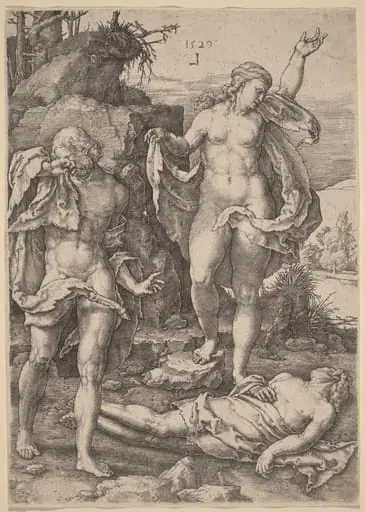 Adam and Eve Lamenting the Death of Abel
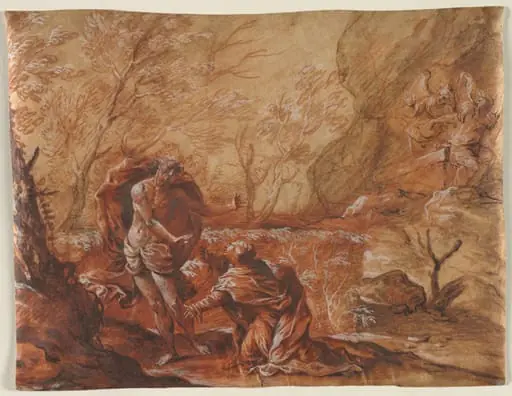 Noli Me Tangere
 Apollo and Marsyas