Artwork
Landscape with a Canal
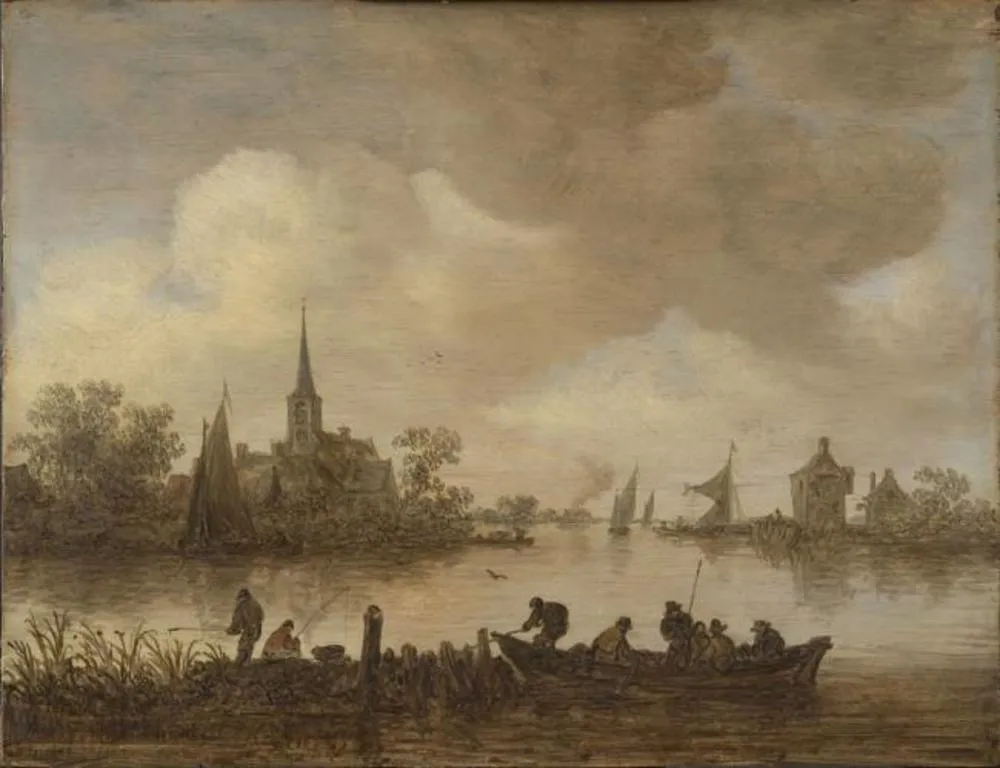
Landscape with a Canal is an oil painting by the Dutch Golden Age artist Jan van Goyen. It dates from 1653 and is held in the collection of the Philadelphia Museum of Art.
About this work
Overview
It is held in the Philadelphia Museum of Art’s collection, representing a key example of 17th-century Dutch topographical painting.
Painted in 1653 by Jan van Goyen, this oil-on-canvas work depicts a quiet Dutch canal scene. Van Goyen, a prolific artist of the Dutch Golden Age, specialized in atmospheric landscapes, producing hundreds of such works. This piece reflects his mature style, emphasizing natural light and subtle tonal shifts over detailed narrative. It is held in the Philadelphia Museum of Art’s collection, representing a key example of 17th-century Dutch topographical painting.
Subject & Meaning
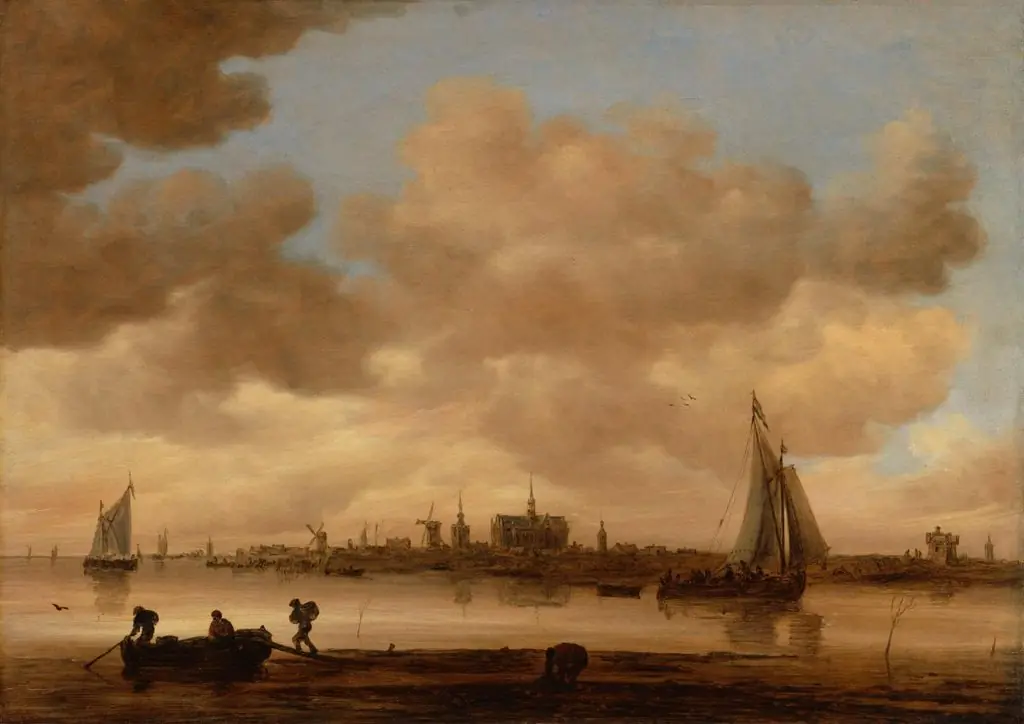
The scene centers on a tranquil waterway flanked by modest buildings and distant trees, with a few figures engaged in quiet activities near the shore. A church steeple anchors the horizon, suggesting a rural community. There is no overt drama or symbolism; instead, the painting conveys the everyday rhythm of life along Dutch waterways. Its quietude reflects a cultural appreciation for ordinary landscapes as worthy of artistic attention.
Technique & Style
Van Goyen employed a restrained palette of grays, browns, and muted greens to evoke atmospheric depth. Loose, fluid brushwork defines the sky and water, while finer strokes suggest architectural details and foliage. He used gradations of tone rather than sharp contrast to model form, creating a hazy, luminous effect. This approach prioritized mood over precision, aligning with contemporary Dutch preferences for naturalistic, unidealized scenery.
History & Provenance
The painting entered the Philadelphia Museum of Art’s collection in the early 20th century, following a trajectory typical of Dutch Golden Age works acquired by American collectors. Its attribution to van Goyen has remained consistent since its cataloging. While its exact provenance before the 1900s is not fully documented, its style and condition suggest it was likely held in private Dutch or European collections prior to its migration to the United States.
Context
During the mid-17th century, Dutch artists increasingly turned to landscape as an independent genre, freed from religious or mythological themes. Van Goyen’s focus on canals, rivers, and skies mirrored a broader societal interest in the environment shaped by trade, water management, and urban expansion. His works contributed to a market where landscapes were collected not for grandeur, but for their truthful depiction of familiar surroundings.
Legacy
Van Goyen’s approach to light and composition influenced a generation of Dutch painters, including his pupil Salomon van Ruysdael. His ability to convey atmosphere with minimal detail became a model for later landscape traditions. Though less celebrated today than some contemporaries, his body of work remains essential to understanding how Dutch artists redefined the visual representation of nature in the early modern period.
Artist & collection
Artist
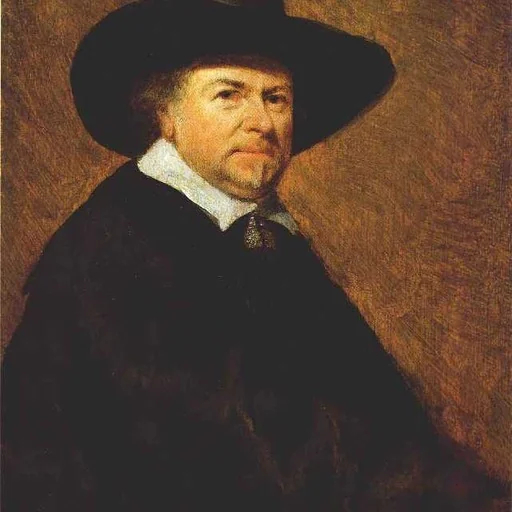
Jan Josephszoon van Goyen (Dutch pronunciation: ; 13 January 1596 – 27 April 1656) was a Dutch landscape painter.

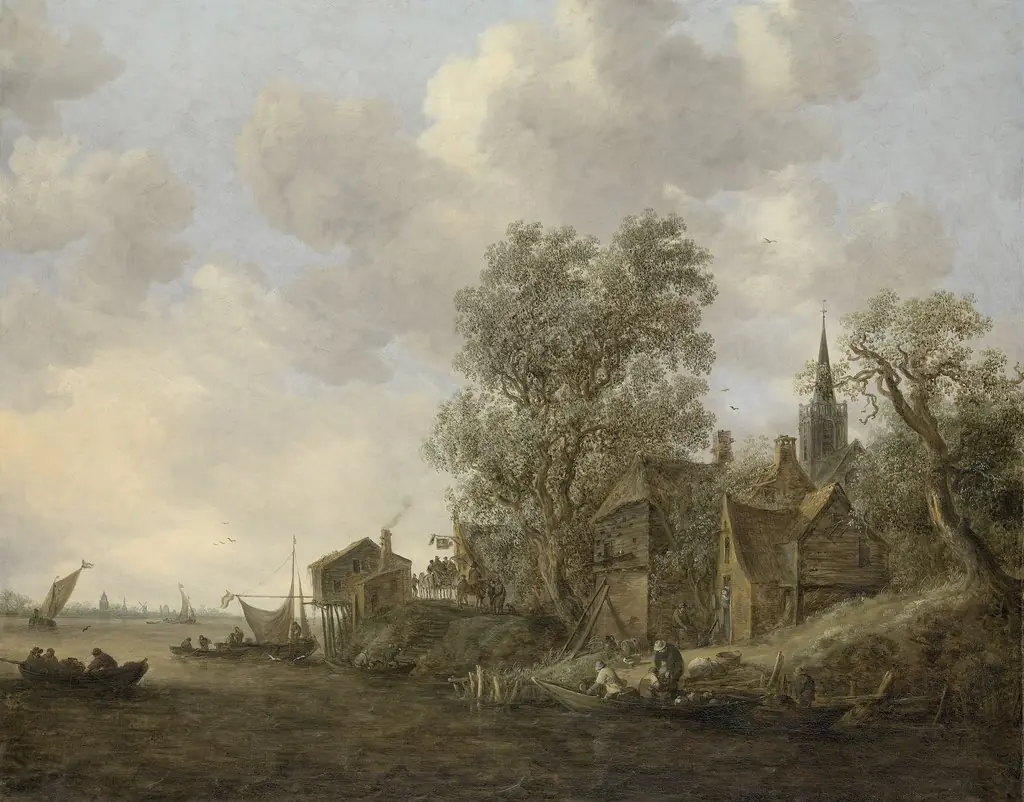 View of a town on a river
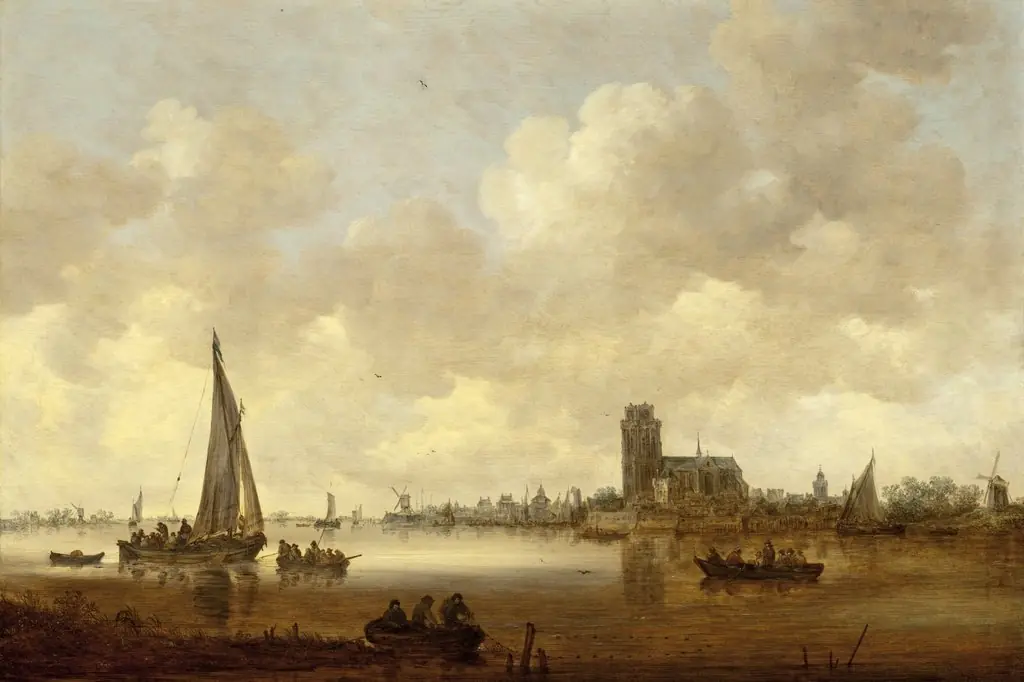 View of Dordrecht
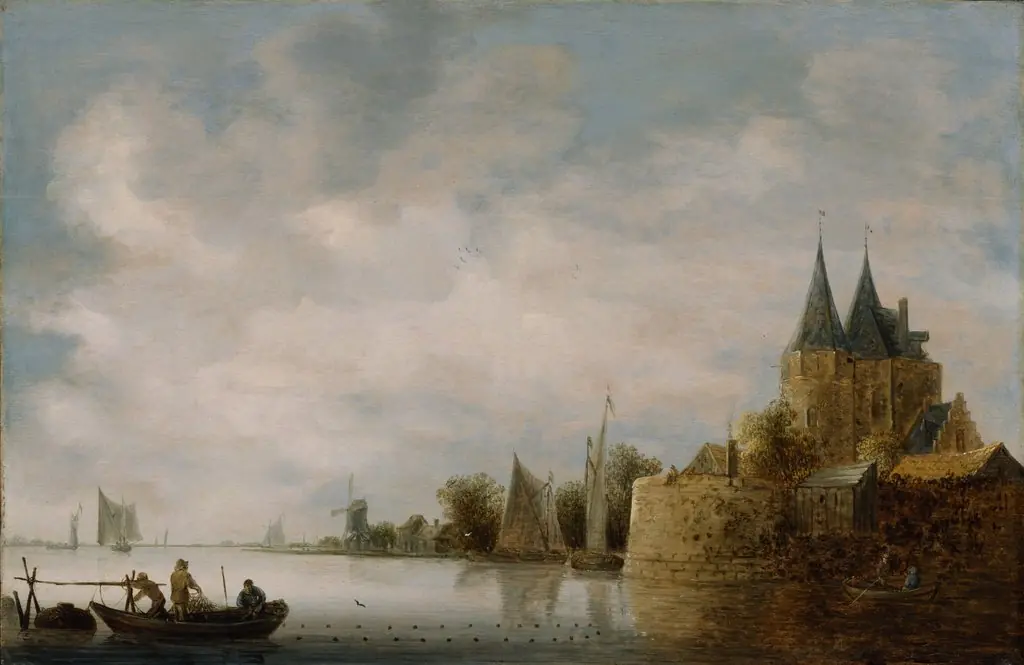 View of the North Port at Hoorn
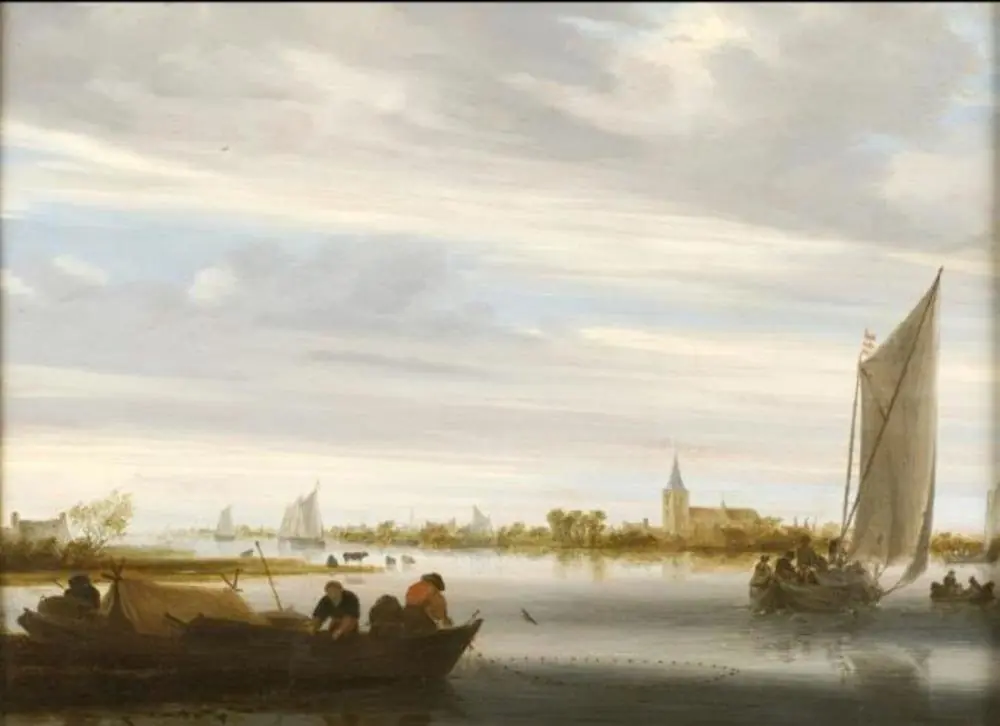 Canal
Canal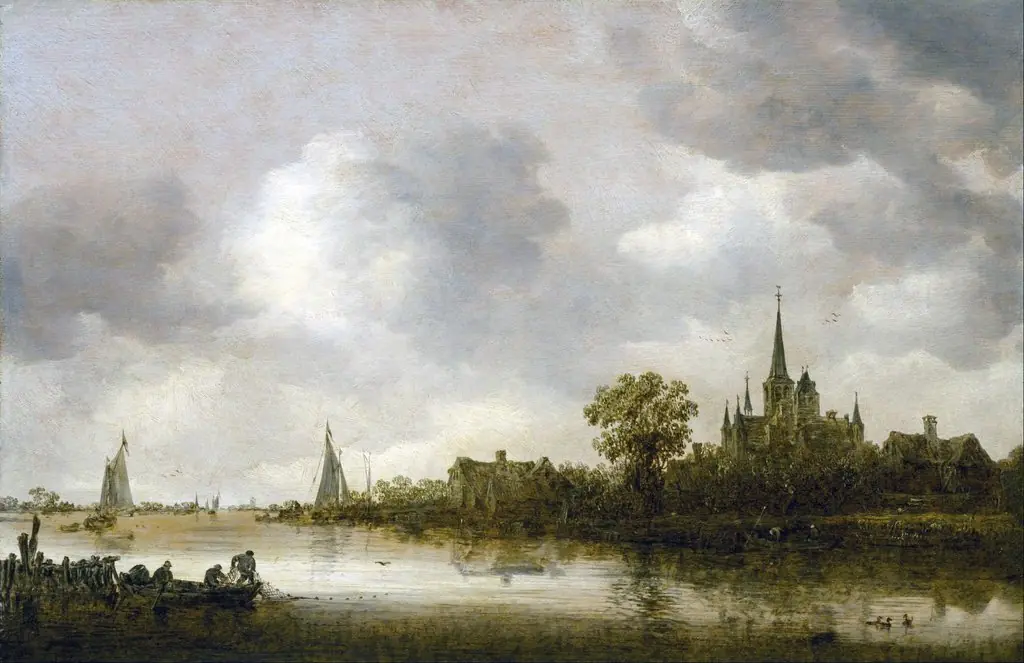 River Landscape with a Church in the Distance
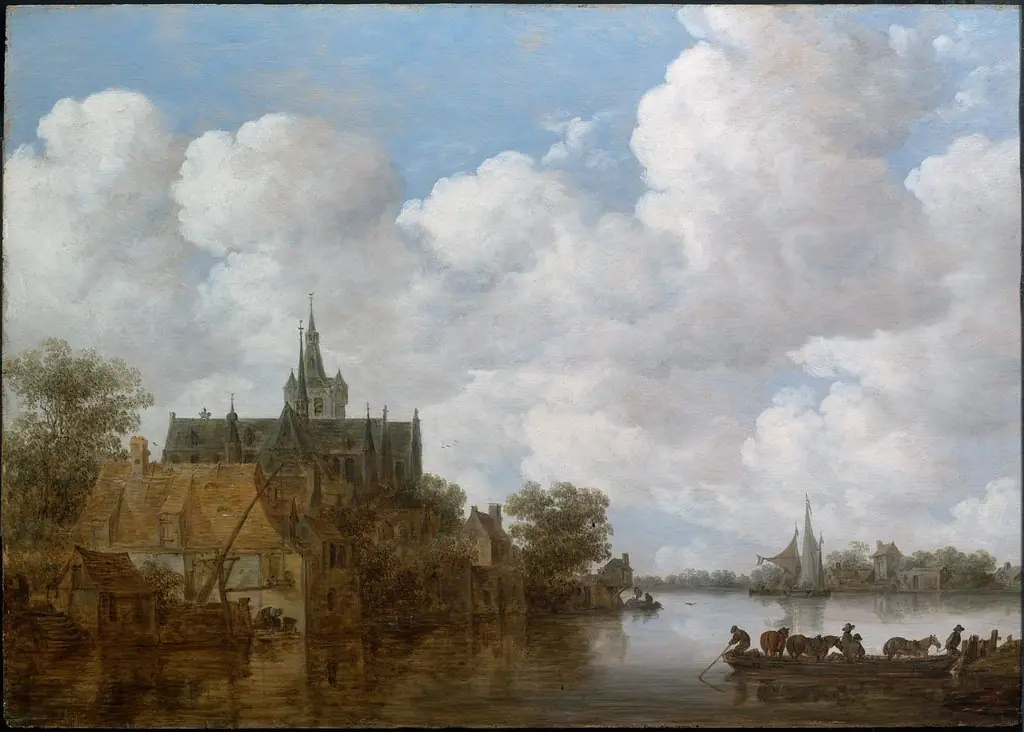 River Landscape with a Ferry and a Church
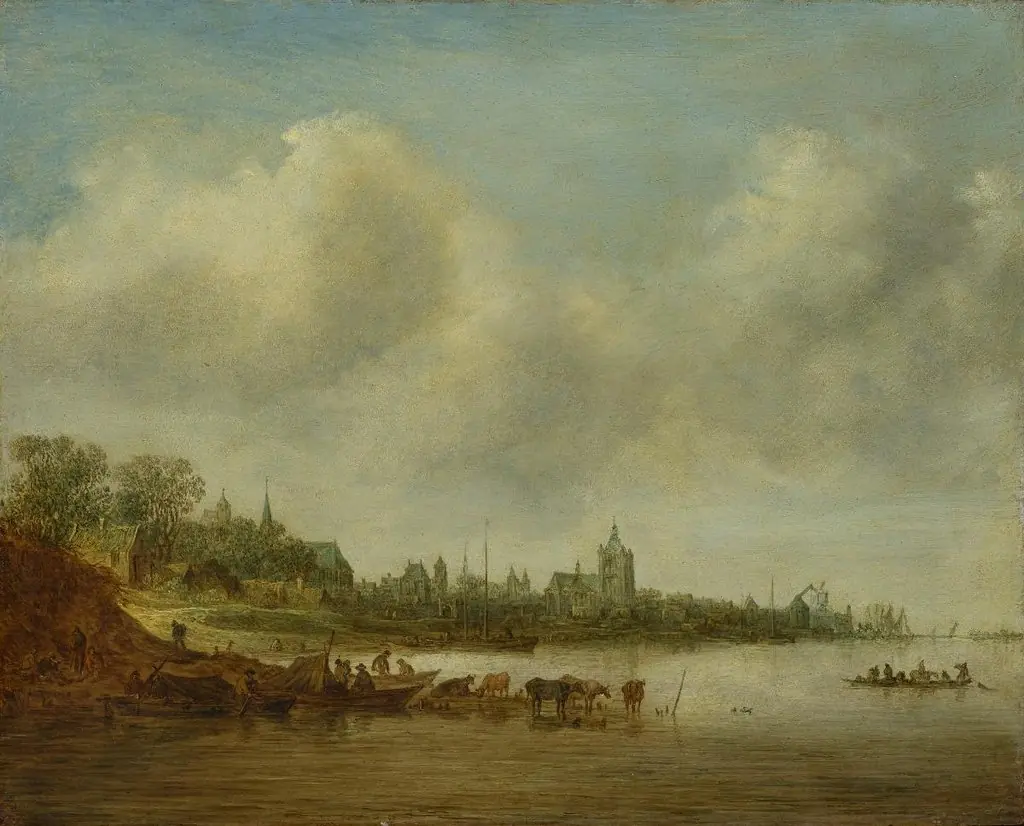 Blick über den Rhein auf Arnheim
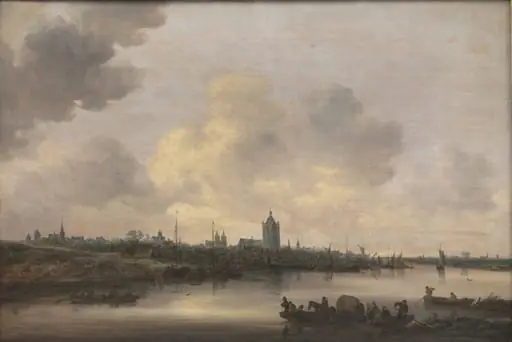 View of the City of Arnhem
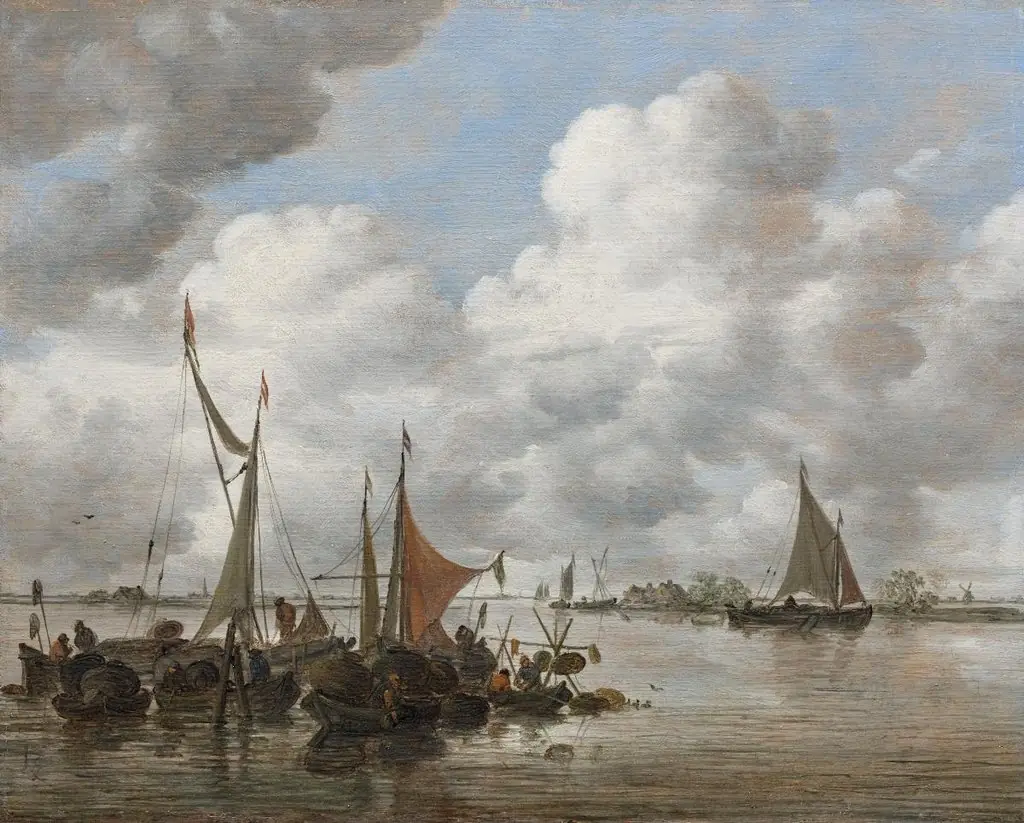 Fischerboote beim Abrüsten am Abend
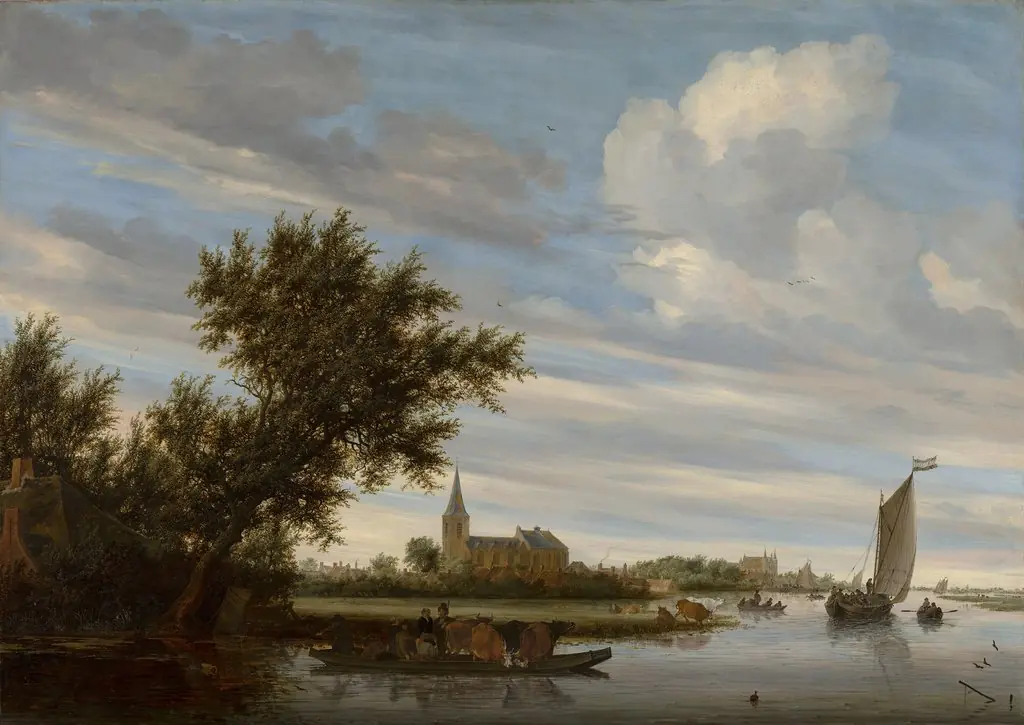 River View with Church and Ferry
 Blick über den Fluss auf Goes
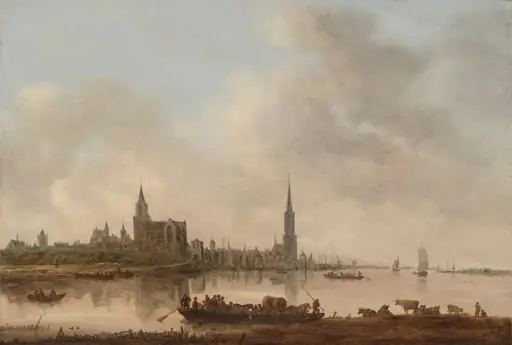 View of Emmerich