Artwork
View of the North Port at Hoorn
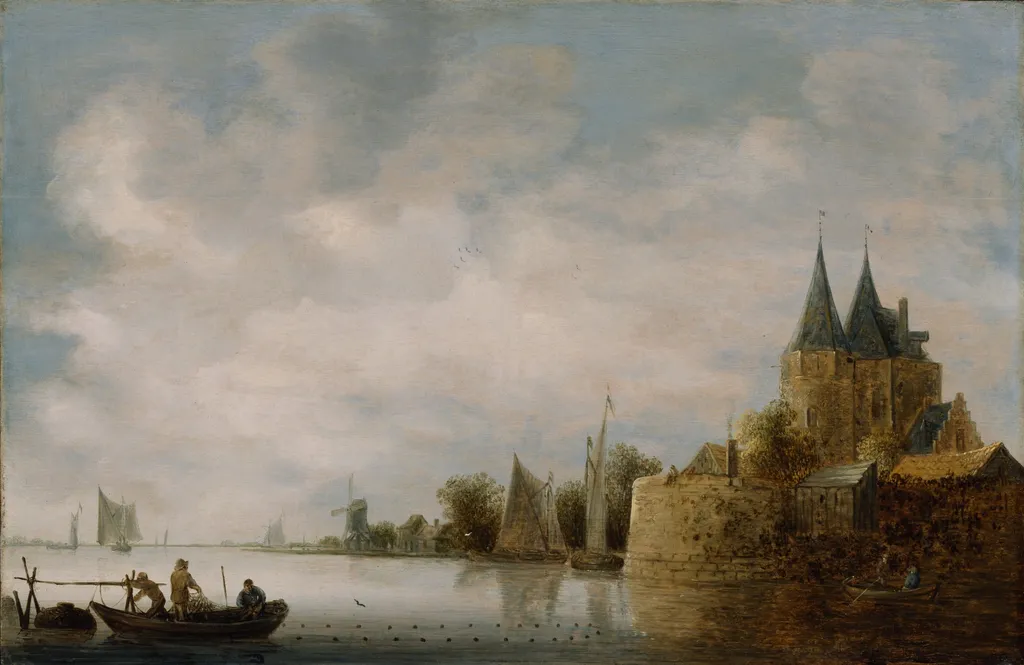
View of the North Port at Hoorn is an oil painting by the Dutch Golden Age artist Wouter Knijff. It dates from 1648 and is held in the collection of the Detroit Institute of Arts.
About this work
Overview
This oil painting captures the quiet bustle of Hoorn’s northern harbor, reflecting the maritime character of the Dutch Republic during its commercial peak.
Wouter Knijff, born in Wesel in 1605 and active until 1694, painted *View of the North Port at Hoorn* in 1648. A member of the Haarlem Guild of St. Luke since 1640, he focused on Dutch harbor scenes influenced by Jan van Goyen. This oil painting captures the quiet bustle of Hoorn’s northern harbor, reflecting the maritime character of the Dutch Republic during its commercial peak. The work is now part of the Detroit Institute of Arts collection.
Subject & Meaning
The scene depicts the northern port of Hoorn, a significant trading hub in the 17th century. A substantial stone structure anchors the right side, likely a warehouse or quay, while small boats drift near the shore. Figures in the foreground engage in routine tasks—loading, tying ropes, or standing idle—emphasizing daily labor over spectacle. The composition conveys neither grandeur nor drama, but the steady rhythm of coastal commerce, typical of Dutch civic pride in trade.
Technique & Style
Knijff employed oil paint to render subtle atmospheric effects, using muted grays and soft contrasts to suggest a cloudy, overcast day. Chiaroscuro defines forms without harsh lines, guiding the eye from foreground figures to distant horizon. Brushwork is restrained yet precise, capturing textures of stone, wood, and water with quiet economy. The tonal harmony and spatial depth reflect the influence of van Goyen’s tonal landscapes, prioritizing mood over detail.
History & Provenance
Painted in 1648, the work emerged during Knijff’s mature period in Haarlem, a center for landscape painting. Its early ownership is undocumented, but it entered the Detroit Institute of Arts collection in the 20th century. The painting’s survival and preservation reflect its status as a representative example of regional Dutch harbor scenes, valued for its historical record rather than celebrity status among collectors.
Context
In mid-17th century Holland, harbor views were common subjects, celebrating the nation’s maritime economy. Hoorn, once a key port of the Dutch East India Company, had declined slightly by 1648, yet retained local significance. Knijff’s depiction aligns with a broader trend among Dutch artists to document everyday landscapes, avoiding idealization in favor of observed reality, reinforcing civic identity through quiet, unembellished scenes.
Legacy
Though not widely known today, Knijff’s work contributes to the understanding of provincial Dutch painting beyond the fame of Rembrandt or Hals. His focus on modest harbor views helped establish a visual language for regional commerce and daily life. *View of the North Port at Hoorn* remains a quiet testament to the era’s attention to place, light, and routine, preserved as a record of its time rather than a celebrated artifact.
Own this work as a print
Artist & collection
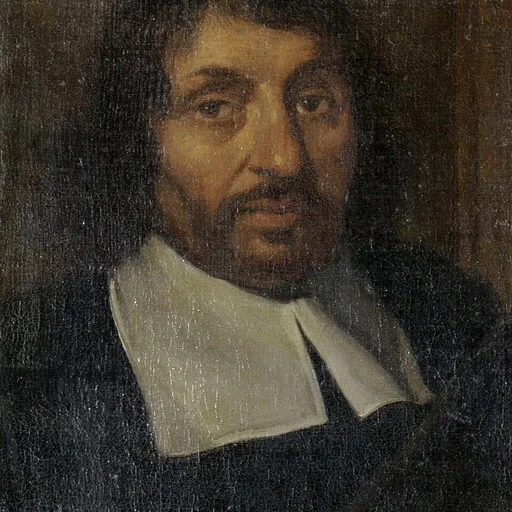
Artist
Wouter Knijff (1605 in Wesel – 1694 in Bergen op Zoom), was a Dutch Golden Age landscape painter.

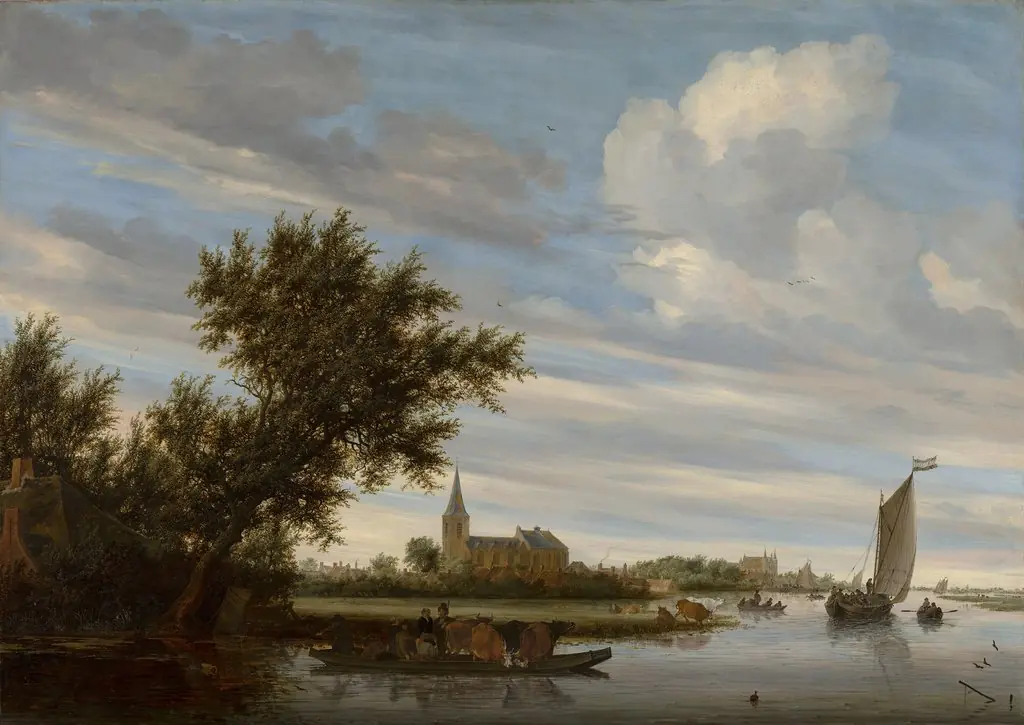 River View with Church and Ferry
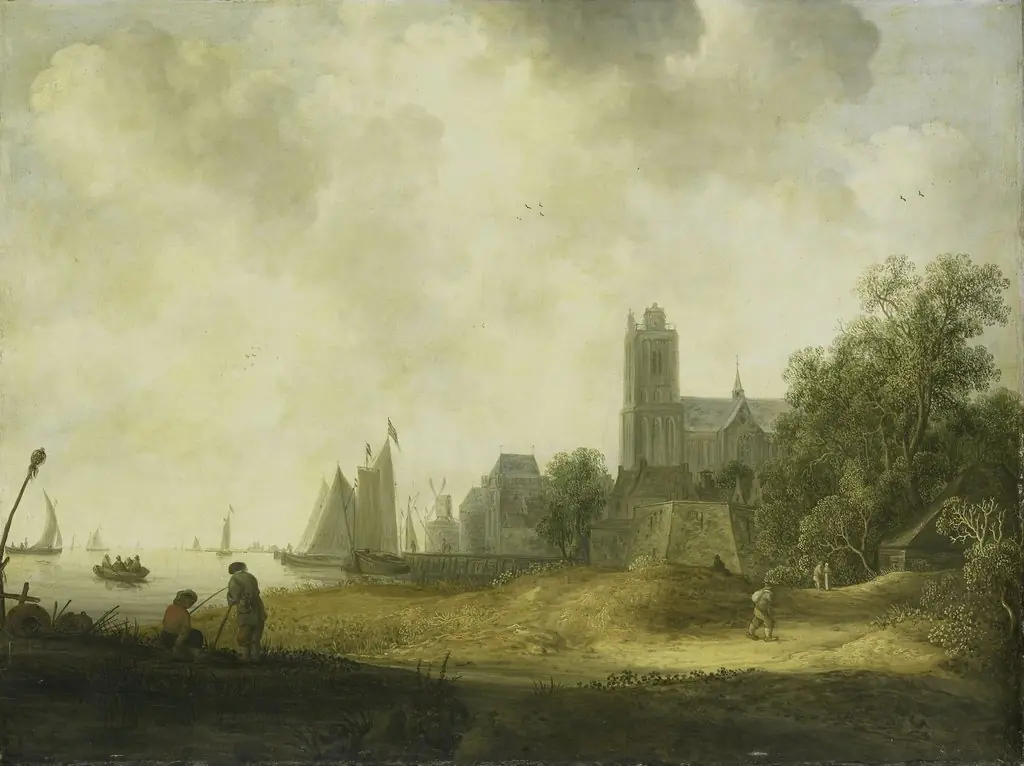
 View of Dordrecht from the North
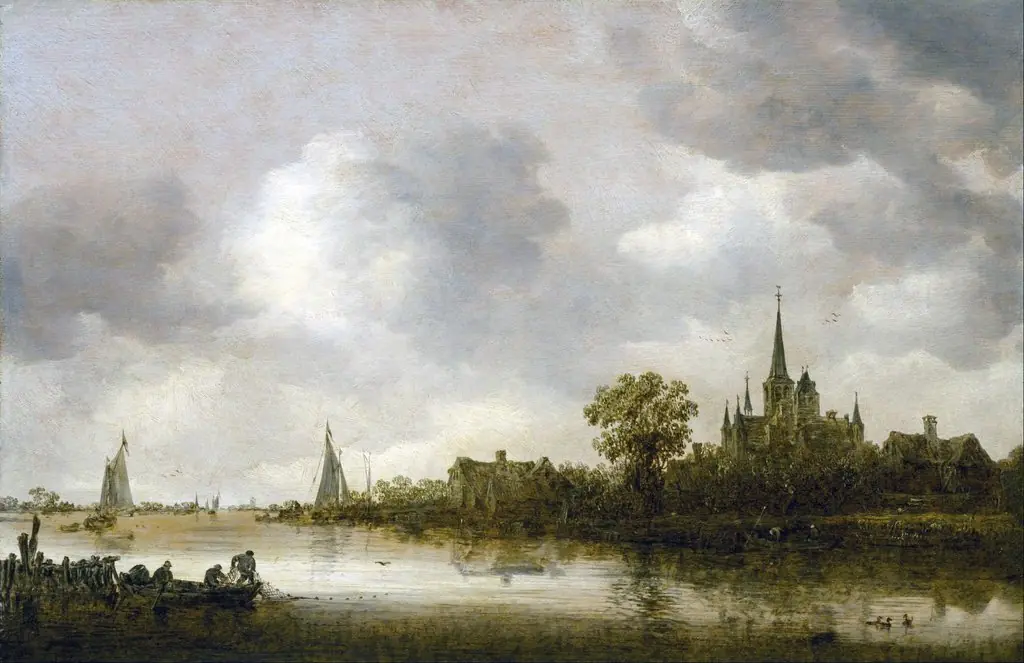 River Landscape with a Church in the Distance
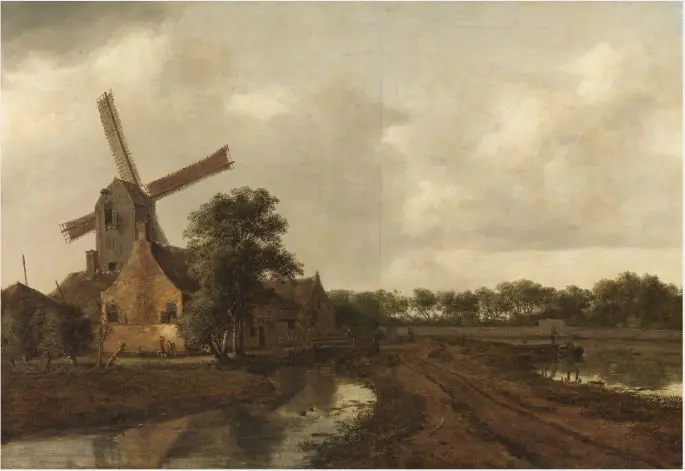
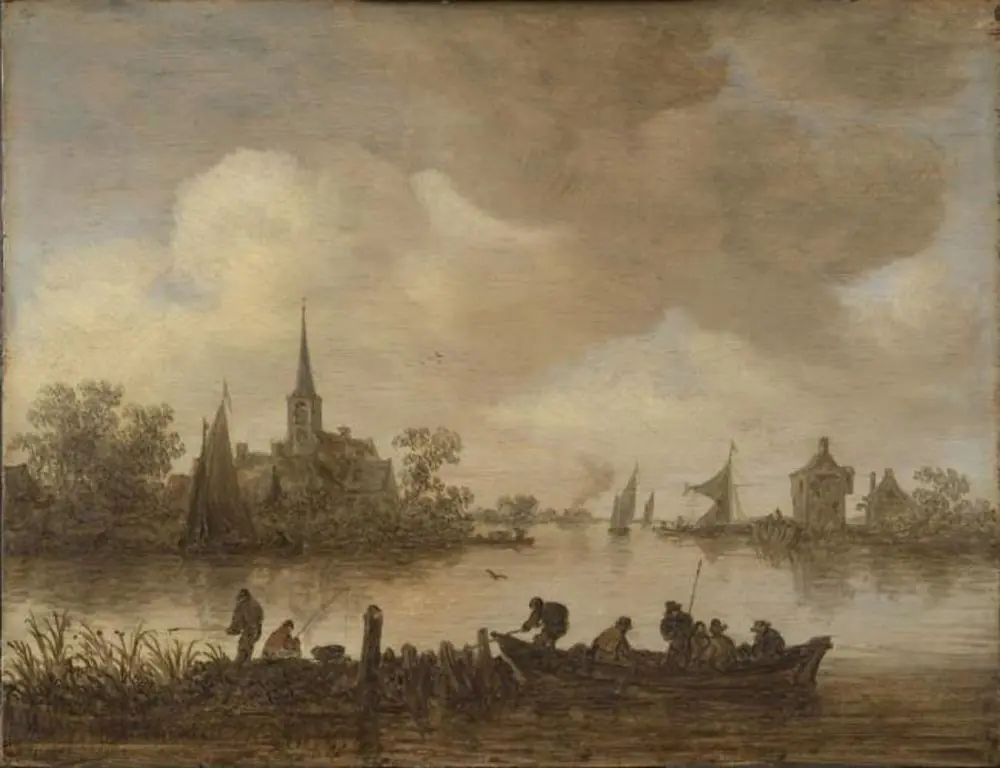 Landscape with a Canal
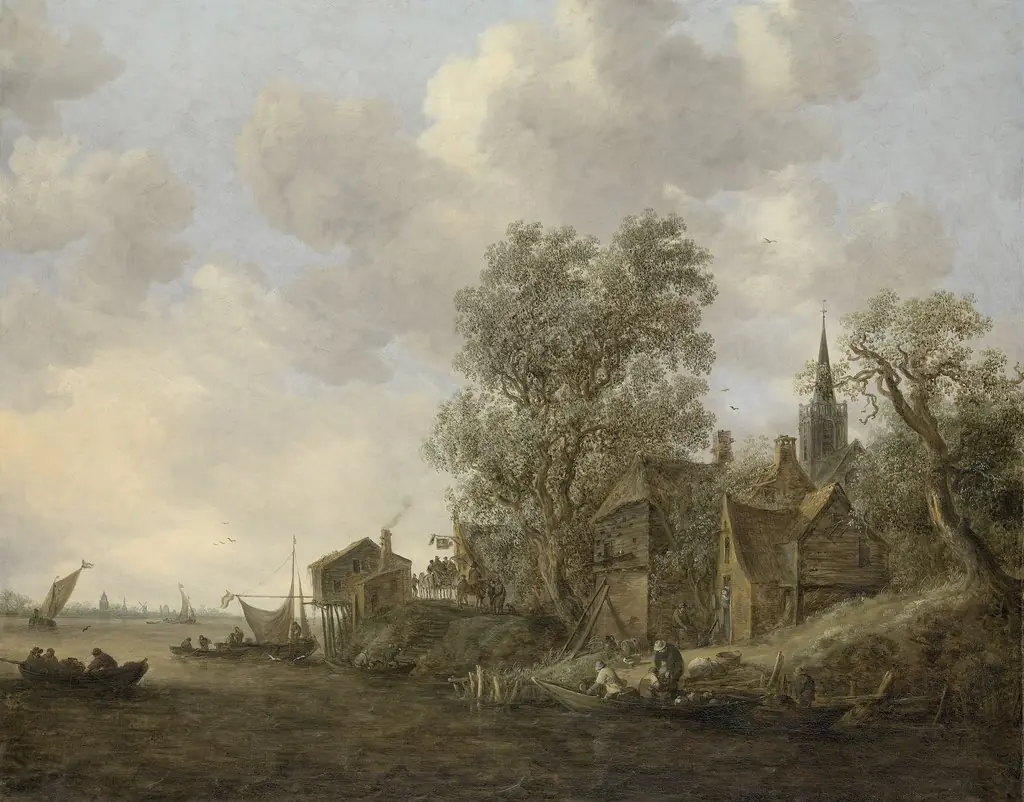 View of a town on a river
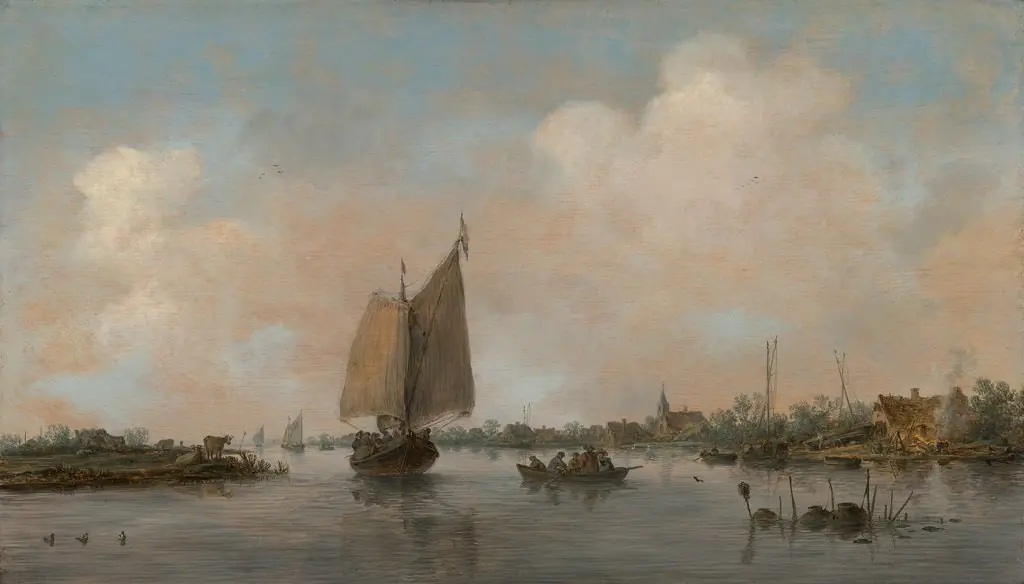 Riverview
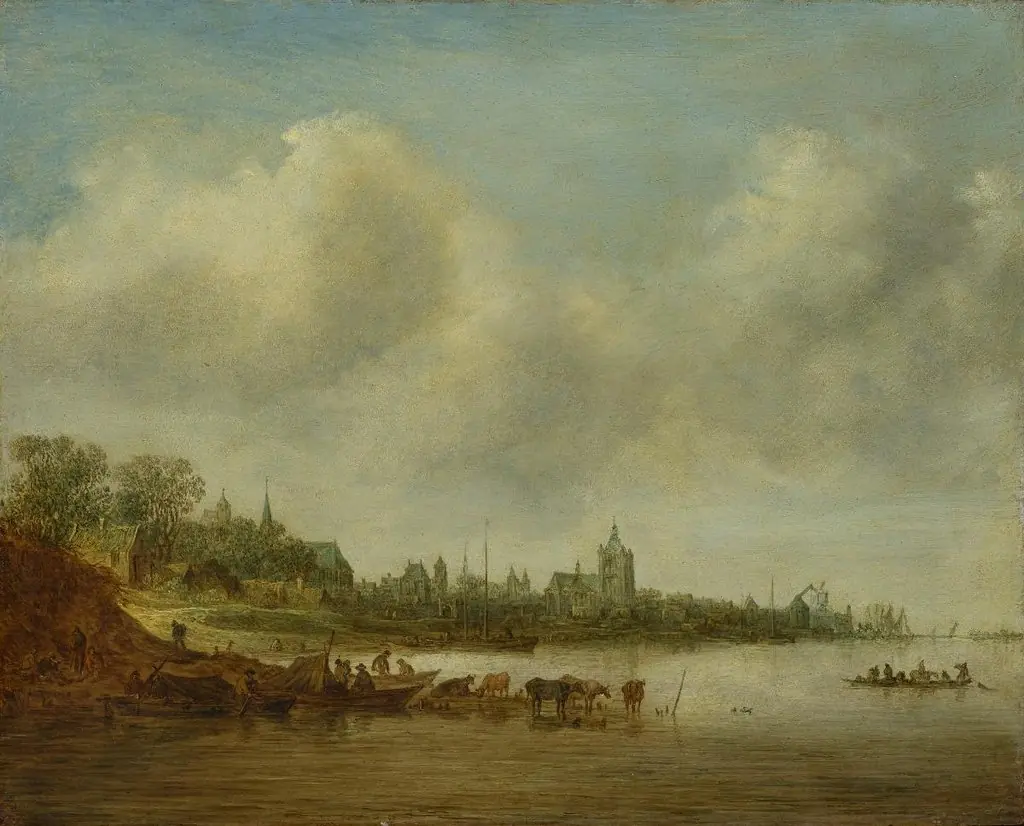 Blick über den Rhein auf Arnheim
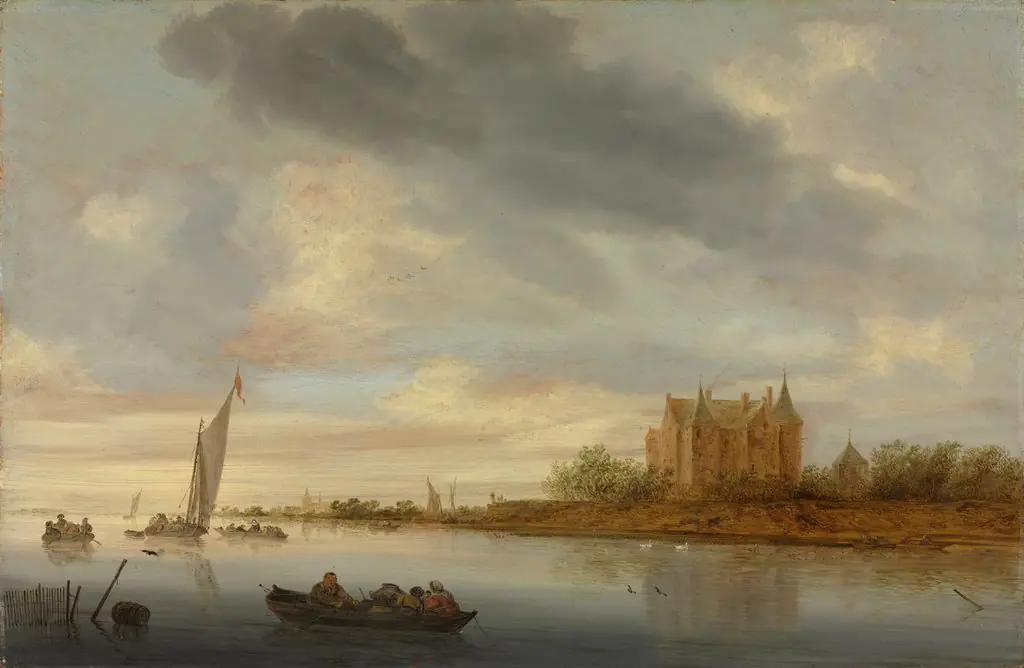 Castle on a River
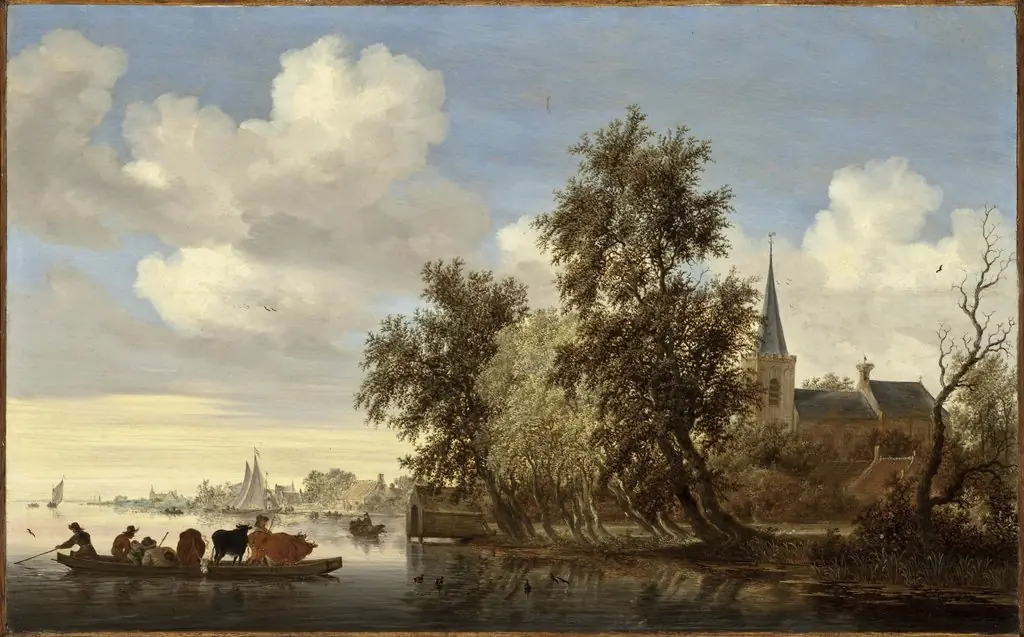 River Landscape with a Ferry
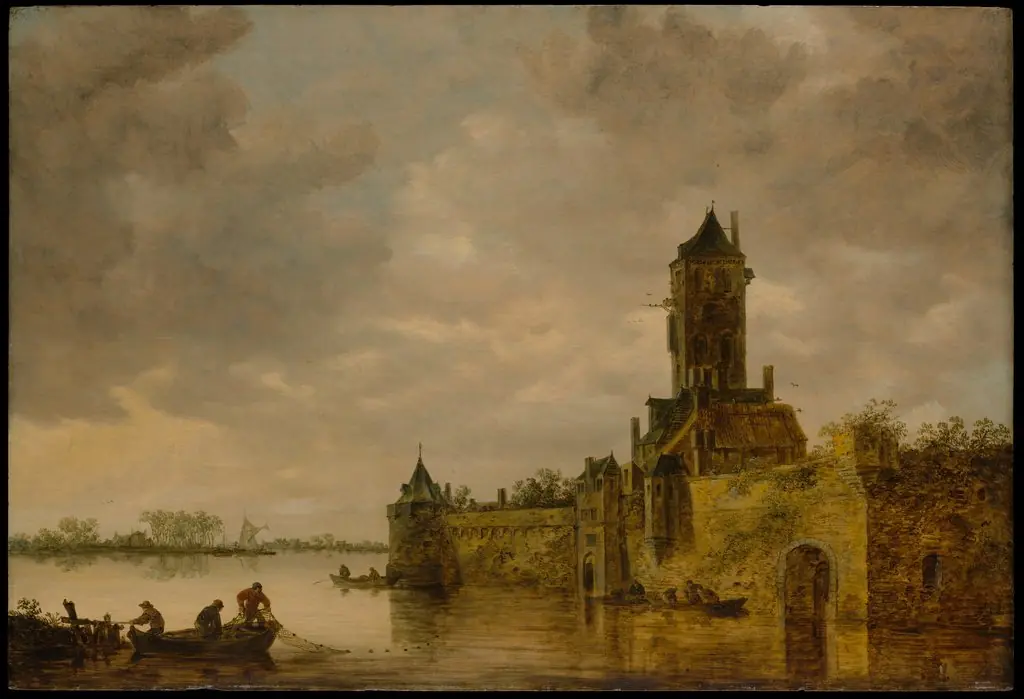 Castle by a River
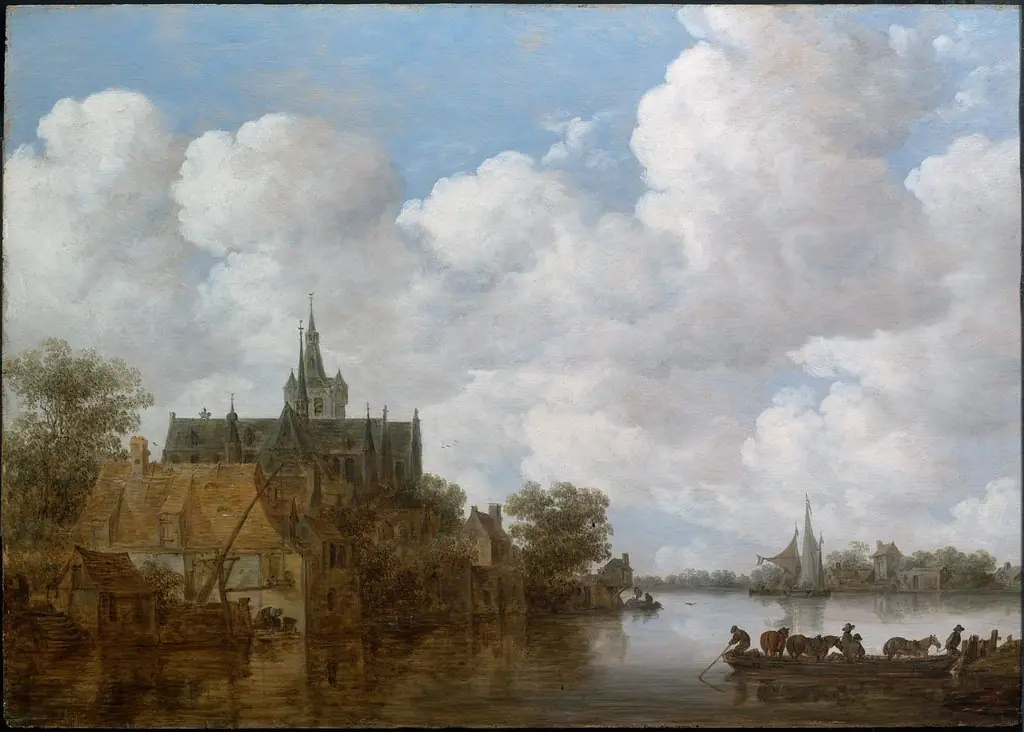 River Landscape with a Ferry and a Church