Artwork
Summer on a River
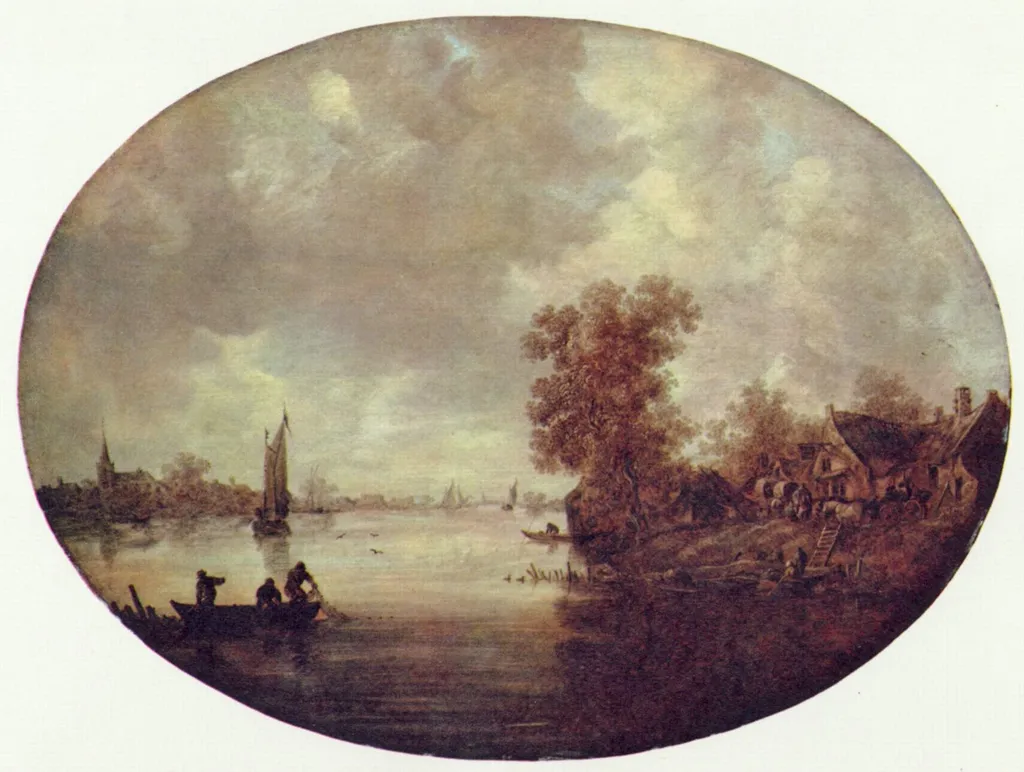
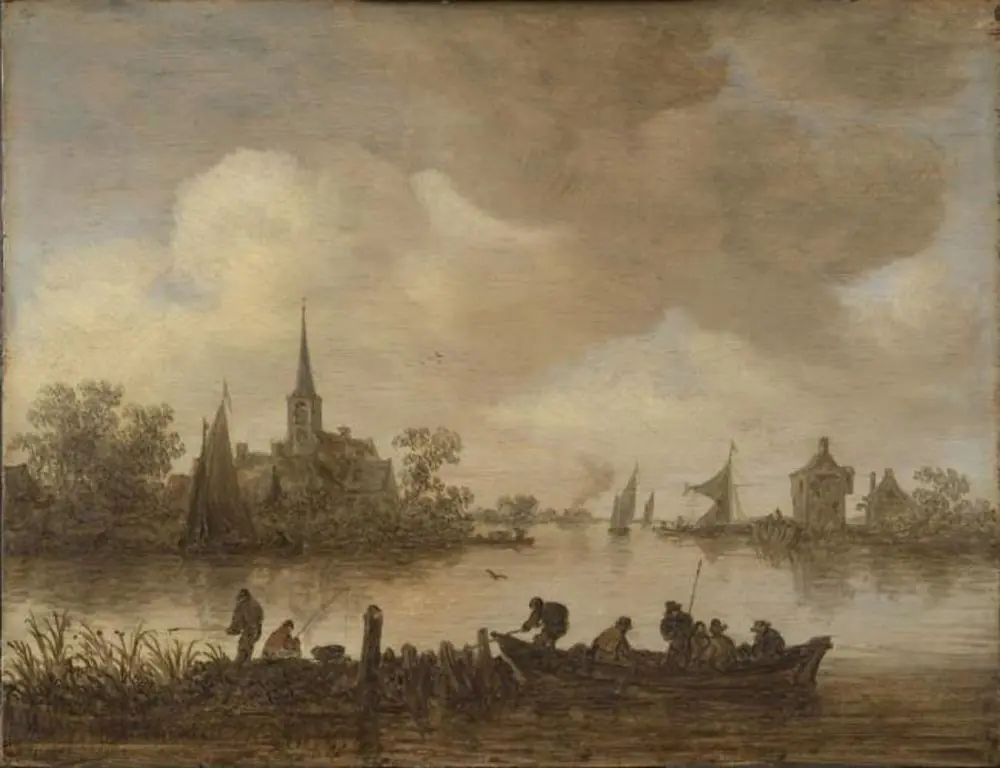
Summer on a River is an unspecified painting by the Dutch Golden Age artist Jan van Goyen. It dates from 1643 and is held in the collection of the Staatliche Kunstsammlungen Dresden.
About this work
Overview
This piece exemplifies his focus on everyday rural scenes rather than grand narratives, reflecting a broader cultural shift toward intimate, observational art.
Painted in 1643 by Jan van Goyen, this work captures a quiet moment along a Dutch river during the height of the Golden Age. Van Goyen, prolific in both oil and drawing, specialized in atmospheric landscapes that emphasized natural light and subtle tonal shifts. This piece exemplifies his focus on everyday rural scenes rather than grand narratives, reflecting a broader cultural shift toward intimate, observational art.
Subject & Meaning
The scene portrays ordinary life along a waterway: figures gather near a moored boat, while another drifts downstream. No dramatic event unfolds—instead, the painting conveys stillness and routine. The presence of modest dwellings and scattered activity suggests a working landscape, not an idealized one. The mood is contemplative, inviting quiet reflection rather than narrative engagement.
Technique & Style
Van Goyen employed a restrained palette of grays, browns, and muted greens to evoke a hazy, overcast day. His brushwork is loose yet deliberate, with thin washes of paint creating atmospheric depth. Light and shadow are carefully balanced to guide the eye toward the central figures without harsh contrast. This subtle chiaroscuro enhances spatial recession, a hallmark of his mature style.
History & Provenance
The painting has been held since the 19th century by the Gemäldegalerie Alte Meister in Dresden, part of a larger collection of Dutch and Flemish works assembled by Saxon royalty. Its documented history traces back to early collectors who valued van Goyen’s ability to render the Dutch countryside with authenticity and restraint, distinguishing his work from more ornate contemporaries.
Context
In mid-17th-century Holland, landscape painting flourished as a distinct genre, reflecting national pride in the land and its management. Van Goyen’s river scenes responded to a growing middle-class market for art that celebrated the familiar—canals, fields, and skies—rather than religious or mythological themes. His work helped define a new visual language rooted in observation.
Legacy
Van Goyen’s approach influenced later Dutch landscape painters by prioritizing mood over detail and embracing naturalism. His emphasis on tonal harmony and atmospheric effects paved the way for 18th-century landscape traditions across Europe. Though less celebrated today than some peers, his body of work remains a vital record of how ordinary spaces were rendered with quiet dignity.
Artist & collection
Artist
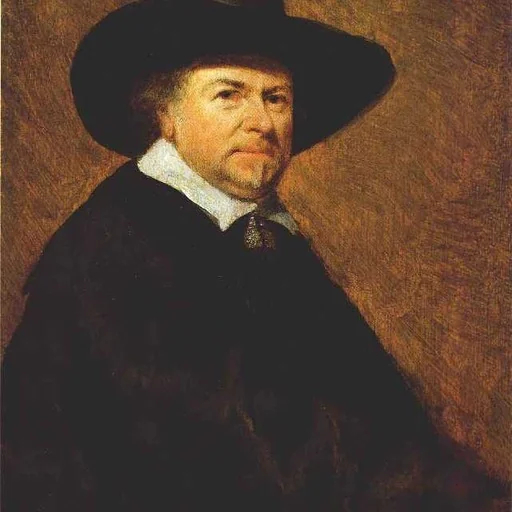
Jan Josephszoon van Goyen (Dutch pronunciation: ; 13 January 1596 – 27 April 1656) was a Dutch landscape painter.

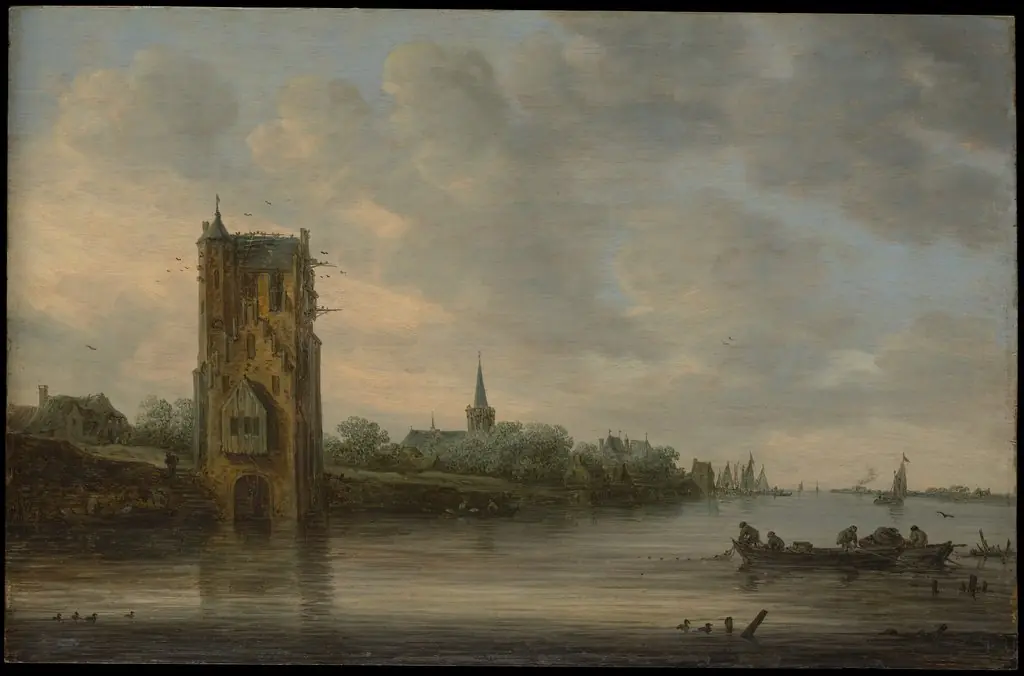
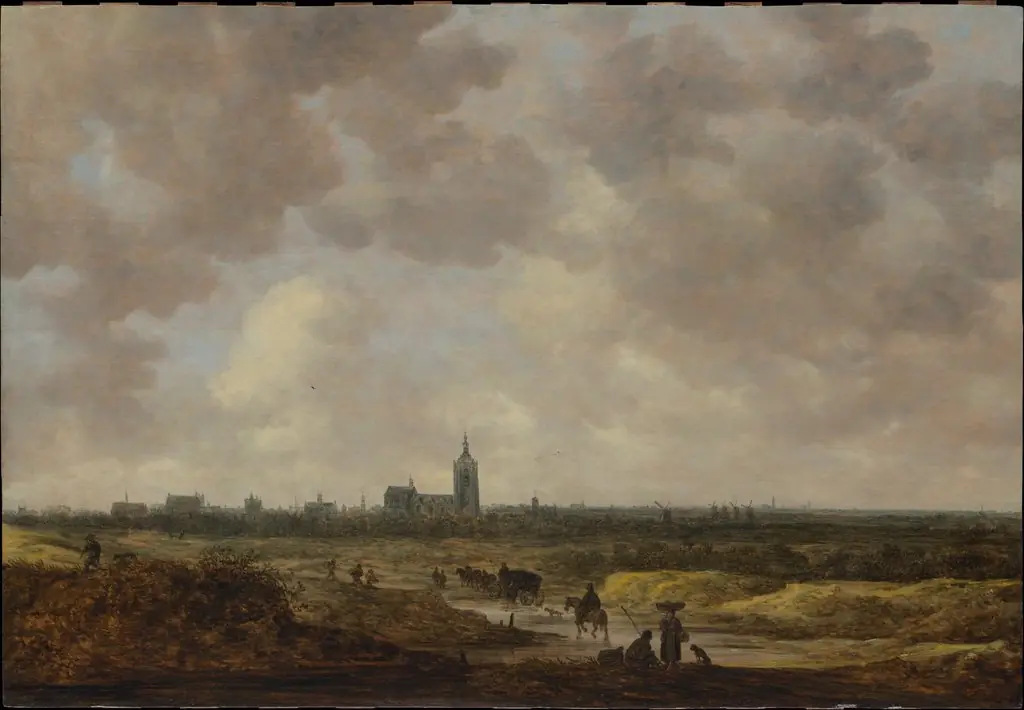
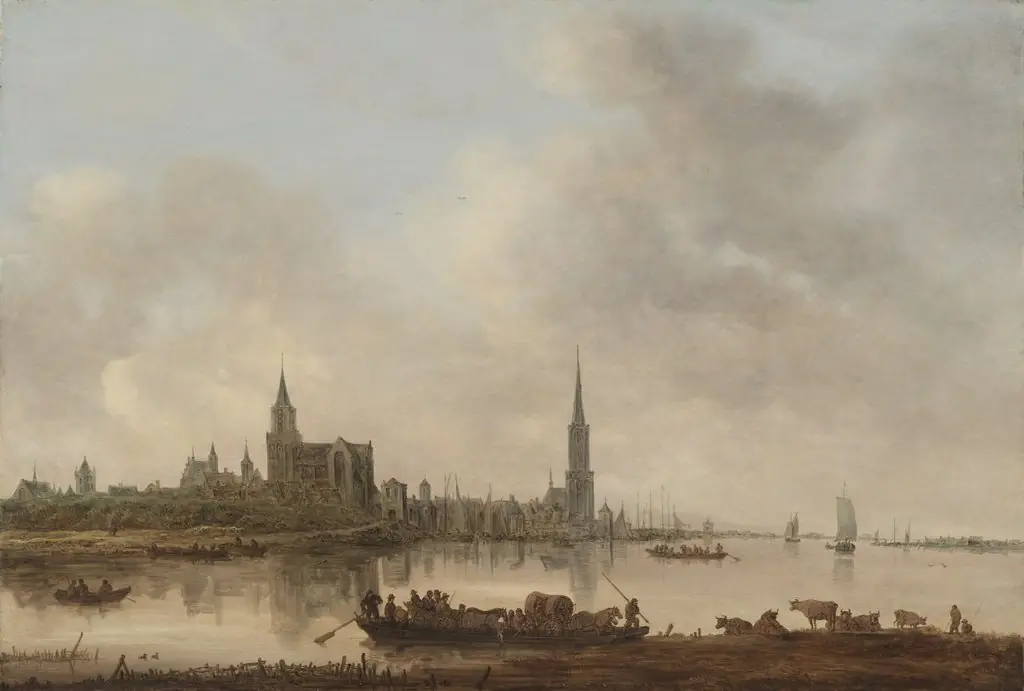
 View of a River
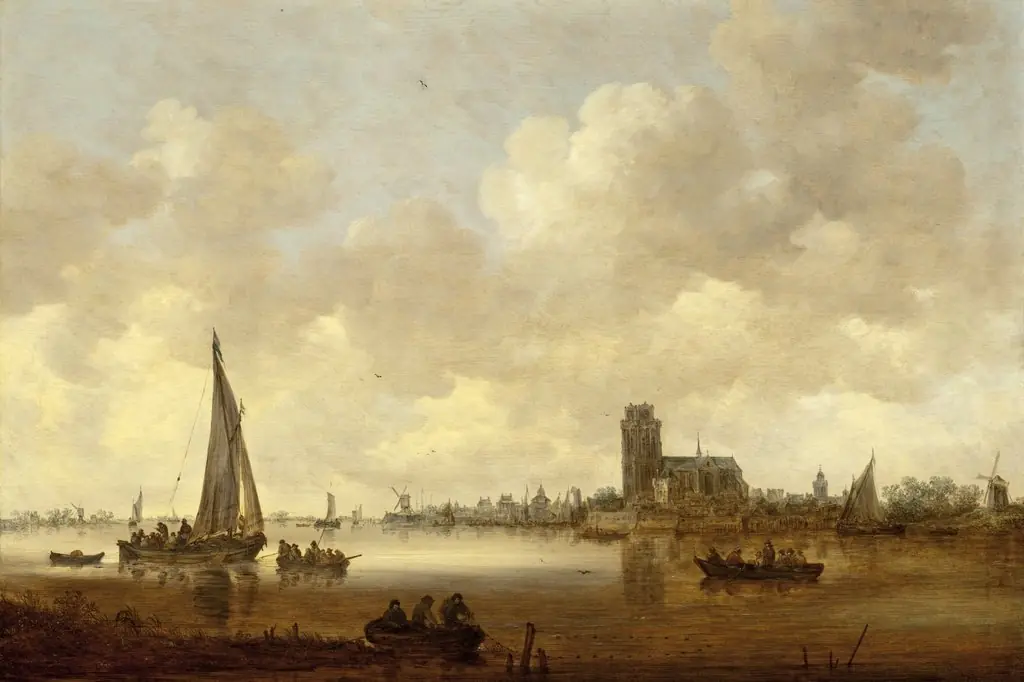 View of Dordrecht
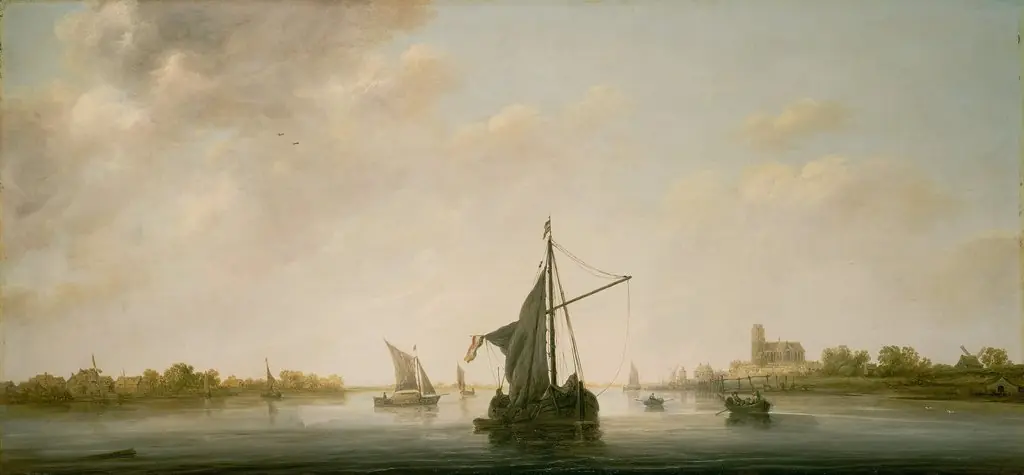 A View of the Maas at Dordrecht
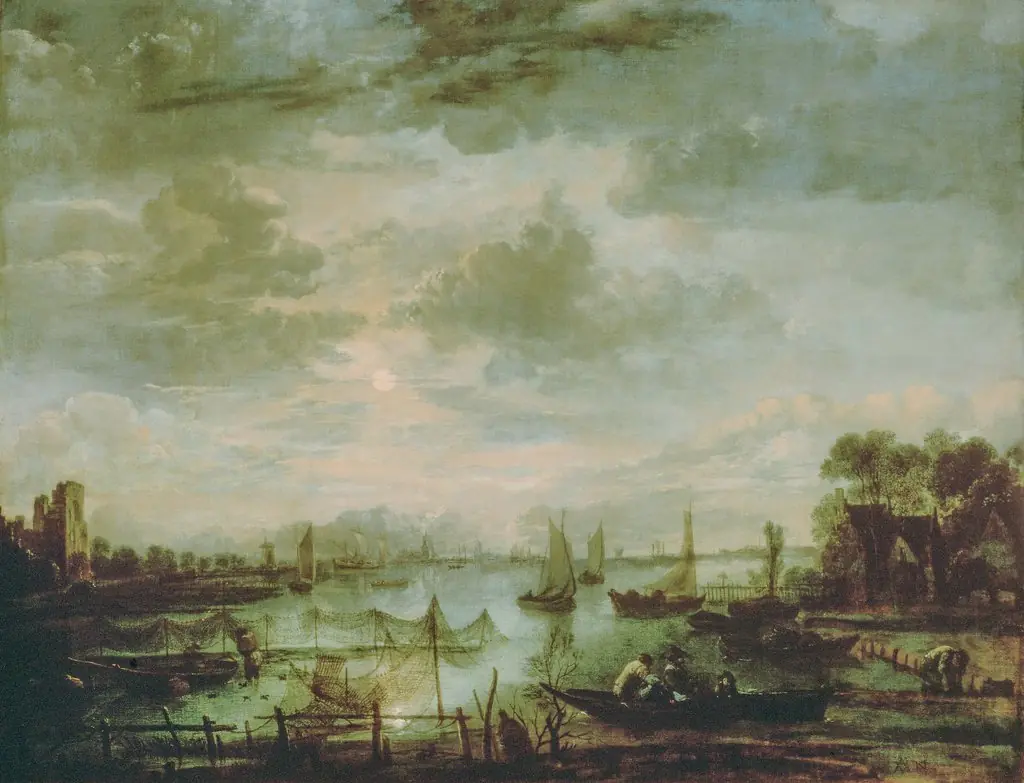 River landscape with ships by moonlight
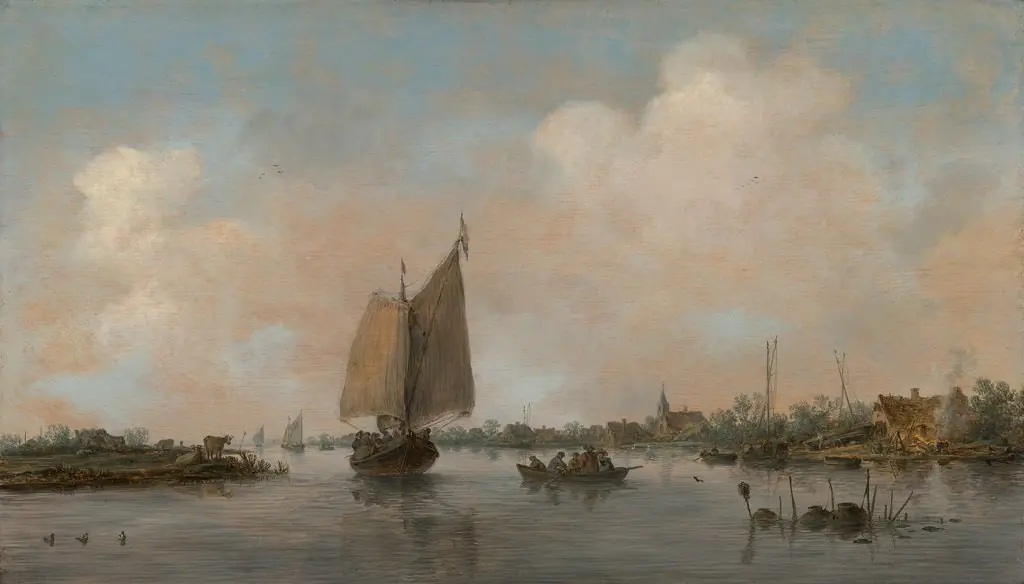 Riverview
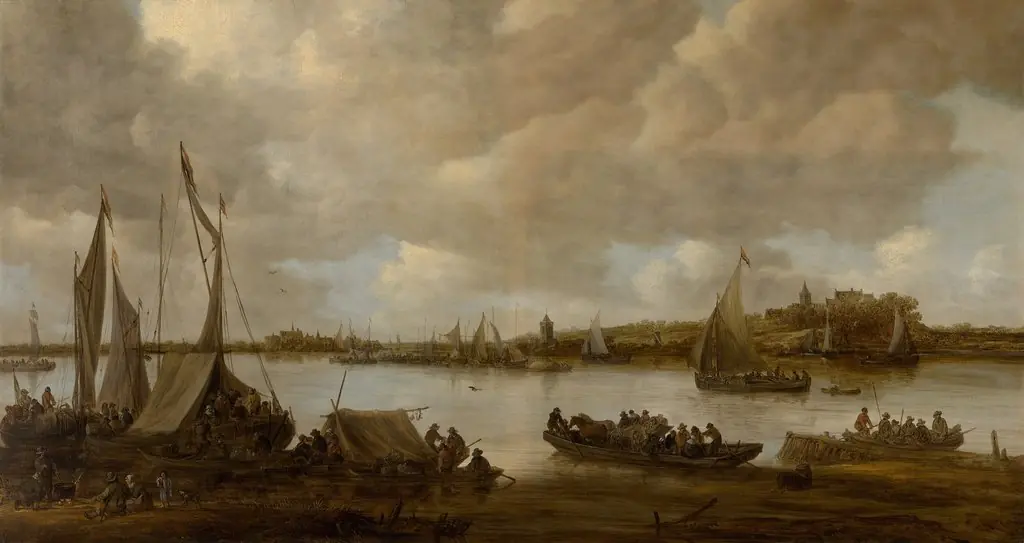 View of the Rhine near Hoog-Elten
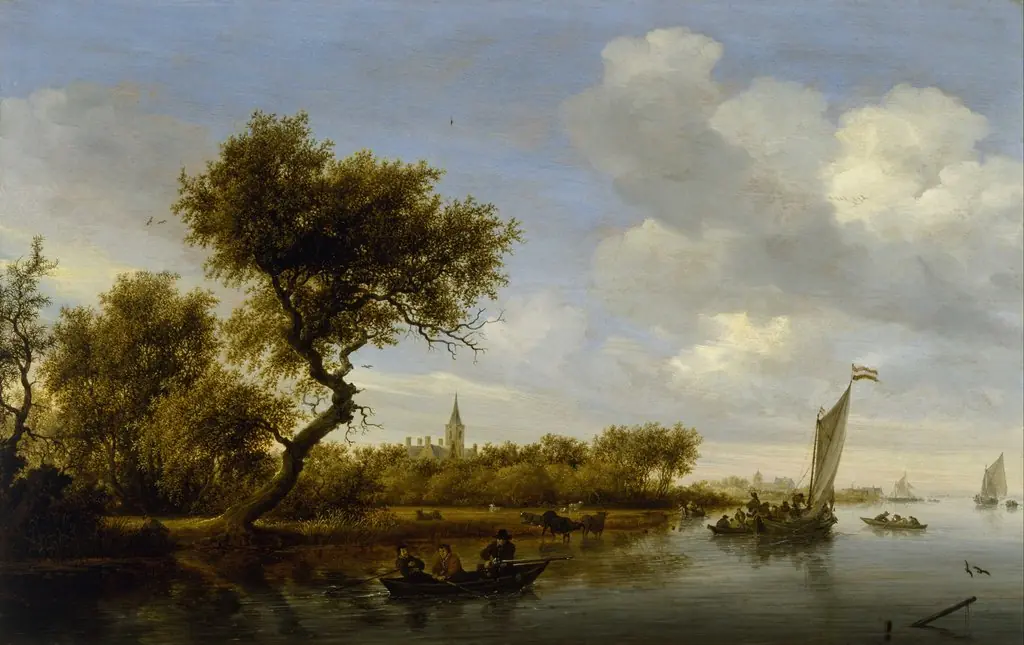 River Landscape with a Church in the Distance
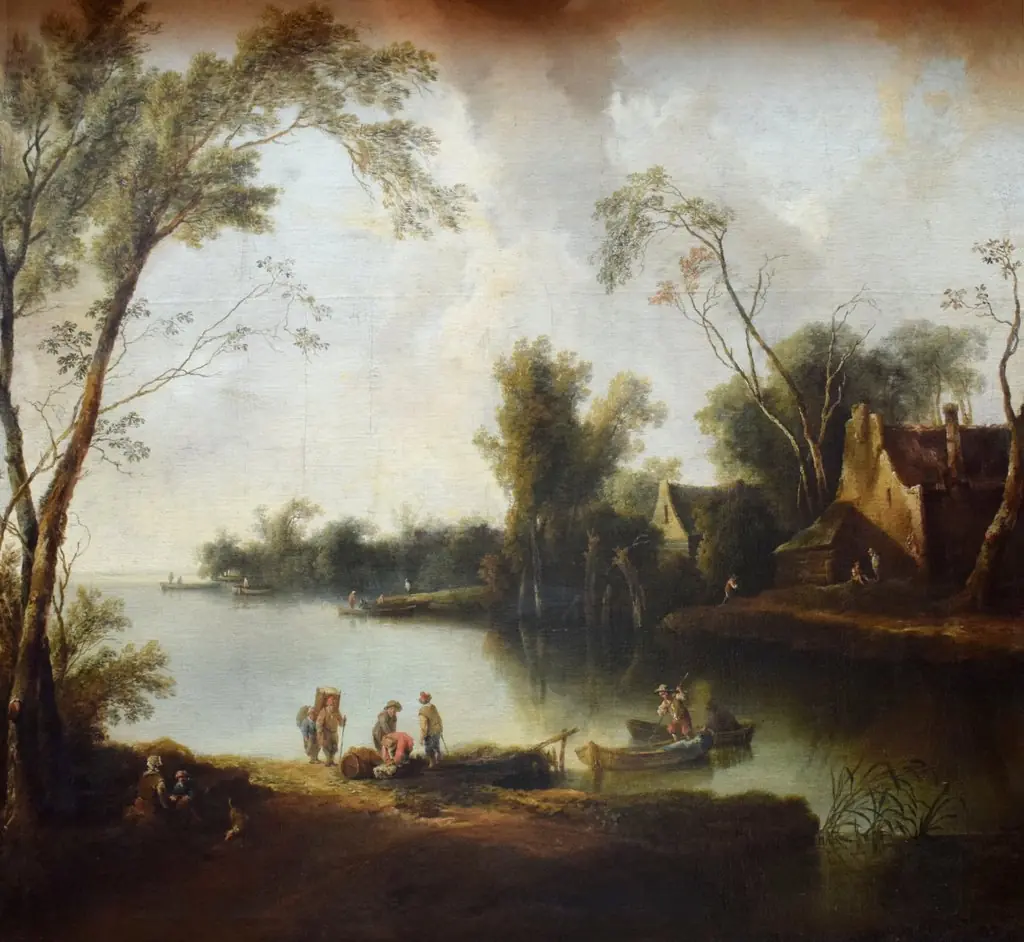 Riverside Landscape
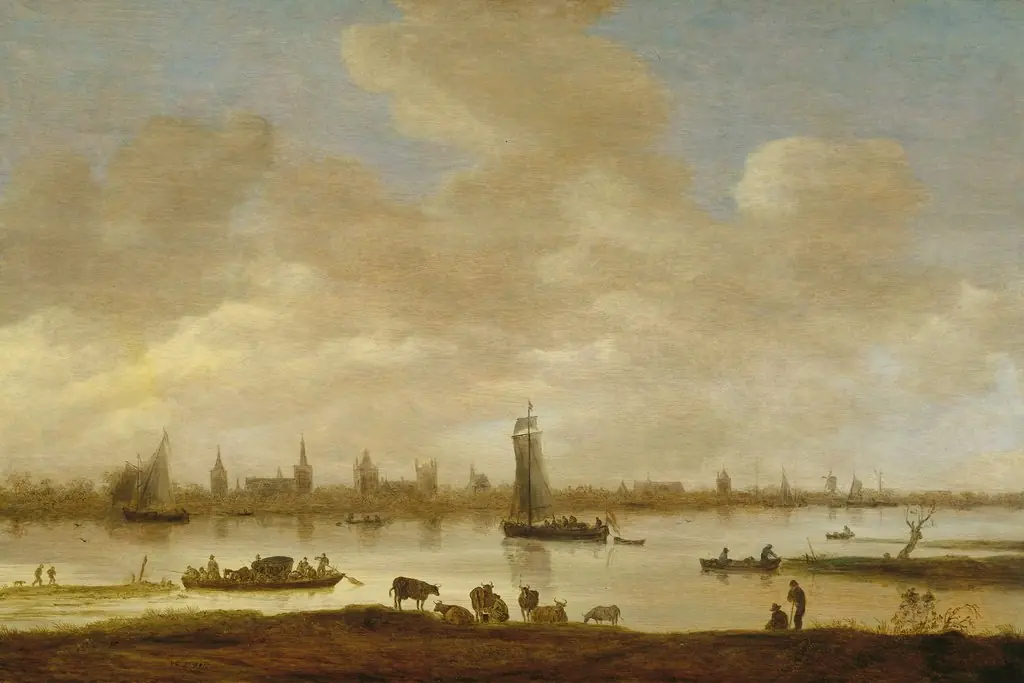 View of an imaginary town across a river with the Vianen tower of Saint Pol
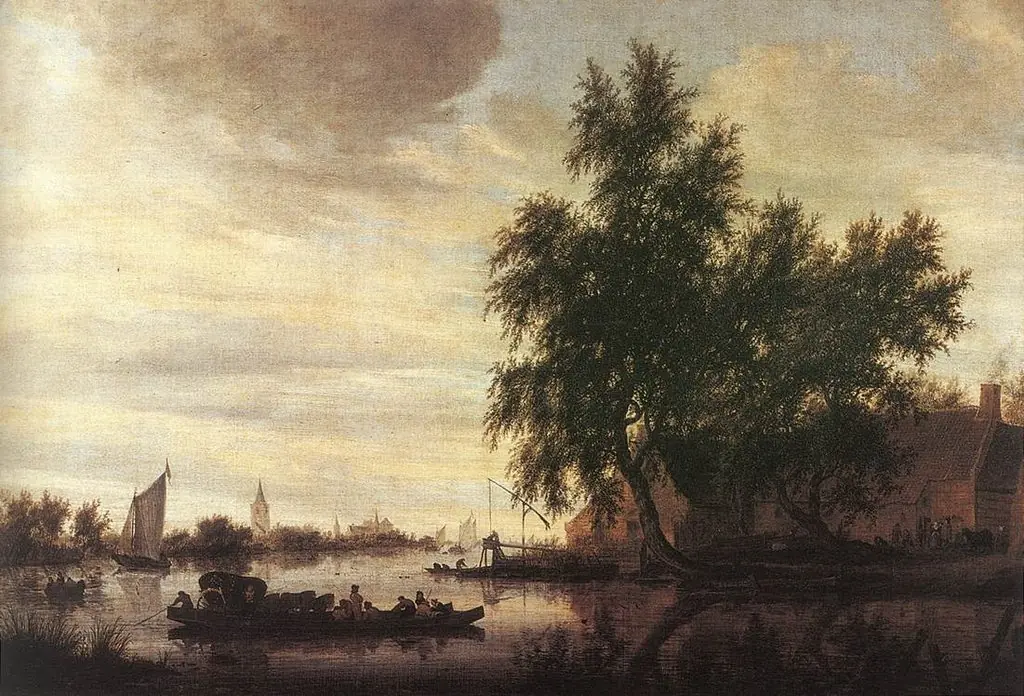 The Ferryboat
 Landscape with a Canal
 Cottages beside a River