Artwork
Belagerung von Namur
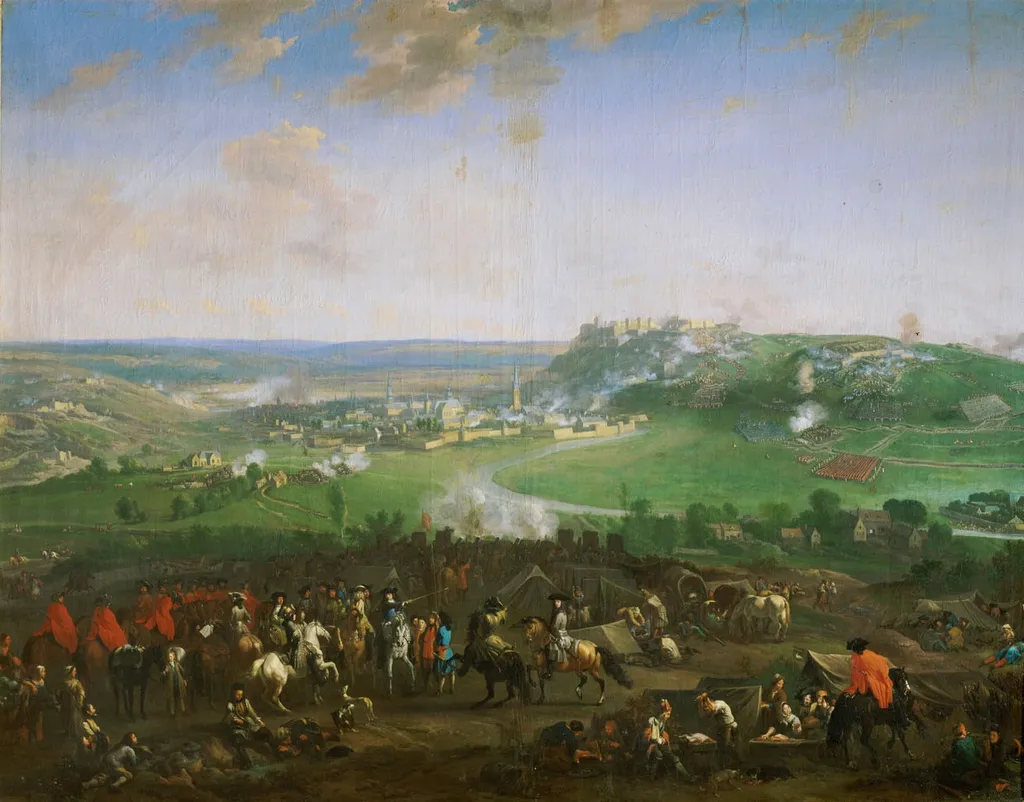
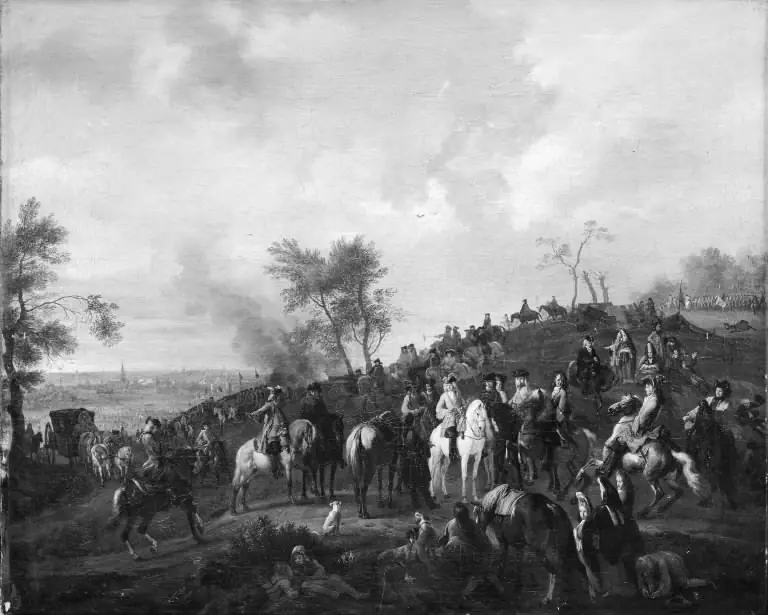
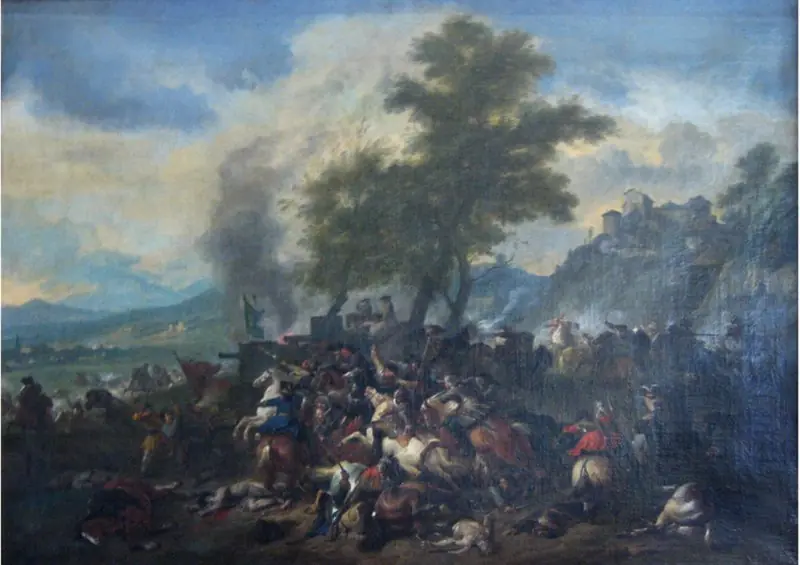
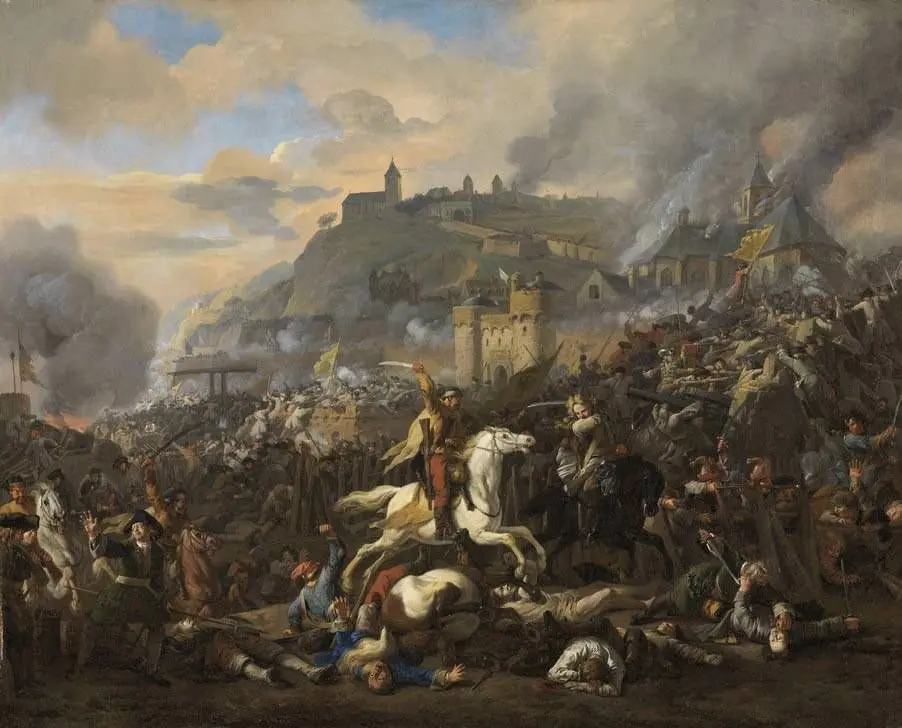
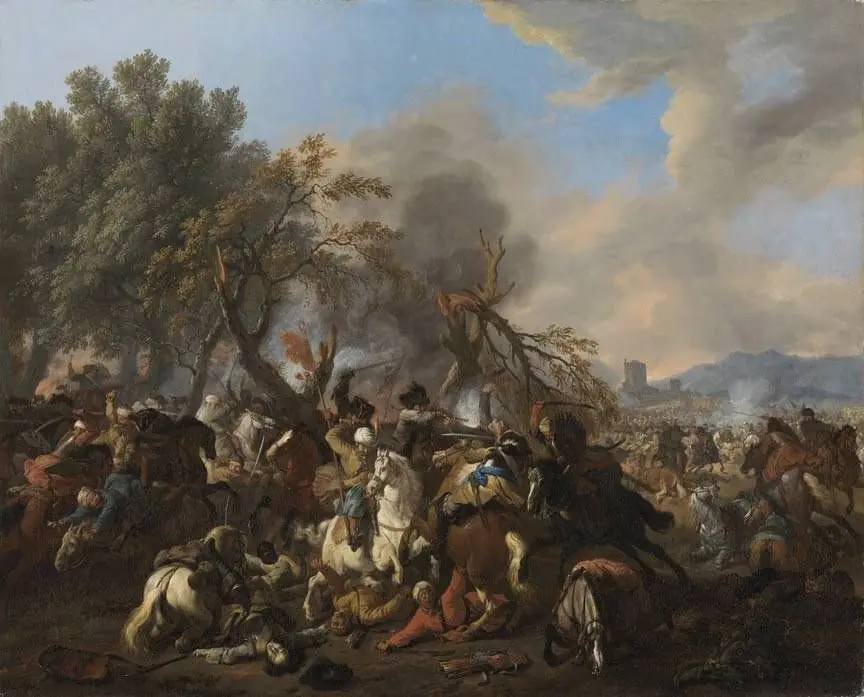
Belagerung von Namur is an unspecified painting by the Rococo painting artist Jan van Huchtenburgh. It dates from 1700 and is held in the collection of the Kunsthistorisches Museum.
About this work
Overview
A Dutch artist known for his dynamic battle scenes and equestrian subjects, van Huchtenburgh combined observational detail with narrative clarity.
Painted in 1700 by Jan van Huchtenburgh, *Belagerung von Namur* depicts a military engagement during the Nine Years' War. A Dutch artist known for his dynamic battle scenes and equestrian subjects, van Huchtenburgh combined observational detail with narrative clarity. The work is part of the Kunsthistorisches Museum’s collection and exemplifies late 17th-century Dutch military painting, blending topographical accuracy with dramatic composition.
Subject & Meaning
The painting illustrates the siege of Namur, a strategic fortress in the Spanish Netherlands, captured by French forces in 1692. Van Huchtenburgh captures the chaos and organization of wartime logistics: soldiers on horseback, artillery preparations, and encampments. Though not a literal record, the scene conveys the scale and tension of early modern siege warfare, emphasizing command structures and troop movements over individual heroism.
Technique & Style
Van Huchtenburgh employed fine brushwork to render textures of fabric, leather, and terrain, with careful attention to the movement of horses and figures. Color is used strategically: vivid red and blue uniforms contrast with the earthy greens and browns of the landscape, guiding the viewer’s eye through the composition. The sky, softly modeled with drifting clouds, adds atmospheric depth without overwhelming the activity below.
History & Provenance
Commissioned or acquired during the early 18th century, the painting entered the Habsburg collections, likely through diplomatic or military channels. It remained in imperial holdings and was later cataloged in the Kunsthistorisches Museum’s holdings. Its preservation reflects the Habsburgs’ interest in documenting European conflicts, even those involving their adversaries, as part of a broader archival and visual culture.
Context
Created during the waning years of the Baroque era, the painting aligns with a Dutch tradition of military documentation that valued precision over romanticism. While Rococo aesthetics emphasized ornament and leisure, van Huchtenburgh’s work retained the sober realism of earlier Dutch genre and battle painting, responding to contemporary demand for records of recent wars and their leaders.
Legacy
Van Huchtenburgh’s approach influenced later military painters in Northern Europe, particularly in the integration of topographical detail with narrative action. Though less celebrated than his contemporaries, his works remain valuable for their documentation of 17th-century warfare, troop organization, and the visual language of early modern conflict. *Belagerung von Namur* stands as a testament to the role of art in preserving the mechanics of war.
Artist & collection
Artist
Jan van Huchtenburg also written as Johan van Huchtenburg (1646 – 1733) was a Dutch painter of equestrian and battle scenes, as well as an engraver of mezzotints, publisher, and art dealer.

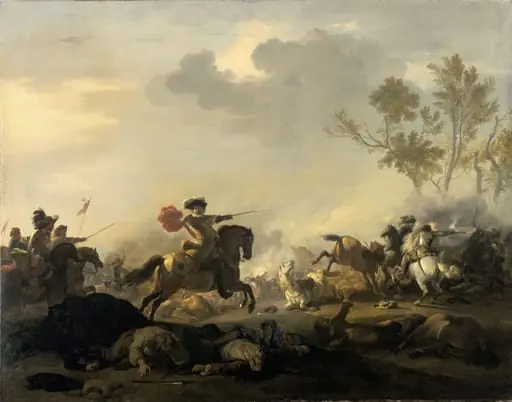
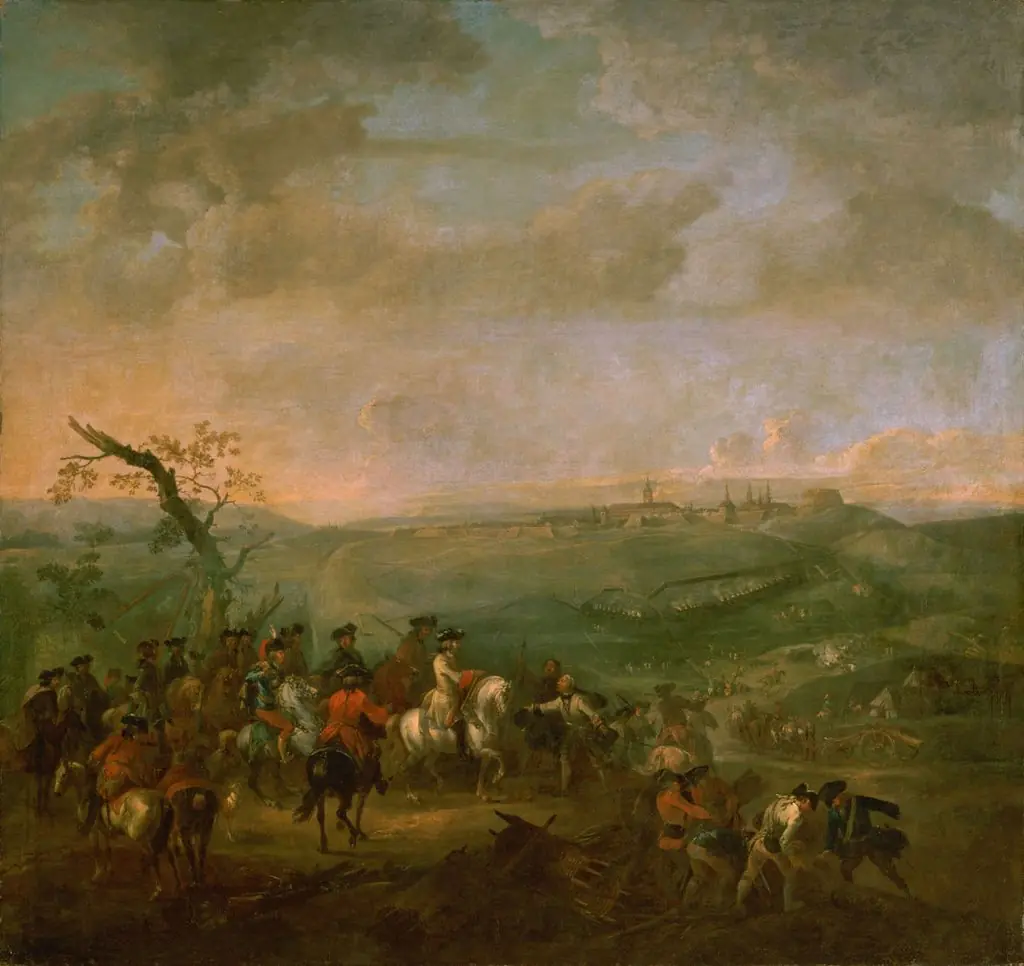 The blocking of Prague by the Austrians under Grand Duke Francis Stephen of Lorraine and Toscana during the War of the Austrian Succession, 1742
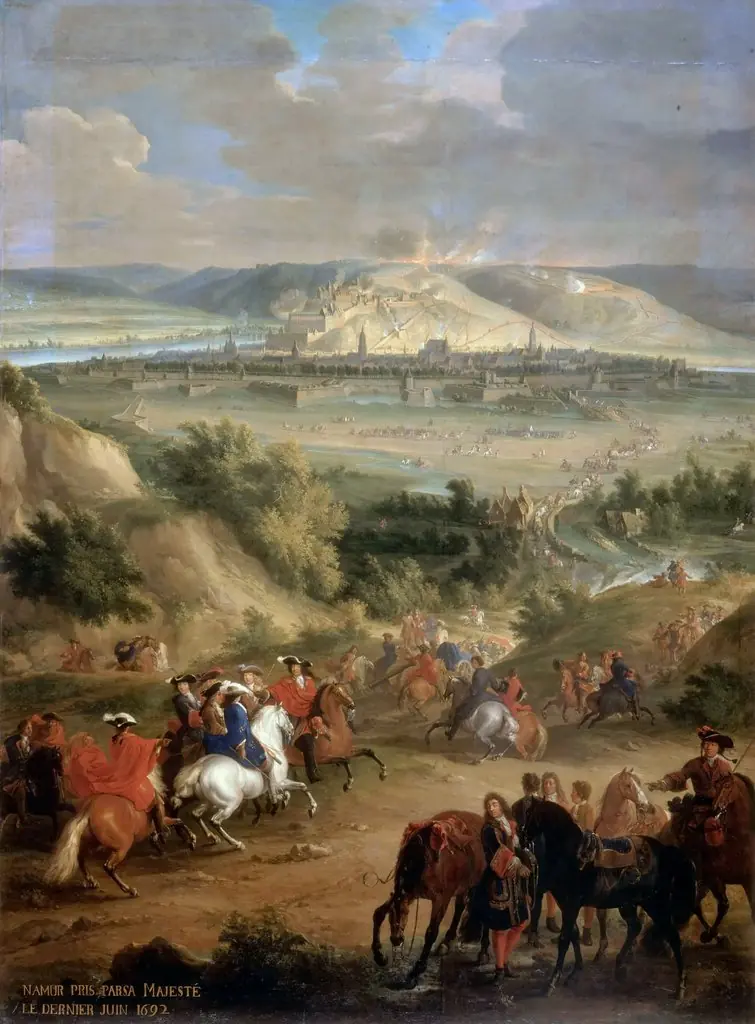 Siege of Namur, 30th June 1692
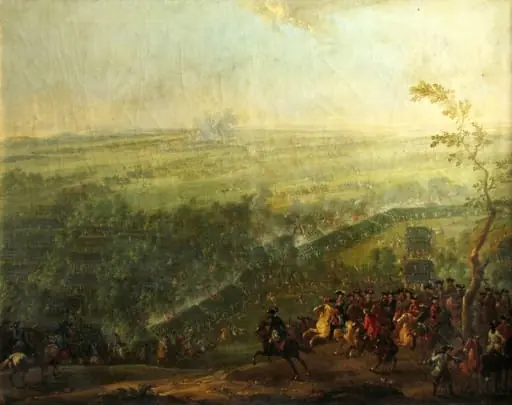 Bătălia de la Poltava
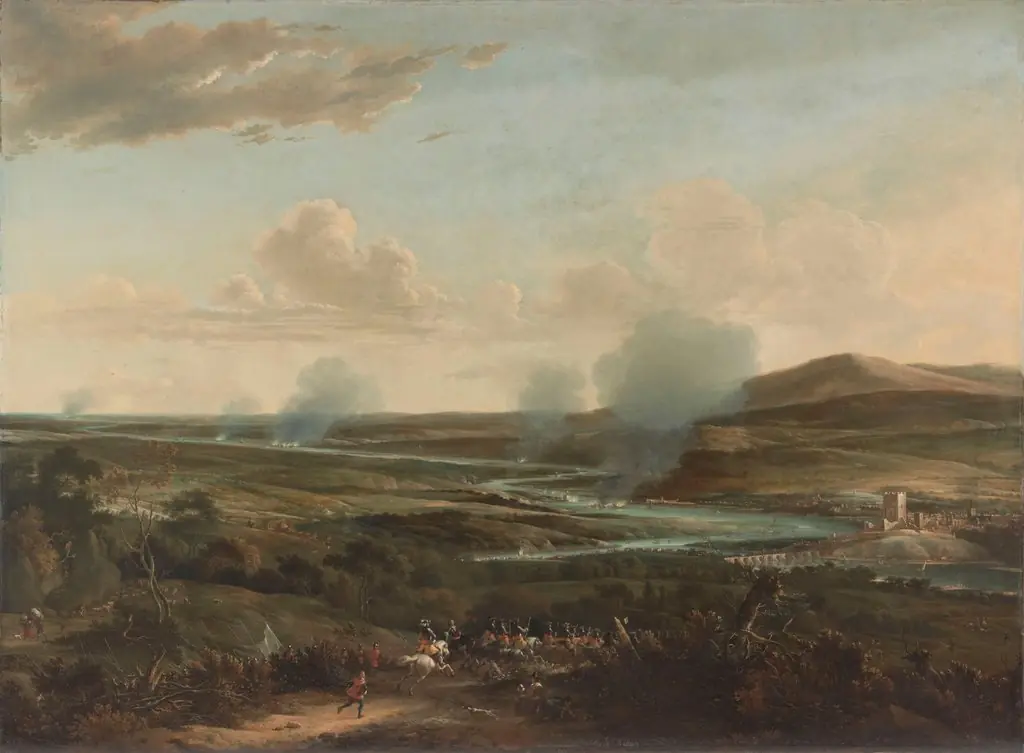 The Battle of Medway
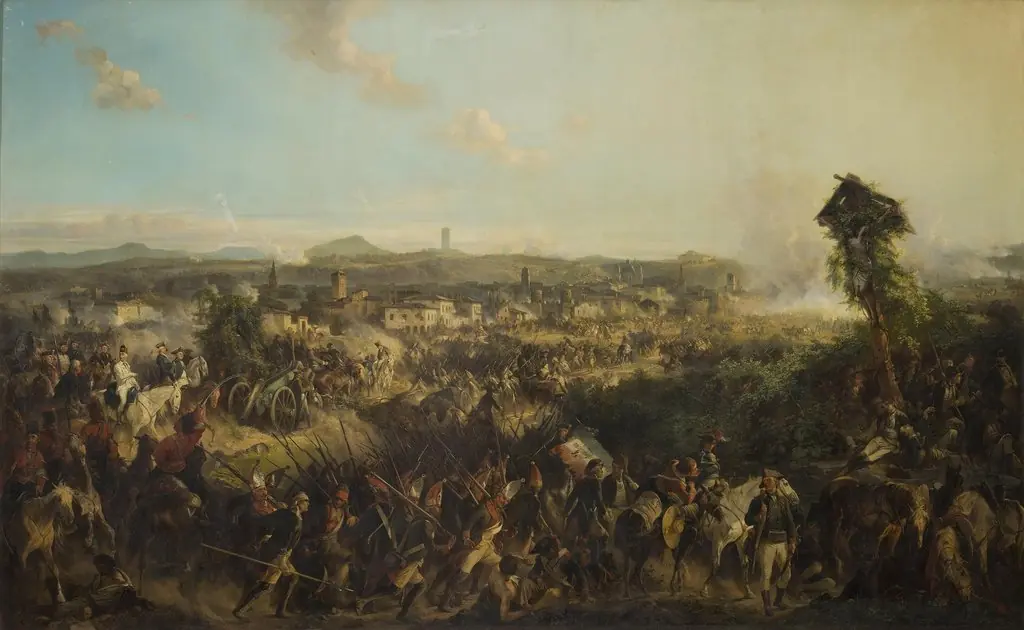 Battle of Novi on 4 August 1799
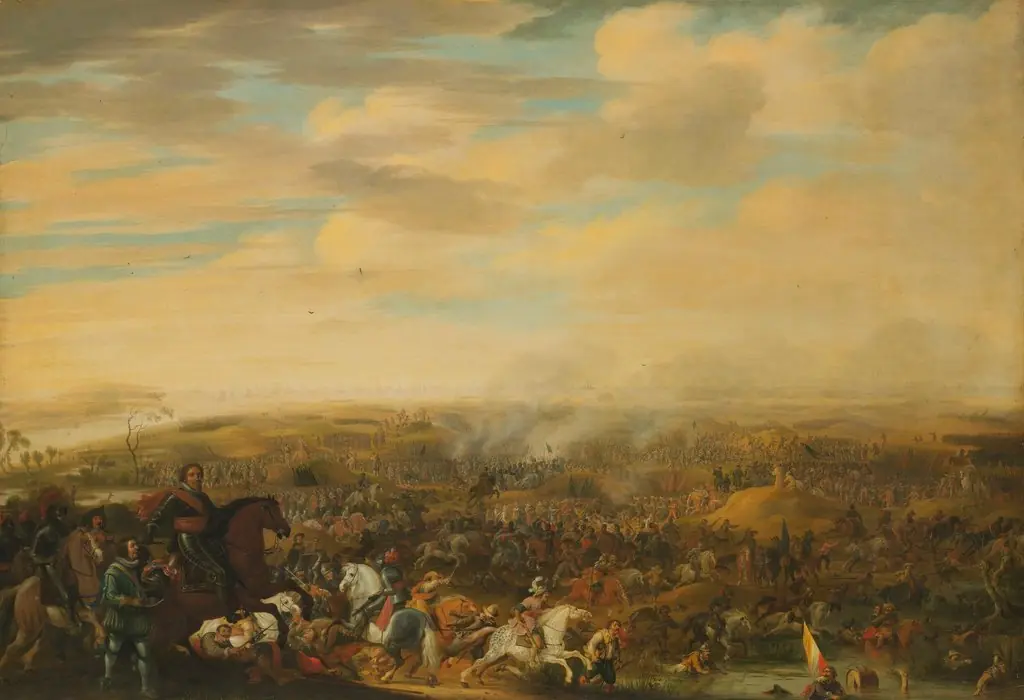 Prince Maurits at the Battle of Nieuwpoort, 2 July 1600
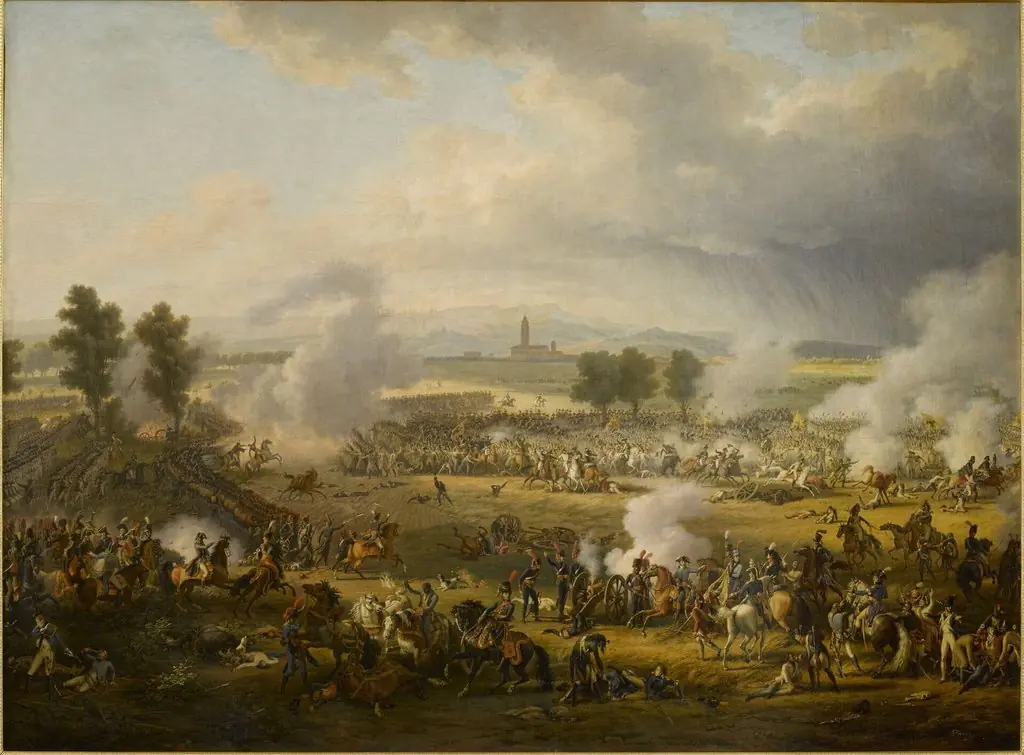 The Battle of Marengo
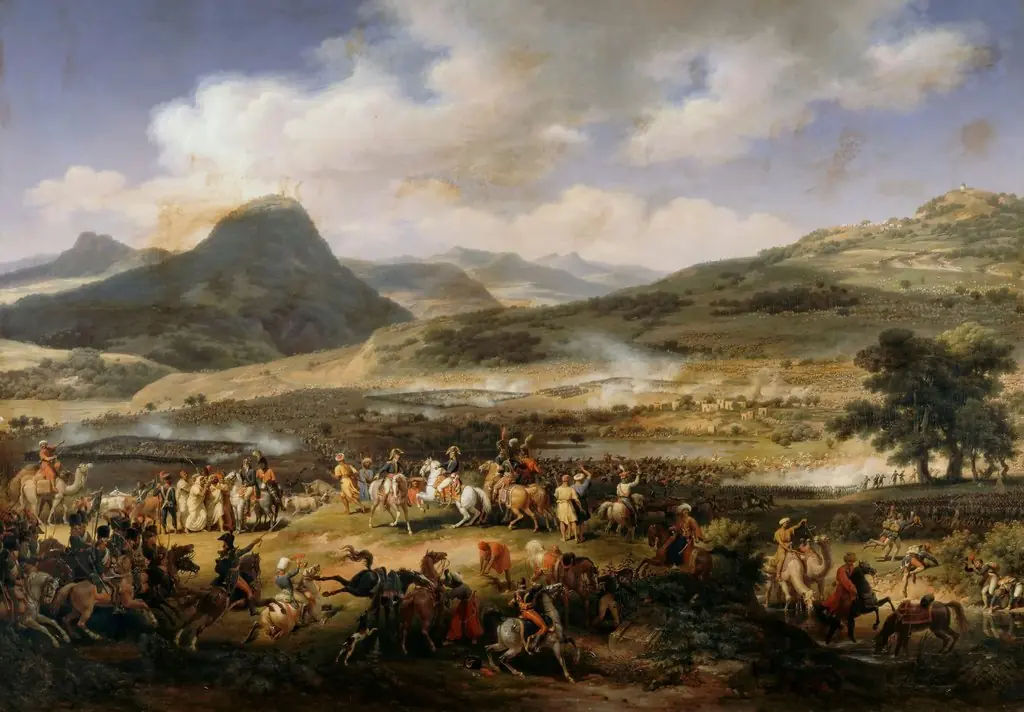 The Battle of Mount Tabor
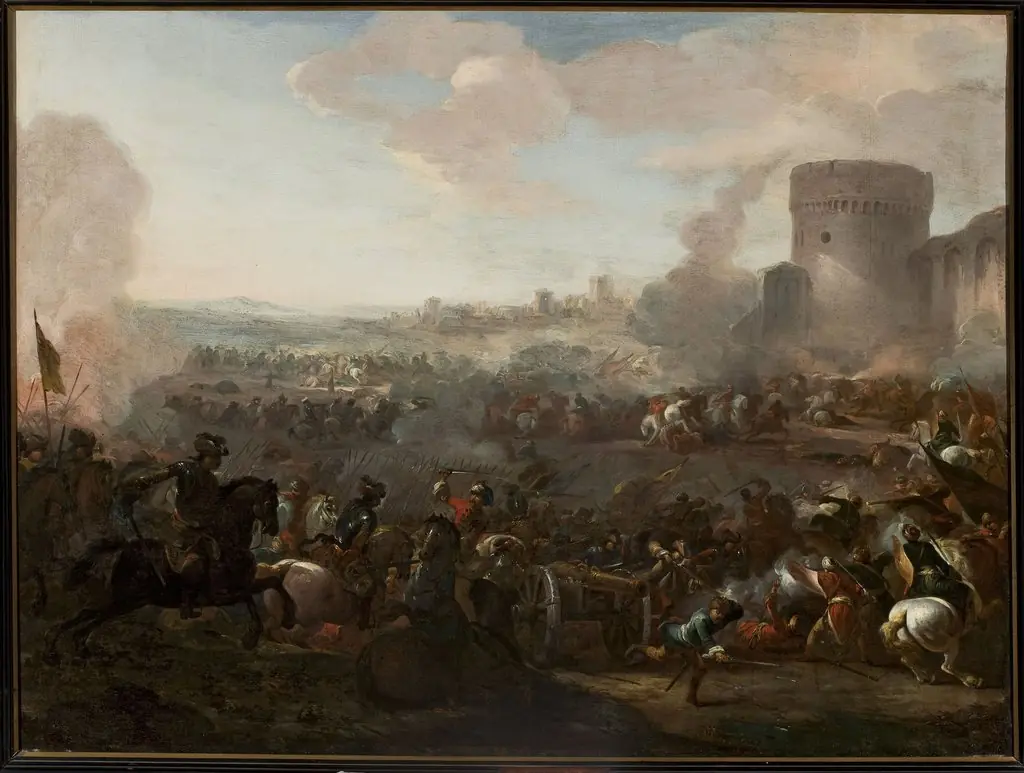 Battle
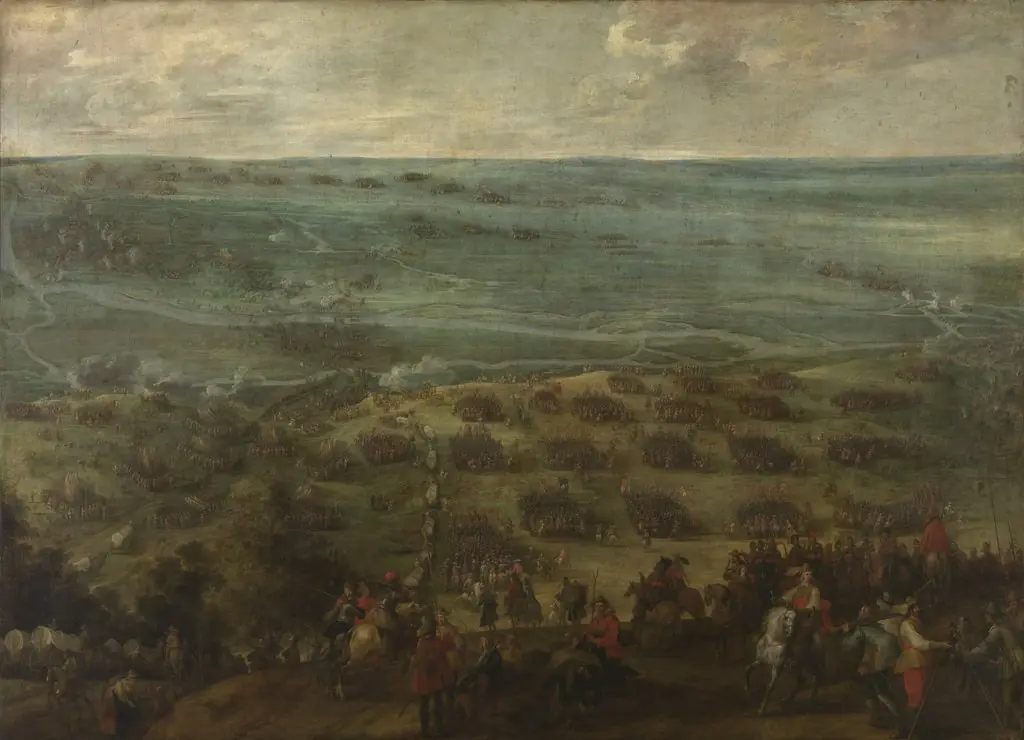 Crossing the Somme in Cérisy
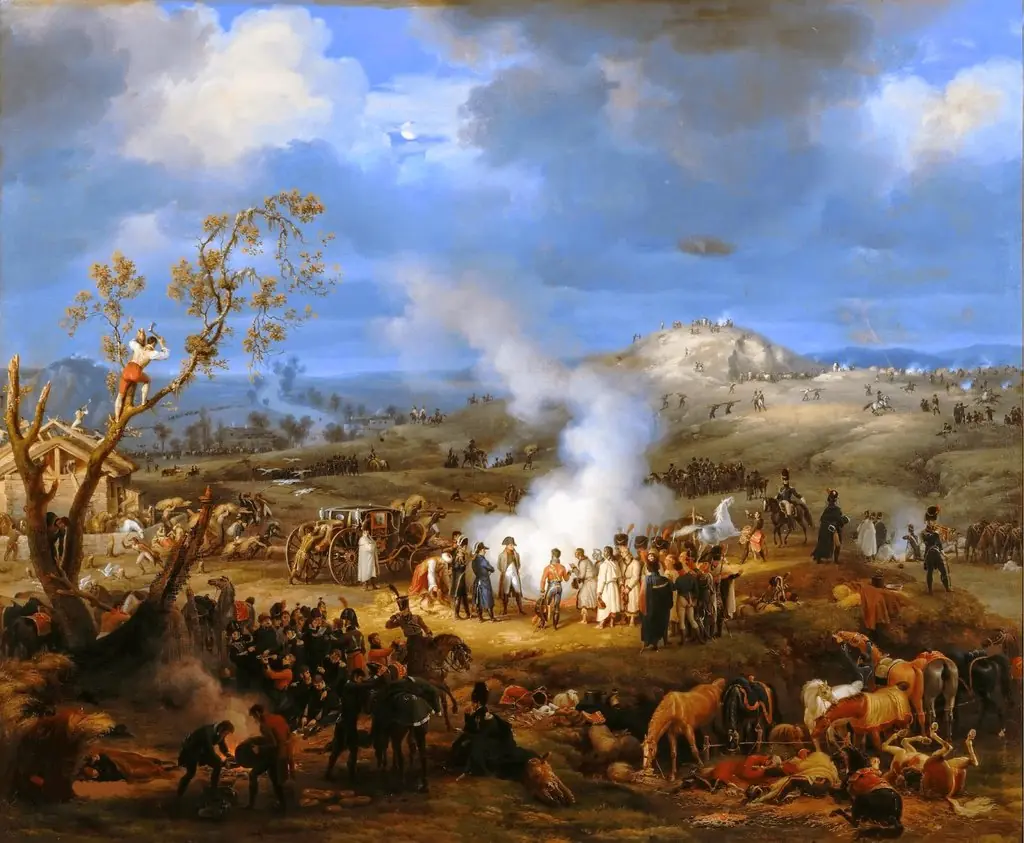 Bivouac on the Eve of the Battle of Austerlitz