Artwork
Bătălia de la Poltava
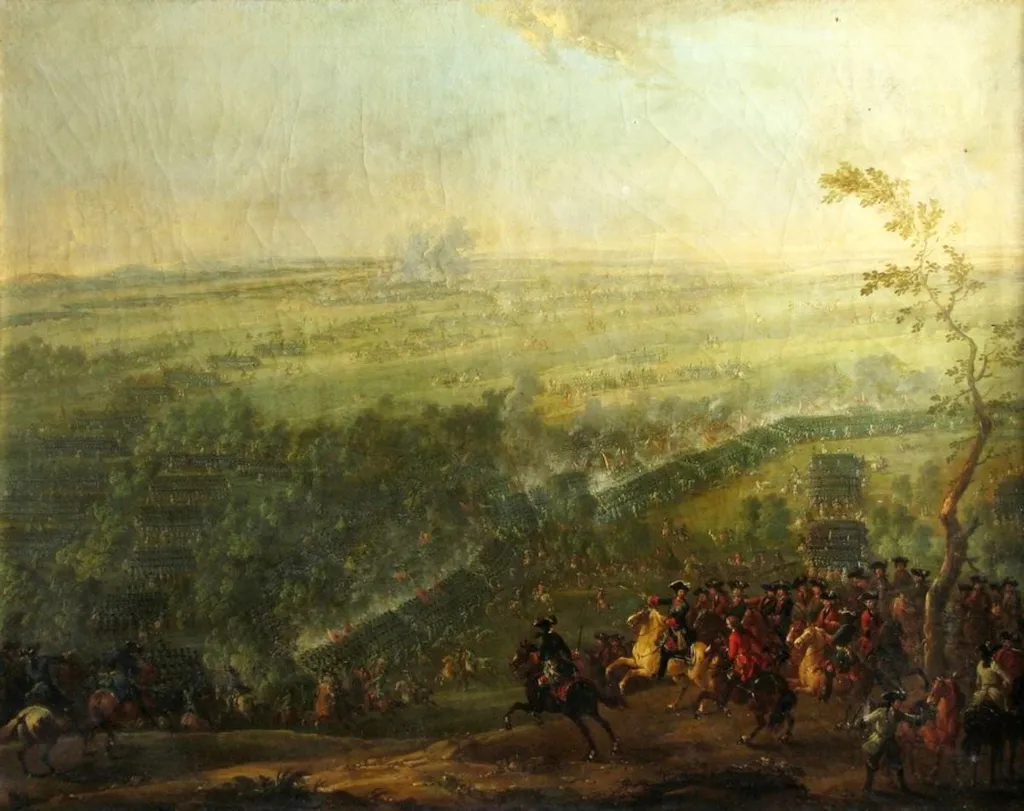
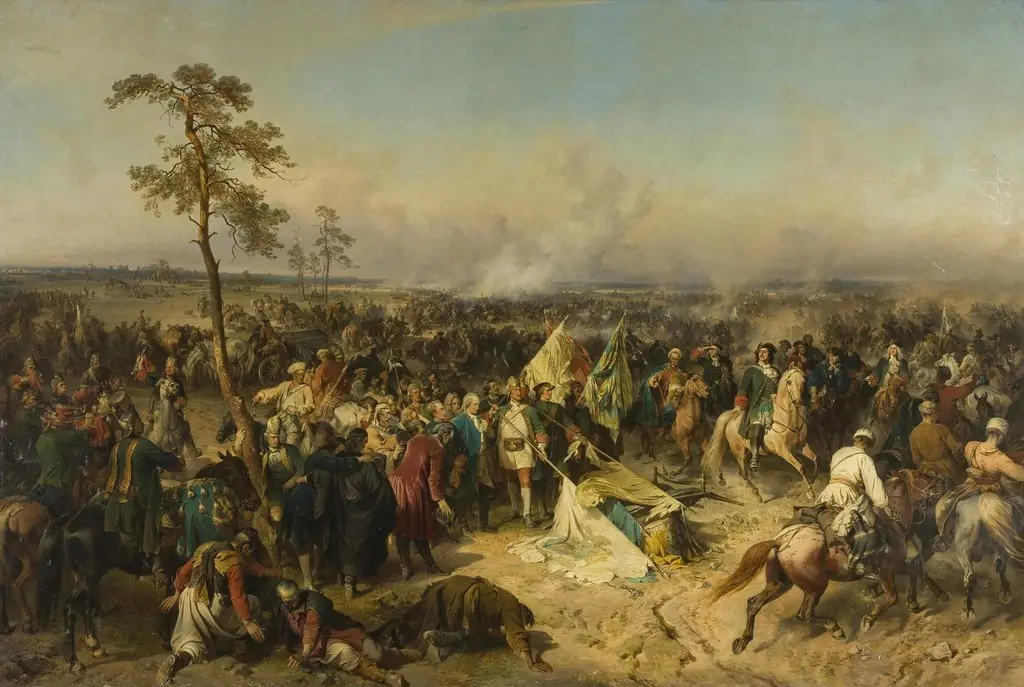
Bătălia de la Poltava is a print by the Baroque artist anonim. It is held in the collection of the Brukenthal National Museum. This painting depicts the Battle of Poltava, a decisive conflict in the Great Northern War.
About this work
Overview
The scene is rendered without clear focal points, emphasizing the disorder of battle rather than heroic individualism.
This painting depicts the Battle of Poltava, a decisive conflict in the Great Northern War. It captures the confusion and violence of combat through a dense composition of soldiers, horses, and swirling smoke. The scene is rendered without clear focal points, emphasizing the disorder of battle rather than heroic individualism. The artist prioritizes atmosphere over clarity, using layered brushwork to convey the chaos of the moment.
Subject & Meaning
The scene portrays the clash between Swedish and Russian forces in 1709, a turning point in European power dynamics. Figures in red and yellow uniforms suggest opposing sides, though identities are obscured by motion and particulate matter. The lack of clear leadership or triumph in the composition reflects the battle’s brutal, impersonal nature, underscoring its role as a moment of historical rupture rather than glory.
Technique & Style
Thick, textured brushstrokes create a sense of movement and turbulence, particularly in the smoke and galloping horses. The paint is applied with visible impasto, giving the air a tactile density. Colors are subdued—ochres, grays, and muted reds—blending into a hazy atmosphere that dissolves distant forms. This approach prioritizes emotional resonance over detail, aligning with a tradition of battlefield painting that favors mood over precision.
History & Provenance
The work was created in the 18th or early 19th century, likely by an artist influenced by contemporary military depictions. Its origin is tied to the broader European interest in documenting the Great Northern War, though the exact commission or patron remains undocumented. The painting entered institutional collections in the 19th century, where it was preserved as a record of historical conflict rather than a celebratory monument.
Context
Painted during a period when European nations were reevaluating their military pasts, this image reflects a shift from glorified battle scenes to more somber, immersive depictions of warfare. Unlike earlier works that highlighted commanders or decisive moments, this painting emphasizes the collective experience of combat—reflecting Enlightenment-era skepticism toward heroism and the growing awareness of war’s human cost.
Legacy
The painting contributes to a visual archive of early modern warfare, influencing later artists who sought to convey the disorientation of battle. Its muted palette and emphasis on atmosphere prefigure 19th-century realist approaches to military subjects. Though not widely exhibited today, it remains a quiet testament to how art can document conflict without romanticizing it.
Artist & collection
Artist
This artist made a single print called *Bătălia de la Poltava*, showing a historic battle from 1709.

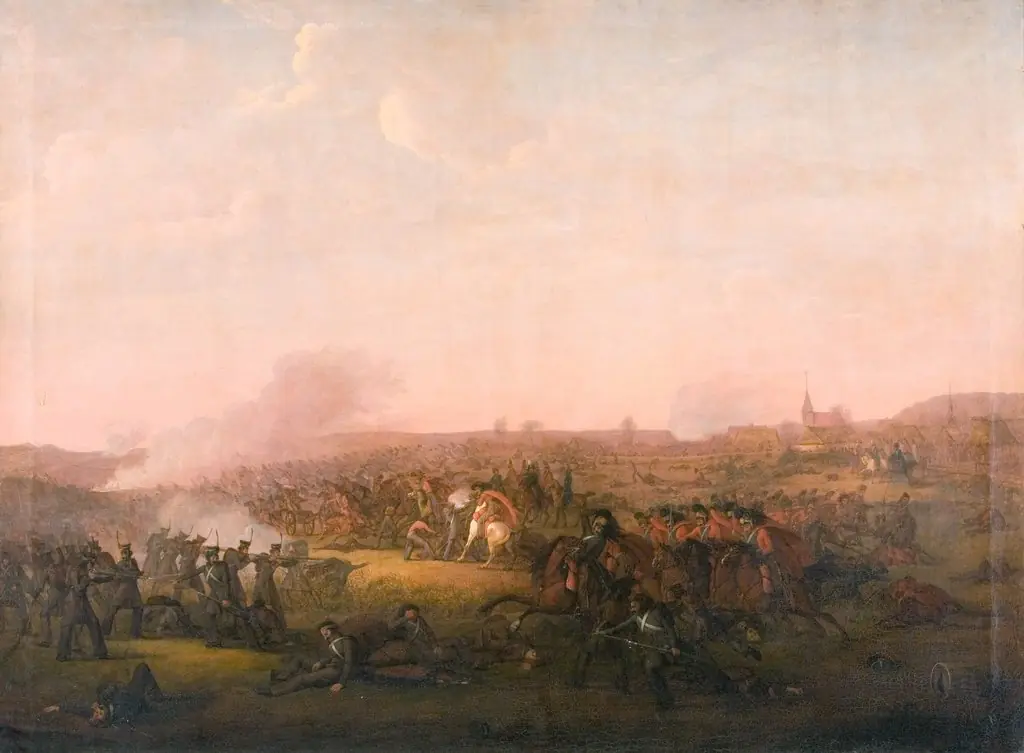 Slaget ved Sehested
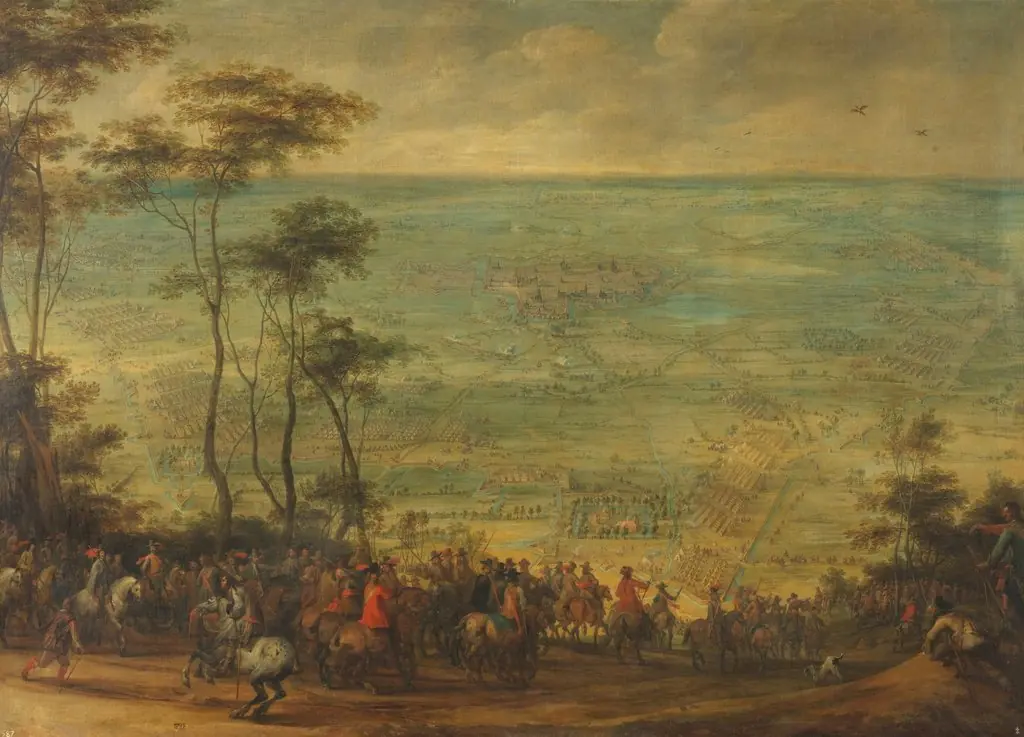 The taking of Ypres
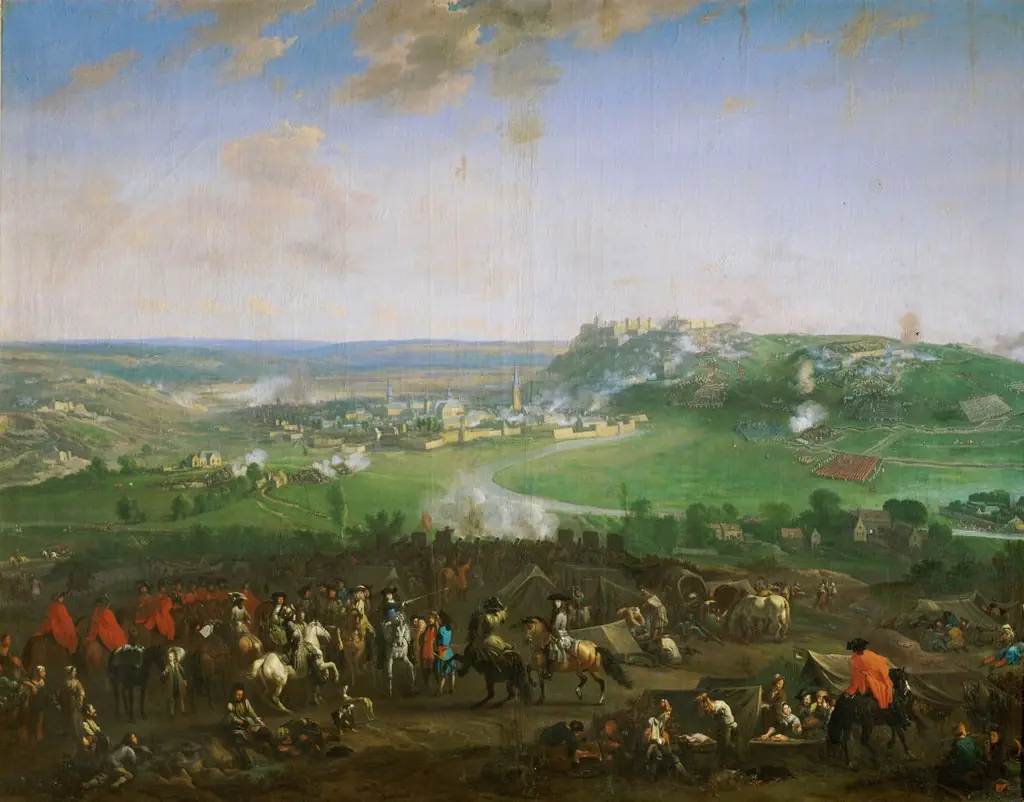 Belagerung von Namur
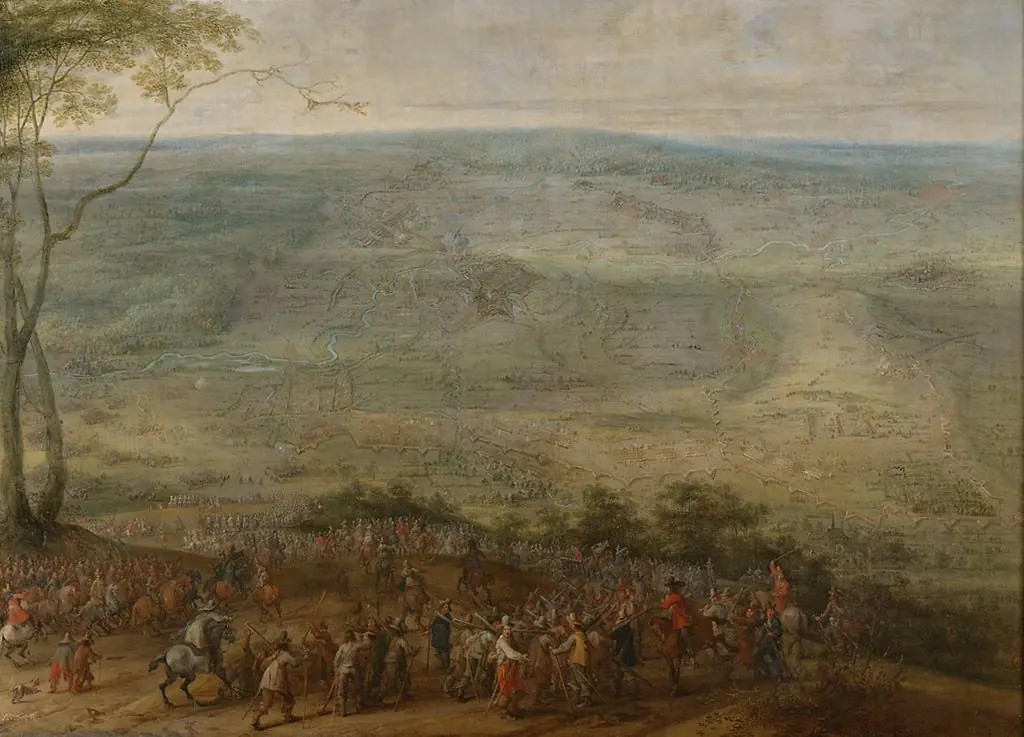 Scene from the Thirty Years' War
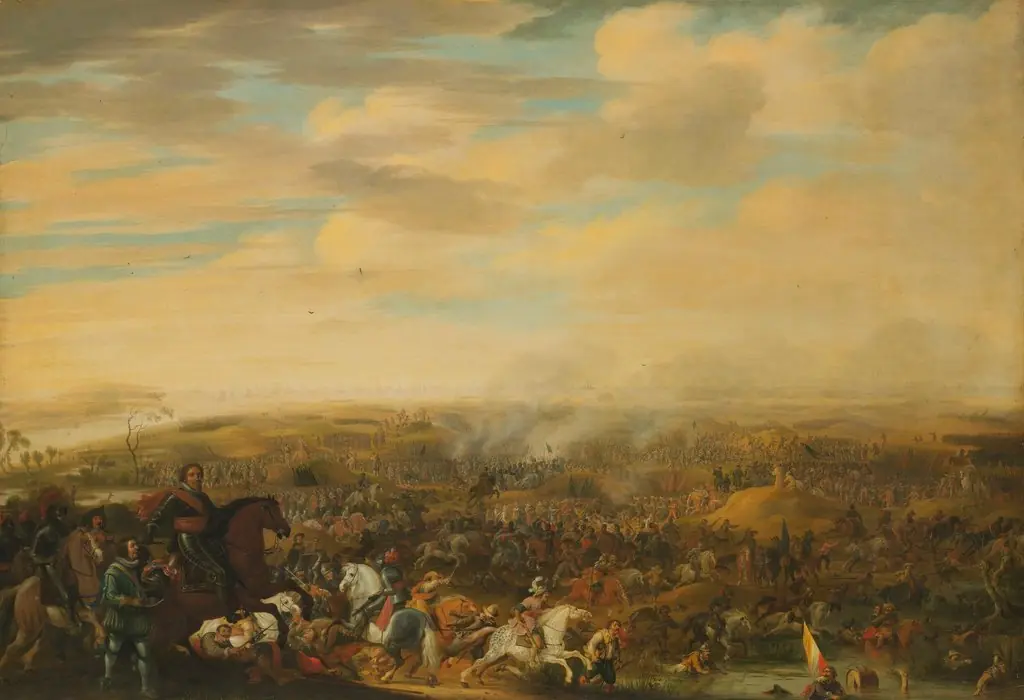 Prince Maurits at the Battle of Nieuwpoort, 2 July 1600
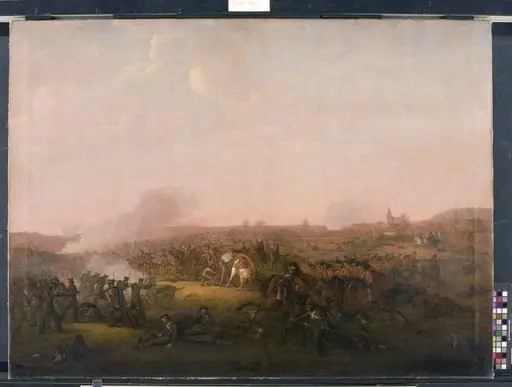 Slaget ved Sehested
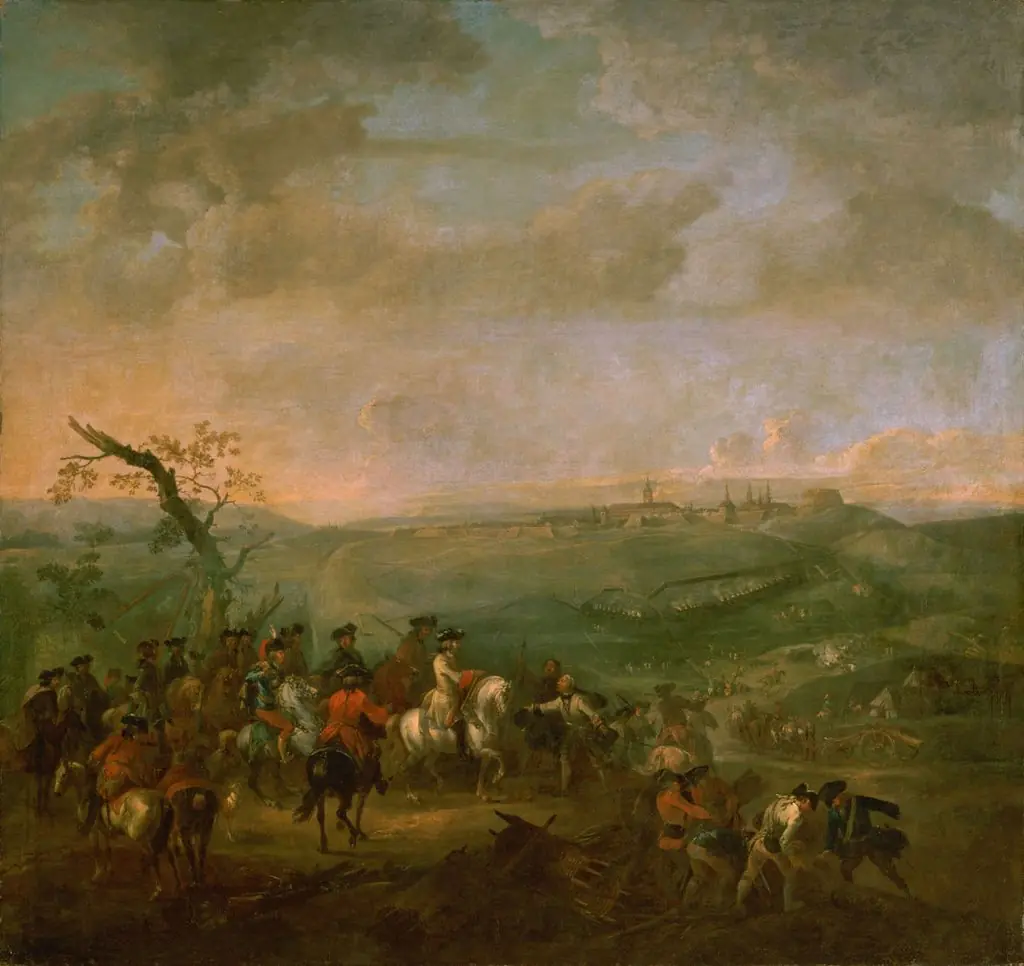 The blocking of Prague by the Austrians under Grand Duke Francis Stephen of Lorraine and Toscana during the War of the Austrian Succession, 1742
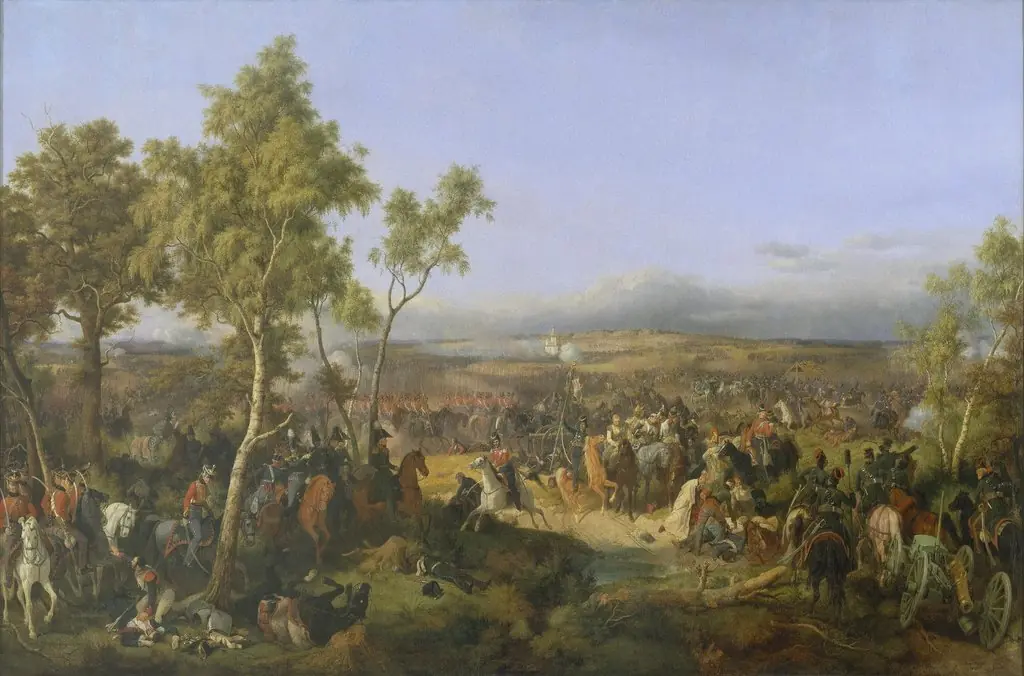 Battle of Tarutino on 6 (18) October 1812
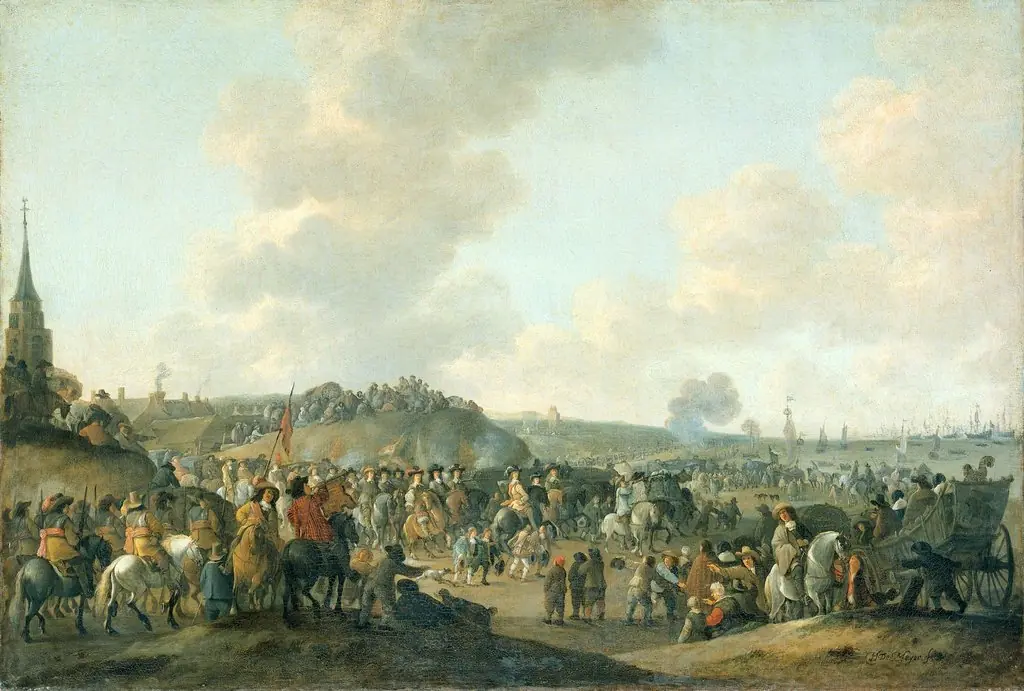 Departure of Charles II of England at Scheveningen, June 2, 1660
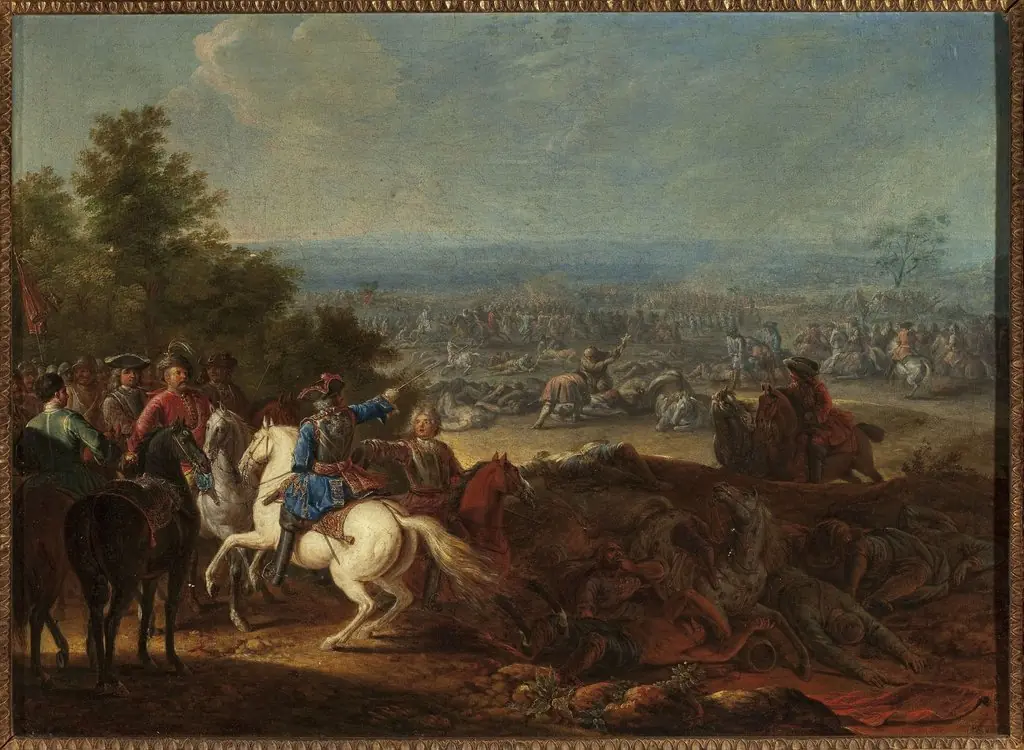 After the battle
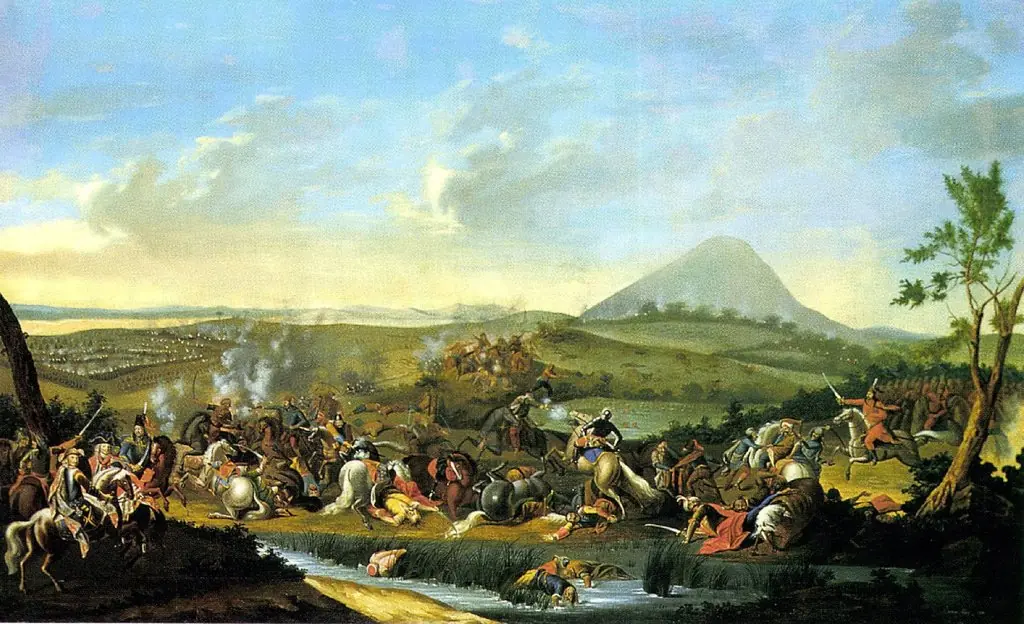 Battle of Mohács in 1687
 Battle of Poltava