Artwork
Flower Still Life
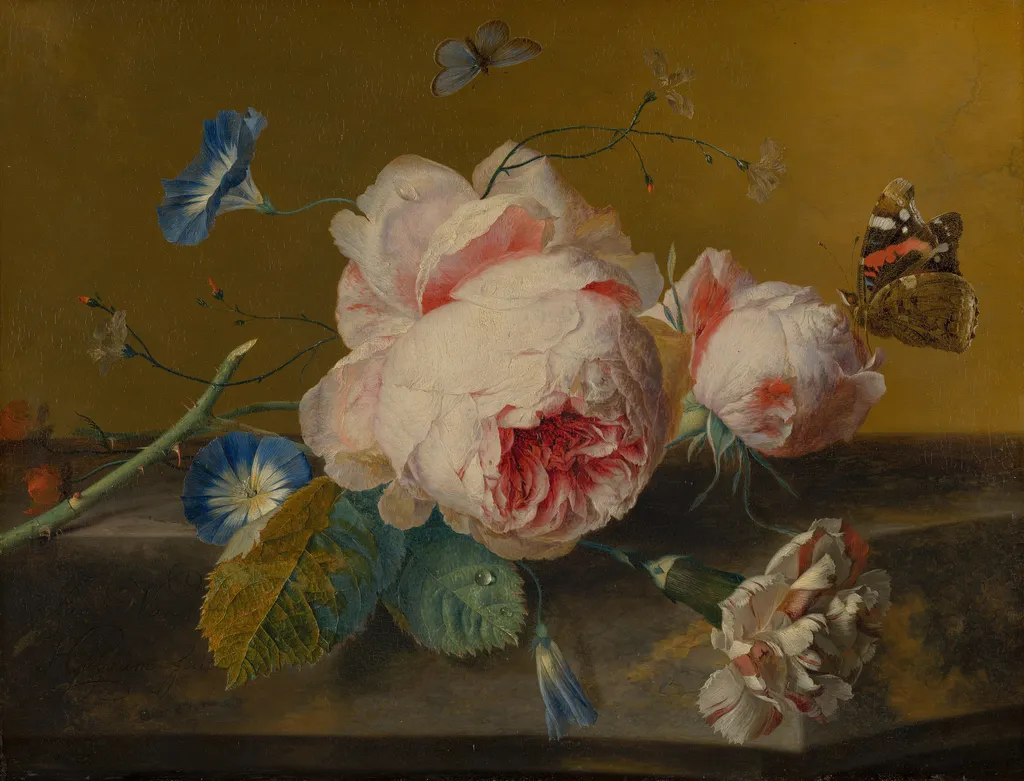
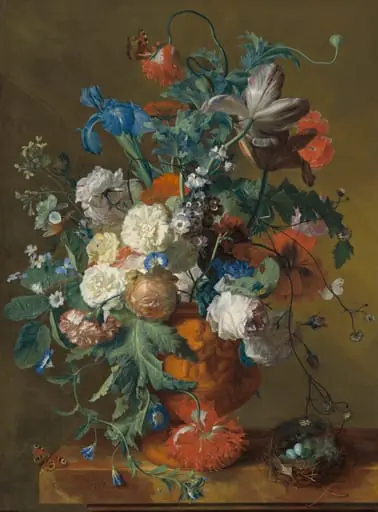
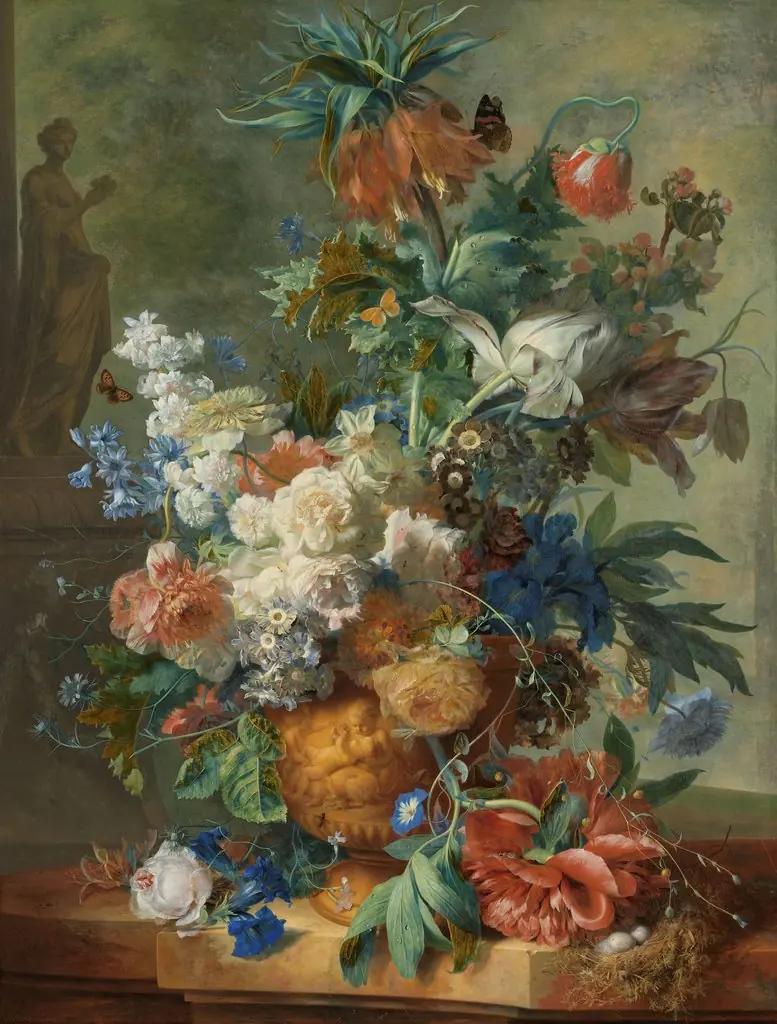
Flower Still Life is an oil painting by the Rococo painting artist Jan van Huysum. It dates from 1724 and is held in the collection of the Mauritshuis.
About this work
Overview
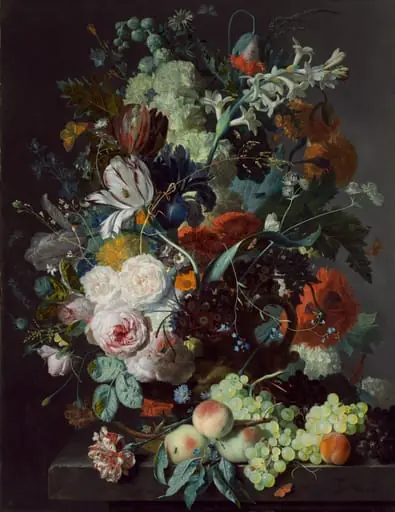
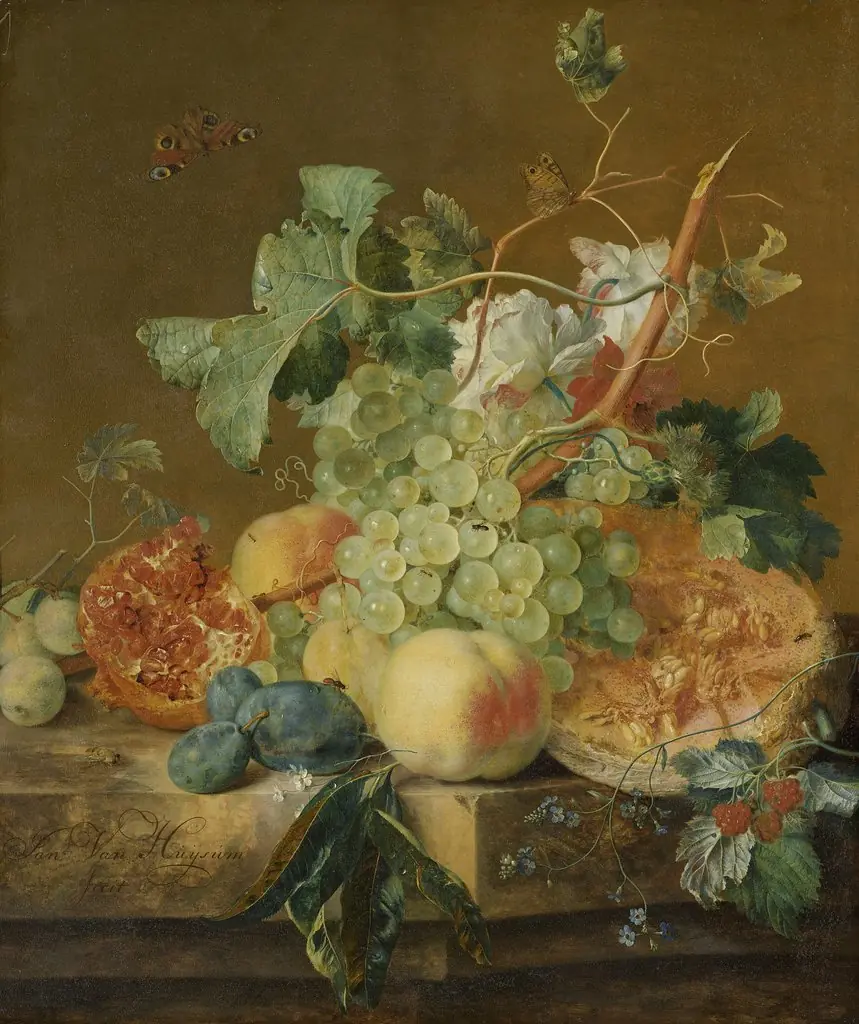
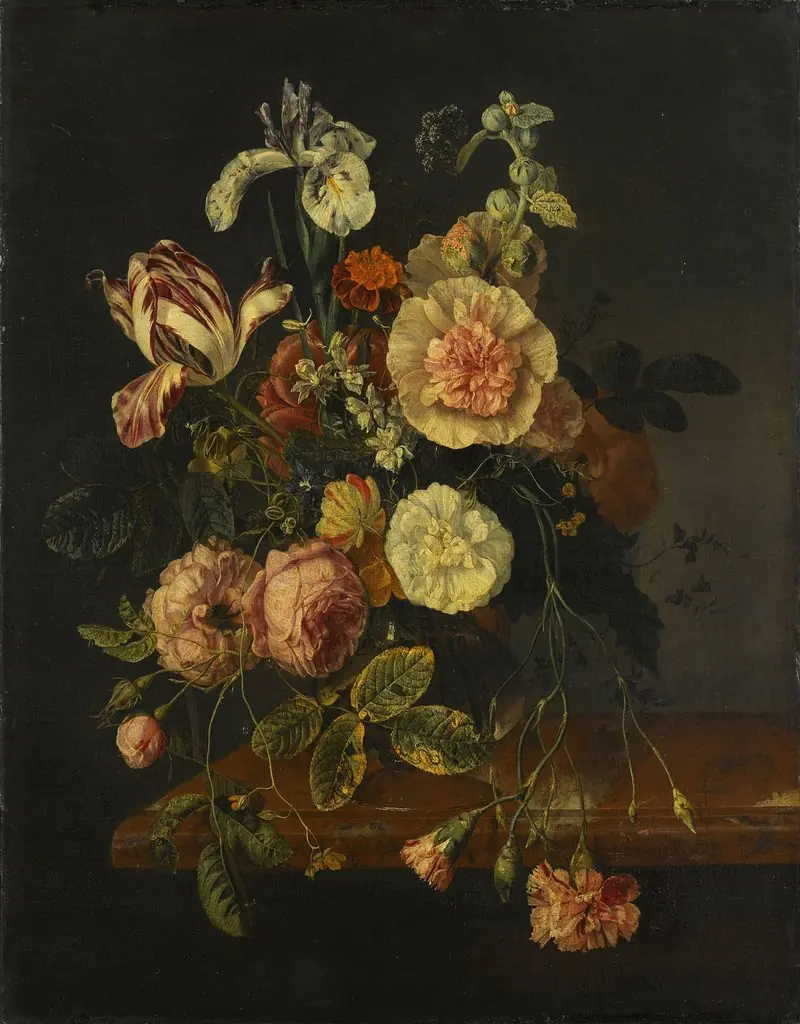
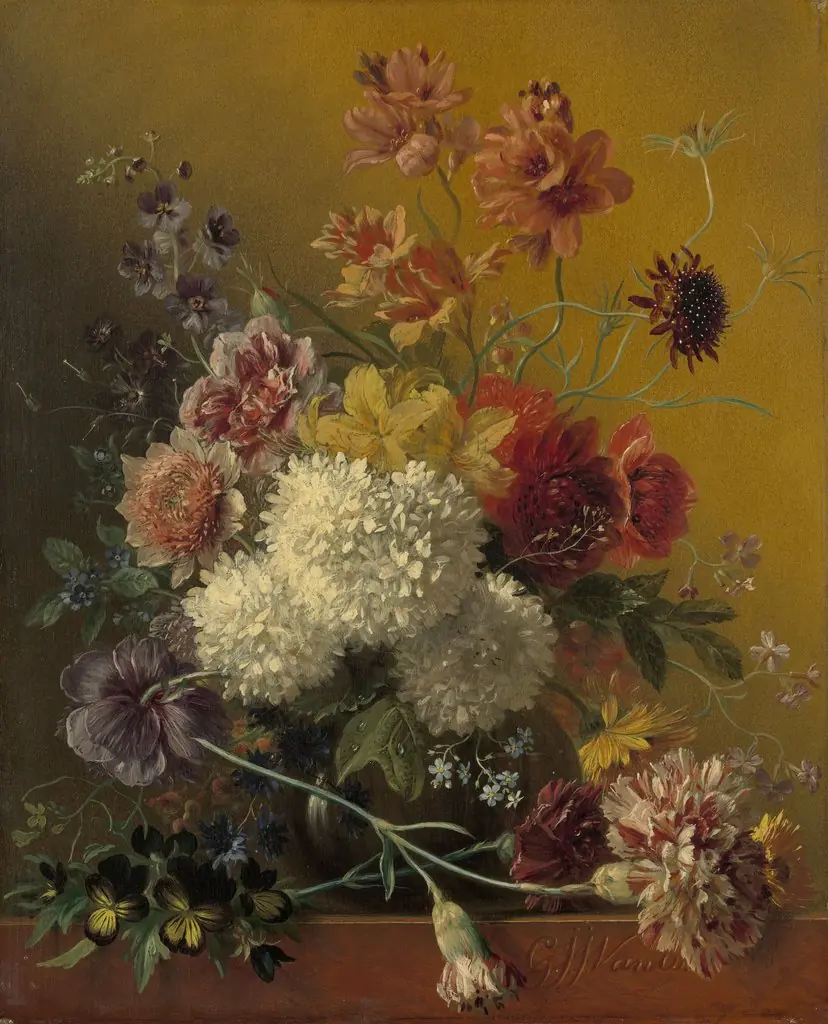
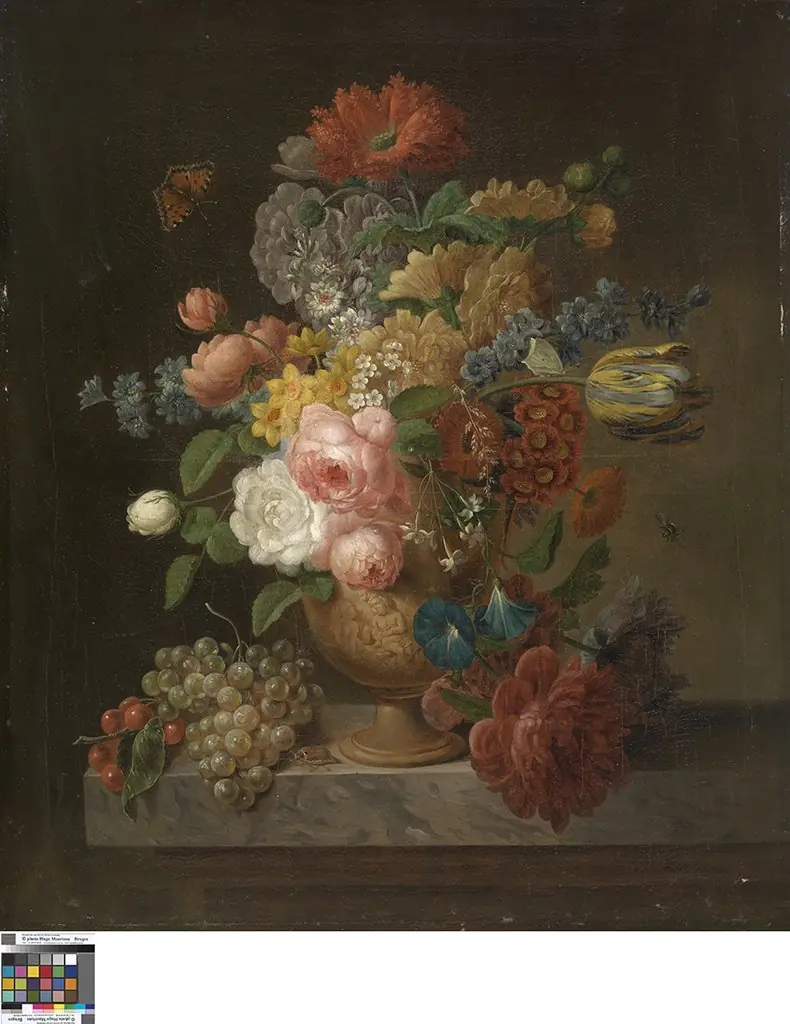
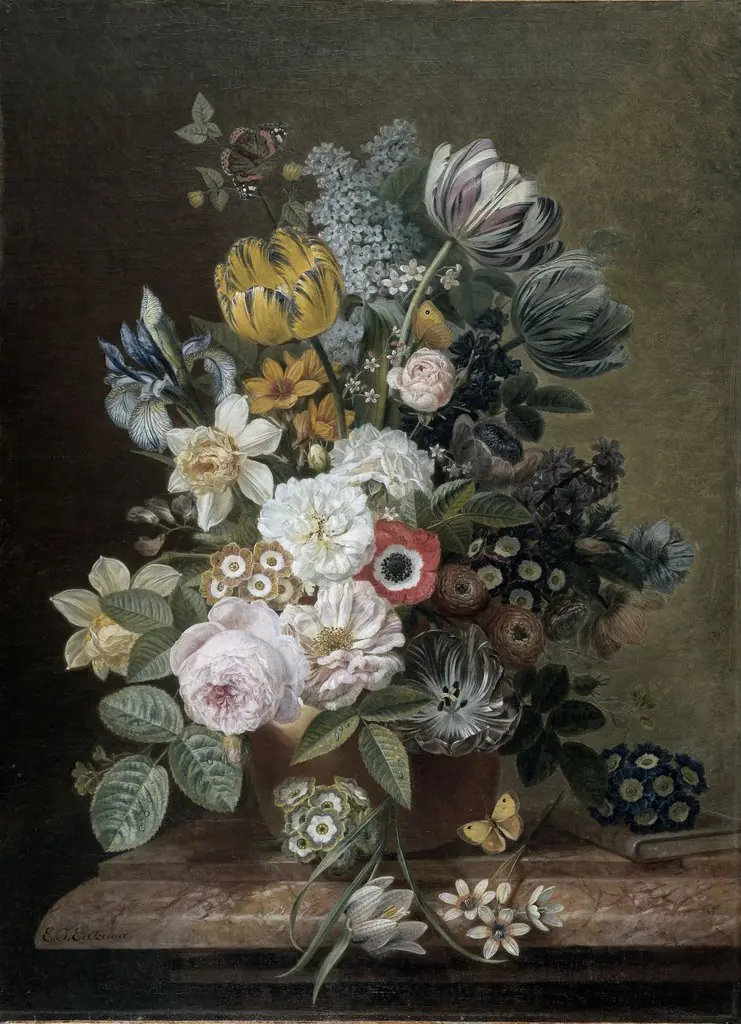
Created in 1724, this small-scale work on copper presents a carefully arranged bouquet of pink and white blossoms set against a deep brown backdrop. The composition includes delicate green stems, leaves, and a variety of insects, notably butterflies, that hover among the flowers, lending a sense of liveliness to the still‑life.
Subject & Meaning
The painting depicts a cultivated assortment of garden flowers, centered on a rose, accompanied by butterflies and other small insects. By integrating fauna with flora, the artist underscores the transitory beauty of nature, inviting contemplation of the fleeting moments captured in the precise rendering of petals, wings and dewdrops.
Technique & Style
Executed on a copper plate, the artist employed fine, layered brushwork to achieve a luminous surface and intricate texture. The use of a dark ground enhances the contrast, allowing the vivid colors of the blossoms and the iridescent patterns on the butterflies to emerge with remarkable clarity, characteristic of the Rococo’s decorative finesse.
History & Provenance
The work belongs to the oeuvre of Jan van Huysum, a prominent Dutch flower painter active at the turn of the 18th century. After remaining in private collections for several centuries, it entered the holdings of the Mauritshuis, where it is displayed as part of the museum’s Dutch Golden Age assemblage.
Context
Van Huysum’s still‑lifes reflect the period’s fascination with botanical accuracy and ornamental elegance, aligning with the broader Rococo taste for decorative richness. His training in decorative arts informed the meticulous arrangement of elements, while the inclusion of insects echoes contemporary scientific interest in natural observation.
Own this work as a print
Artist & collection
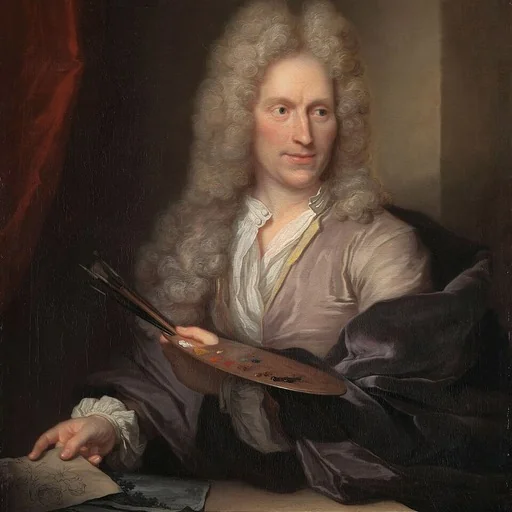
Artist
Jan van Huysum was born in Amsterdam on 15 April 1682 and died there on 8 February 1749.