Artwork
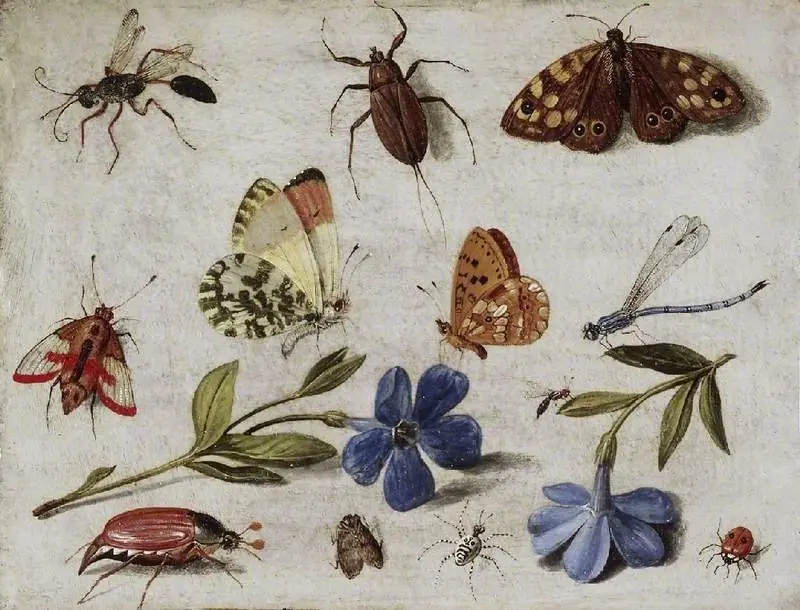
Three Butterflies, a Beetle and other Insects, with a Cutting of Ragwort
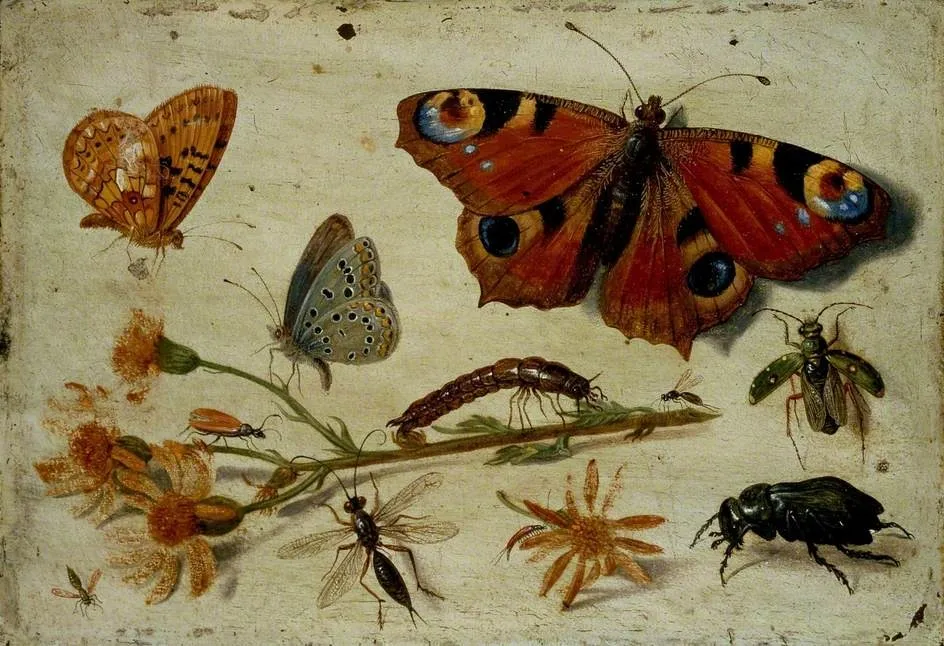
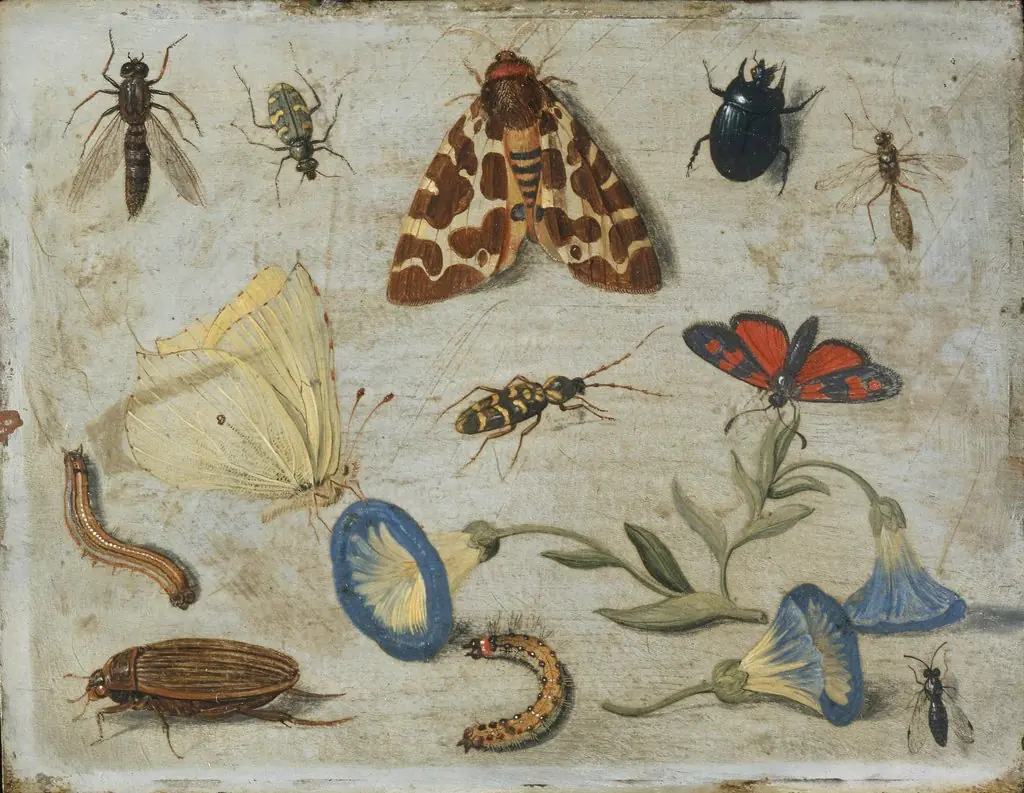
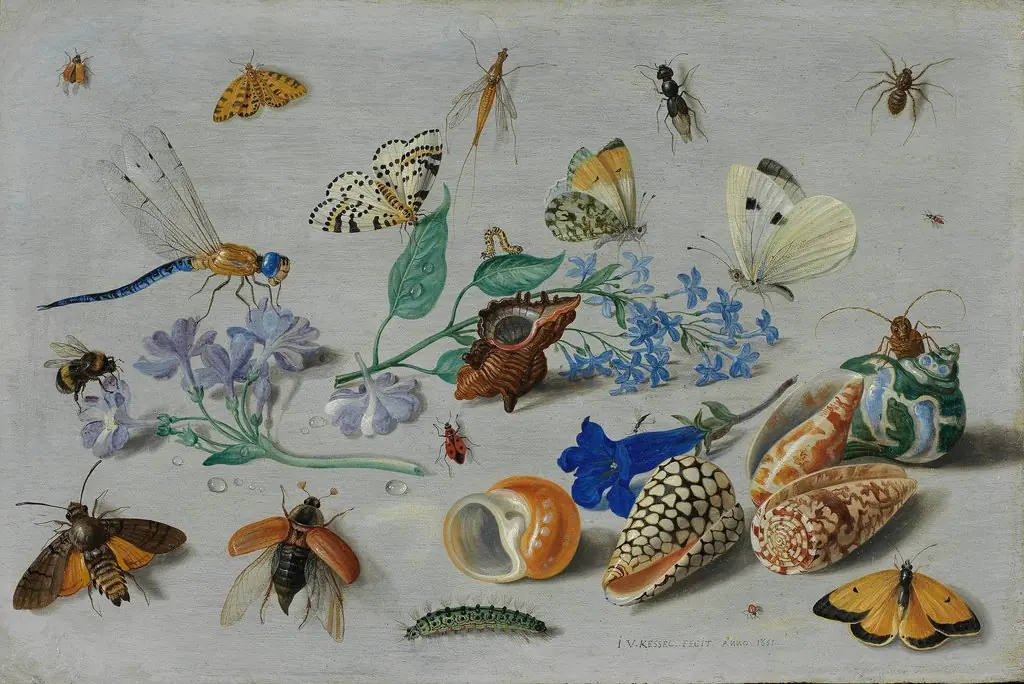
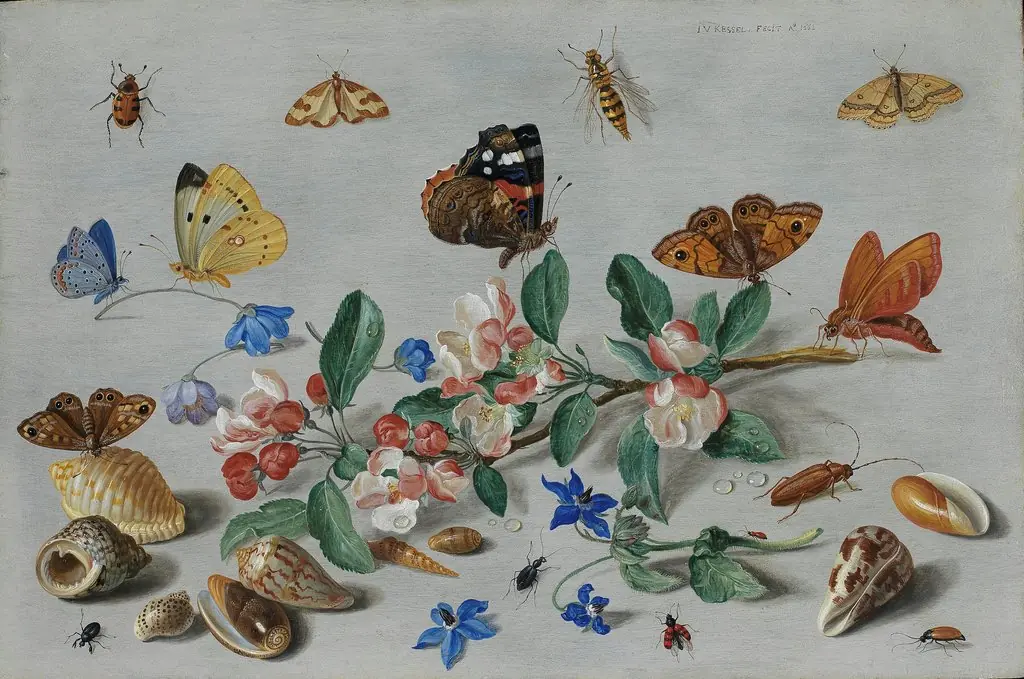
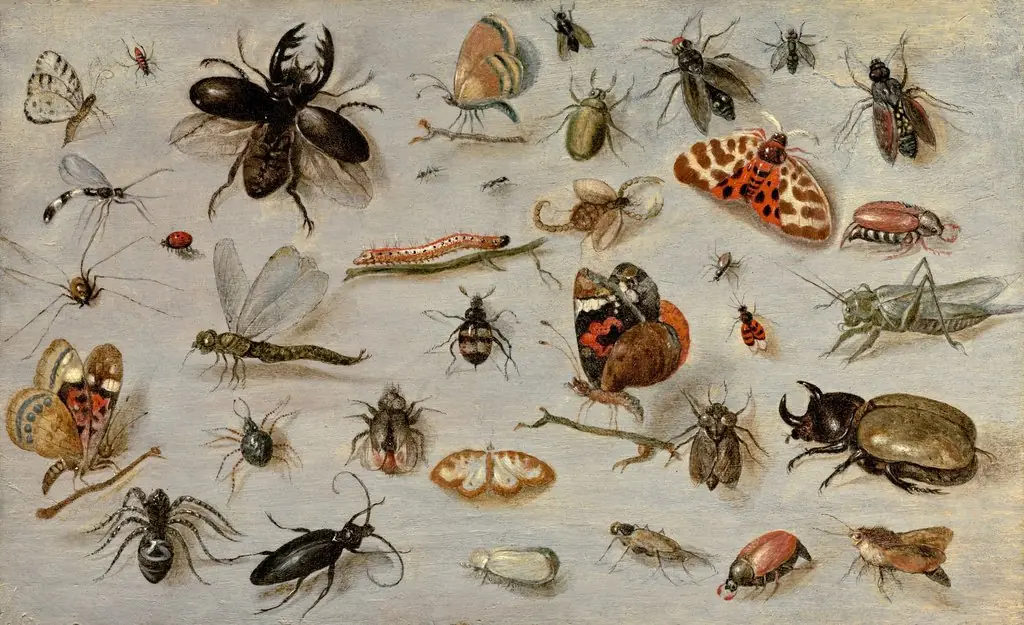
Three Butterflies, a Beetle and other Insects, with a Cutting of Ragwort is an oil painting by the Northern Renaissance artist Jan van Kessel the Elder. It dates from 1662 and is held in the collection of the Ashmolean Museum.
About this work
Overview
Three Butterflies, a Beetle and other Insects, with a Cutting of Ragwort is a copper painting created by Jan van Kessel the Elder circa 1662. Characterized by meticulous detail and a muted color palette, the work showcases the artist's observational approach to natural history.
Subject & Meaning
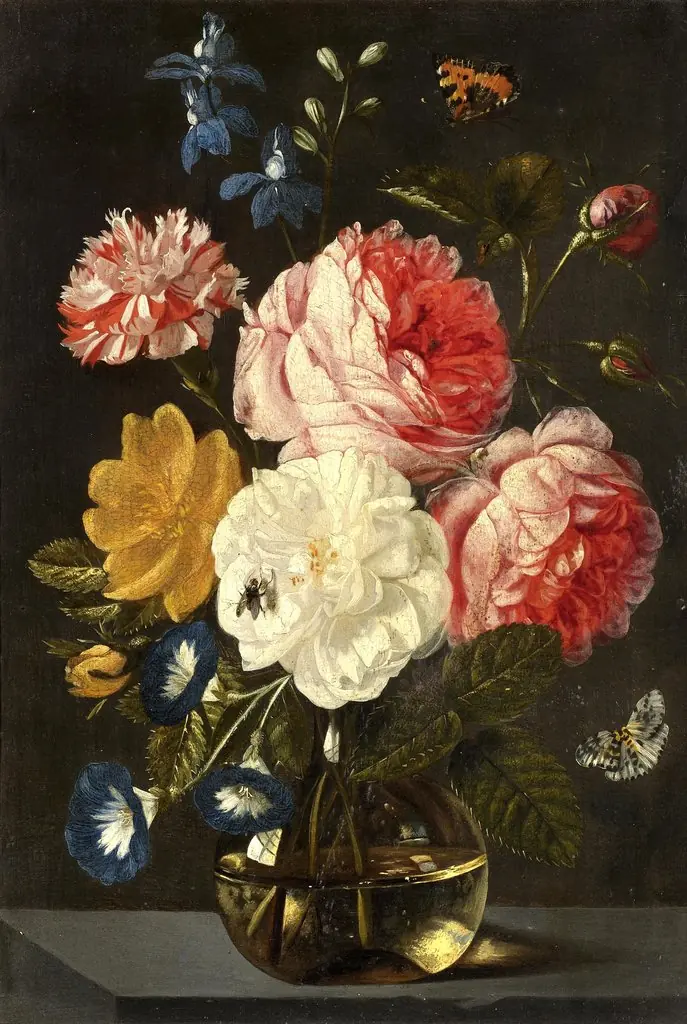
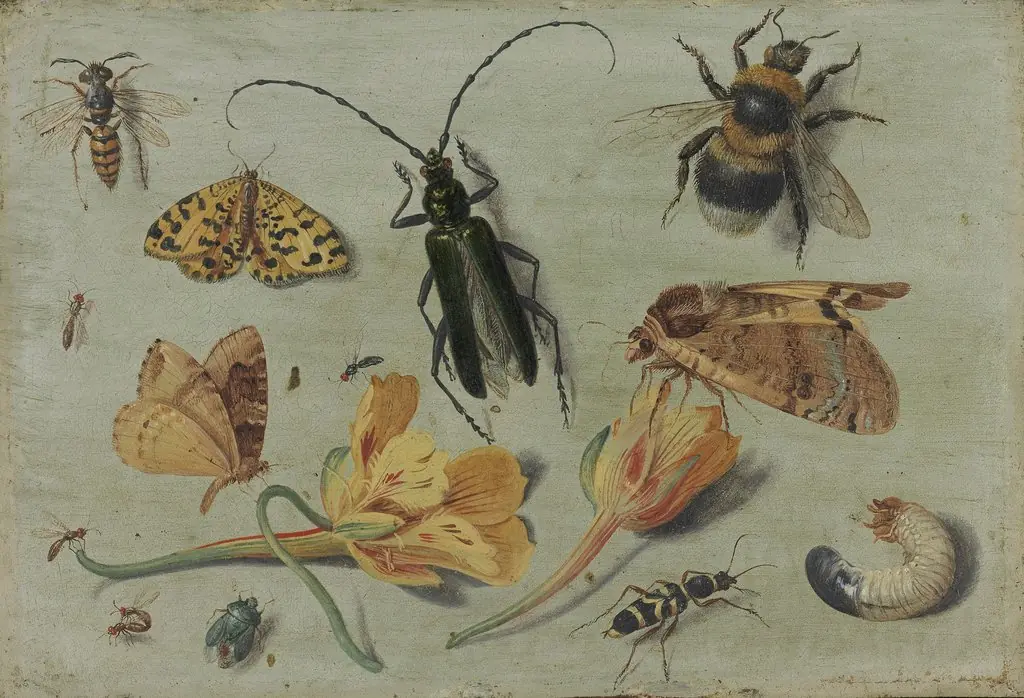
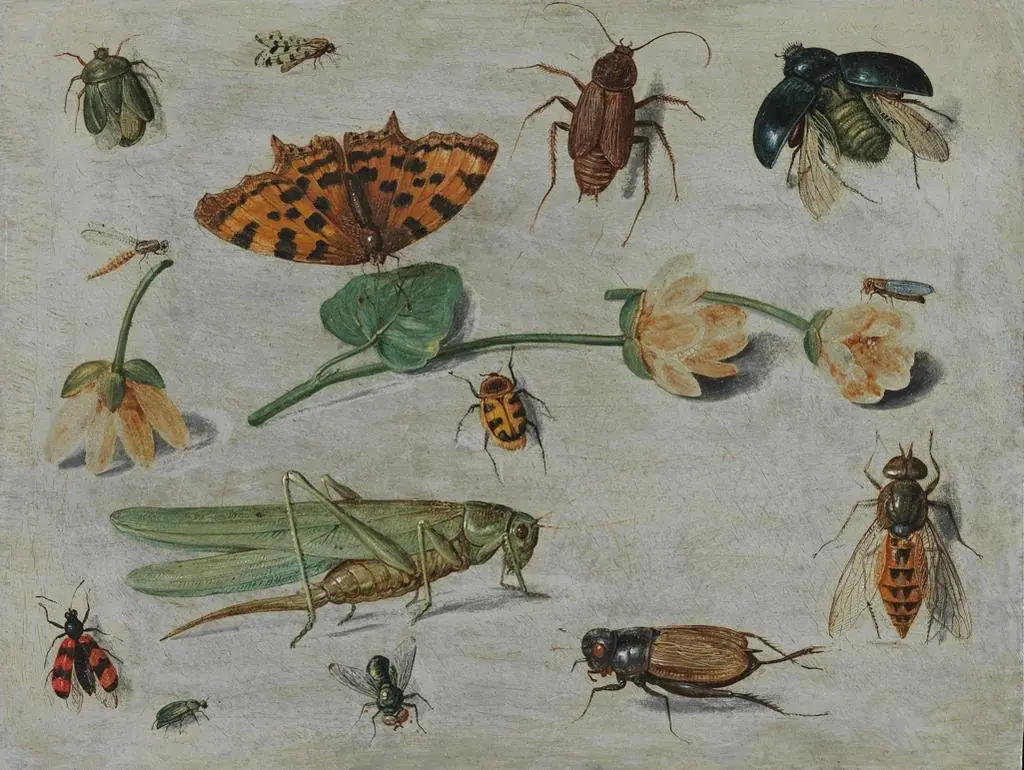
The painting focuses on a carefully arranged composition of insects and a botanical specimen. Three butterflies, a beetle, a dragonfly, a grasshopper, and other insects surround a cutting of ragwort, reflecting the Flemish tradition of detailed natural history studies.
Technique & Style
Executed on copper, a medium conducive to fine detail, the painting demonstrates Van Kessel's skill in realistic rendering. The subdued palette, featuring shades of brown, green, and yellow, contributes to the work's sense of quiet, scientific observation.
History & Provenance
Jan van Kessel the Elder, a versatile Flemish artist influenced by his grandfather Jan Brueghel the Elder, produced this work within the northern Renaissance tradition. It is currently part of the Ashmolean Museum's collection.
Artist & collection
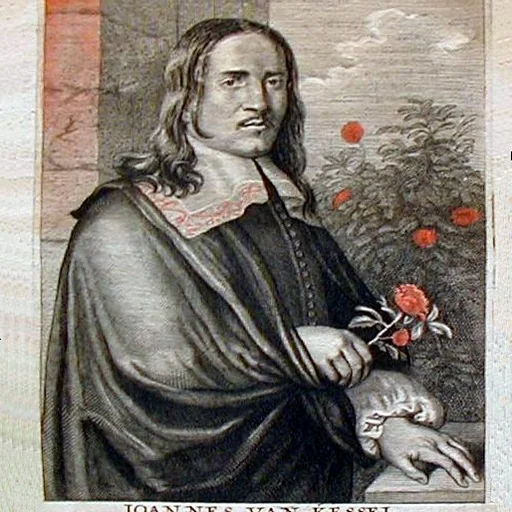
Artist
Jan van Kessel the Elder or Jan van Kessel (I) (baptized 5 April 1626, Antwerp – 17 April 1679, Antwerp) was a Flemish painter active in Antwerp in the mid-17th century.