Artwork
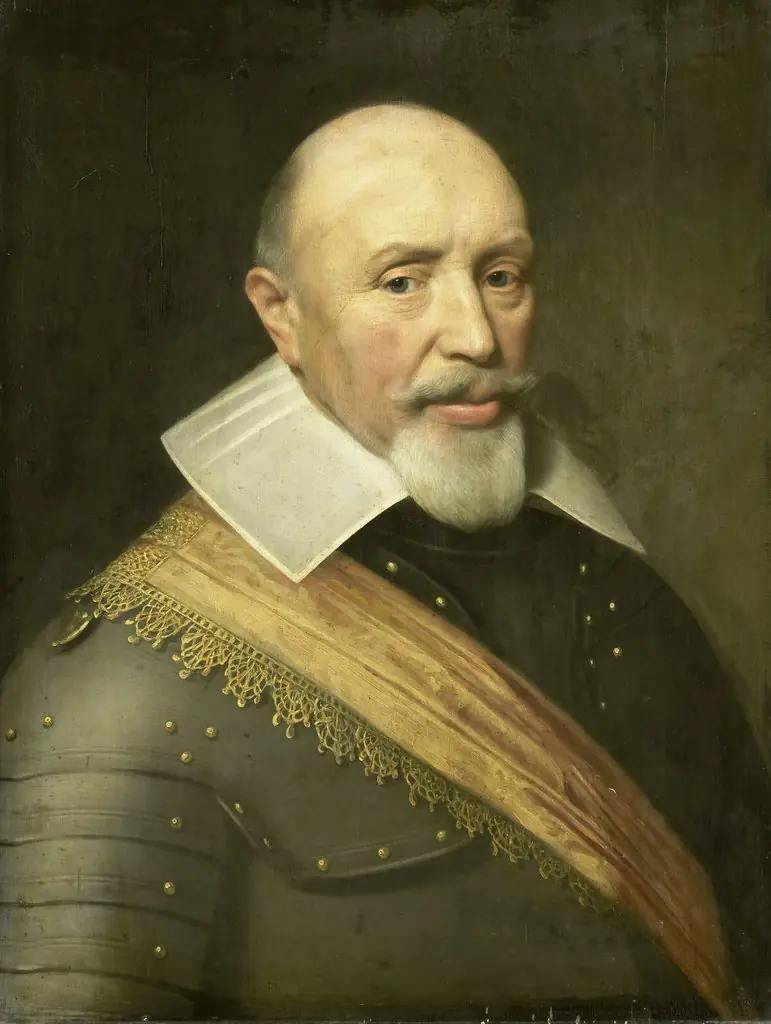
Portrait of Nicolaas Schmelzing (1561-1629)
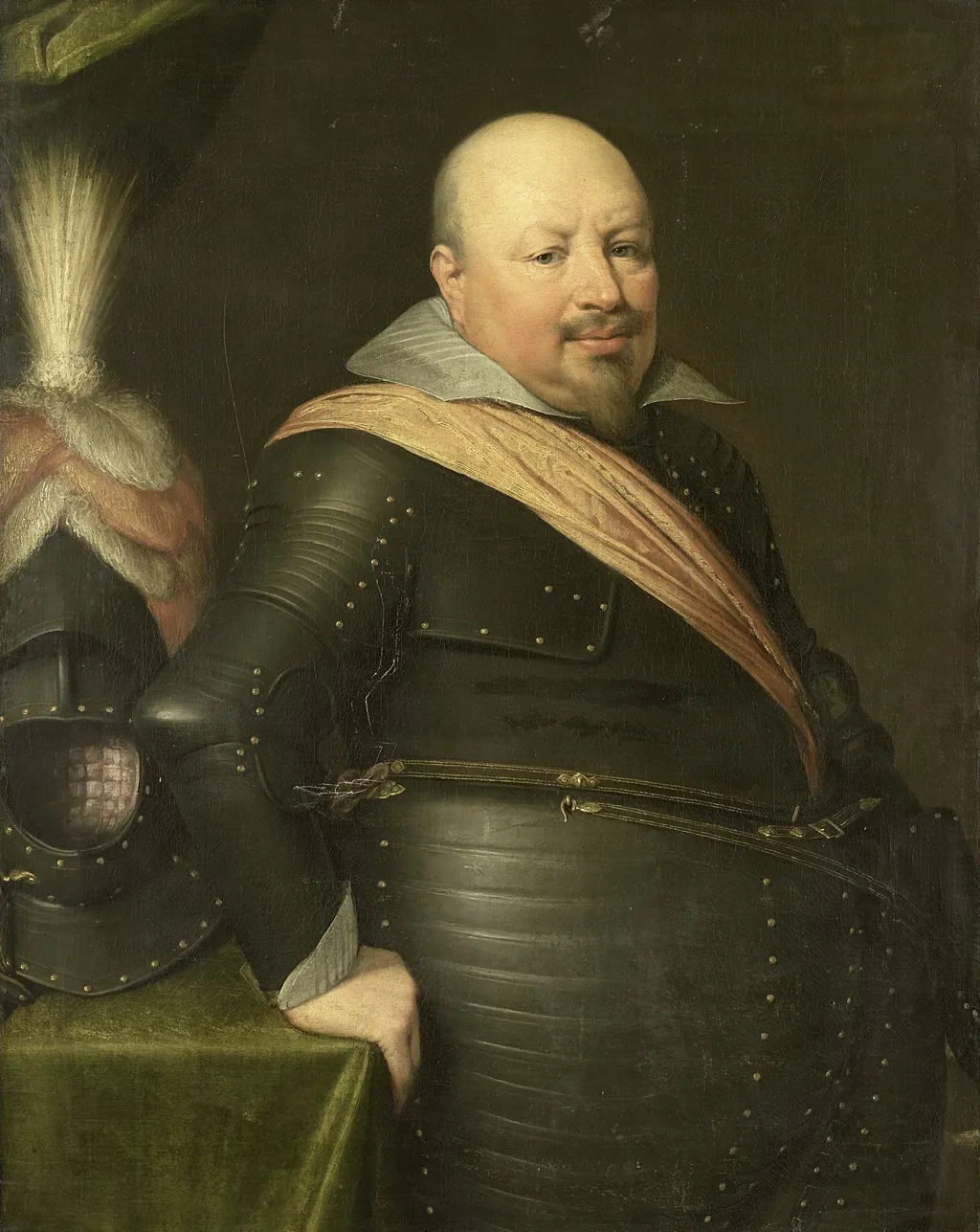
Portrait of Nicolaas Schmelzing (1561-1629) is an oil painting by the Dutch Golden Age artist Jan van Ravesteyn. It dates from 1611 and is held in the collection of the Rijksmuseum.
About this work
Overview
Jan van Ravesteyn’s 1611 oil portrait presents Nicolaas Schmelzing, a Dutch figure of the early seventeenth century, in full armor. The composition places the sitter in a formal pose before a darkened backdrop, emphasizing his status through the elaborate metalwork and the subtle play of light across his features.
Subject & Meaning
Schmelzing is shown with a shaved head, a neatly trimmed mustache, and a black leather breastplate studded in gold, complemented by a white ruff and a pink sash draped over his shoulder. A plume‑topped helmet rests to his left, suggesting a martial identity and the social prestige associated with military service in the Dutch Republic.
Technique & Style
Van Ravesteyn employs chiaroscuro to model the figure, allowing the illuminated armor to contrast with the shadowed surroundings. Thick impasto on the breastplate captures the texture of metal, while delicate glazing on the skin and fabric creates depth. These methods together render a tactile sense of weight and presence.
History & Provenance
Executed during the Dutch Golden Age, the portrait entered the Rijksmuseum’s collection, where it remains on display. Its provenance traces back to the artist’s courtly clientele in The Hague, reflecting the period’s demand for dignified representations of notable individuals.
Own this work as a print
Artist & collection
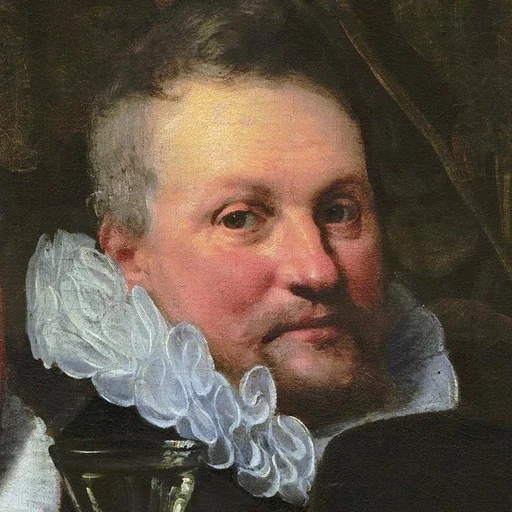
Artist
Jan Anthoniszoon (abbr. Anthonisz.) van Ravesteyn (c. 1572 – buried 21 June 1657) was a successful portrait painter to the Dutch court in The Hague.