Artwork
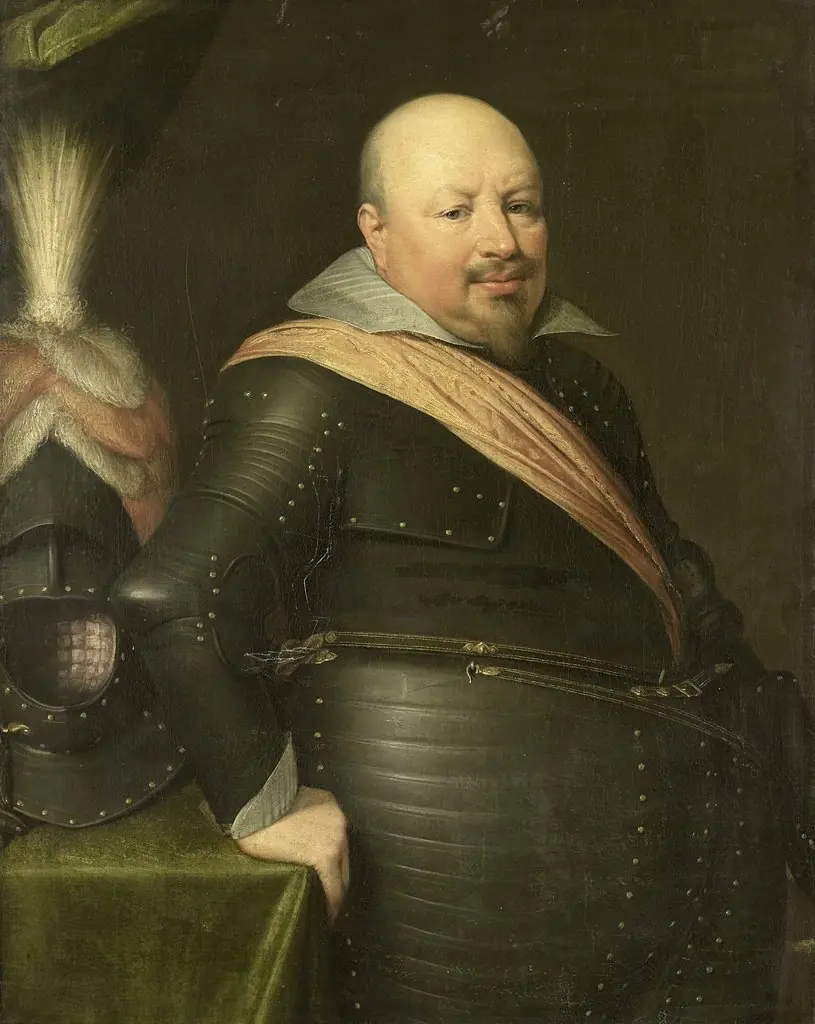
Portrait of Jan the Younger (1583-1638), Count of Nassau-Siegen
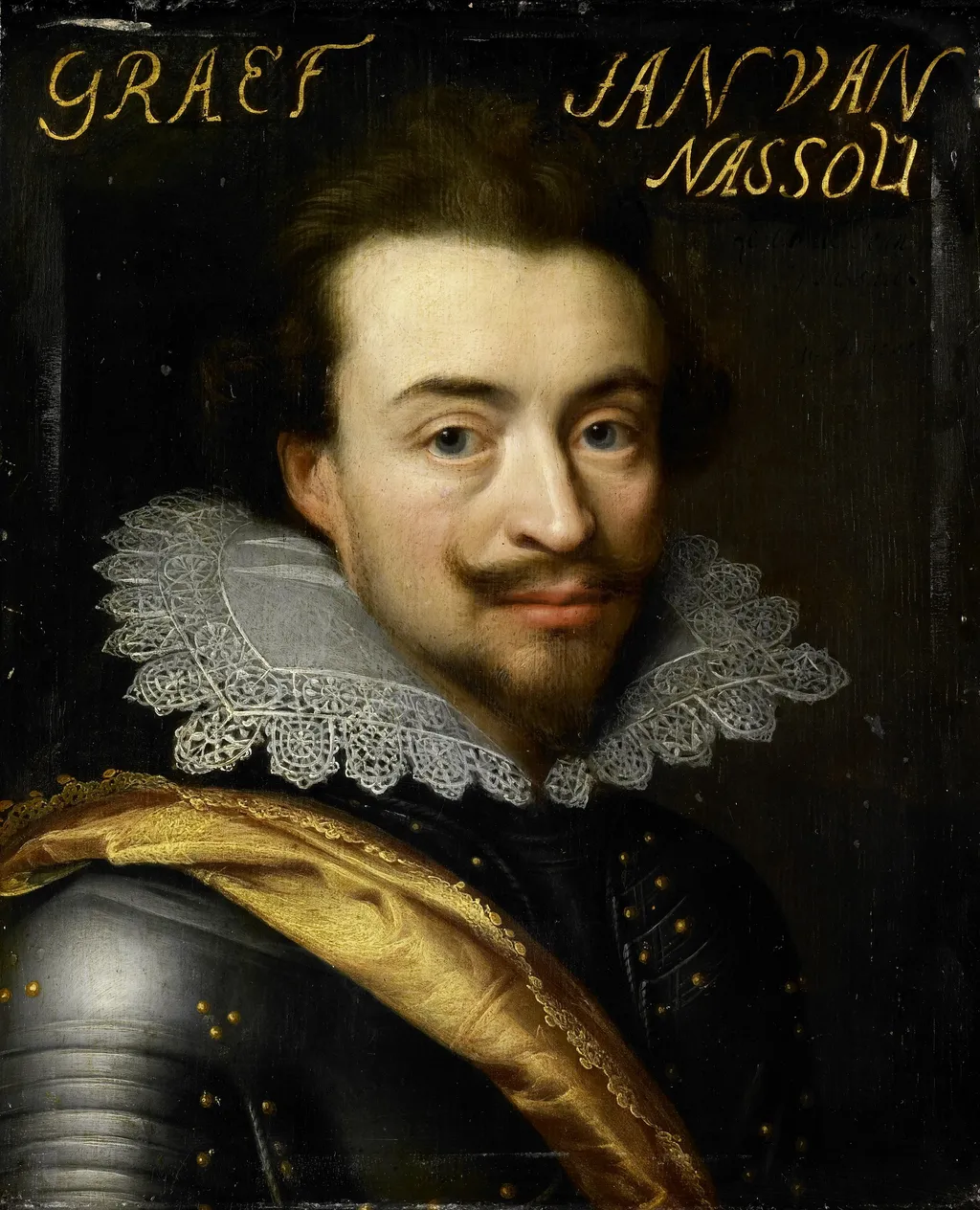
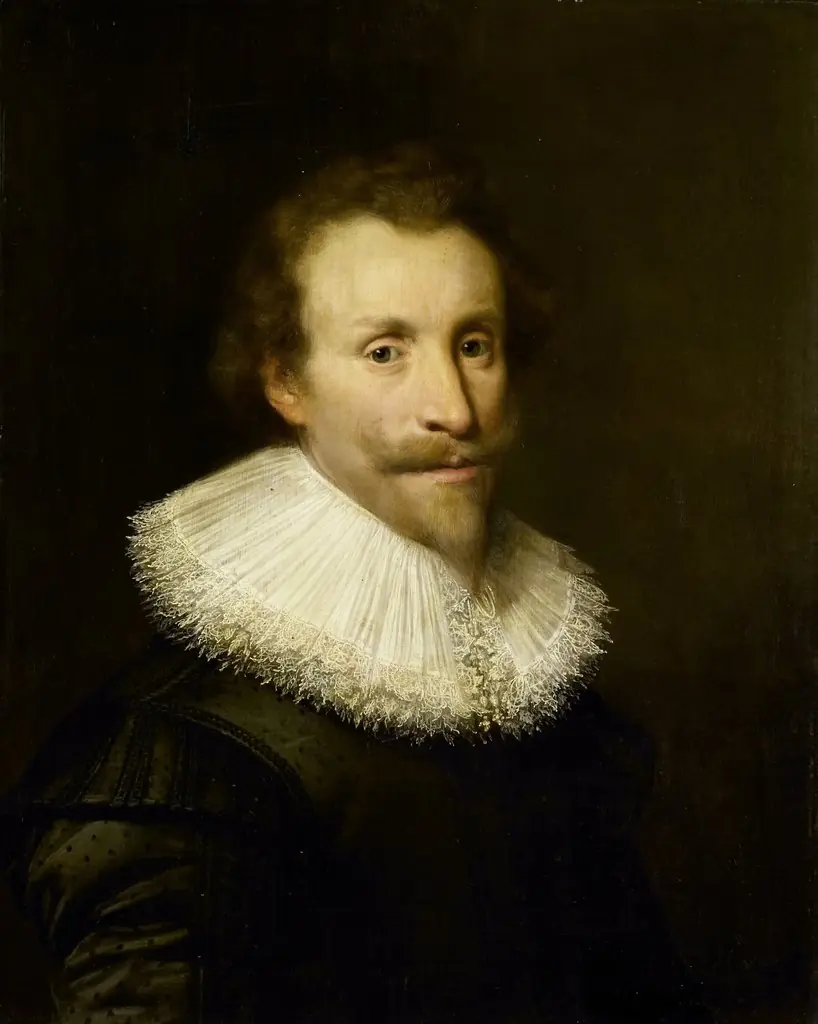
Portrait of Jan the Younger (1583-1638), Count of Nassau-Siegen is an oil painting by the Dutch Golden Age artist Jan van Ravesteyn. It dates from 1623 and is held in the collection of the Rijksmuseum.
About this work
Overview
Jan van Ravesteyn’s oil portrait, dated 1623, depicts Jan the Younger, Count of Nassau‑Siegen, a prominent figure of the Dutch Republic’s aristocracy. Executed in the early seventeenth century, the work exemplifies the portraiture that flourished during the Dutch Golden Age, when artists catered to the elite’s desire for dignified, individualized likenesses.
Subject & Meaning
The sitter, Jan the Younger (1583‑1638), belonged to the influential Nassau family and held both political and military responsibilities. His composed expression, trimmed beard and blond hair convey a sense of sober authority tempered by a subtle benevolence, reflecting the expectations of noble conduct in a period of emerging republican governance.
Technique & Style
Ravesteyn employs a pronounced chiaroscuro, allowing a focused light to illuminate the count’s face and richly textured attire against a dark, unadorned backdrop. The black doublet, wide lace collar and gold chain are rendered with meticulous detail, highlighting the luxurious fabrics and accessories that signified status, while the delicate brushwork on the lace underscores the painter’s skill in depicting materiality.
History & Provenance
The portrait entered the Rijksmuseum’s collection, where it remains on display as part of the institution’s holdings of Dutch Golden Age paintings. Its provenance traces back to the Dutch court, where Ravesteyn served as a portraitist, linking the work directly to the patronage networks that supported courtly artists in The Hague.
Artist & collection
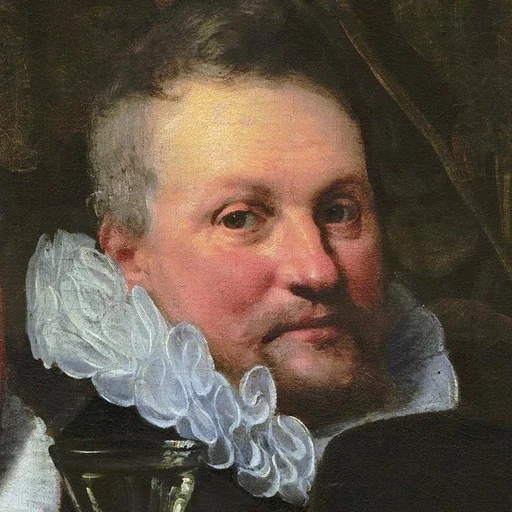
Artist
Jan Anthoniszoon (abbr. Anthonisz.) van Ravesteyn (c. 1572 – buried 21 June 1657) was a successful portrait painter to the Dutch court in The Hague.