Artwork
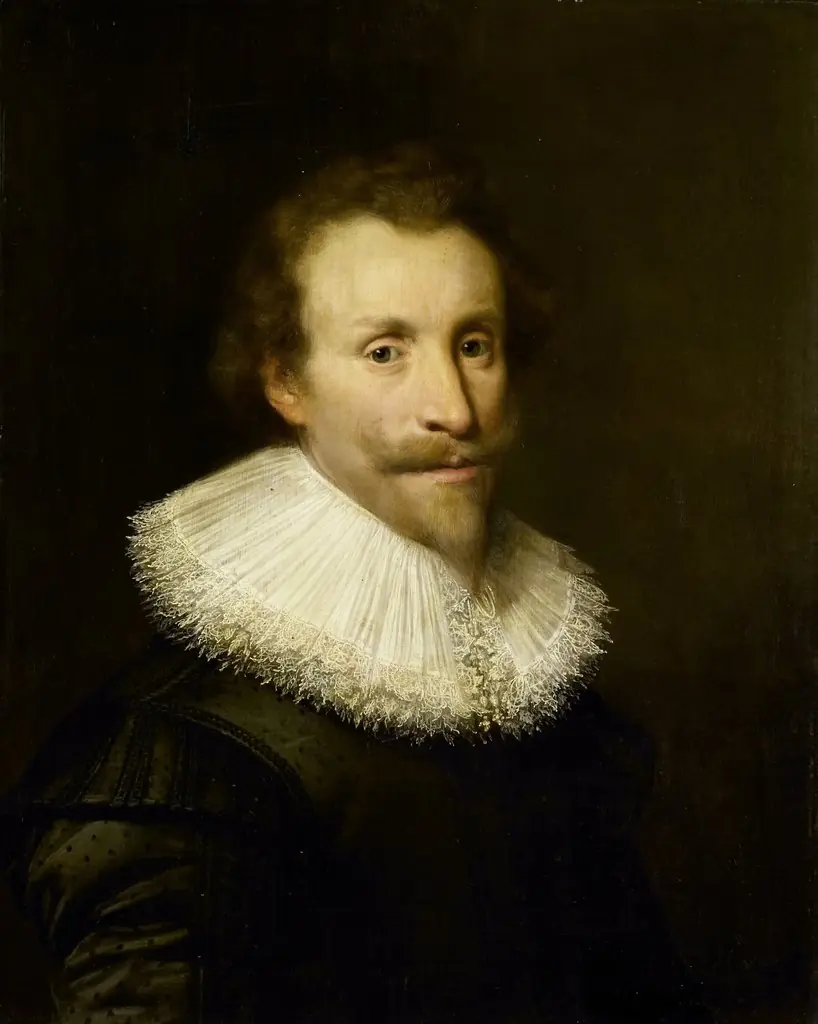
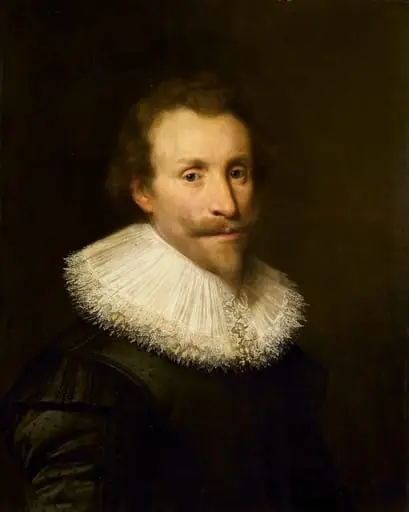
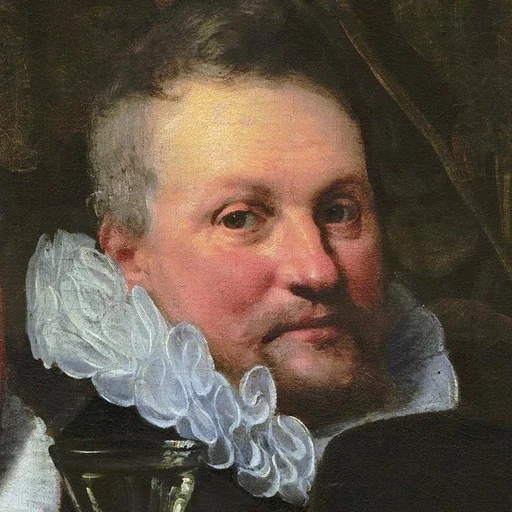
Portrait of a man, possibly Jan Doublet (1580-1650)
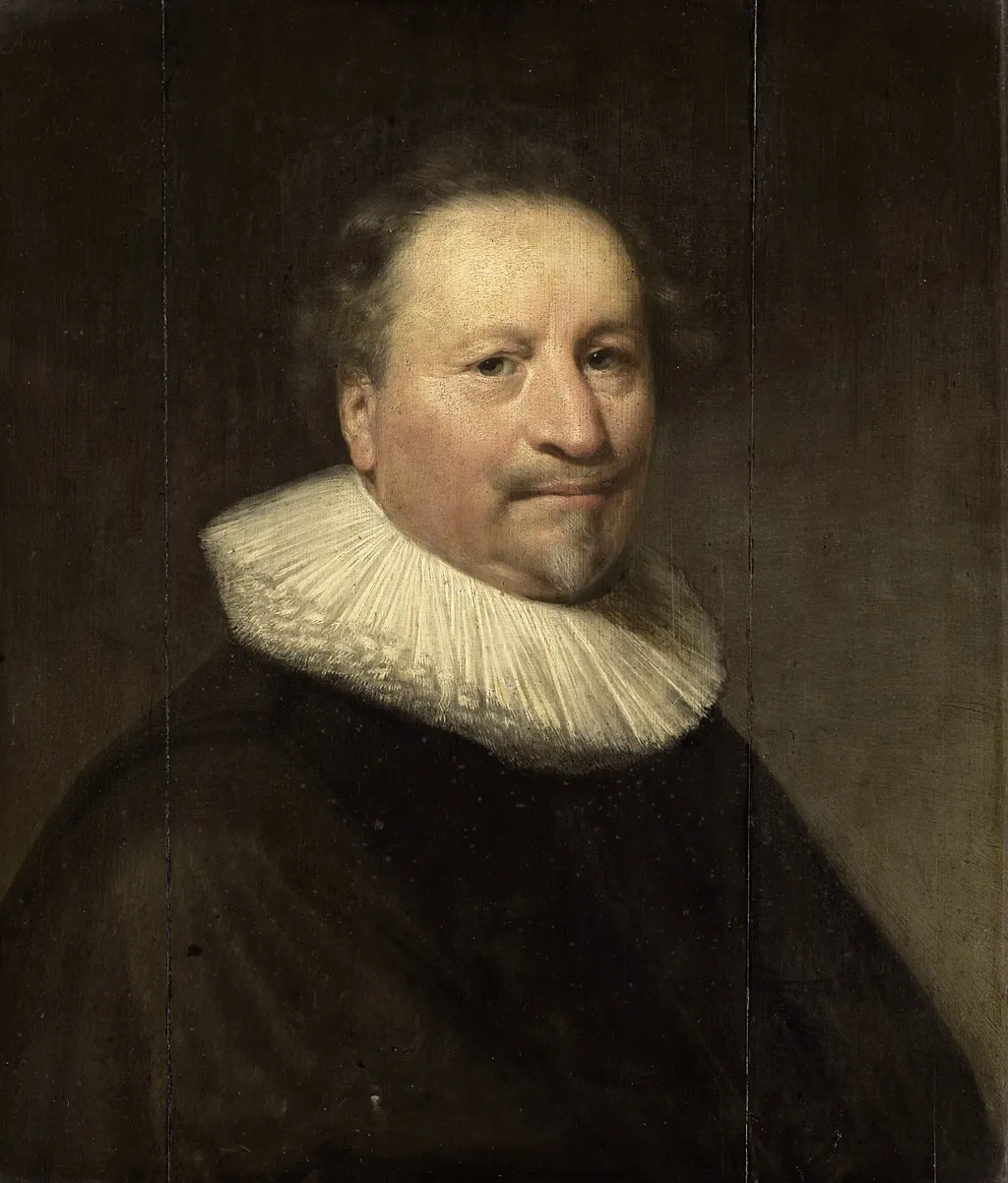
Portrait of a man, possibly Jan Doublet (1580-1650) is an oil painting by the Dutch Golden Age artist Jan van Ravesteyn. It dates from 1634 and is held in the collection of the Rijksmuseum.
About this work
Overview
The canvas presents a solitary male sitter against a dark, unadorned backdrop, a compositional choice that concentrates attention on the figure’s features.
Executed in 1634, this oil portrait is attributed to Jan van Ravesteyn, a painter known for his work at the Dutch court in The Hague. The canvas presents a solitary male sitter against a dark, unadorned backdrop, a compositional choice that concentrates attention on the figure’s features. The work is part of the Rijksmuseum’s collection and exemplifies the portraiture typical of the Dutch Golden Age.
Subject & Meaning
The sitter appears to be a middle‑aged man with a rounded face and a neatly trimmed beard, dressed in a black coat and a pronounced white ruff that spreads outward in a fan shape. While the identity is not definitively confirmed, scholars have suggested Jan Doublet (1580–1650) as a possible candidate, based on contemporaneous records and the man’s attire.
Technique & Style
Van Ravesteyn employs a restrained palette and delicate brushwork to render the texture of skin and fabric, particularly the intricate folds of the ruff. Subtle gradations of light and shadow create a three‑dimensional effect, echoing the chiaroscuro methods popular among Dutch portraitists of the period. The smooth handling of oil lends the figure a lifelike presence despite the flat background.
History & Provenance
Since its creation, the painting has remained within Dutch collections, eventually entering the Rijksmuseum’s holdings where it is displayed among other 17th‑century portraits. Documentation traces its ownership through several private hands before its acquisition by the museum in the early 20th century, confirming its attribution to van Ravesteyn.
Context
The work reflects the broader cultural flourishing of the Dutch Golden Age, when portraiture served both as a status marker and a record of personal identity. Van Ravesteyn’s courtly connections are evident in the formal attire and the meticulous rendering of the ruff, a fashion element associated with the elite of the time.
Own this work as a print
Artist & collection
Artist
Jan Anthoniszoon (abbr. Anthonisz.) van Ravesteyn (c. 1572 – buried 21 June 1657) was a successful portrait painter to the Dutch court in The Hague.