Artwork
The Levite and his Concubine at Gibeah
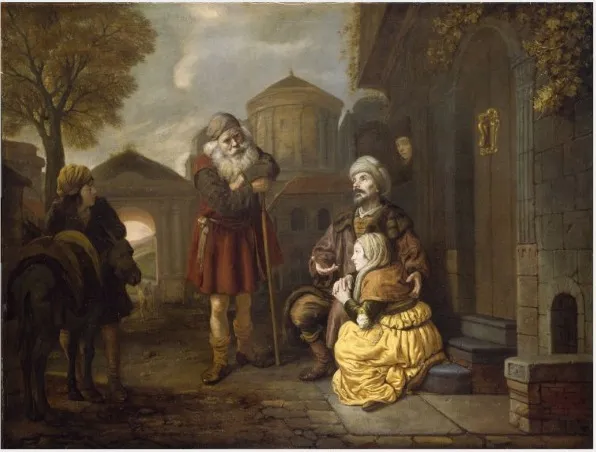
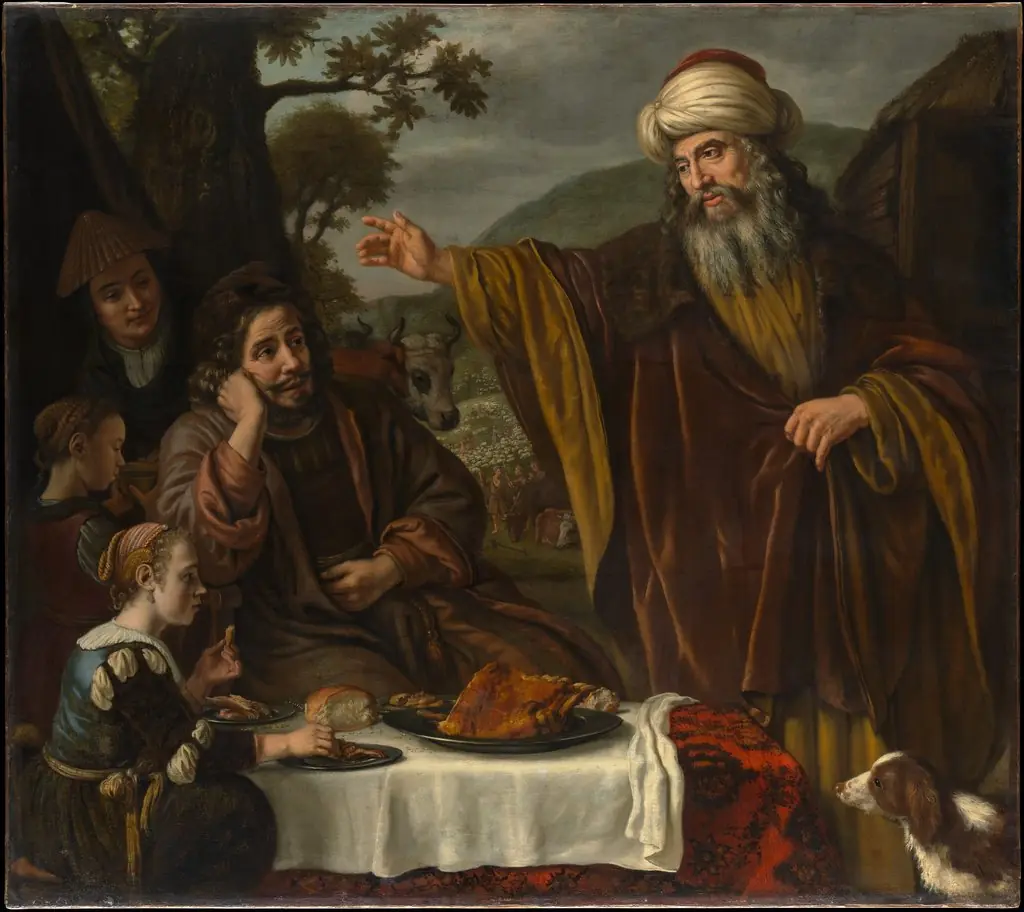
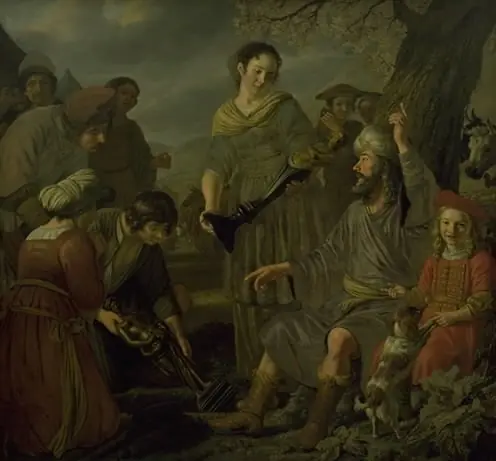
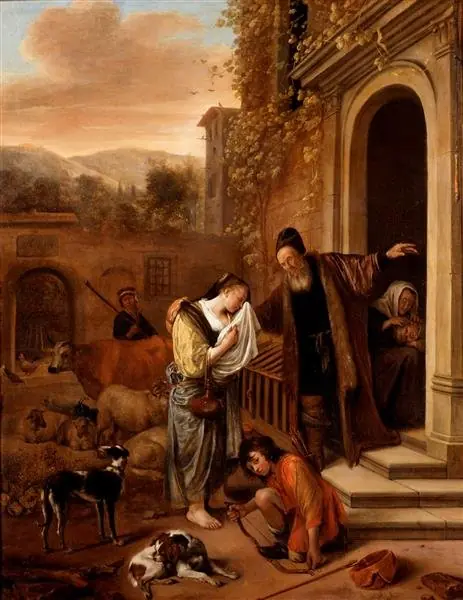
The Levite and his Concubine at Gibeah is an oil painting by the Dutch Golden Age artist Jan Victors. It dates from 1650 and is held in the collection of the National Gallery of Ireland.
About this work
Overview
The painting is part of the National Gallery of Ireland’s collection, reflecting the period’s interest in moral storytelling through historical scripture.
Painted around 1650 by Dutch artist Jan Victors, this oil-on-canvas work depicts a dramatic episode from the Book of Judges. Victors, active during the Dutch Golden Age, specialized in biblical narratives that adhered to Calvinist sensibilities, avoiding overt religious symbolism or nudity. The painting is part of the National Gallery of Ireland’s collection, reflecting the period’s interest in moral storytelling through historical scripture.
Subject & Meaning
The scene illustrates the aftermath of violence in Gibeah, where a Levite’s concubine is murdered by townspeople. The figures—four men and a woman—gather in tense stillness: one man holds a child, another sits slumped, and the woman kneels, likely in grief or supplication. The absence of overt brutality underscores the narrative’s moral weight, emphasizing silence and consequence over spectacle.
Technique & Style
Victors employs muted earth tones—browns, ochres, and dull yellows—to ground the scene in somber realism. Light falls subtly across the figures, modeling their forms without theatricality. The composition is tightly grouped, directing attention to the emotional exchanges between characters. The architectural backdrop, with its domed structure and tree, provides context without distraction, consistent with Dutch narrative painting conventions.
History & Provenance
The painting entered the National Gallery of Ireland’s collection in the 19th century, though its earlier ownership remains undocumented. Victors, possibly trained under Rembrandt, produced a limited body of biblical works, many now held in European institutions. This piece is among the few surviving examples of his narrative style, valued for its restrained emotional intensity and adherence to Protestant interpretive norms.
Context
Created during the Dutch Golden Age, the painting reflects a cultural shift toward biblical stories as moral allegories rather than devotional images. Calvinist doctrine discouraged depictions of divine figures, leading artists like Victors to focus on human drama within scripture. The emphasis on psychological tension and ethical consequence aligns with broader trends in Dutch history painting of the mid-17th century.
Legacy
Though not widely known today, Victors’s work contributed to a tradition of biblical storytelling that prioritized human frailty over divine intervention. His restraint in depicting violence influenced later Dutch painters who sought to convey moral gravity through quiet, composed scenes. This painting remains a quiet testament to the era’s engagement with scripture as a lens for examining societal and personal responsibility.
Artist & collection
Artist
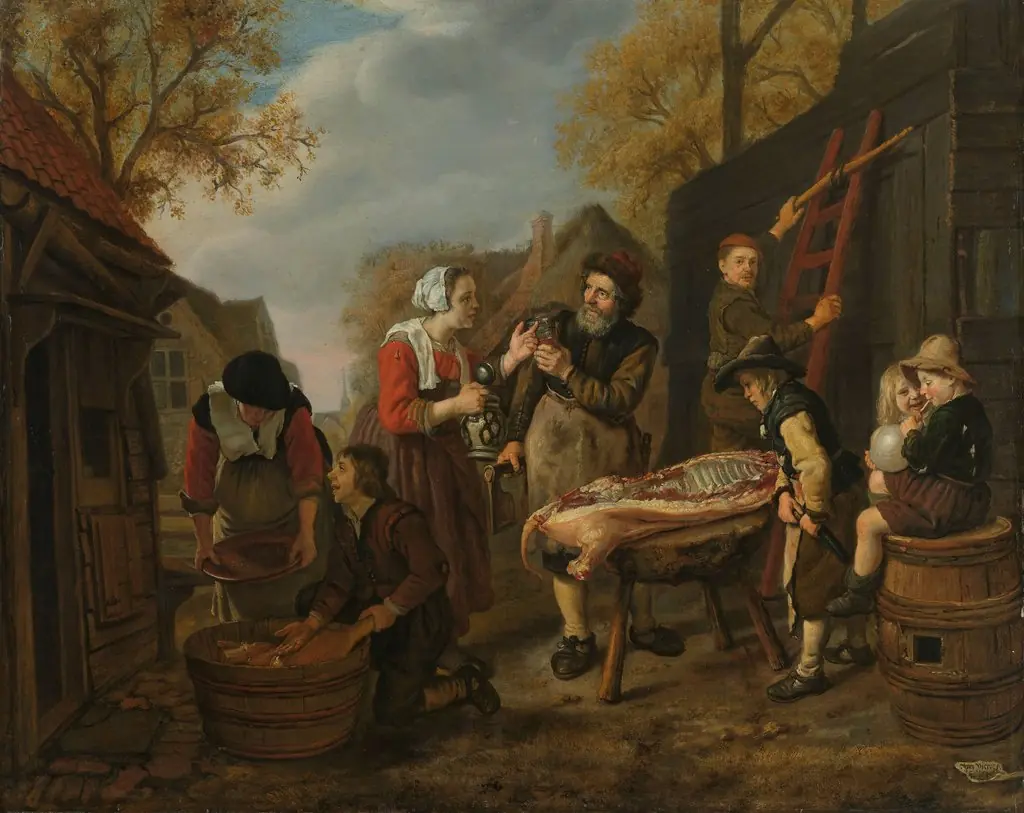
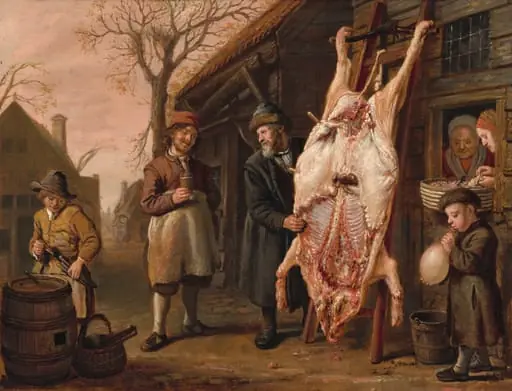
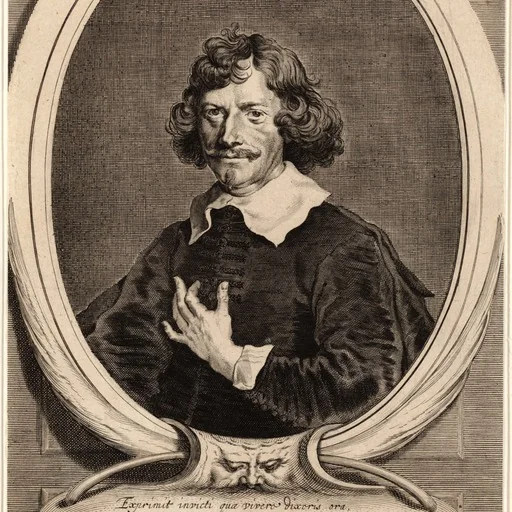
Jan Victors (or Fictor; 1619 – 1676) was a Dutch Golden Age painter mainly of history paintings of Biblical scenes, with some genre scenes.