Artwork
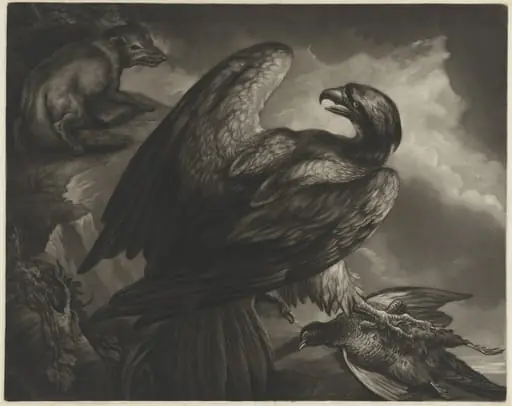
Stillleben mit Adler, Hund und totem Schwan (zugeschrieben)
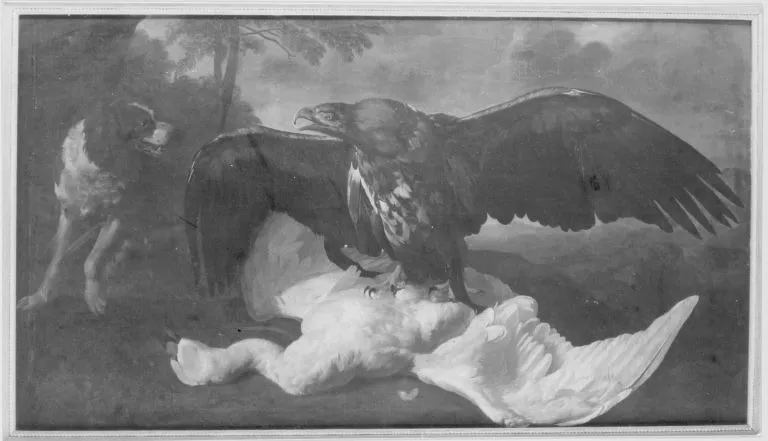
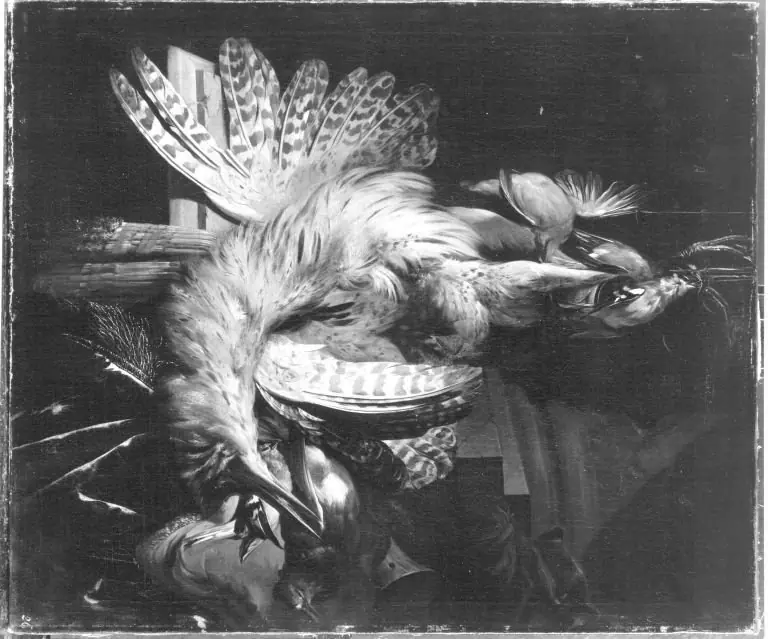
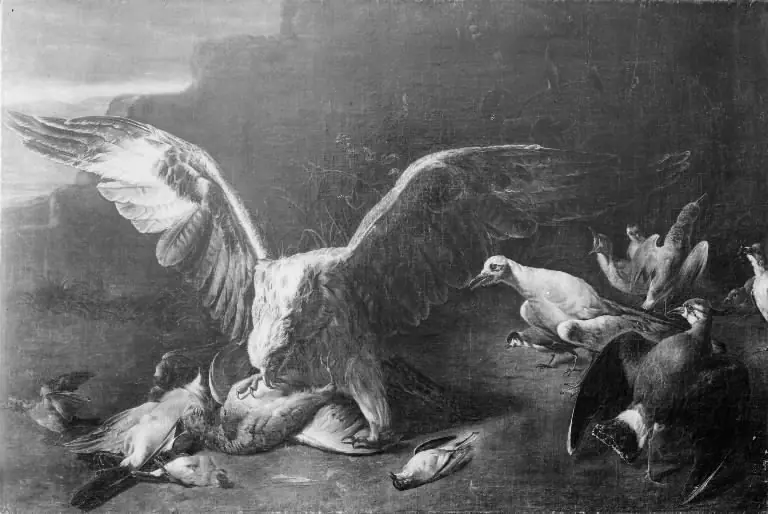
Stillleben mit Adler, Hund und totem Schwan (zugeschrieben) is an unspecified painting by the Dutch Golden Age artist Jan Weenix. It dates from 1690 and is held in the collection of the Bavarian State Painting Collections.
About this work
Overview
Painted circa 1690, this still life is attributed to Jan Weenix, a Dutch artist active during the height of the Golden Age.
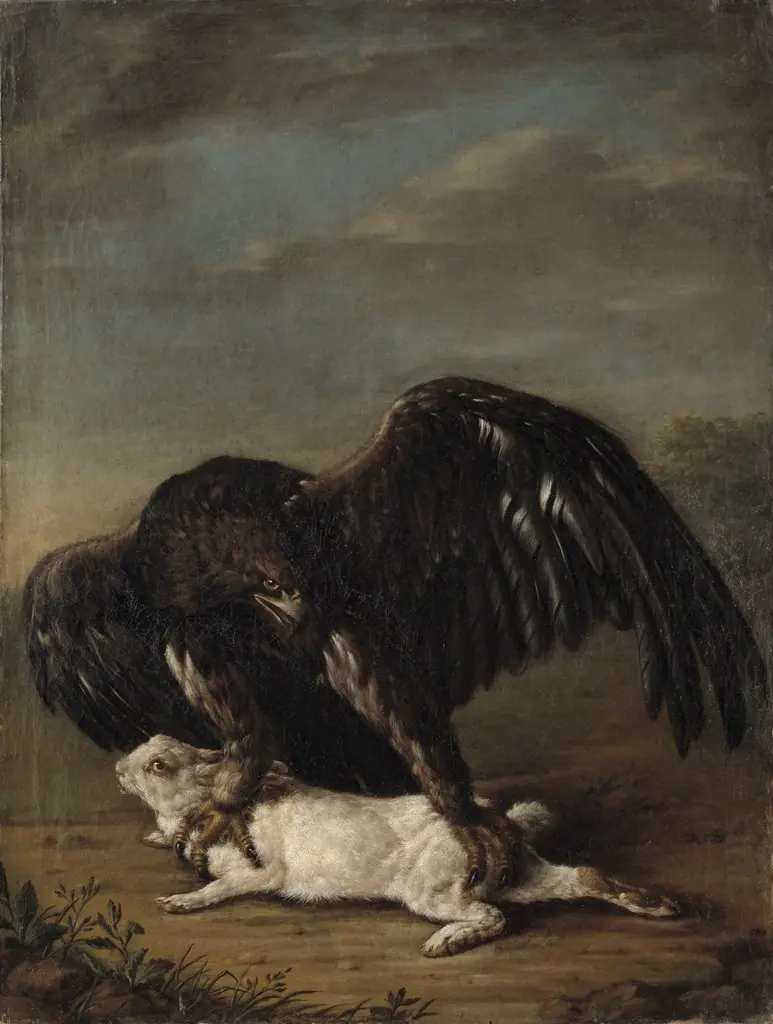
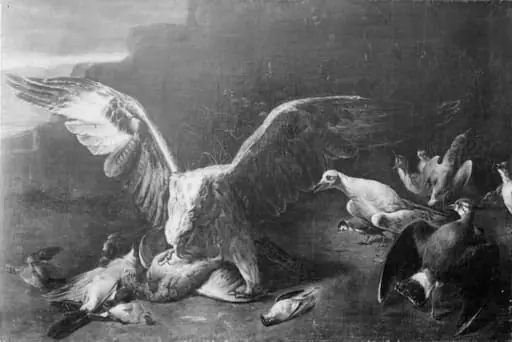
Painted circa 1690, this still life is attributed to Jan Weenix, a Dutch artist active during the height of the Golden Age. It presents a dramatic arrangement of hunted game: a dead swan, a predatory eagle, and a watchful dog. The composition reflects Weenix’s specialization in animal still lifes, blending naturalism with theatrical tension. The work resides in the Alte Pinakothek, Munich, among other Dutch paintings from the period.
Subject & Meaning
The dead swan, its wings outstretched, symbolizes both beauty and vulnerability, while the eagle, gripping it with powerful talons, embodies dominance and nature’s brutality. The dog, standing alert in the background, suggests the human hunt that preceded the scene. Together, the figures form a narrative of predation and loss, typical of game still lifes that conveyed moral or aristocratic themes without overt sentiment.
Technique & Style
Weenix employed precise brushwork to render textures: the swan’s downy feathers, the eagle’s layered plumage, and the dog’s fur are rendered with careful attention to detail. Chiaroscuro enhances the drama, with stark contrasts between the dark, uneven ground and the pale carcass. The stormy sky adds depth and unease, reinforcing the painting’s somber tone through controlled lighting and atmospheric perspective.
History & Provenance
Initially misattributed to Jan Weenix’s father, Jan Baptist Weenix, the painting was later reassigned to the son based on stylistic analysis and documentary evidence. Jan Weenix trained under his father and cousin Melchior d’Hondecoeter, absorbing their focus on avian subjects. The work entered the Alte Pinakothek’s collection in the 19th century, where it remains as part of a broader survey of Dutch still life traditions.
Context
In late 17th-century Holland, still lifes featuring hunted animals were popular among elite collectors, reflecting both fascination with nature and the social rituals of hunting. Weenix’s works stood apart for their dynamic compositions and emotional weight, moving beyond mere display to evoke narrative tension. This painting aligns with broader trends in Dutch art that elevated everyday or violent natural scenes into subjects of serious contemplation.
Legacy
Jan Weenix’s contributions helped define the Dutch game still life as a distinct genre, influencing later artists through his integration of realism and psychological depth. Though less celebrated than some contemporaries, his works remain important for their technical precision and unflinching portrayal of nature’s cycles. This painting endures as a quiet testament to the genre’s capacity for gravity and observation.
Artist & collection
Artist
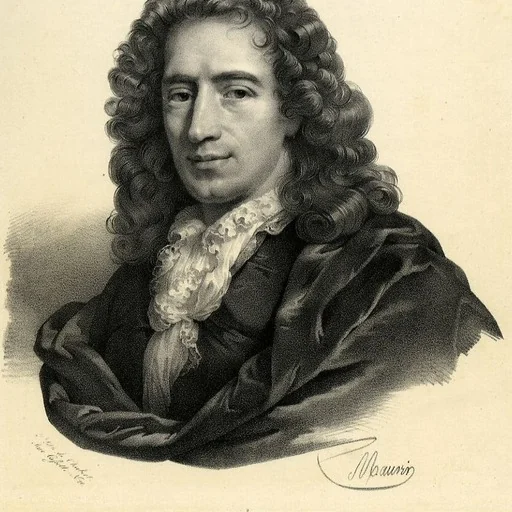
Jan Weenix or Joannis Wenix (between 1641/1649 – 19 September 1719 (buried)) was a Dutch painter.

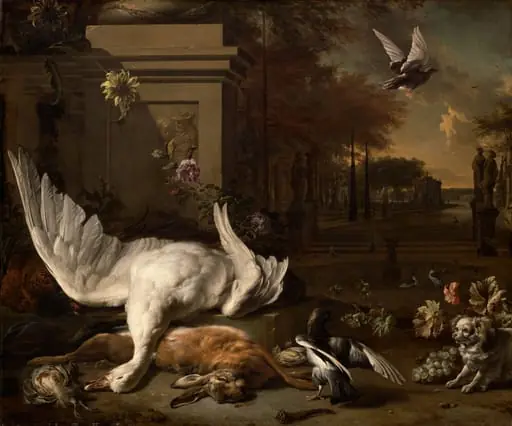 Still Life with Goose and Game before a Country Estate
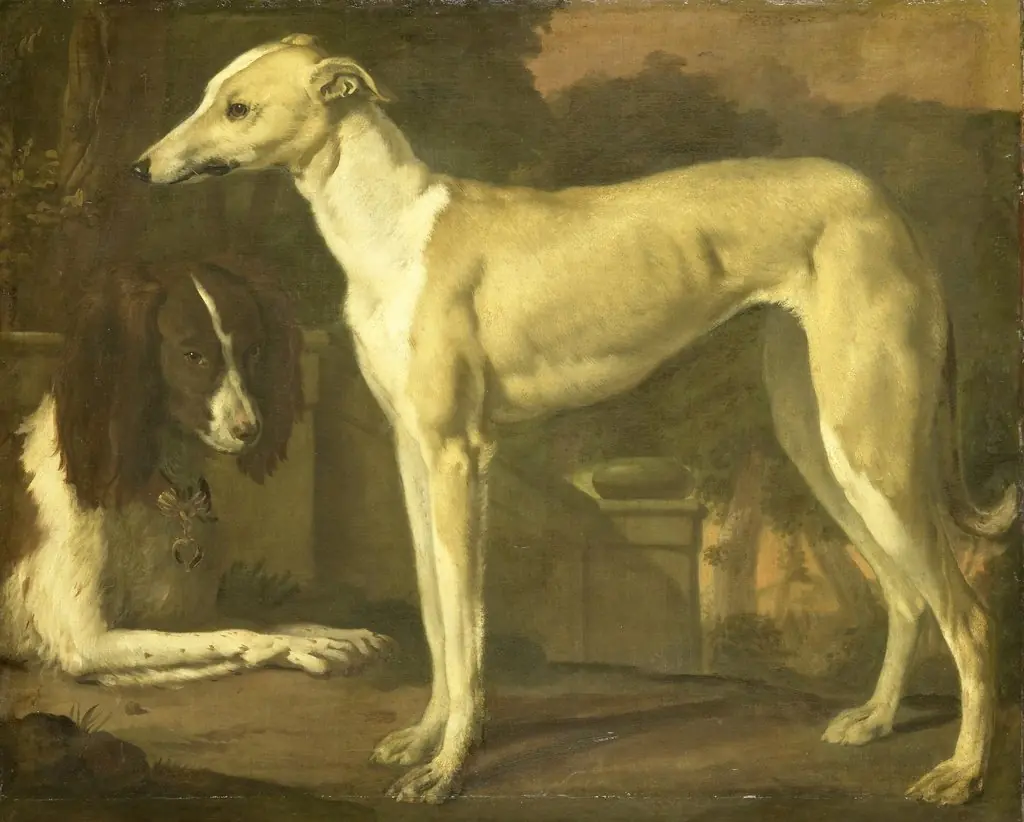 Portrait of a greyhound and a spaniel
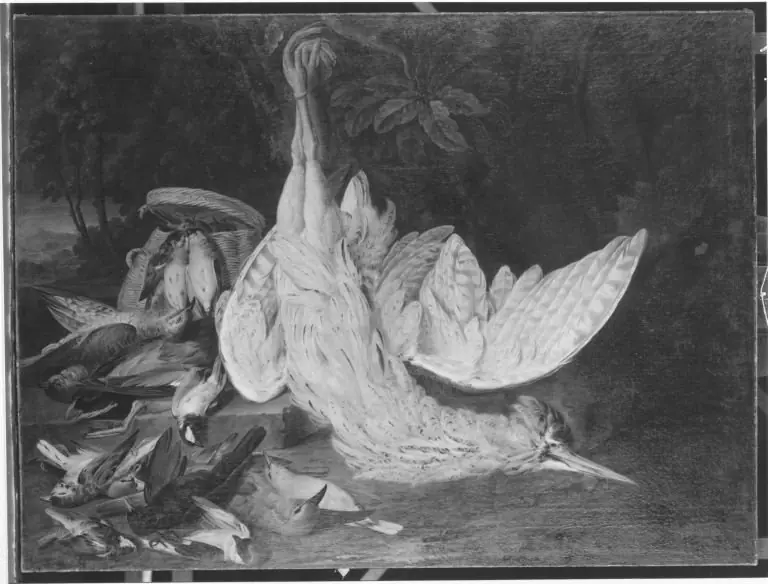
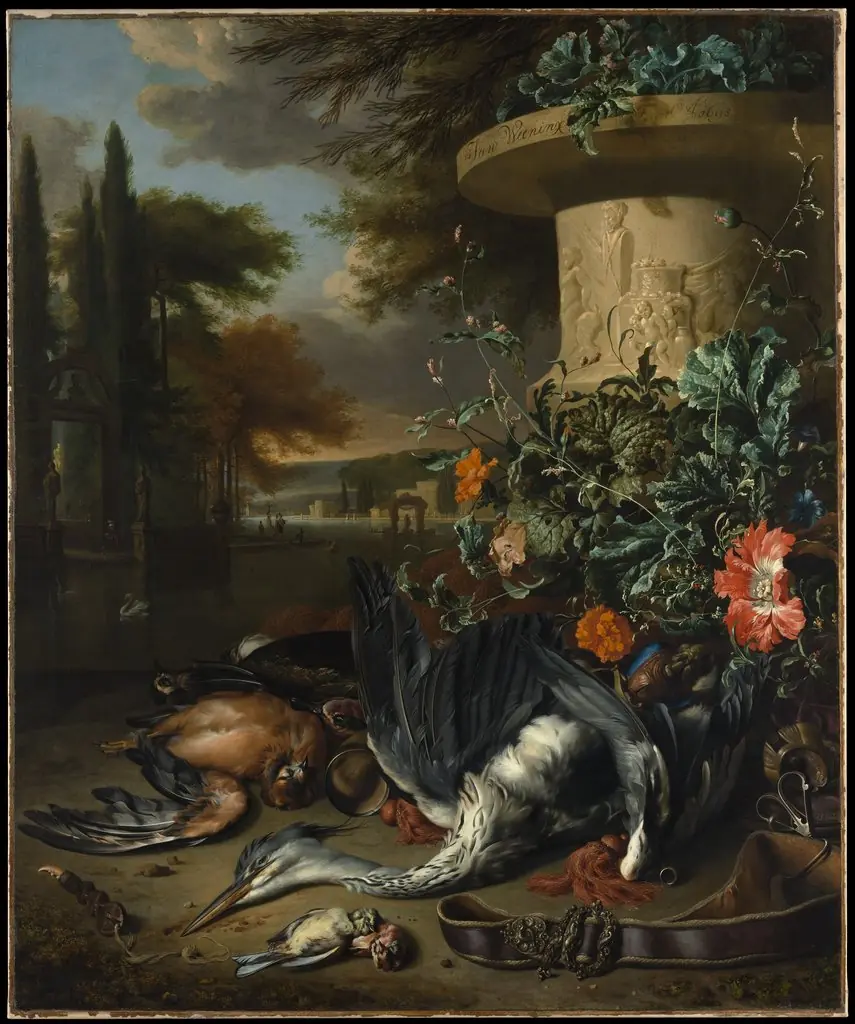 Gamepiece with a Dead Heron ("Falconer's Bag")
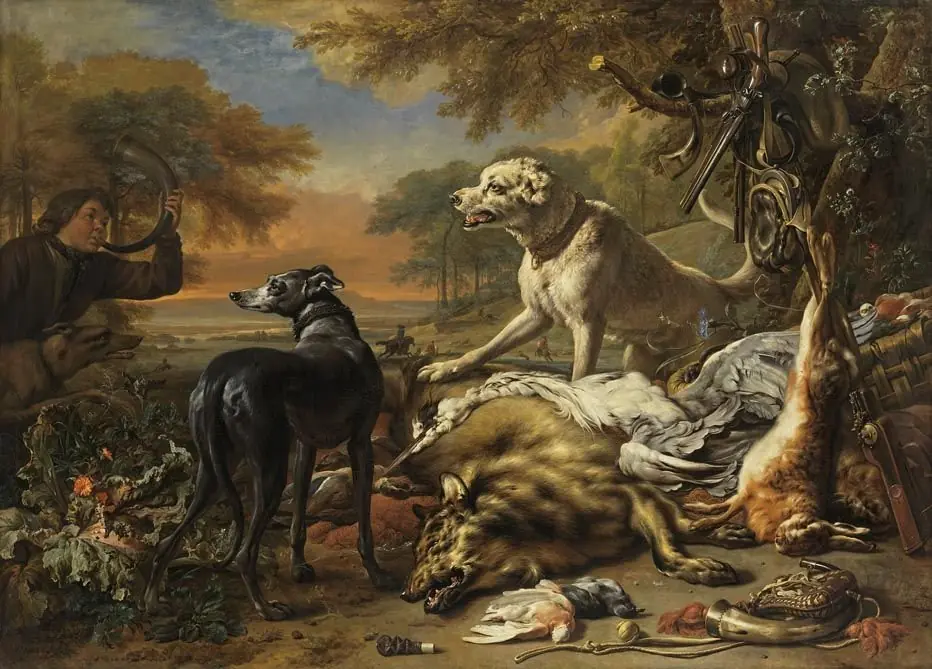 Hunting still life with wolf
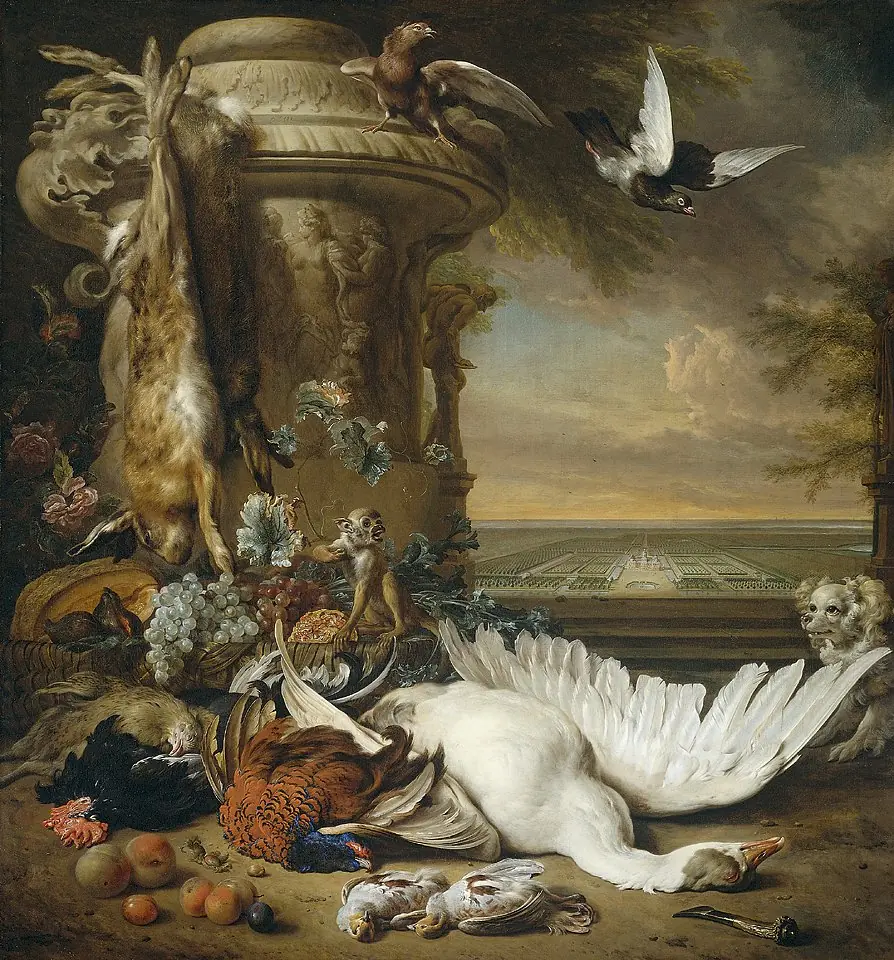 Still Life with Dead Game and Fruit beside a Garden Vase, with a Monkey, a Dog and Two Pigeons; in the Background Rijksdorp near Wassenaar, the Estate of Jonkheer Jacob Emmery, Baron of Wassenaar
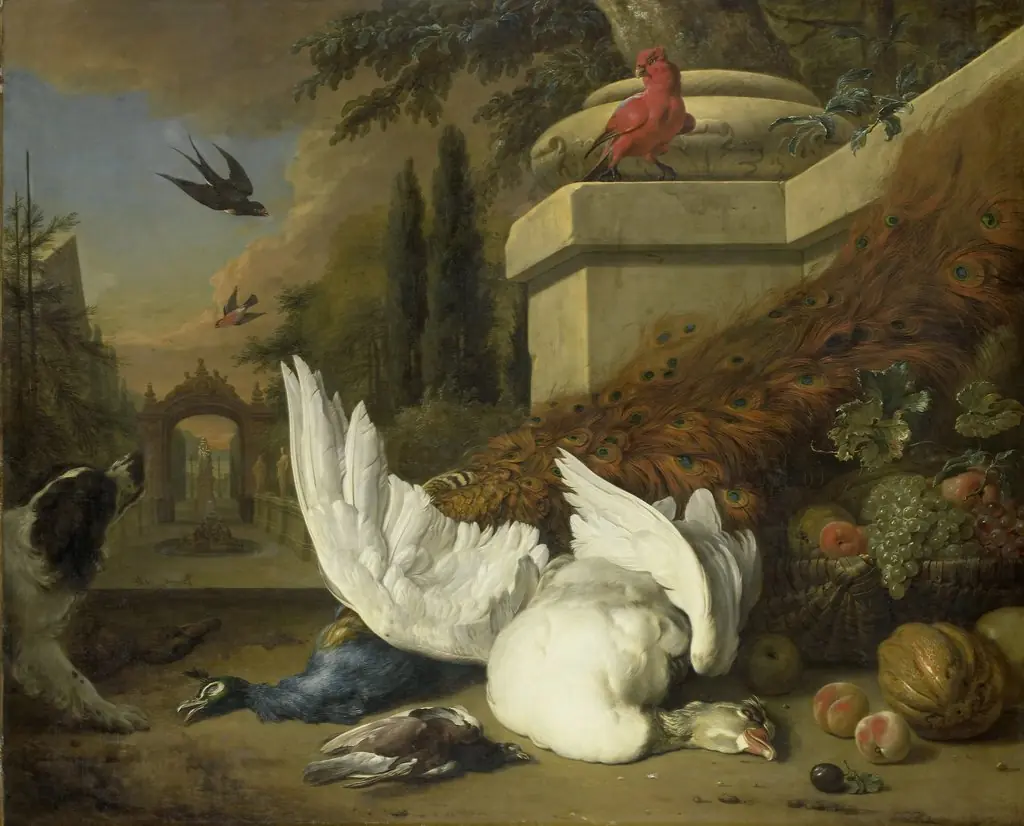 A monkey and a dog beside dead game and fruits, with the estate of Rijxdorp near Wassenaar in the background
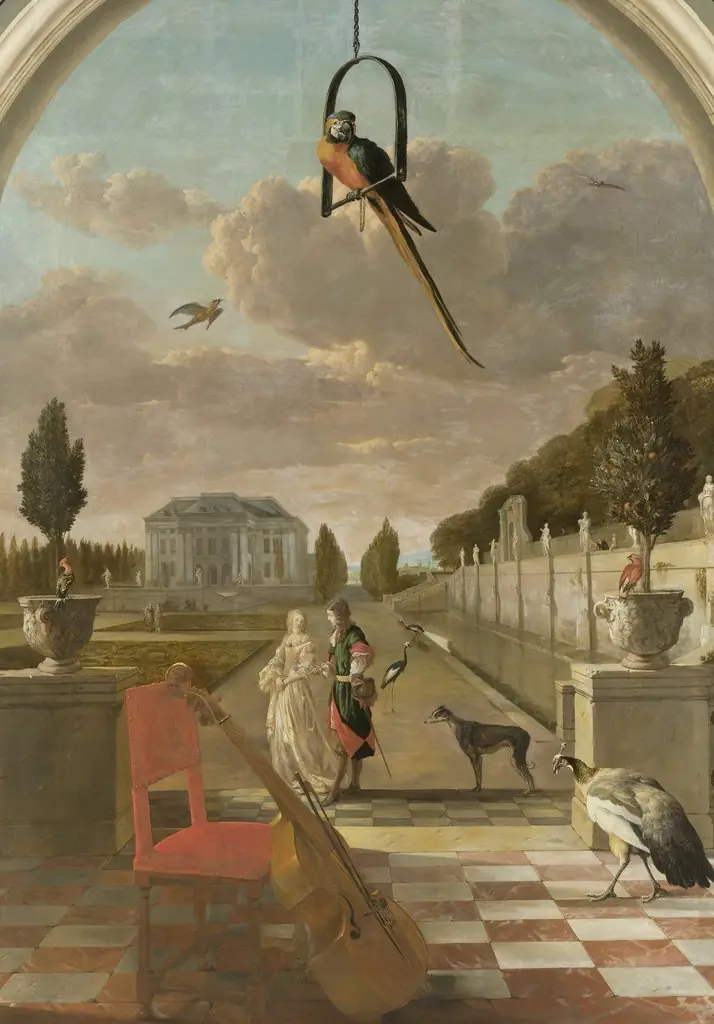 Park with country home
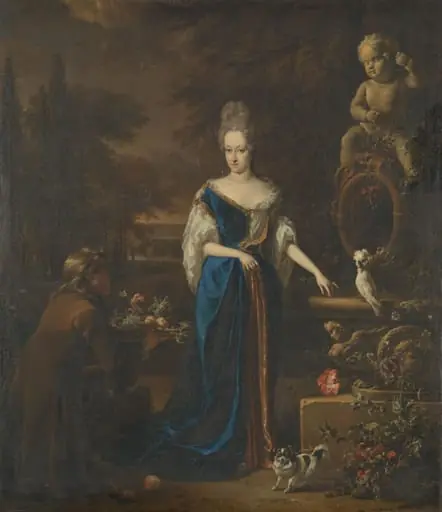 Portrait of Maria Cornelisz, Wife of Silvester van Tongeren