Artwork
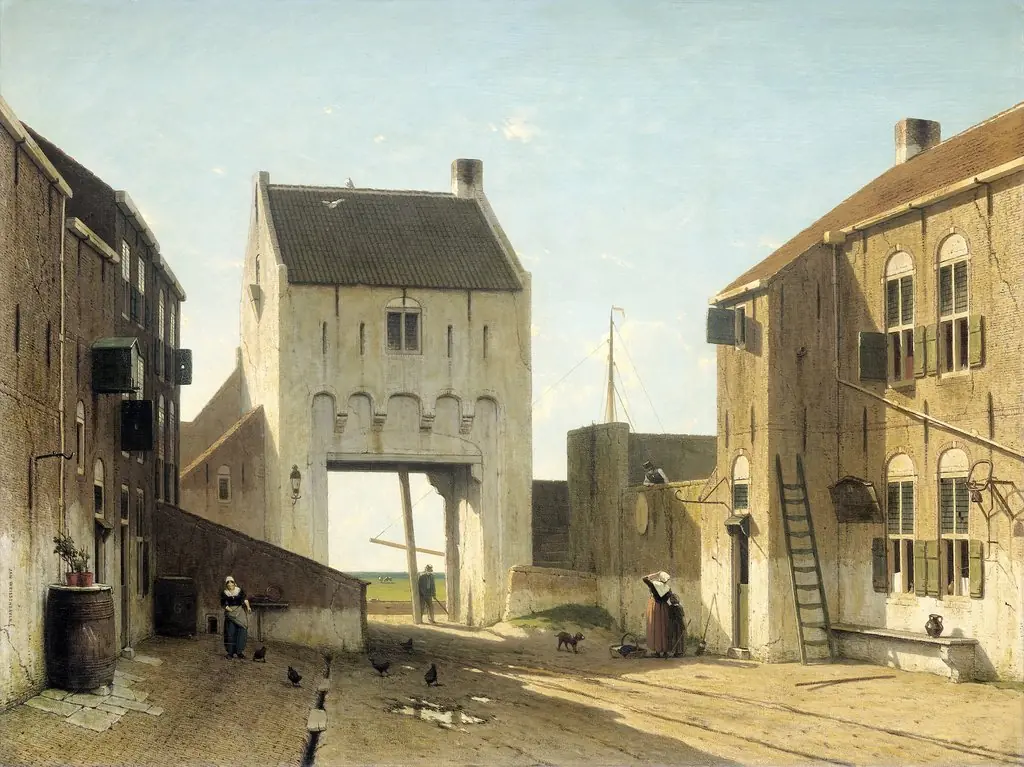
The IJsselpoort at IJsselstein
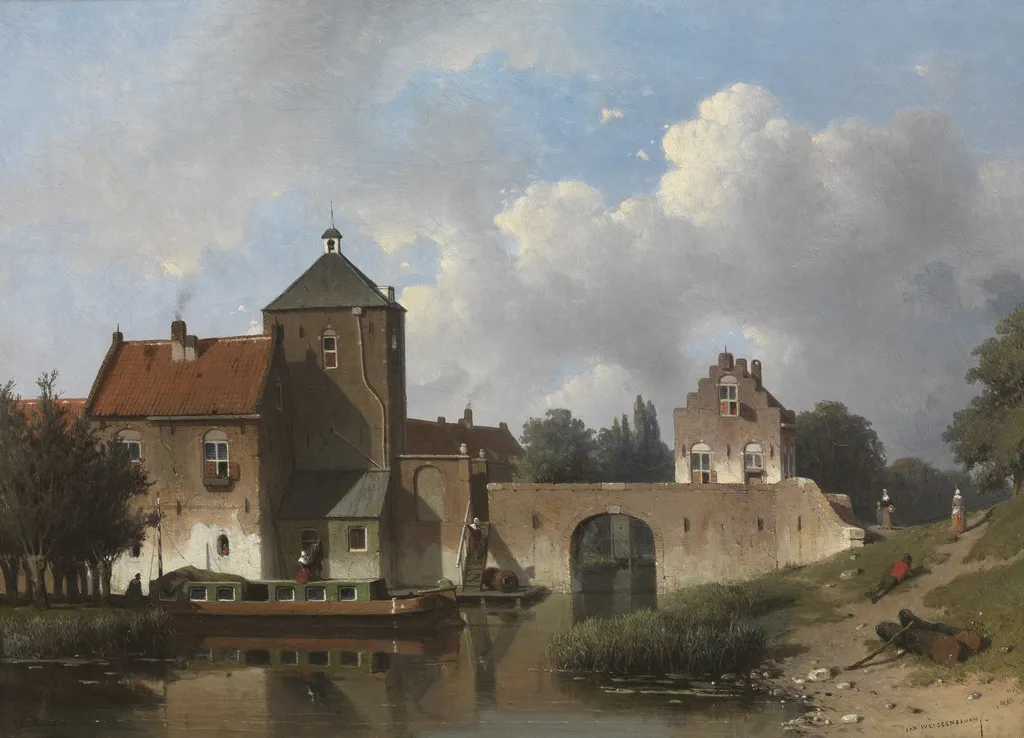
The IJsselpoort at IJsselstein is an oil painting by the Barbizon school artist Jan Weissenbruch. It dates from 1852 and is held in the collection of the Royal Museum of Fine Arts Antwerp.
About this work
Overview
Weissenbruch’s approach aligns with the Barbizon School’s focus on observed nature, favoring subdued tones and atmospheric detail over dramatic effect.
Painted in 1852, *The IJsselpoort at IJsselstein* is an oil-on-canvas landscape by Dutch artist Jan Weissenbruch. It captures a modest architectural landmark—the IJsselpoort gate—set within the quiet rural surroundings of IJsselstein. Weissenbruch’s approach aligns with the Barbizon School’s focus on observed nature, favoring subdued tones and atmospheric detail over dramatic effect. The work reflects a quiet reverence for everyday Dutch scenery.
Subject & Meaning
The painting centers on the IJsselpoort, a medieval gatehouse in IJsselstein, framed by open land and water. A small boat rests near the bridge leading to the structure, suggesting quiet human activity without intrusion. The gate, once part of a defensive system, now stands as a relic absorbed into the landscape. Its stillness and integration with nature imply a contemplative view of history—not as monument, but as quiet continuity.
Technique & Style
Weissenbruch employed soft, muted pigments to render the stone walls, red-tiled roof, and overcast sky with subtle tonal shifts. Brushwork is deliberate but unobtrusive, emphasizing texture over detail—clouds drift with gentle gradations, water reflects diffuse light, and foliage is suggested rather than defined. The composition avoids theatricality, instead relying on balanced horizontals and a restrained palette to evoke calm observation.
History & Provenance
Created in 1852, the painting entered the collection of the Royal Museum of Fine Arts Antwerp, where it remains today. Weissenbruch, active in the mid-nineteenth century, was part of a generation of Dutch artists who turned from idealized landscapes to direct study of local environments. This work reflects that shift, documenting a specific site with fidelity rather than romantic embellishment.
Context
In the mid-1800s, Dutch painters increasingly turned to rural and vernacular subjects, influenced by French Barbizon artists who valued naturalism. Weissenbruch’s focus on a modest gatehouse, rather than grand vistas, aligns with this trend. The painting emerges from a cultural moment when local identity and quiet observation replaced historical or mythological themes in landscape art.
Legacy
Though not widely exhibited beyond regional collections, *The IJsselpoort at IJsselstein* exemplifies Weissenbruch’s consistent dedication to unembellished Dutch scenery. His work contributed to a broader movement that elevated ordinary places as worthy subjects for serious art. Today, it stands as a quiet record of a specific time and place, valued for its sincerity rather than its spectacle.
Own this work as a print
Artist & collection
Artist
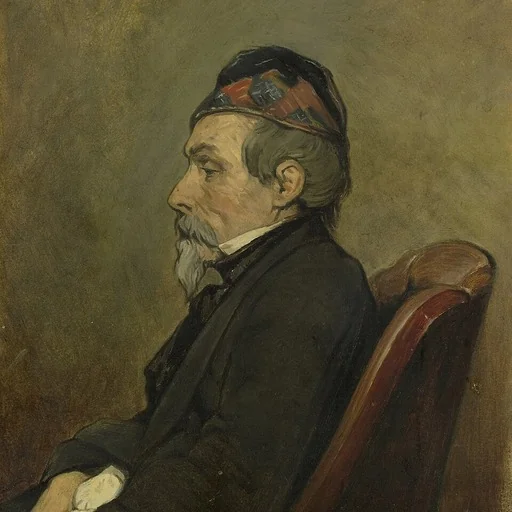
Johan Hendrik Louis Meijer (9 March 1809 – 31 March 1866) was a Dutch painter, etcher, lithographer, and draftsman.

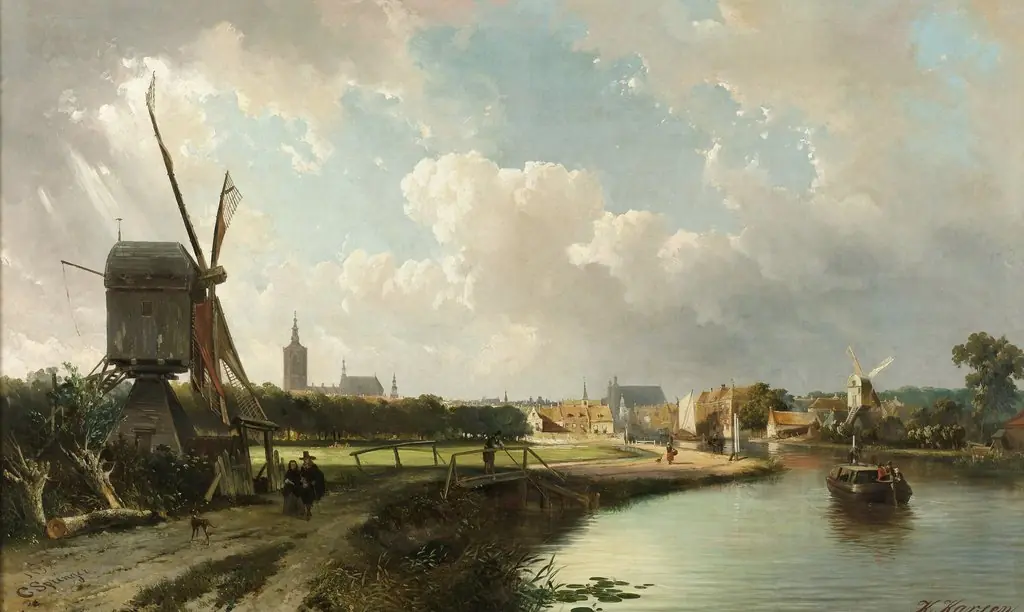 View of The Hague from the Delftse Vaart in the 17th Century
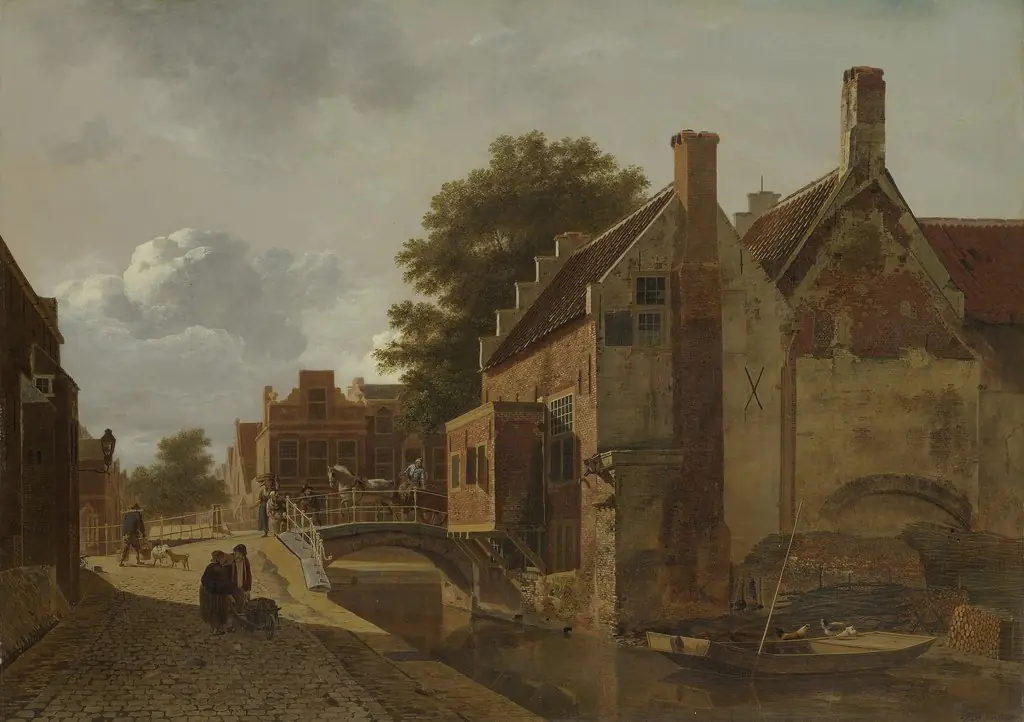 Kalvermarkt, The Hague
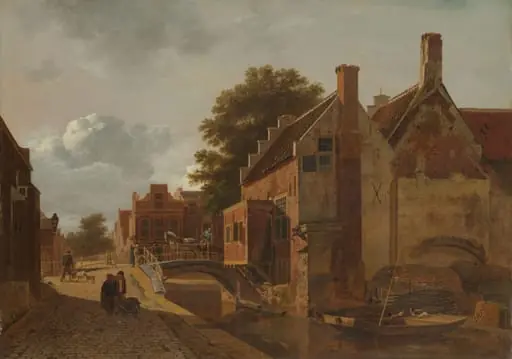 The Kalvermarkt, The Hague
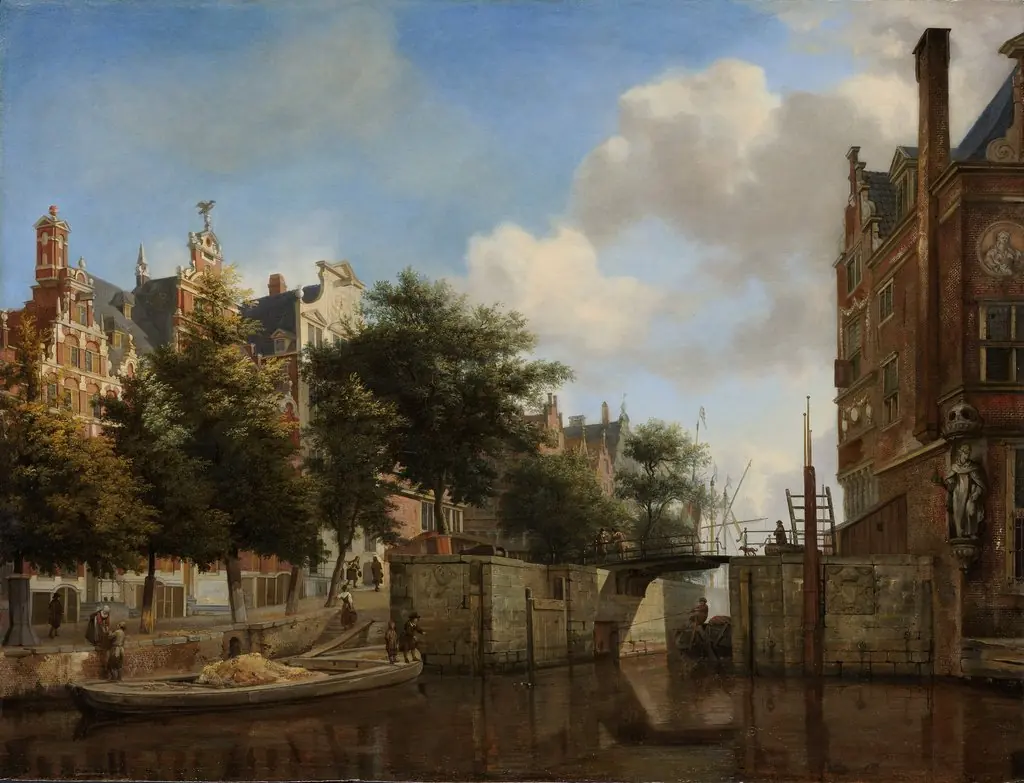 Amsterdam City View with Houses on the Herengracht and the old Haarlemmersluis
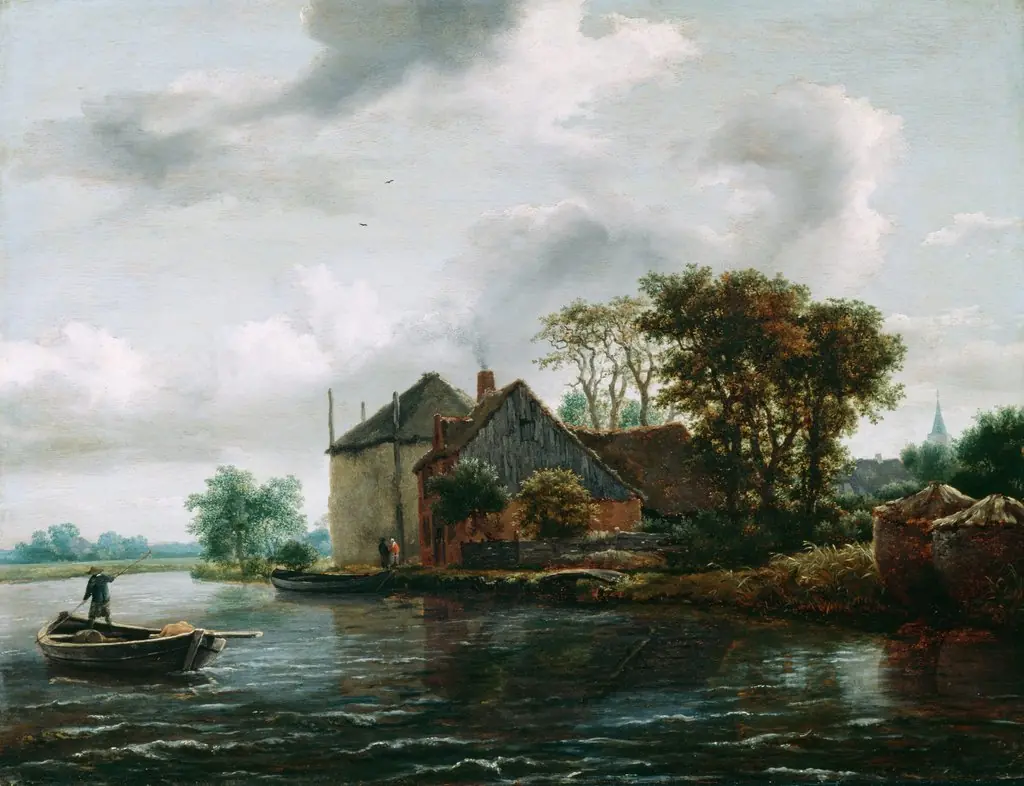 Farm and Hayrick on a River
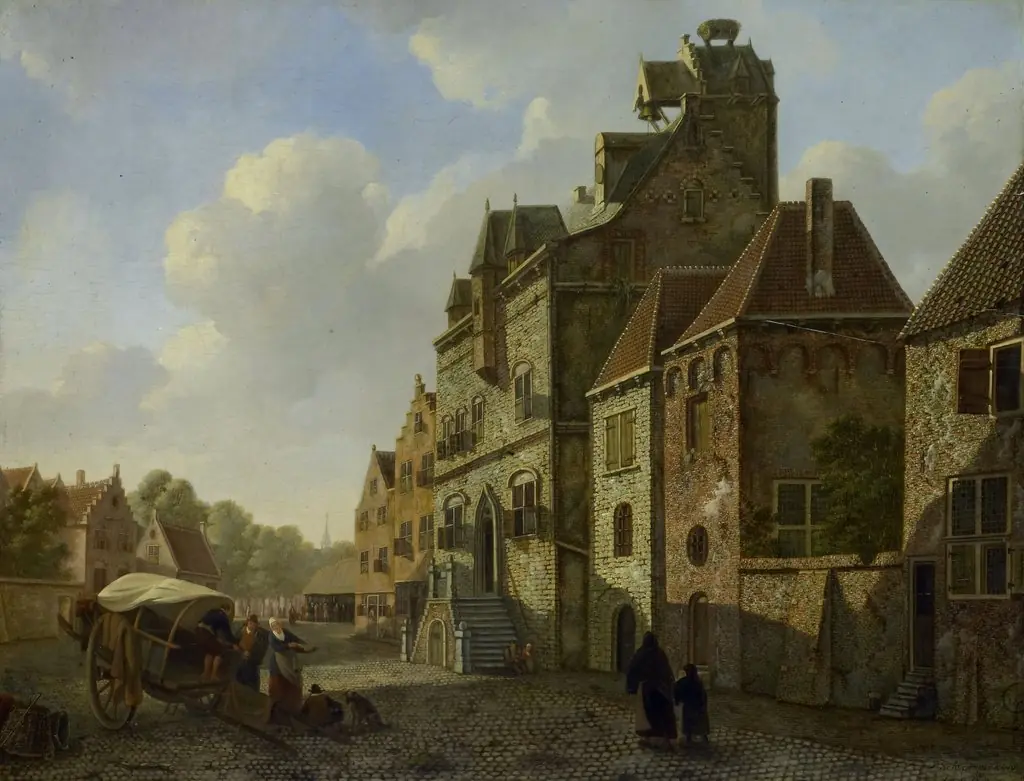 View in Dordrecht
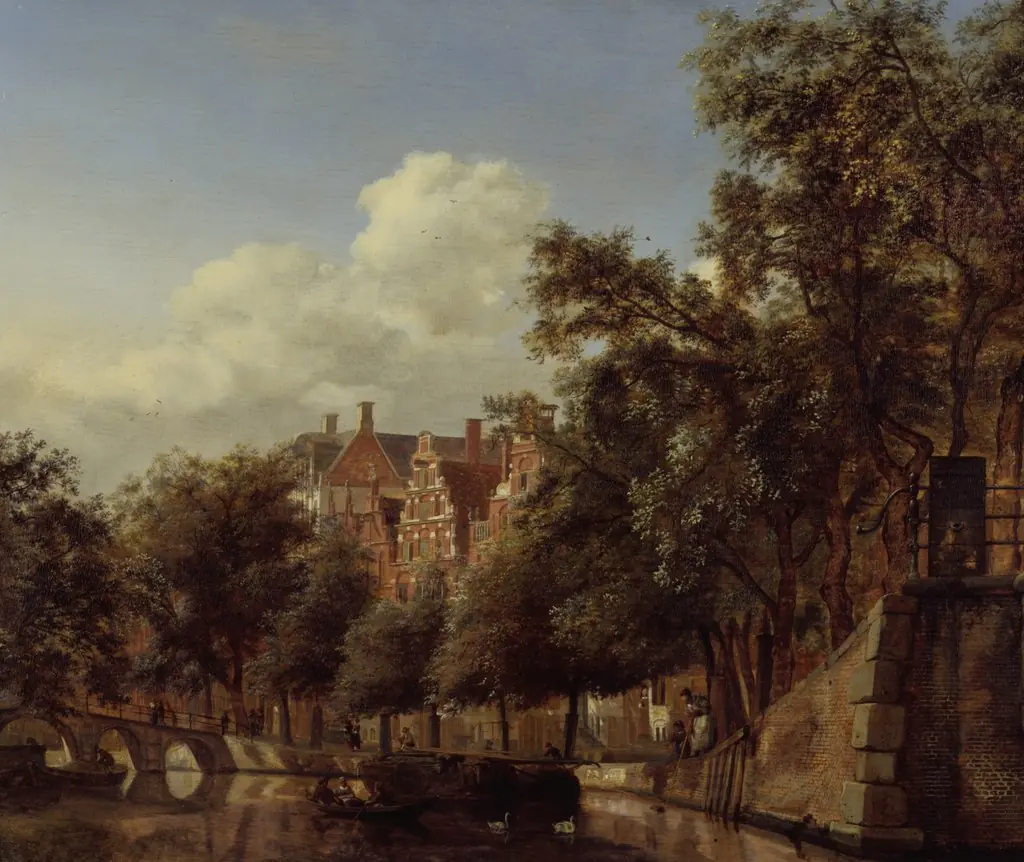 View of the Herengracht, Amsterdam, from the Leliegracht
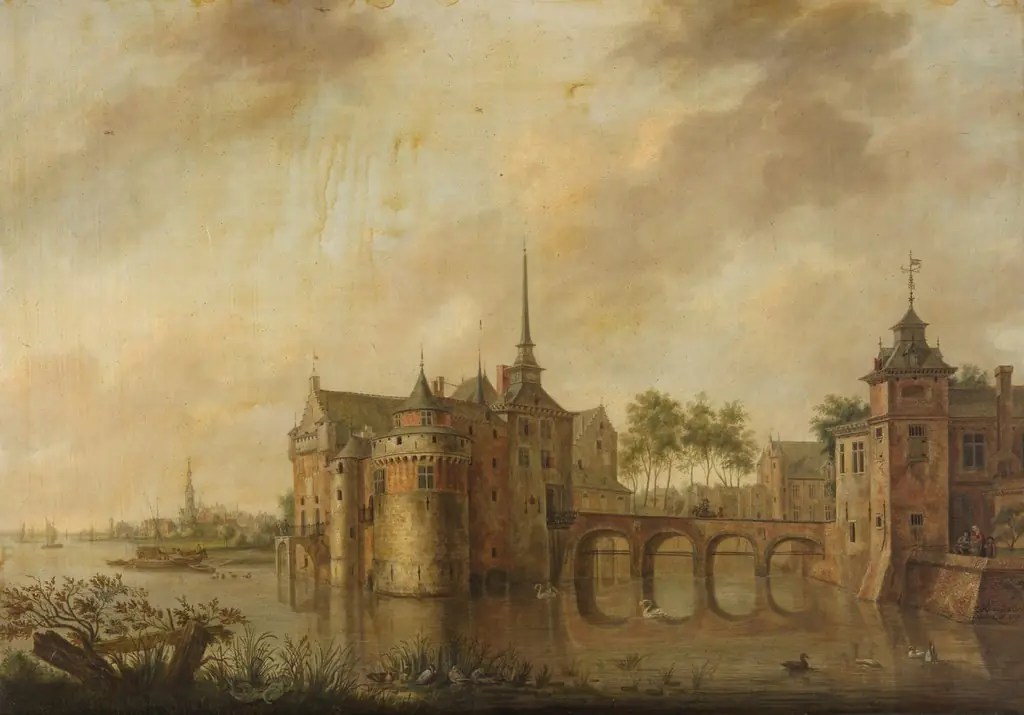 Schloß Temsch an der Schelde
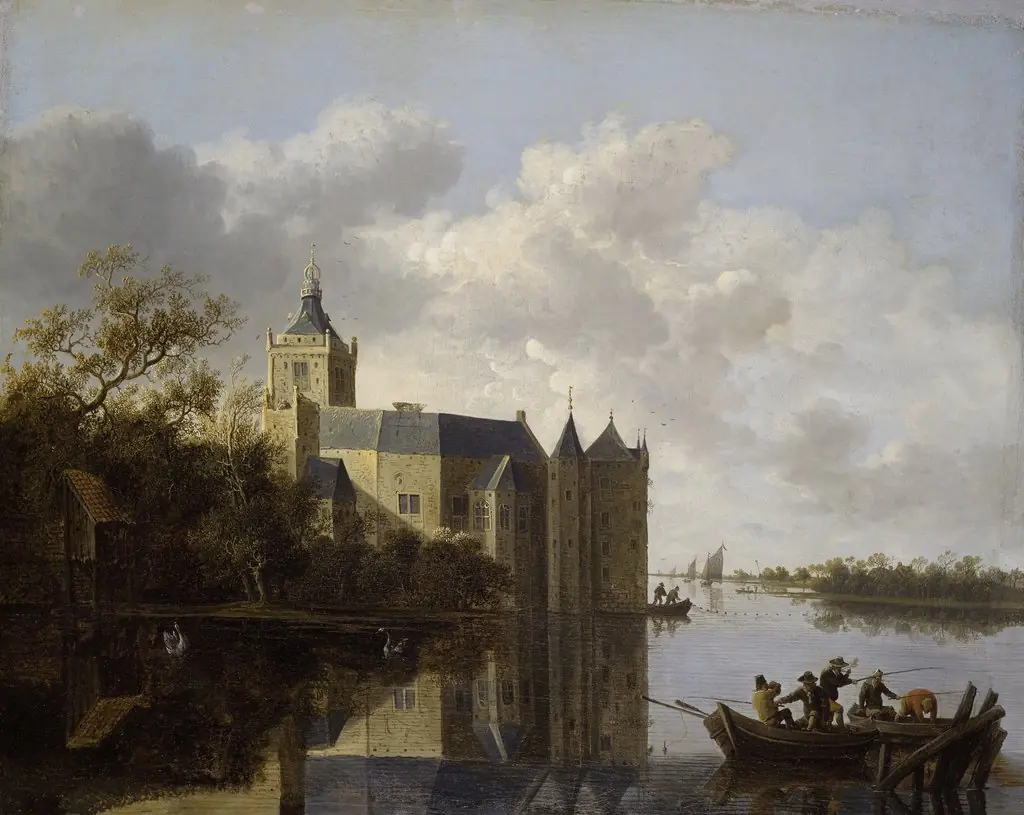 The Castle of Montfoort near Utrecht
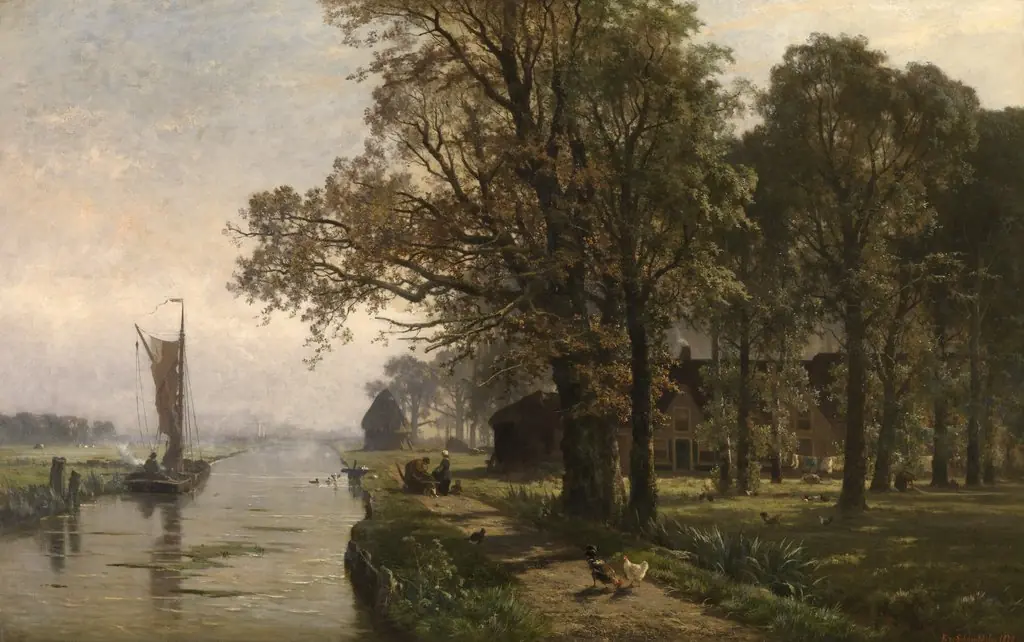 Souvenir of Gouda
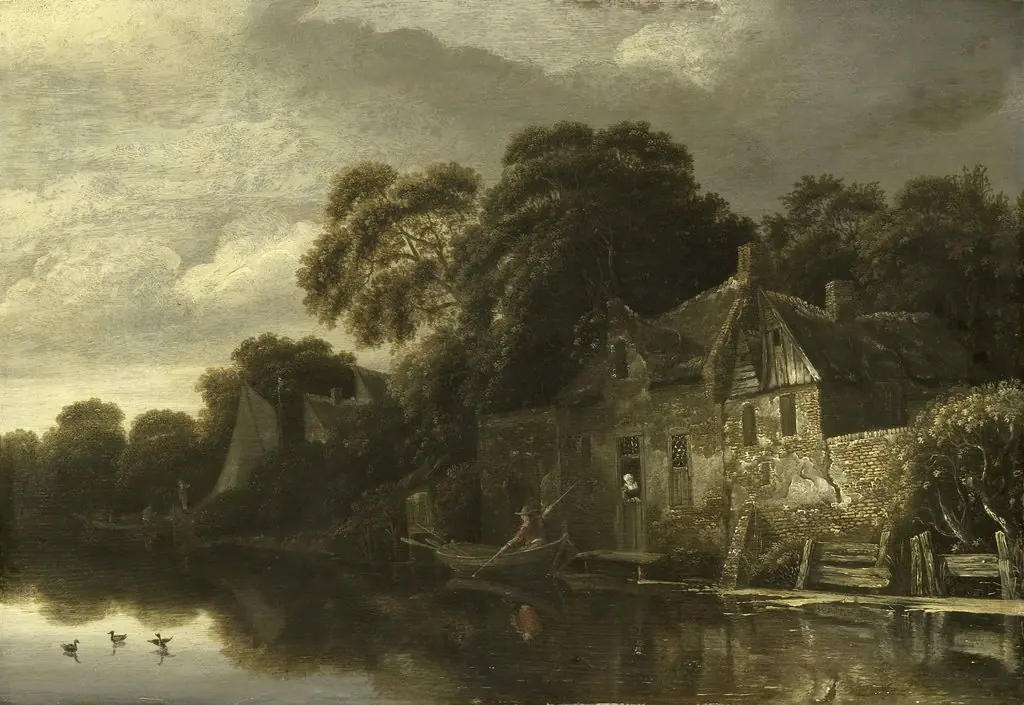 Old country cottage on the water
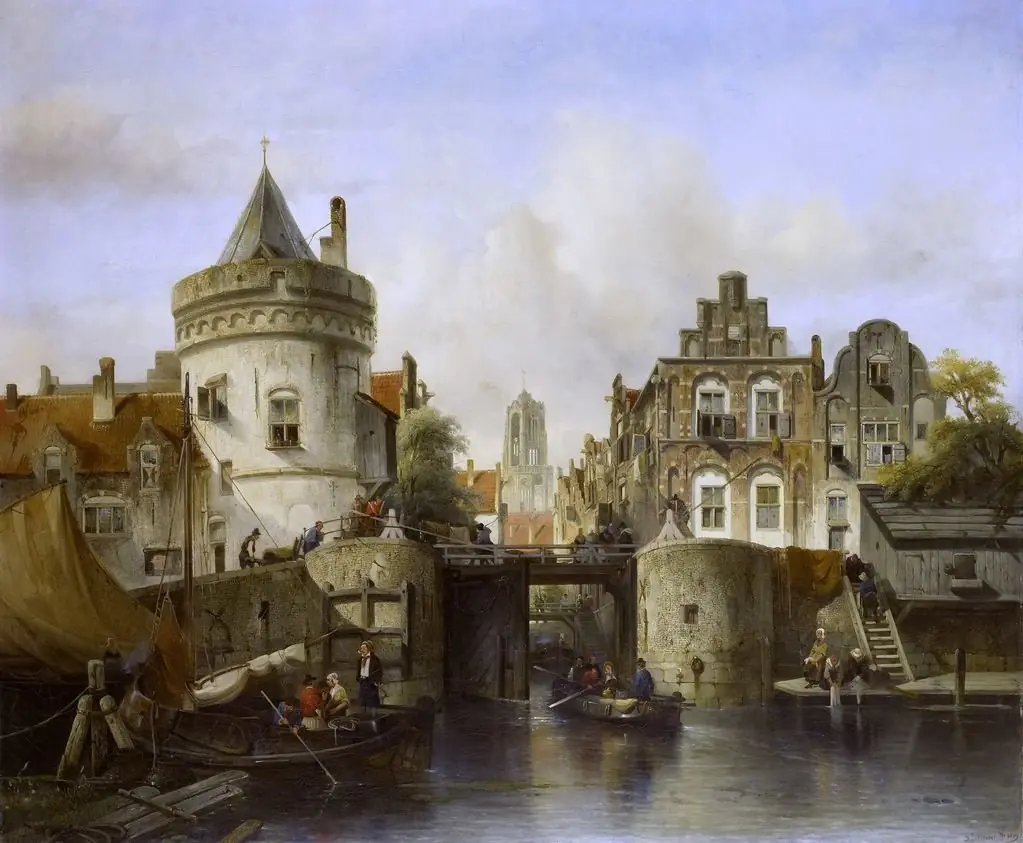 Imaginary View based on the Kolksluis, Amsterdam