Artwork
Landschaft mit Vieh und ländlichem Paar
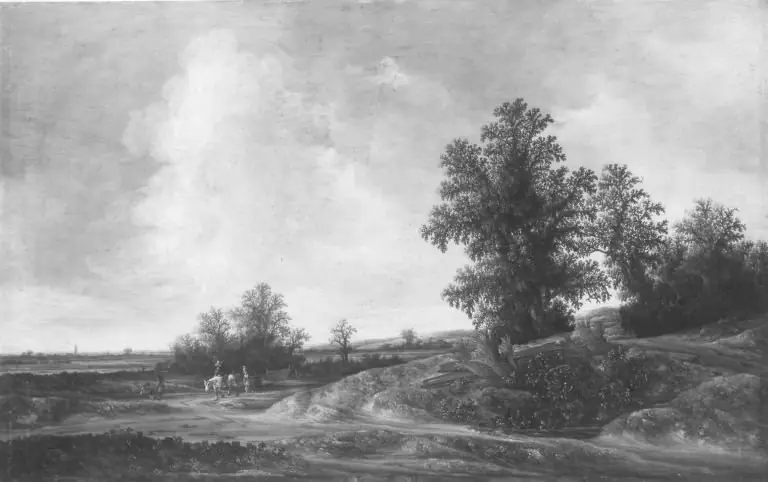
Landschaft mit Vieh und ländlichem Paar is an unspecified painting by the Dutch Golden Age artist Jan Wijnants. It dates from 1672 and is held in the collection of the Bavarian State Painting Collections.
About this work
Overview
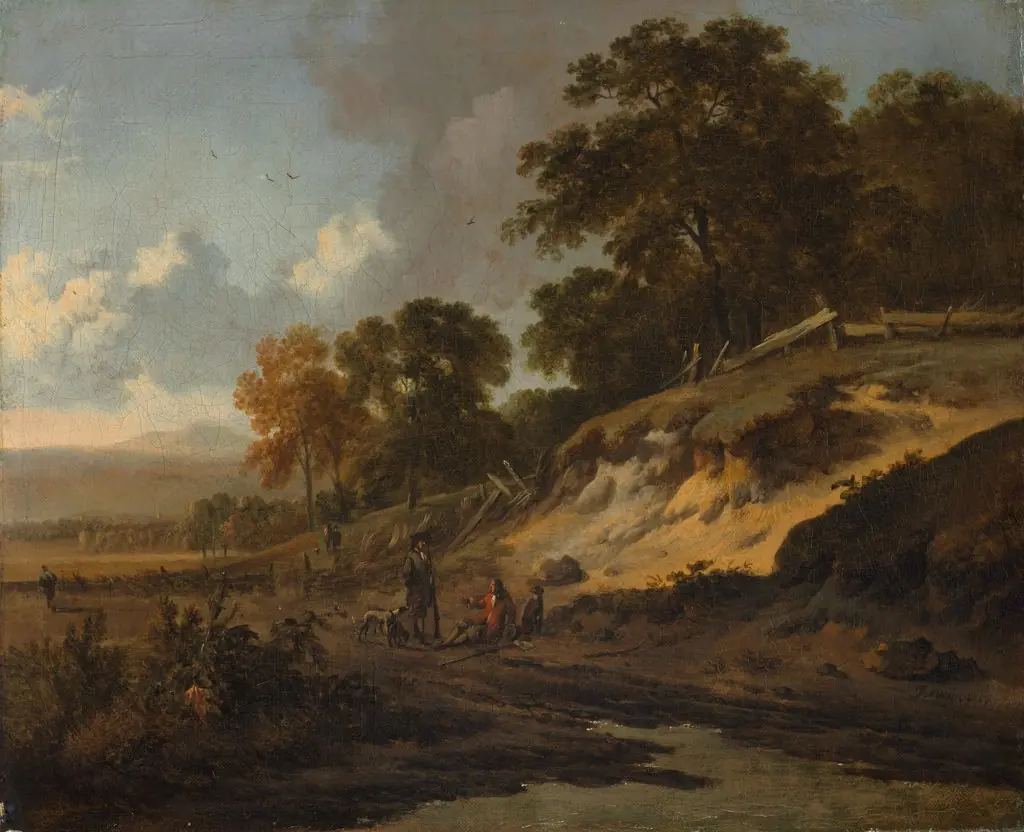
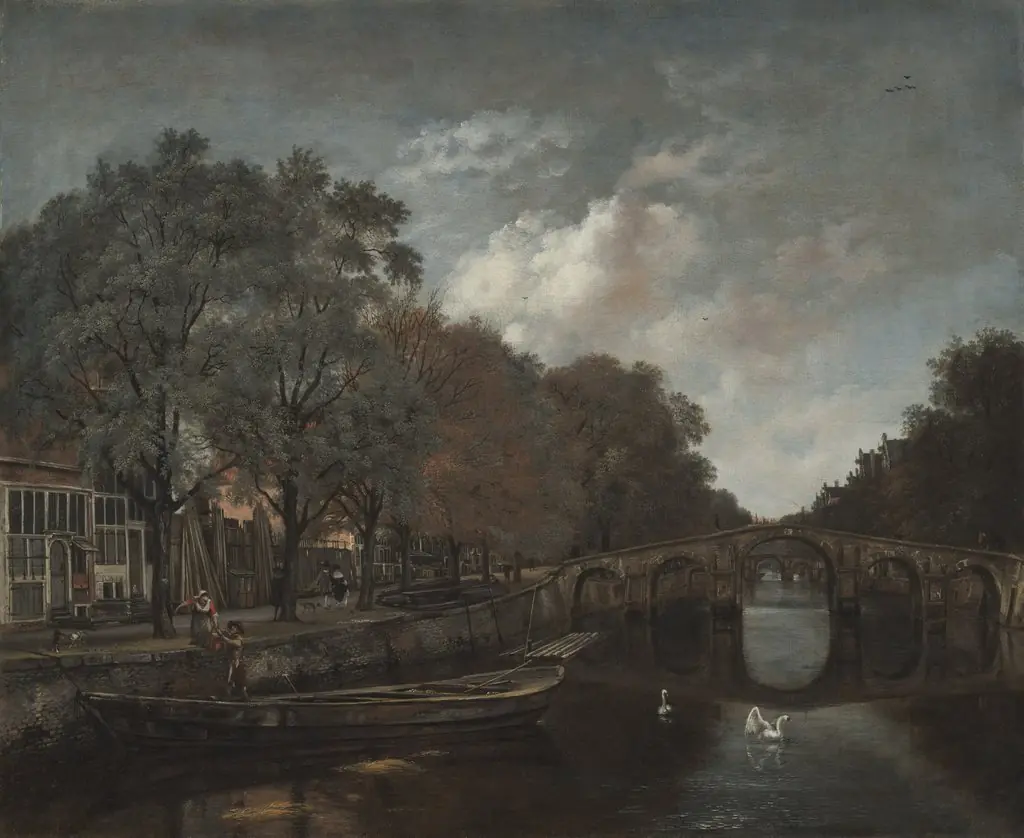
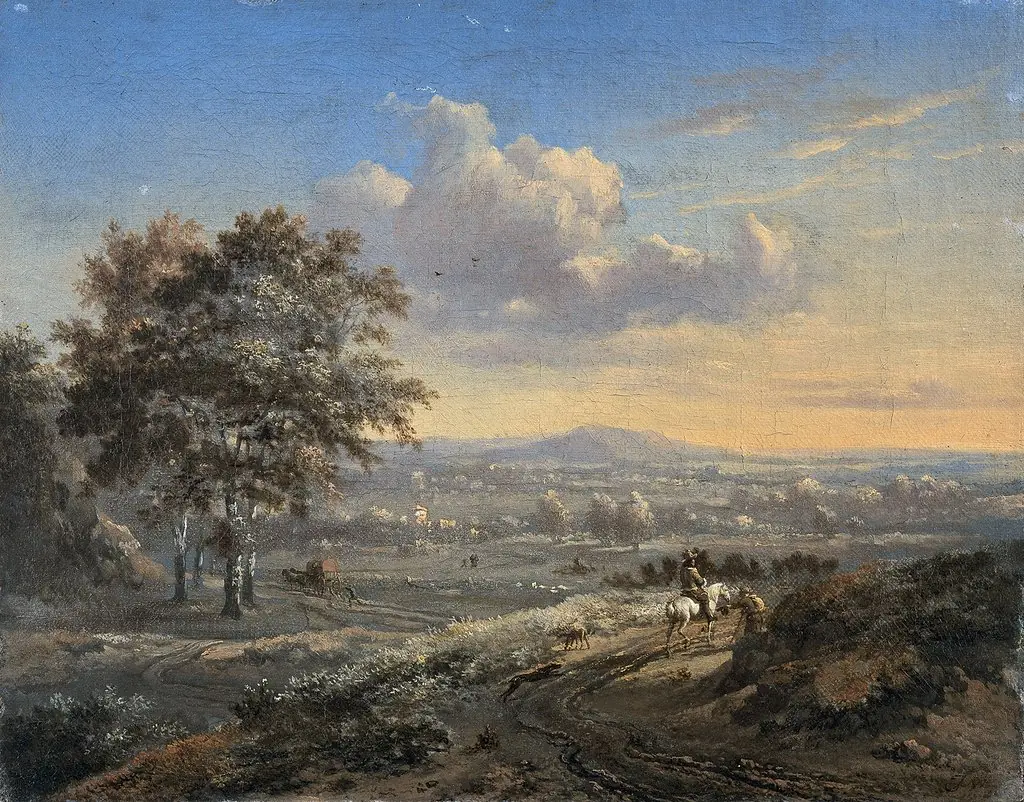
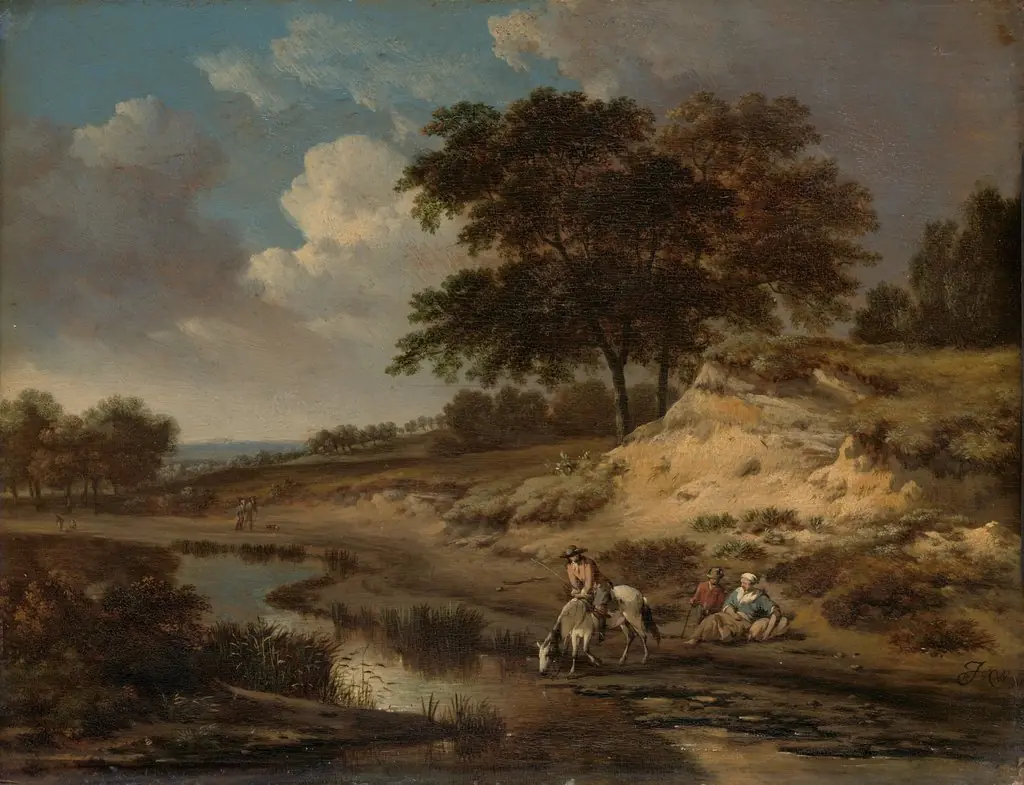
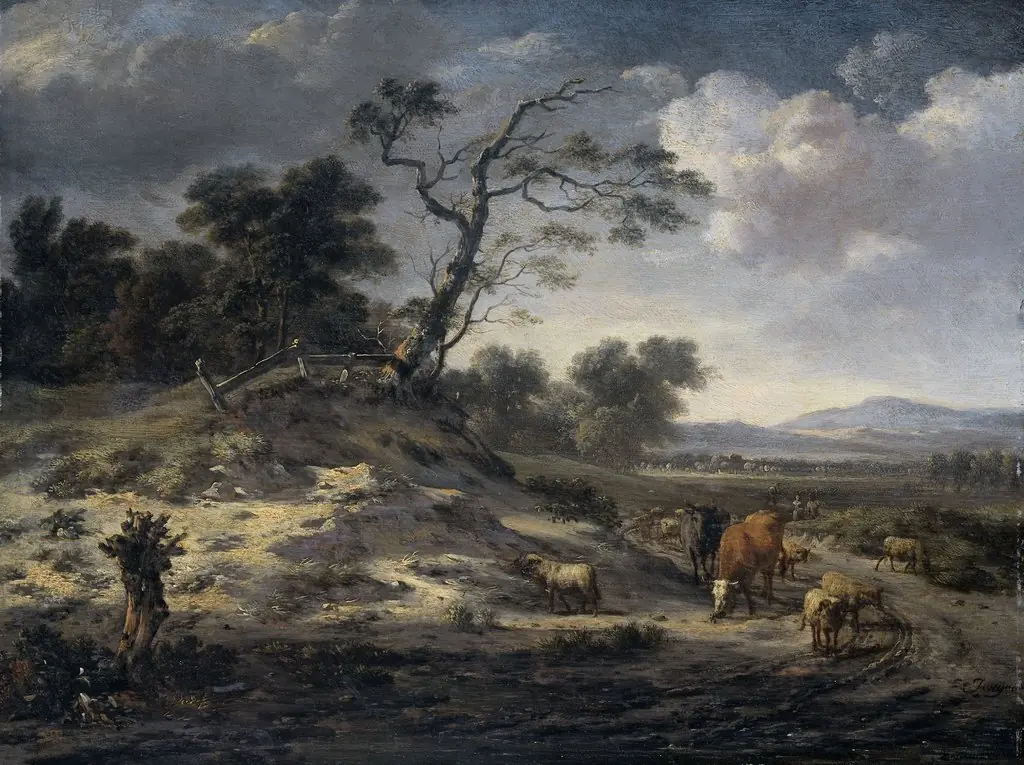
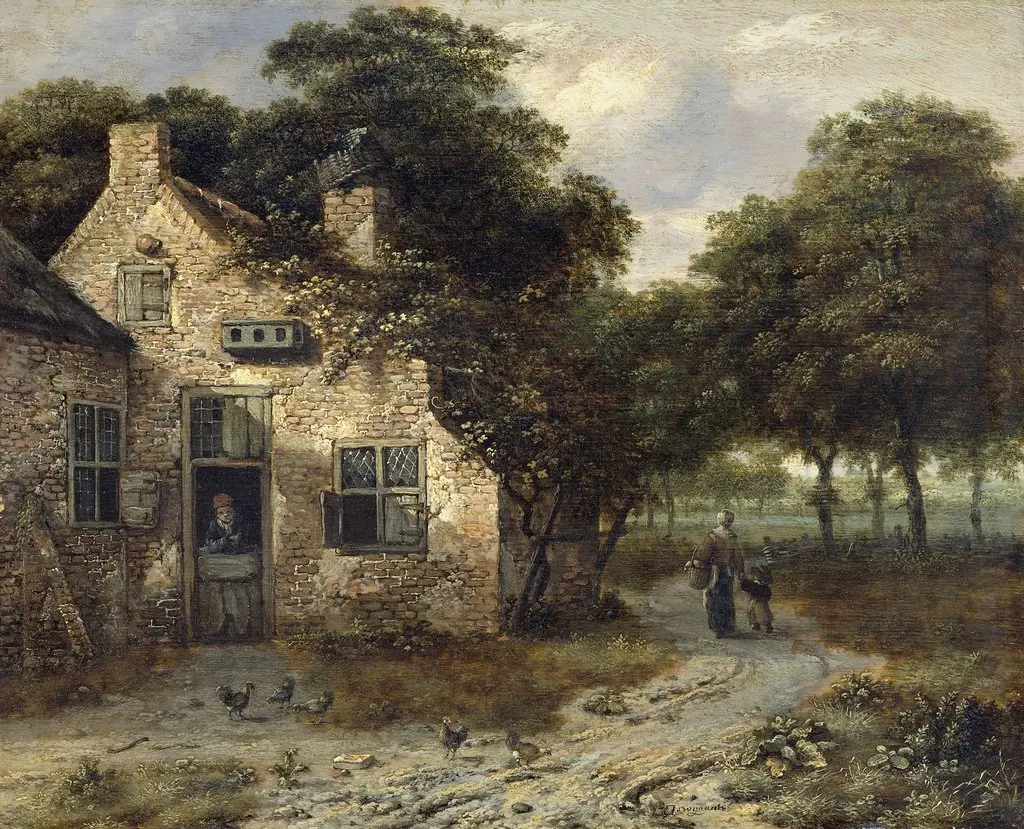
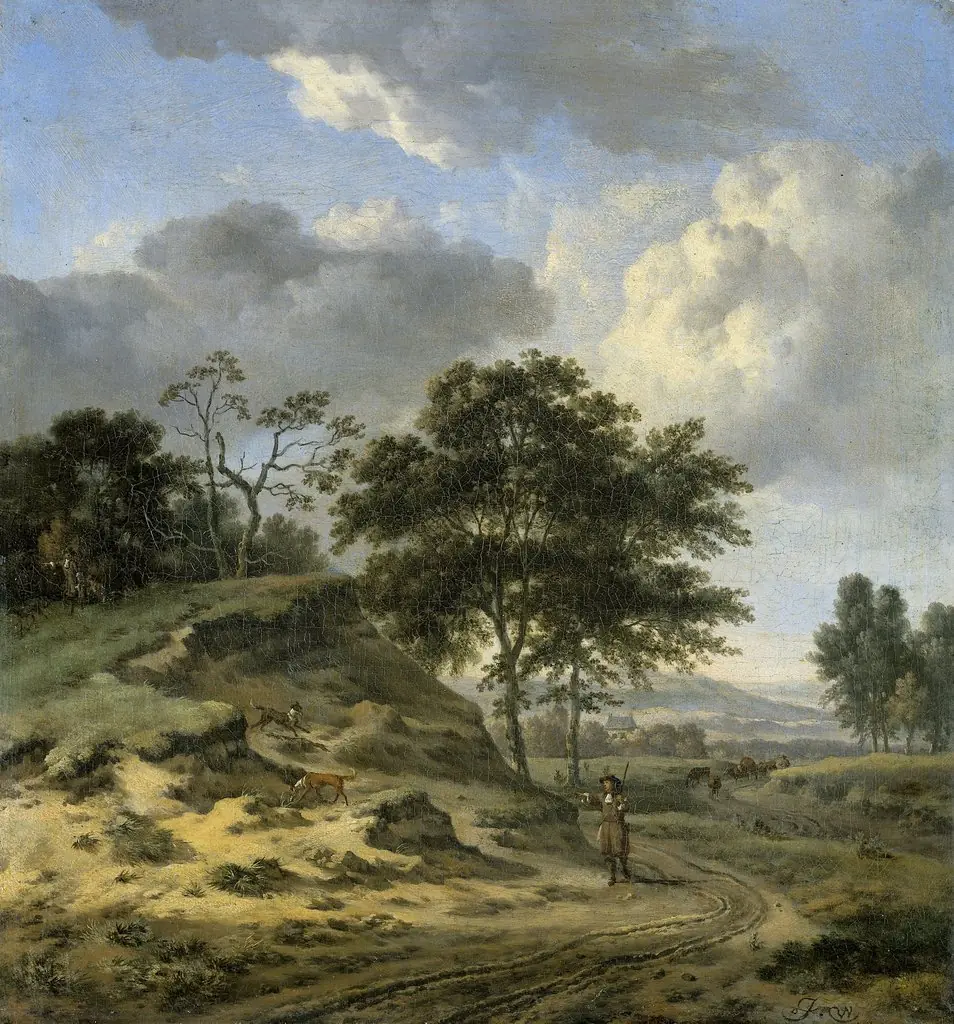
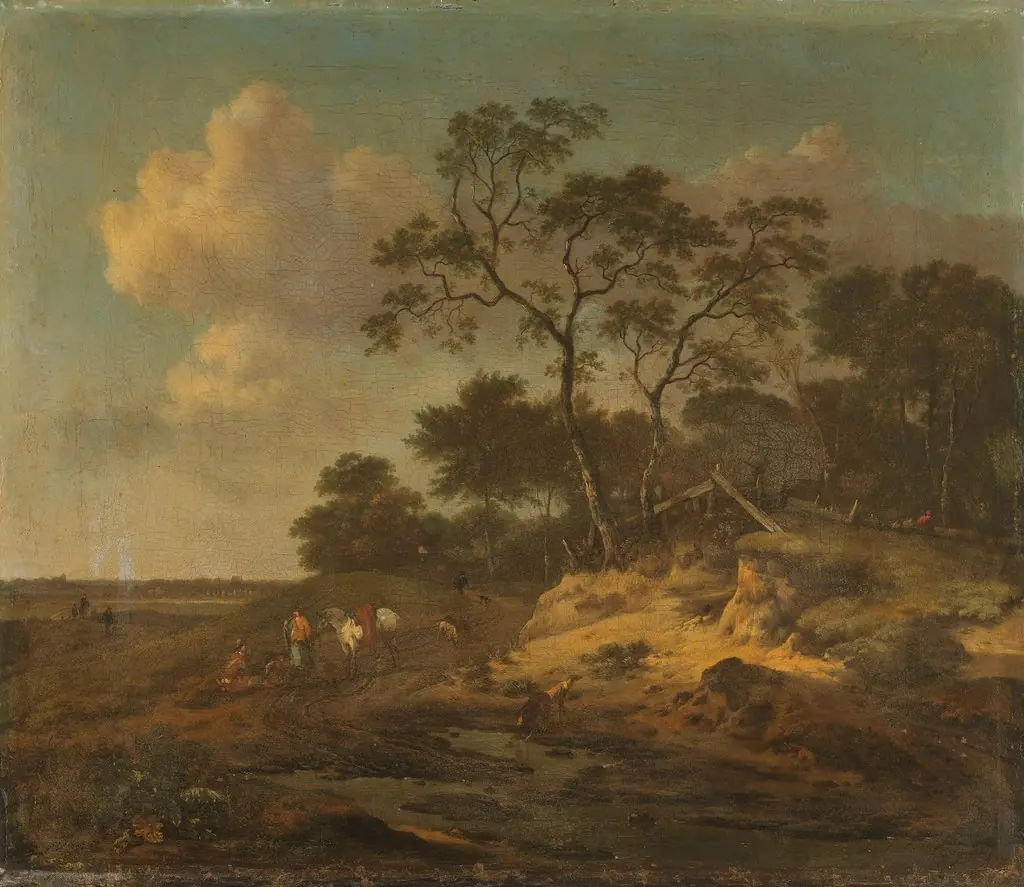
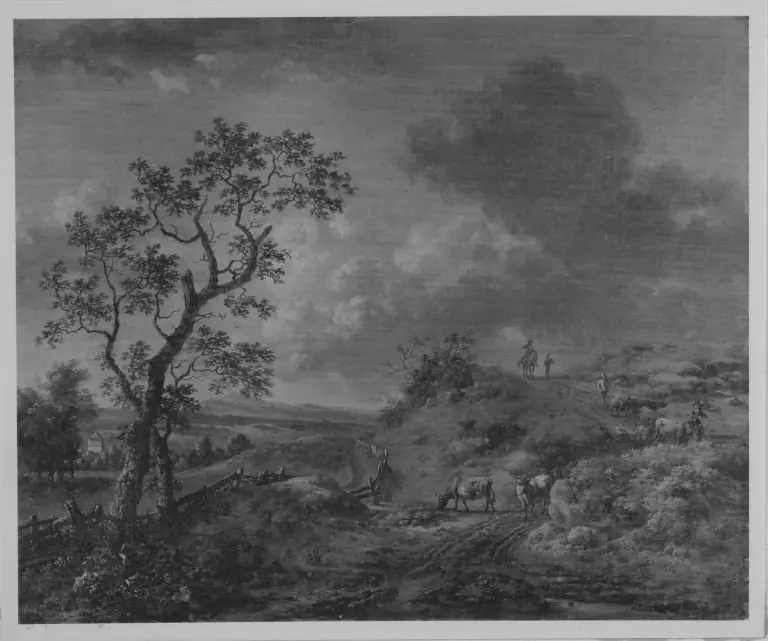
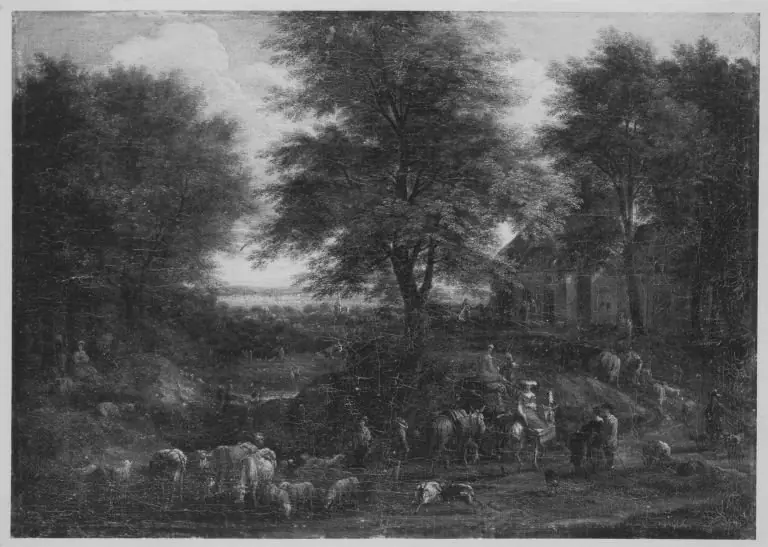
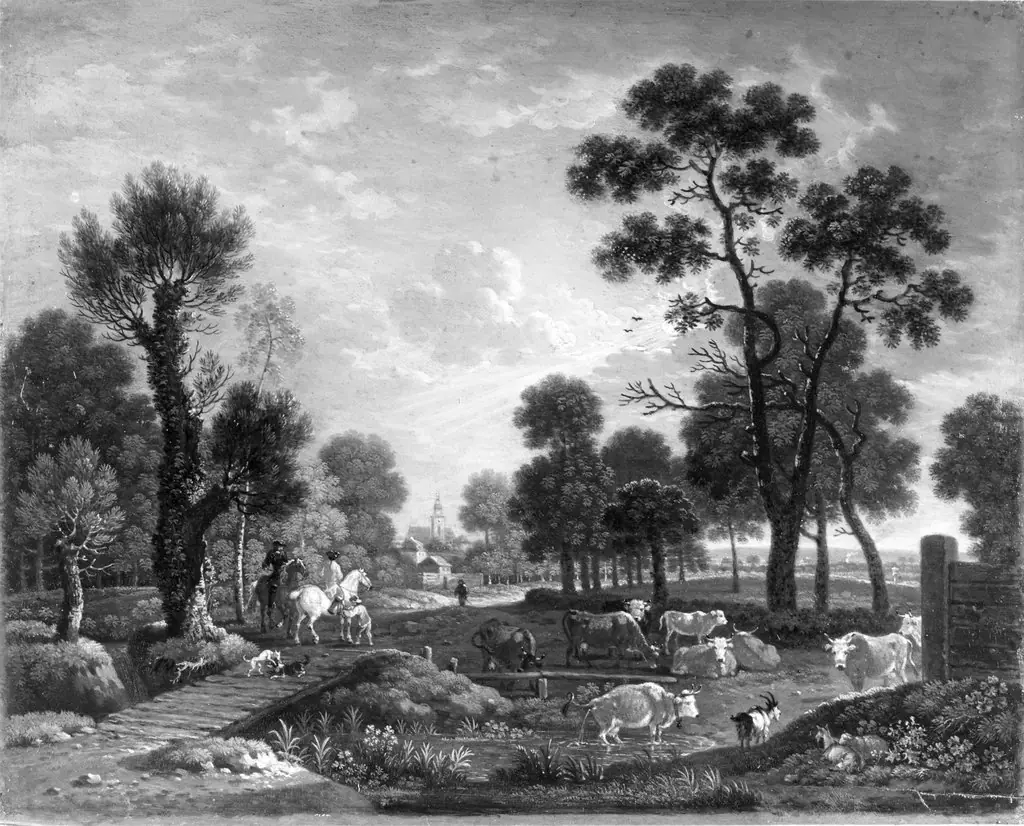
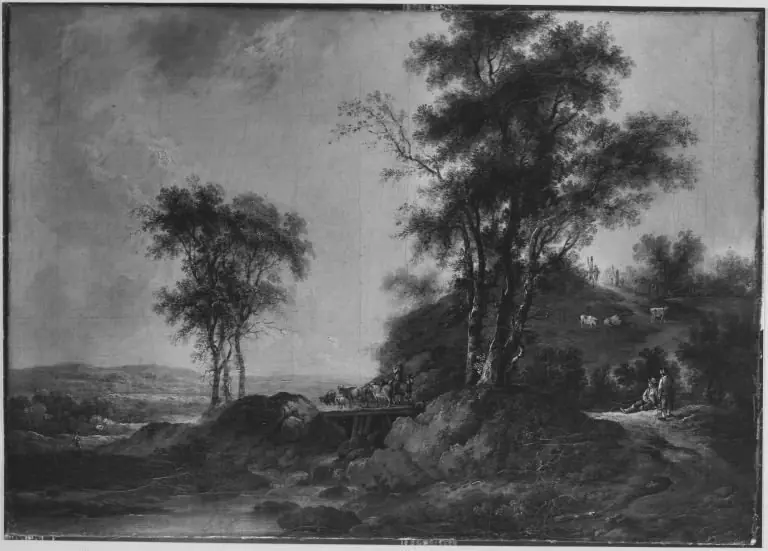
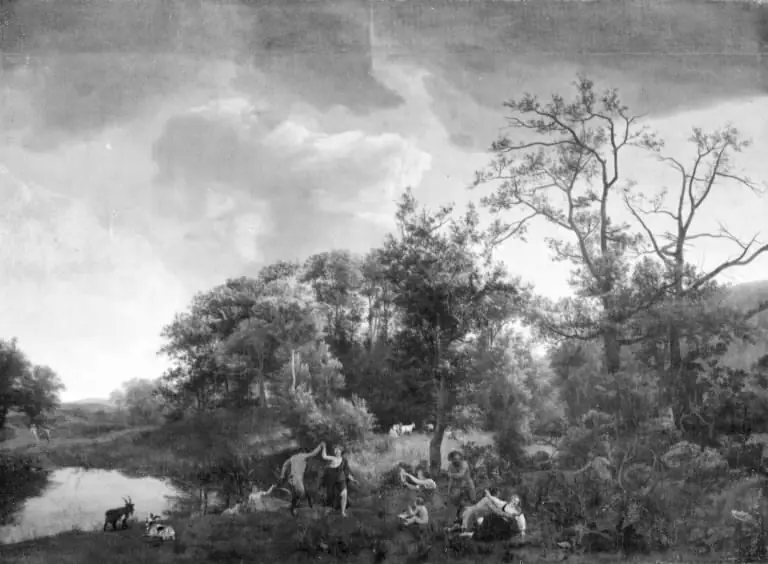
Painted in 1672 by Jan Wijnants, this landscape depicts a quiet rural scene with grazing cattle and distant figures.
Painted in 1672 by Jan Wijnants, this landscape depicts a quiet rural scene with grazing cattle and distant figures. The composition centers on a broad, ancient tree whose limbs rise into a sky filled with soft, drifting clouds. The work is part of the Alte Pinakothek’s collection in Munich, representing a typical Dutch 17th-century approach to naturalistic scenery, emphasizing harmony and subtle atmospheric effects.
Subject & Meaning
The painting presents an uneventful moment in the countryside: cows rest beside a stream, while a pair of figures move slowly along a path. No dramatic events occur; instead, the focus lies in the quiet rhythm of daily rural life. The scene suggests an idealized stillness, reflecting contemporary Dutch values of order, modesty, and harmony with nature rather than narrative or symbolism.
Technique & Style
Wijnants employs delicate chiaroscuro to model forms and suggest depth, particularly in the tree’s trunk and the rolling terrain. Warm, muted earth tones dominate, with soft transitions between light and shadow enhancing the sense of air and distance. The brushwork is restrained, avoiding overt detail in favor of atmospheric cohesion, characteristic of his mature style and the broader Dutch landscape tradition.
History & Provenance
The painting entered the Alte Pinakothek’s holdings in the 19th century as part of the Bavarian royal collection. Its documented history prior to that is limited, though its style aligns with works produced in Amsterdam during the 1670s, when Wijnants was active. It has remained in public ownership since acquisition, with no known major restorations altering its original surface.
Context
Created during the Dutch Golden Age, the work reflects a broader cultural preference for serene, unidealized landscapes over mythological or religious themes. Wijnants, influenced by artists like Meindert Hobbema, contributed to a market for tranquil rural scenes among urban patrons seeking visual respite. The painting’s scale and composition suit domestic interiors, where such images conveyed calm and stability.
Legacy
Though not among Wijnants’ most widely reproduced works, this painting exemplifies his refined approach to light and spatial depth. It remains a representative example of mid-to-late 17th-century Dutch landscape painting, valued for its quiet composition and technical restraint. Its presence in a major European museum underscores its role in documenting the period’s aesthetic priorities.
Artist & collection