Artwork
The Dunes near Haarlem
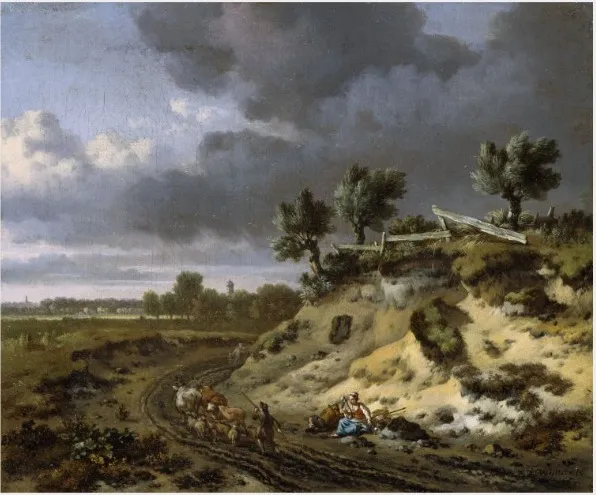
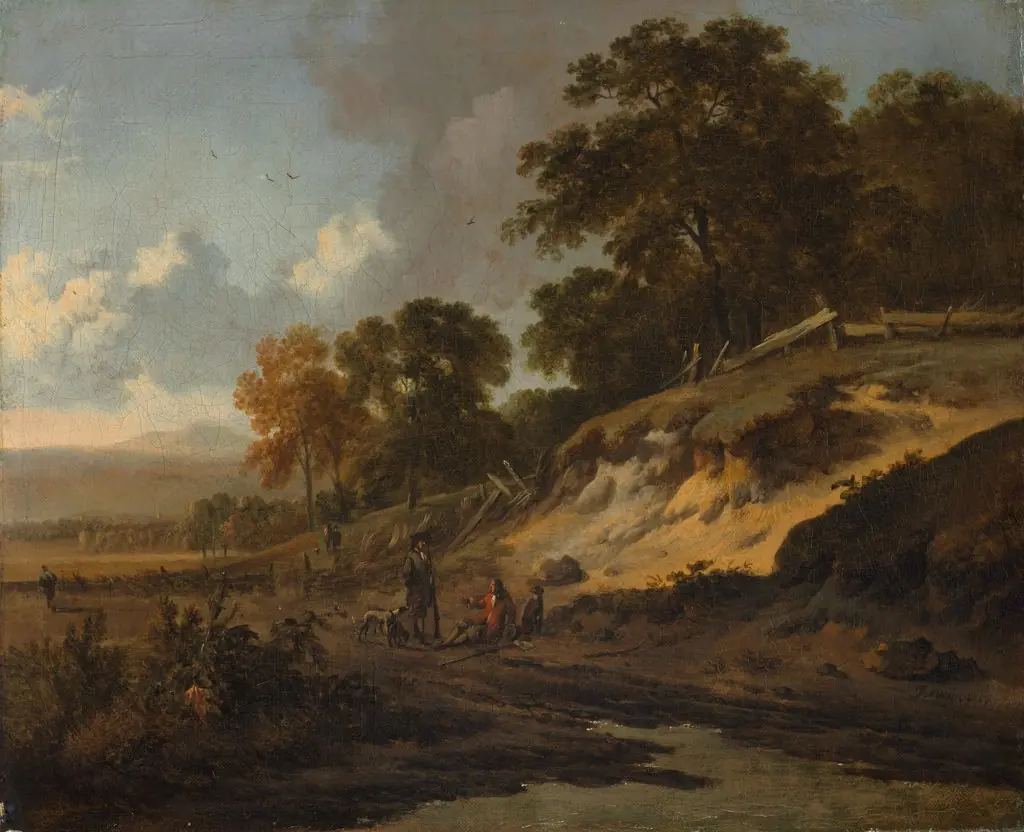
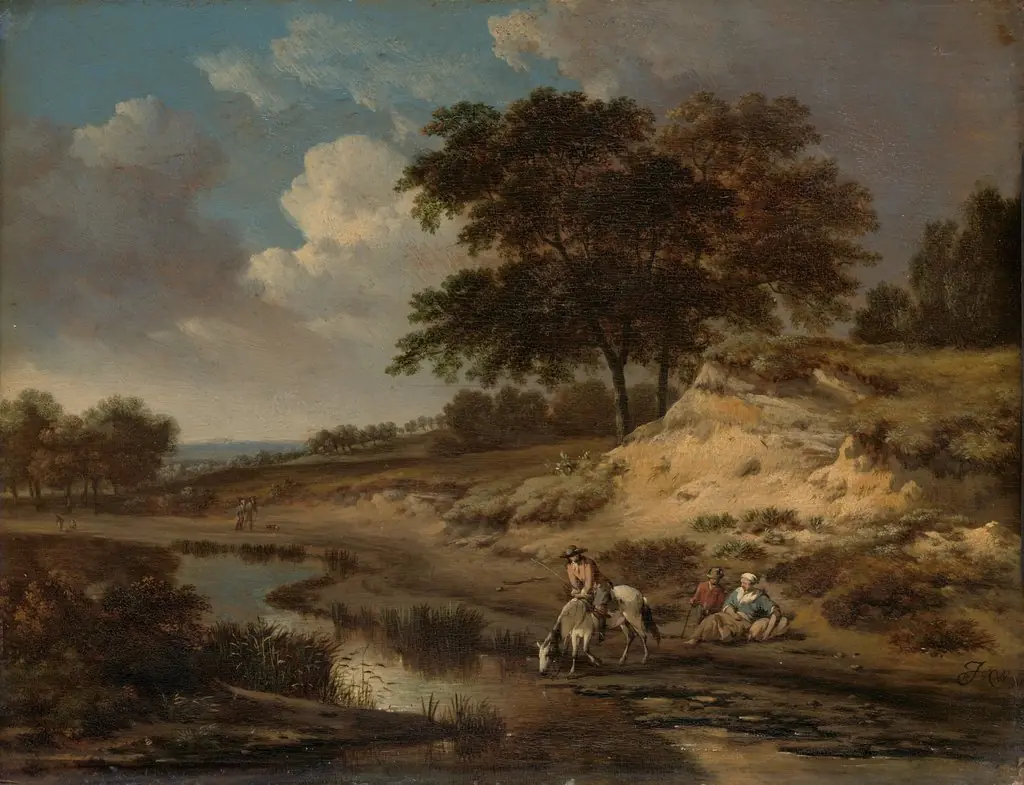
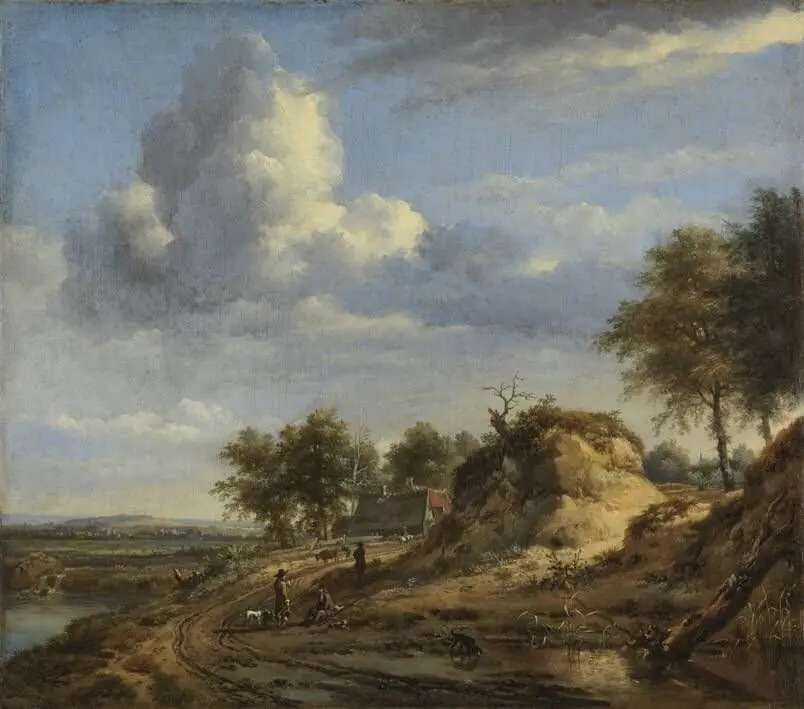
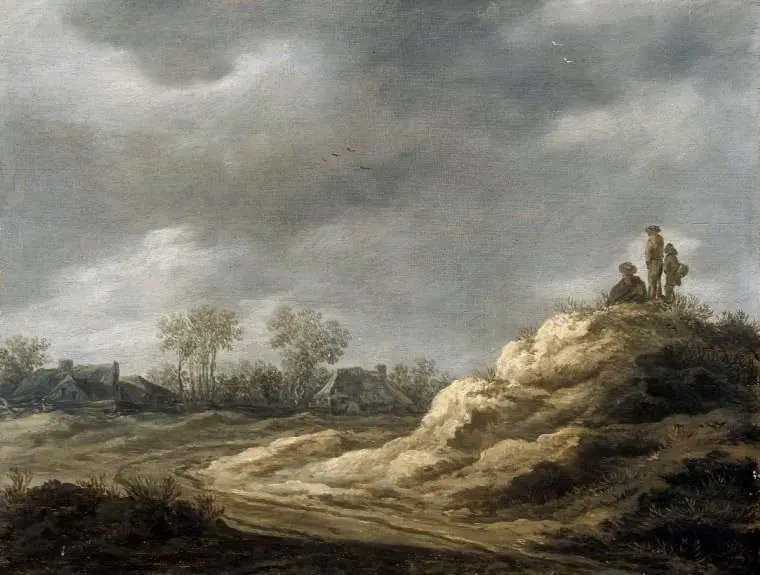
The Dunes near Haarlem is an oil painting by the Dutch Golden Age artist Jan Wijnants. It dates from 1667 and is held in the collection of the National Gallery of Ireland.
About this work
Overview
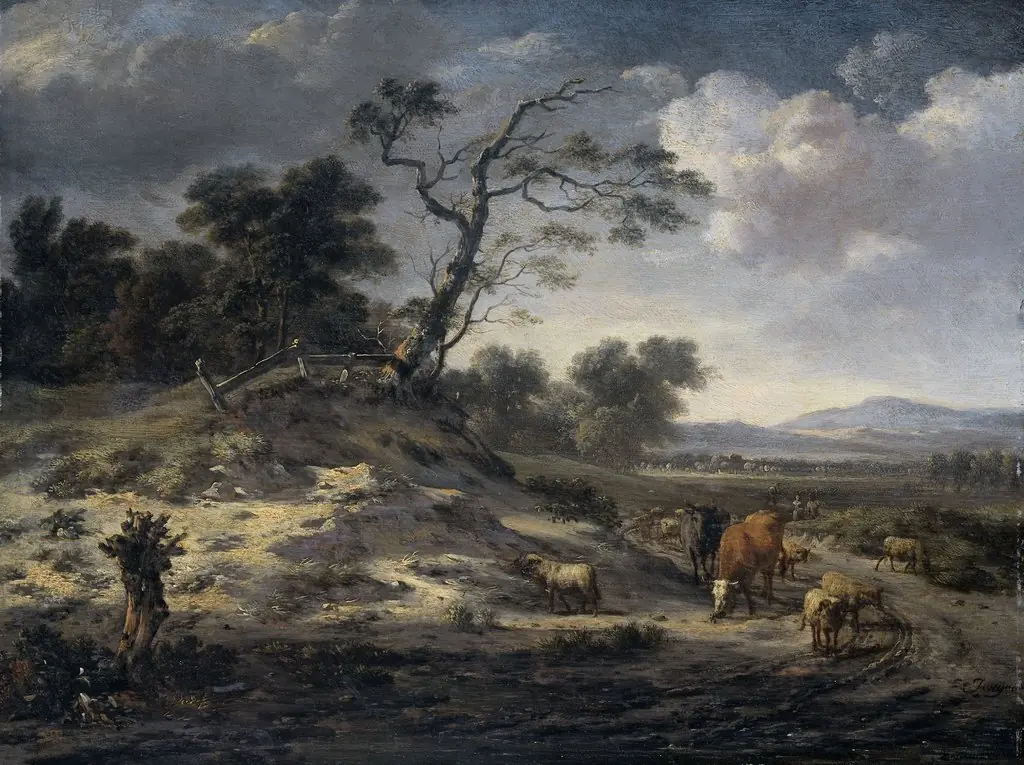
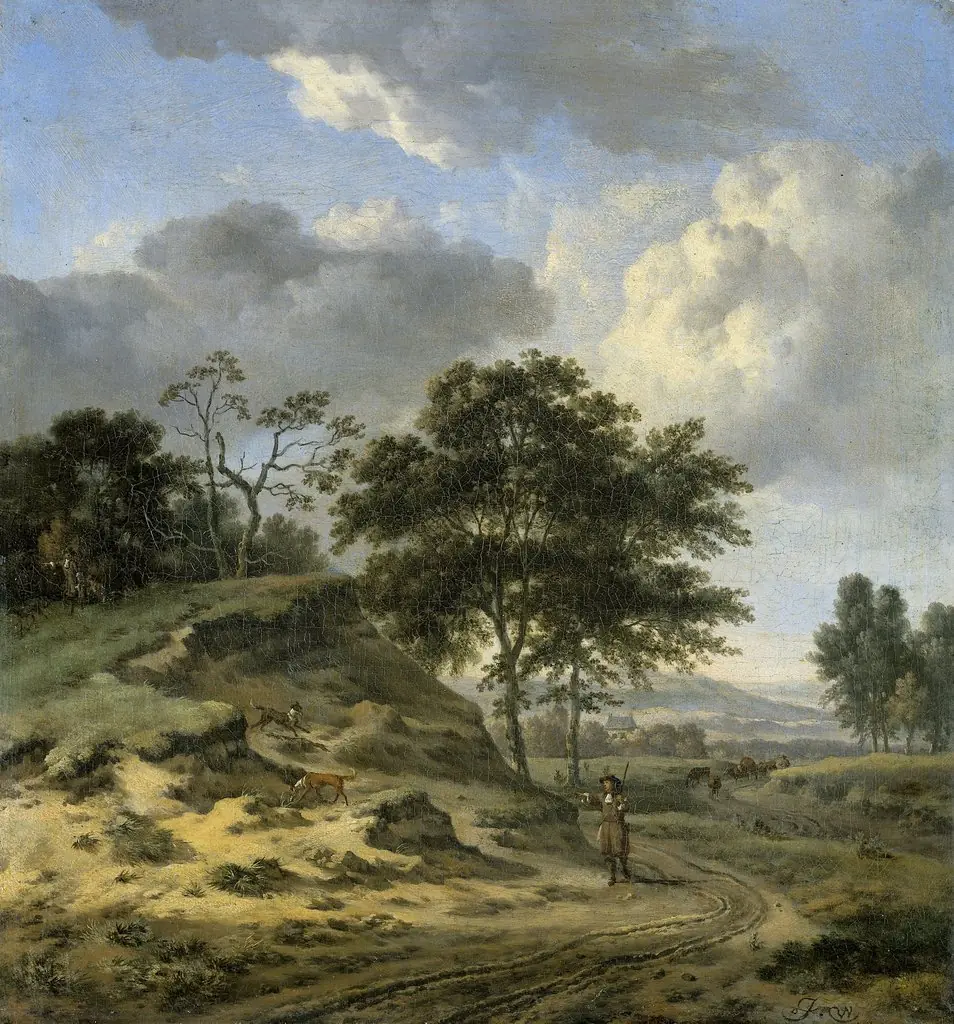
It captures a windswept stretch of coastal terrain near Haarlem, characterized by undulating dunes, sparse vegetation, and a brooding sky.
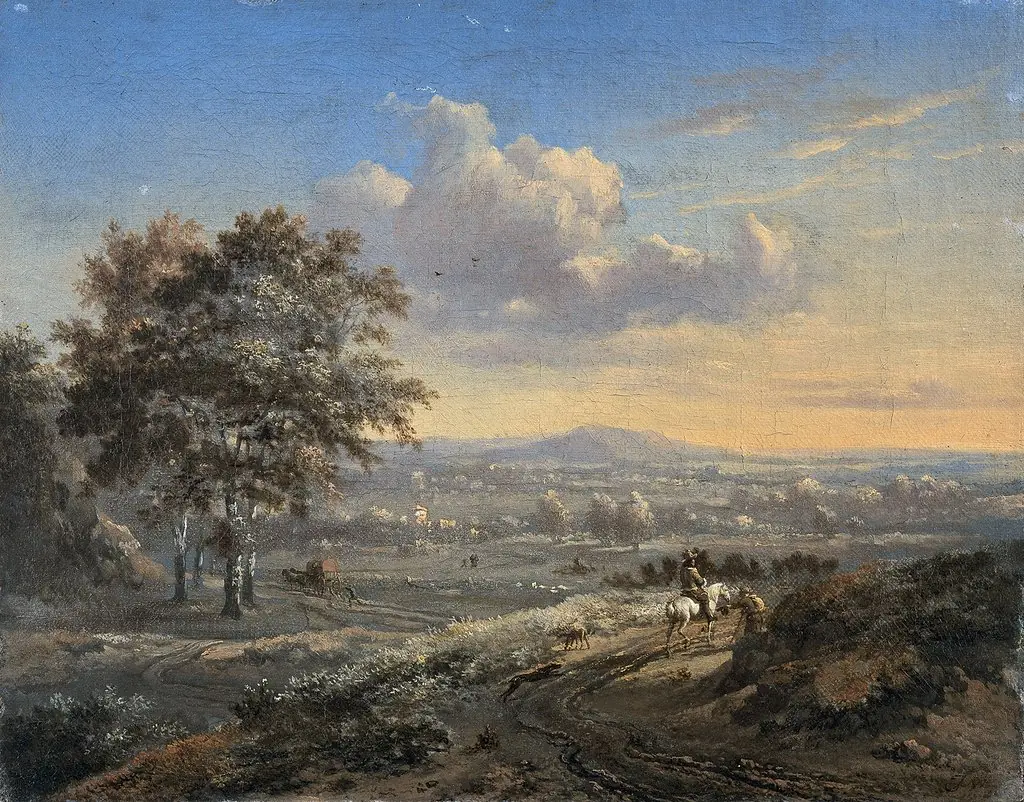
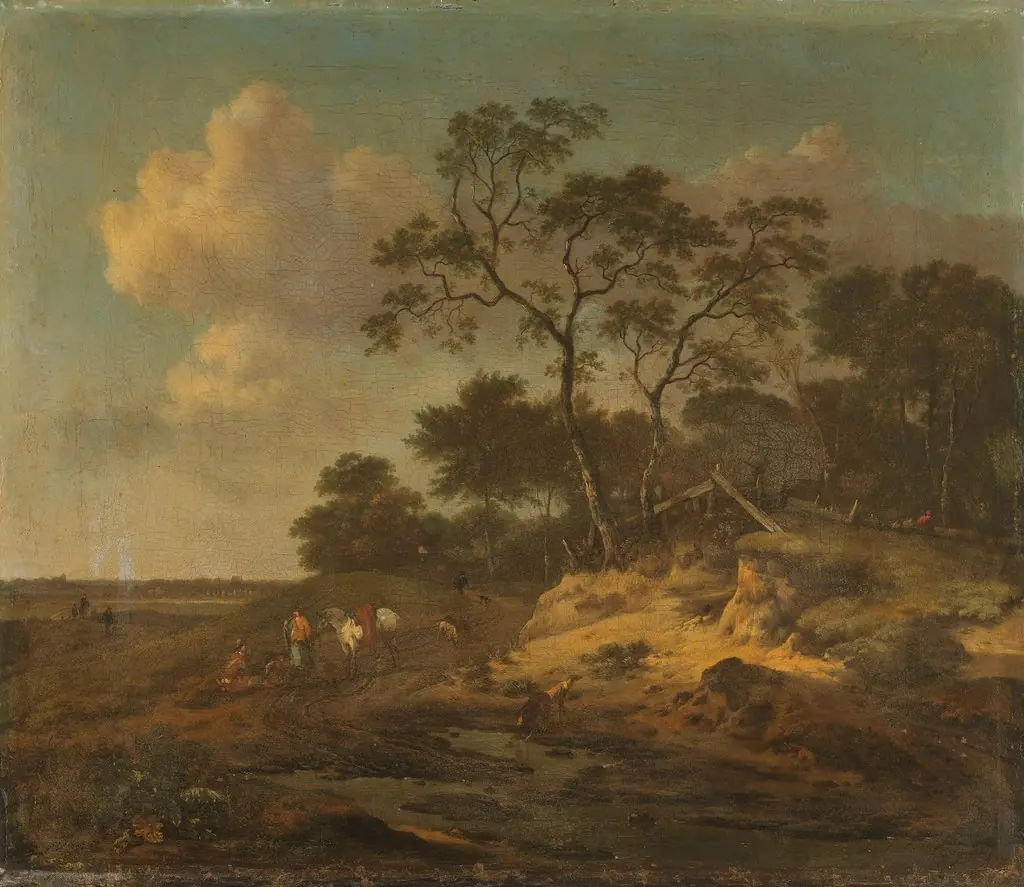
Painted in 1667, The Dunes near Haarlem is an oil-on-canvas landscape by Dutch artist Jan Wijnants. It captures a windswept stretch of coastal terrain near Haarlem, characterized by undulating dunes, sparse vegetation, and a brooding sky. The scene is quiet yet alive with subtle human activity, grounding the natural setting in daily life. The work is part of the collection at the National Gallery of Ireland.
Subject & Meaning
The painting portrays ordinary rural life amid a rugged landscape: a small group gathers near a fire, while two horses haul a cart along a winding path. These figures are not idealized but presented as part of the environment, suggesting themes of labor, rest, and resilience. The composition avoids drama, instead emphasizing the quiet rhythm of existence in a harsh, open terrain.
Technique & Style
Wijnants employs a restrained palette of earth tones—ochres, browns, and muted greens—with cool grays and blues in the sky. He carefully models the dunes with light to suggest texture and volume, particularly where sun catches the sand and rocks. The brushwork is precise yet unobtrusive, favoring atmospheric depth over detail, a hallmark of Dutch landscape tradition.
History & Provenance
Created in 1667 during the height of Dutch landscape painting, the work entered the National Gallery of Ireland’s collection in the 19th century. Its provenance before that is not fully documented, but it aligns with the market for small-scale, naturalistic scenes favored by Dutch collectors of the period. The painting has remained in public ownership since its acquisition.
Context
Wijnants worked within a Dutch tradition that valued truthful observation of the natural world. Unlike grand historical or mythological scenes, this painting reflects the growing interest in everyday environments—dunes, heaths, and rural paths—as worthy subjects. Its subdued tone and focus on light echo the work of contemporaries like Jacob van Ruisdael.
Legacy
The Dunes near Haarlem exemplifies the quiet realism of mid-17th-century Dutch landscape art. While not widely known outside academic circles, it contributes to the understanding of how artists rendered ordinary terrain with sensitivity to light and atmosphere. It remains a representative example of a genre that shaped European landscape painting for generations.
Artist & collection