Artwork
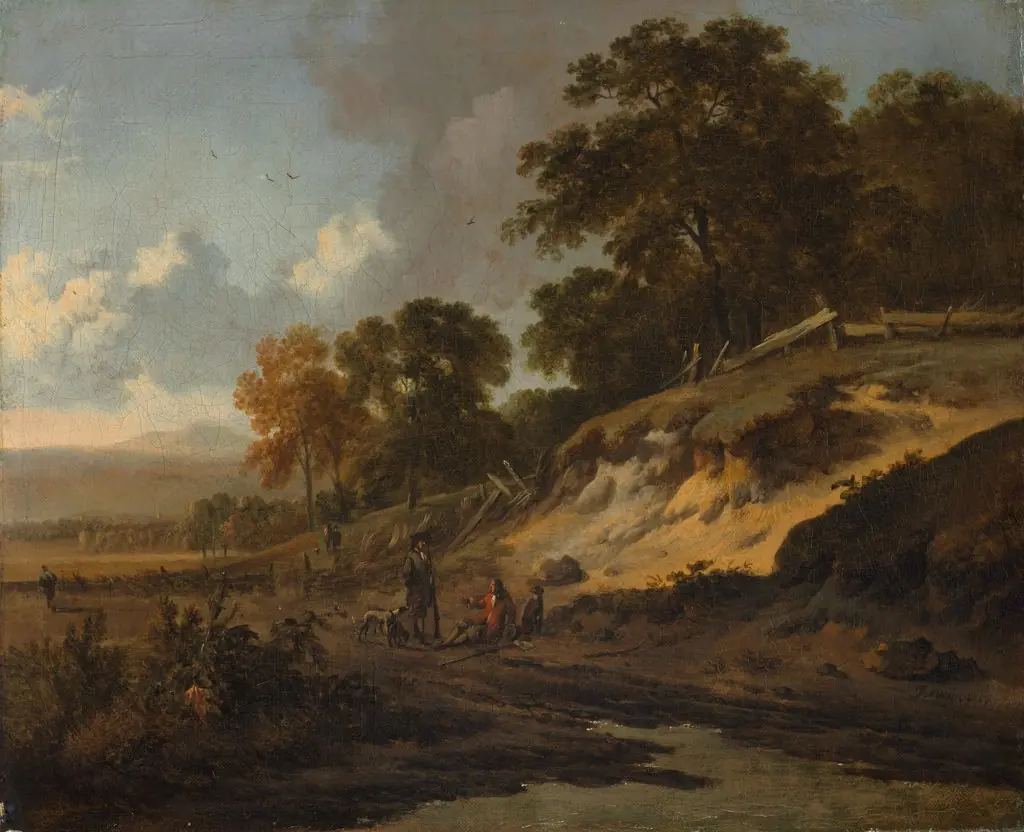
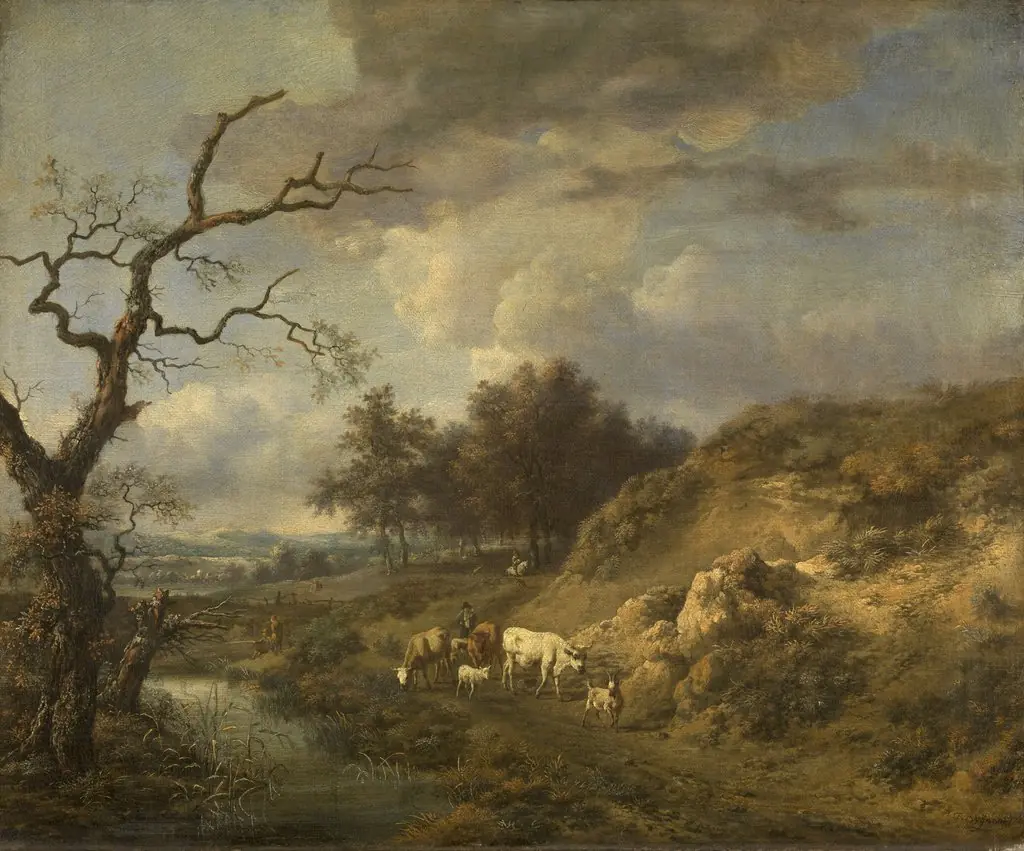
Weg am Dünenrand
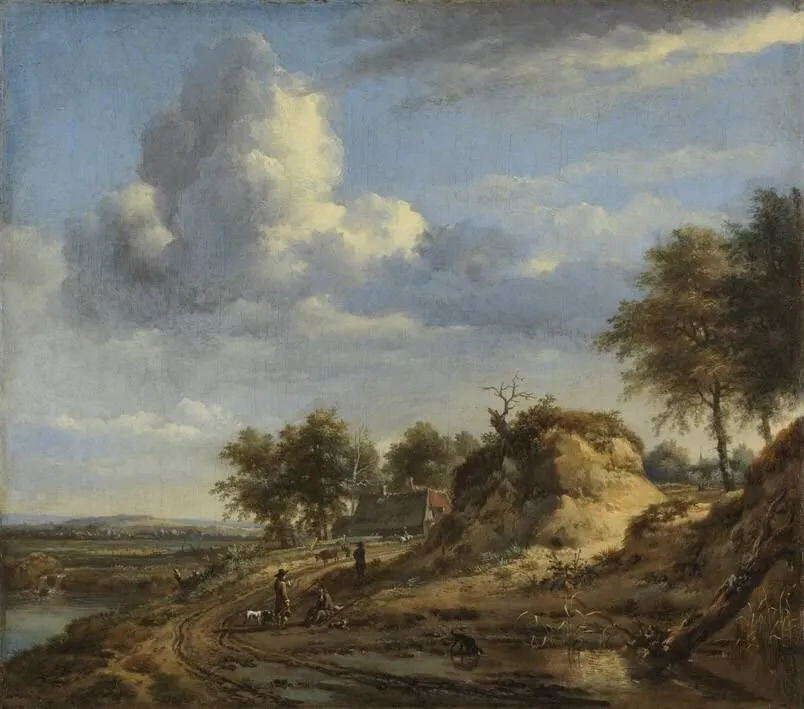
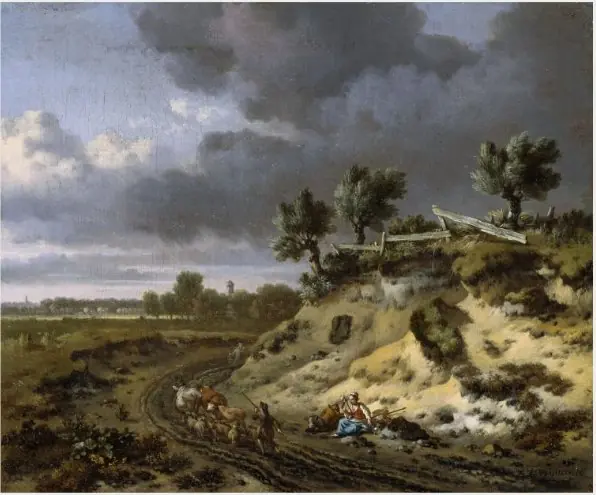
Weg am Dünenrand is an unspecified painting by the Dutch Golden Age artist Jan Wijnants. It dates from 1665 and is held in the collection of the Bavarian State Painting Collections.
About this work
Overview
Weg am Dünenrand is a 17th-century landscape painting by Dutch artist Jan Wijnants, executed in 1665. The work is part of the collection at the Alte Pinakothek.
Subject & Meaning
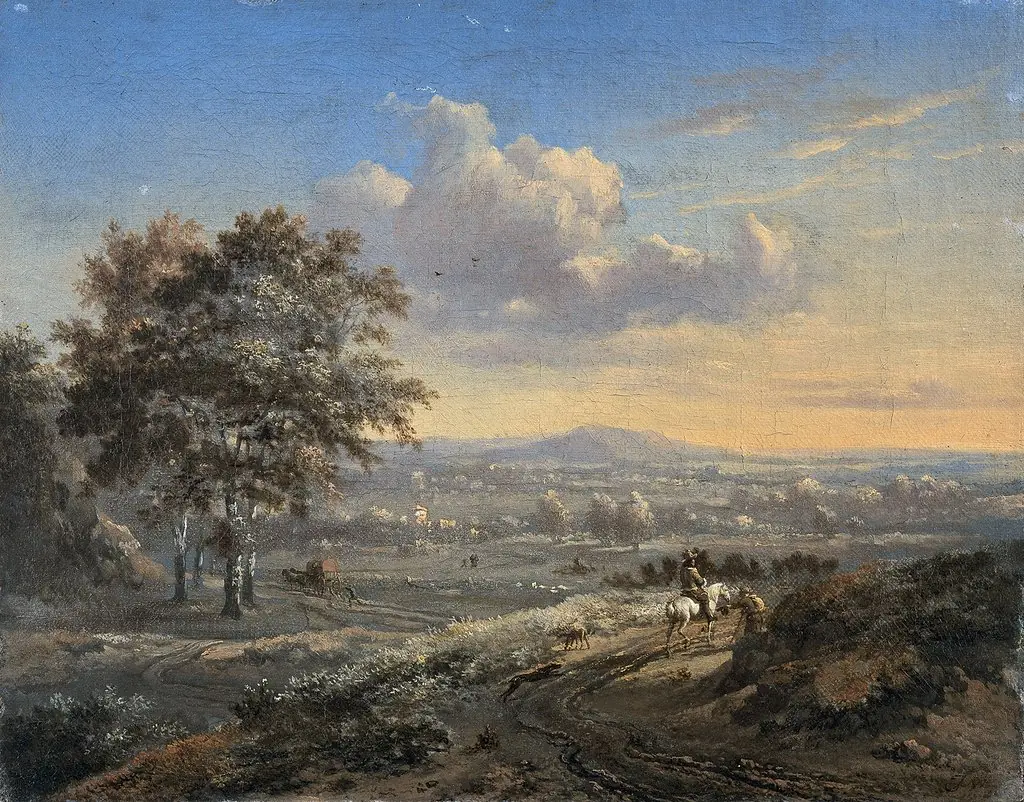
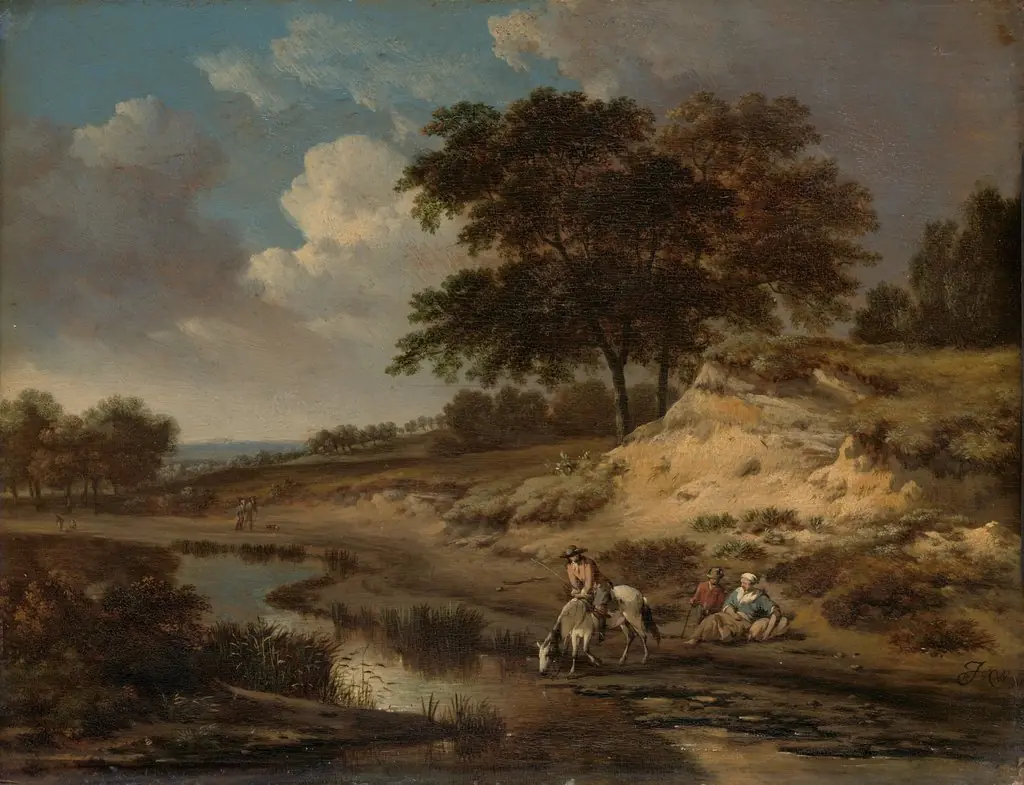
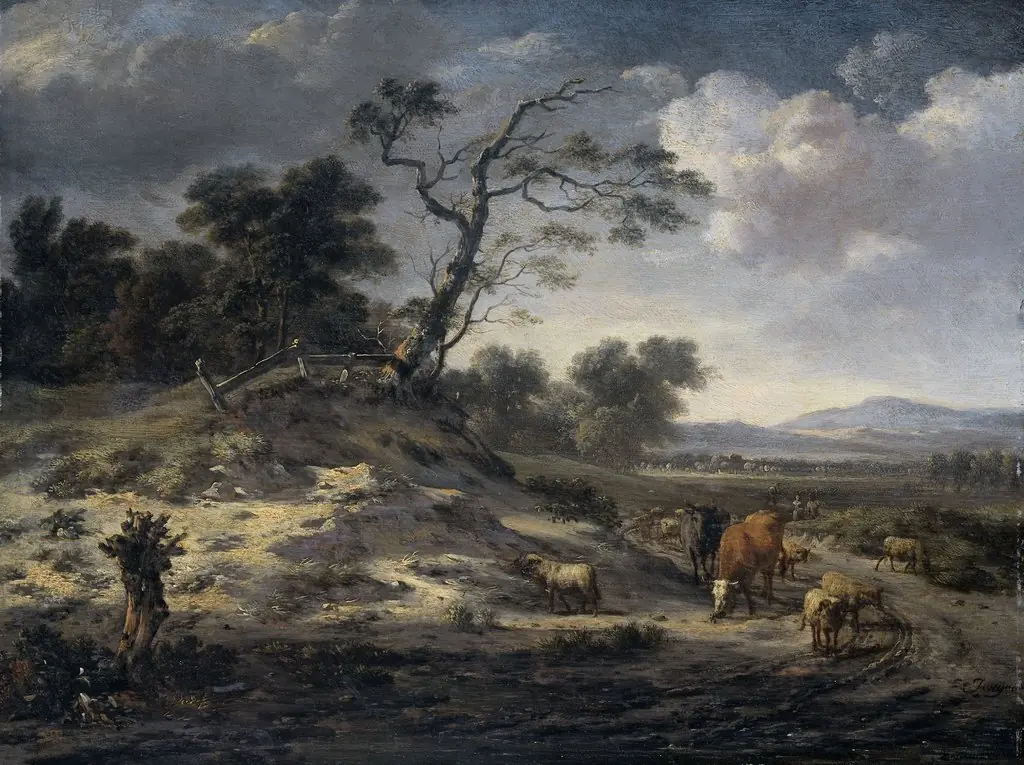
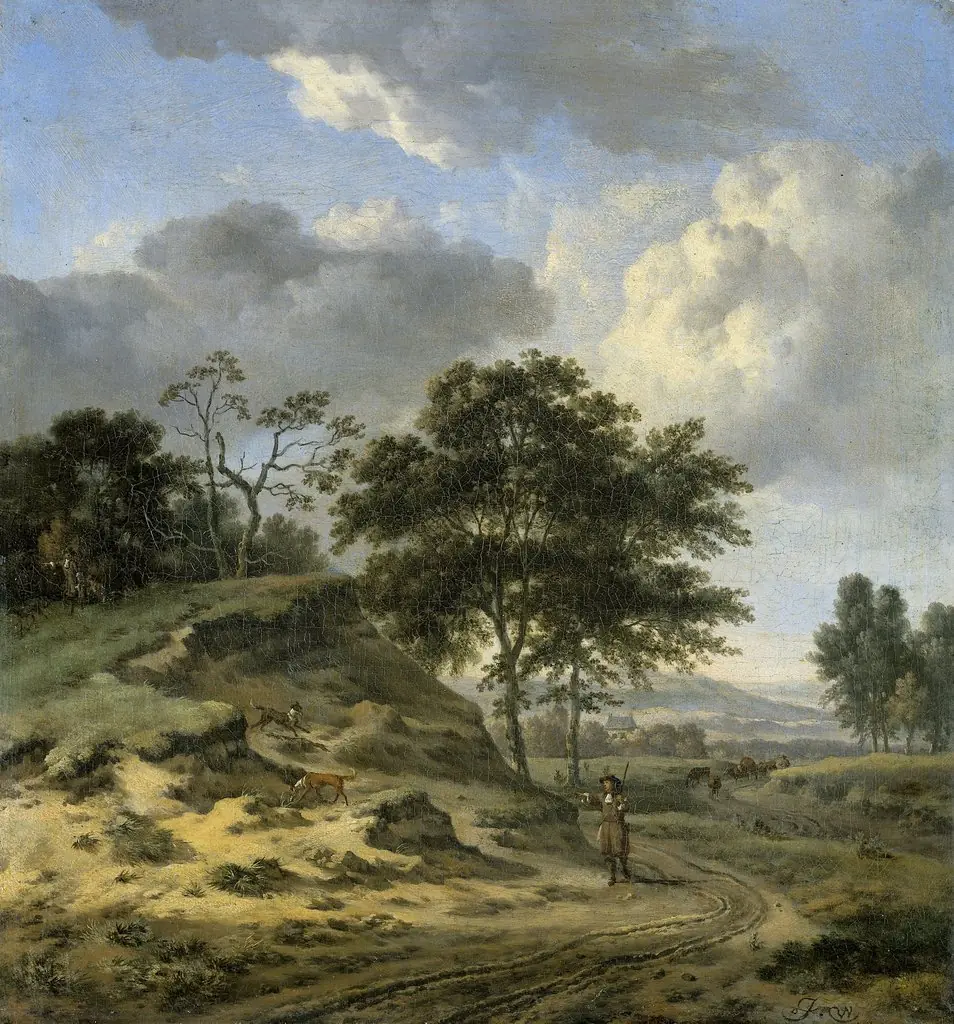
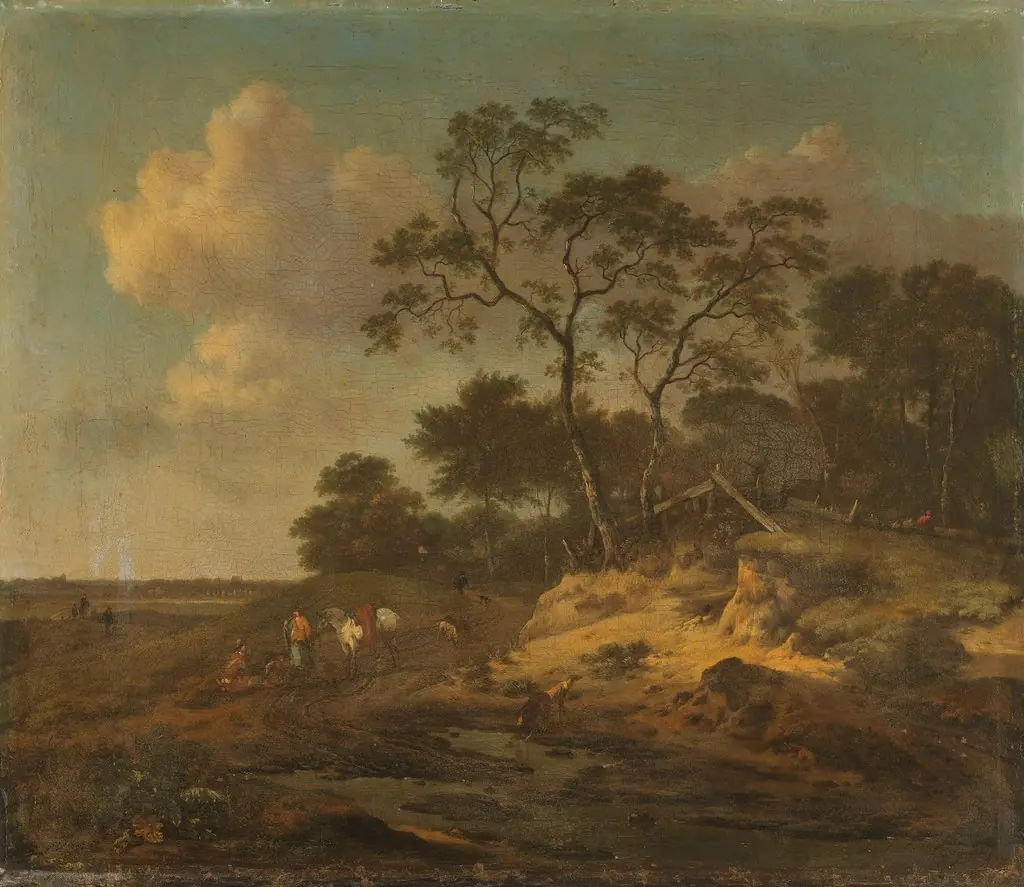
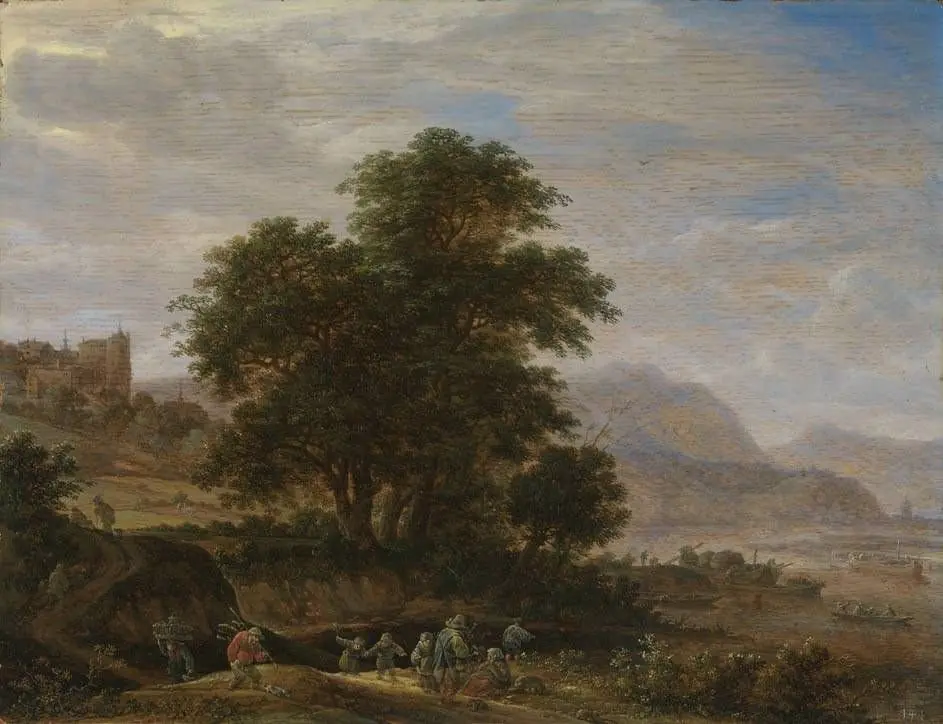
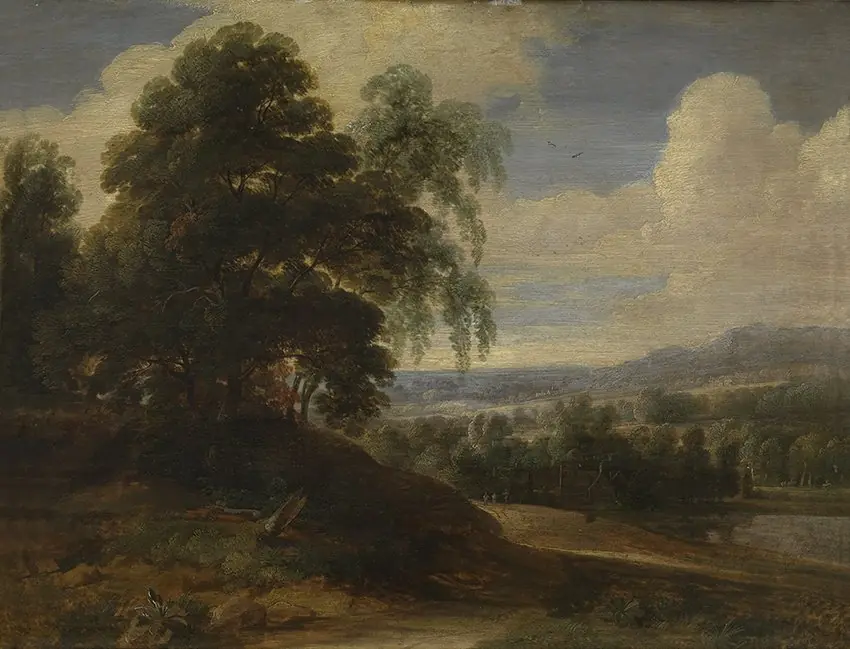
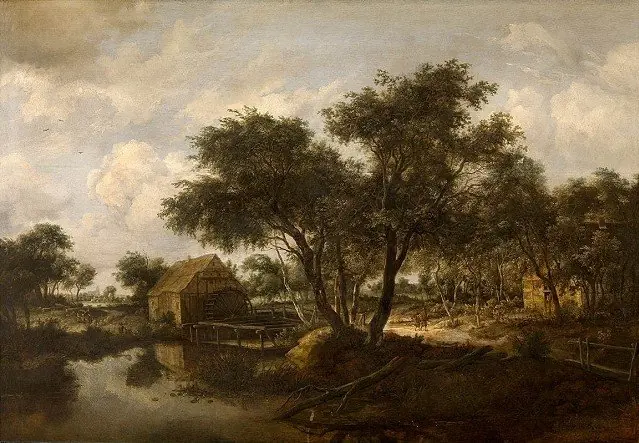
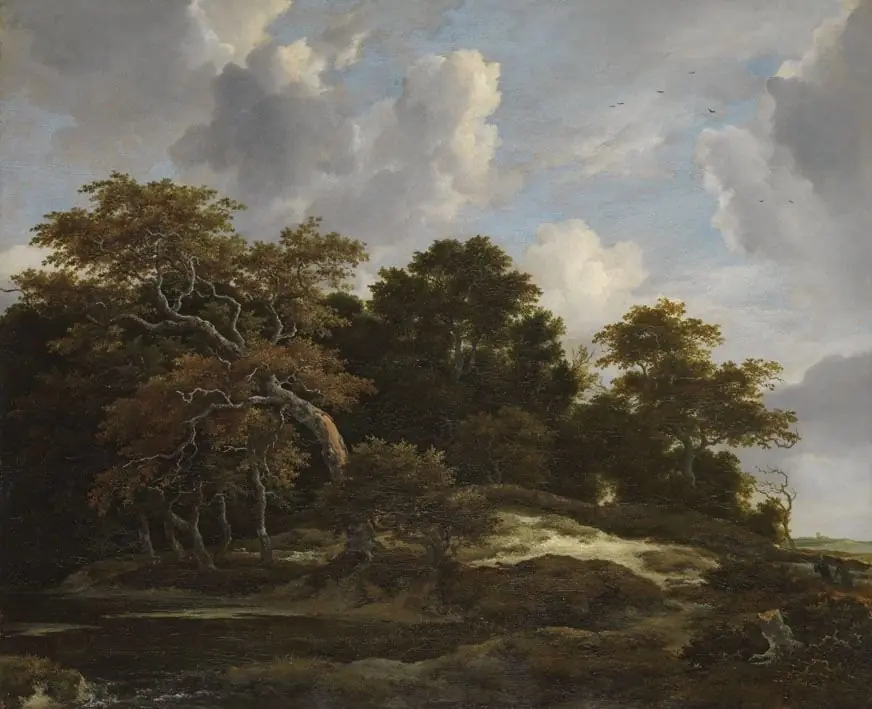
The painting depicts a serene rural landscape with a winding dirt road, sparse figures, and animals engaged in everyday activities. A distant small house and hill complete the tranquil scene, set against a dynamically contrasting sky.
Technique & Style
Wijnants employs a striking interplay of light and shadow to create depth and vitality. The juxtaposition of dark clouds with a bright sunlit area, alongside shaded and illuminated road sections, exemplifies the use of chiaroscuro.
History & Provenance
Created in 1665, the painting's history prior to its acquisition by the Alte Pinakothek is not detailed here. It has been part of the museum's collection.
Context
As a Dutch landscape of the 17th century, Weg am Dünenrand reflects the period's emphasis on capturing the everyday and the natural world. The artist's approach to light and shadow situates the work within broader European artistic trends of the time.
Legacy
While specific influences or direct artistic lineage are not highlighted, the painting's effective use of chiaroscuro contributes to its place within the tradition of Dutch Golden Age painting, notable for its innovative lighting techniques.
Artist & collection