Artwork
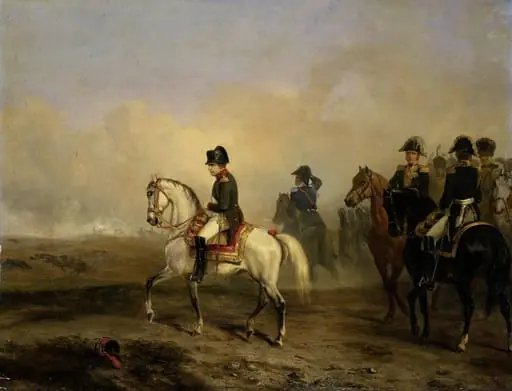
The Prince of Orange at Quatre Bras, 16 June 1815
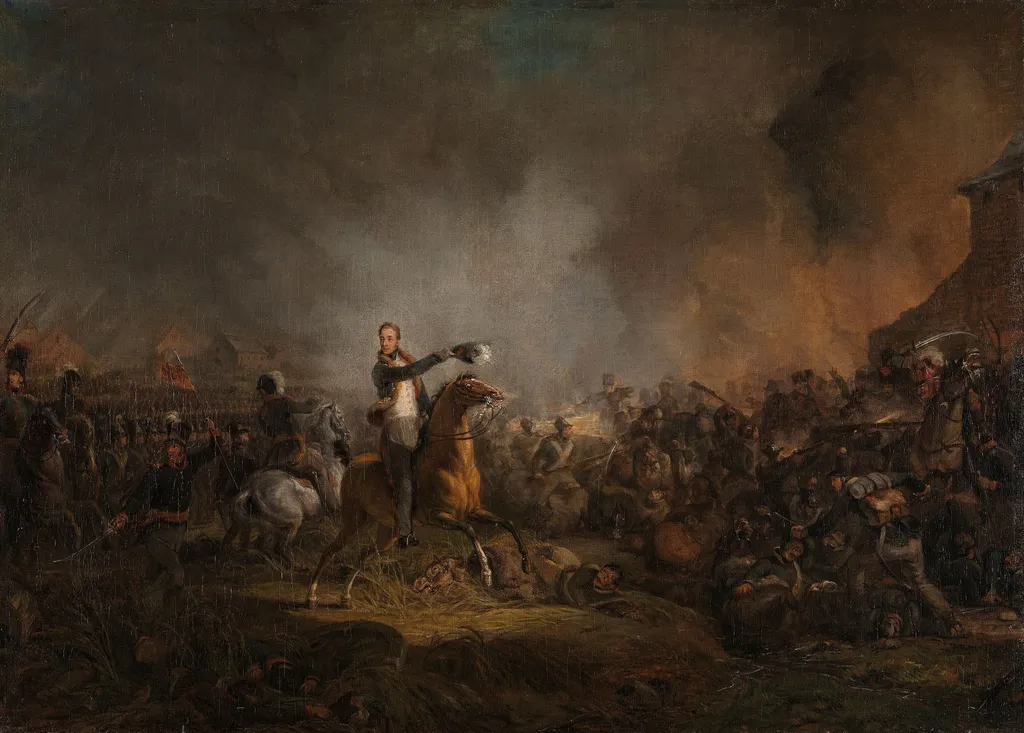
The Prince of Orange at Quatre Bras, 16 June 1815 is an oil painting by Jan Willem Pieneman. It dates from 1817 and is held in the collection of the Rijksmuseum.
About this work
This painting shows a moment from a big battle in 1815. Jan Willem Pieneman painted it in oil. The scene is from the Battle of Quatre Bras, two days before Waterloo.
The young Prince of Orange led troops that day. He was just 23, in charge of a whole corps. The Allies included Dutch and British soldiers.
The artist later made more battle scenes. Try this next: artist: Jan Willem Pieneman.
Overview
Painted in 1818 by Dutch artist Jan Willem Pieneman, this oil on canvas depicts a pivotal moment during the Battle of Quatre Bras.
Painted in 1818 by Dutch artist Jan Willem Pieneman, this oil on canvas depicts a pivotal moment during the Battle of Quatre Bras. The scene captures the young Prince of Orange, William, then 23, directing Allied forces amid the chaos of combat. The work was commissioned to commemorate Dutch participation in the Napoleonic Wars and reflects the political climate of the newly formed United Kingdom of the Netherlands.
Subject & Meaning
The painting centers on Prince William, who commanded a mixed corps of Dutch and British troops during the battle. Though wounded, he remained on horseback, symbolizing resolve under fire. The composition emphasizes leadership and duty, portraying him as a unifying figure amid a multinational force. It was intended to legitimize the Dutch monarchy’s role in the broader European coalition against Napoleon.
Technique & Style
Pieneman employed a dramatic, theatrical style typical of early 19th-century historical painting. Figures are arranged in a dynamic diagonal composition, with clear lighting highlighting the prince’s figure. The brushwork is precise in rendering uniforms and weaponry, while the background suggests swirling motion through loose strokes. The palette is restrained, dominated by earth tones and muted military colors.
History & Provenance
Commissioned by the Dutch government shortly after the battle, the painting was displayed in royal and public spaces to reinforce national identity. It entered the collection of the Rijksmuseum in the 19th century, where it remains. Pieneman later produced other works on the Waterloo campaign, establishing himself as a chronicler of Dutch military history during the post-Napoleonic era.
Context
The Battle of Quatre Bras was part of Napoleon’s final offensive in 1815. The newly created United Kingdom of the Netherlands, formed by the Congress of Vienna, sought to assert its legitimacy through public art. This painting served both as a historical record and a political statement, aligning the Dutch royal family with the victorious Allied cause and reinforcing their place in post-war Europe.
Legacy
Pieneman’s work became a reference point for Dutch military iconography in the 19th century. While later historians questioned its romanticized portrayal, the painting endured as a symbol of national sacrifice and leadership. It influenced subsequent official battle depictions and remains a key visual document of the Netherlands’ role in the Napoleonic Wars.
Own this work as a print
Artist & collection

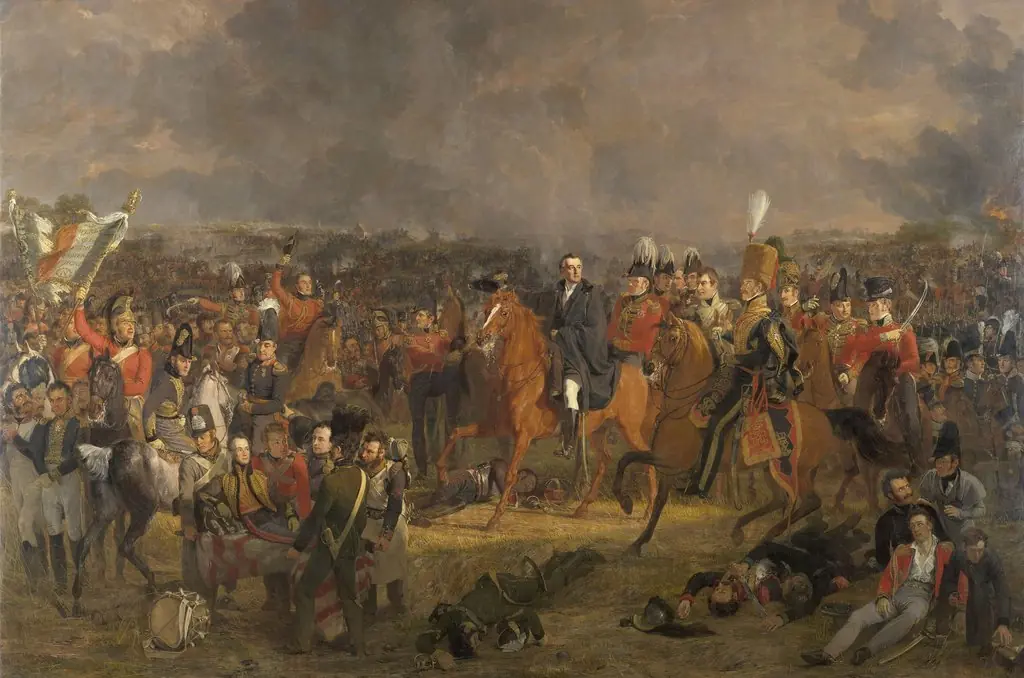 The Battle of Waterloo
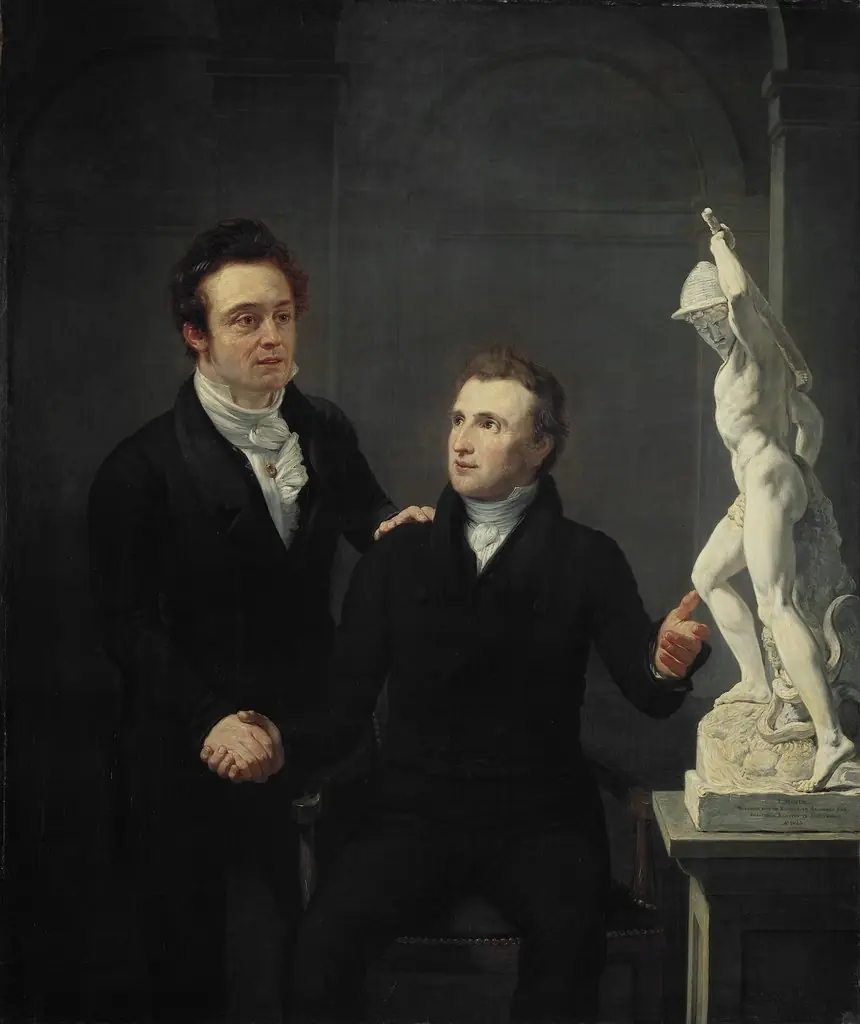 Louis Royer, sculptor, and Albertus Bernardus Roothaan, stockbroker, friend of the arts, and patron of the sciences
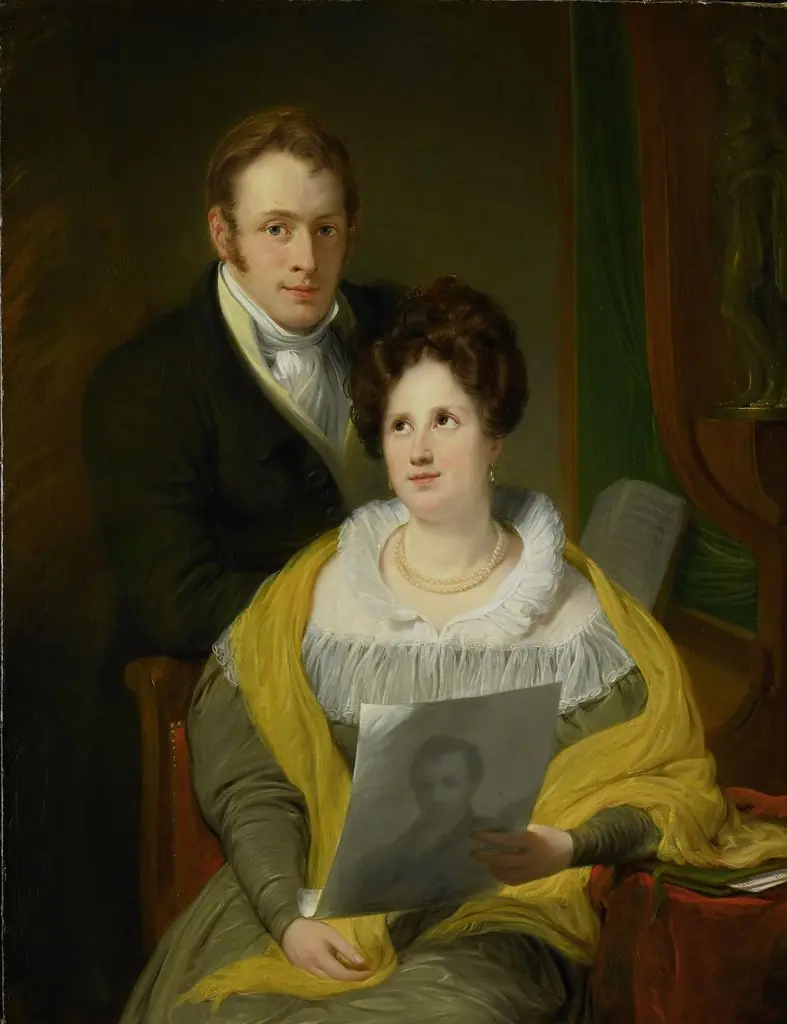 Portrait of a Woman and a Man
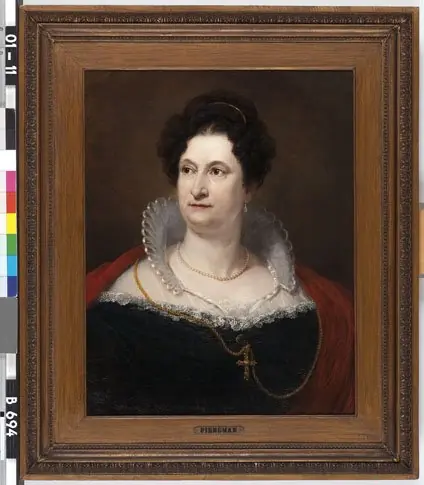 Joanna Cornelia Ziesenis-Wattier (1762–1827). Toneelspeelster
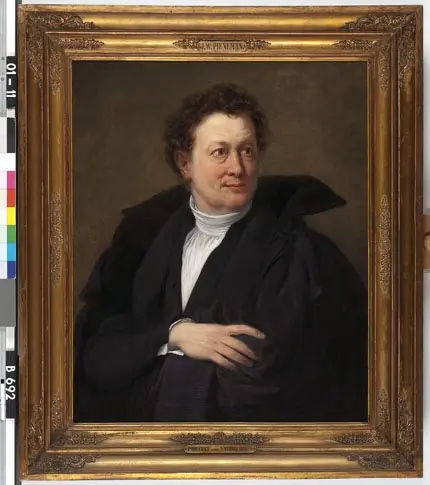 Andries Snoek (1766–1829). Toneelspeler
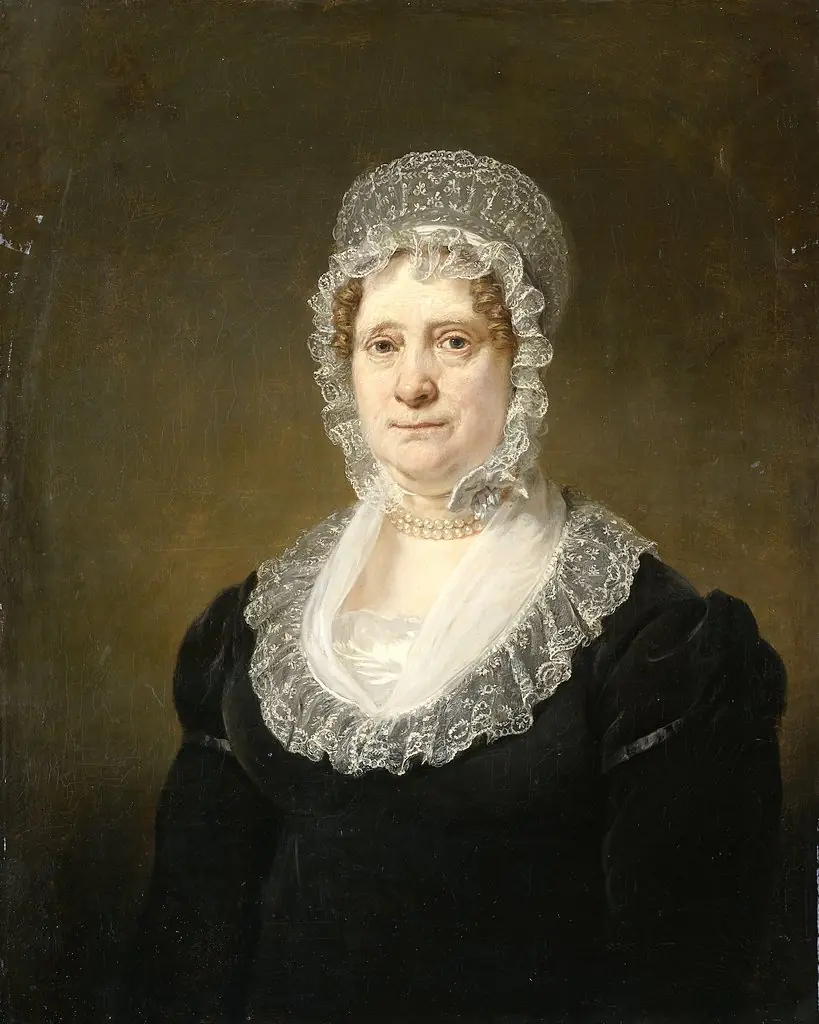 Portrait of Sara de Haan, Widow of the Amsterdam Underwriter Cornelis Hartsen
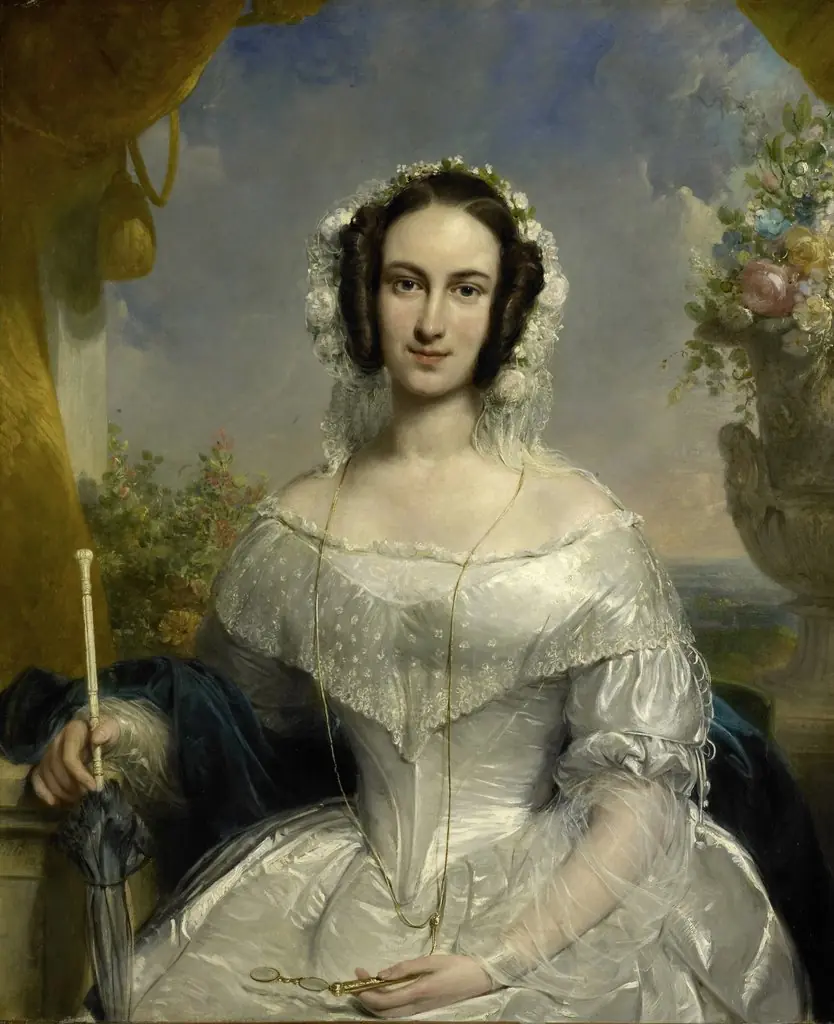 Agatha Petronella Hartsen (1814-78). In bruidstoilet ter gelegenheid van haar huwelijk met Jan van der Hoop op 17 maart 1841
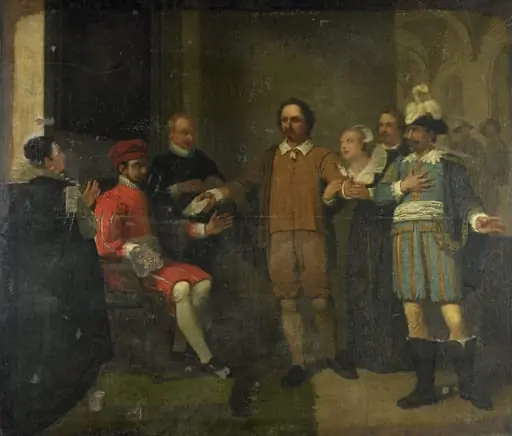 Jacob Simonsz de Rijk getting the Spanish Governor-General Requesens to Release Marnix van Sint Aldegonde, 1575
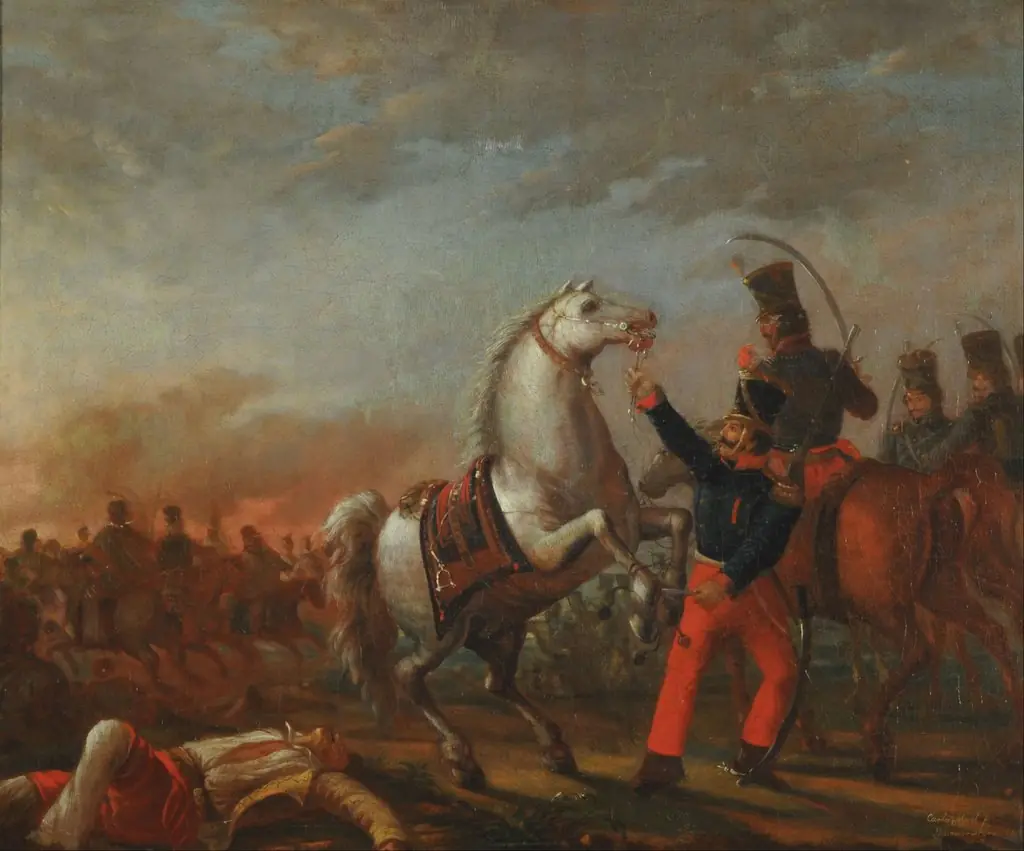 Carga de caballería - Serie Usos y Costumbres de Buenos Aires
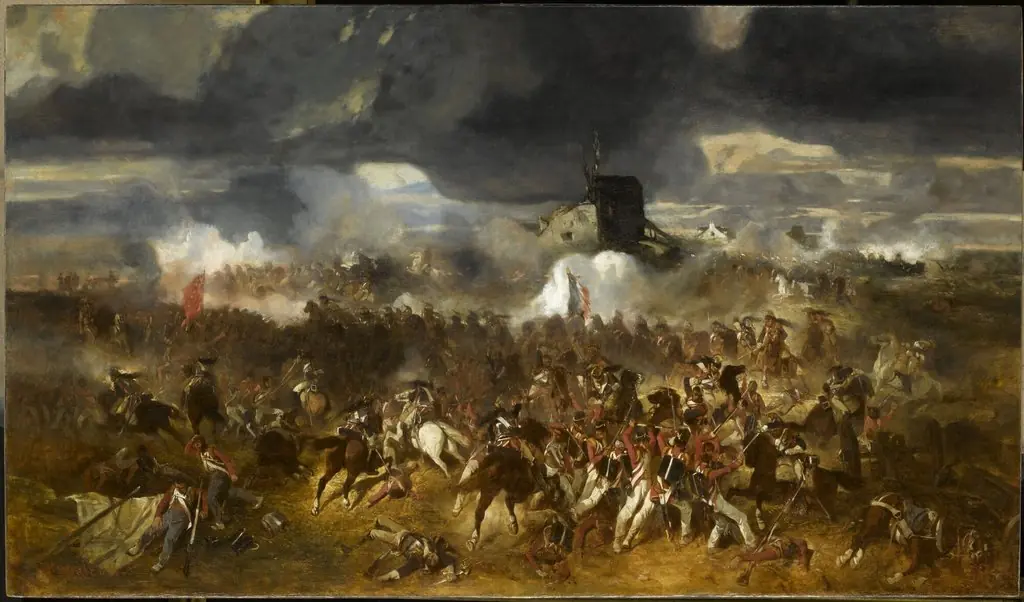 Bataille de Waterloo, 18 juin 1815
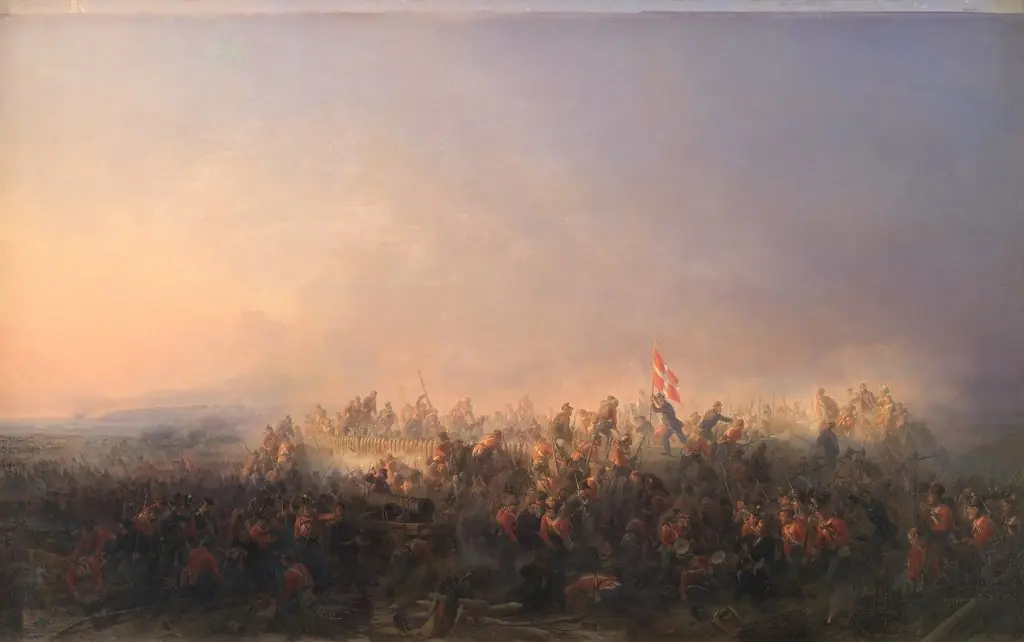 Slaget ved Fredericia den 6. juli 1849
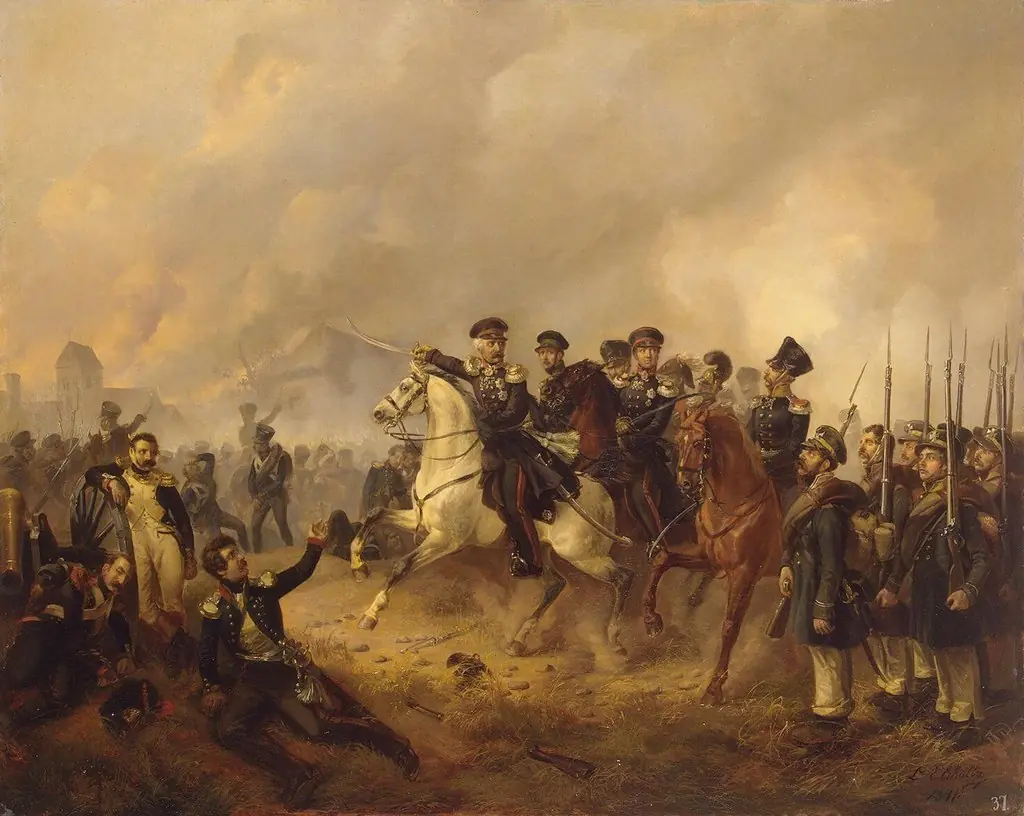 Marshal Blucher on the Battlefield
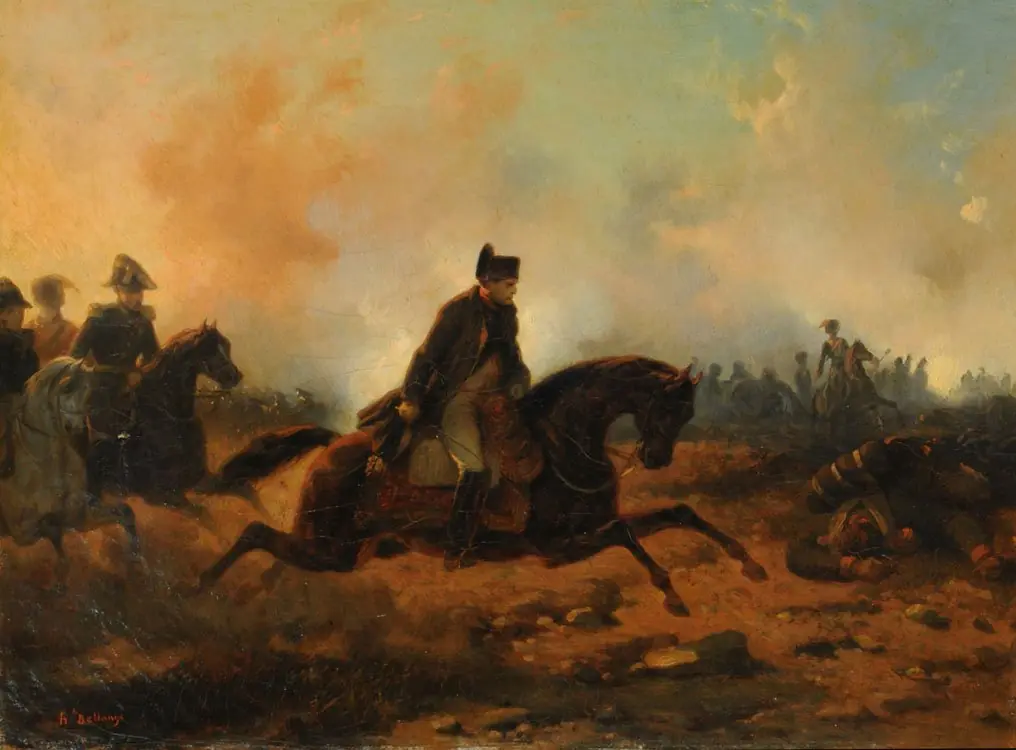 Napoleón chargeant a Waterloo (Napoleón a la carga en Waterloo)
 Slaget ved Fredericia den 6. juli 1849
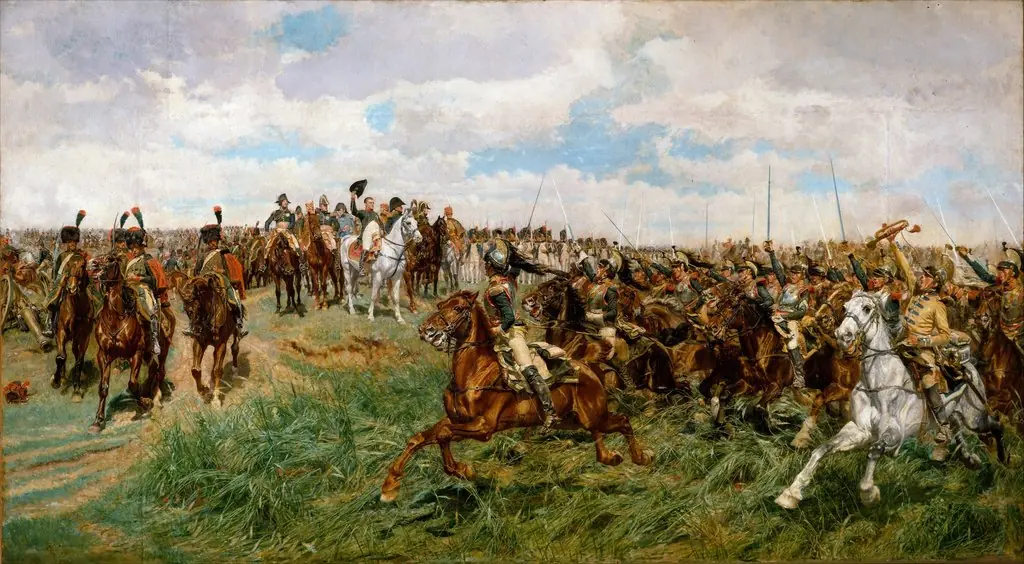 1807, Friedland
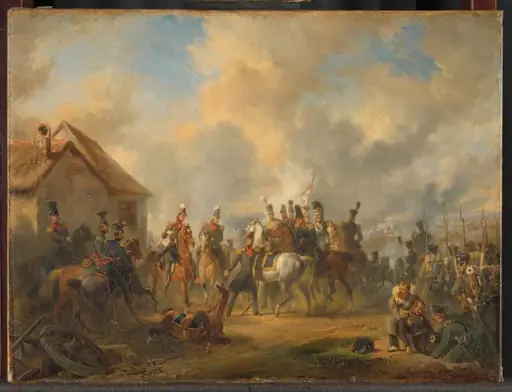 De Slag bij Bautersem, gedurende de Tiendaagse Veldtocht
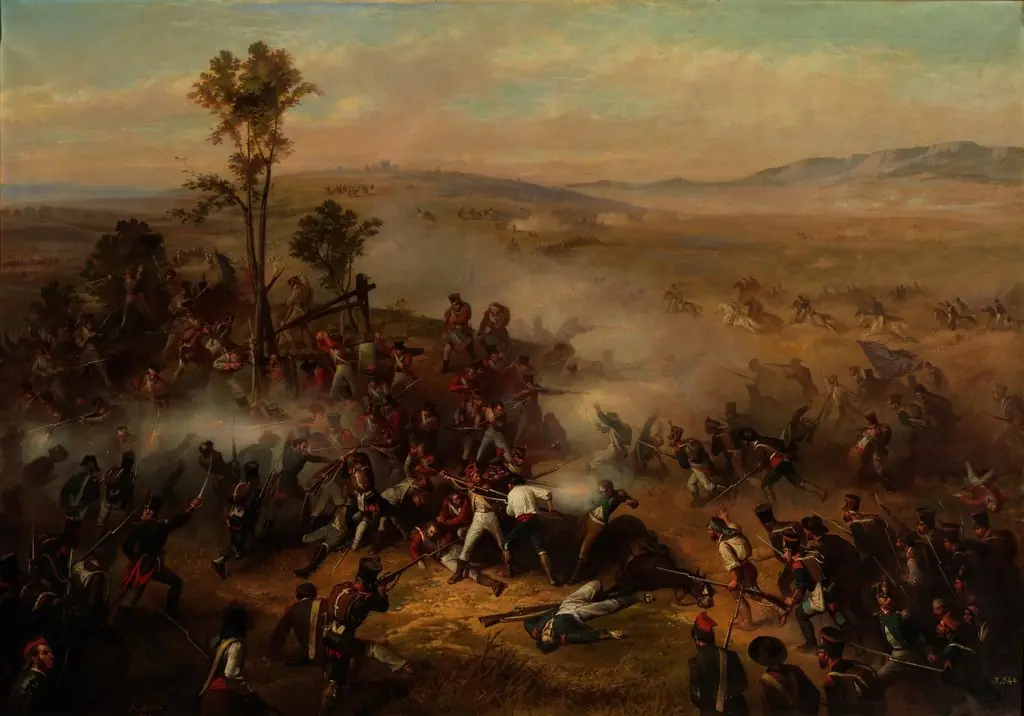 Episodio de la batalla de Bailén
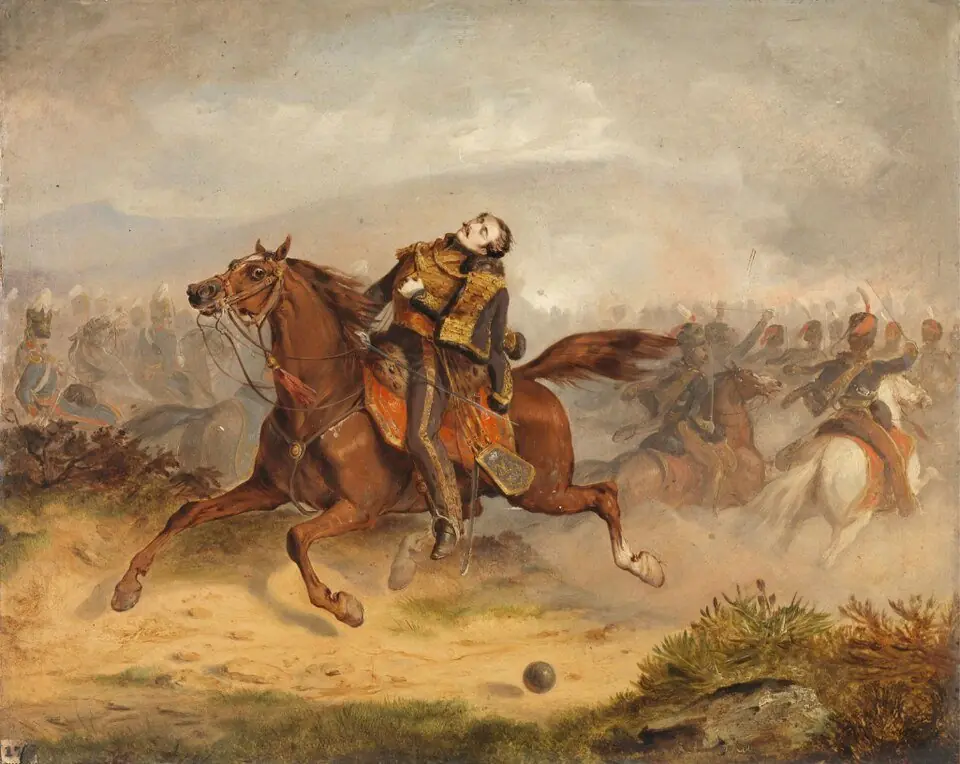 The Charger of Captain Nolan Returning with his Dead Master
 Untitled