Artwork
The Charger of Captain Nolan Returning with his Dead Master
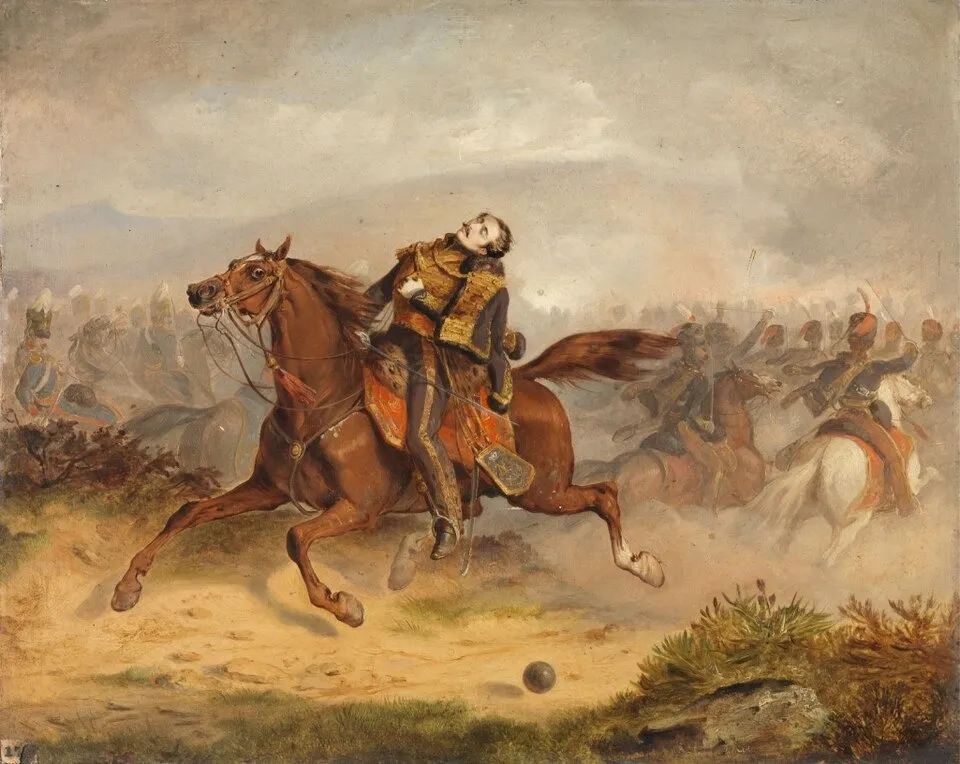
The Charger of Captain Nolan Returning with his Dead Master is an unspecified painting by Thomas Jones Barker. It dates from 1855 and is held in the collection of the National Gallery of Ireland.
About this work
Overview
Painted in 1855 by Thomas Jones Barker, this work depicts a single, pivotal moment from the Crimean War. The painting captures a wounded officer’s horse returning alone from battle, its rider lifeless in the saddle. Executed in oil on canvas, it is part of the National Gallery of Ireland’s collection and reflects a 19th-century fascination with military heroism and loss.
Subject & Meaning
The central figure is a horse, rearing in distress, carrying the body of its fallen rider, Captain Nolan. The absence of active combat in the foreground shifts focus to the aftermath of violence. The rider’s limp posture and the horse’s agitated stance suggest abandonment and tragedy, evoking the personal cost of war beyond grand tactics or victory.
Technique & Style
Barker employs dramatic lighting and dynamic composition to heighten emotional tension. The horse’s arched neck and lifted forelegs create vertical energy, contrasting with the horizontal slump of the body. Dark, muted tones dominate the background, while the figures are rendered with precise anatomical detail, grounding the scene in realism despite its theatrical posture.
History & Provenance
The painting was completed shortly after the Crimean War and likely inspired by reports of Captain Louis Nolan’s death during the Charge of the Light Brigade. It entered the National Gallery of Ireland’s collection in the late 19th century, possibly through private donation. Its subject matter resonated with Victorian audiences mourning military sacrifice.
Context
In mid-19th-century Britain, war imagery often served patriotic or memorial functions. Barker’s work diverges from glorified battle scenes by emphasizing isolation and grief. The painting reflects growing public awareness of war’s human toll, influenced by emerging war journalism and the recent, widely publicized failures of military leadership in Crimea.
Legacy
Though less known today than other Victorian military paintings, this work remains a quiet testament to the emotional weight of loss in warfare. Its focus on the animal’s burden and the rider’s silence influenced later depictions of war that prioritized individual suffering over collective heroism.
Artist & collection

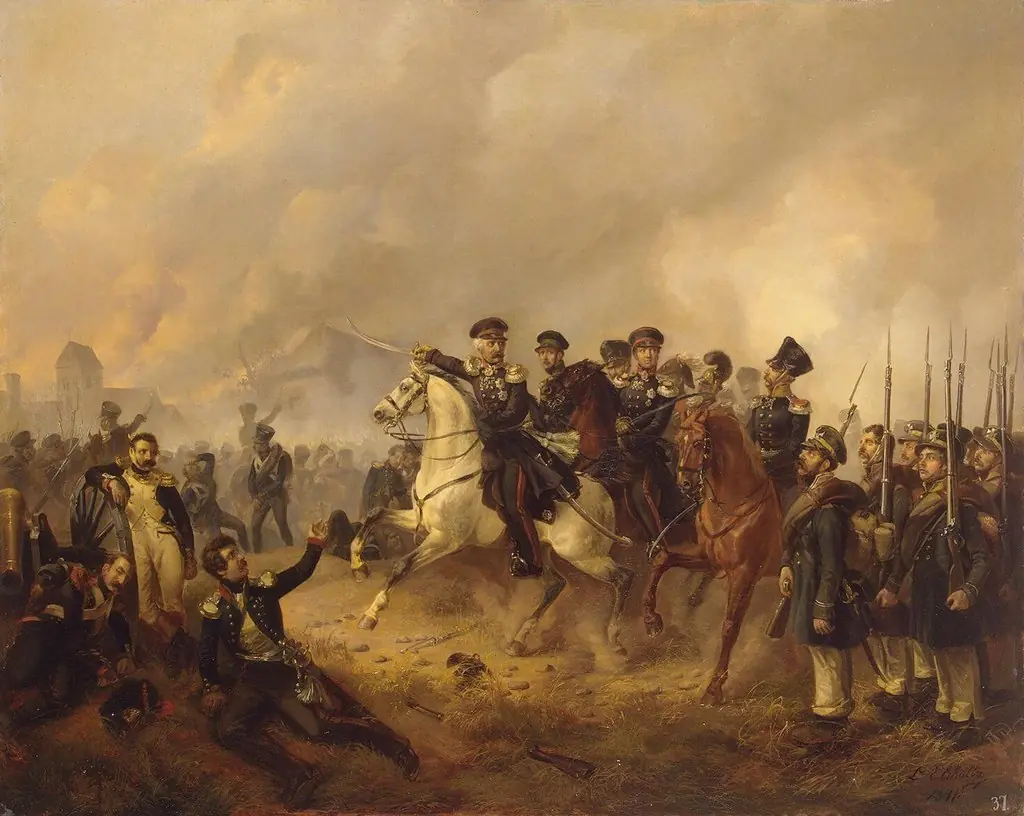 Marshal Blucher on the Battlefield
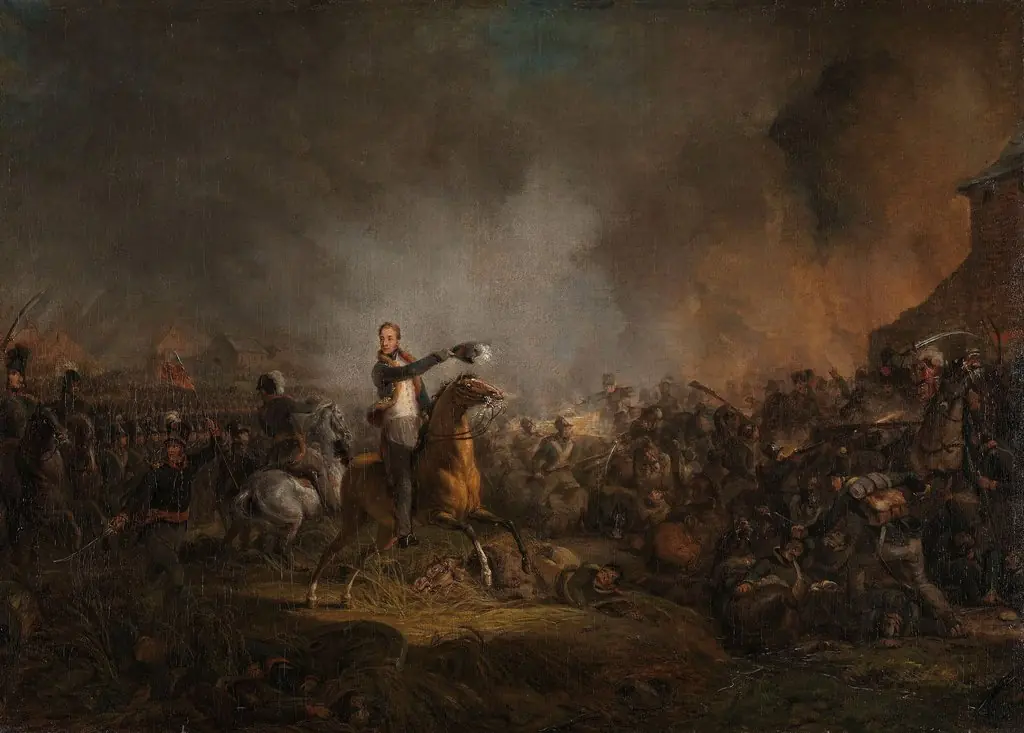 The Prince of Orange at Quatre Bras, 16 June 1815
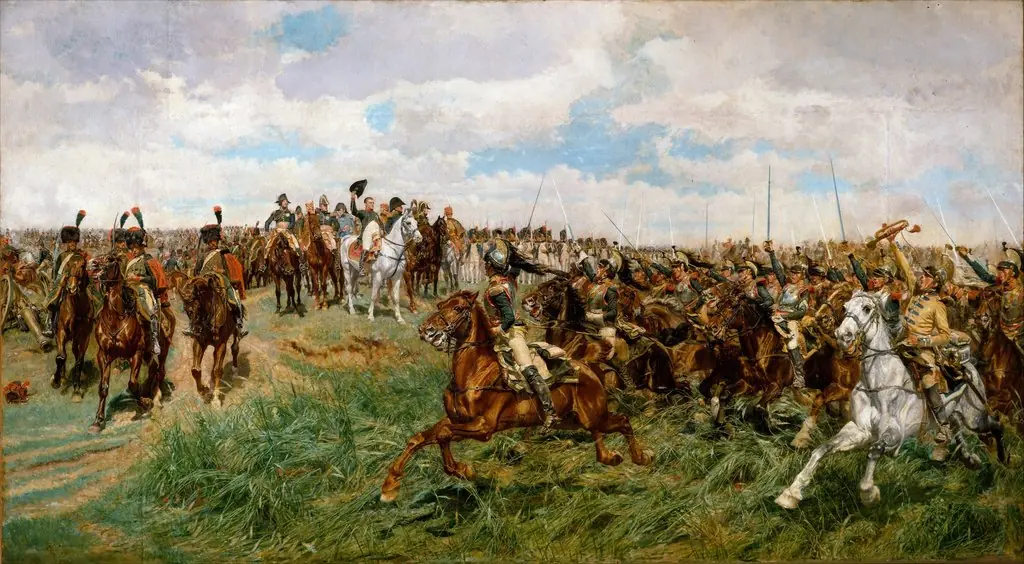 1807, Friedland
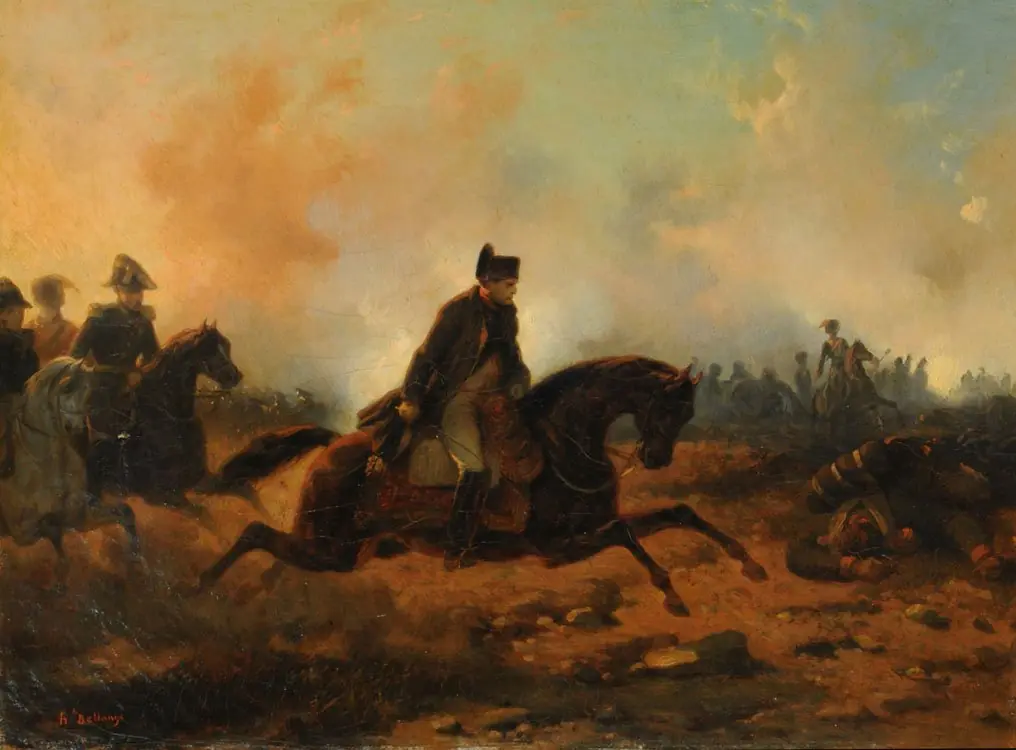 Napoleón chargeant a Waterloo (Napoleón a la carga en Waterloo)
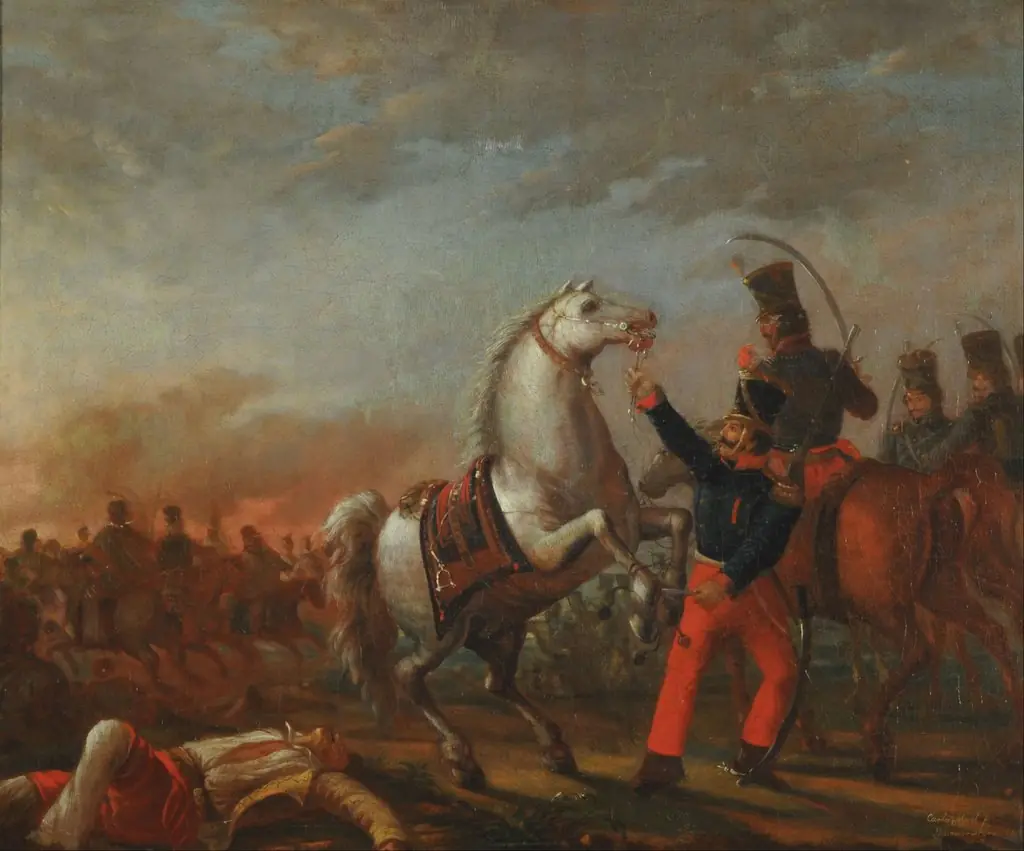 Carga de caballería - Serie Usos y Costumbres de Buenos Aires
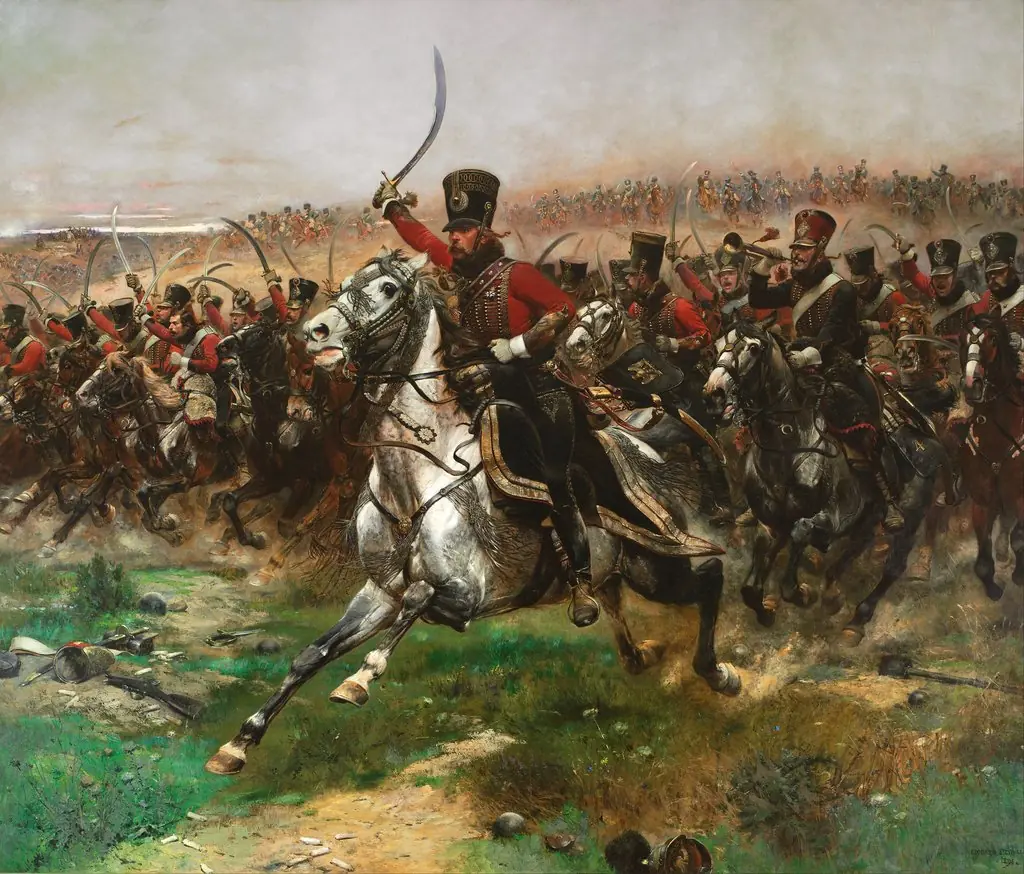 Vive L'Empereur
 Untitled
 Daniel Rantzau bemægtiger sig Tureby Bro i Skåne under Syvårskrigen 1563-1570
 Artillery Crossing a Stream
 Untitled
 Cavalry Engagement
 Light cavalryman charging