Artwork
Jacob Simonsz de Rijk getting the Spanish Governor-General Requesens to Release Marnix van Sint Aldegonde, 1575
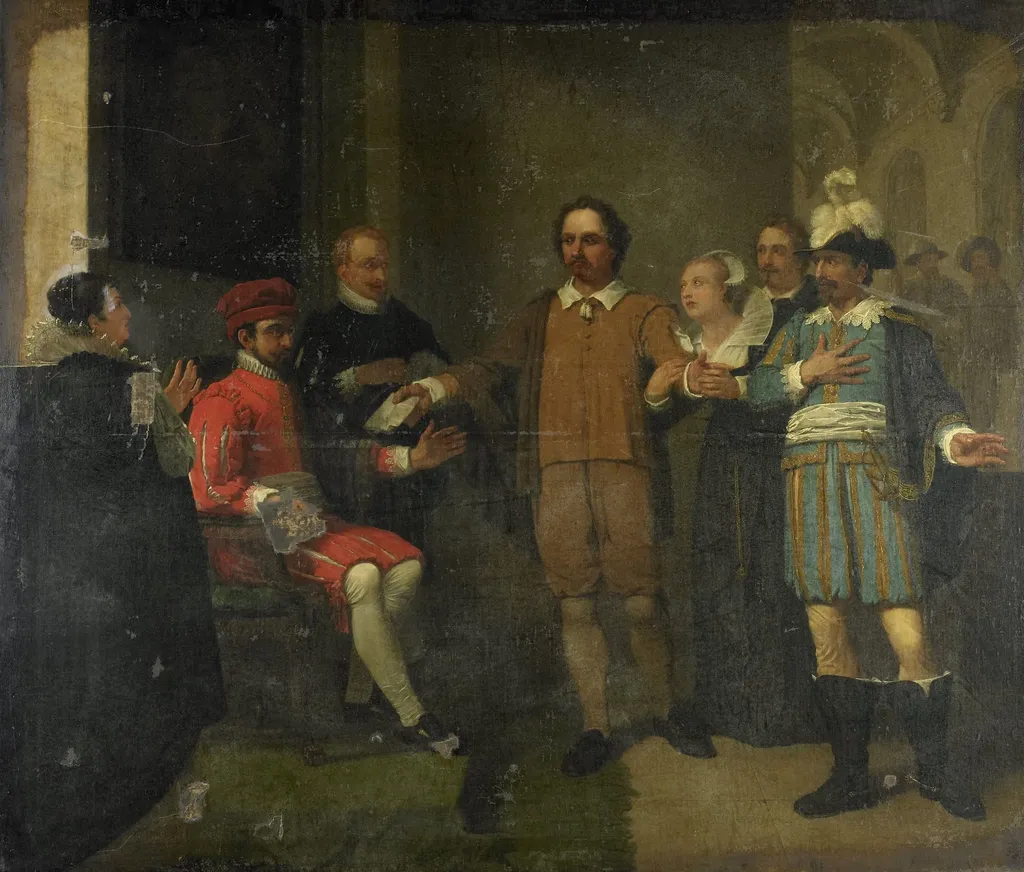
Jacob Simonsz de Rijk getting the Spanish Governor-General Requesens to Release Marnix van Sint Aldegonde, 1575 is an unspecified painting by the Romanticist artist Jan Willem Pieneman. It dates from 1806 and is held in the collection of the Rijksmuseum.
About this work
Overview
The scene unfolds in a confined interior, where power dynamics play out through posture and placement rather than overt action.
This painting depicts a clandestine negotiation during the Eighty Years' War, in which Jacob Simonsz de Rijk secured the release of Filips van Marnix van Sint Aldegonde from Spanish captivity. The scene unfolds in a confined interior, where power dynamics play out through posture and placement rather than overt action. The artist remains unidentified, though the work was produced well after the 1575 episode it portrays, suggesting a retrospective rather than contemporary conception of the event.
Subject & Meaning
At left, the Spanish Governor-General Requesens sits enthroned, embodying imperial authority. Opposite him, the Dutch prisoner kneels in supplication while De Rijk intercedes on his behalf. Several standing figures in dark garments witness the exchange, their presence underscoring the political weight of the moment. The composition transforms a diplomatic transaction into a moral tableau: the liberation of a Dutch patriot through individual persuasion, set against the machinery of Spanish occupation.
Technique & Style
The painter employs strong chiaroscuro, plunging much of the chamber into shadow while illuminating faces and gesturing hands. This dramatic lighting heightens emotional stakes and directs attention toward the psychological confrontation between seated power and kneeling vulnerability. The crowded arrangement of bodies creates a stage-like compression, characteristic of history painting that privileges narrative clarity over documentary realism. The brushwork and tonal handling suggest nineteenth-century sensibilities in their treatment of past events.
Context
The work belongs to a broader European tendency, exemplified by Romanticism, wherein historical episodes were reimagined as emotionally charged scenes. Artists of this period frequently revisited moments of national struggle, infusing them with contemporary relevance and sentiment conceivable pathos. The painting thus functions doubly: as commemoration of Dutch resistance and as reflection of later generations' investment in shaping historical memory through visual drama.
Artist & collection

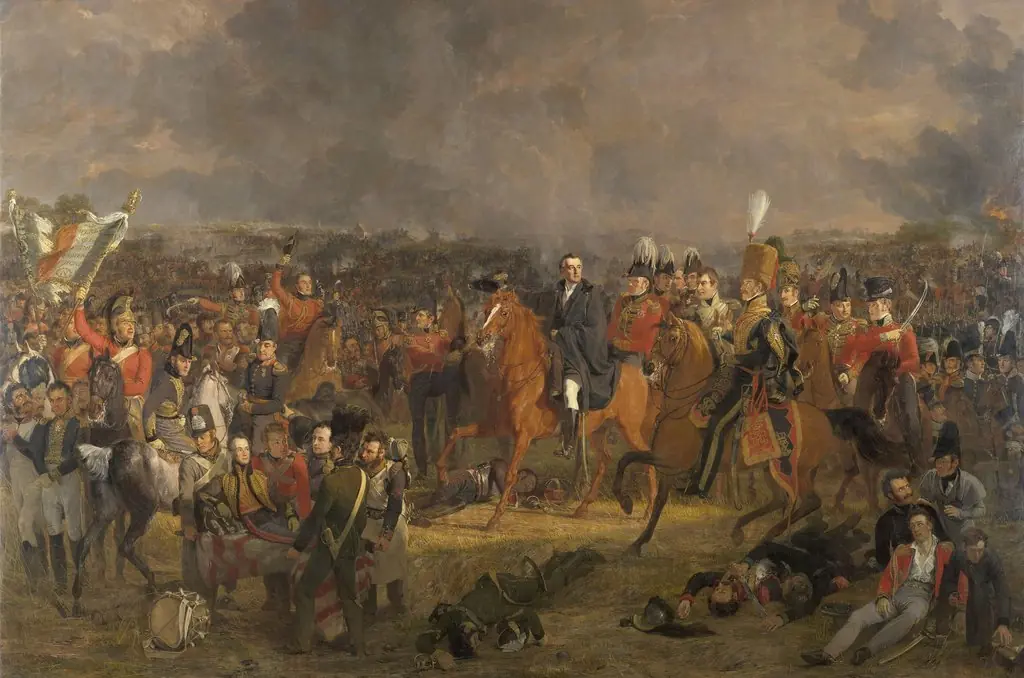 The Battle of Waterloo
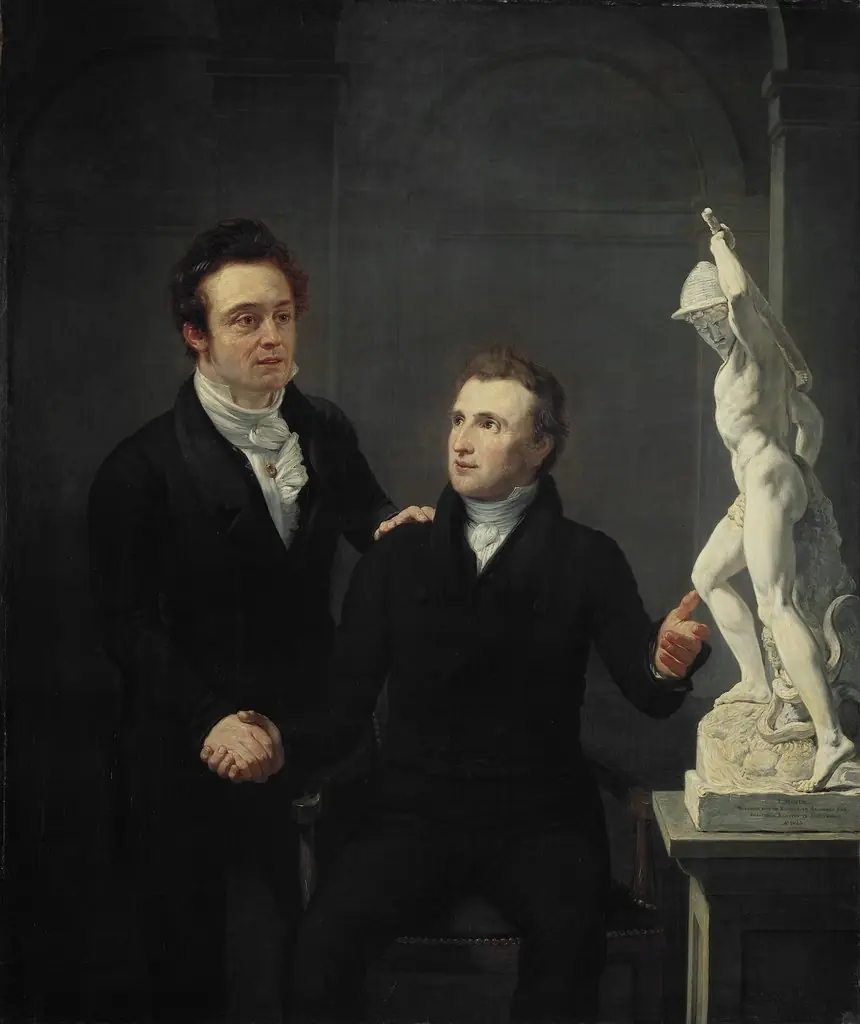 Louis Royer, sculptor, and Albertus Bernardus Roothaan, stockbroker, friend of the arts, and patron of the sciences
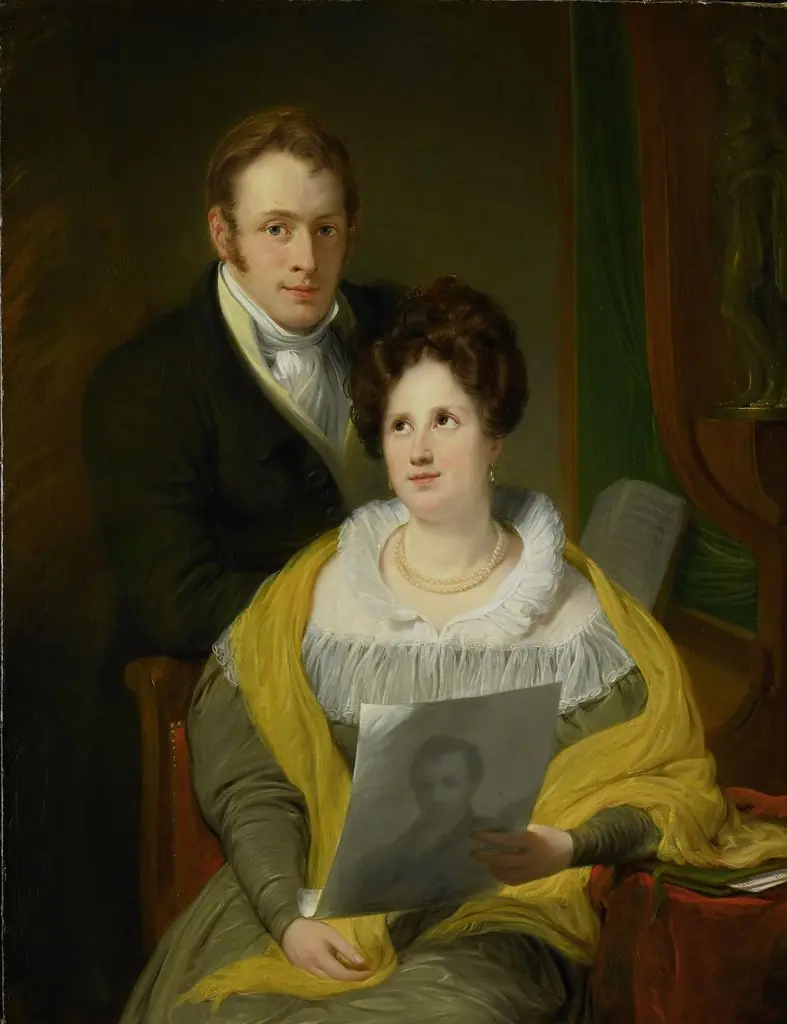 Portrait of a Woman and a Man
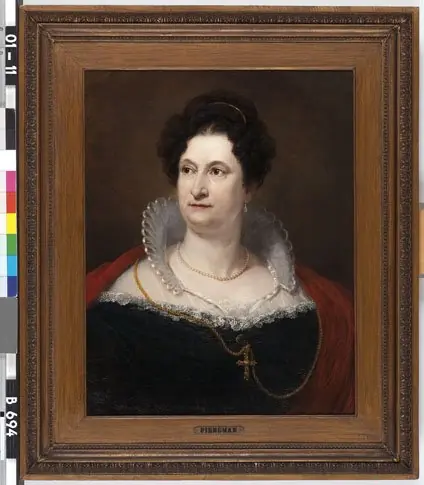 Joanna Cornelia Ziesenis-Wattier (1762–1827). Toneelspeelster
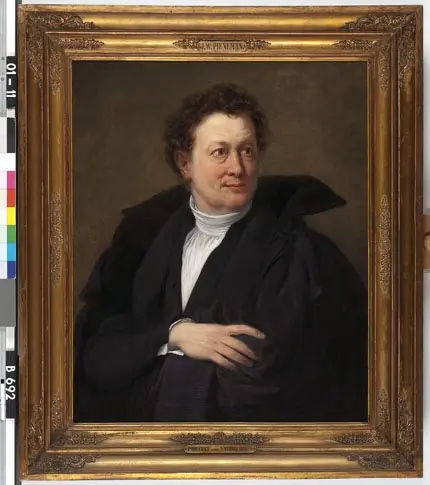 Andries Snoek (1766–1829). Toneelspeler
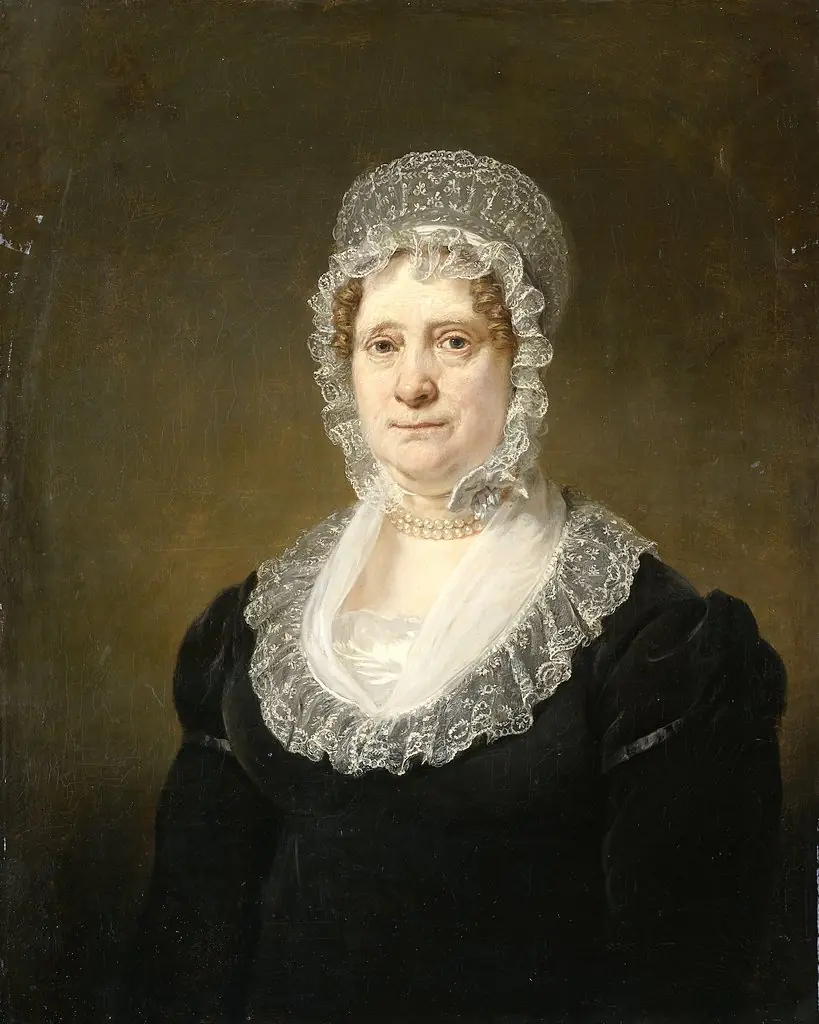 Portrait of Sara de Haan, Widow of the Amsterdam Underwriter Cornelis Hartsen
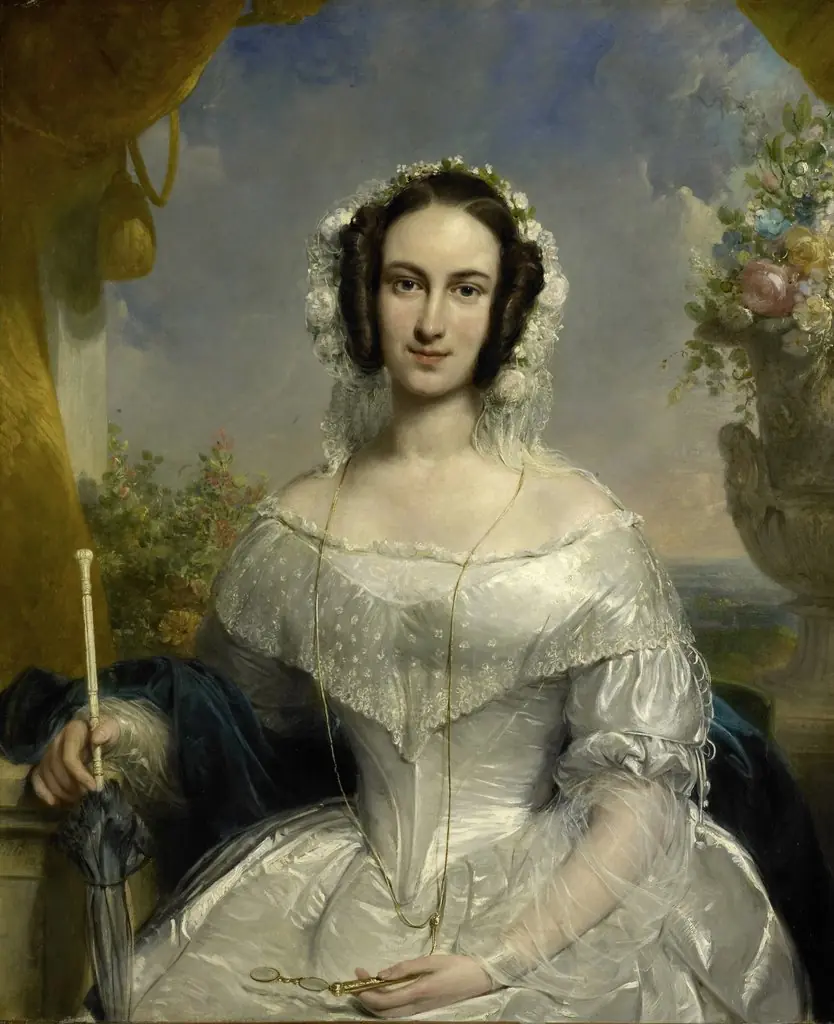 Agatha Petronella Hartsen (1814-78). In bruidstoilet ter gelegenheid van haar huwelijk met Jan van der Hoop op 17 maart 1841
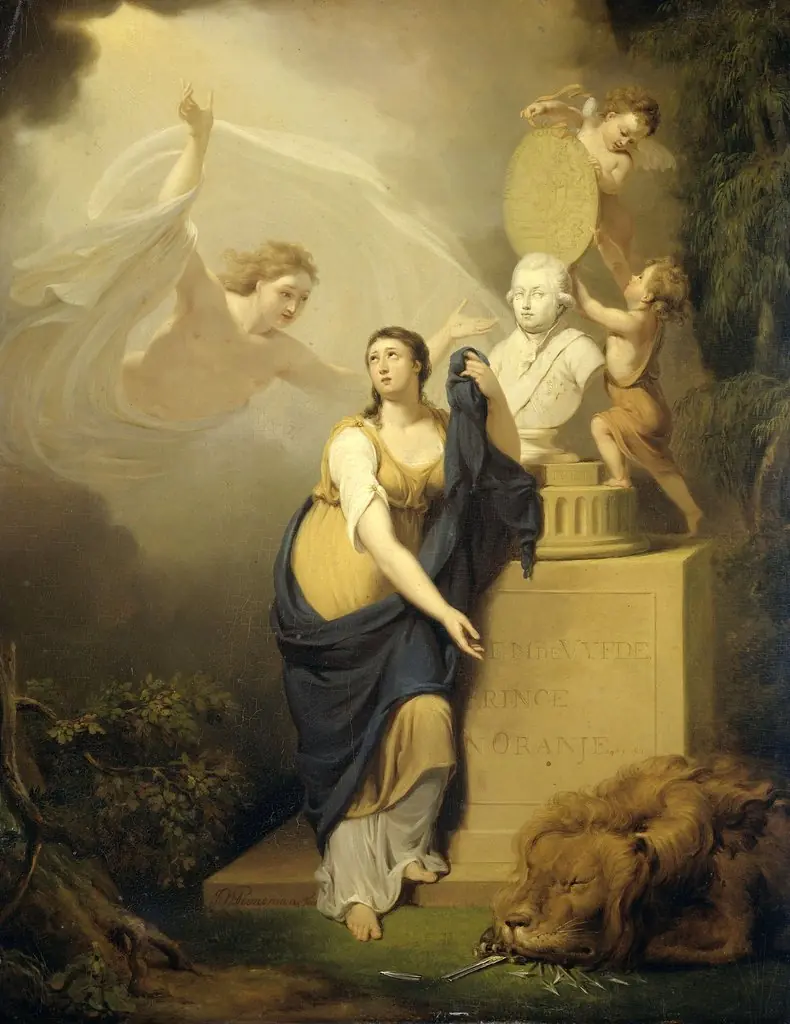 Allegory of the Death of Prince William V, 1806
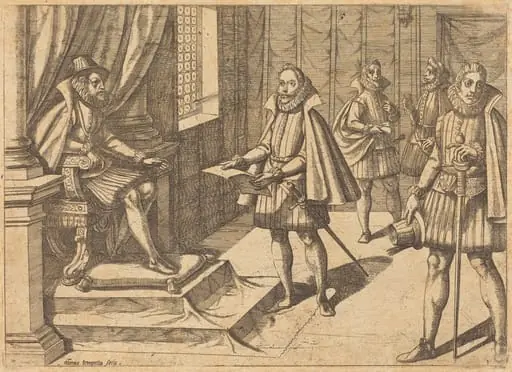 Philip II of Spain on His Throne
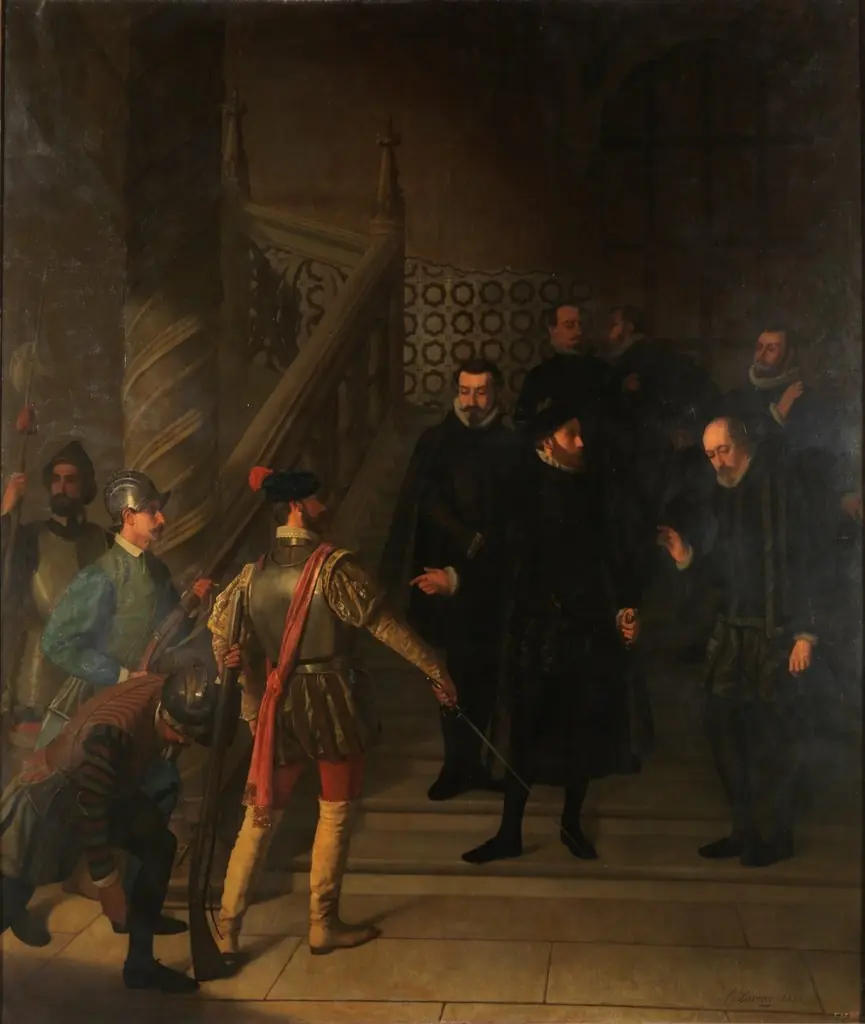 La prisión de Lanuza
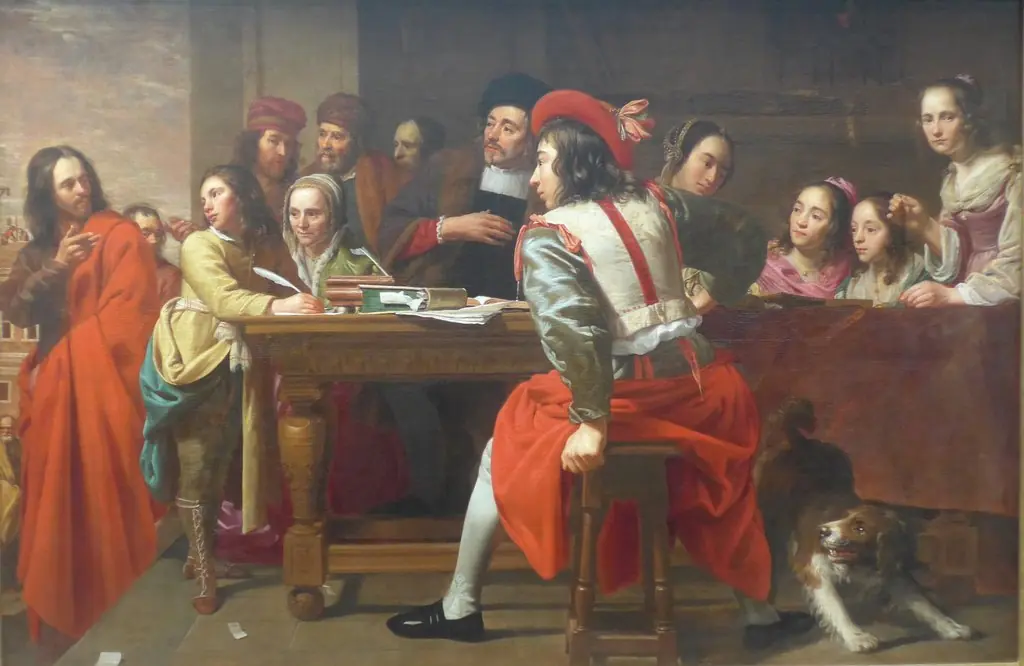 The calling of Matthew
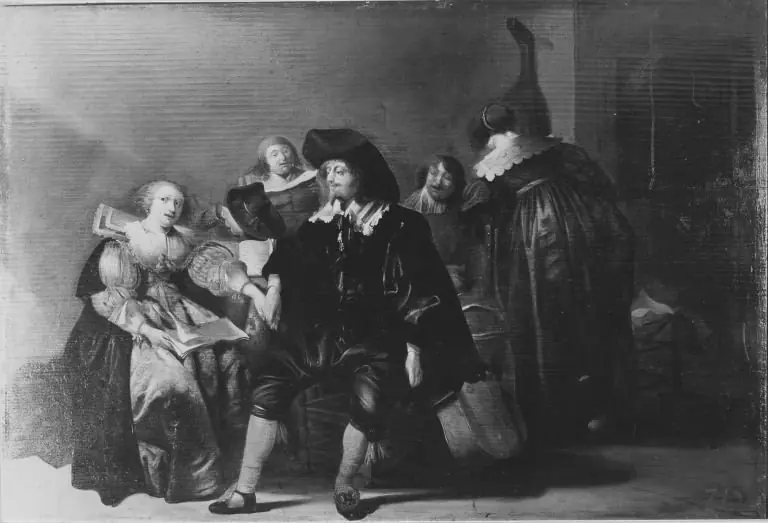 musical company
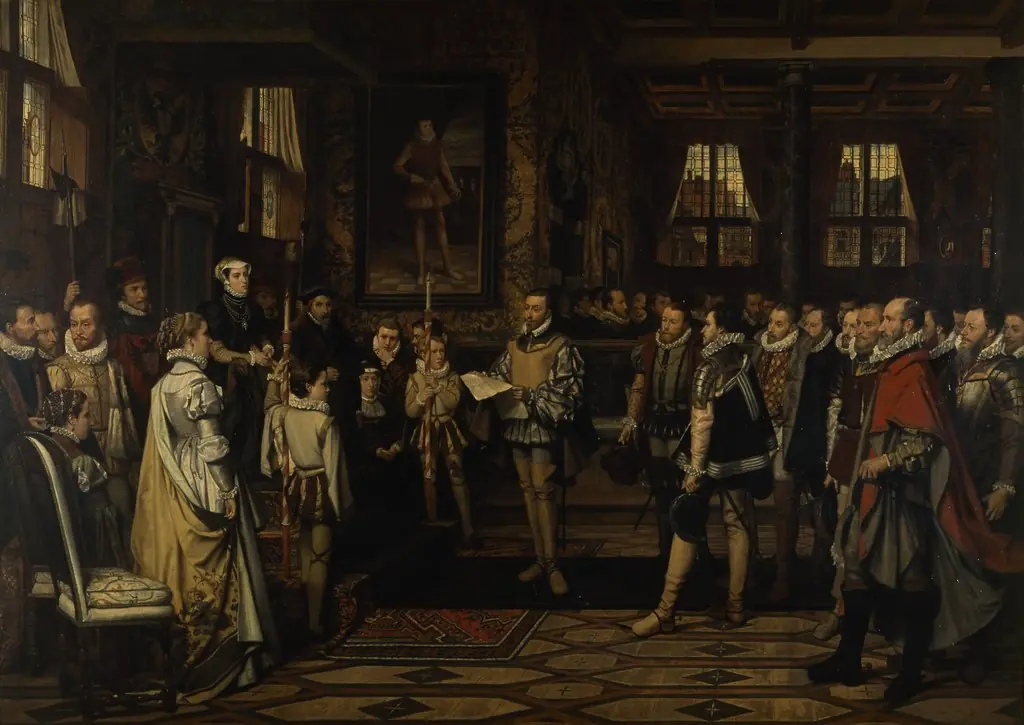 Margaret of Parma Recieves the Petittion of the Nobility
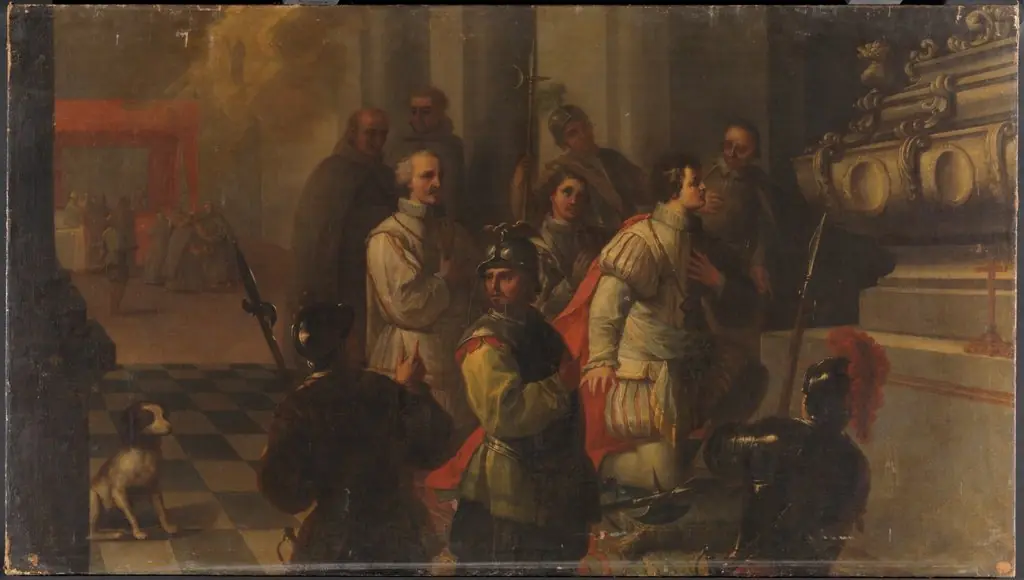 Curación y acción de gracias del príncipe don Carlos. Serie de la Vida de San Diego de Alcalá
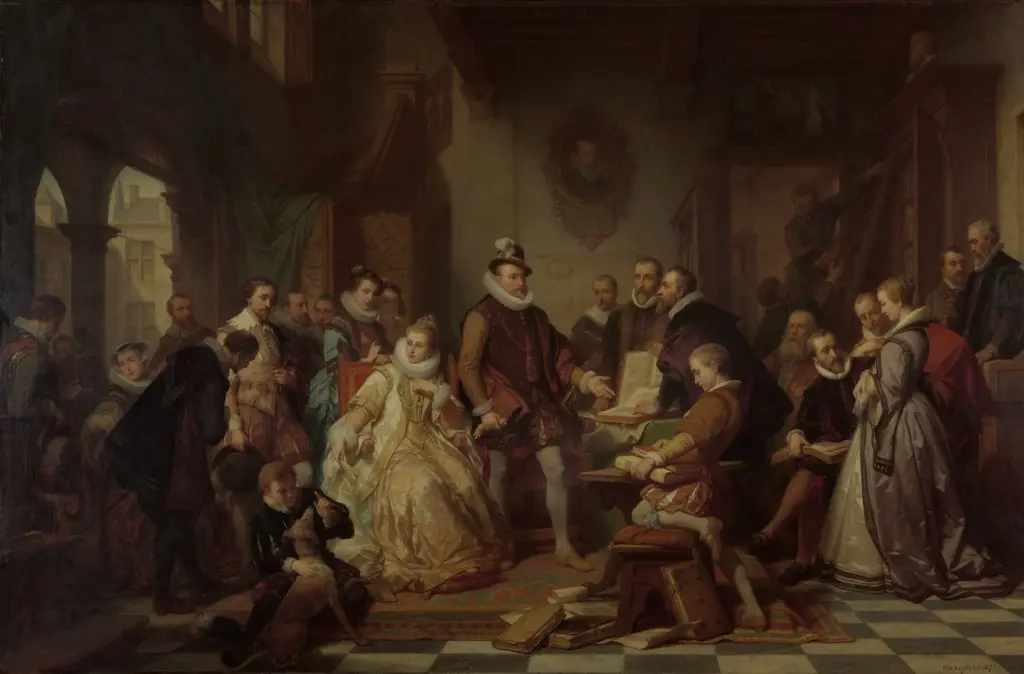 The Archdukes Albert and Isabella Visit the Printer Plantin
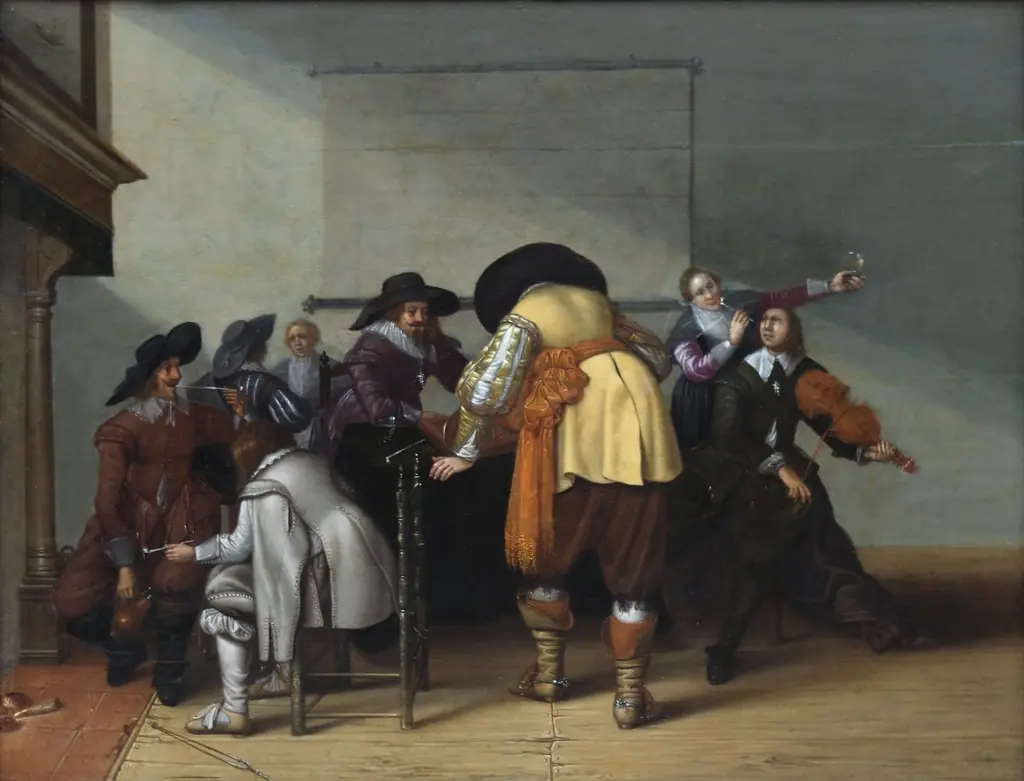 Merry Company
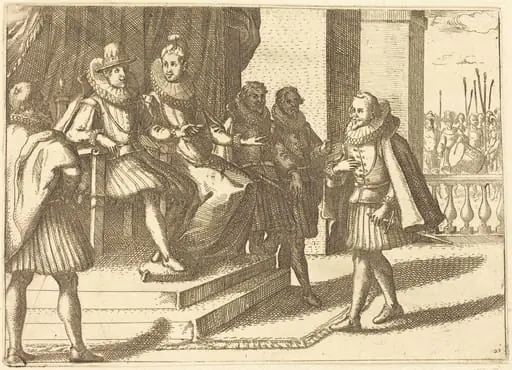 King and Queen in Consultation about the Turks
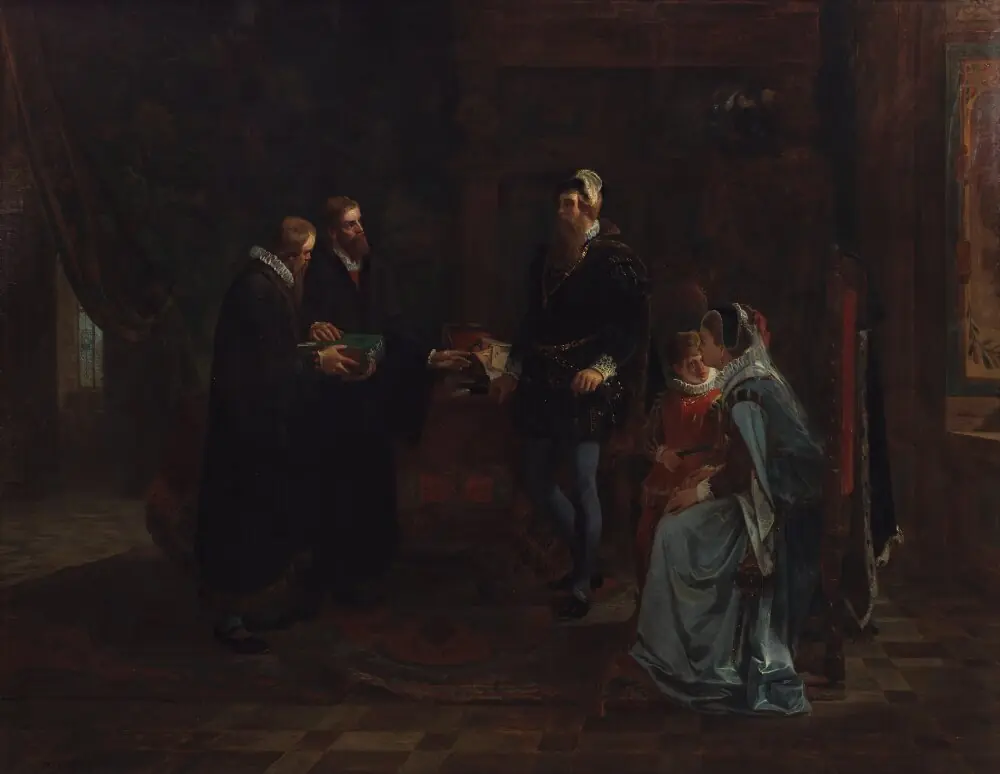 King Gustav Vasa of Sweden Receiving the Swedish Translation of the Bible