Artwork
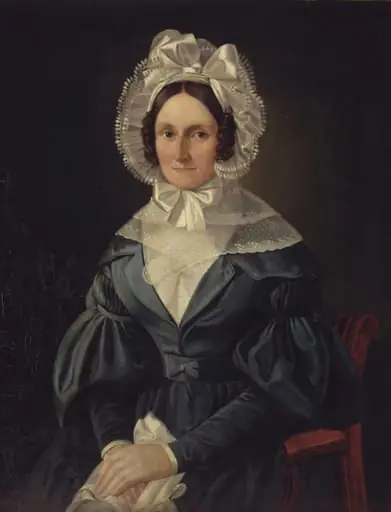
Sara Wacklinin muotokuva
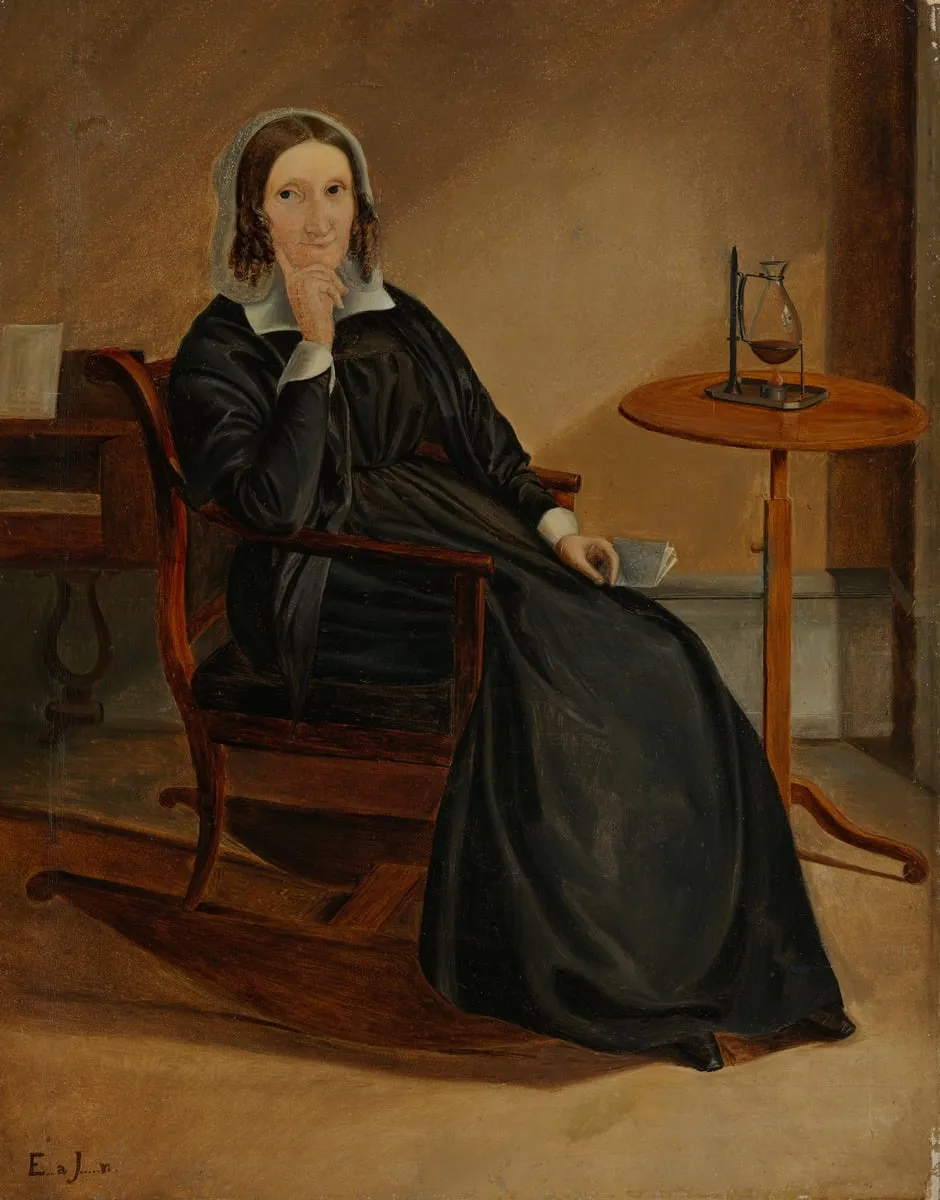
Sara Wacklinin muotokuva is an unspecified painting by Edla Jansson-Blommér. It is held in the collection of the Finnish National Gallery. This portrait depicts a woman seated in a modest interior, rendered with subdued tonalities.
About this work
Overview
This portrait depicts a woman seated in a modest interior, rendered with subdued tonalities. The composition centers on the subject, who occupies a wooden chair while holding a small book. Surrounding objects—a glass hourglass, a candle, and a plain desk—are arranged with deliberate sparseness, contributing to the work’s restrained atmosphere.
Subject & Meaning
The sitter’s contemplative pose, combined with the hourglass and candle, evokes themes of temporality and reflection. The book in her hand may suggest literacy or intellectual engagement, while the bare setting reinforces a focus on quiet introspection. Symbolic elements like the hourglass invite associations with patience or the passage of time.
Technique & Style
The painting employs chiaroscuro, using controlled contrasts of light and shadow to model form and establish mood. Brushwork appears refined yet unobtrusive, with muted colors enhancing the scene’s tranquility. The artist’s approach prioritizes clarity and balance, avoiding decorative excess in favor of a direct, understated realism.
History & Provenance
Details regarding the portrait’s creation and early ownership remain limited. The work’s plain setting and domestic subject matter align with conventions of 19th-century portraiture, though its precise origins and subsequent collectors are not widely documented. Further research may clarify its path through private or institutional collections.
Context
Portraits of this kind often served to commemorate individuals while conveying personal or moral attributes. The inclusion of everyday objects like books and hourglasses reflects a broader cultural interest in symbolism during the period. Such works were typically commissioned for private display, emphasizing intimacy over grandeur.
Legacy
While not widely recognized in major surveys of art history, the painting exemplifies the quiet power of domestic portraiture. Its use of light and symbolism offers insight into how artists of the time explored themes of time and contemplation. The work remains a study in understated composition and evocative detail.
Artist & collection
Artist

 Frederikke Raffenberg, née Hagerup
 Frederikke Raffenberg, née Hagerup
 Portrait of Anna Kurpiewska née Olszakiewicz
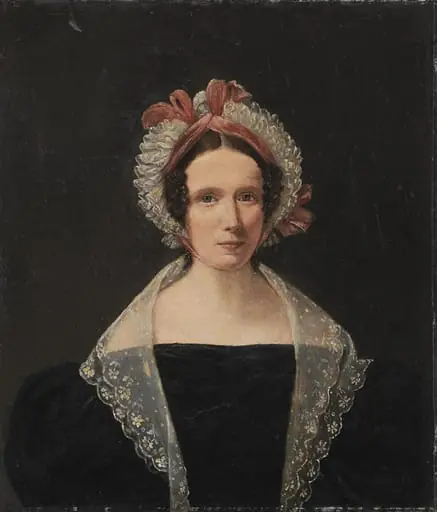 Sophie Stramboe
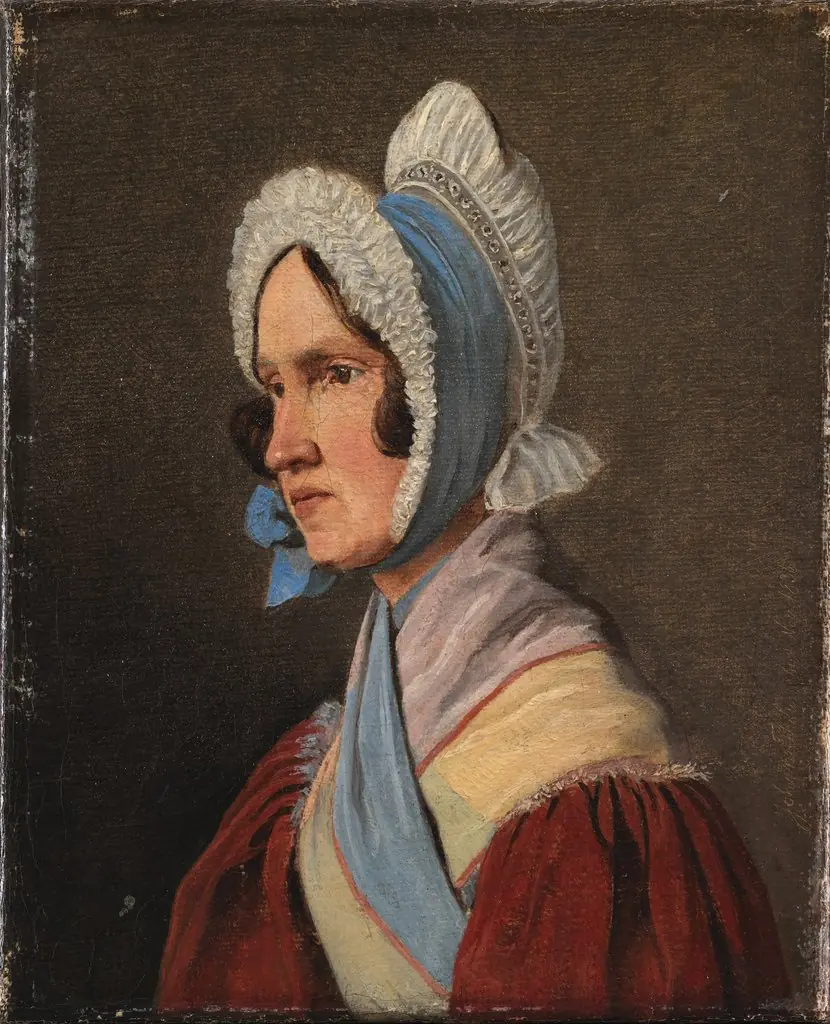 Oberstinde Cathrine Lundbye, f. Bonnevie, kunstnerens moder
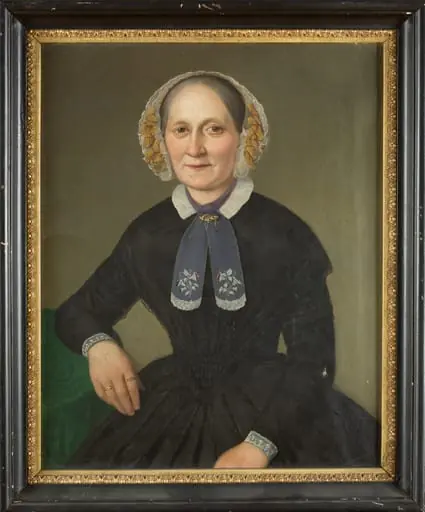 Frauenportrait
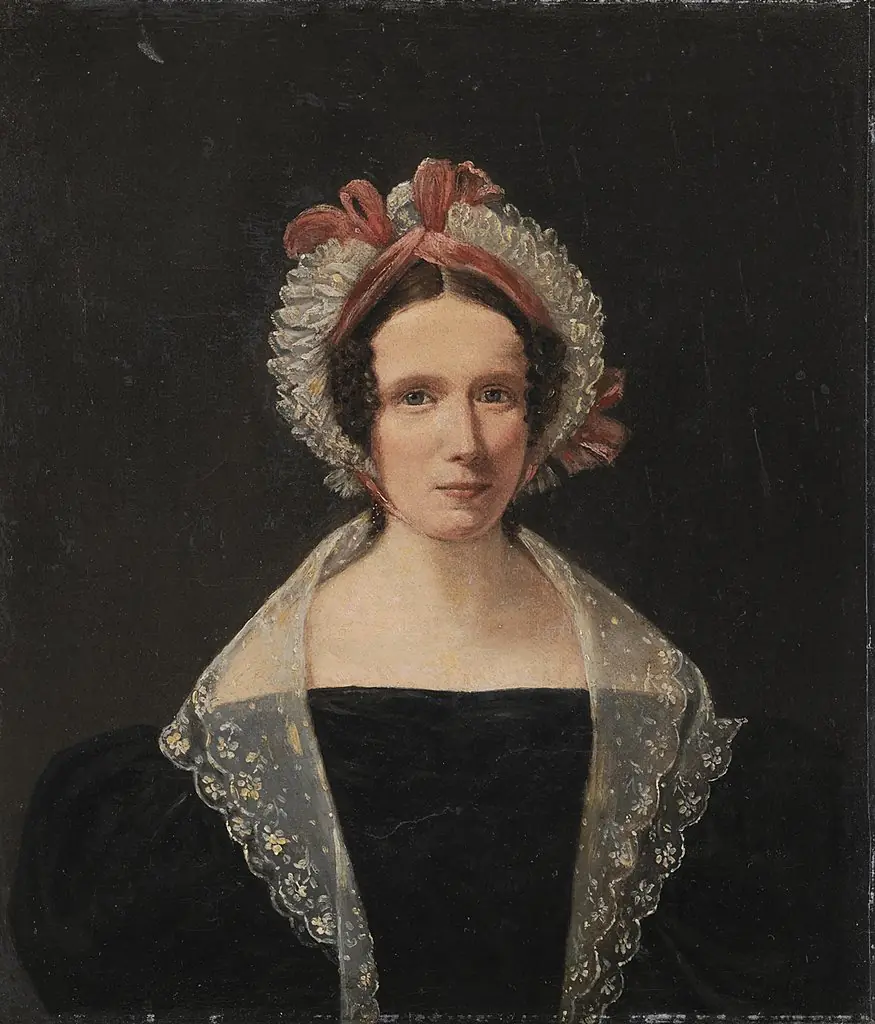 Sophie Stramboe
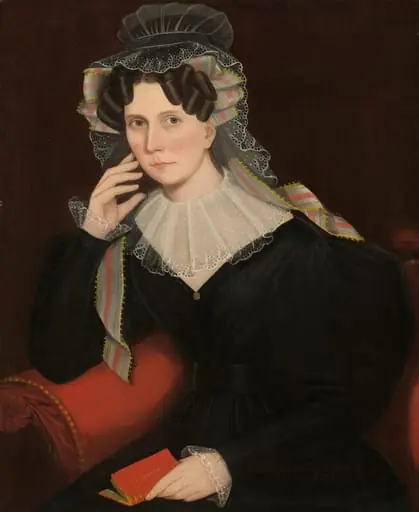 Jane Storm Teller
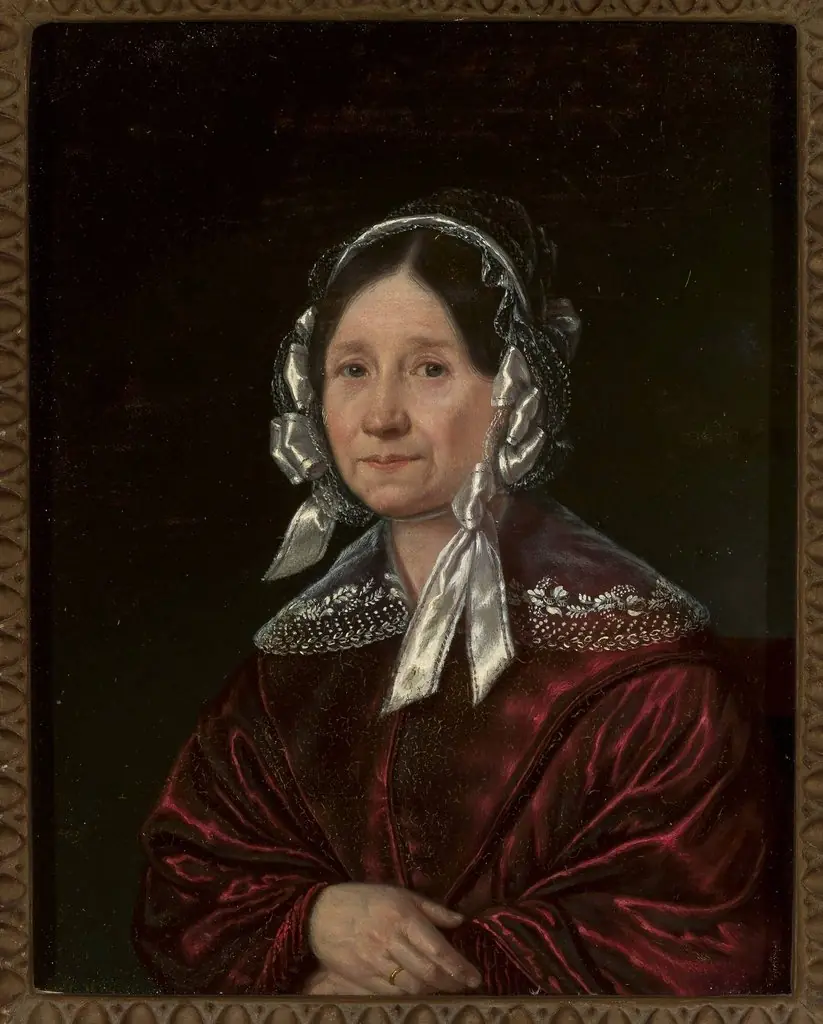 Portrait of Teresa Kicka
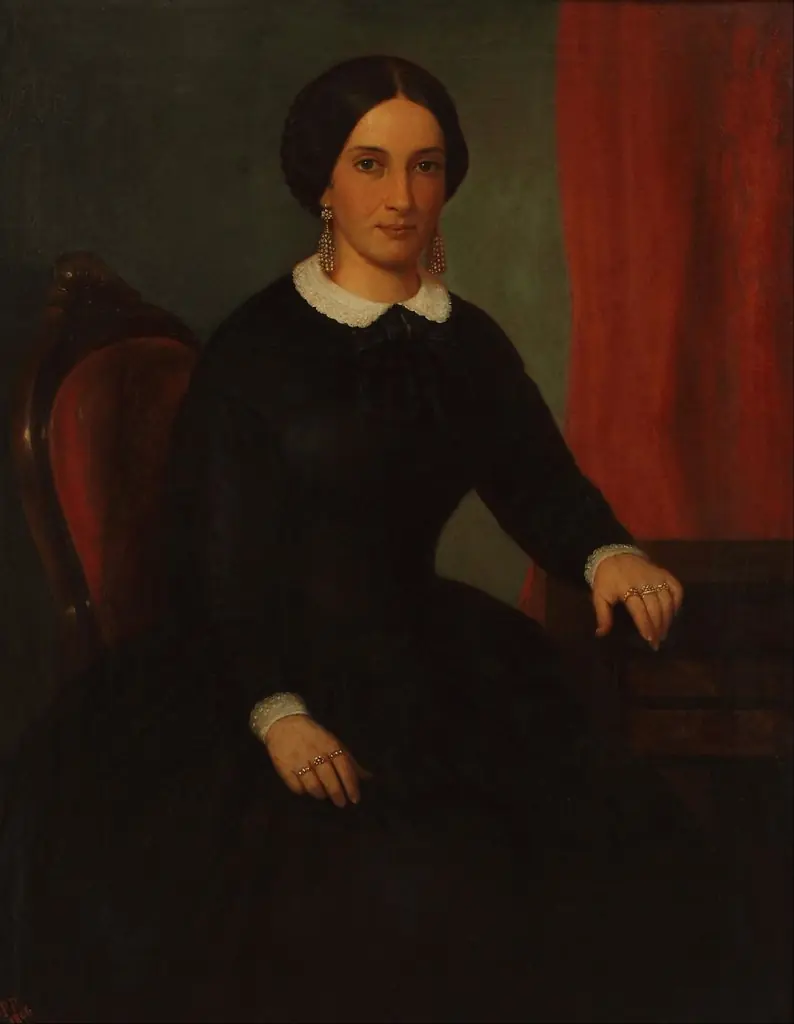 Trinidad Saravia de Huergo
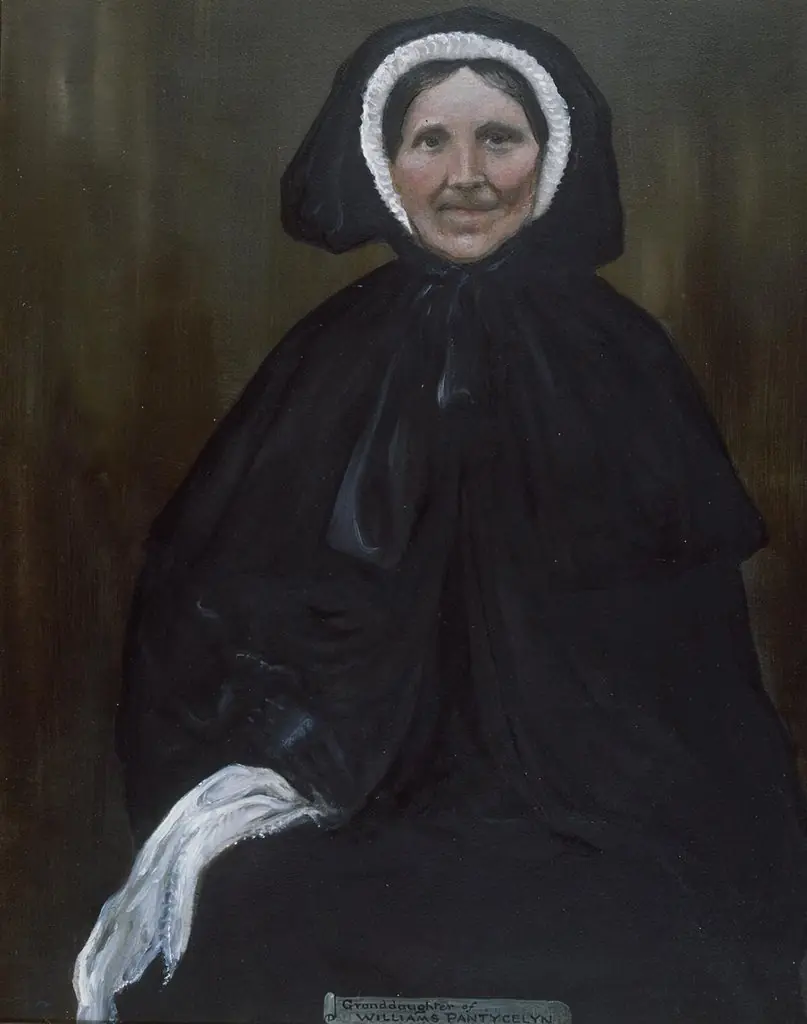 Mary Griffiths of Llandovery
 Anna Theodora Barbara Regenburg, f. Wetche