Artwork
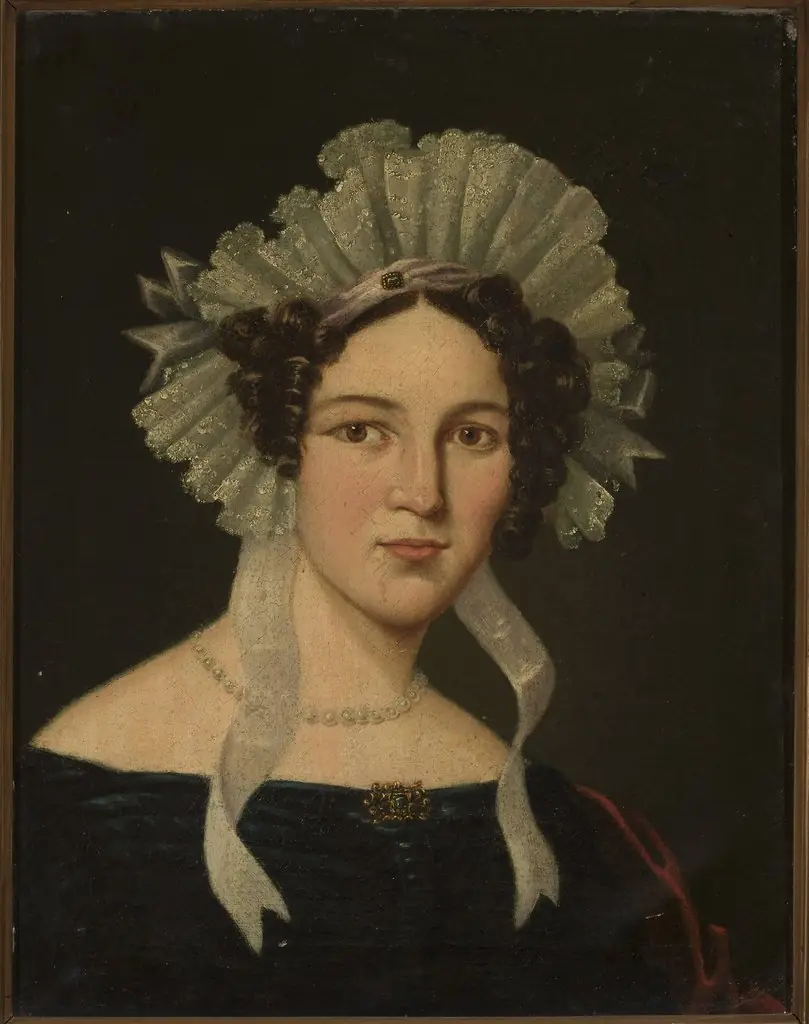
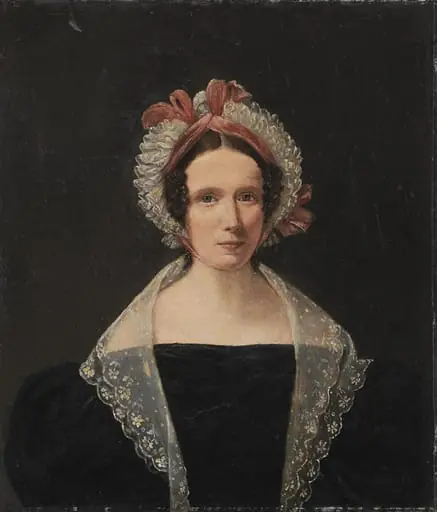
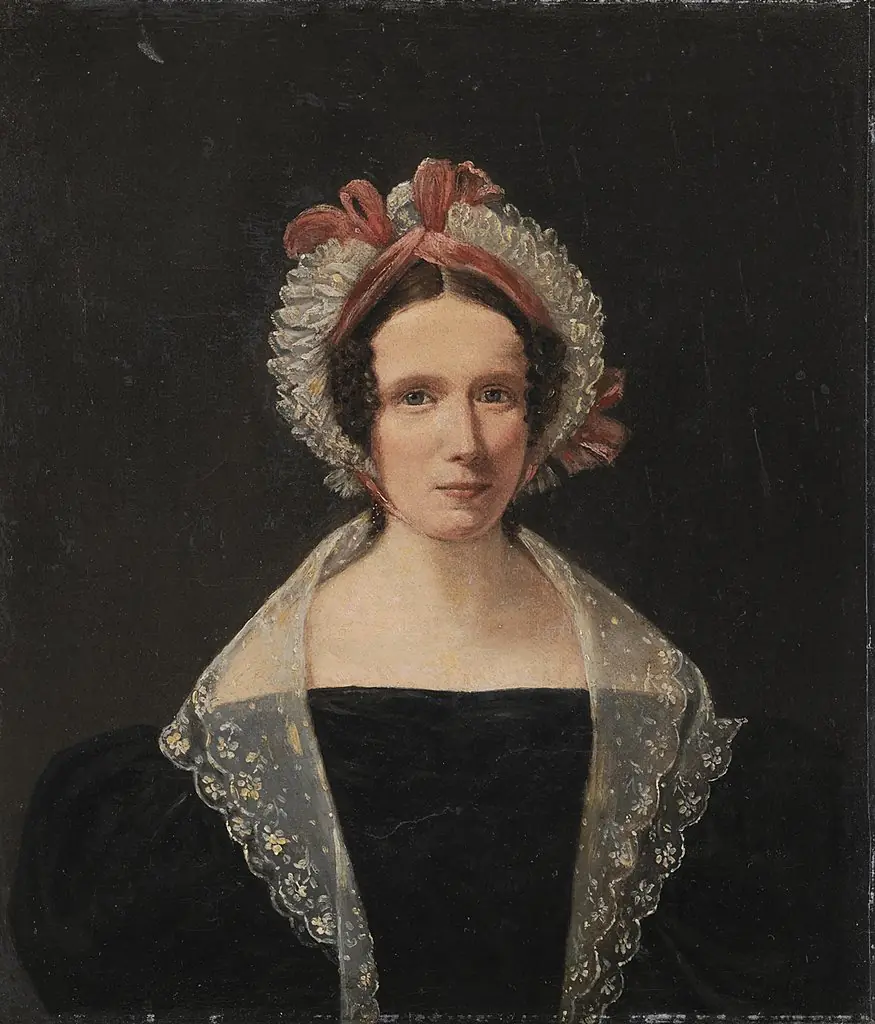
Portrait of Teresa Kicka
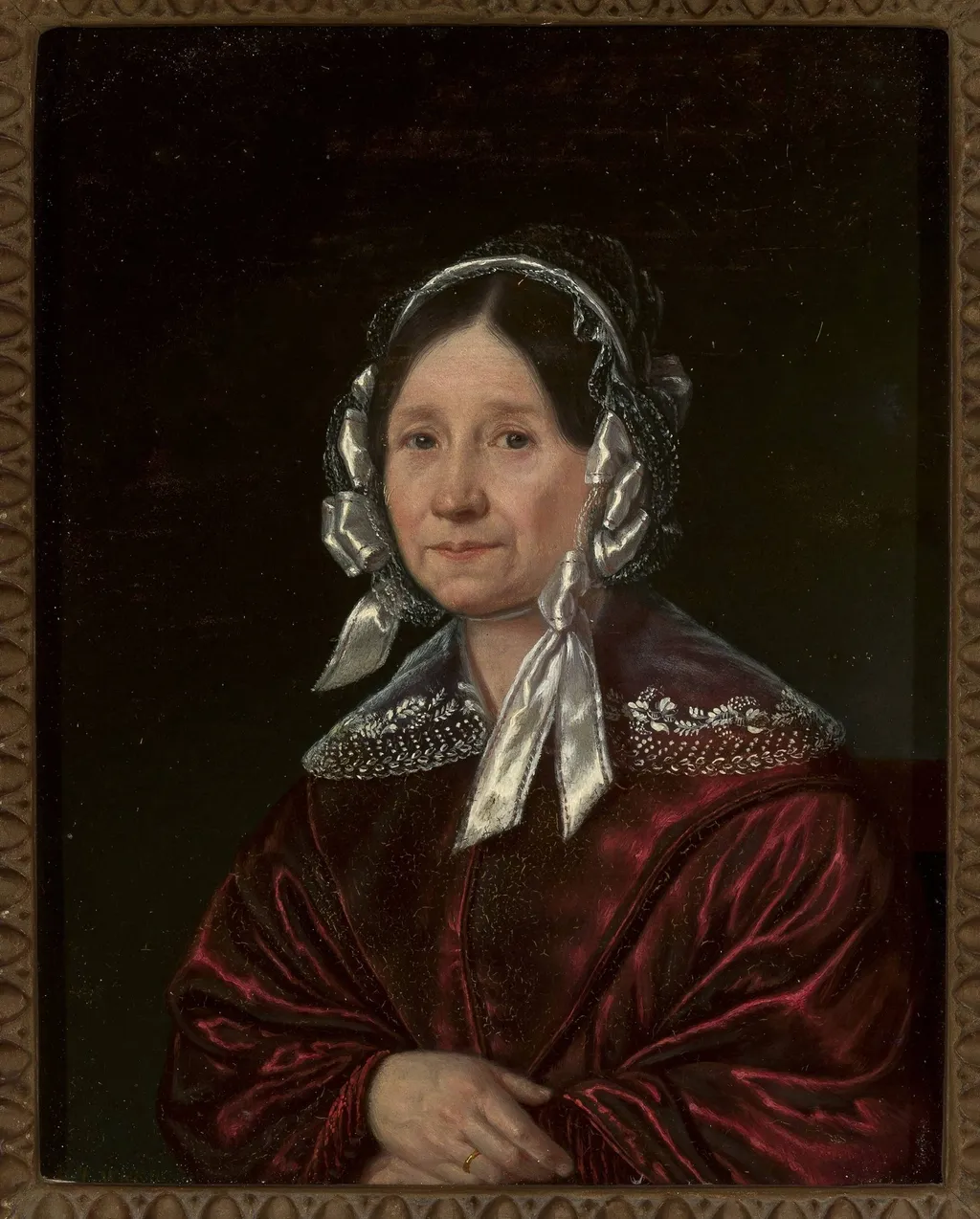
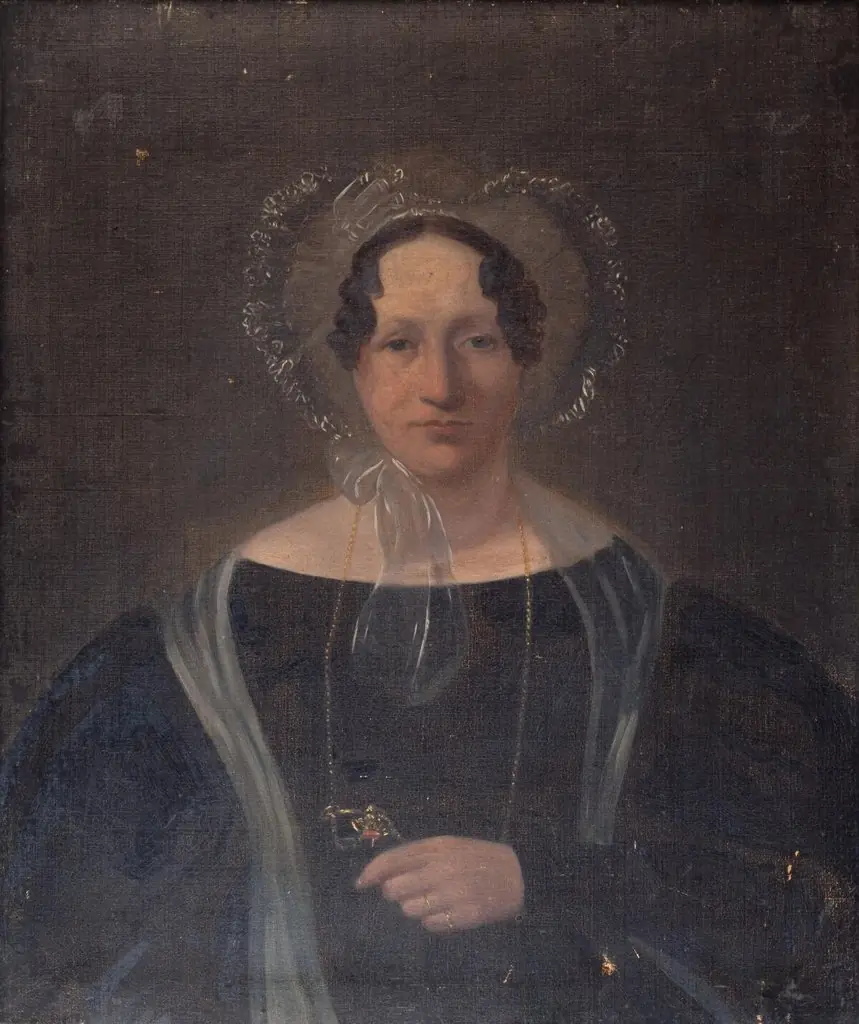
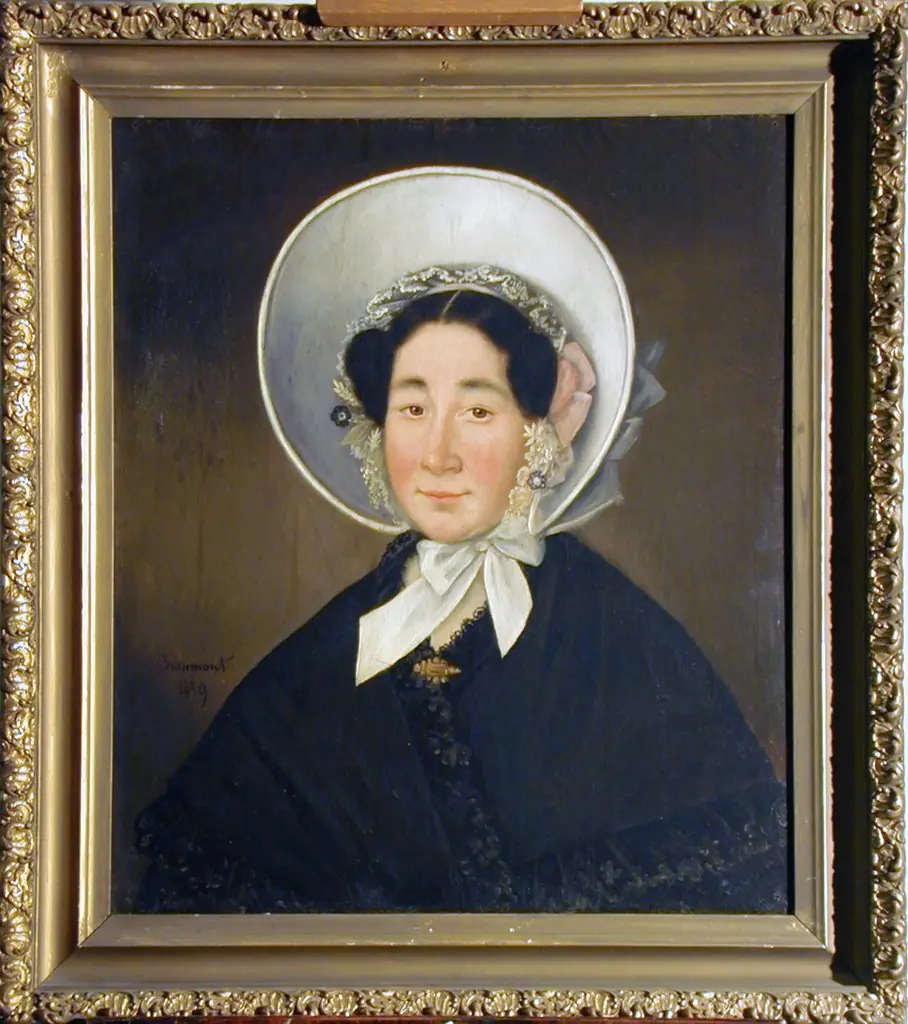
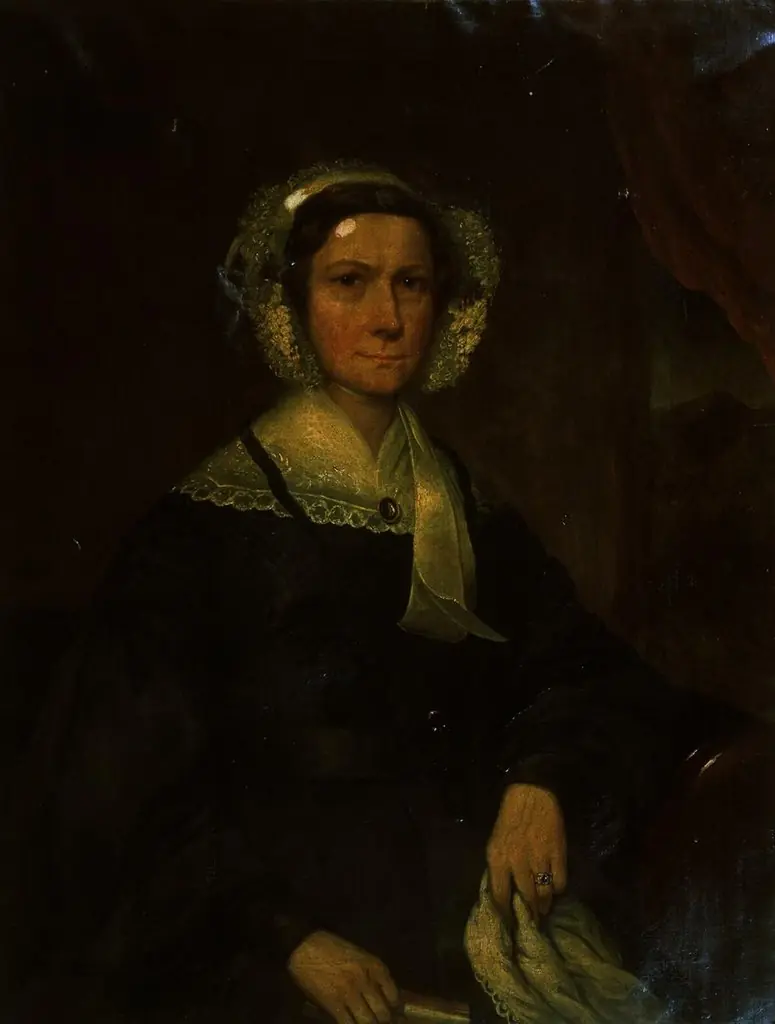
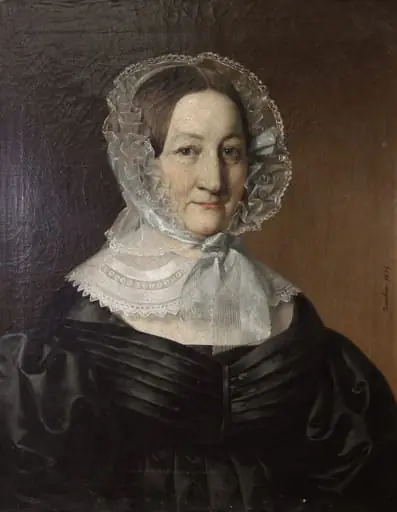
Portrait of Teresa Kicka is an unspecified painting by the Realist artist Józef Simmler. It dates from 1841 and is held in the collection of the National Museum in Warsaw.
About this work
Overview
Simmler, known for his commitment to Polish subjects and classical training, approached the work within the emerging realist tradition.
Painted in 1841 by Józef Simmler, this portrait depicts Teresa Kicka, a Polish woman of modest means, rendered with quiet precision. Simmler, known for his commitment to Polish subjects and classical training, approached the work within the emerging realist tradition. The painting is part of the National Museum in Warsaw’s permanent collection, where it stands as an early example of intimate portraiture in 19th-century Polish art.
Subject & Meaning
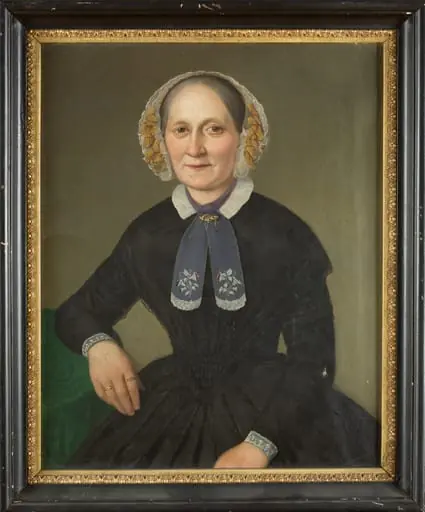
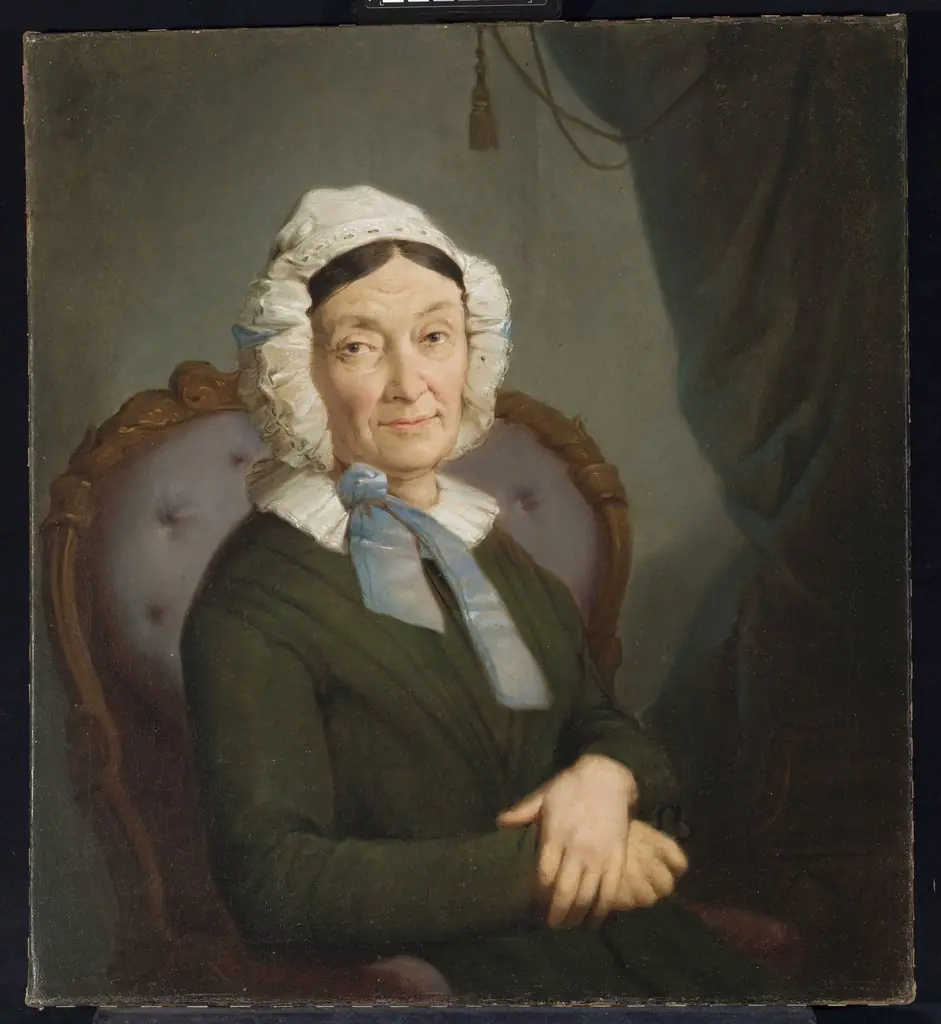
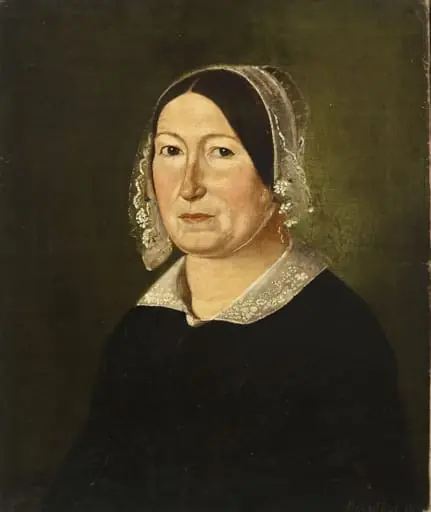
Teresa Kicka is portrayed not as a noble figure but as an ordinary individual, her dignity conveyed through stillness and subtle expression. Her calm demeanor and faint smile suggest introspection rather than grandeur. The plain black background eliminates context, emphasizing her presence as a person rather than a social type. The painting reflects a shift toward valuing individual character over aristocratic symbolism.
Technique & Style
Simmler employed fine brushwork to render the lace trim on the cap and collar with exceptional detail, creating a tactile sense of texture. The dark red dress contrasts with the pale fabric of the cap, while the lighting models the face with soft gradations. Though not overtly dramatic, the use of chiaroscuro enhances volume and depth, grounding the figure in tangible space without theatricality.
History & Provenance
The portrait entered the National Museum in Warsaw’s collection shortly after its completion, likely acquired through direct donation or institutional purchase. Its preservation reflects early efforts to document and conserve Polish cultural identity through domestic portraiture. No significant alterations or reattributions are recorded, and it has remained in public hands since the mid-19th century.
Context
Created during a period of political suppression under Russian rule, Simmler’s focus on ordinary Polish citizens carried quiet cultural significance. While European art often celebrated elites, this portrait affirmed the worth of non-noble individuals. It aligns with broader European realist trends but is rooted in local identity, resisting imperial narratives through understated representation.
Legacy
The portrait remains a reference point for early Polish realism, illustrating how domestic subjects could convey emotional depth without grandeur. It influenced later artists seeking to portray Polish life with sincerity rather than idealization. Its enduring presence in the National Museum underscores its role in shaping a national visual language grounded in everyday experience.
Artist & collection
Artist
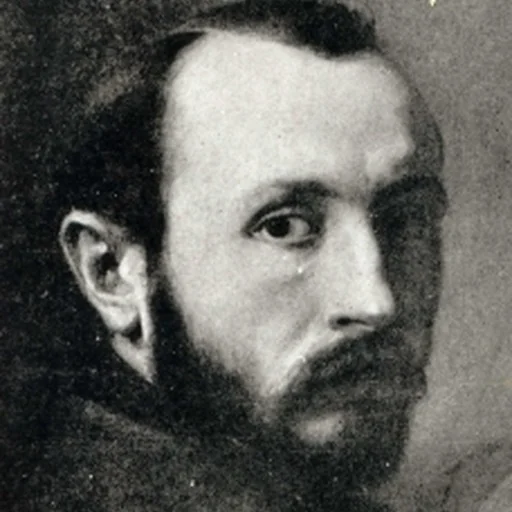
Józef Simmler (March 14, 1823, in Warsaw – March 1, 1868, in Warsaw) was a Polish painter known for his classical style and his Polish subjects.

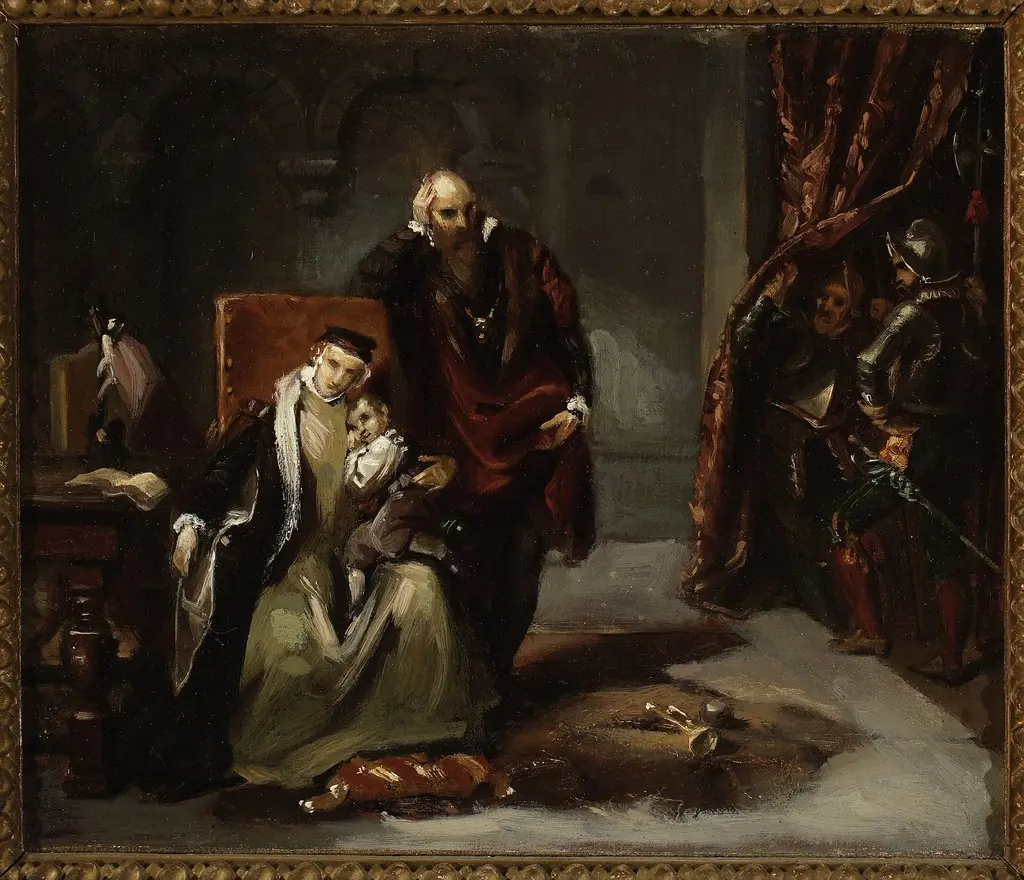 Catherine Jagiellon with her son Sigismund imprisoned in the Gripshom Castle (sketch)
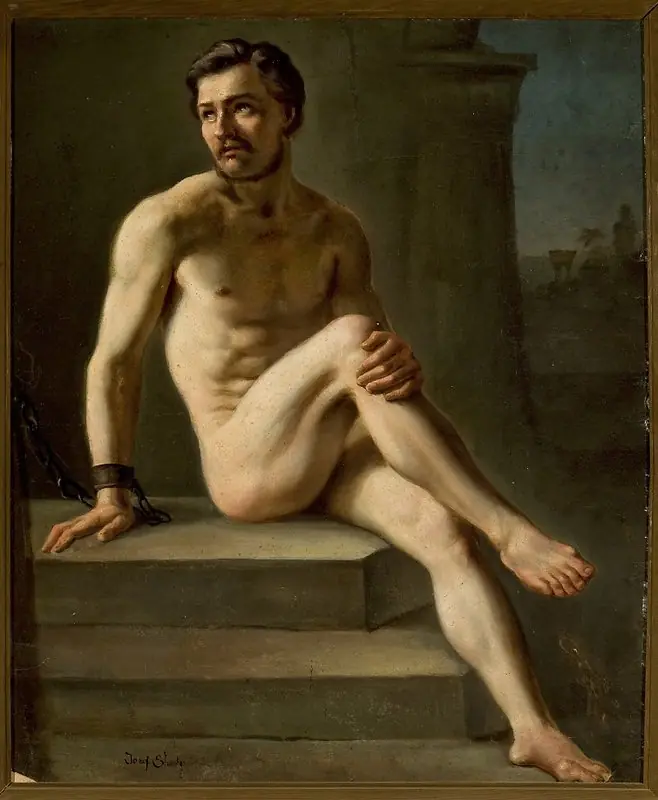 Male nude study
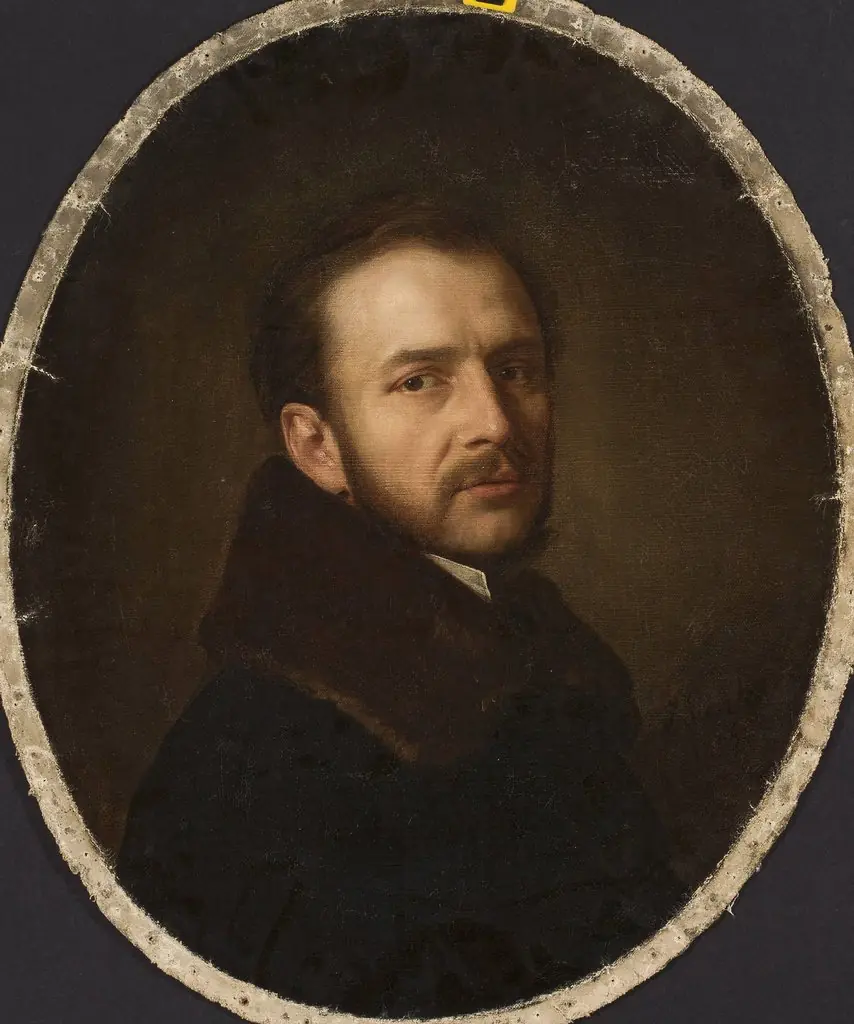 Portrait of a man
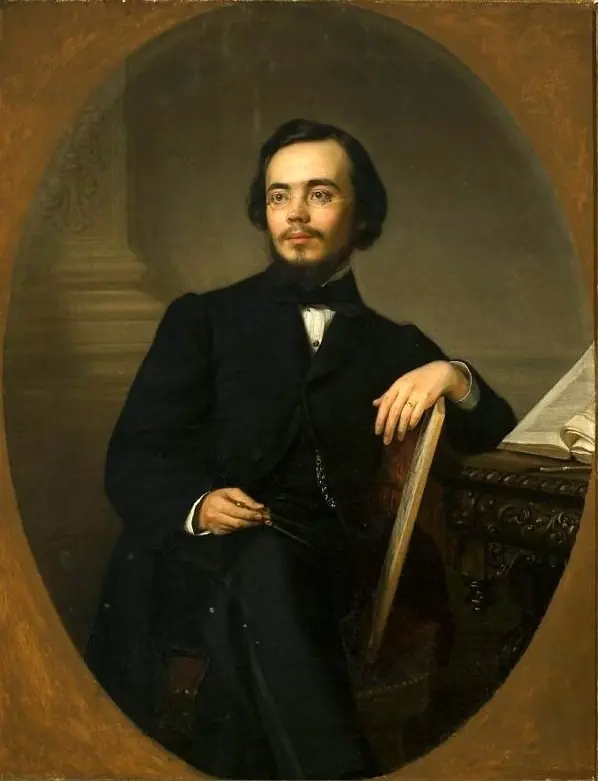 Portrait of Aleksander Waszkowski, member of the National Government in 1863
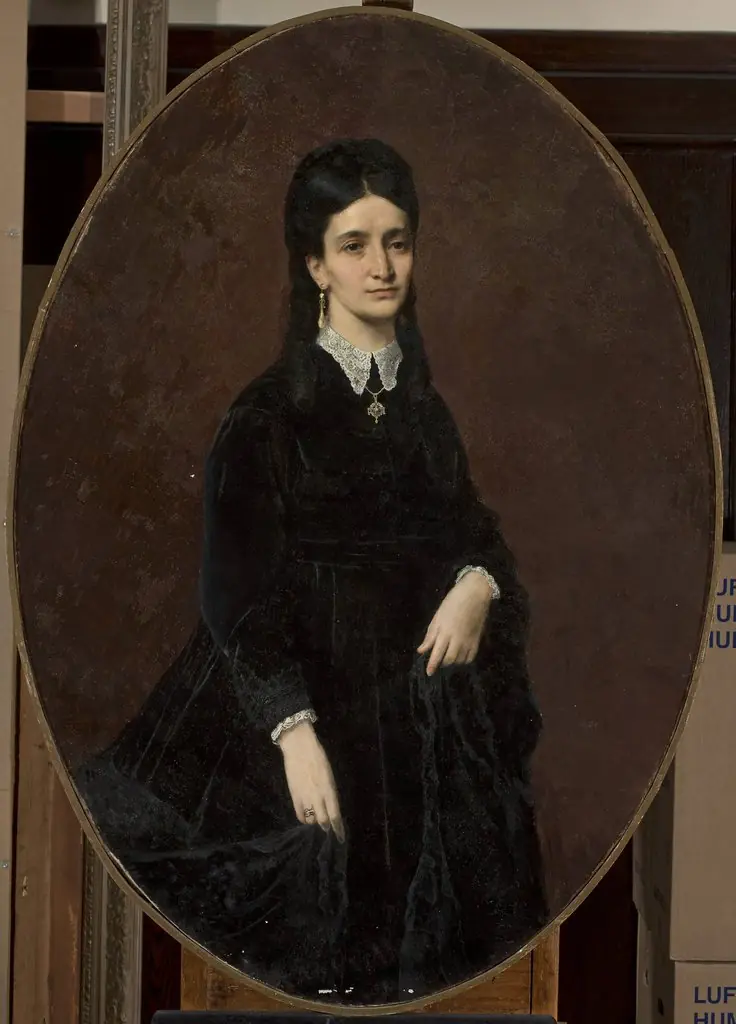 Portrait of a lady
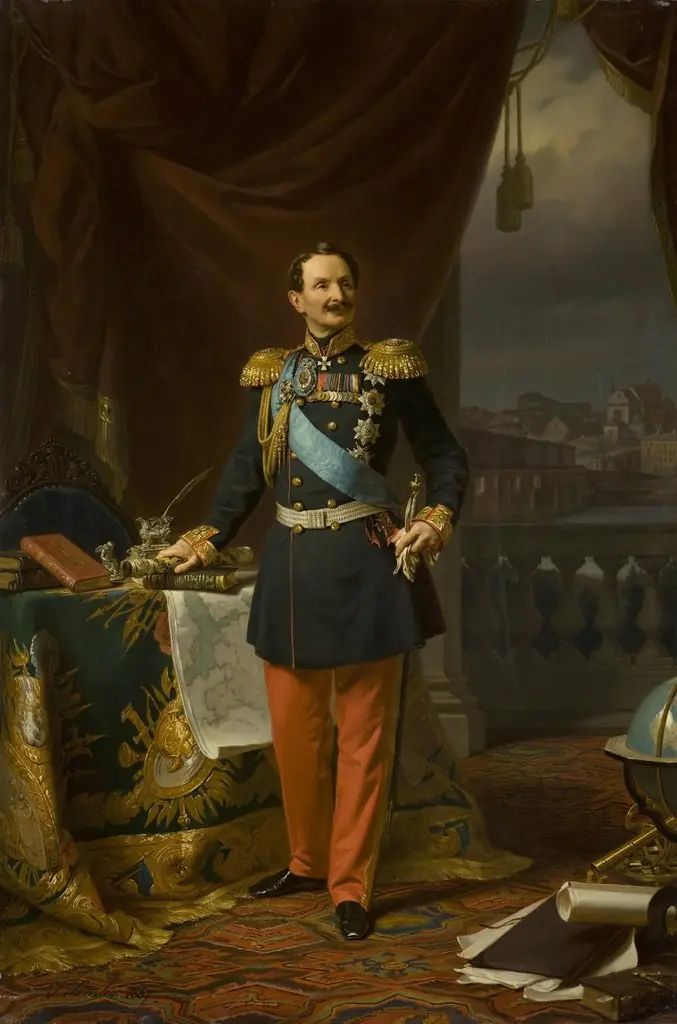 Portrait of Field-Marshal Count Fiodor (Friedrich Wilhelm) Berg
 Nobleman with a Parrot
 Portrait of Mrs. Skwarcowa