Artwork
Hl. Maria Magdalena als Büßerin
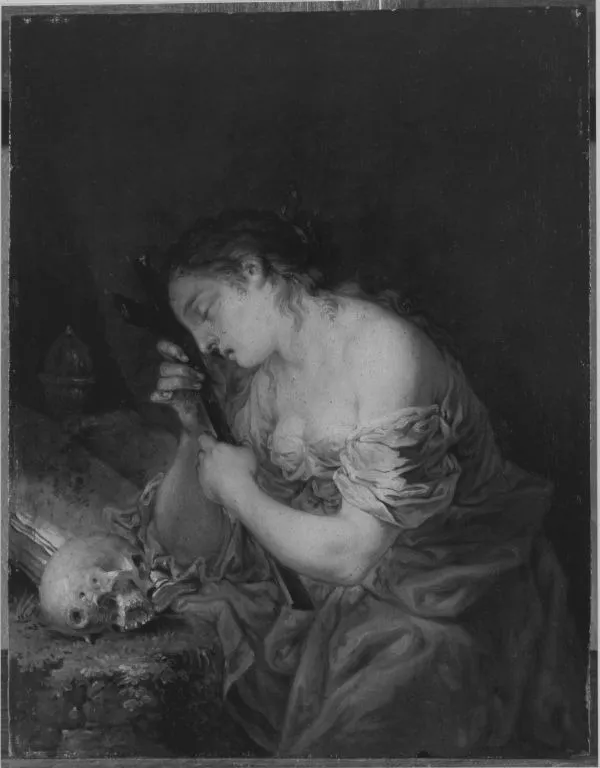
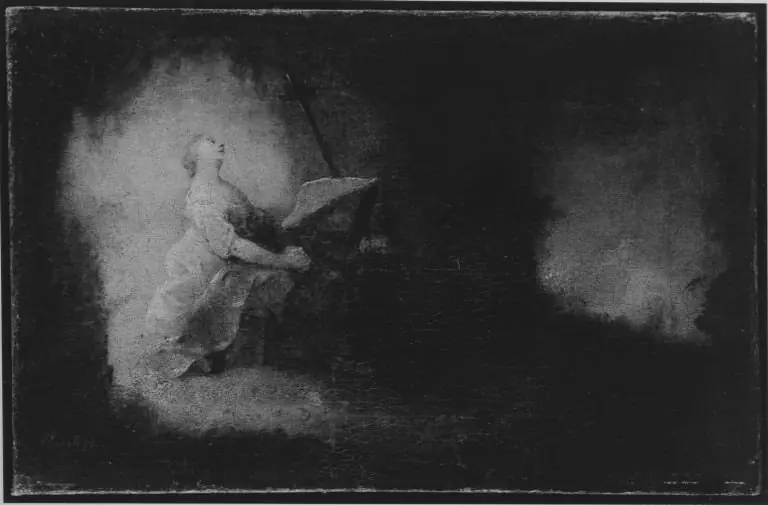
Hl. Maria Magdalena als Büßerin is an unspecified painting by the Rococo painting artist Januarius Zick. It dates from 1769 and is held in the collection of the Bavarian State Painting Collections.
About this work
Overview
Johann Rasso Januarius Zick, a German painter active in the late 18th century, completed the oil painting *Hl. Maria Magdalena als Büßerin* in 1769. Executed in a Rococo idiom that still bears the weight of Baroque conventions, the work is part of the Alte Pinakothek’s holdings in Munich.
Subject & Meaning
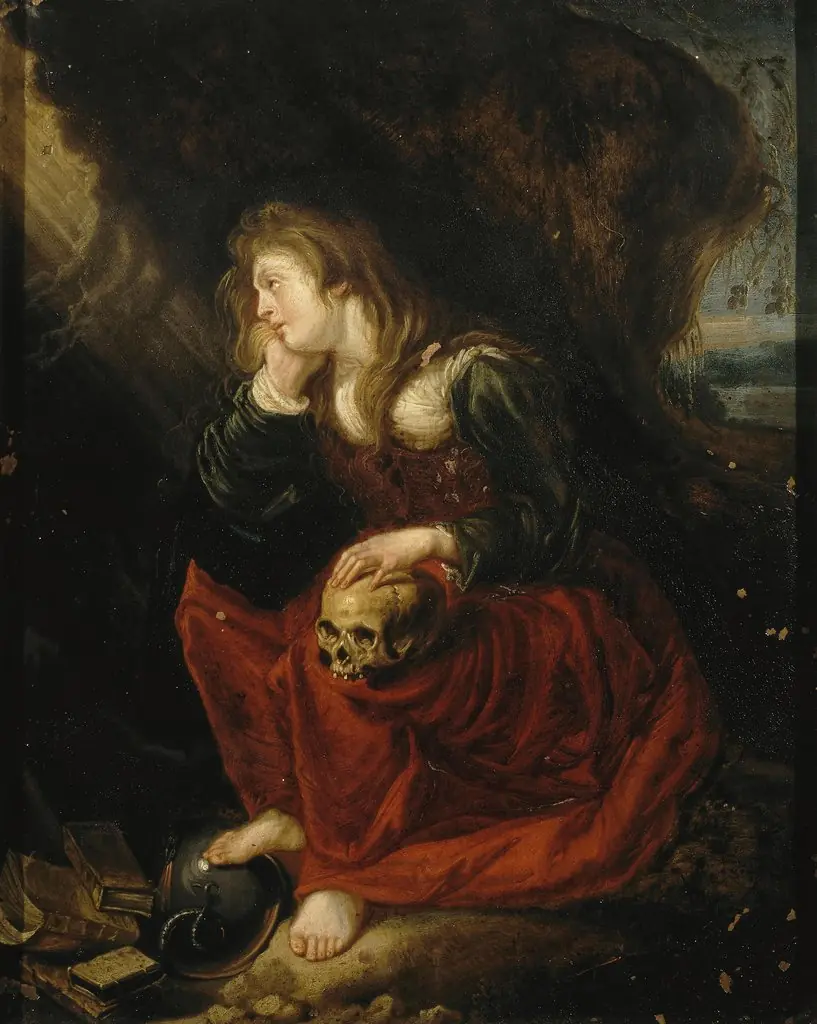
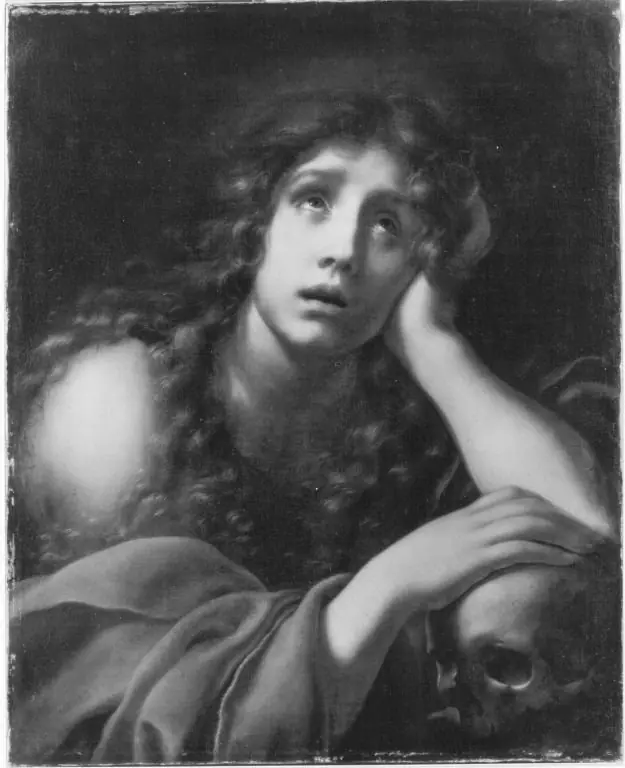
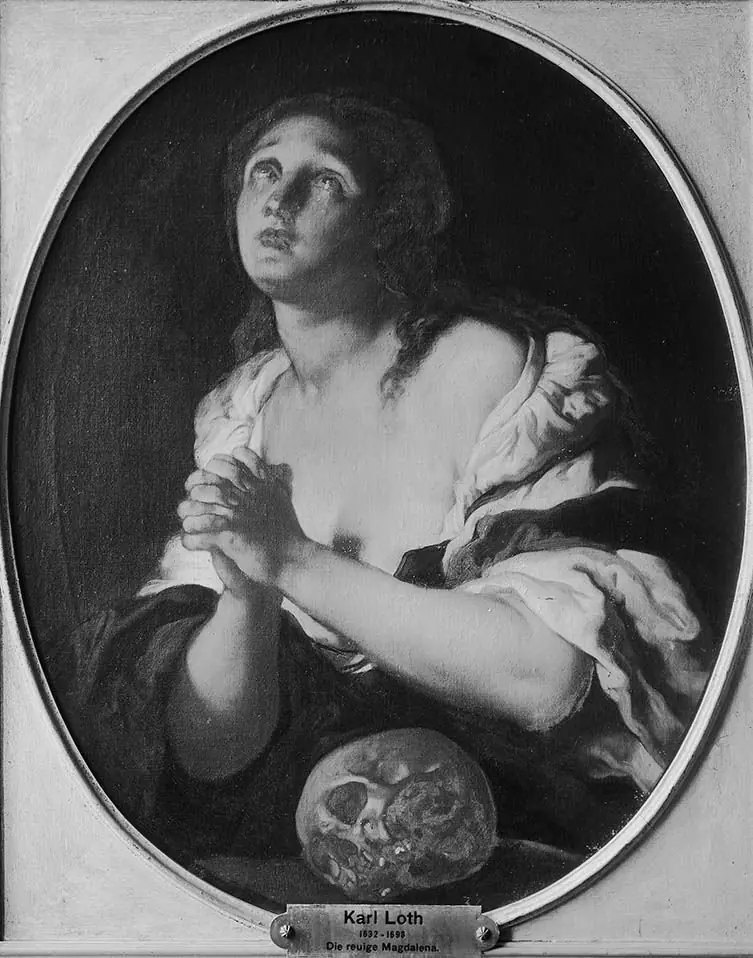
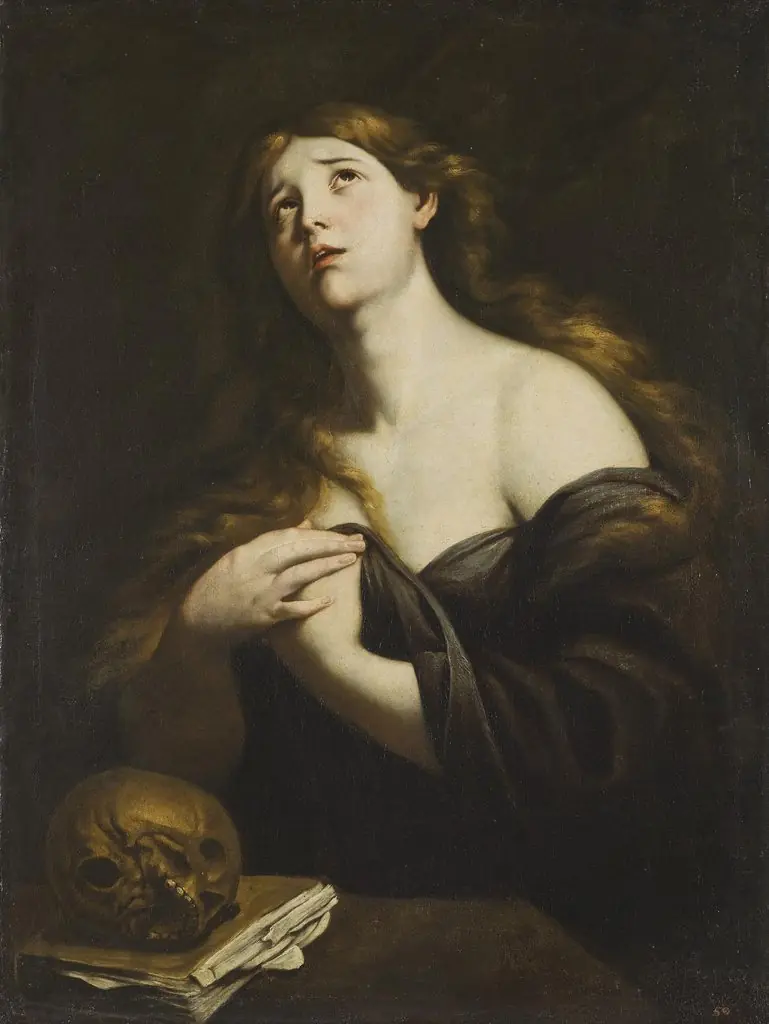
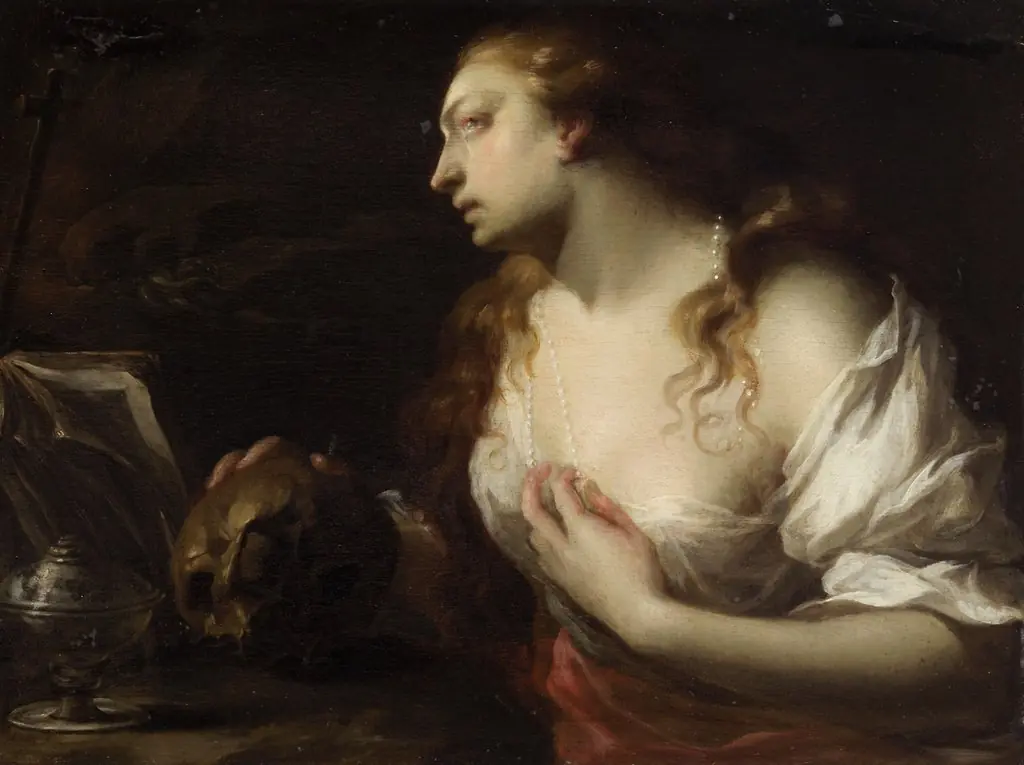
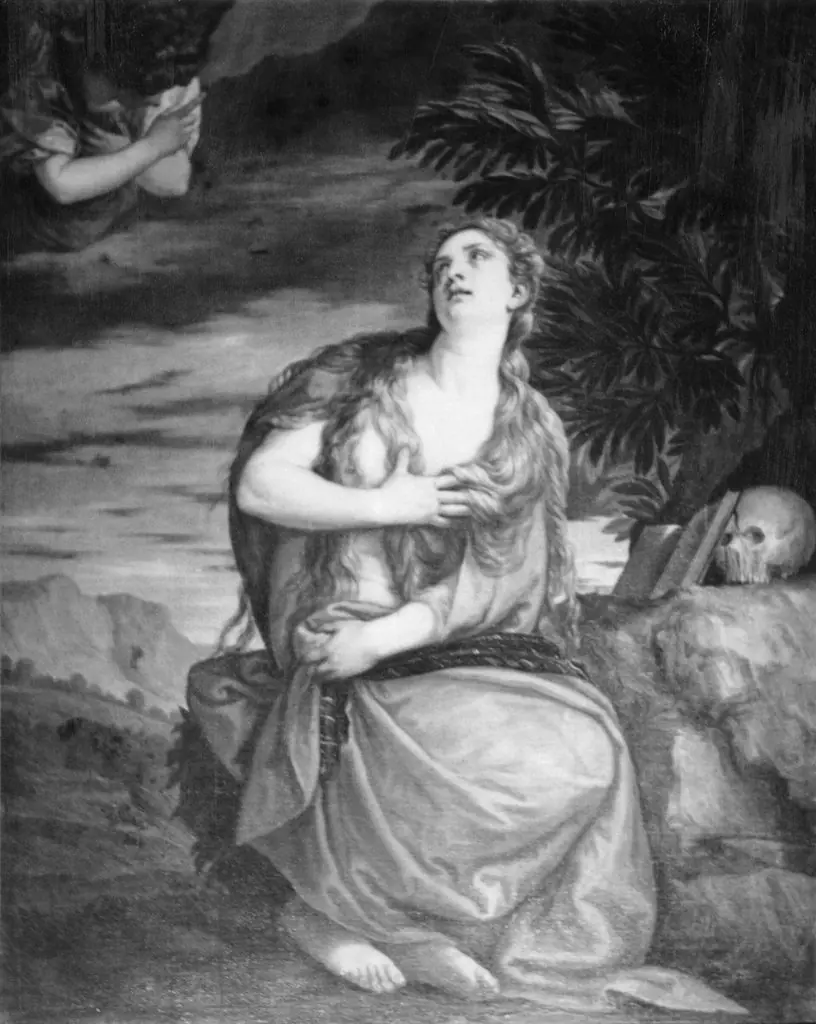
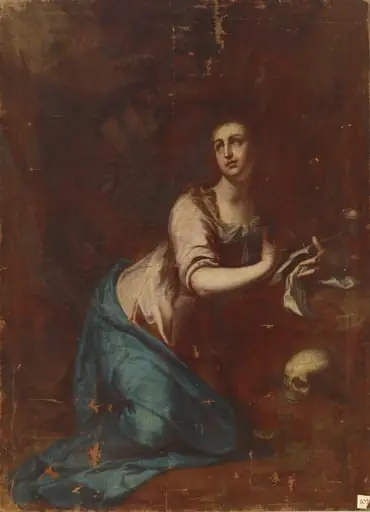
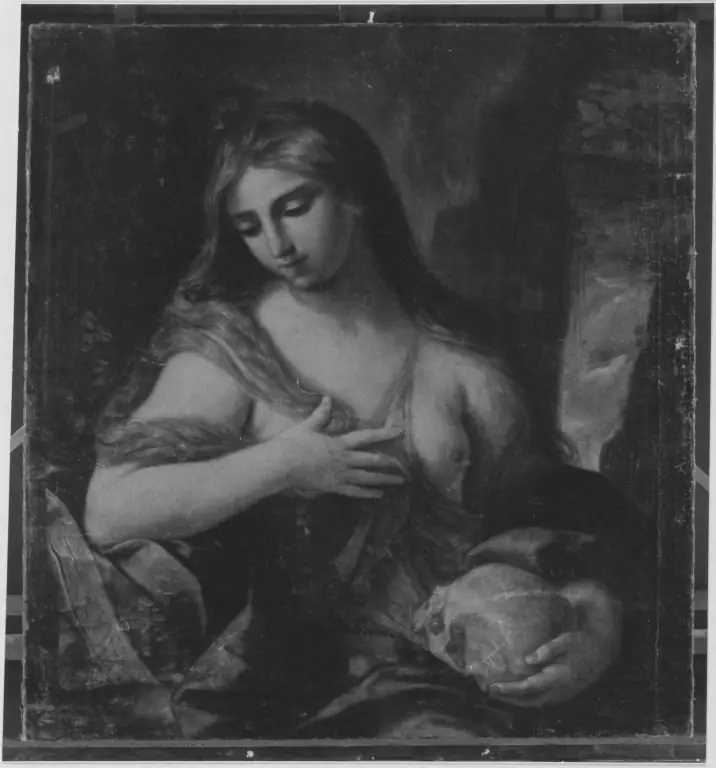
The canvas portrays a solitary female figure identified as Mary Magdalene, seated in a dim interior. She holds a human skull, a traditional memento mori, while her gaze is directed downward, suggesting contemplation of mortality and penitence.
Technique & Style
Zick employs a pronounced chiaroscuro, contrasting a dark surrounding with a softly illuminated face and hands. The figure’s sumptuous gown, with puffed sleeves and a low neckline, is rendered in delicate brushwork characteristic of Rococo elegance, yet the overall tone remains somber.
History & Provenance
Since its creation, the painting entered the collection of the Alte Pinakothek, where it remains on display. Its acquisition reflects the museum’s focus on German art of the transitional Baroque‑Rococo period.
Context
Created during a period when German artists were negotiating the shift from the dramatic vigor of the Baroque to the lighter, ornamental Rococo, Zick’s work exemplifies this stylistic bridge. His dual career as painter and architect informed the careful spatial composition of the interior scene.
Artist & collection
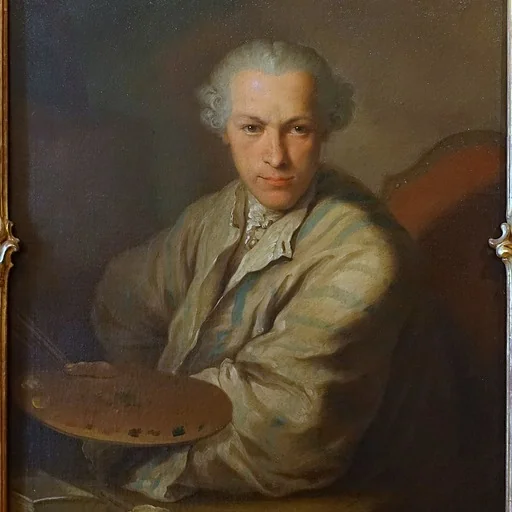
Artist
Johann Rasso Januarius Zick (6 February 1730 – 14 November 1797) was a German painter and architect. He is considered to be one of the main masters of the Late-Baroque.