Artwork
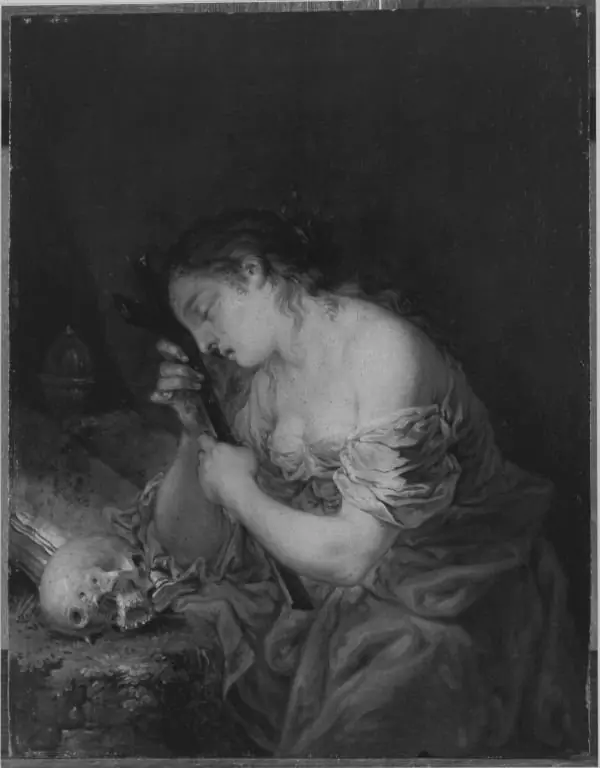
Hl. Maria Magdalena
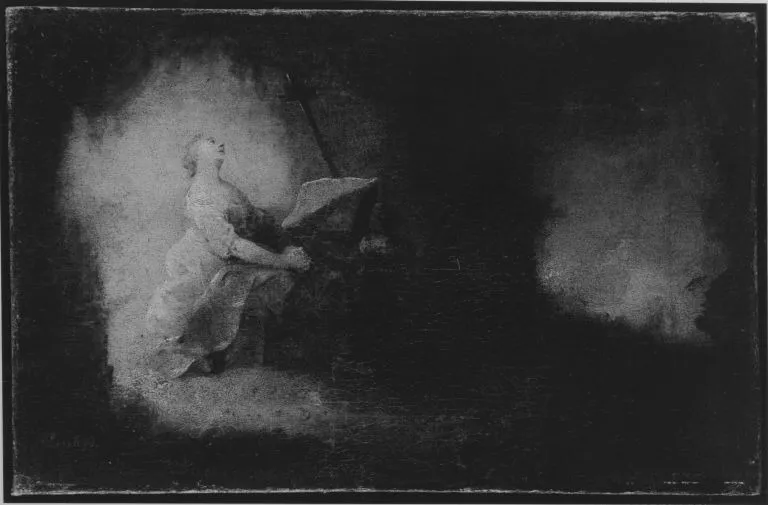
Hl. Maria Magdalena is an unspecified painting by the Rococo painting artist Januarius Zick. It dates from 1754 and is held in the collection of the Bavarian State Painting Collections.
About this work
Overview
Johann Rasso Januarius Zick, a German painter and architect associated with the late Baroque, completed the oil painting *Hl. Maria Magdalena* in 1754. Executed in a Rococo idiom, the work is part of the Alte Pinakothek’s collection in Munich and presents a solitary, contemplative figure against a predominantly dark backdrop.
Subject & Meaning
The central figure is the biblical Mary Magdalene, rendered in flowing robes and holding a book or scroll. Her upward‑turned gaze and the gentle illumination suggest a moment of prayerful meditation, emphasizing themes of repentance and spiritual introspection.
Technique & Style
Zick employs a pronounced chiaroscuro, allowing a narrow beam of light to isolate the saint from the surrounding gloom. The delicate brushwork, pastel tones, and ornamental elegance align the piece with Rococo aesthetics while retaining the dramatic contrast typical of late‑Baroque painting.
History & Provenance
Since its creation, the canvas has remained in German collections, ultimately entering the Alte Pinakothek, where it is displayed among other works from the 18th‑century Bavarian school. Its provenance reflects the artist’s reputation as a leading figure in both painting and architectural design during his lifetime.
Context
Zick’s career bridged decorative painting and architectural projects, a common practice among late‑Baroque artists. *Hl. Maria Magdalena* illustrates his capacity to translate religious narrative into a visually intimate scene, a hallmark of the period’s shift toward personal devotion in art.
Artist & collection
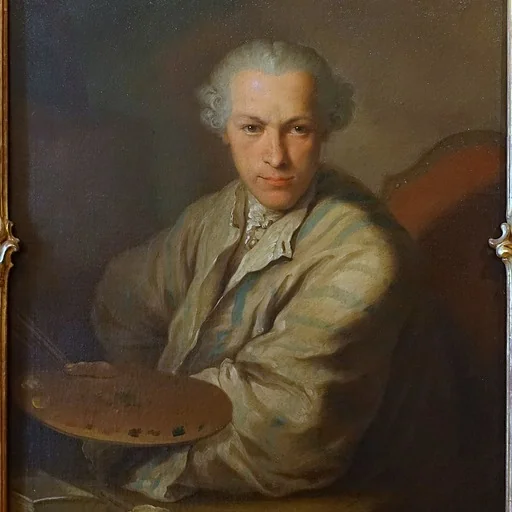
Artist
Johann Rasso Januarius Zick (6 February 1730 – 14 November 1797) was a German painter and architect. He is considered to be one of the main masters of the Late-Baroque.

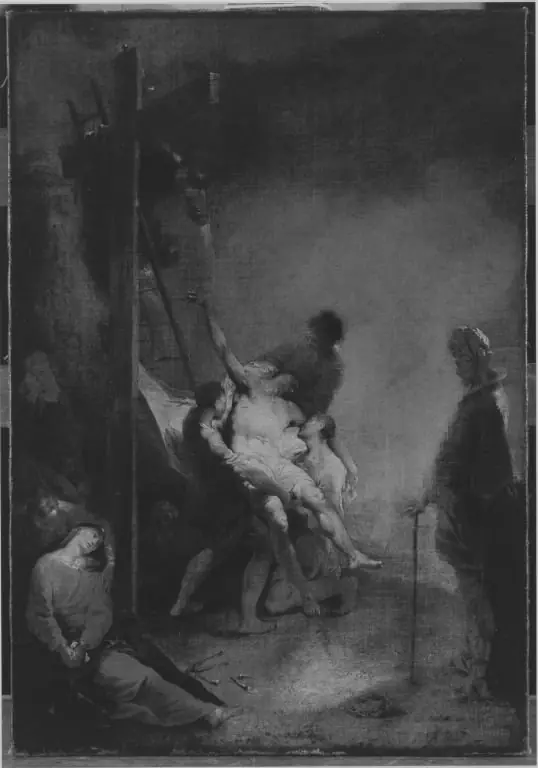
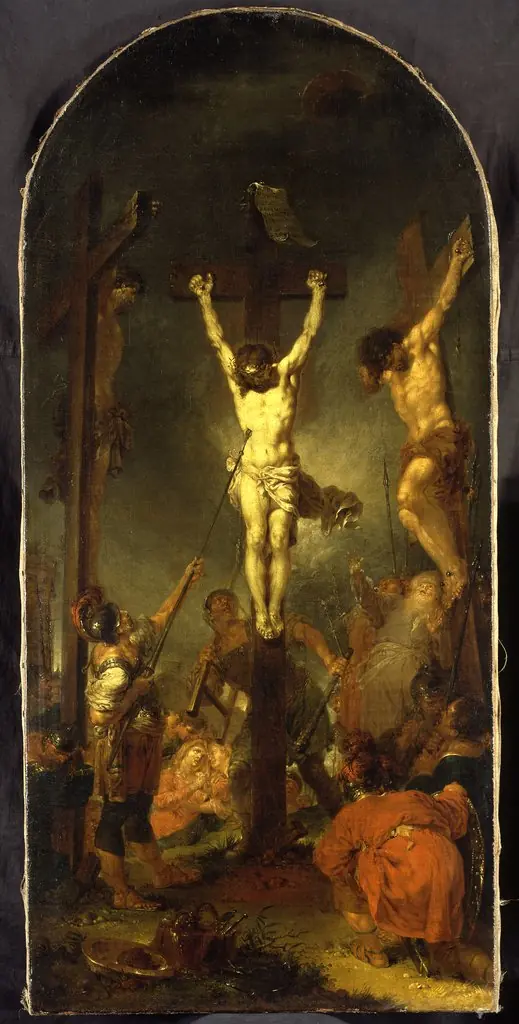
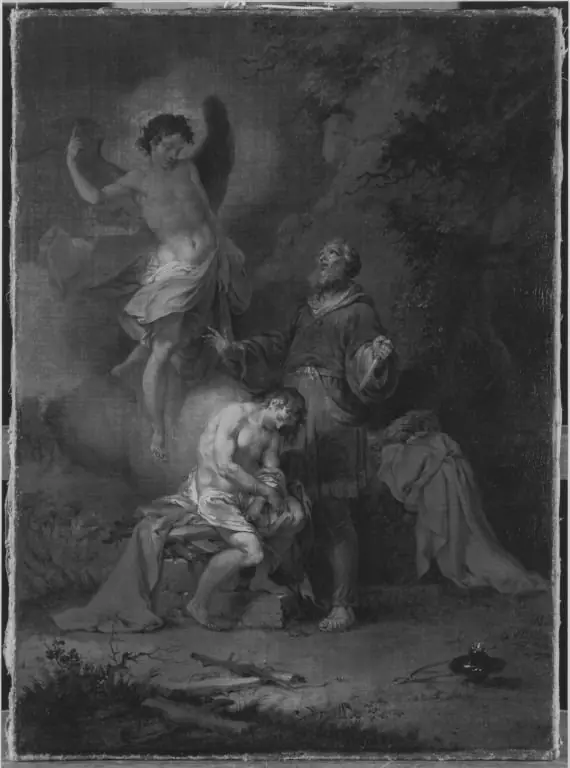
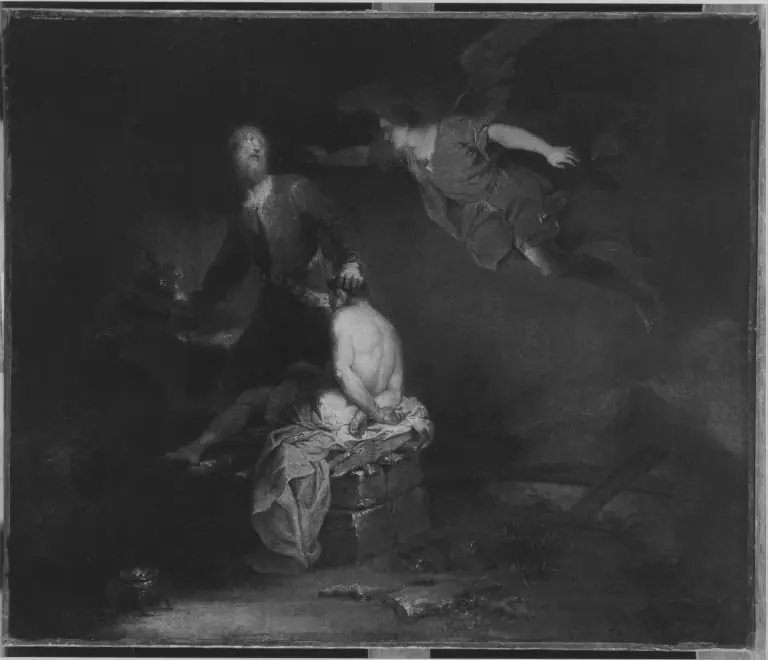
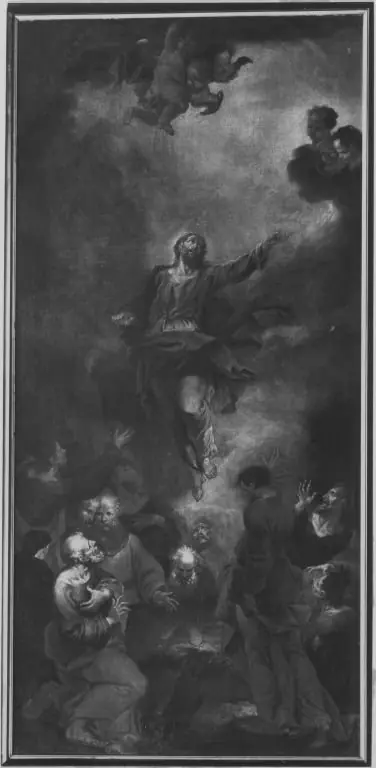
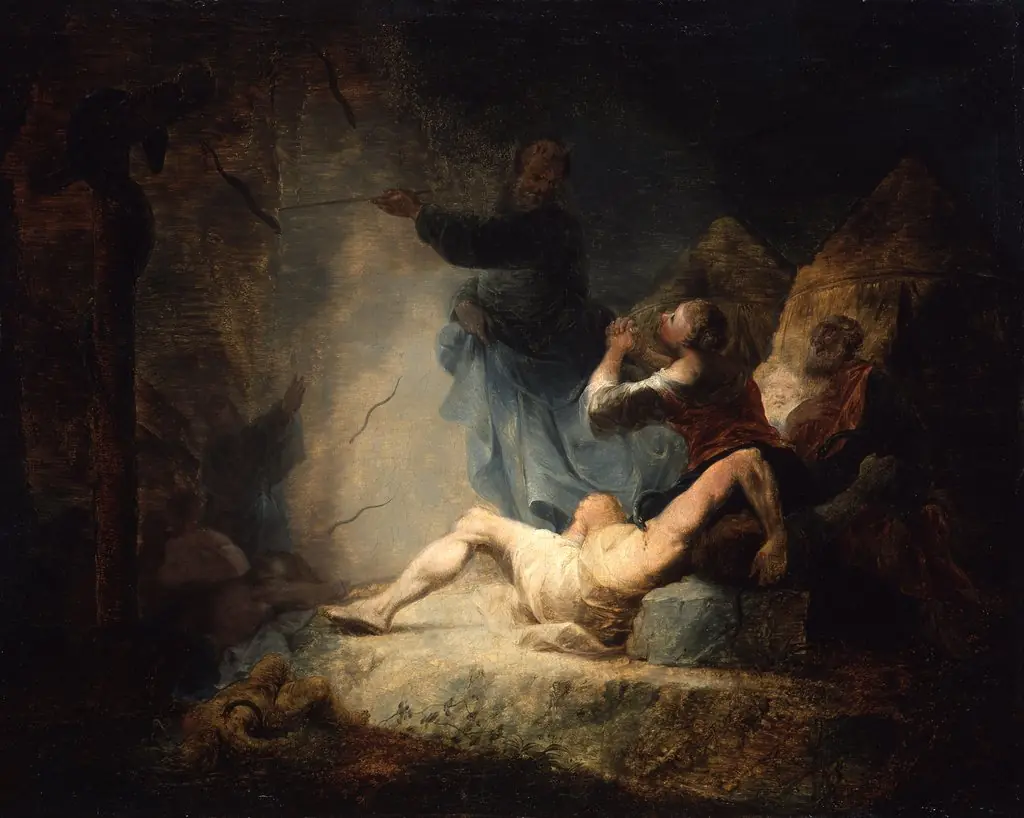
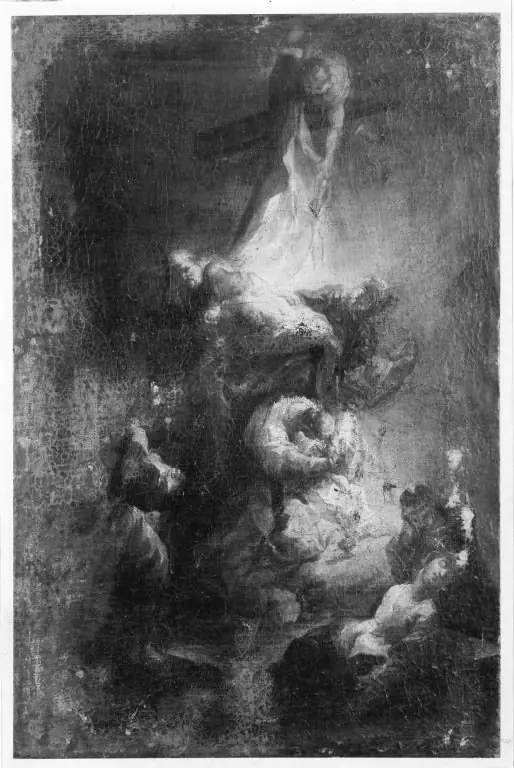 Kreuzabnahme Christi
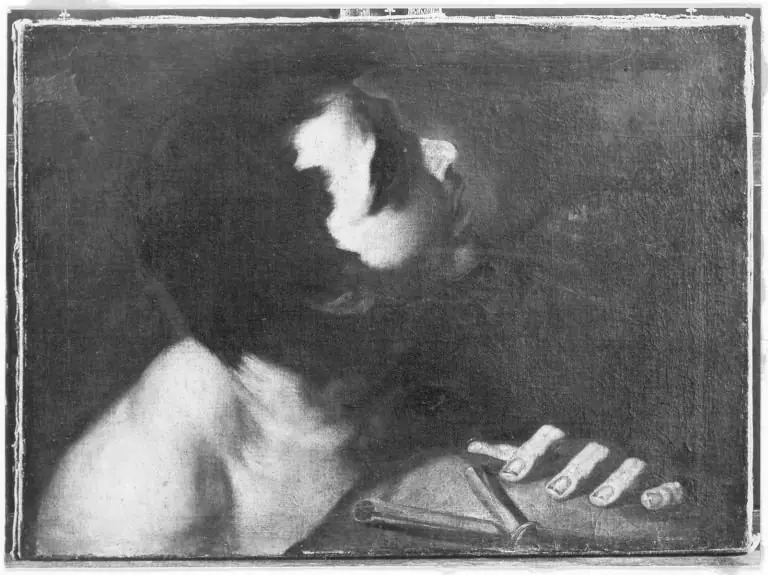 Johannes der Täufer
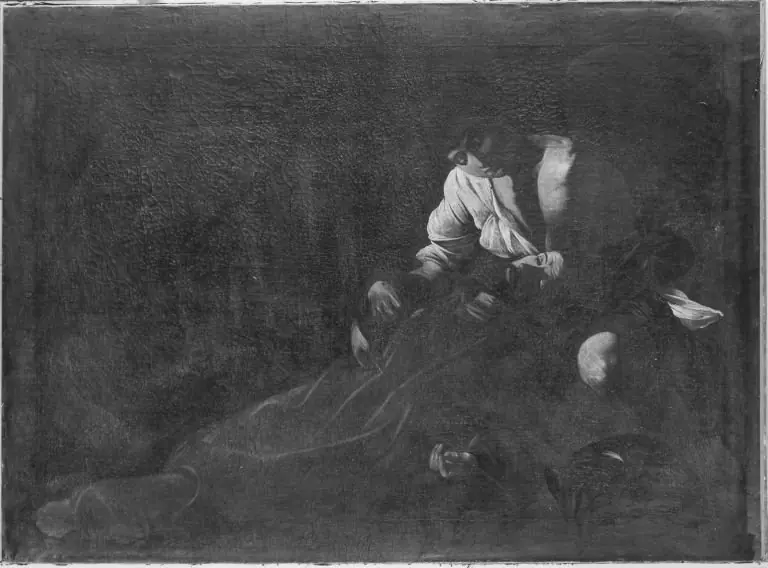 Tod des hl. Franziskus (Kopie nach)
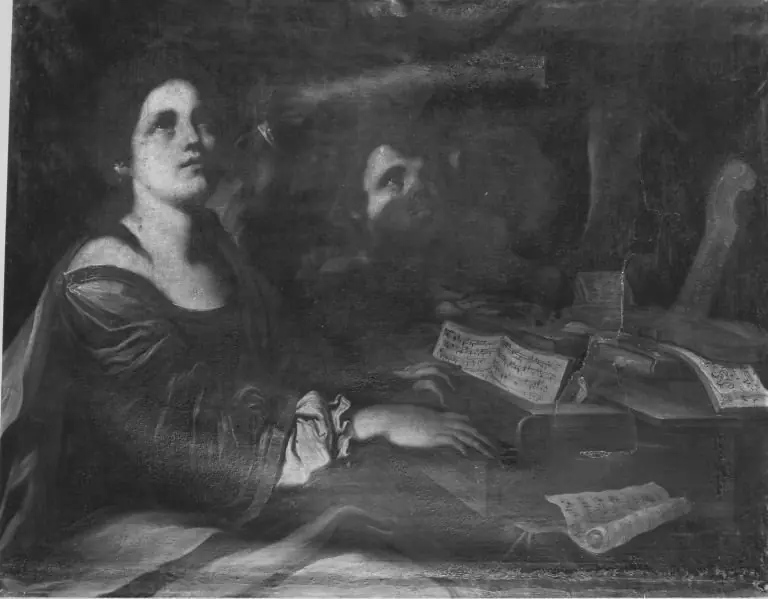 Hl. Cäcilia am Spinett (Nachfolger)
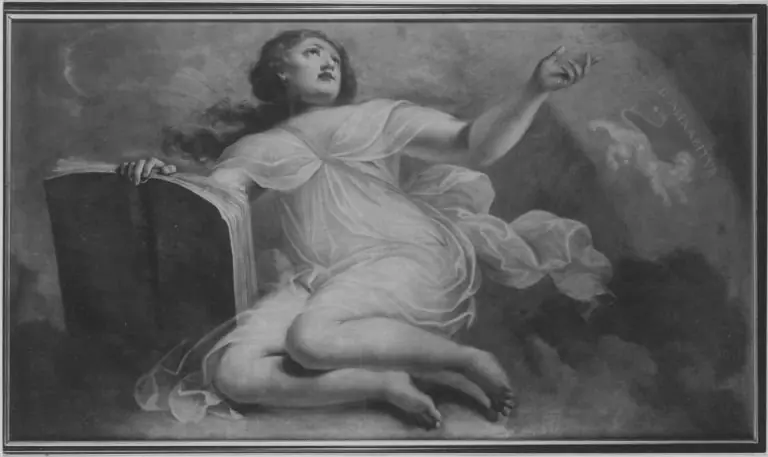 Allegorie der Weisheit
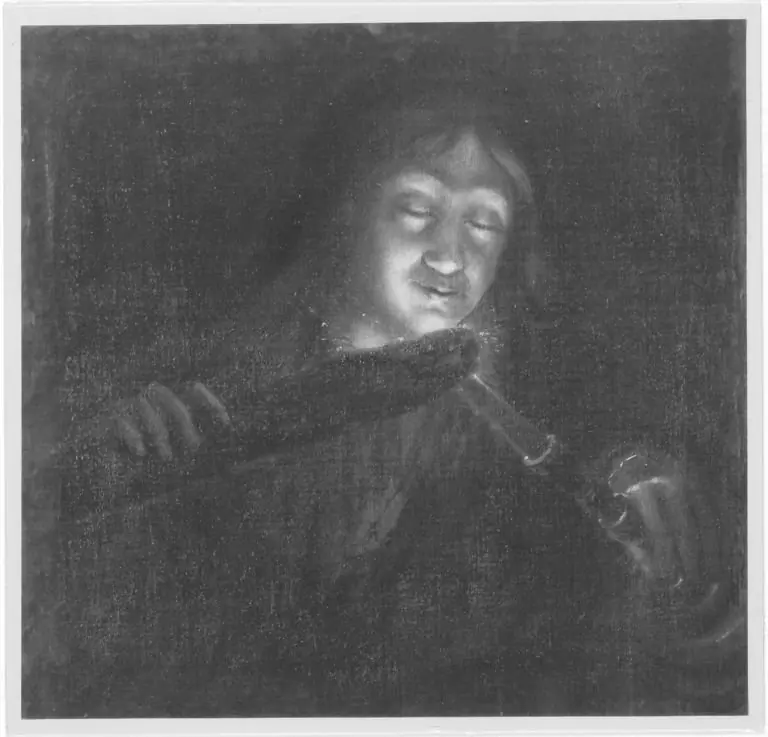 Girl lighting a candle
 Ariadne
 Johannes Studie
 Dragt- og bevægelsesstudie af en ung kvinde i bondedragt
 Aan het altaar
 Dragt- og bevægelsesstudie af en ung kvinde i bondedragt
 Franciscan Monk