Artwork
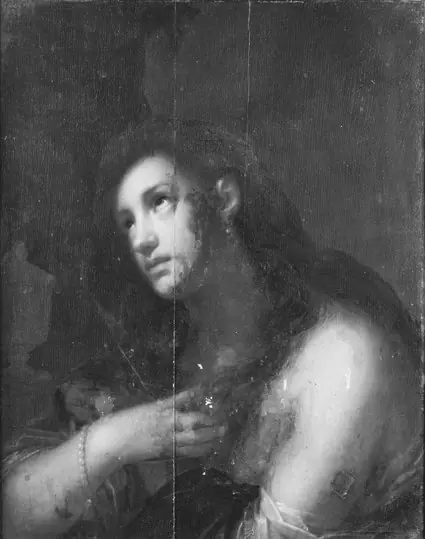
Die reuige Magdalena
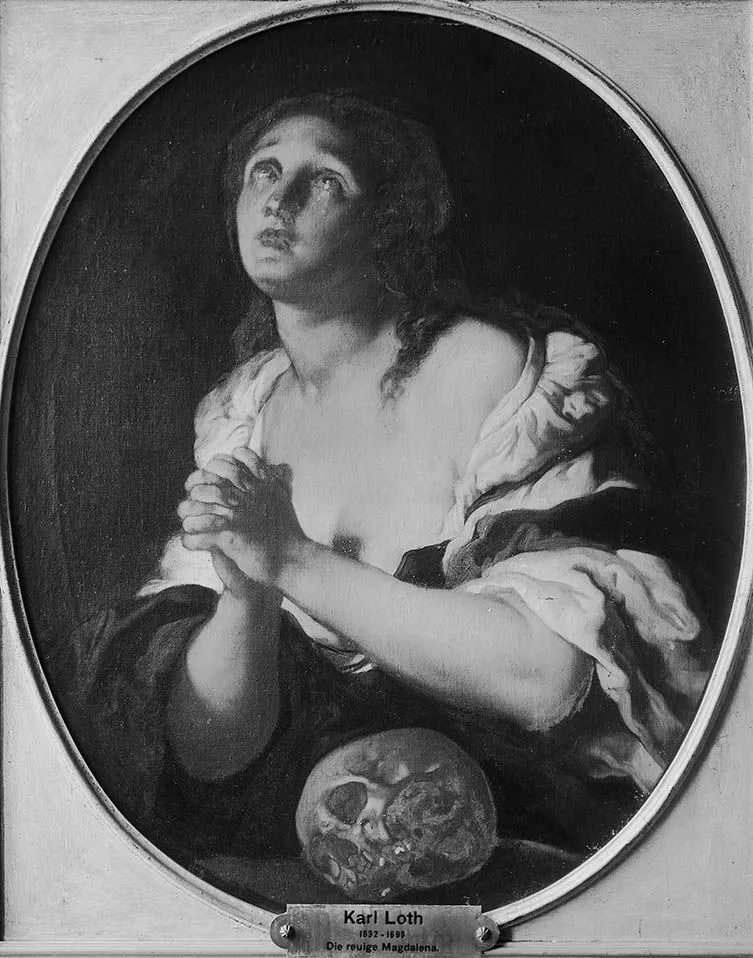
Die reuige Magdalena is an unspecified painting by the Barbizon school artist Johann Carl Loth. It dates from 1665 and is held in the collection of the Bavarian State Painting Collections.
About this work
Overview
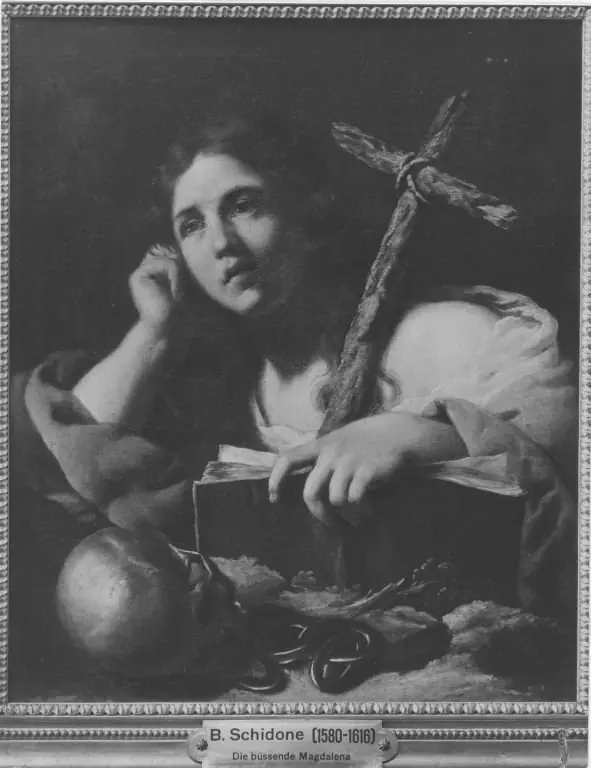
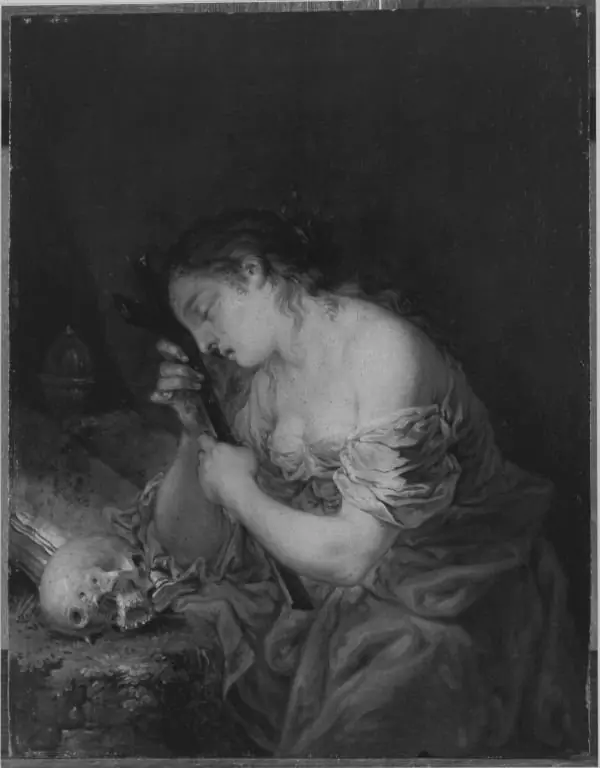
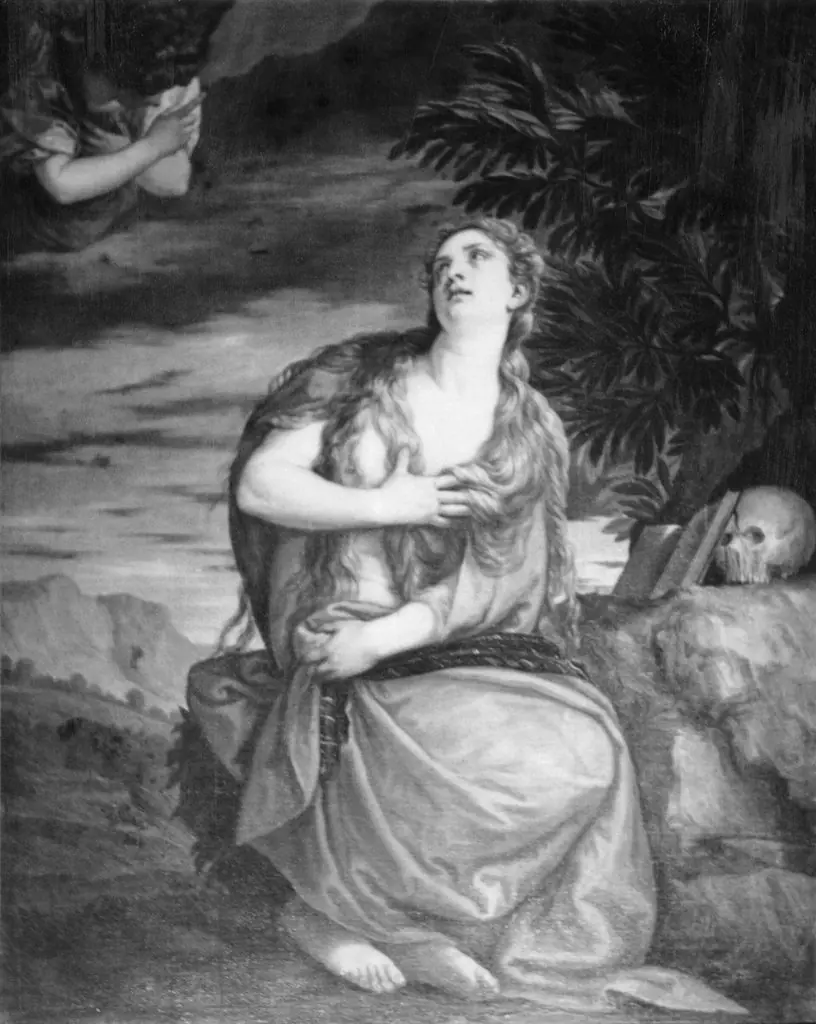
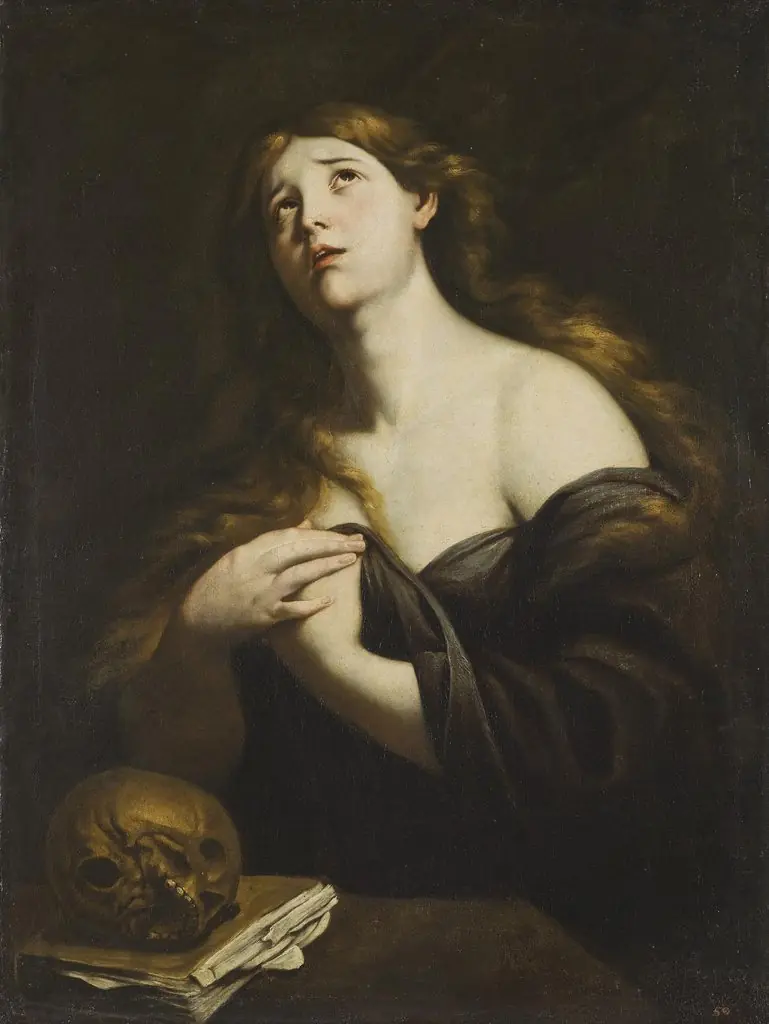
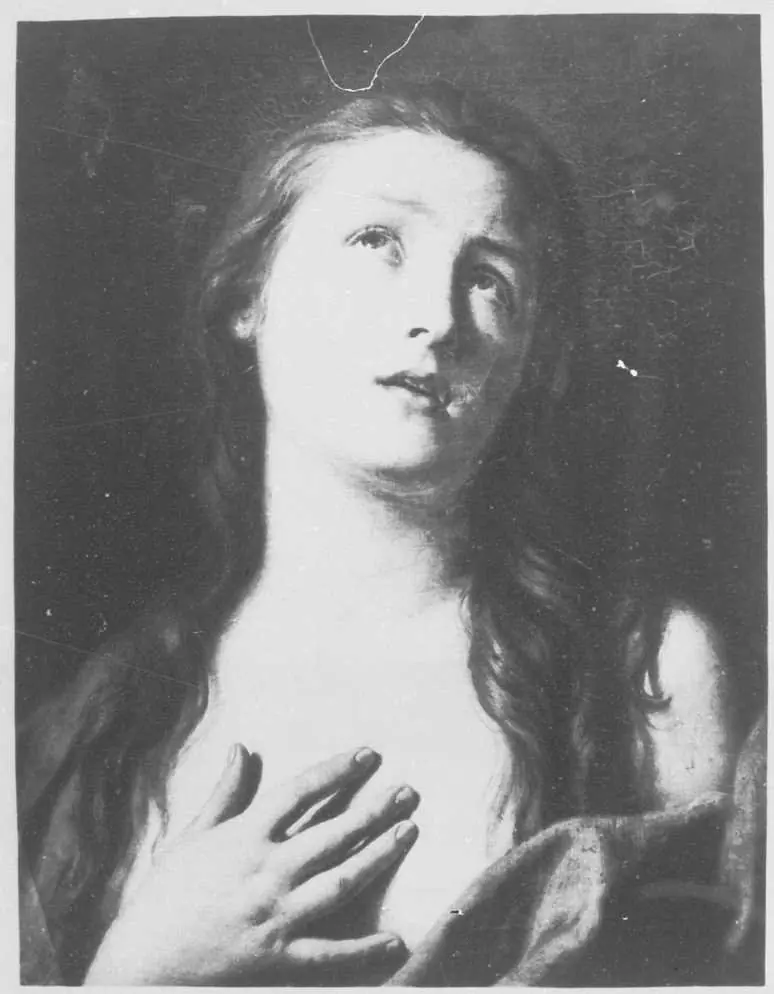
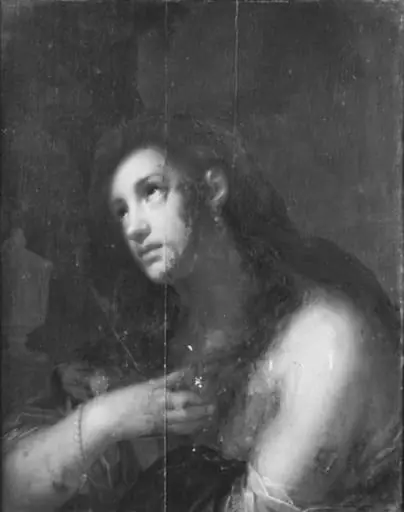
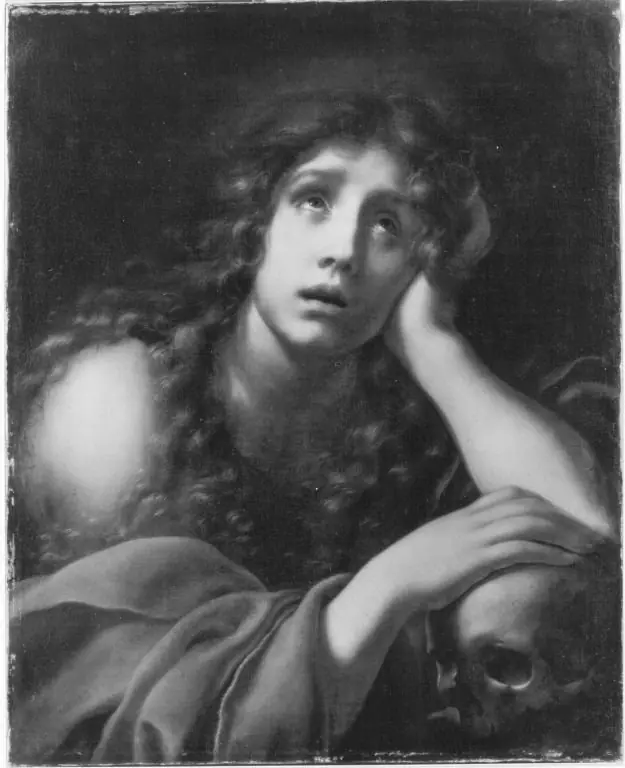
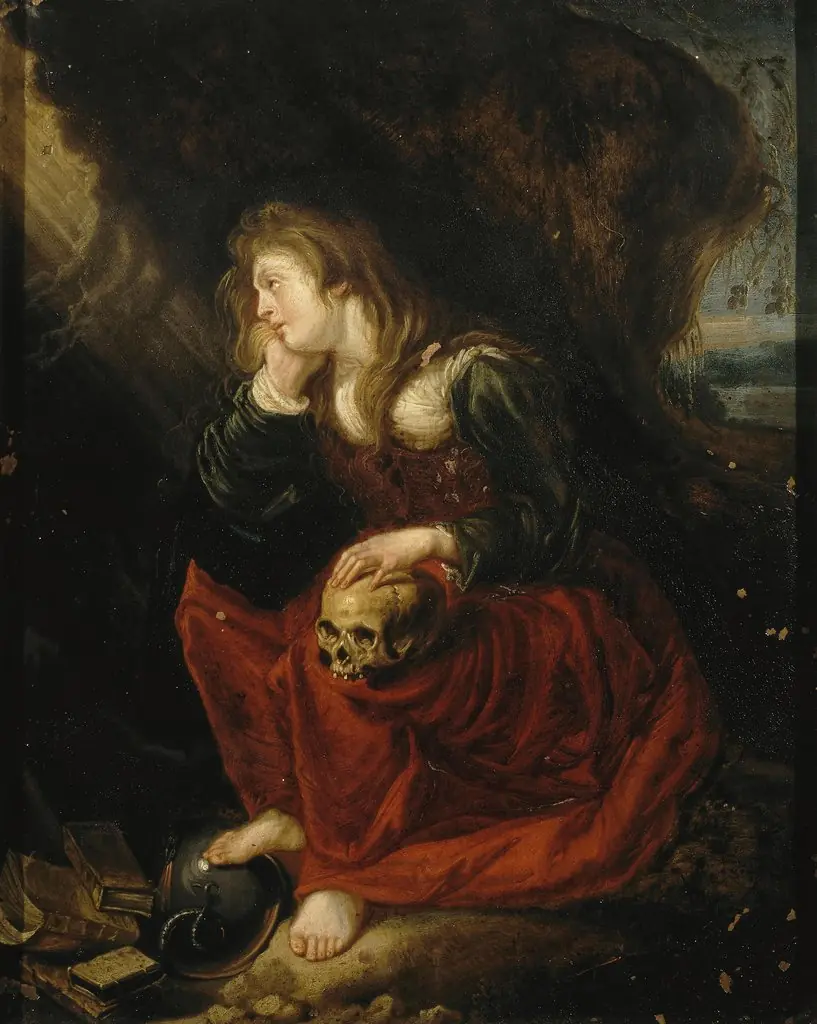
Johann Carl Loth’s 1665 oil painting, titled *Die reuige Magdalena*, presents a solitary figure of Mary Magdalene. The work is housed in Munich’s Alte Pinakothek and exemplifies the somber devotional imagery typical of mid‑seventeenth‑century Catholic art.
Subject & Meaning
The central figure is a woman in modest, draped attire, hands clasped in prayer and gaze lifted upward, conveying penitence and contemplation. At her feet rests a stark skull, a traditional memento mori that underscores the transient nature of life and the hope for spiritual redemption.
Technique & Style
Loth employs a chiaroscuro palette, contrasting deep shadows with illuminated flesh tones to model the figure’s form. The oval composition and restrained color scheme focus attention on the saint’s expression, while the subdued background enhances the painting’s meditative atmosphere.
History & Provenance
Created in 1665, the canvas entered the collection of the Alte Pinakothek, one of Germany’s oldest public museums. Its acquisition reflects the institution’s commitment to preserving Baroque religious works from Southern Germany and the broader Holy Roman Empire.
Context
During the Counter‑Reformation, depictions of penitential saints such as Mary Magdalene served didactic purposes, reminding viewers of repentance. Loth’s rendering aligns with contemporary devotional trends, emphasizing personal sorrow and the inevitability of death as pathways to divine grace.
Artist & collection