Artwork
Peñalara (Sierra de Guadarrama)
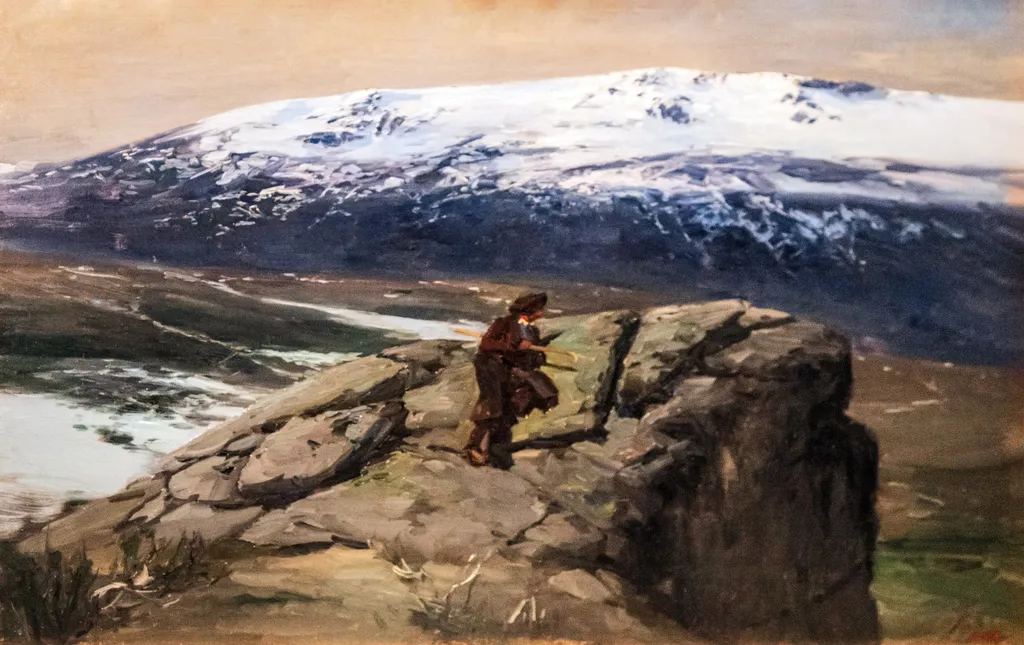
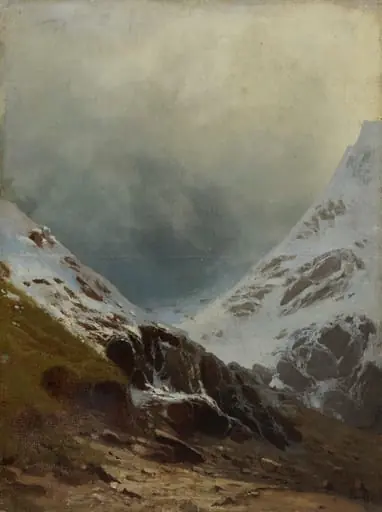
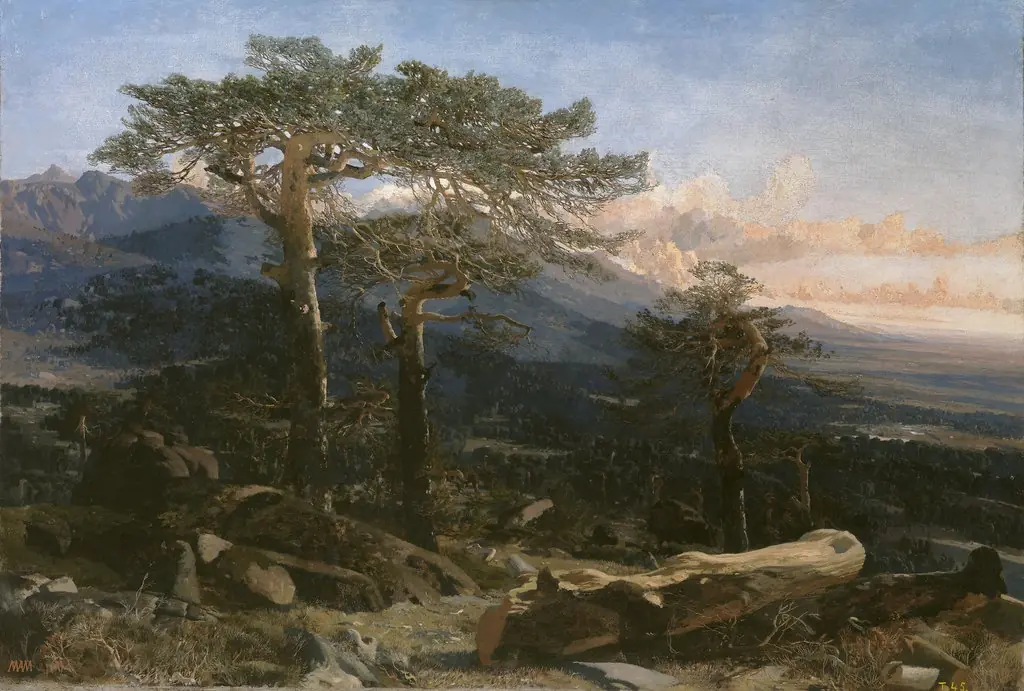
Peñalara (Sierra de Guadarrama) is an oil painting by the Post-Impressionist artist Jaume Morera i Galícia. It dates from 1896 and is held in the collection of the Museu Nacional d'Art de Catalunya.
About this work
Overview
The work is part of the permanent collection at the Museu Nacional d'Art de Catalunya.
Painted in 1896 by Jaume Morera i Galícia, Peñalara (Sierra de Guadarrama) is an oil-on-canvas landscape depicting a remote peak in Spain’s Sierra de Guadarrama. The work is part of the permanent collection at the Museu Nacional d'Art de Catalunya. It captures a solitary figure on a rocky ledge, framed by alpine terrain and a quiet body of water below, rendered with a muted palette and tactile brushwork that emphasizes the rawness of the natural setting.
Subject & Meaning
A lone figure, clad in dark attire and holding a staff, stands on a precipice, gazing toward distant snow-covered peaks. The figure’s small scale relative to the vast landscape suggests contemplation rather than dominance. The scene evokes solitude and quiet reverence for nature, reflecting 19th-century Romantic sensibilities that valued the sublime in untouched wilderness, without overt narrative or symbolism.
Technique & Style
Morera employed visible, deliberate brushstrokes to build texture across the rocky outcrop, grassy foreground, and snow-laden ridges. Earth tones—ochres, grays, and muted greens—dominate, with the white of the snow providing subtle contrast. The paint is applied with a restrained hand, avoiding dramatic chiaroscuro; instead, the light appears diffused, enhancing the sense of atmospheric depth and quiet realism.
History & Provenance
Created in 1896, the painting entered the collection of the Museu Nacional d'Art de Catalunya in the early 20th century, likely through acquisition or donation. It remained relatively obscure until broader interest in Catalan landscape painting of the period emerged in the late 20th century. Its provenance is well-documented within the museum’s archives, with no evidence of significant ownership changes prior to its institutional acquisition.
Context
Morera painted during a period when Catalan artists were redefining regional identity through depictions of local topography. Peñalara reflects a broader trend of interest in Spain’s natural landscapes, influenced by European Romanticism and the rise of scientific and topographical observation. Unlike urban scenes favored by contemporaries, this work emphasizes isolation and geological grandeur, aligning with a growing cultural appreciation for the country’s mountainous interiors.
Legacy
Though not widely exhibited outside Catalonia, Peñalara remains a representative example of late 19th-century Catalan landscape painting. It contributes to the understanding of how regional artists engaged with nature beyond idealized or mythologized imagery. The work’s quiet intensity and technical restraint have influenced later generations of Spanish painters seeking authenticity in natural representation.
Artist & collection

 Lumiset vuorenrinteet
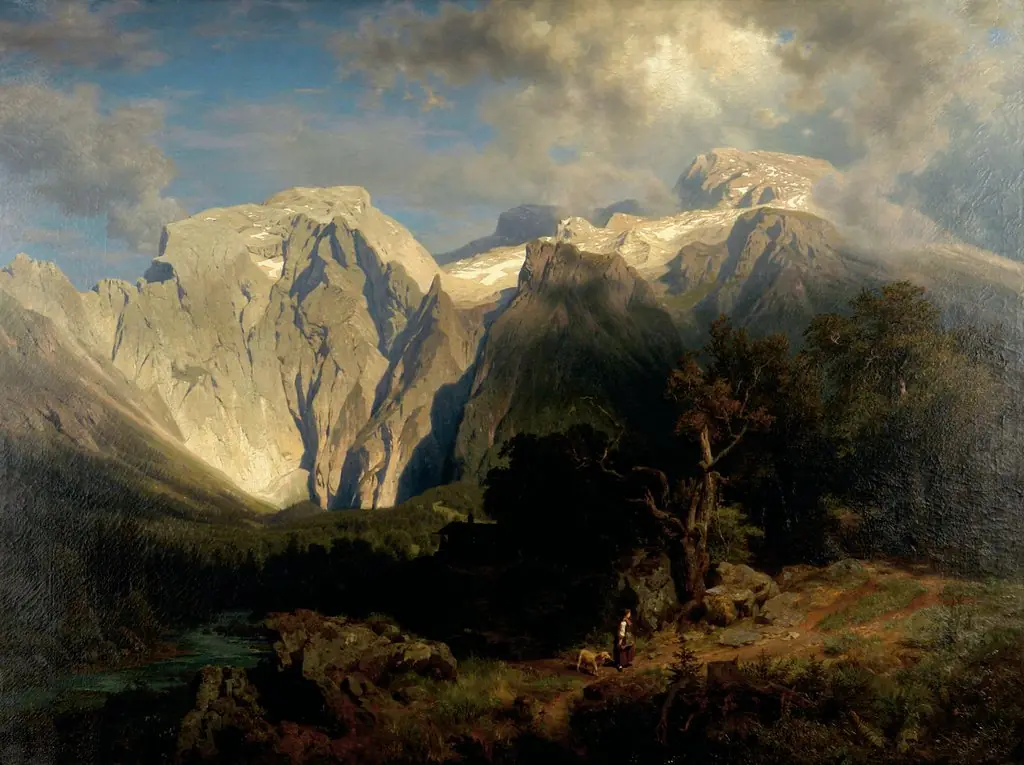 Limestone Mountain Landscape
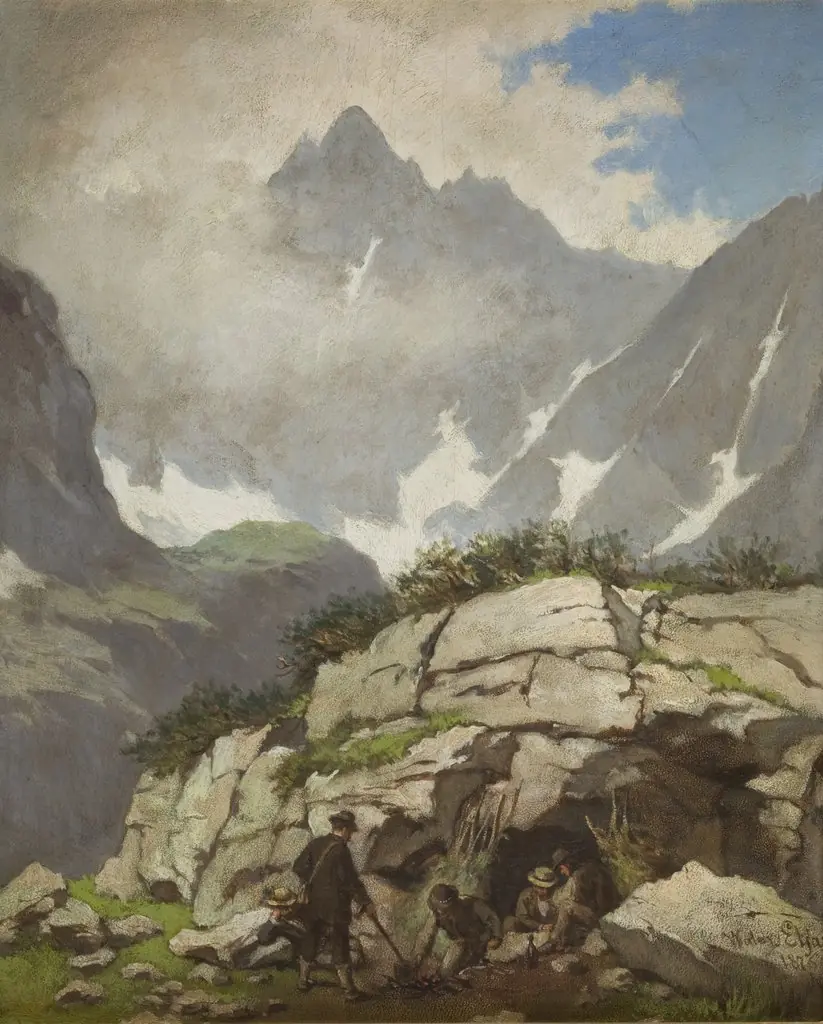 Rock Refuge of Reverend Stolarczyk in the Tatra Mountains
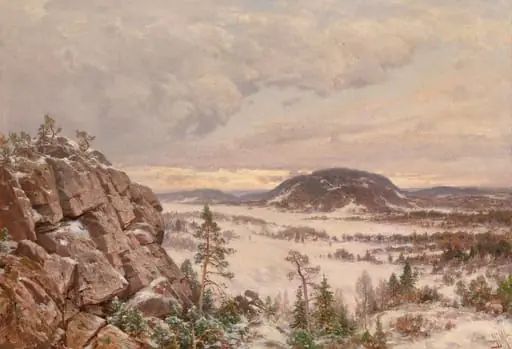 Talviaamu
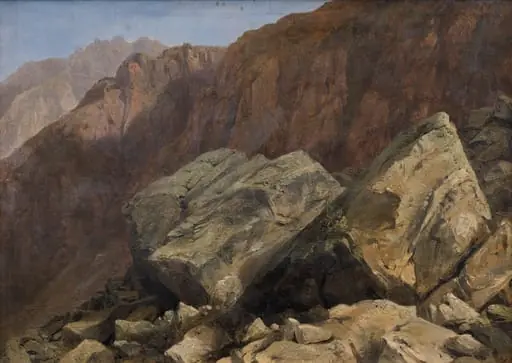 Stânci
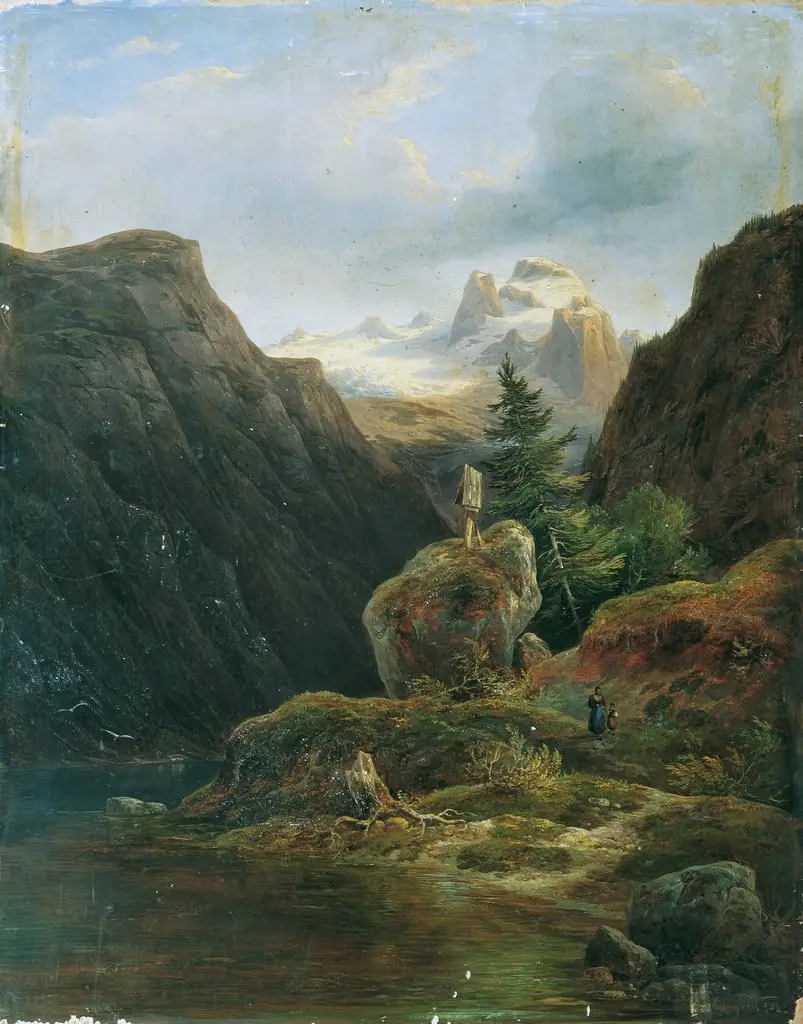 Vorderer Gosausee against Dachstein
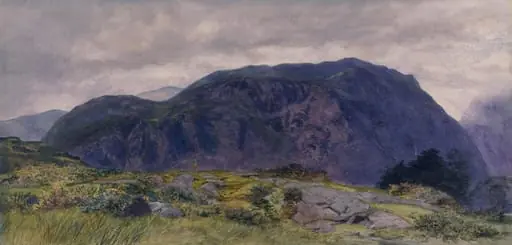 Mountain ridge, near Gowborrow Park, Yorkshire
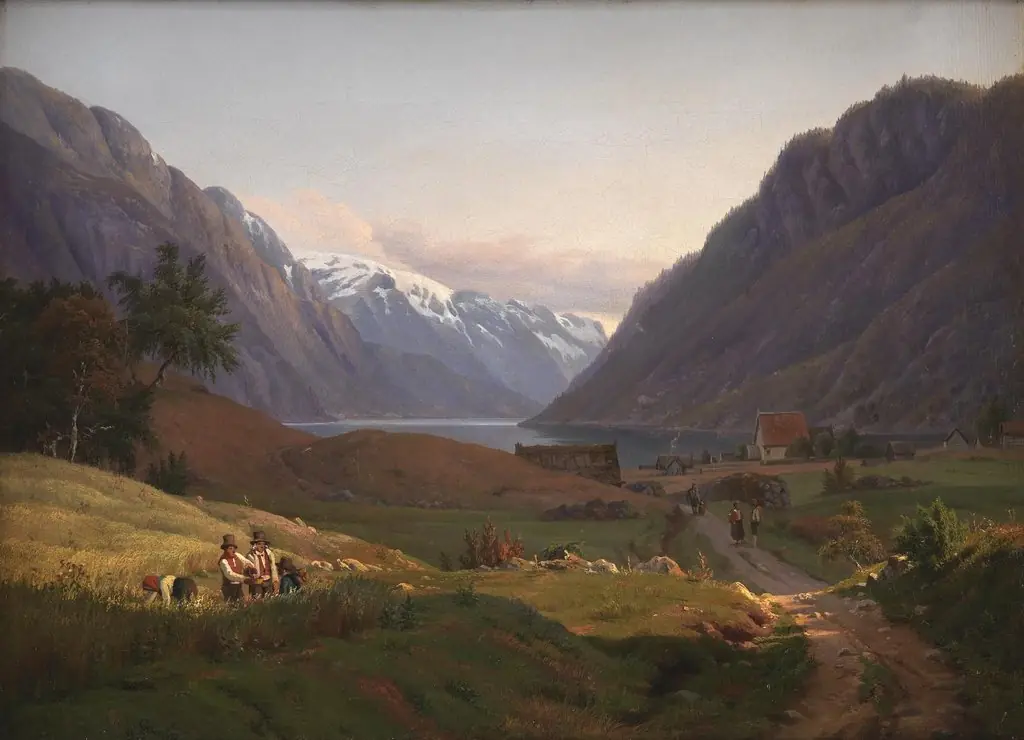 View of Odda at the Sør Fjord in Hardanger, Norway. Morning Light
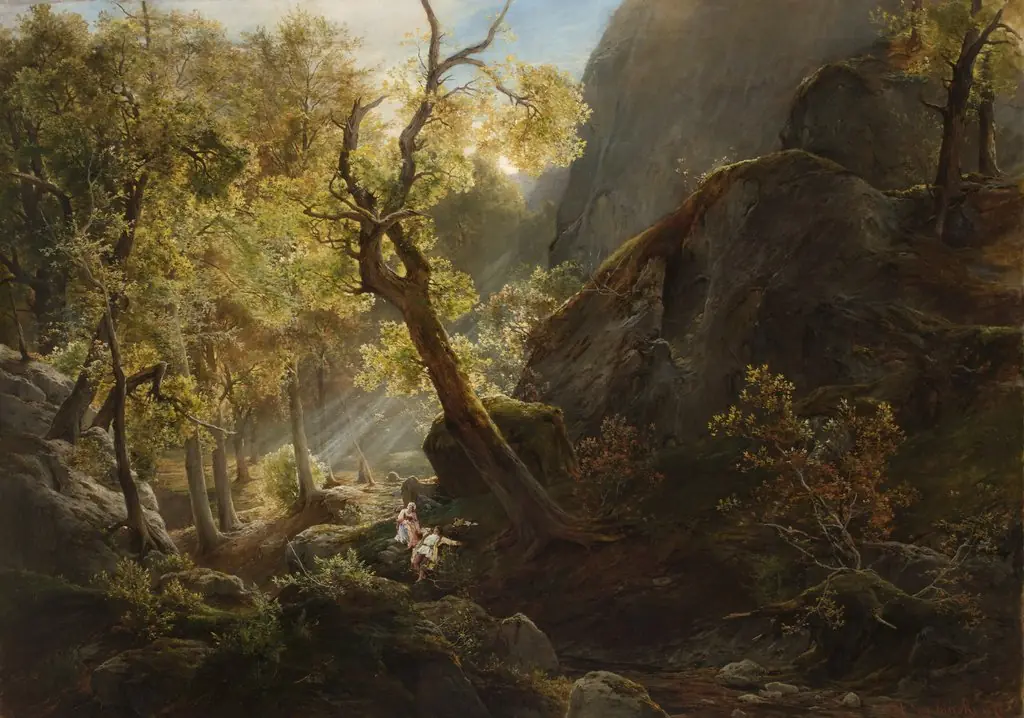 Rocks "Panieńskie Skały"
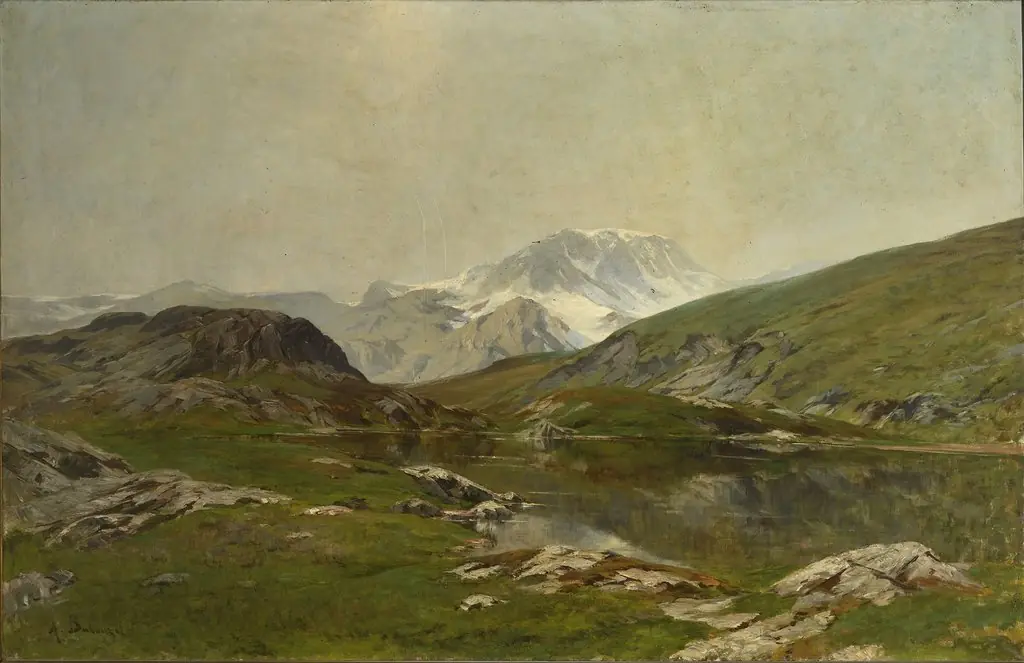 Site du Dauphiné
 Landscape Study. Kroken at Sogn, Norway
 A Guadarrama Landscape