Artwork
Hippolyte-François Devillers
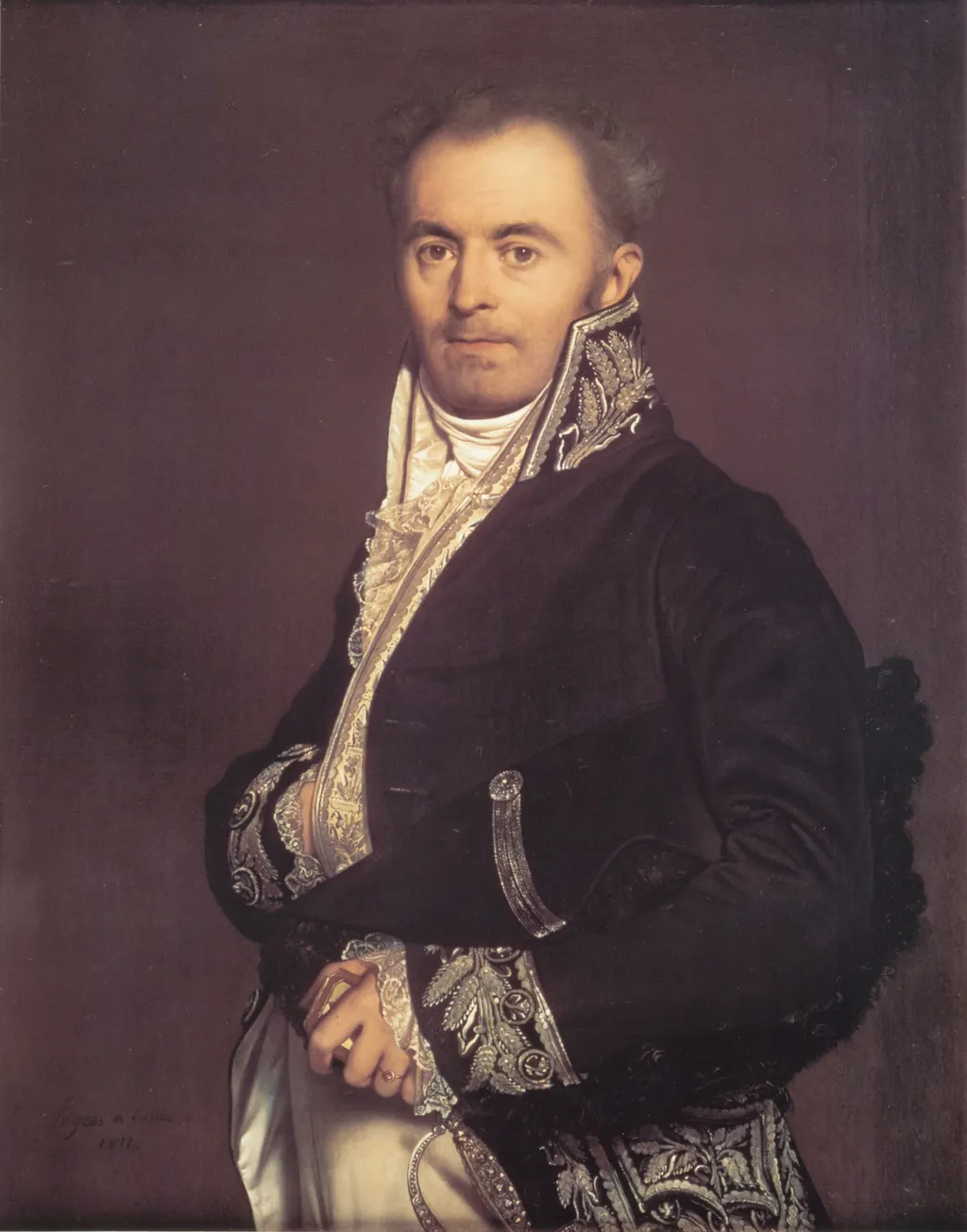
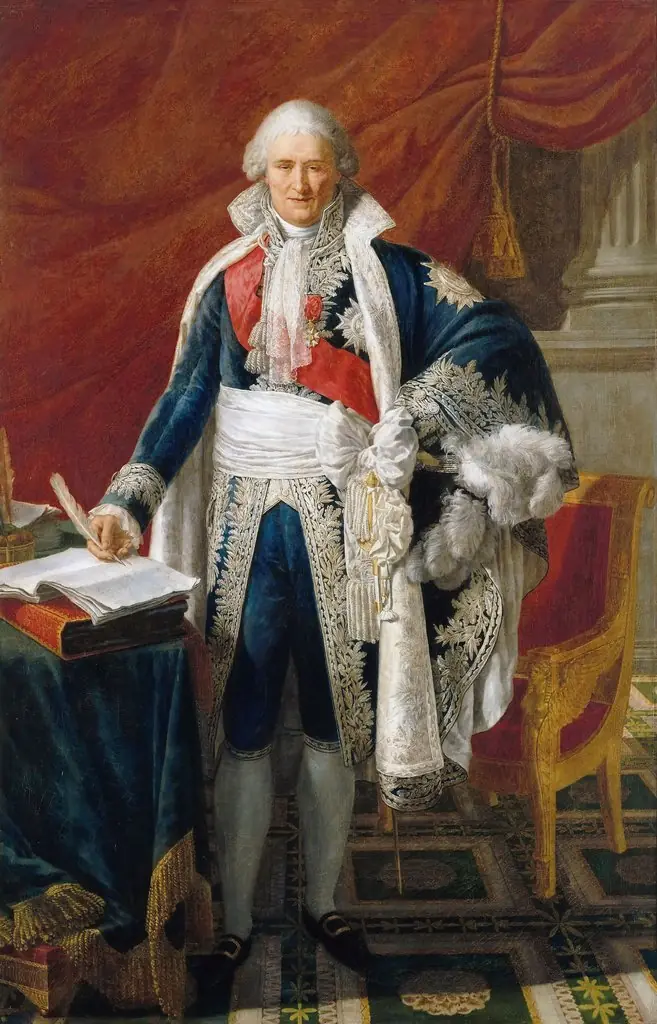
Hippolyte-François Devillers is an oil painting by the Neoclassicist artist Jean Auguste Dominique Ingres. It dates from 1811 and is held in the collection of the Foundation E.G. Bührle Collection.
About this work
Overview
Painted in 1811 by Jean-Auguste-Dominique Ingres, this oil portrait depicts Hippolyte-François Devillers, a French official. The work is part of the collection at Kunsthaus Zürich. Ingres, then in his early twenties, was refining his approach to portraiture during this period, blending academic precision with a restrained elegance that would define his later career.
Subject & Meaning
His attire—dark jacket with silver embroidery and crisp white shirt—suggests a position of civic or administrative rank.
The sitter, Hippolyte-François Devillers, is portrayed with quiet composure, his hands folded in a gesture of decorum. His attire—dark jacket with silver embroidery and crisp white shirt—suggests a position of civic or administrative rank. The absence of symbolic objects or elaborate background emphasizes his identity through demeanor and dress, reflecting the values of restrained authority common in early 19th-century French official portraiture.
Technique & Style
Ingres employs subtle chiaroscuro to model the sitter’s form, creating volume without dramatic contrast. The brushwork is meticulous, particularly in the rendering of fabric textures and the sheen of the silver embroidery. Facial features are rendered with cool precision, aligning with Ingres’s classical ideals. The composition is tightly controlled, with the figure centered and framed by muted tones that direct focus to the sitter’s presence.
History & Provenance
The painting was completed during Ingres’s time in Rome, where he was refining his technique under the influence of Renaissance masters. It remained in private hands until entering the Kunsthaus Zürich collection in the 20th century. Its documented history is relatively straightforward, with no major attributions or ownership disputes, reflecting its status as a lesser-known but carefully executed early work by the artist.
Context
Created during the Napoleonic era, the portrait reflects the era’s preference for dignified, understated representation of public figures. Ingres, though trained in the academic tradition, was beginning to develop his distinctive linear style, distinct from the Romantic excesses of his contemporaries. This work exemplifies the transition from Neoclassical formality toward a more personal, almost introspective realism.
Legacy
While not among Ingres’s most celebrated portraits, this painting offers insight into his early development and his commitment to precise draftsmanship. It anticipates the refined, almost sculptural treatment of figures in his later works. Art historians value it as a quiet but significant step in the evolution of 19th-century French portraiture, demonstrating the artist’s growing mastery of form and psychological nuance.
Own this work as a print
Artist & collection

Artist
Jean-Auguste-Dominique Ingres was a French Neoclassical painter. Ingres was profoundly influenced by past artistic traditions and aspired to become the guardian of academic orthodoxy against the ascendant Romantic…

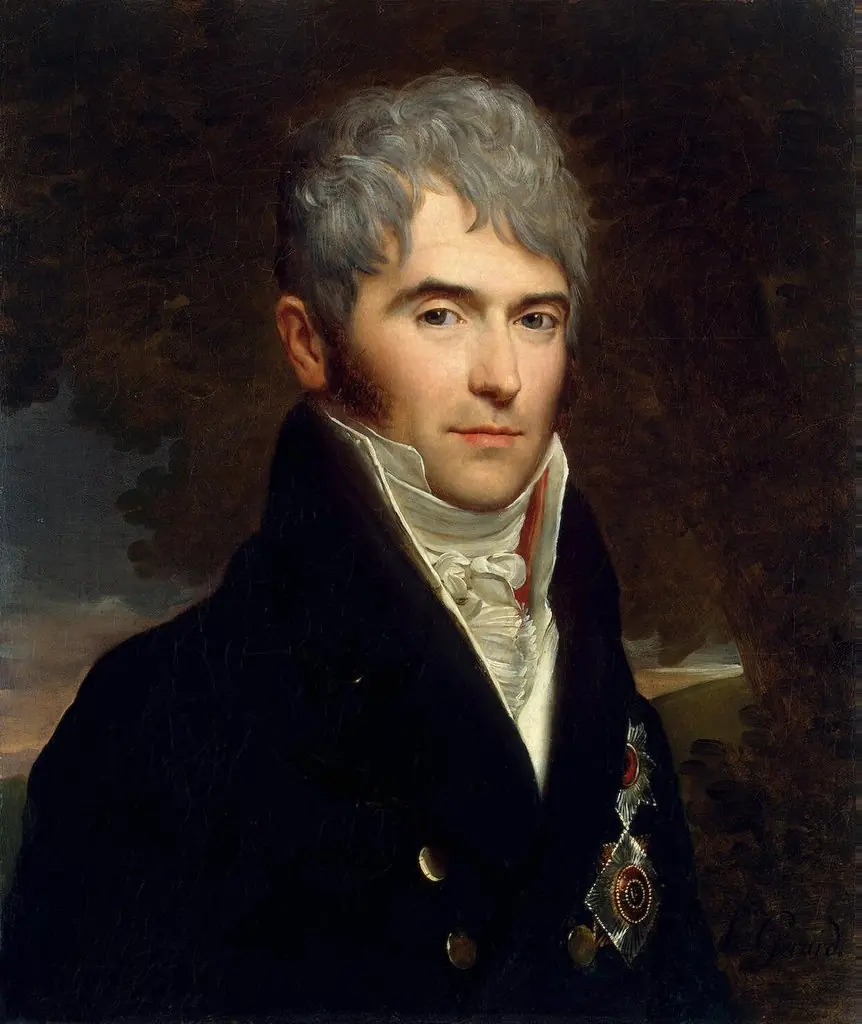 Portrait of Prince Viktor Kochubey
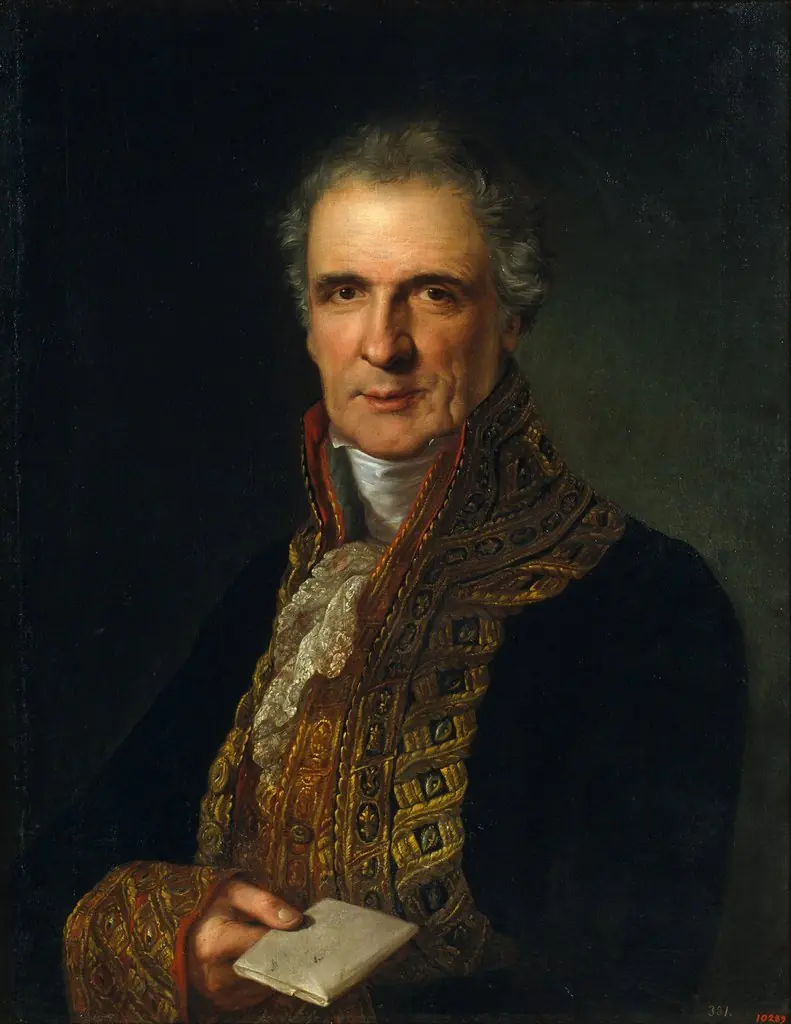 Portrait of José María Díez de Aznar
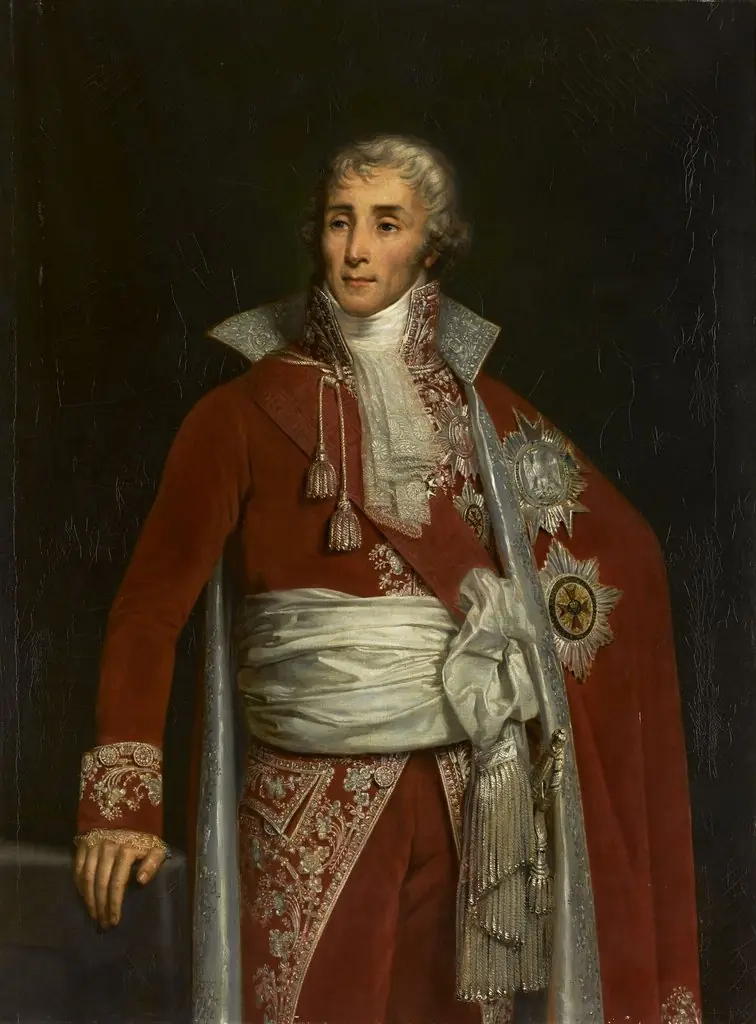 Joseph Fouché, Duke of Otranto
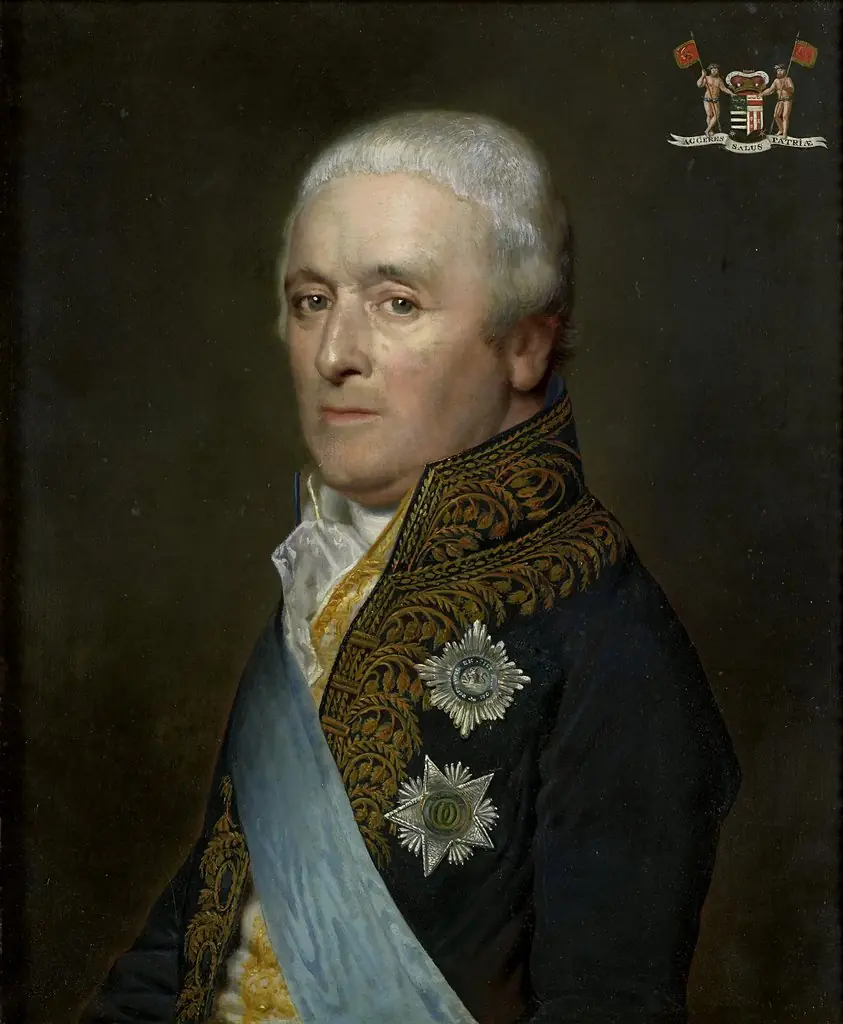 Portrait of Adriaen Pieter Twent, Count of Rosenburg, Minister of Public Works, Minister of the Interior, Chamberlain of King Louis Napoleon
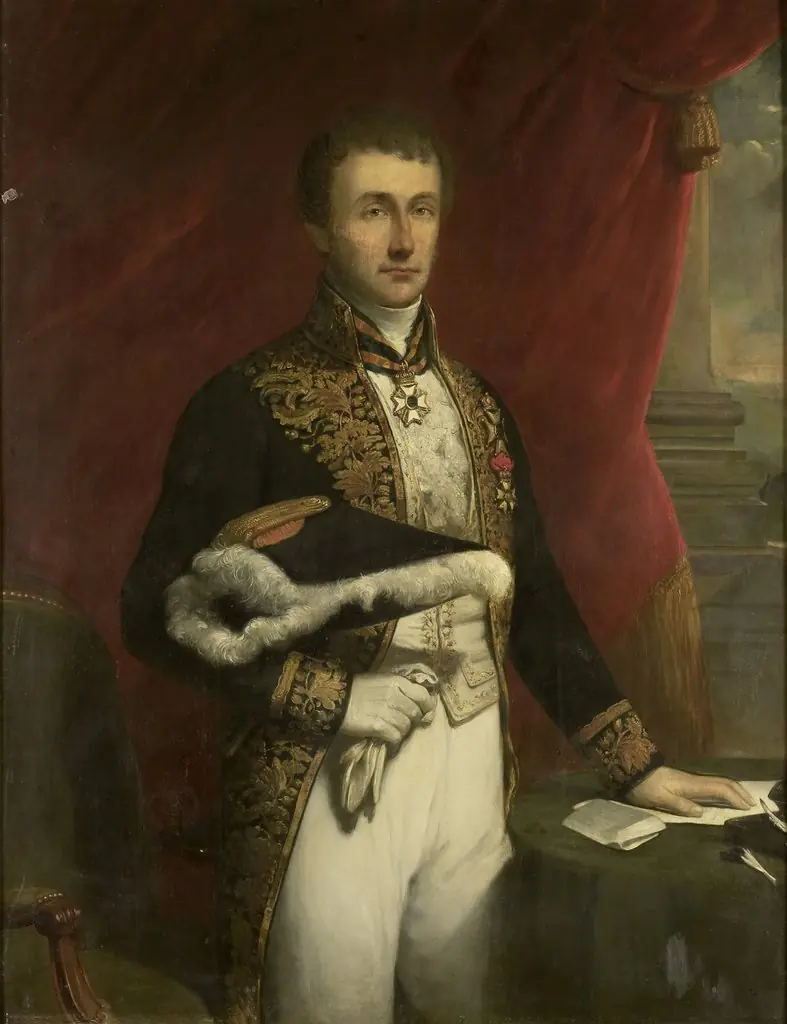 Pieter Merkus (1787–1844). Gouverneur-generaal (1841–1844)
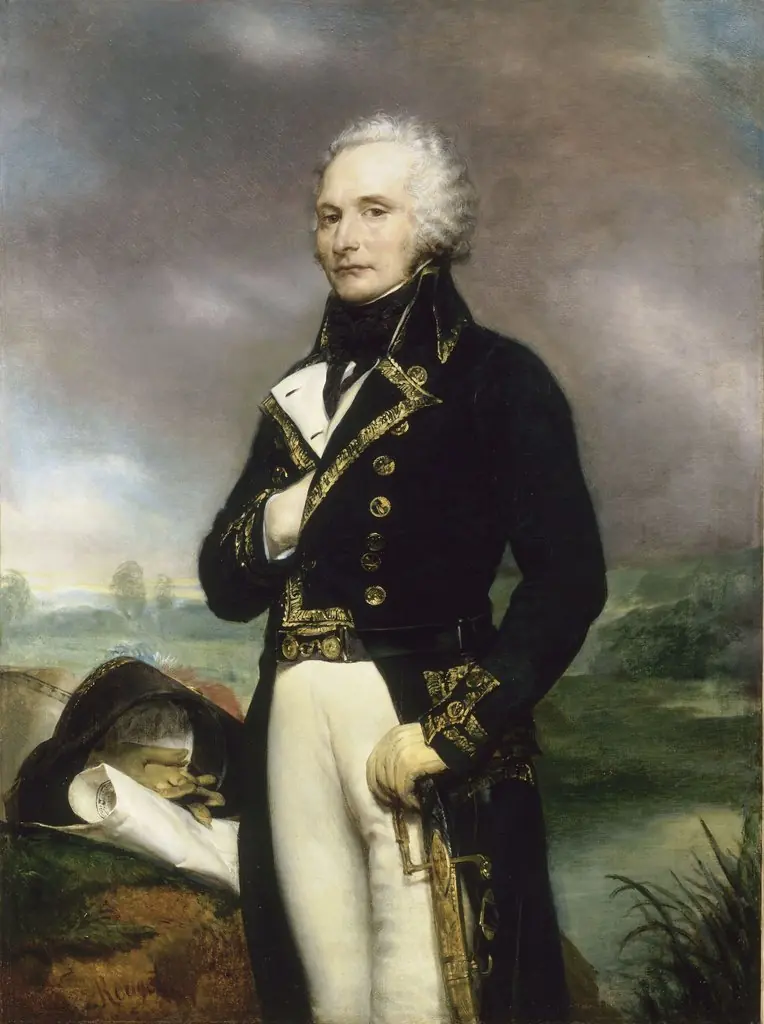 Alexandre-François Marie, viscount of Beauharnais, general-in-chief of the army of the Rhine
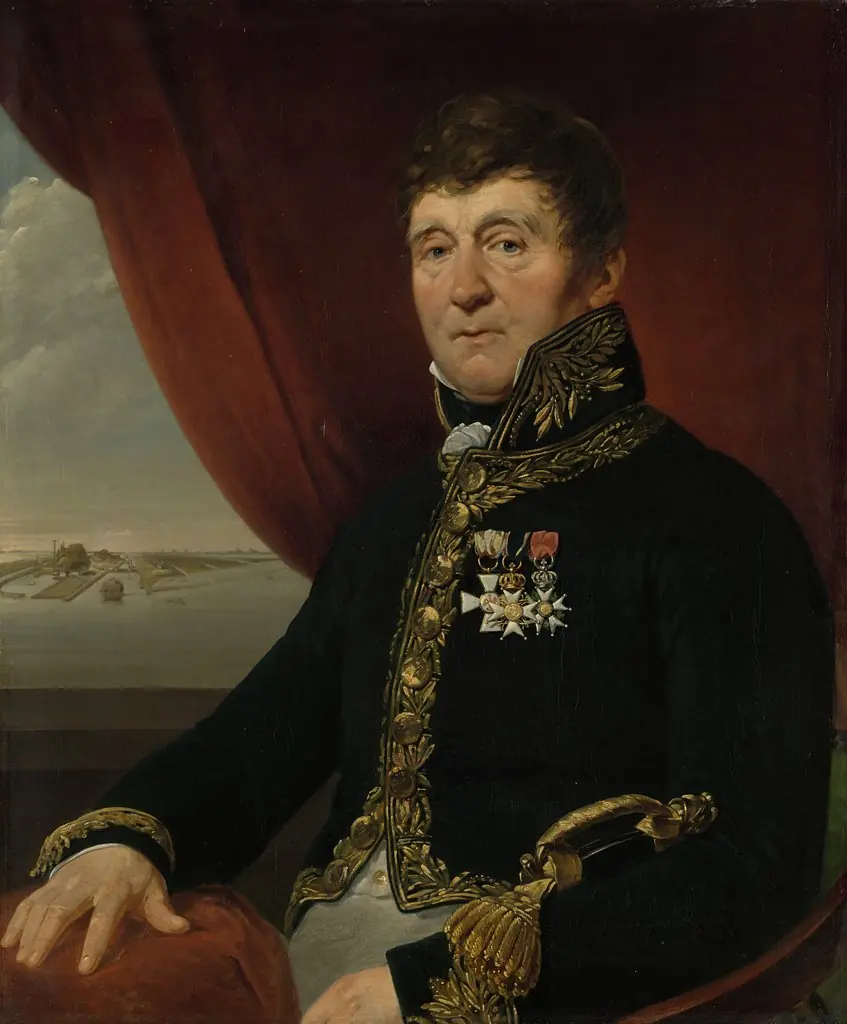 Jan Blanken, Hydraulic engineer involved in the development of the Dutch water system
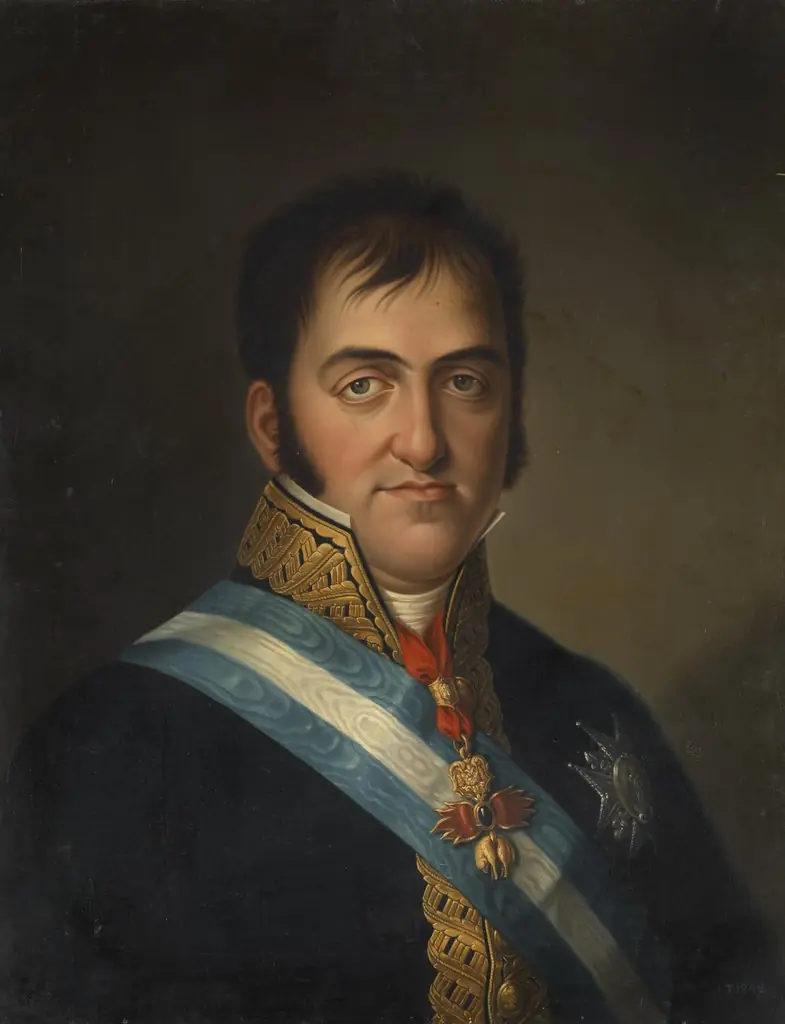 Ferdinand VII
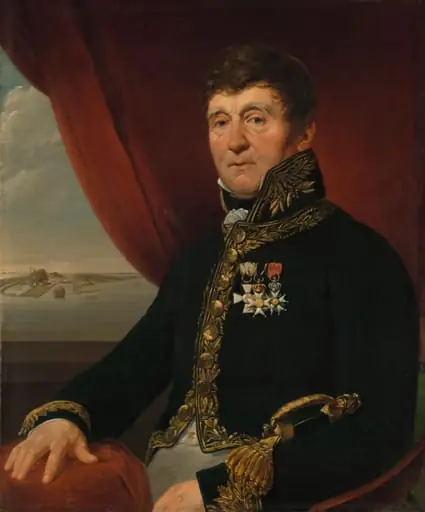 Untitled
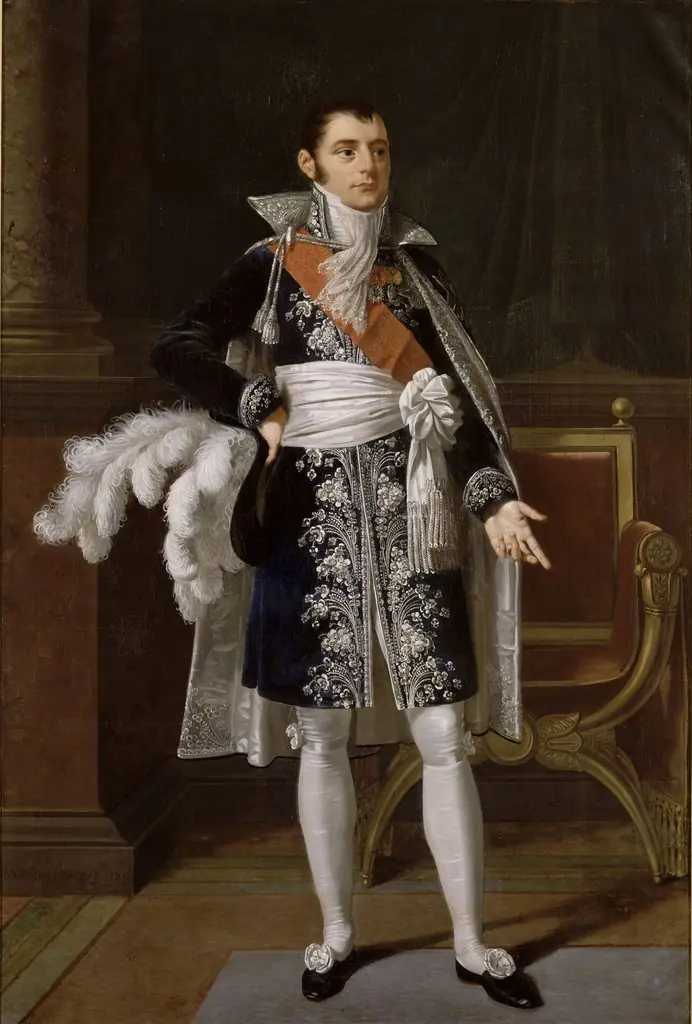 Portrait of Anne-Jean-Marie-René Savary, Duke of Rovigo (1774-1833)
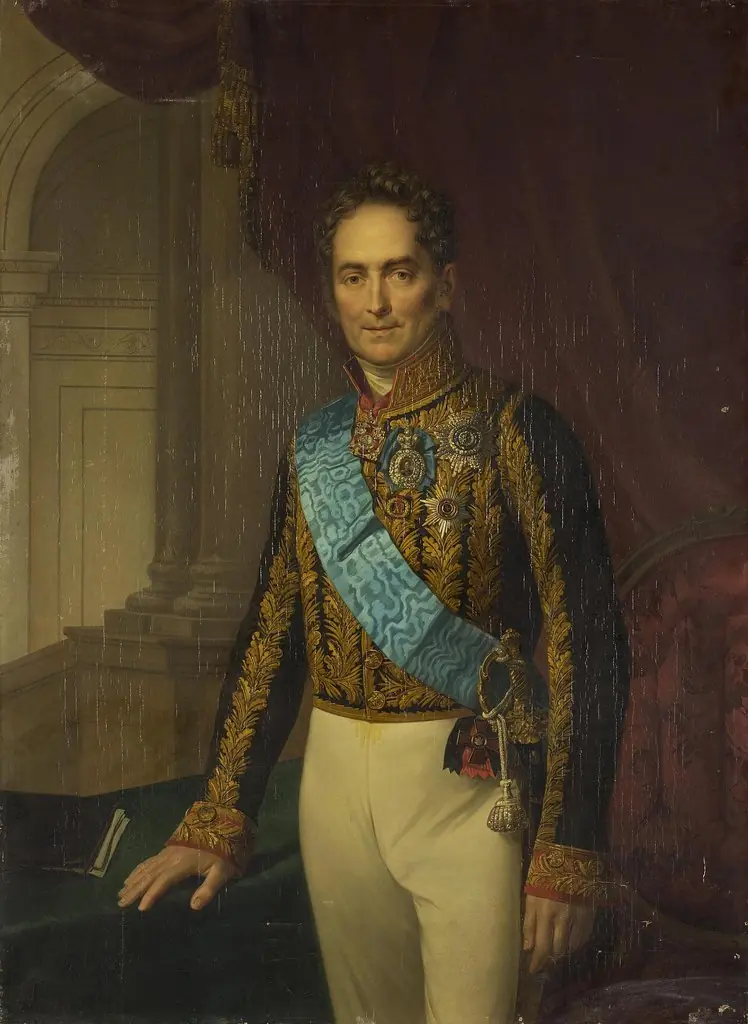 Portrait of Count Viktor Kochubei
 Jean-Etienne-Marie, Count Portalis, Minister of Worship (1749-1807)