Artwork
Portrait of Count Viktor Kochubei
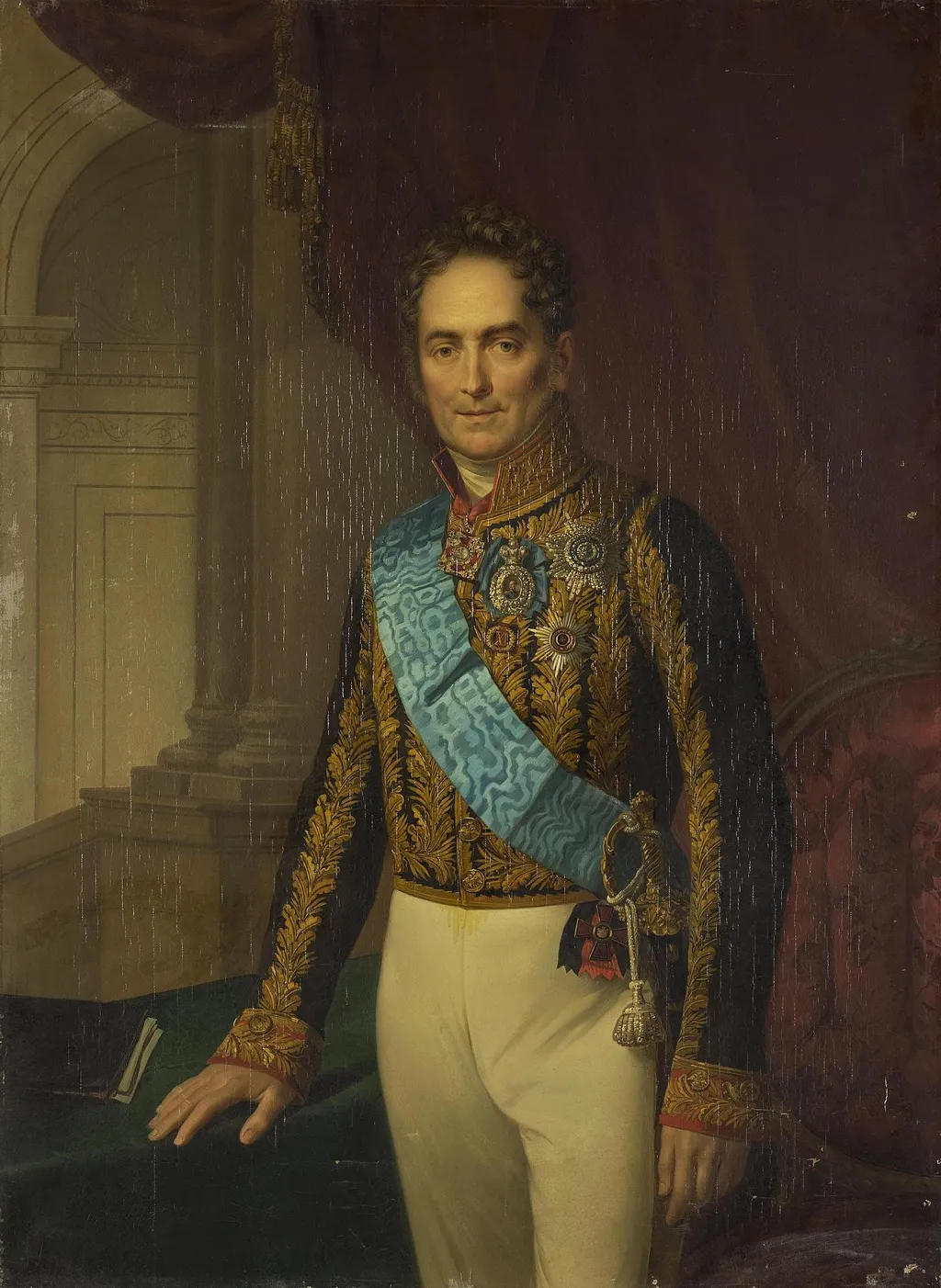
Portrait of Count Viktor Kochubei is an oil painting by the Realist artist Georg von Bothmann. It dates from 1890 and is held in the collection of the Hermitage Museum.
About this work
Overview
Painted in 1890 by Georg von Bothmann, this oil portrait depicts Count Viktor Kochubei, a prominent Russian statesman. The work is part of the State Hermitage Museum’s collection in Saint Petersburg. Rendered with careful attention to detail, the painting captures the subject in formal attire within a richly furnished interior, reflecting his status and role in imperial Russia.
Subject & Meaning
Count Viktor Kochubei, a senior official in the Russian imperial administration, is portrayed in full military dress, signifying his high rank and service.
Count Viktor Kochubei, a senior official in the Russian imperial administration, is portrayed in full military dress, signifying his high rank and service. The blue sash and gold embroidery denote honors received, while the rolled document in his hand suggests official duties. The setting, with its heavy drapery and architectural arch, conveys authority and institutional presence, reinforcing his position within the imperial hierarchy.
Technique & Style
Bothmann employed oil paint to achieve subtle gradations of light and texture, particularly in the metallic threads of the uniform and the folds of the curtain. The background blends warm tones with deep shadows, creating spatial depth. The composition is formal and balanced, with the figure centered before an arched opening that draws the eye inward, emphasizing the subject’s stature without overt theatricality.
History & Provenance
The portrait was commissioned during Kochubei’s tenure in imperial service and remained within family or state collections before entering the Hermitage’s holdings. Its preservation reflects its significance as a record of late 19th-century Russian elite portraiture. The painting’s provenance aligns with the museum’s broader collection of imperial-era works, acquired to document the cultural and political landscape of the time.
Context
Created during the reign of Alexander III, the portrait reflects the continued importance of military and bureaucratic nobility in imperial Russia. Such portraits served not only as personal likenesses but also as public affirmations of loyalty and status. The opulent details mirror the aesthetic values of the court, where visual symbolism reinforced social order and institutional power.
Legacy
Though Georg von Bothmann is not widely known today, this portrait remains a representative example of academic portraiture in late imperial Russia. It contributes to the historical record of the era’s elite, preserving the visual language of rank and duty. The work continues to be studied for its technical execution and its role in documenting the visual culture of the Russian aristocracy.
Artist & collection

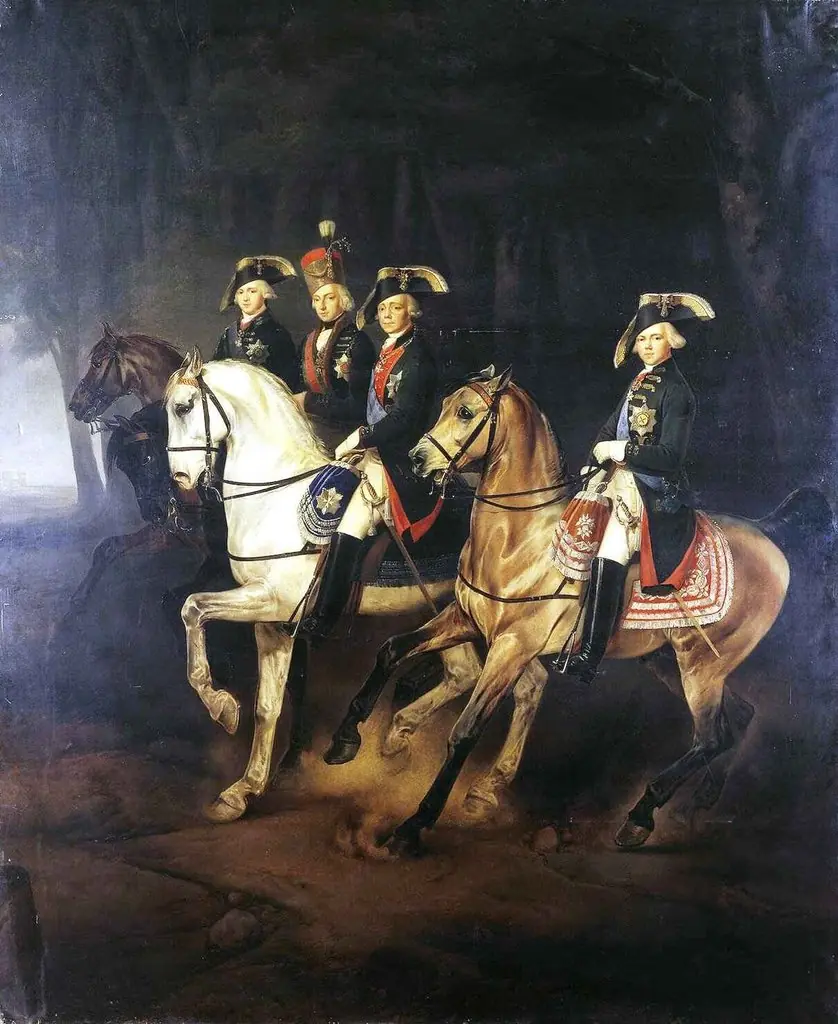 Equestrian Portrait of Emperor Paul I with his Sons and Joseph I, King of Hungary
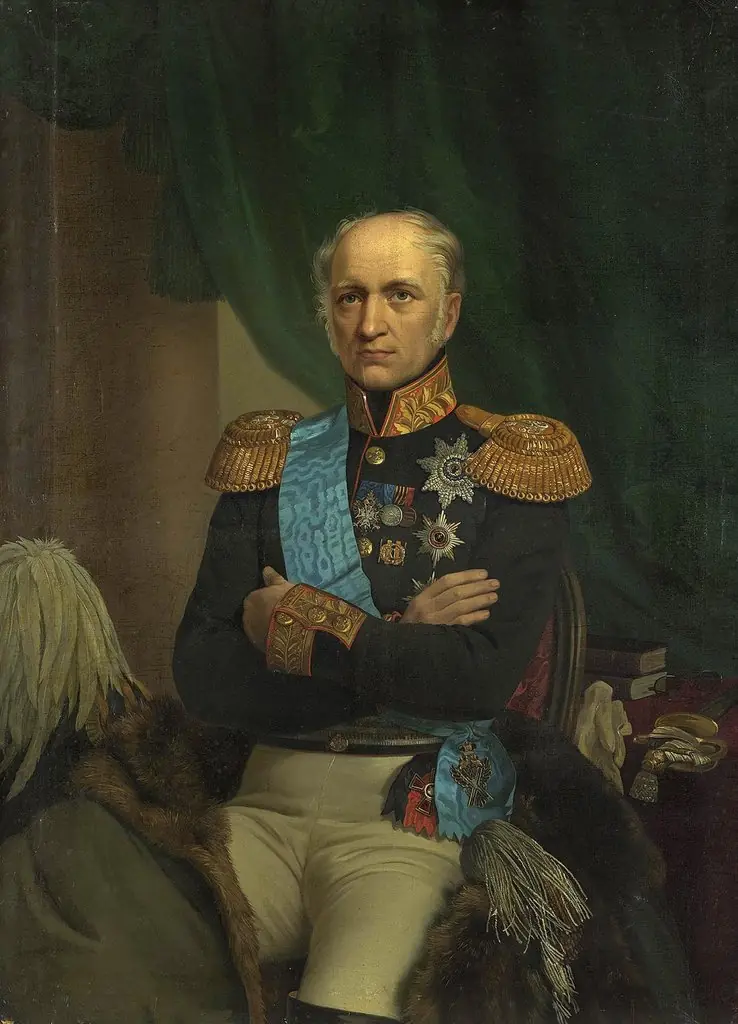 Portrait of Ye. F. Kankrin
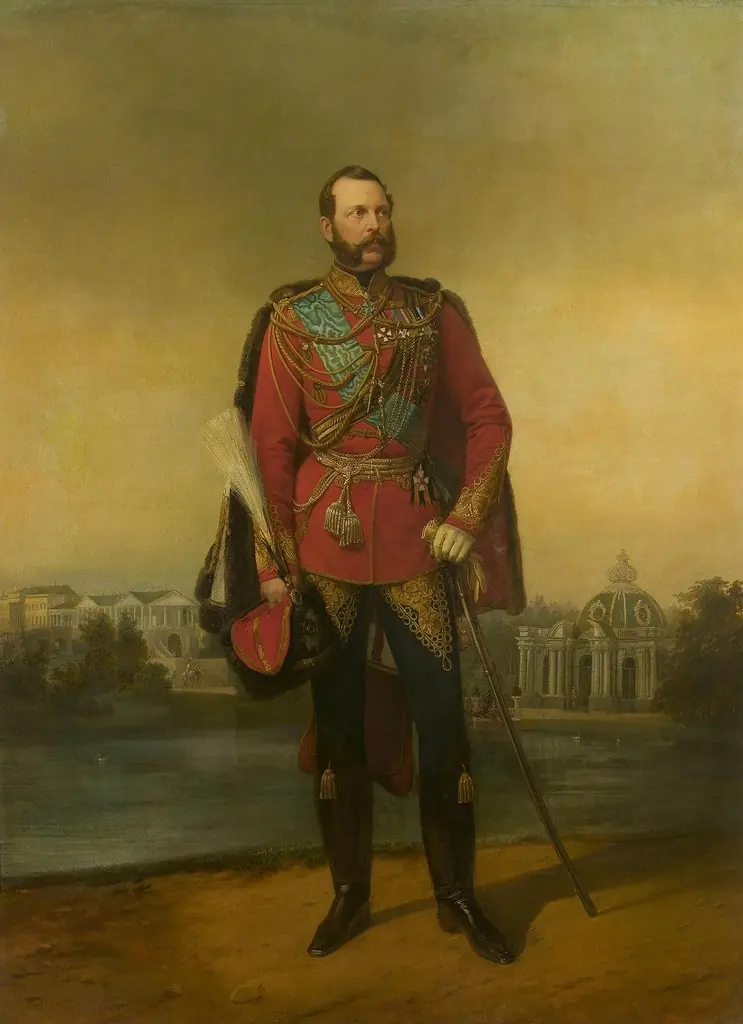 Portrait of Emperor Alexander II
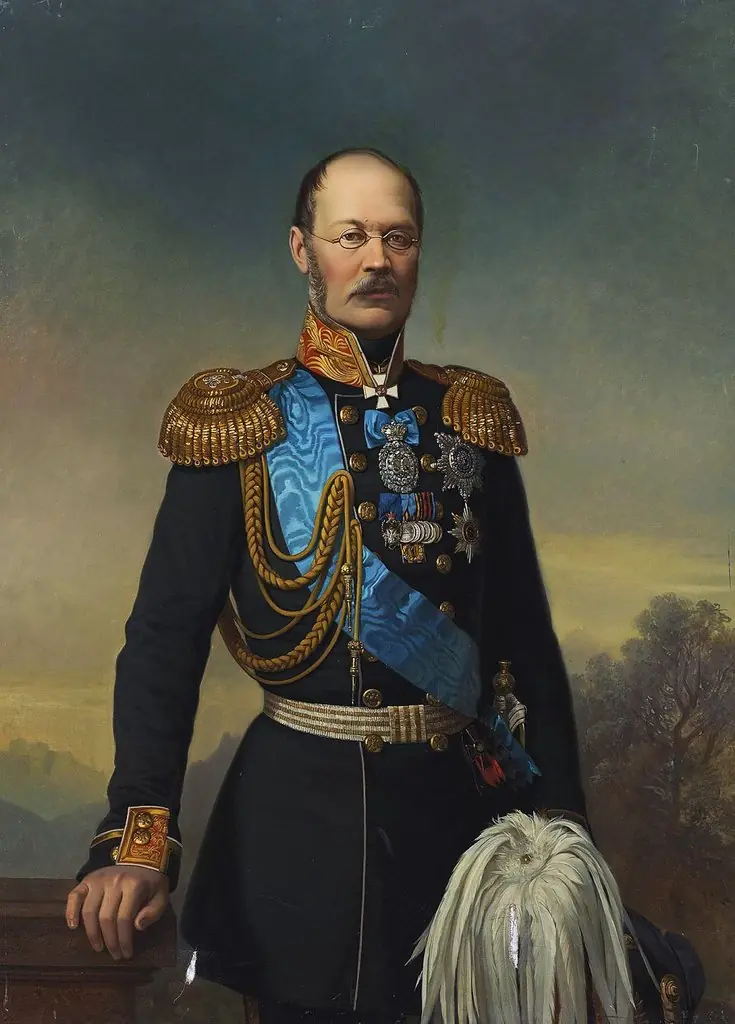 Portrait of Prince M.D. Gorchakov
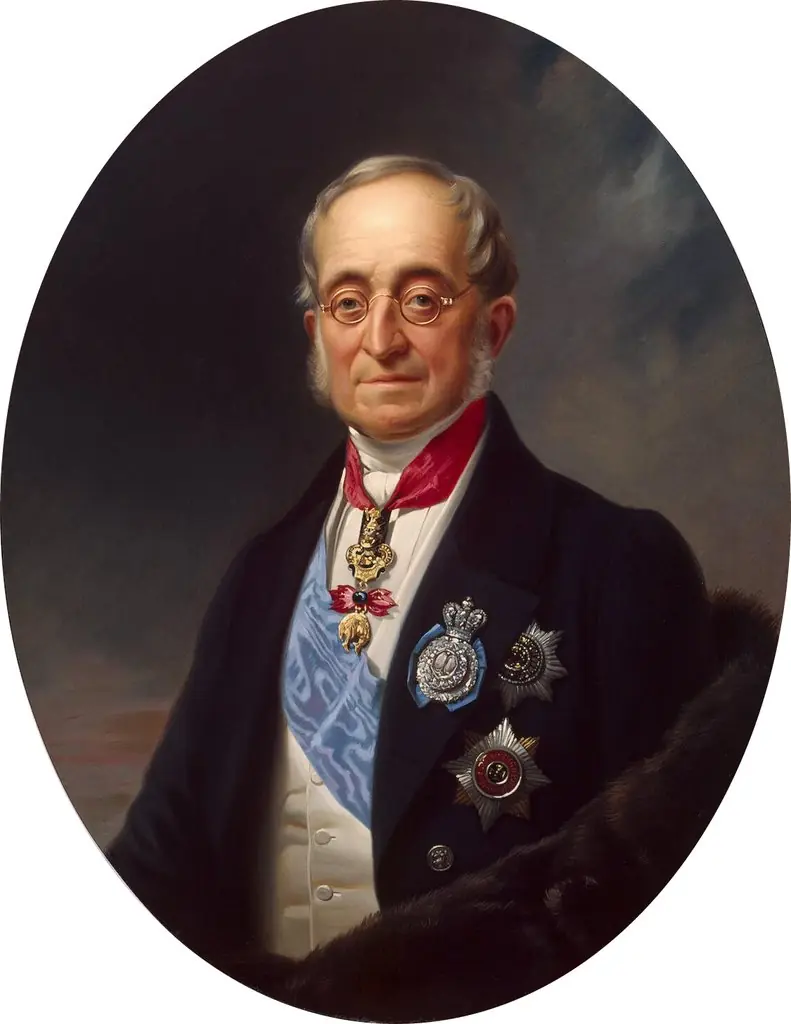 Portrait of Karl Nesselrode
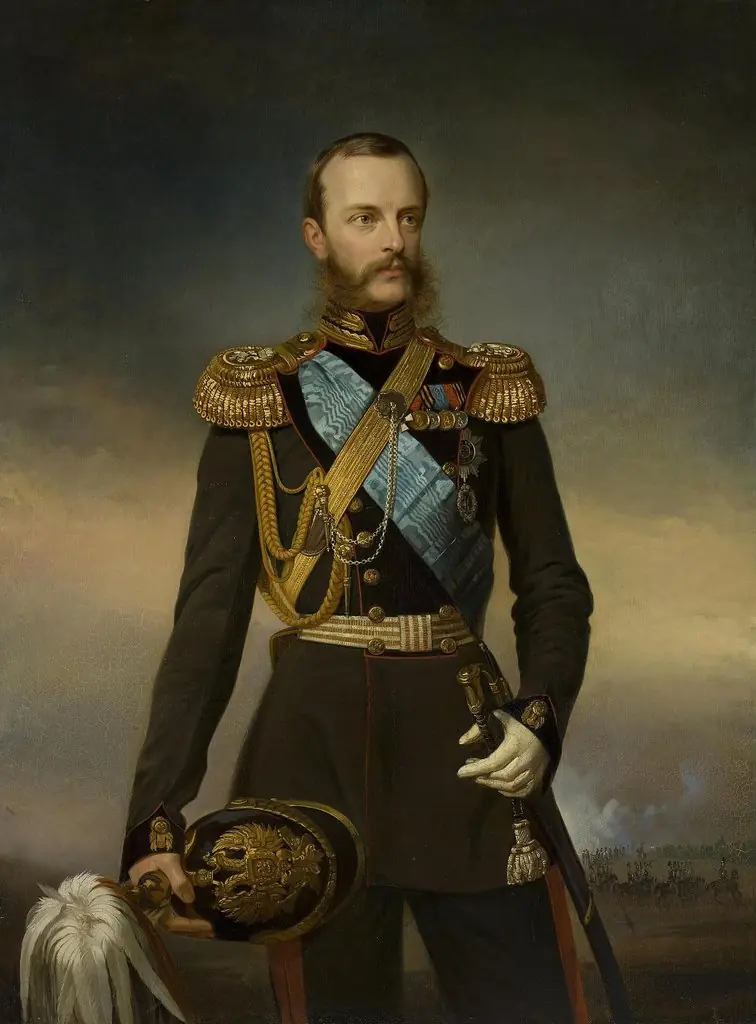 Portrait of Grand Duke Mikhail Nikolaevich
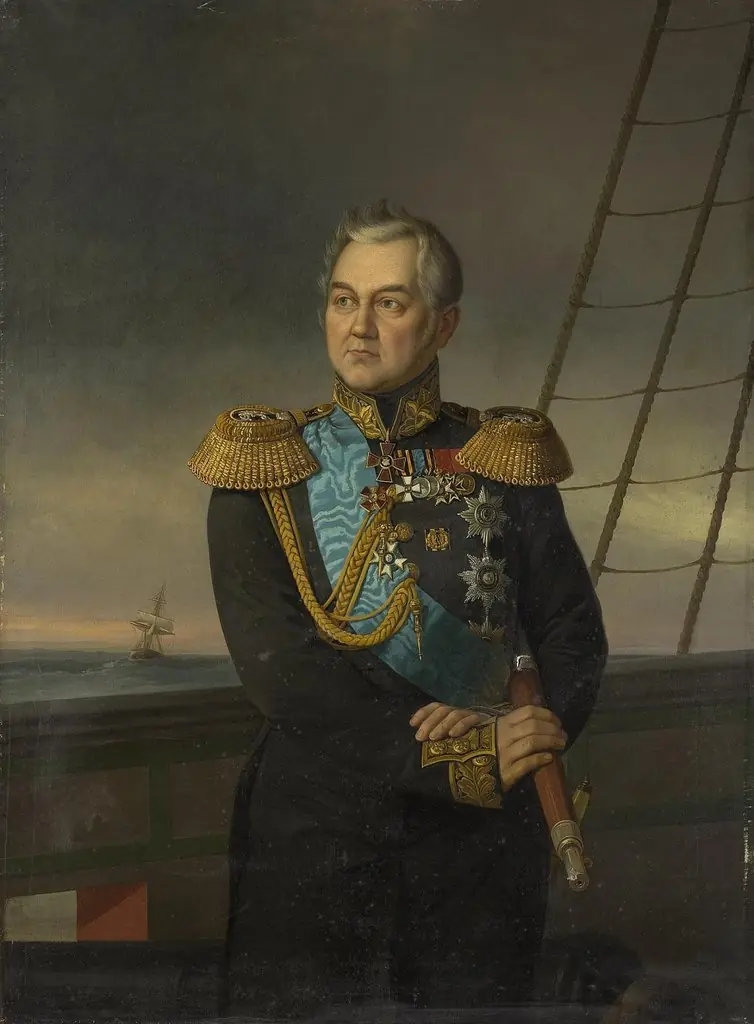 Portrait of Admiral Mikhail Lazarev
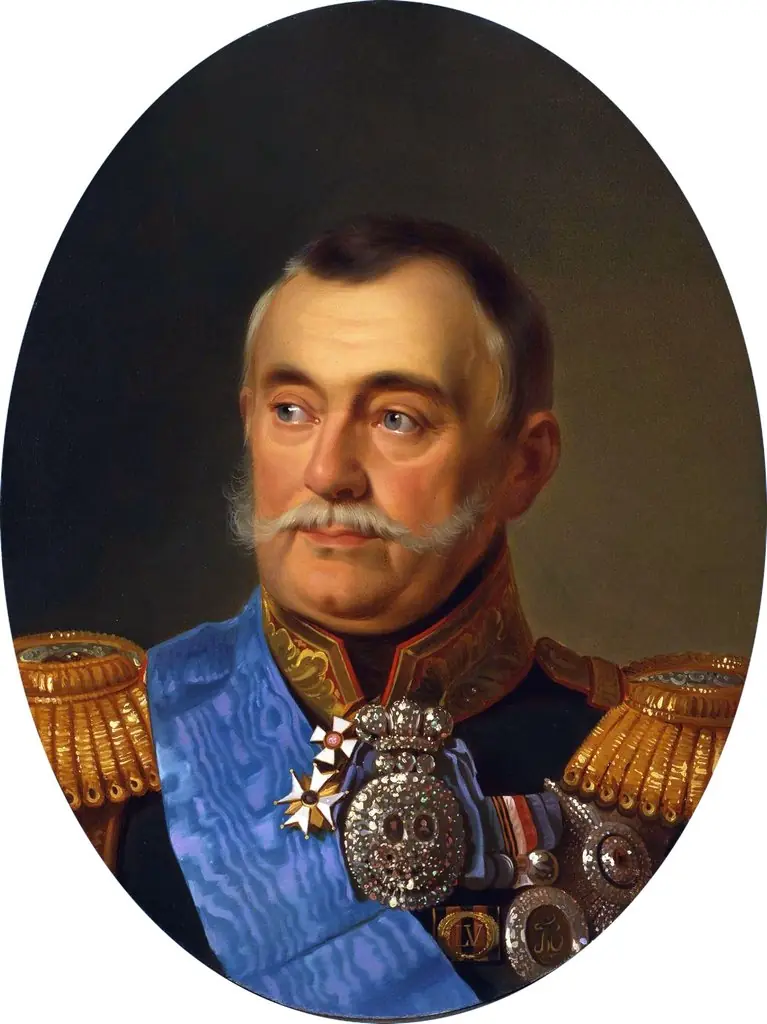 Portrait of the Minister of the Court of Prince Volkonsky
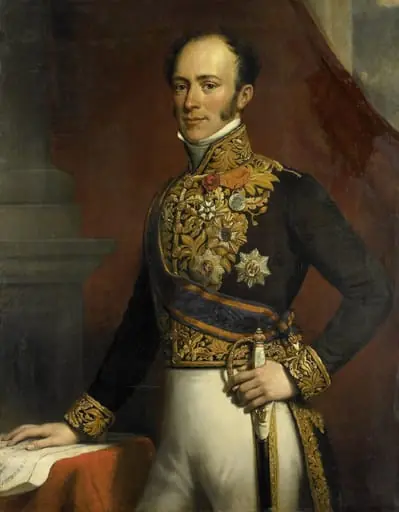 Portrait of Jan Jacob Rochussen, Governor-General of the Dutch East Indies
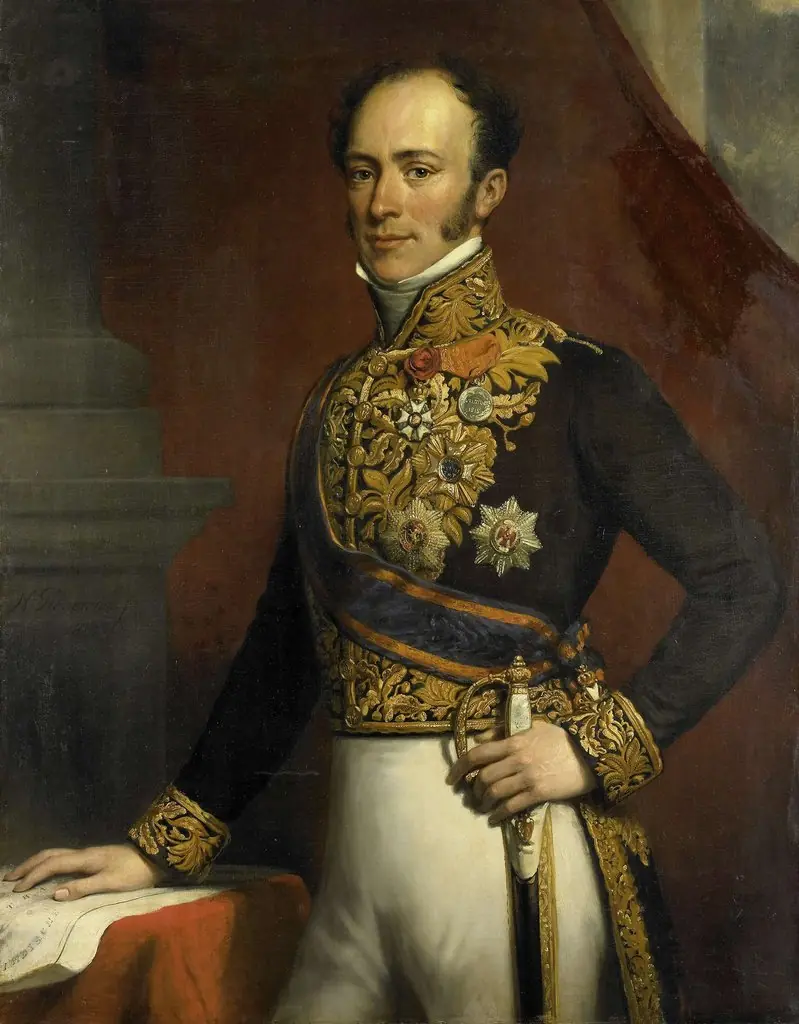 Portrait of Jan Jacob Rochussen, Governor-General of the Dutch East Indies
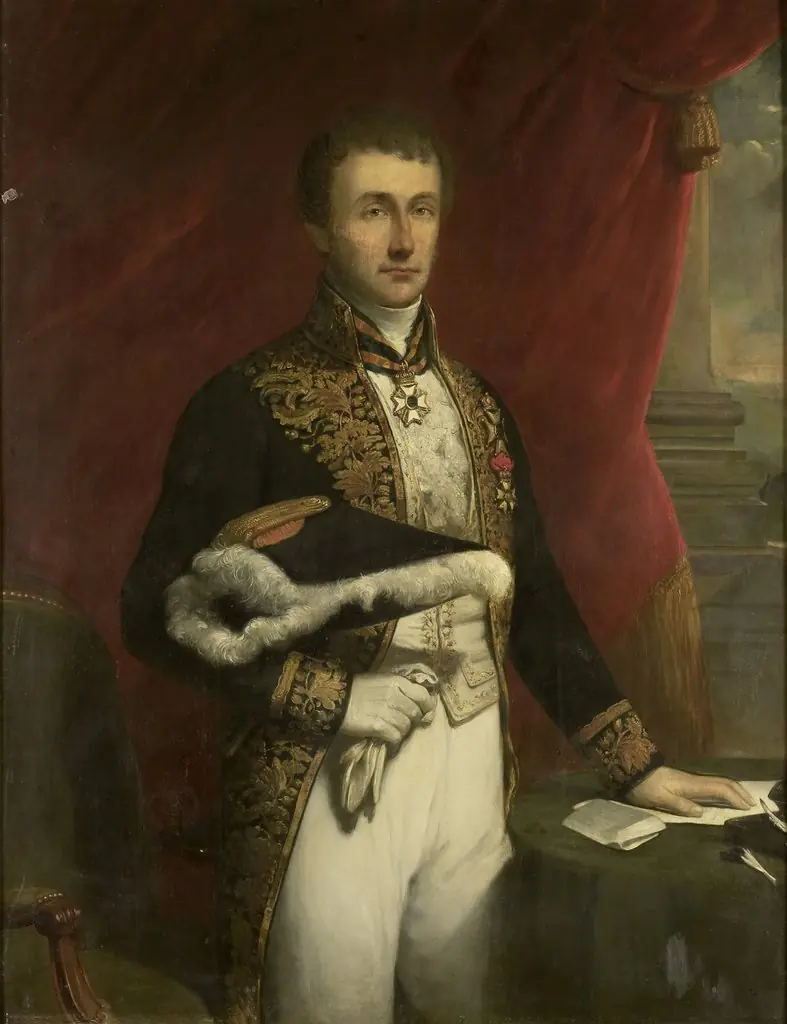 Pieter Merkus (1787–1844). Gouverneur-generaal (1841–1844)
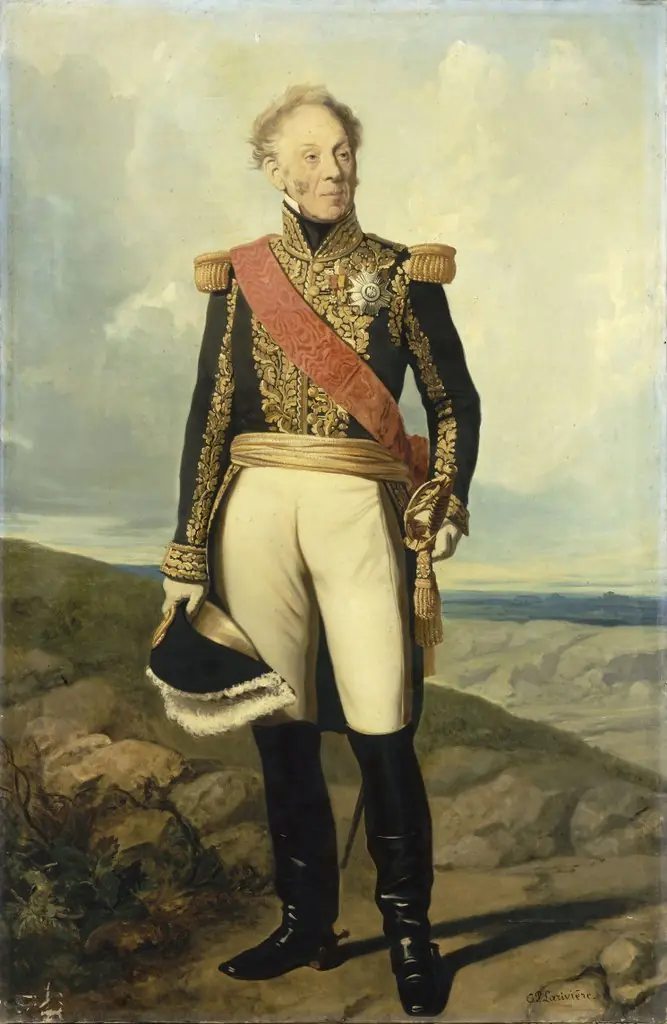 Porträt des Rémi Joseph Isidore Exelmans, Marechal De France (1775-1852)
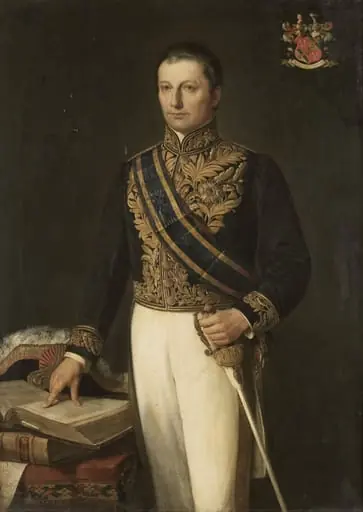 Untitled
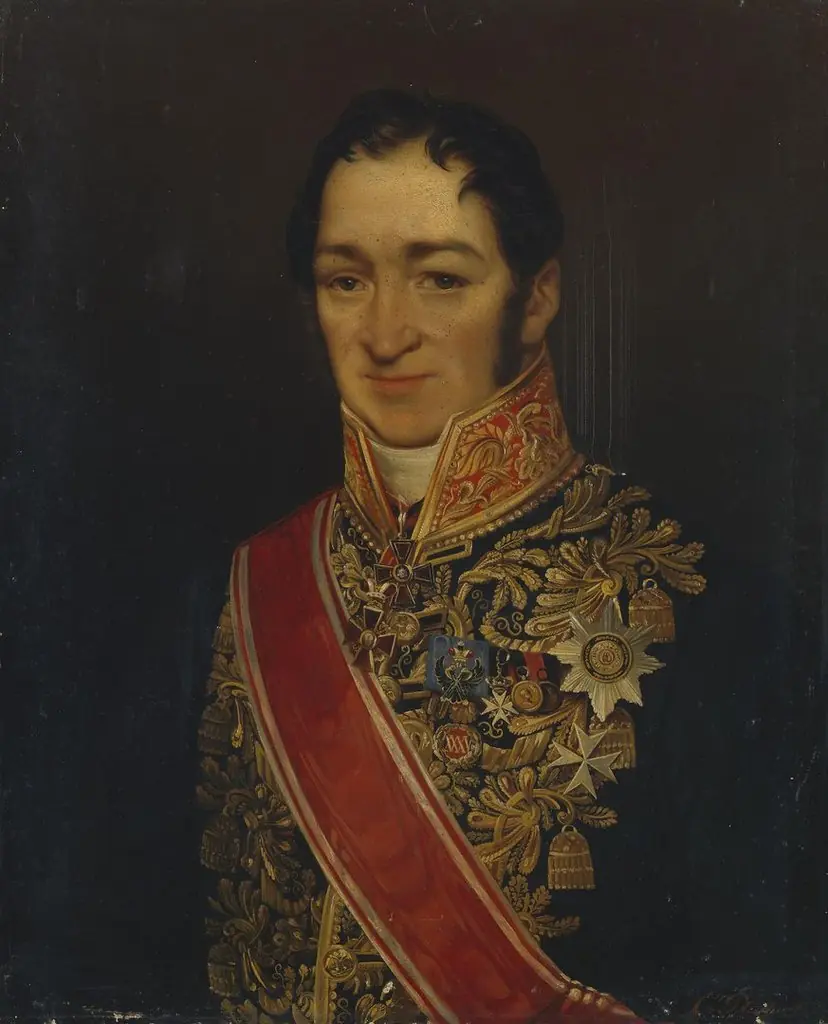 Portrait of the Actual State Councillor Ivan Lazarev
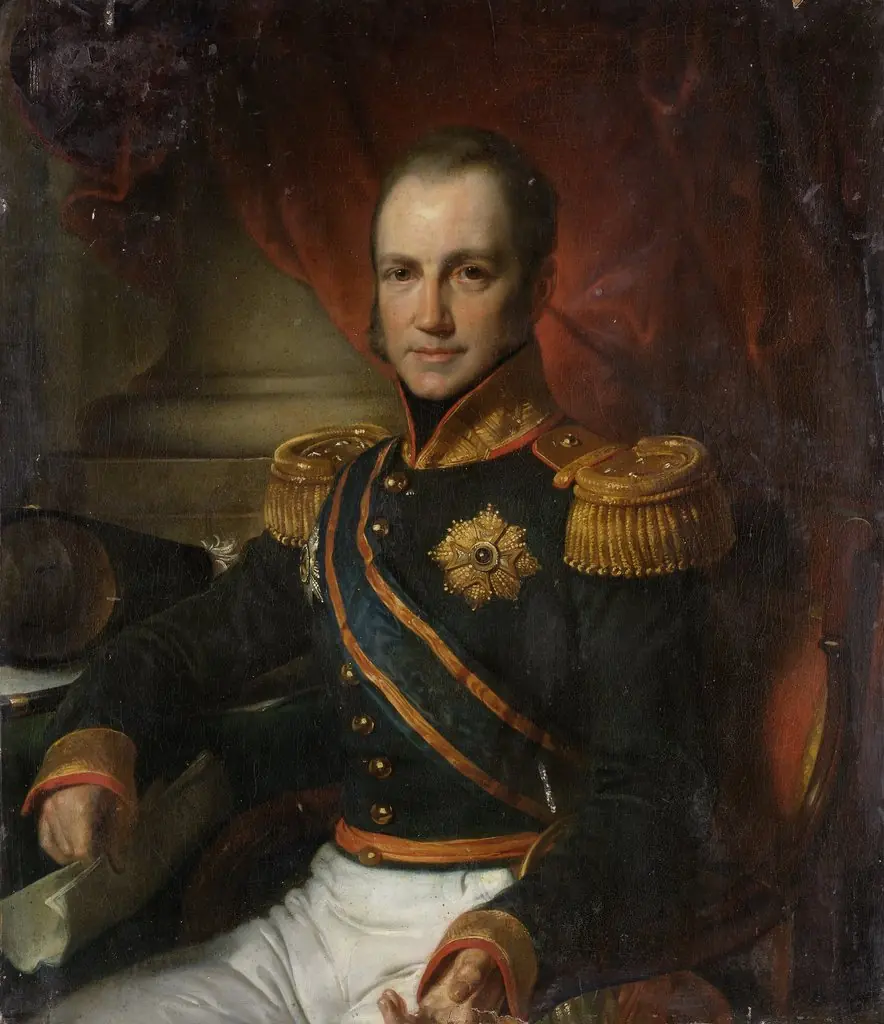 Portrait of Godart Alexander Gerard Philip, Baron van der Capellen, Governor-General of the Dutch East Indies
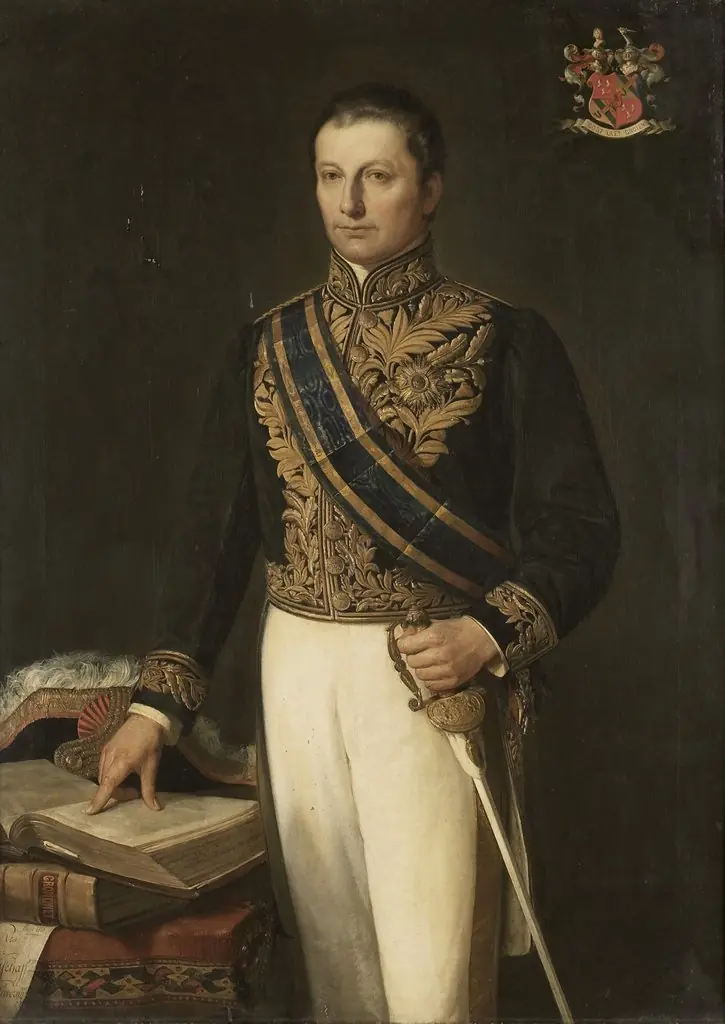 Portrait of Cornelis Theodorus Elout
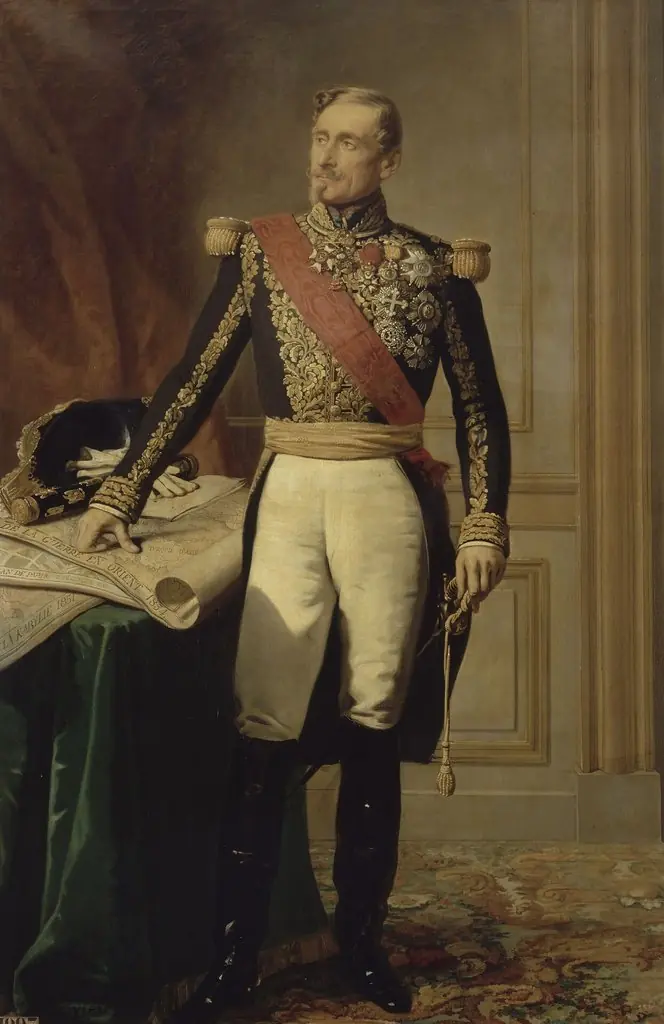 Armand-Jacques Leroy de Saint-Arnaud, Marshal of France
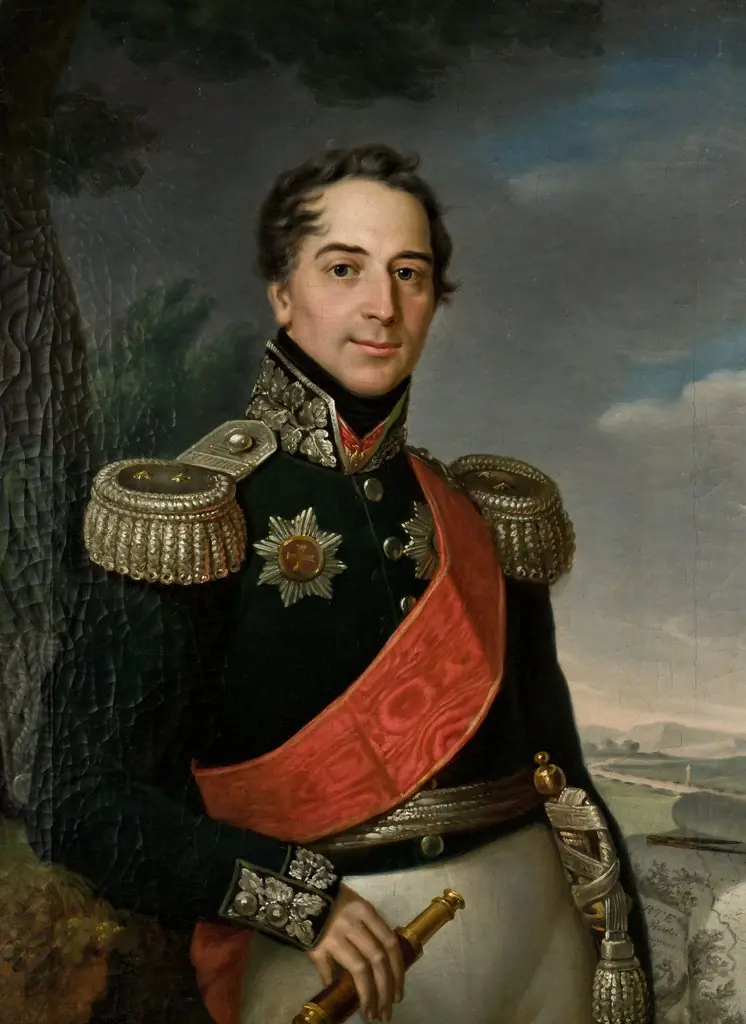 Portrait of Franciszek Ksawery Christiani
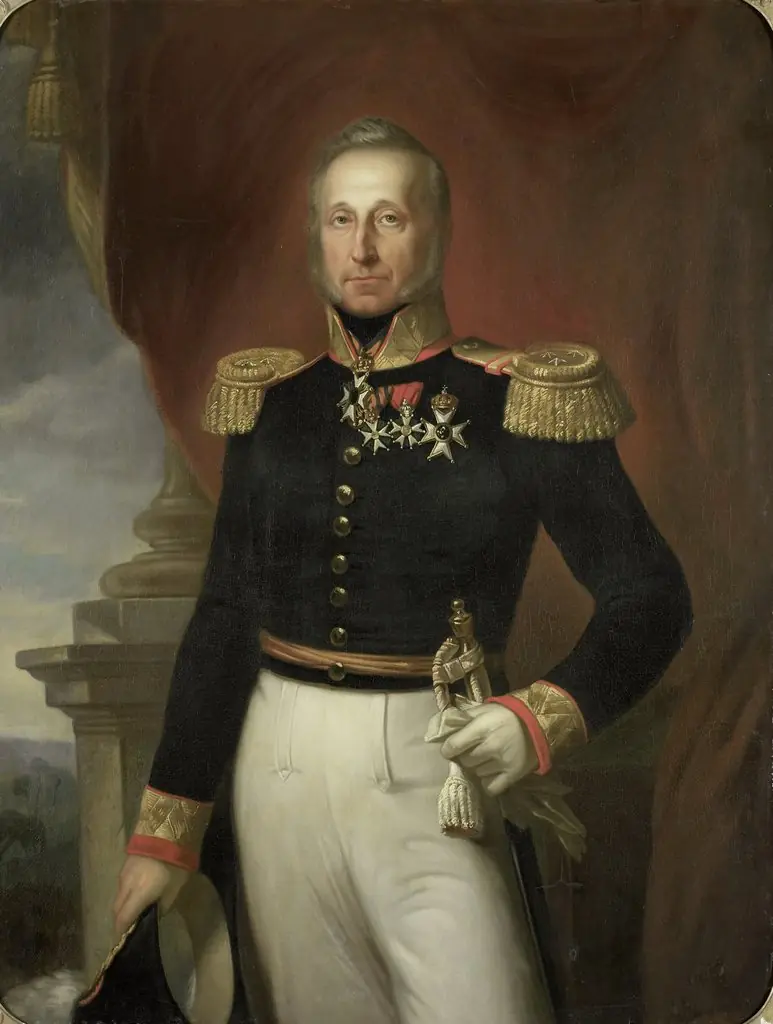 Portrait of Dominique Jacques de Eerens, Governor-General of the Dutch East Indies
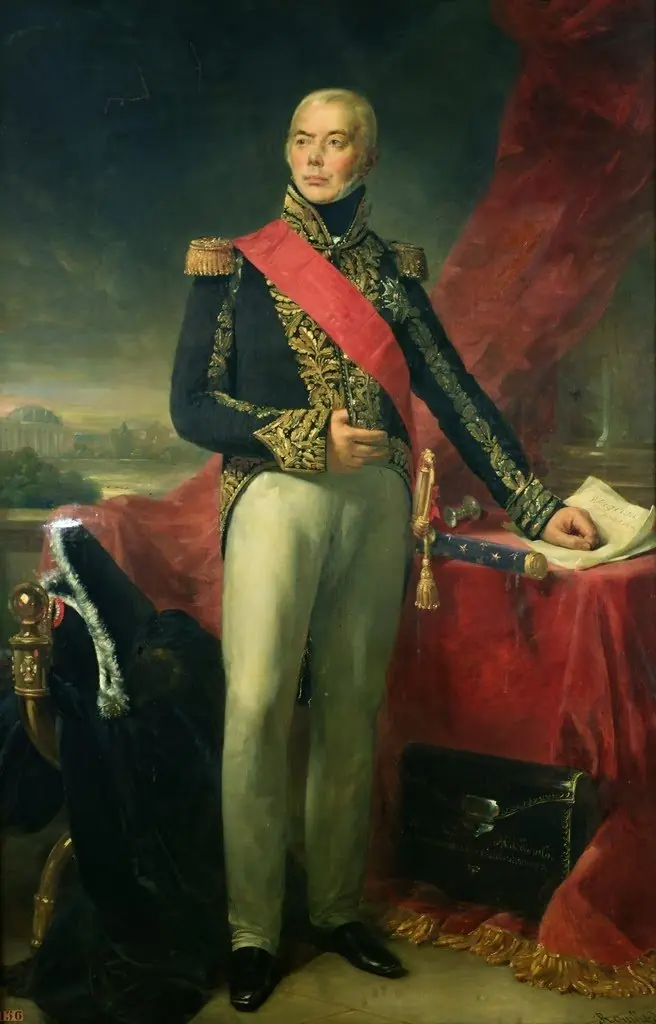 Etienne-Joseph-Jacques-Alexandre MacDonald, Duke of Taranto, Marshal of France (1765-1840)