Artwork
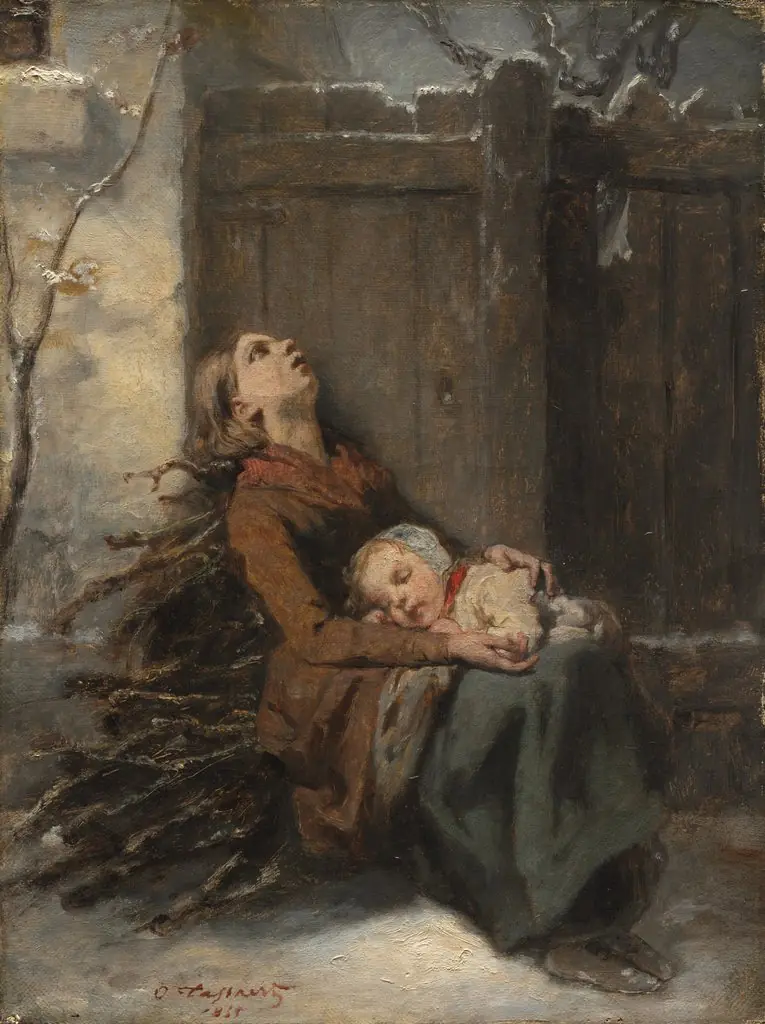
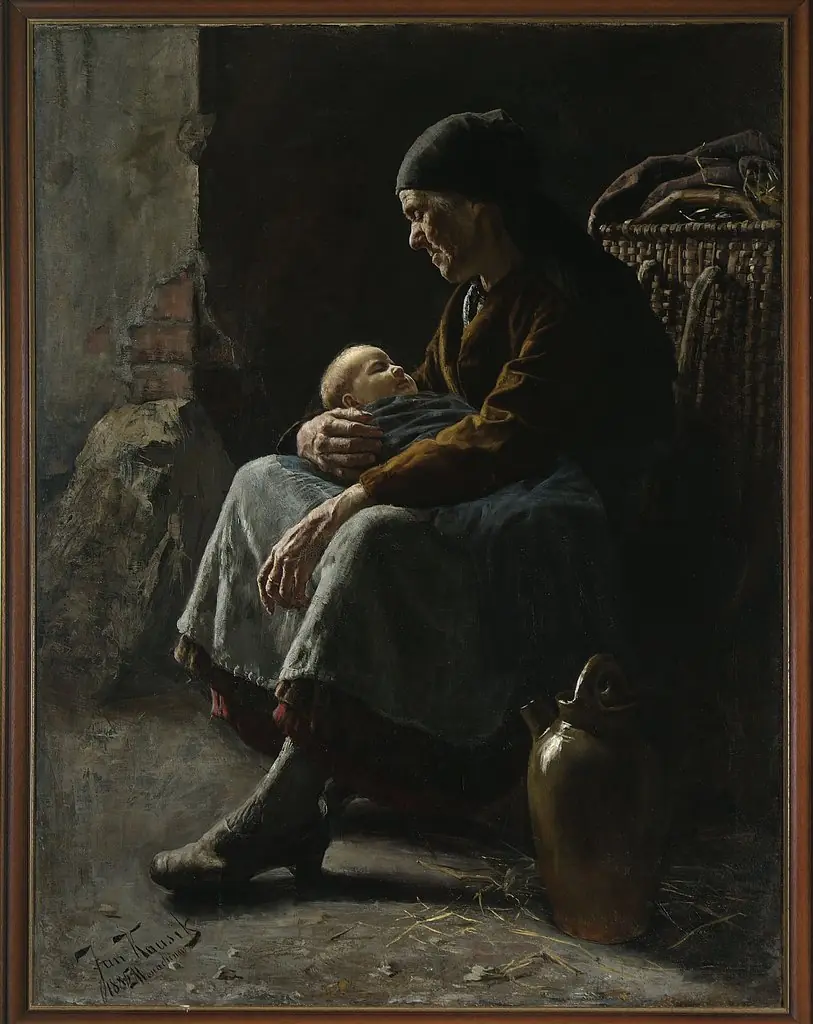
Mother Protecting Her Child
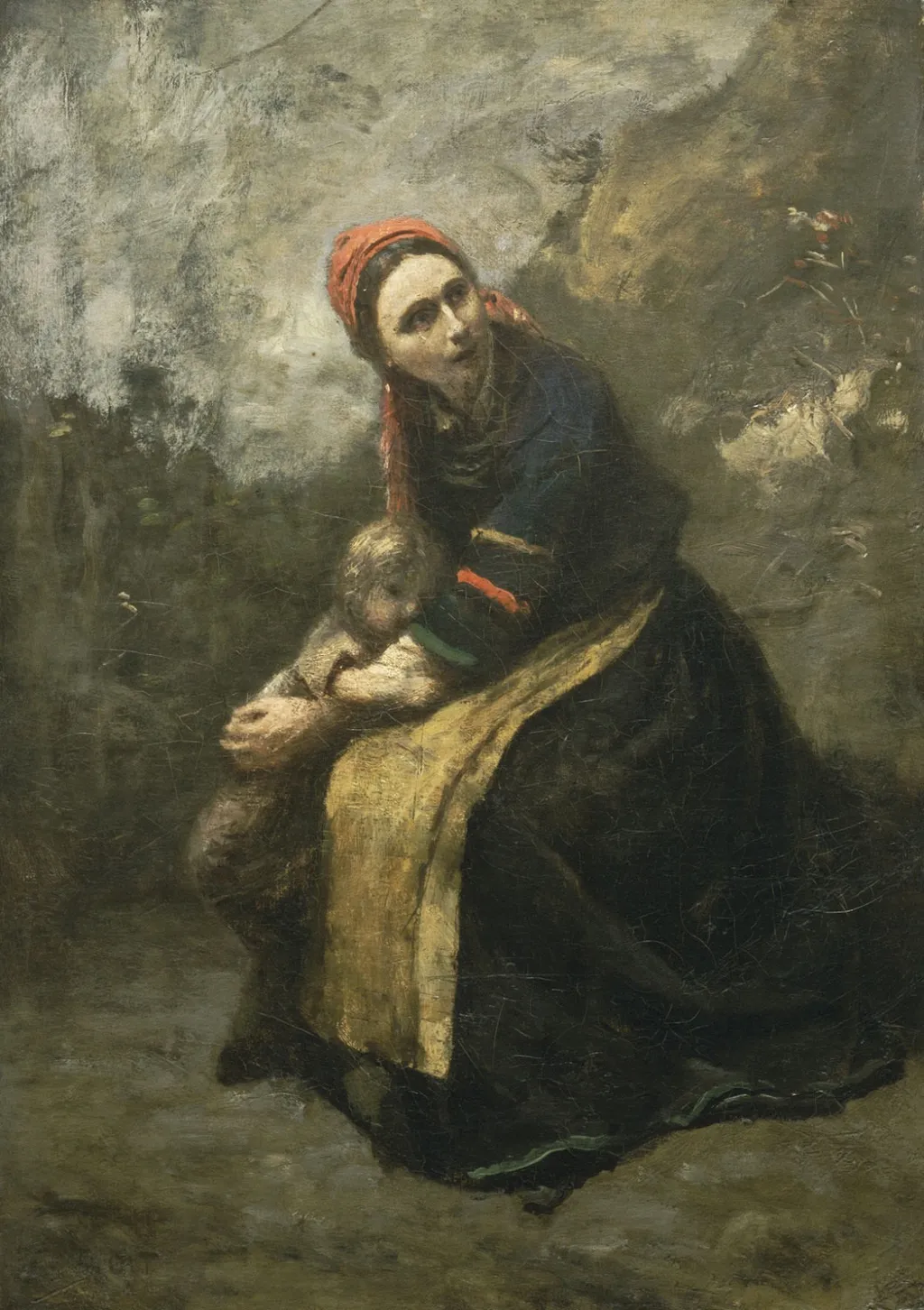
Mother Protecting Her Child is an oil painting by the Realist artist Jean Baptiste Camille Corot. It dates from 1855 and is held in the collection of the Philadelphia Museum of Art. Painted in 1855 by Jean-Baptiste-Camille Corot, this oil work portrays a quiet moment between mother and child.
About this work
Overview
Though Corot is best known for landscapes, this intimate figure study reflects his engagement with domestic themes during the height of Realism.
Painted in 1855 by Jean-Baptiste-Camille Corot, this oil work portrays a quiet moment between mother and child. Though Corot is best known for landscapes, this intimate figure study reflects his engagement with domestic themes during the height of Realism. The painting’s subdued palette and focused composition align with his broader interest in emotional resonance over narrative detail. It resides today in the Philadelphia Museum of Art.
Subject & Meaning
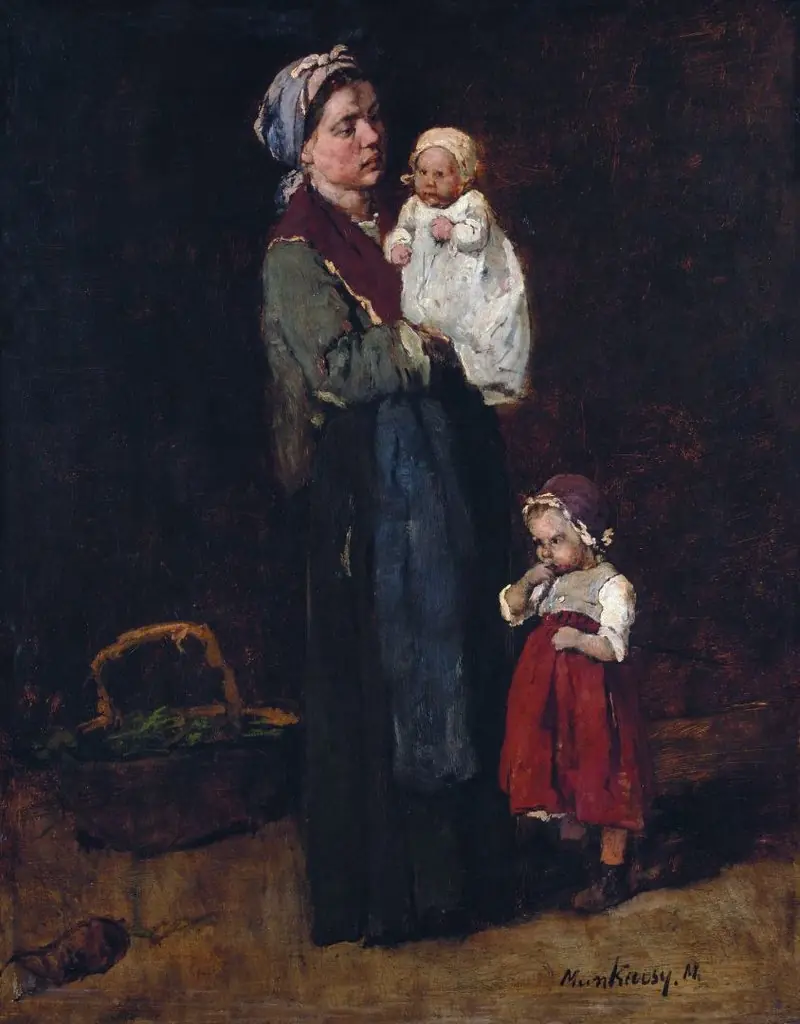
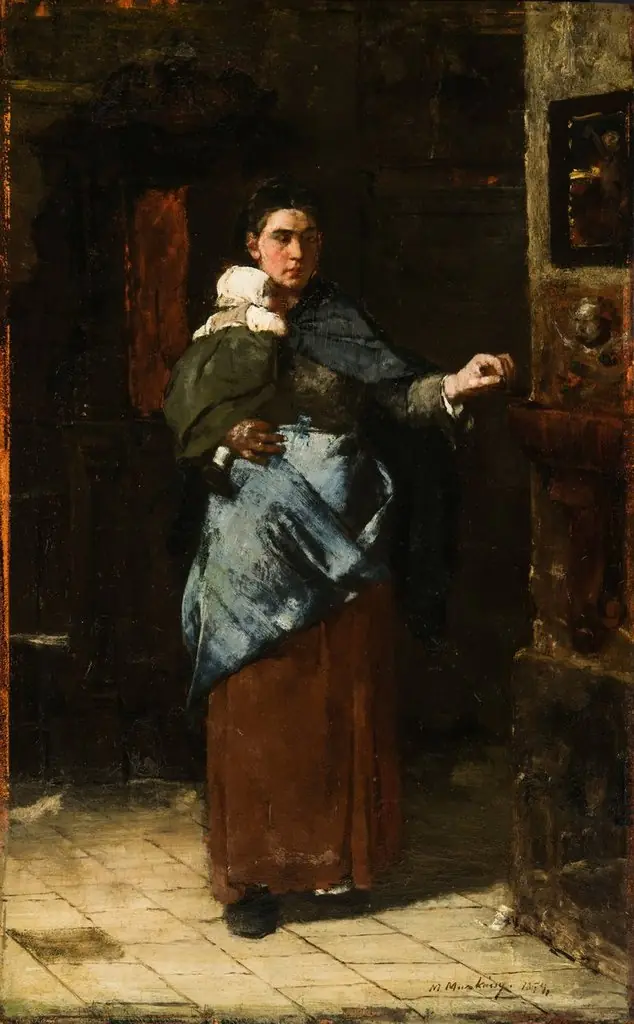
The image captures a mother shielding her sleeping child, her posture conveying vigilance rather than direct engagement. Her blurred face and distant gaze suggest an awareness of external threats, while her embrace remains firm. The child’s stillness and the mother’s protective stance evoke universal themes of care and vulnerability, stripped of idealization. The scene avoids sentimentality, grounding its emotion in physical presence.
Technique & Style
Corot employed chiaroscuro to model the figures against a muted brown background, enhancing spatial depth without dramatic contrast. Brushwork is soft and blended, particularly around the mother’s face, which dissolves into ambiguity, directing attention to the gesture of protection. The child’s yellow and striped garment provides subtle color contrast, anchoring the composition without disrupting its quiet tone.
History & Provenance
Created in 1855, the painting entered the Philadelphia Museum of Art’s collection through documented acquisition, though its early ownership history remains unrecorded. It was not exhibited widely during Corot’s lifetime, and its significance emerged gradually as scholars recognized his figure studies as extensions of his lyrical realism. The work has remained in the museum’s care since the early 20th century.
Context
In mid-19th century France, Realism emphasized ordinary life over historical or mythological subjects. Corot, though rooted in Neo-Classical training, increasingly favored direct observation and atmospheric effects. This painting reflects his movement toward intimate, unposed moments—prefiguring Impressionist concerns with light and mood, even as it retains a restrained, contemplative quality.
Legacy
Though less known than Corot’s landscapes, this work illustrates his nuanced approach to human subjects. It influenced later artists interested in quiet domesticity and psychological subtlety. Its preservation in a major American institution underscores its role in expanding the perception of Realism beyond social commentary to include tender, personal observation.
Artist & collection
Artist
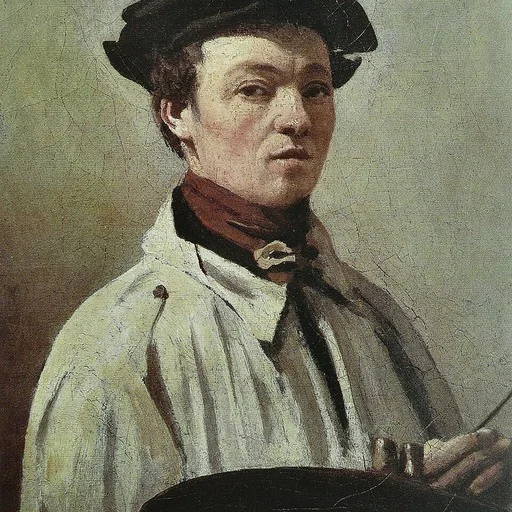
Jean-Baptiste-Camille Corot (UK: KORR-oh, US: kə-ROH, kor-OH; French: ; 16 July 1796 – 22 February 1875), or simply Camille Corot, was a French landscape and portrait painter as well as a printmaker in etching.