Artwork
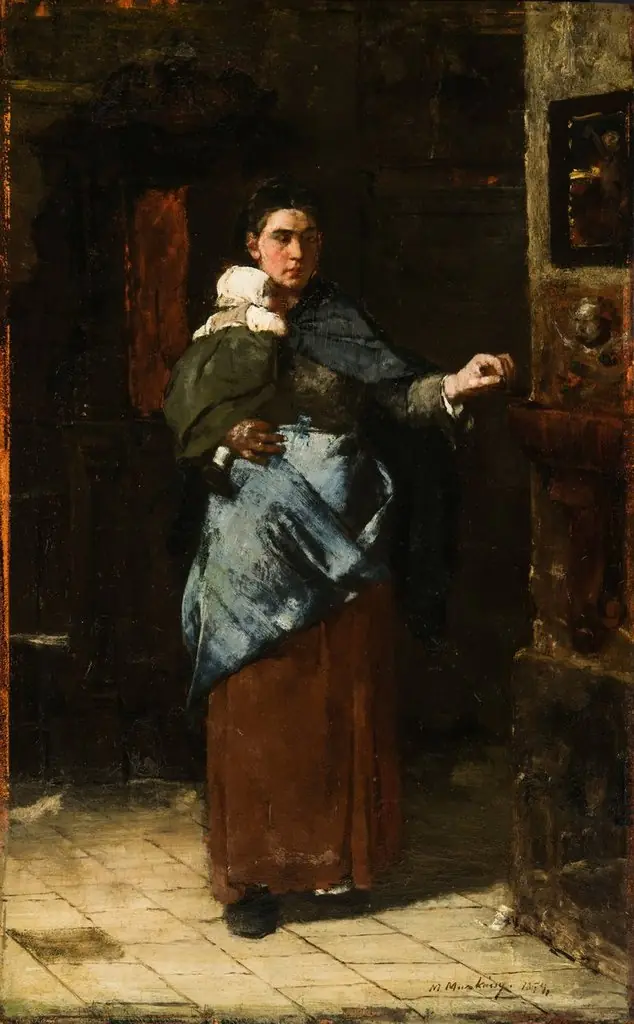
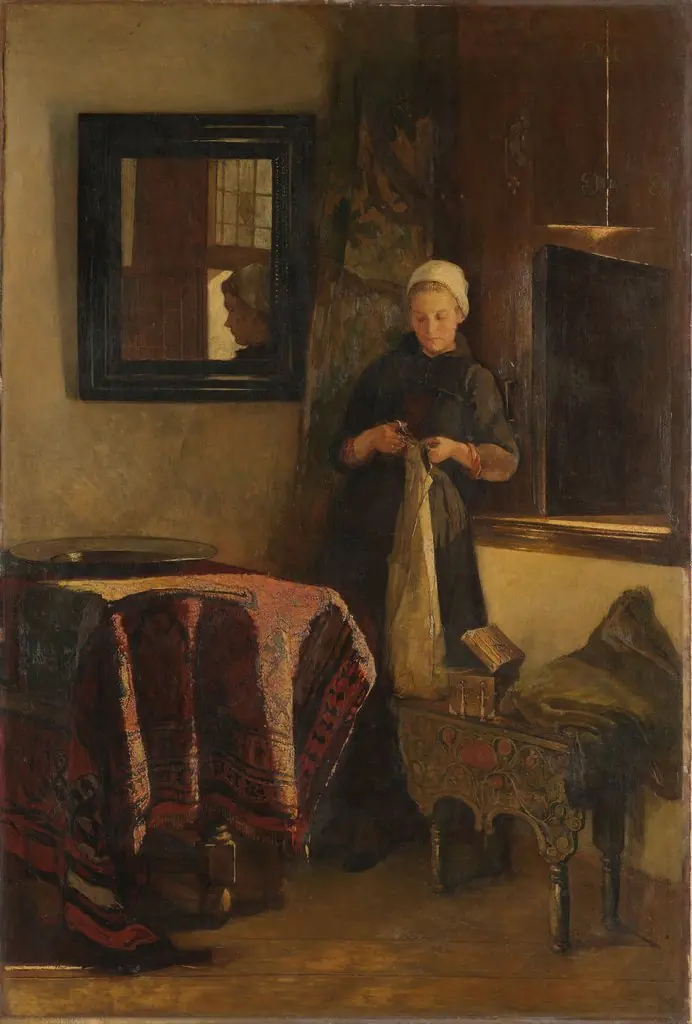
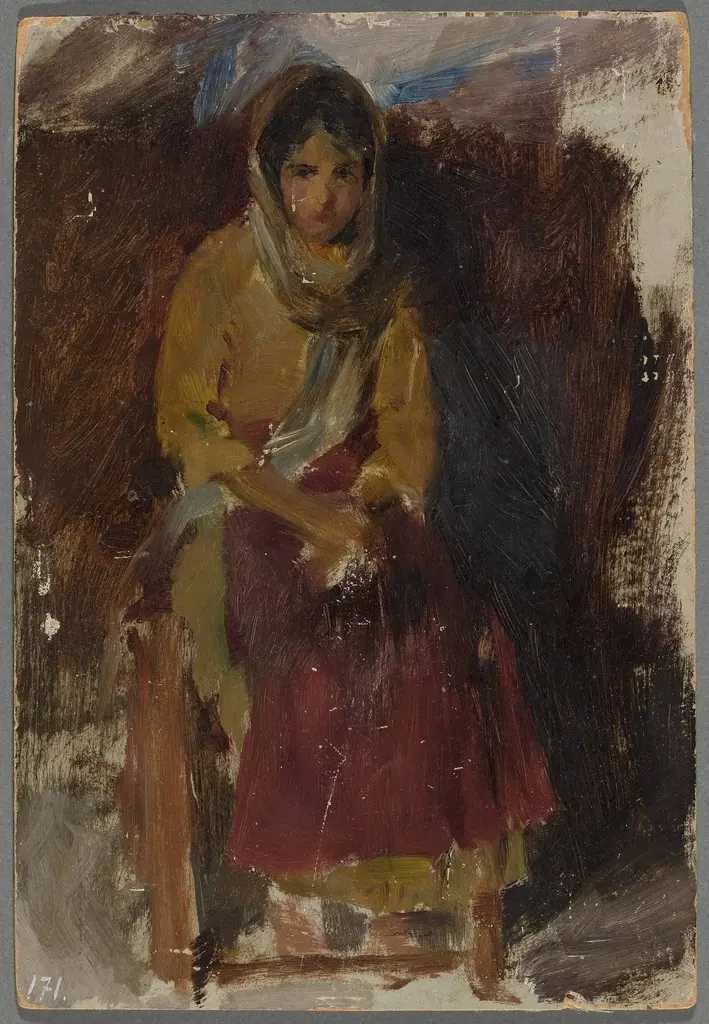
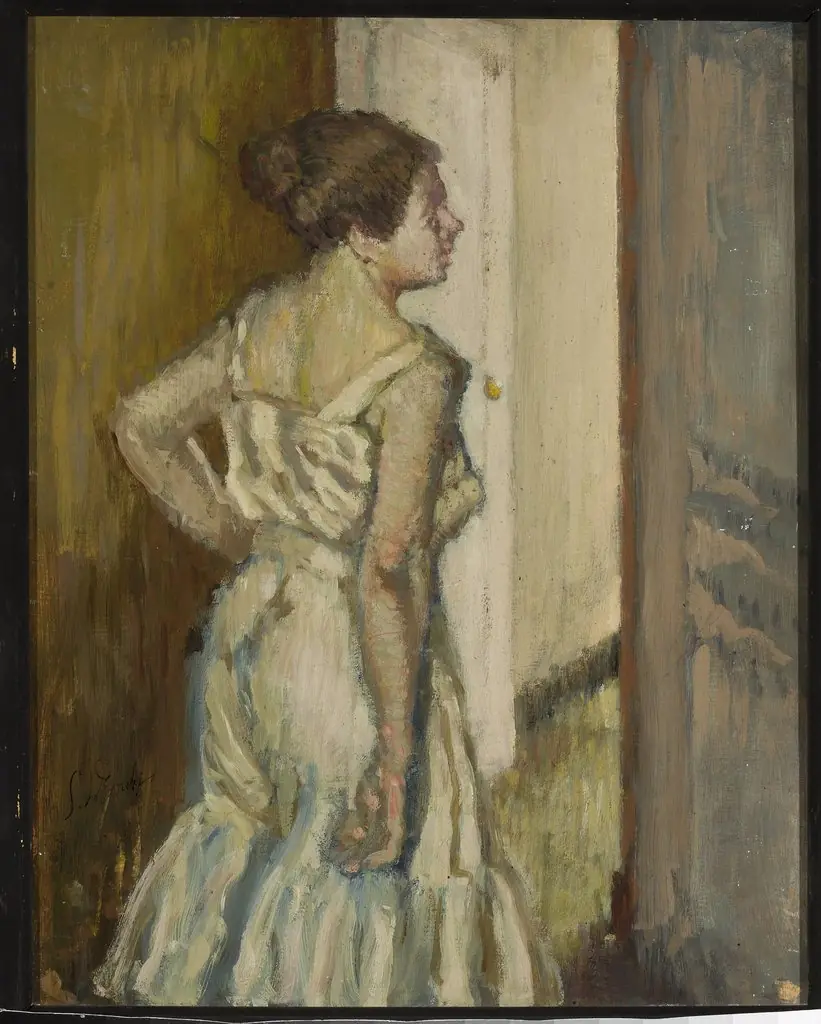
Meisje bij een deuropening.
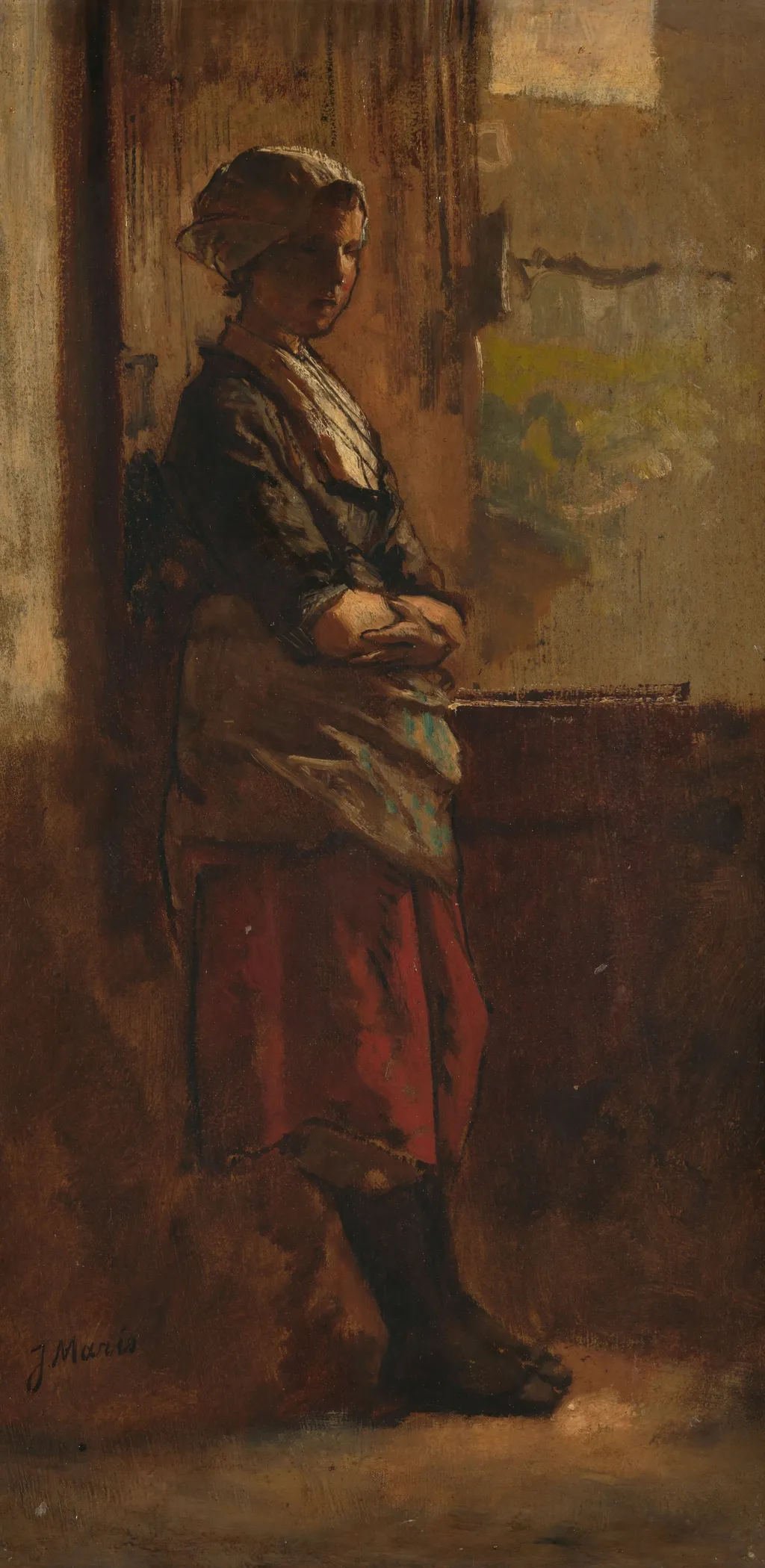
Meisje bij een deuropening. is an oil painting by the Impressionist artist Jacob Maris. It dates from 1892 and is held in the collection of the Rijksmuseum.
About this work
Overview
Maris, trained in the mid-19th century, developed a reputation for atmospheric compositions that balanced realism with emotional restraint.
Painted in 1892 by Jacob Maris, this oil work captures a quiet moment of a young girl near a doorway. Associated with the Hague School, the painting reflects the movement’s focus on subdued domestic scenes and natural illumination. Maris, trained in the mid-19th century, developed a reputation for atmospheric compositions that balanced realism with emotional restraint. The piece resides in the Rijksmuseum’s collection, where it exemplifies his mature style.
Subject & Meaning
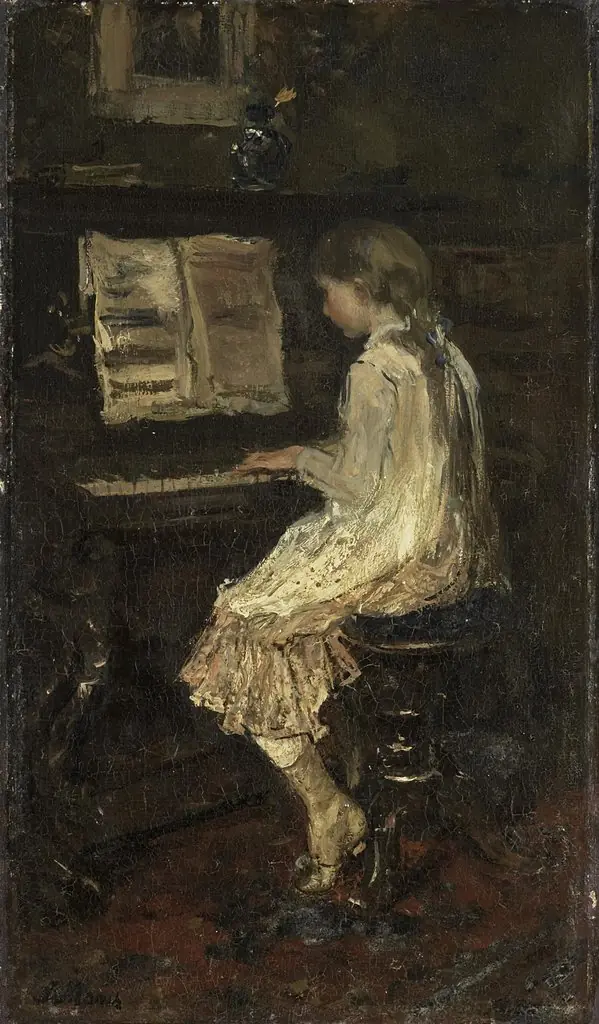
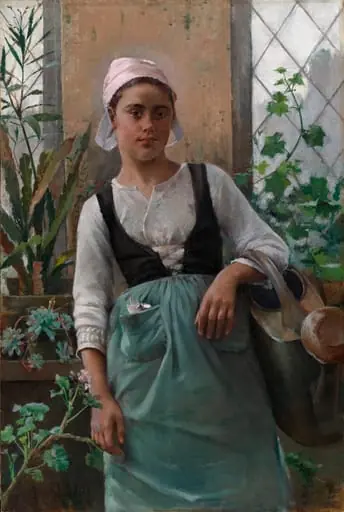
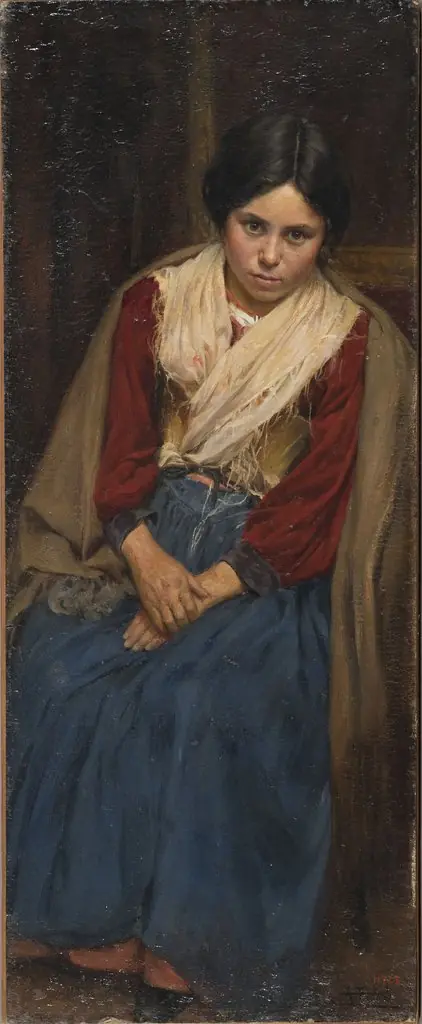
The figure, a girl in a dark hat and striped apron, stands still beside a threshold, hands resting on the frame. Her gaze drifts away from the viewer, suggesting introspection or anticipation. The setting is unadorned, emphasizing solitude and the passage of time. No narrative is imposed; instead, the painting invites contemplation of ordinary life, a hallmark of Hague School aesthetics that valued quiet dignity over dramatic storytelling.
Technique & Style
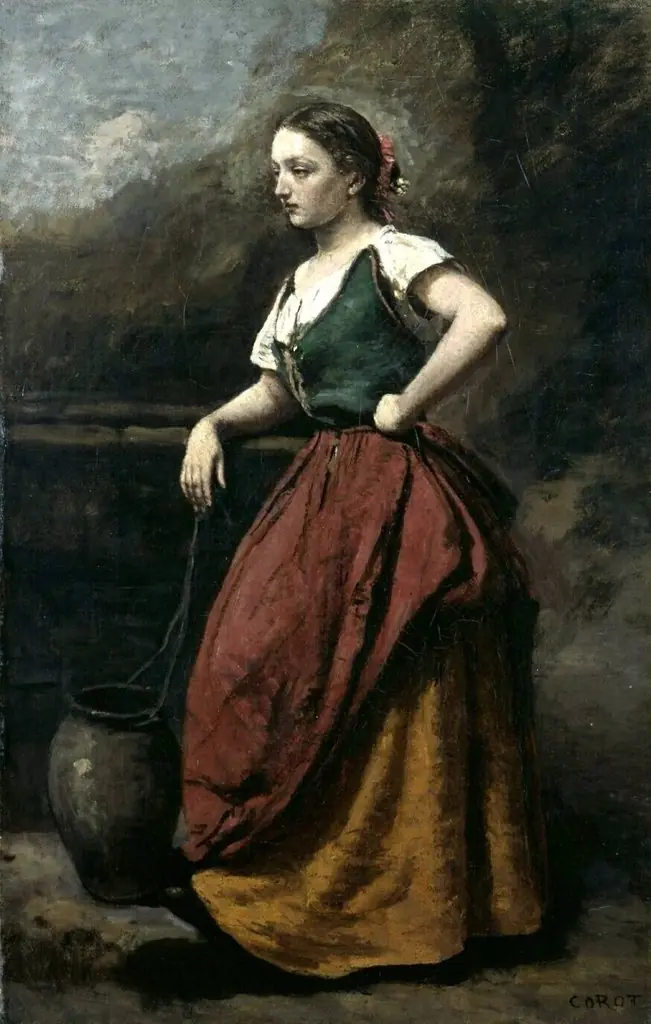
Maris employed thick, visible brushstrokes to build texture, particularly in the wall and fabric surfaces. The red skirt stands out against the warm brown background through deliberate contrast and impasto, enhancing its tactile presence. Light falls unevenly, casting soft shadows that define form without harsh lines. The technique avoids polish, favoring a raw, immediate quality that aligns with the Hague School’s rejection of academic idealism in favor of sensory truth.
History & Provenance
Created in the final decade of Maris’s career, the painting emerged during a period when the Hague School was gaining institutional recognition. It entered the Rijksmuseum’s holdings in the 20th century, likely through acquisition or donation following the artist’s death in 1899. Its preservation reflects the museum’s commitment to documenting regional artistic developments, particularly those that captured Dutch rural and domestic life in the late 1800s.
Context
In the late 19th century, Dutch artists increasingly turned from grand historical themes to intimate, everyday moments. The Hague School, including Maris and his contemporaries, responded to changing social conditions and new optical theories about light. This painting fits within that shift, portraying a solitary figure not as a symbol but as a real person in a real space, reflecting broader cultural interest in authenticity and the unembellished present.
Legacy
Though less widely known than some of his peers, Maris’s work contributed to the legitimization of domestic scenes in Dutch art. His use of texture and light influenced later generations interested in materiality and mood over narrative. The painting remains a quiet reference point in discussions of 19th-century Dutch realism, valued for its restraint and sensitivity to light and presence rather than spectacle.
Own this work as a print
Artist & collection
Artist
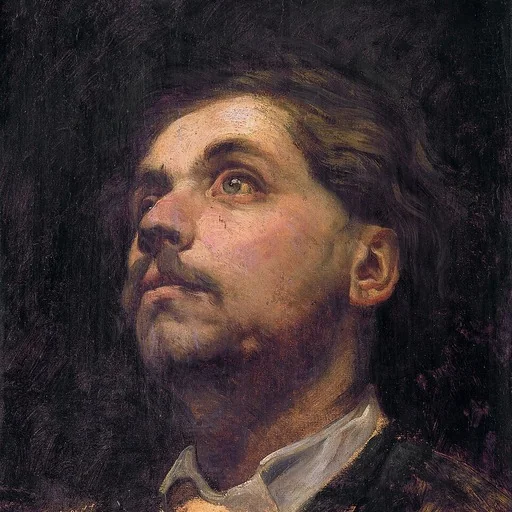
Jacob Henricus Maris (August 25, 1837 – August 7, 1899) was a Dutch painter, who with his brothers Willem and Matthijs belonged to what has come to be known as the Hague School of painters.