Artwork
Rocks in Amalfi
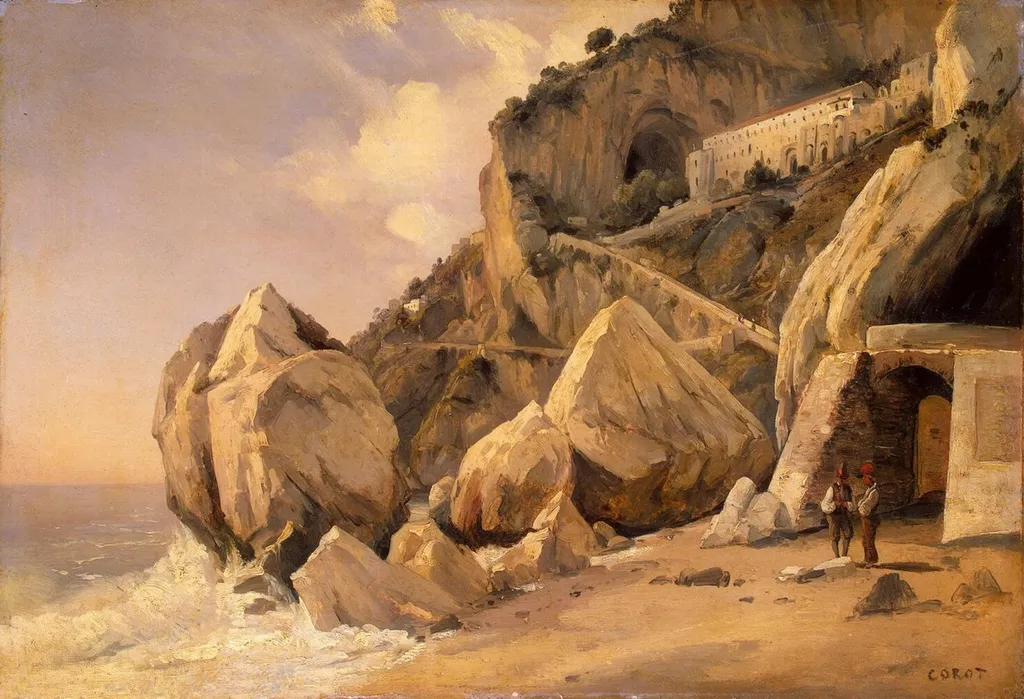
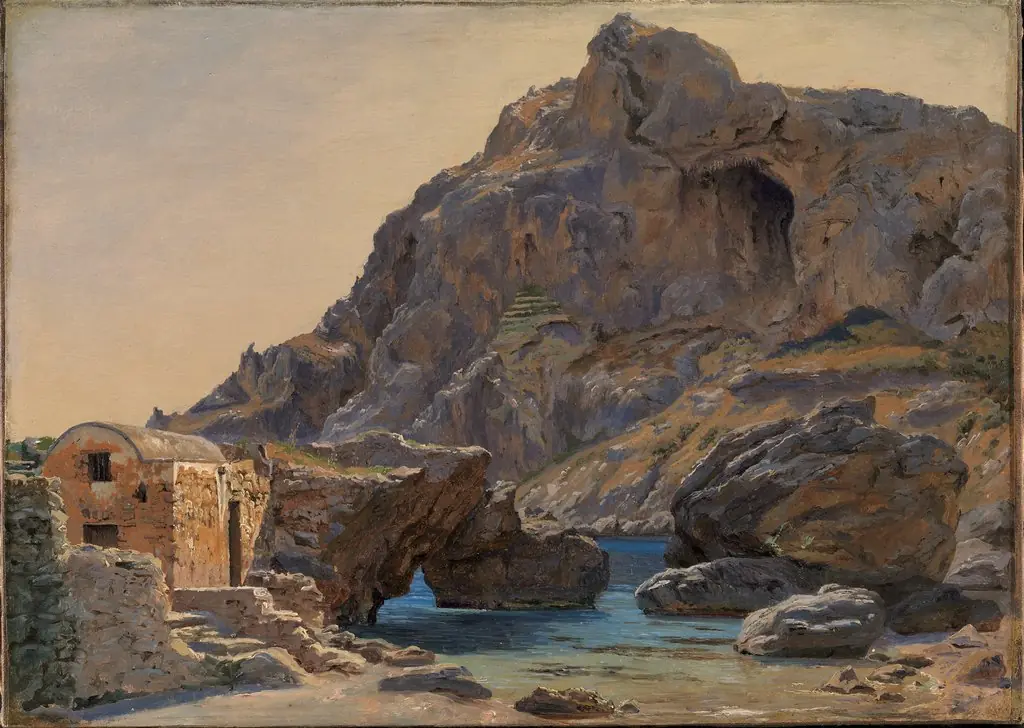
Rocks in Amalfi is an oil painting by the Barbizon school artist Jean Baptiste Camille Corot. It dates from 1828 and is held in the collection of the Hermitage Museum.
About this work
Overview
Jean-Baptiste-Camille Corot’s oil painting *Rocks in Amalfi* dates from 1828. Executed early in the artist’s career, the work presents a coastal landscape of the Amalfi region, rendered with the measured calm that characterises Corot’s approach to nature.
Subject & Meaning
The canvas focuses on a cluster of rugged stones along the shoreline, where sea and sky meet. By emphasizing the stark forms of the rocks and the subtle shifts of light across them, the composition invites contemplation of the enduring qualities of the natural world.
Technique & Style
Corot employed a restrained palette and delicate brushwork to convey atmospheric effects, a hallmark of the nascent Barbizon School’s naturalism. The oil medium allows for nuanced tonal variations that model the texture of the stone and the luminous quality of the coastal air.
Context
Created at a time when Corot was bridging Neoclassical academic training with emerging plein‑air practices, the painting reflects his early engagement with the Barbizon movement’s emphasis on direct observation. It illustrates the transition in French landscape painting toward a more realistic, yet poetic, representation of specific locales.
Own this work as a print
Artist & collection
Artist
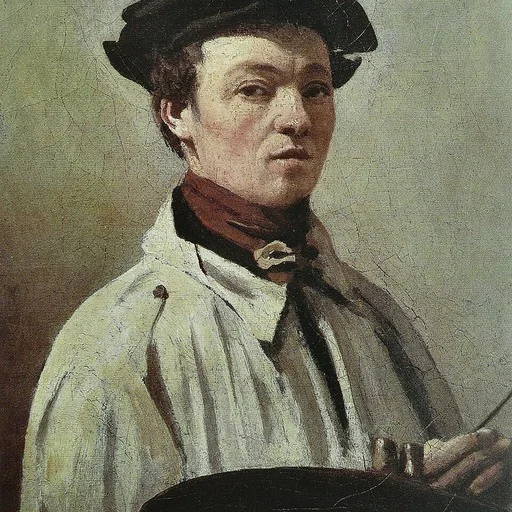
Jean-Baptiste-Camille Corot (UK: KORR-oh, US: kə-ROH, kor-OH; French: ; 16 July 1796 – 22 February 1875), or simply Camille Corot, was a French landscape and portrait painter as well as a printmaker in etching.

 View of Marina Piccola, Capri: Afternoon Light
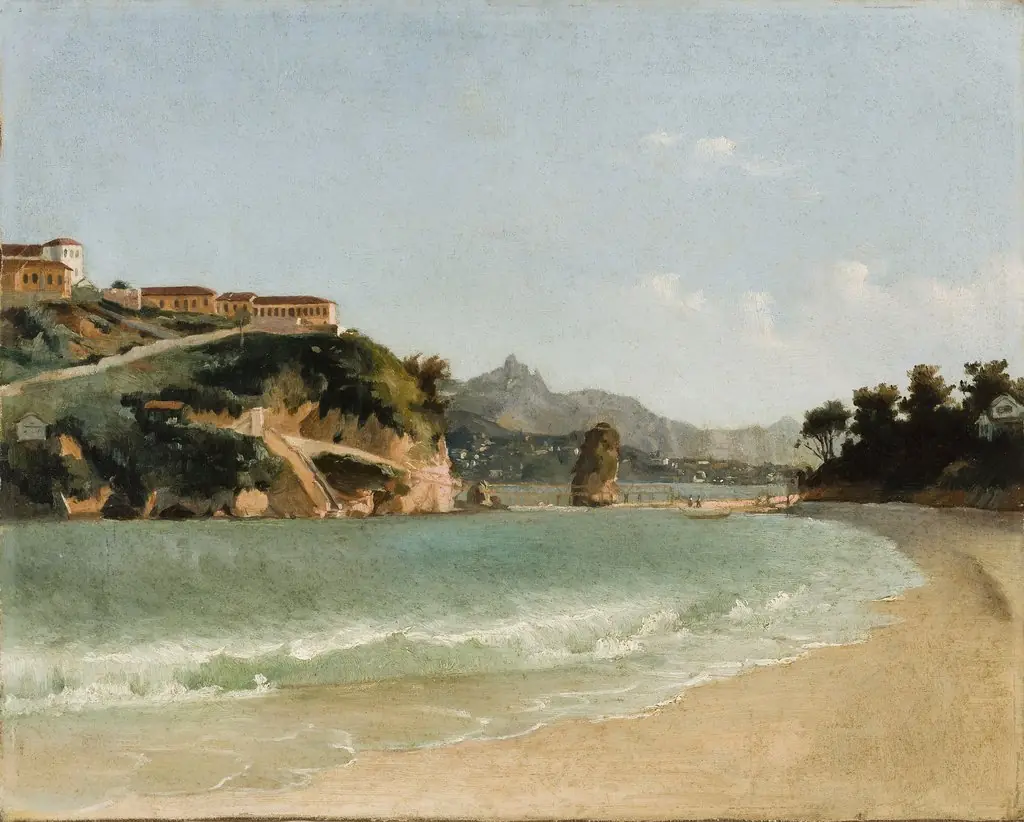 Praia da Boa Viagem, Niterói (atribuído)
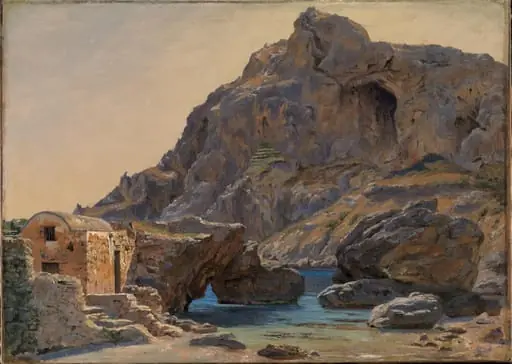 View of Marina Piccola, Capri: Afternoon Light
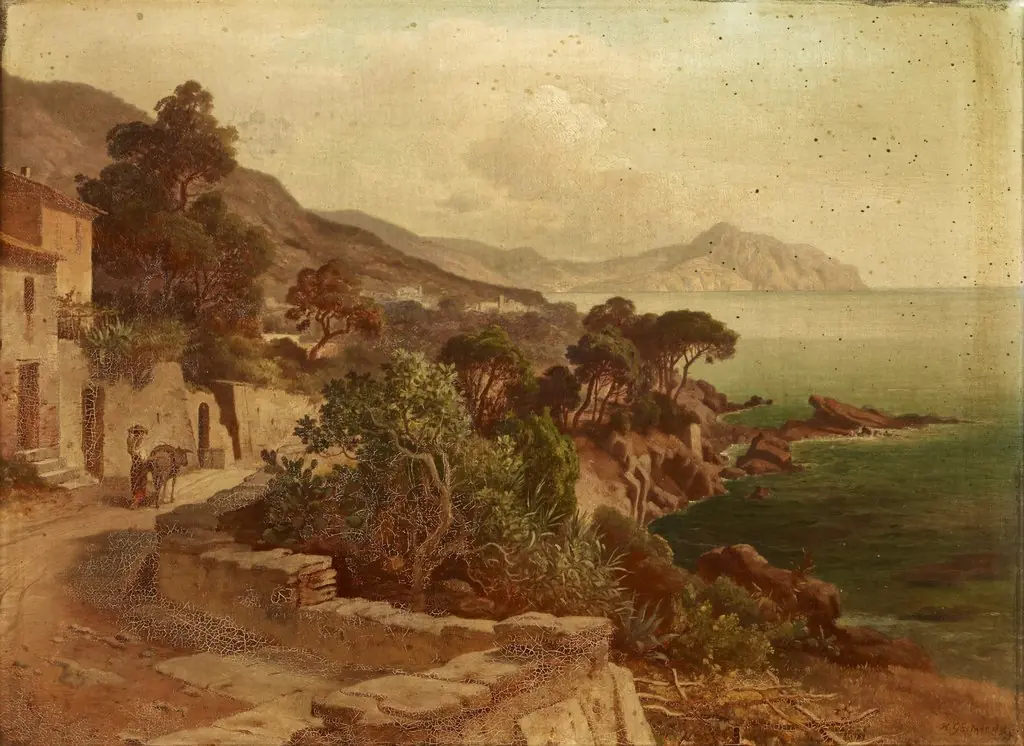 Mediterranean Landscape
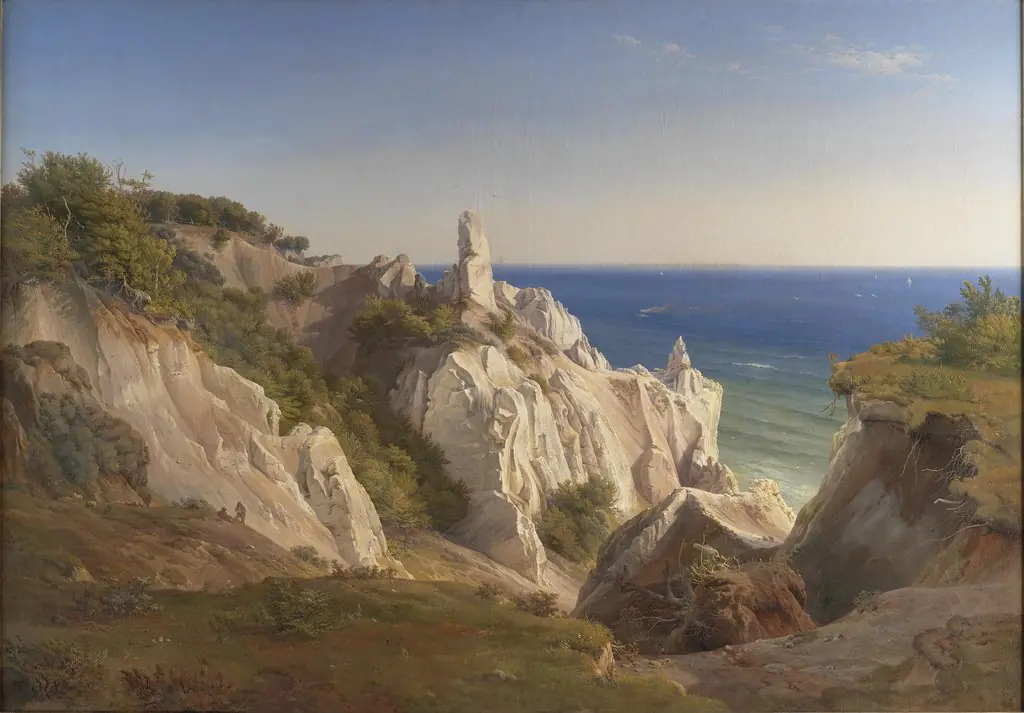 The Cliffs of the Island of Møn
 The Cliffs of the Island of Møn
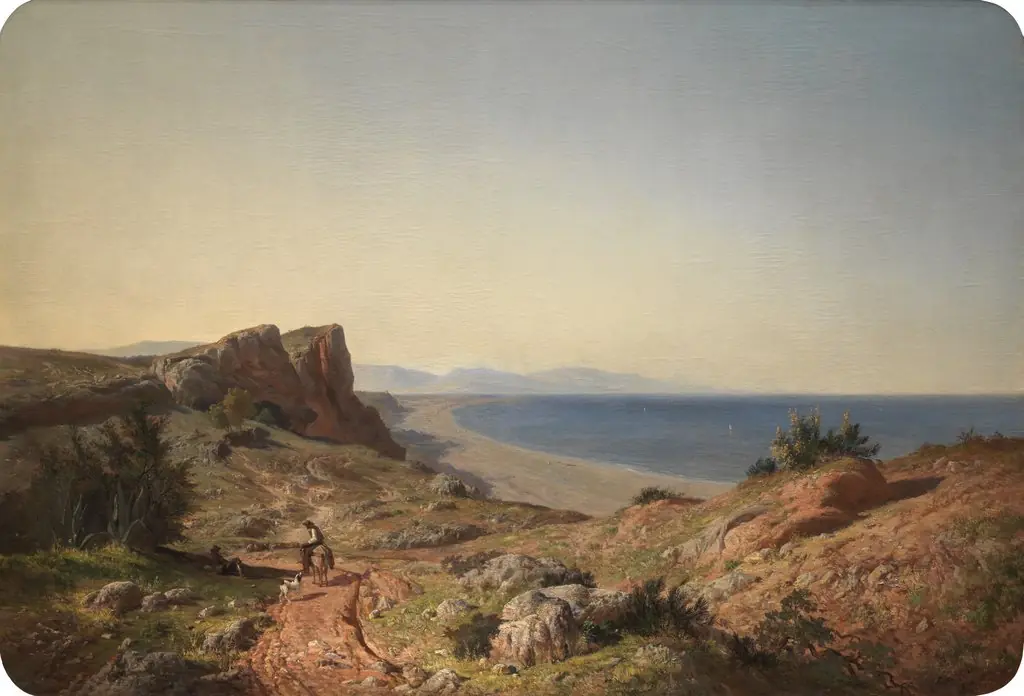 A Landscape. Recollections of Andalusia: the Mediterranean coast near Torremolinos
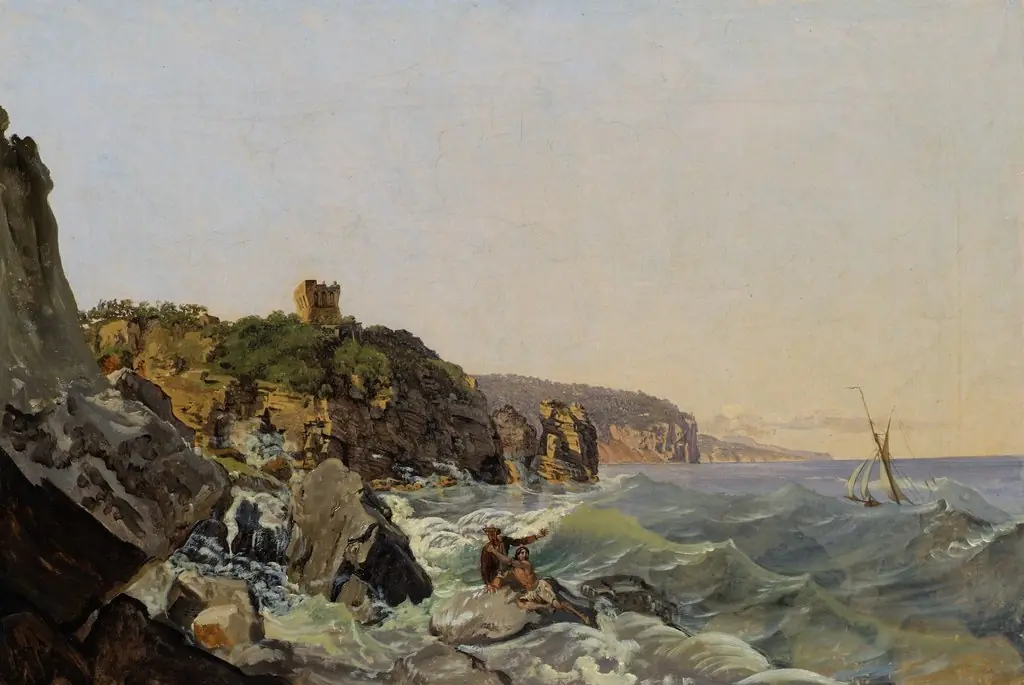 Coast near Capri
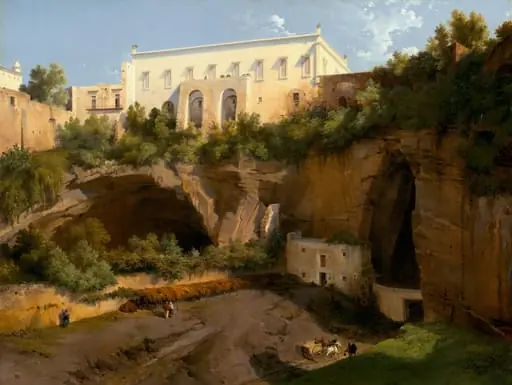 View of a Villa, Pizzofalcone, Naples
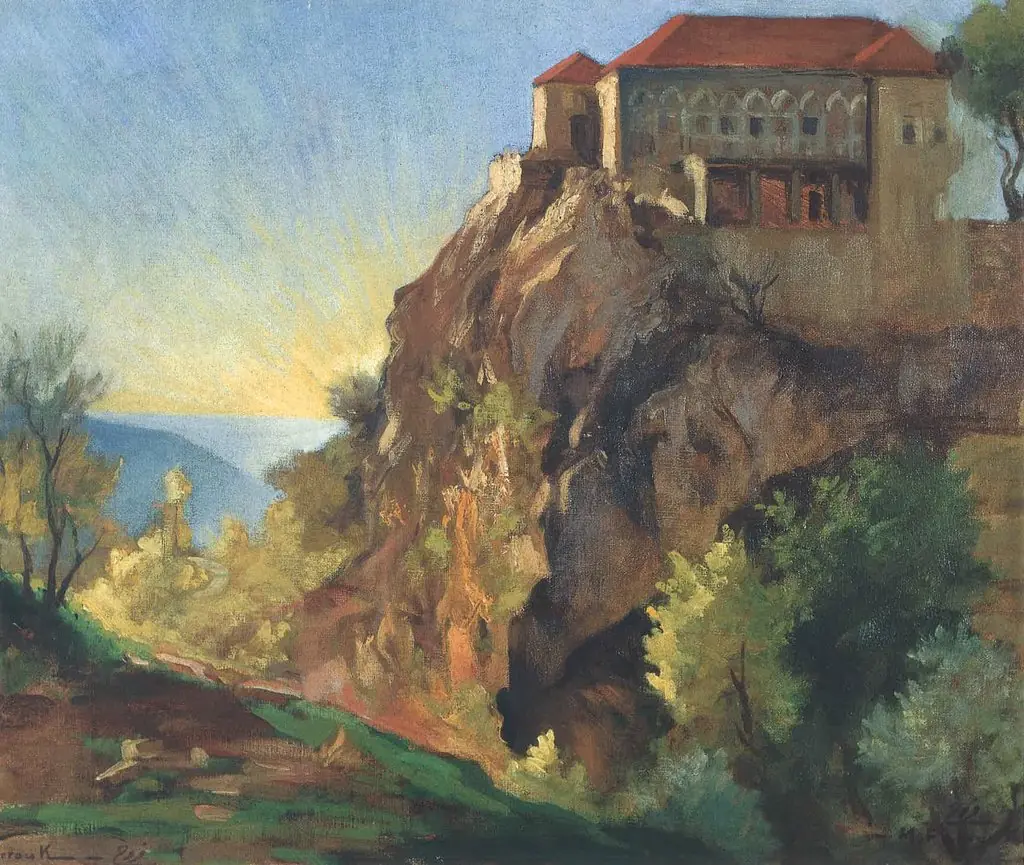 Lamartine's palace at Hammana
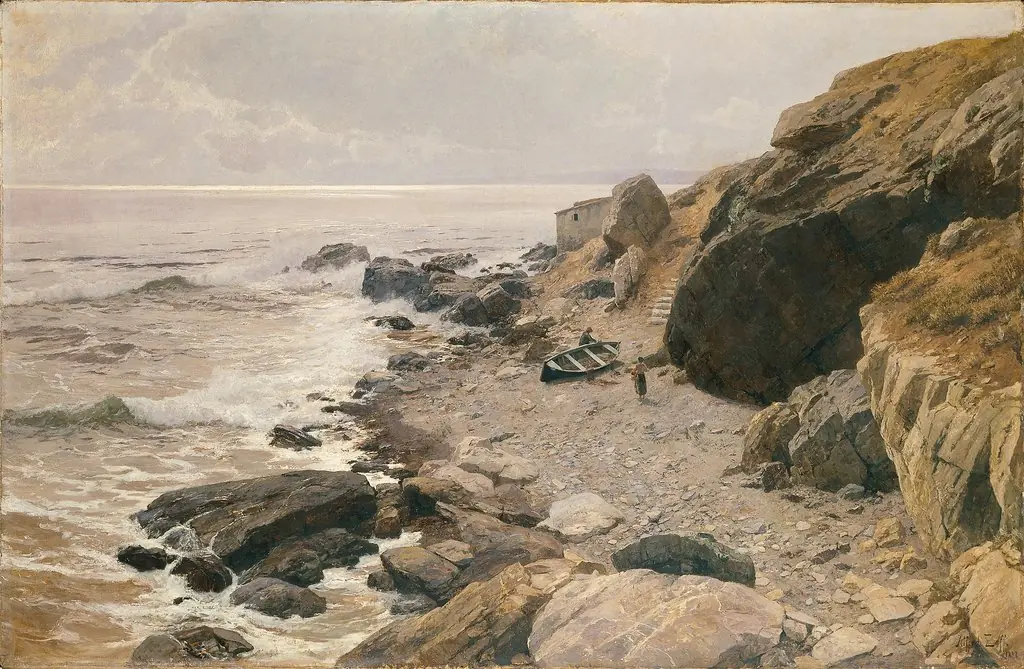 An der Riviera (felsige Küste)
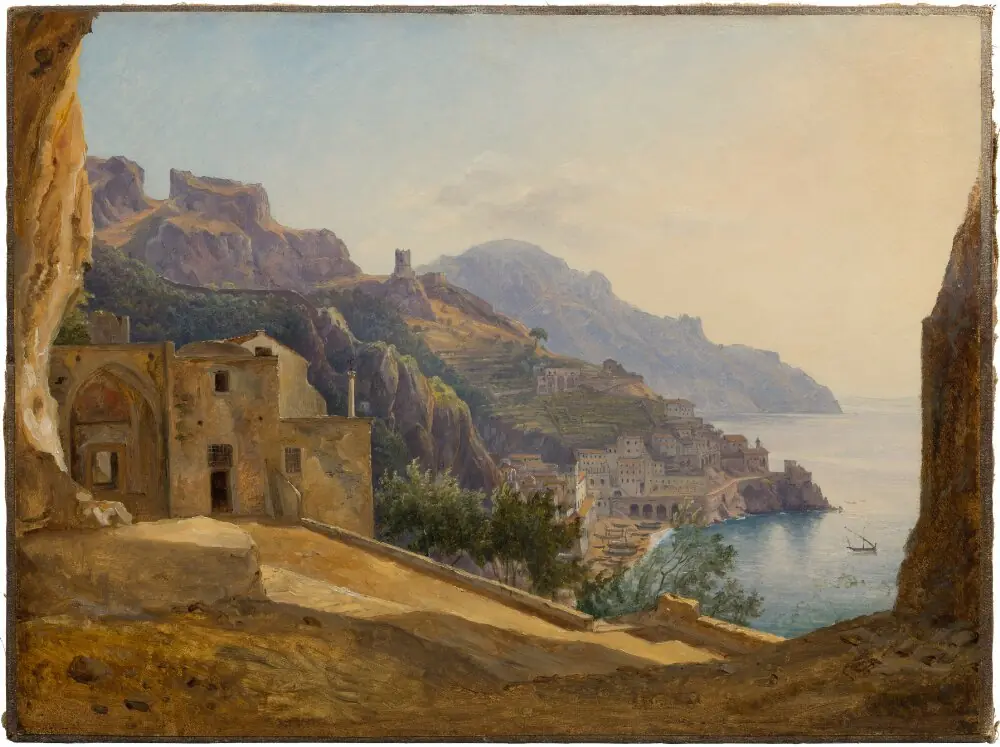 View towards Amalfi from Grotta dei Cappuccini