Artwork
Souvenir of the Environs of La Ferté-sous-Jouarre (Morning)
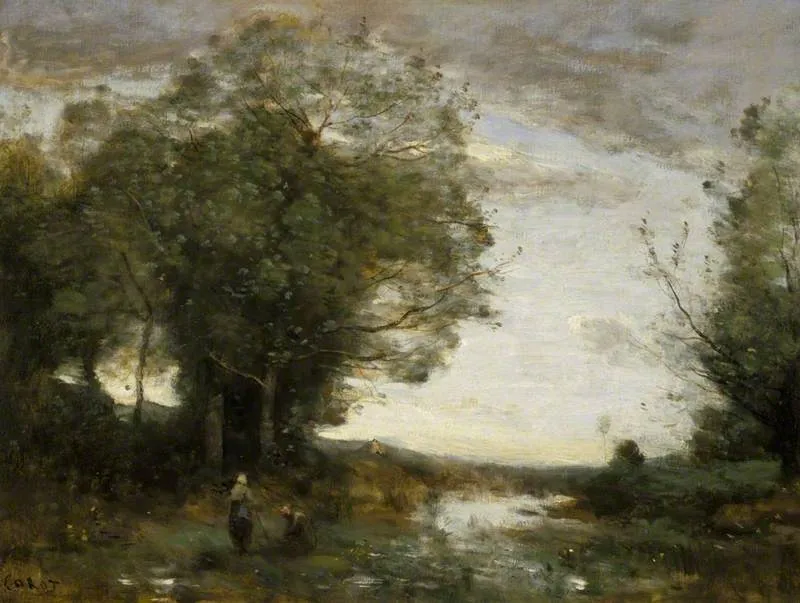
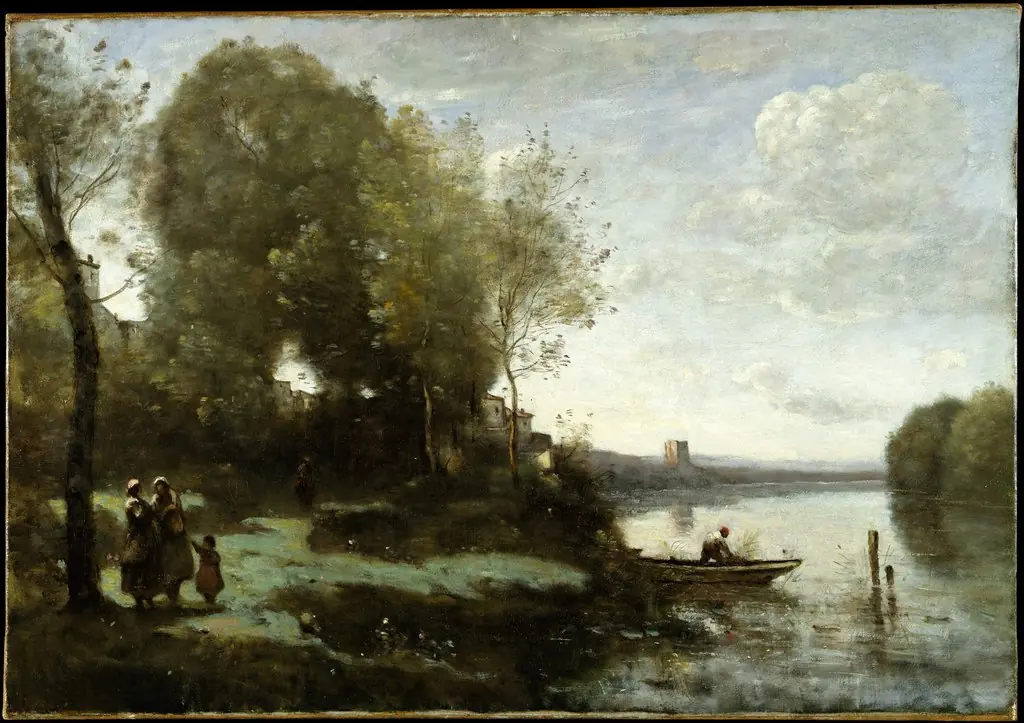
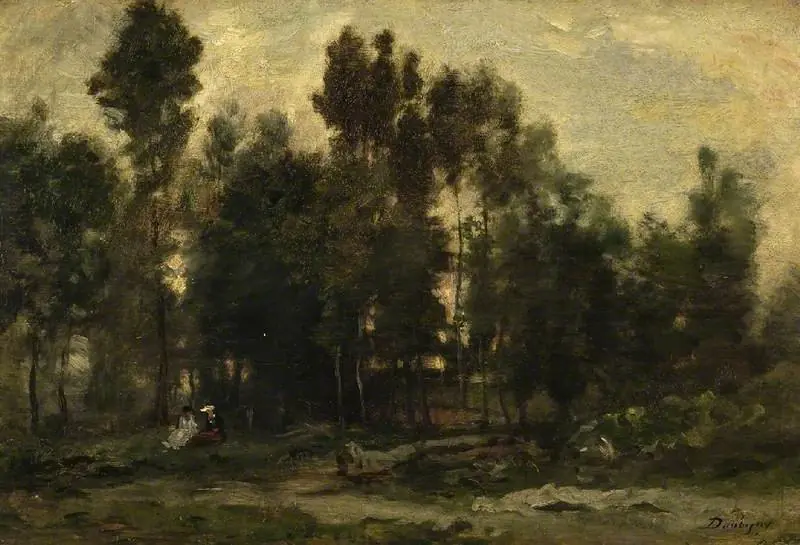
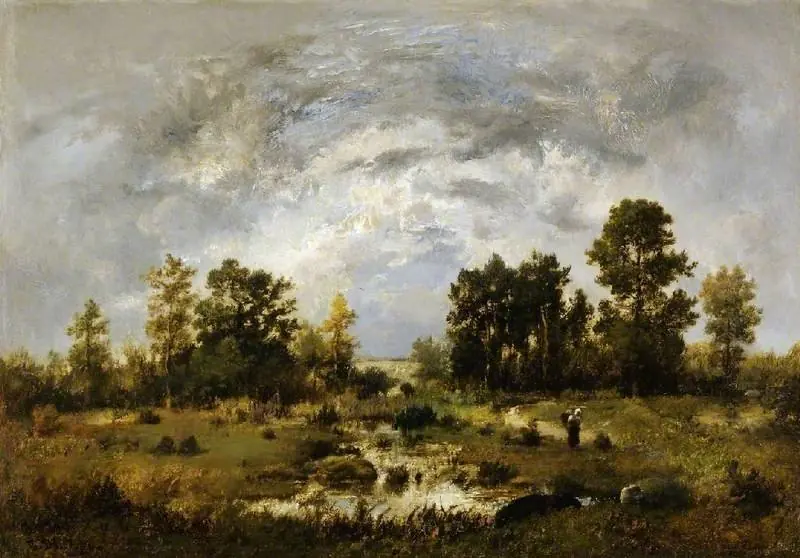
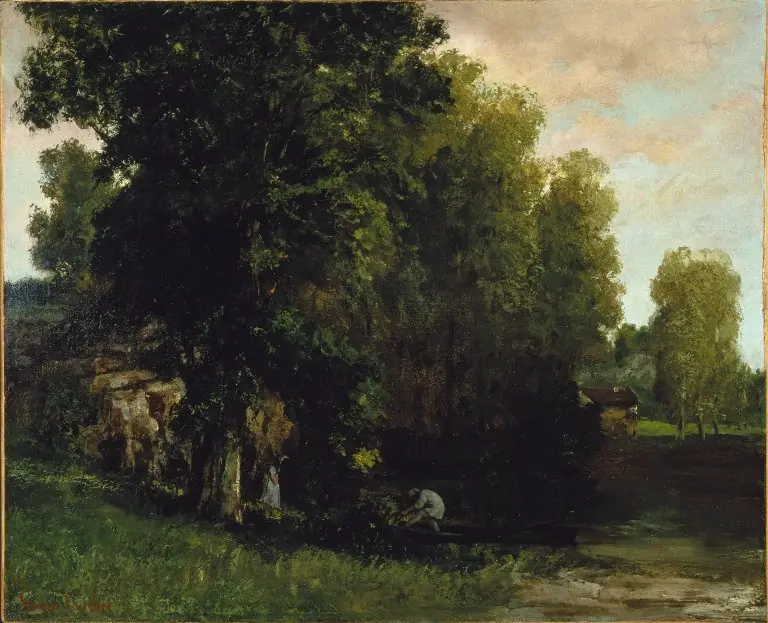
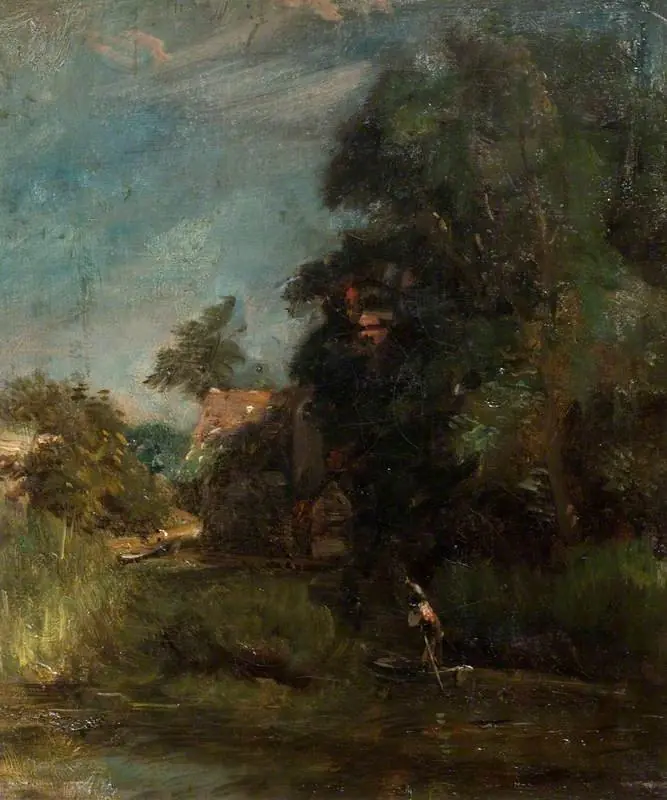
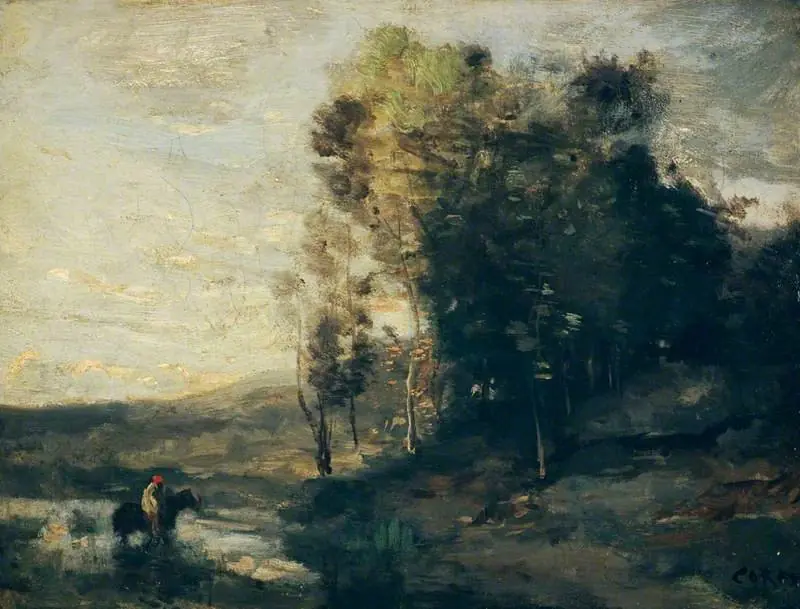
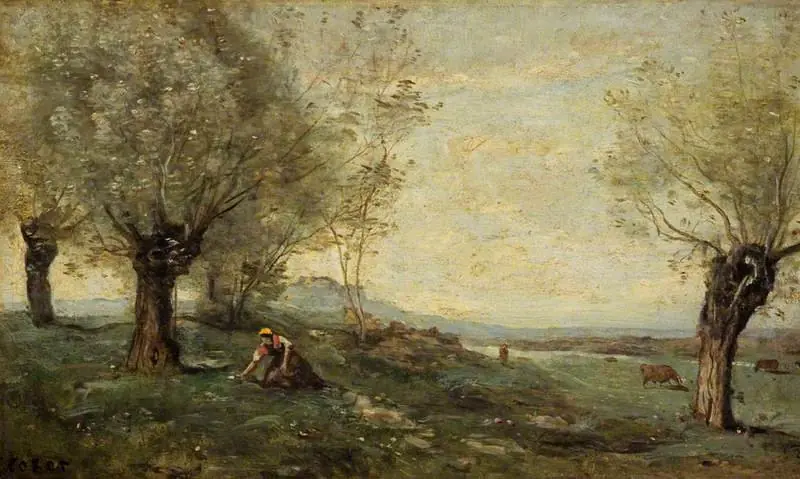
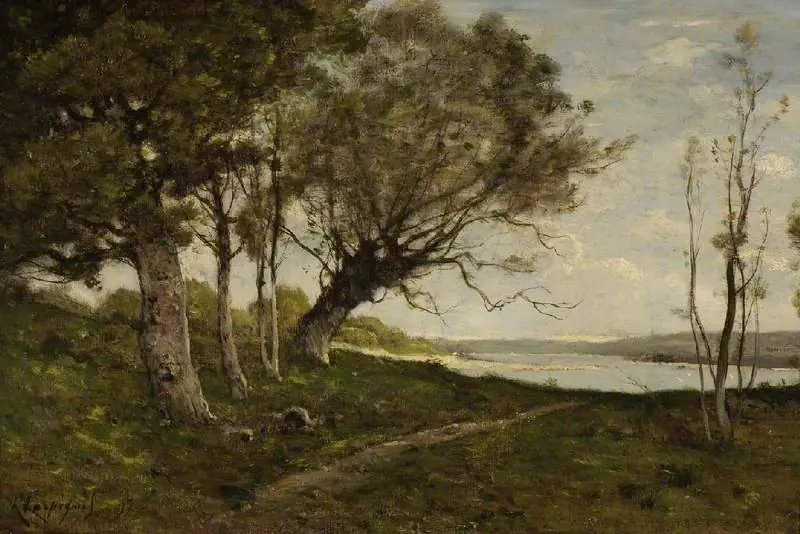
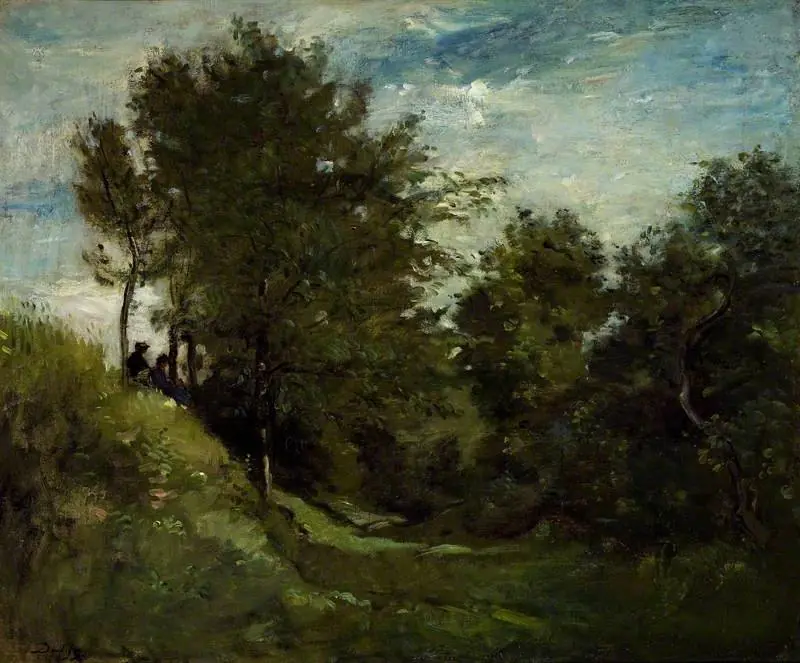
Souvenir of the Environs of La Ferté-sous-Jouarre (Morning) is an oil painting by the Realist artist Jean Baptiste Camille Corot. It dates from 1867 and is held in the collection of the National Galleries Scotland.
About this work
Overview
Painted in 1867, *Souvenir of the Environs of La Ferté-sous-Jouarre (Morning)* is an oil landscape by Jean-Baptiste-Camille Corot.
Painted in 1867, *Souvenir of the Environs of La Ferté-sous-Jouarre (Morning)* is an oil landscape by Jean-Baptiste-Camille Corot. It captures a quiet riverside scene near the French village of La Ferté-sous-Jouarre. The work reflects Corot’s mature style, merging structured composition with observed natural effects. It resides in the Scottish National Gallery, part of a broader body of work that helped transition 19th-century landscape painting from academic traditions toward more direct responses to light and atmosphere.
Subject & Meaning
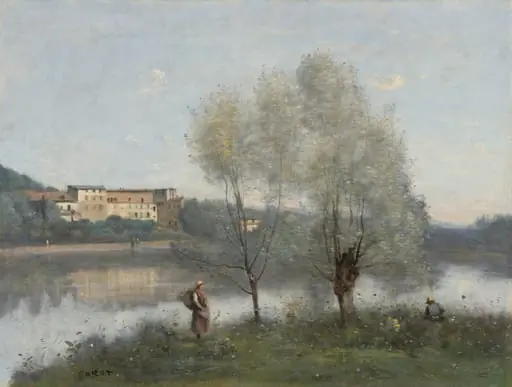
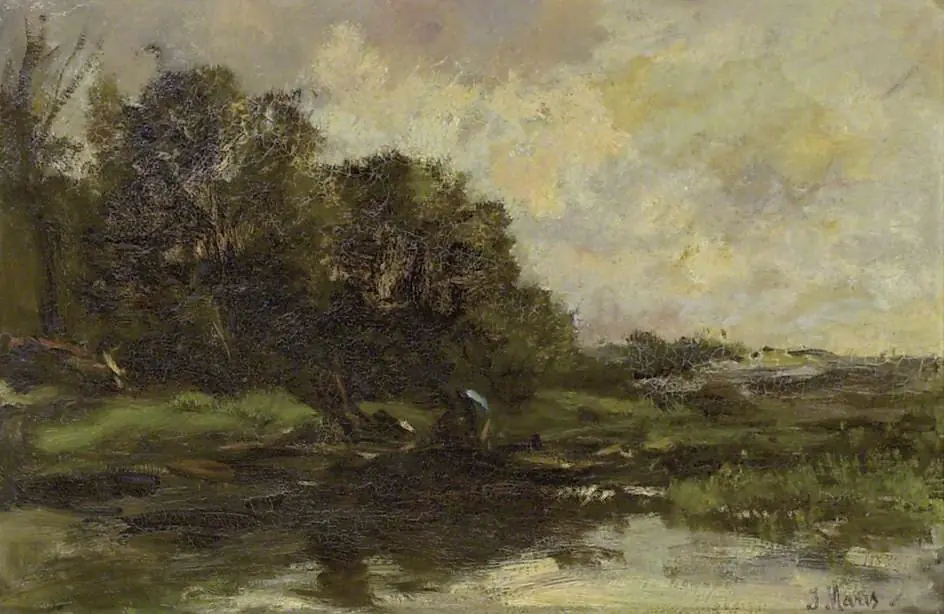
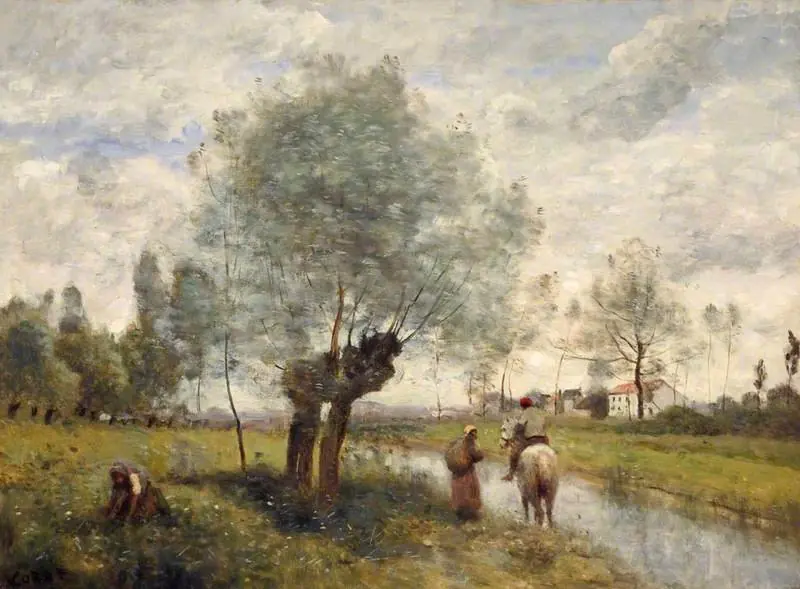
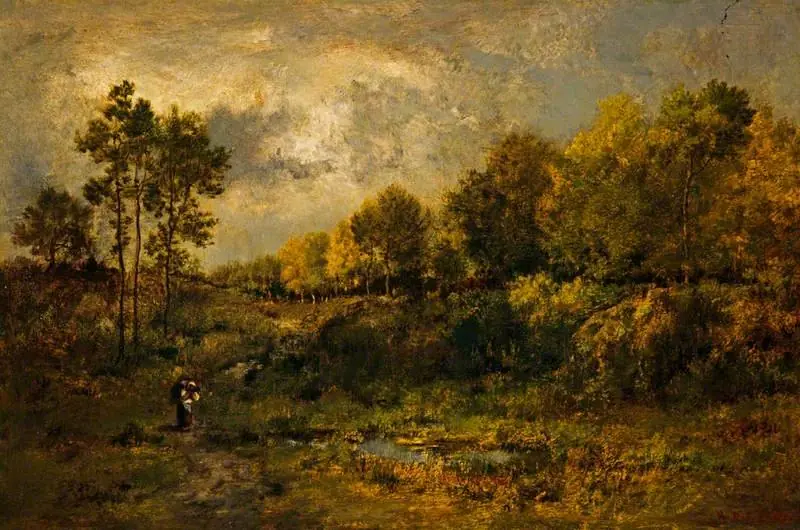
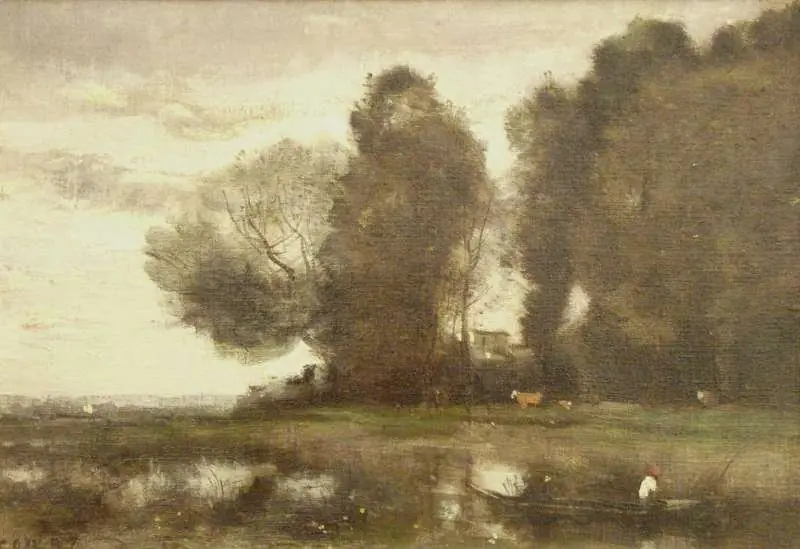
The painting depicts a tranquil morning along a winding river, with soft sunlight filtering through trees and reflecting on the water. A solitary figure walks along the bank, not as a narrative focus but as a subtle human presence that enhances the scene’s stillness. There is no dramatic event—only the quiet rhythm of nature at daybreak. The absence of overt symbolism invites contemplation, aligning with Corot’s interest in memory and mood over storytelling.
Technique & Style
Corot applied thin layers of oil paint with delicate, fluid brushwork, allowing underlying tones to subtly show through. His palette favors muted greens, pale golds, and soft blues, avoiding sharp contrasts. Forms are suggested rather than sharply defined, creating a hazy, atmospheric effect. This approach, rooted in observation rather than idealization, anticipates Impressionist concerns with light and perception while retaining a compositional discipline inherited from earlier traditions.
History & Provenance
Created in 1867, the painting emerged during Corot’s later period, when he frequently revisited sites he had sketched decades earlier, transforming them into poetic recollections. It entered the collection of the Scottish National Gallery in the 20th century, likely through acquisition or bequest. Its provenance reflects its recognition among European collectors who valued Corot’s lyrical landscapes, even as the art world shifted toward more radical modern styles.
Context
In the 1860s, French painting was evolving rapidly, with Realism challenging academic norms and Impressionism beginning to take shape. Corot stood between these movements: he painted outdoors with direct observation but retained compositional balance and tonal harmony. His work influenced younger artists like Monet and Pissarro, who admired his sensitivity to light. This painting exemplifies how landscape painting was becoming a vehicle for personal perception rather than historical or mythological narrative.
Legacy
Corot’s *Souvenir of the Environs of La Ferté-sous-Jouarre (Morning)* contributed to a broader redefinition of landscape as a subject worthy of quiet, intimate attention. His synthesis of structure and atmosphere became a model for later generations seeking to capture transient effects without abandoning formal coherence. Though not overtly avant-garde, the painting’s emotional resonance and technical subtlety helped pave the way for modern approaches to light and place in painting.
Artist & collection
Artist
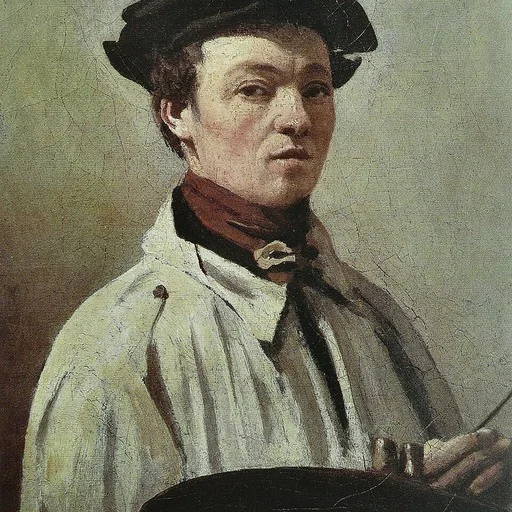
Jean-Baptiste-Camille Corot (UK: KORR-oh, US: kə-ROH, kor-OH; French: ; 16 July 1796 – 22 February 1875), or simply Camille Corot, was a French landscape and portrait painter as well as a printmaker in etching.