Artwork
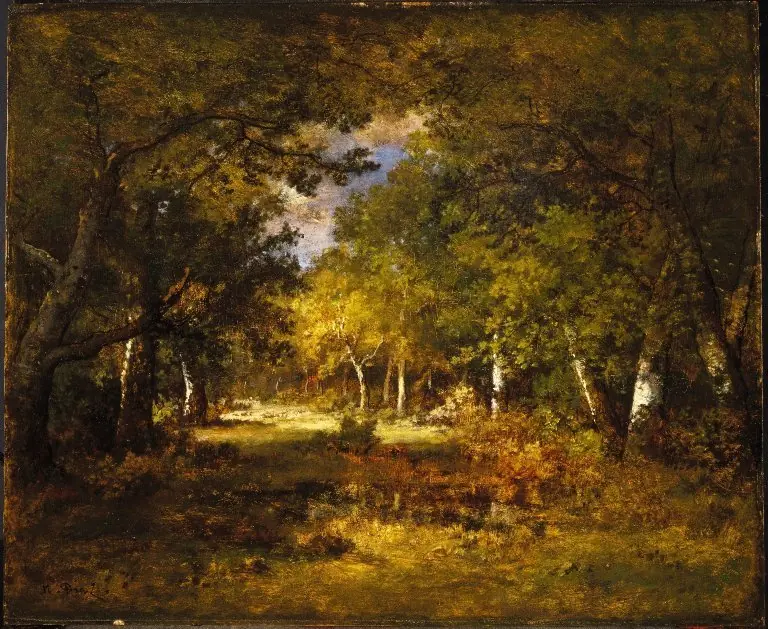
A Clearing in the Forest
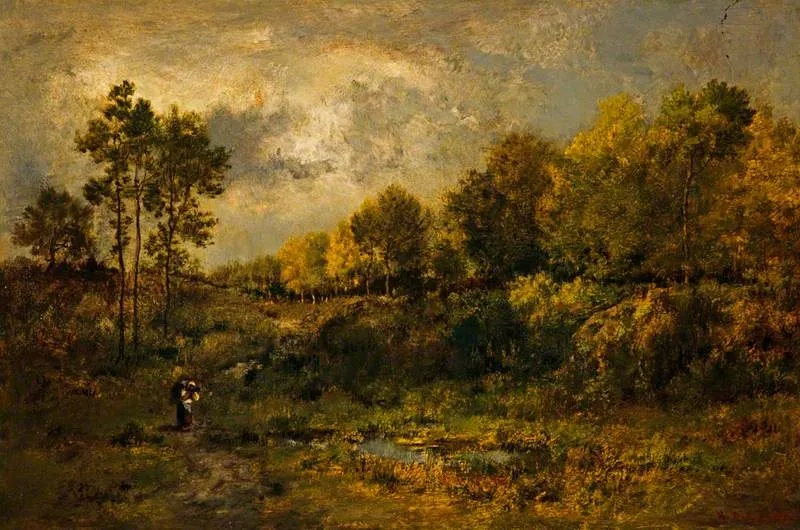
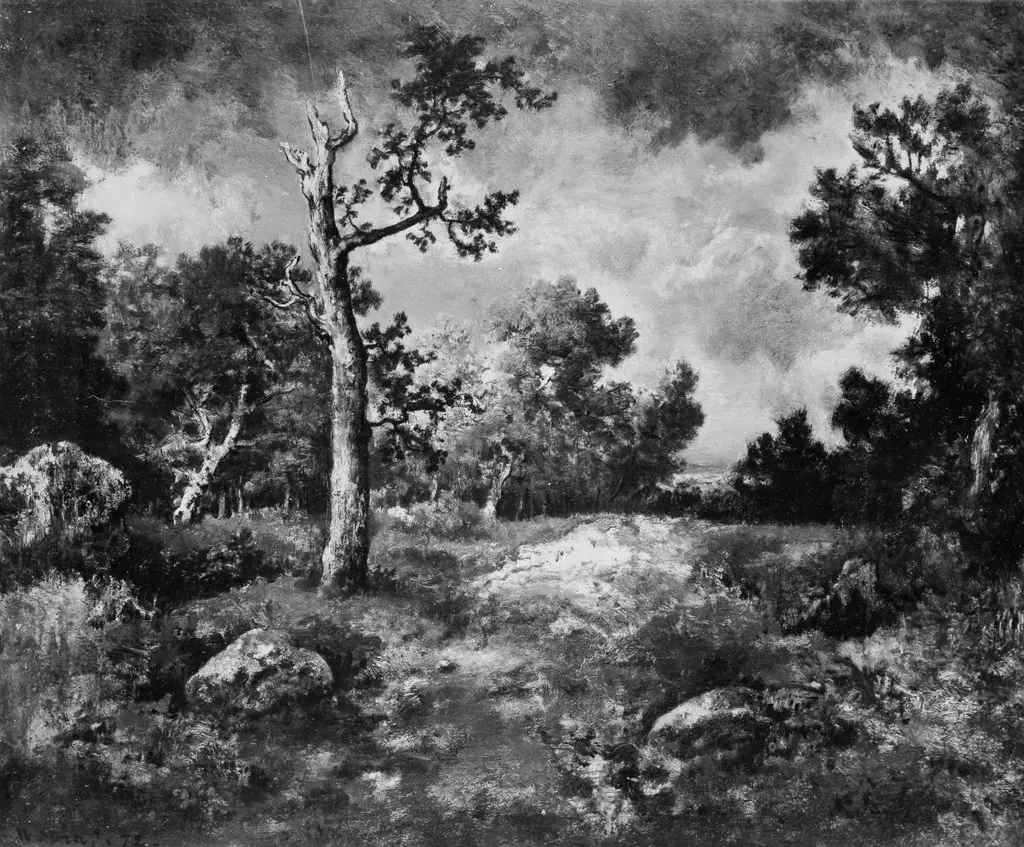
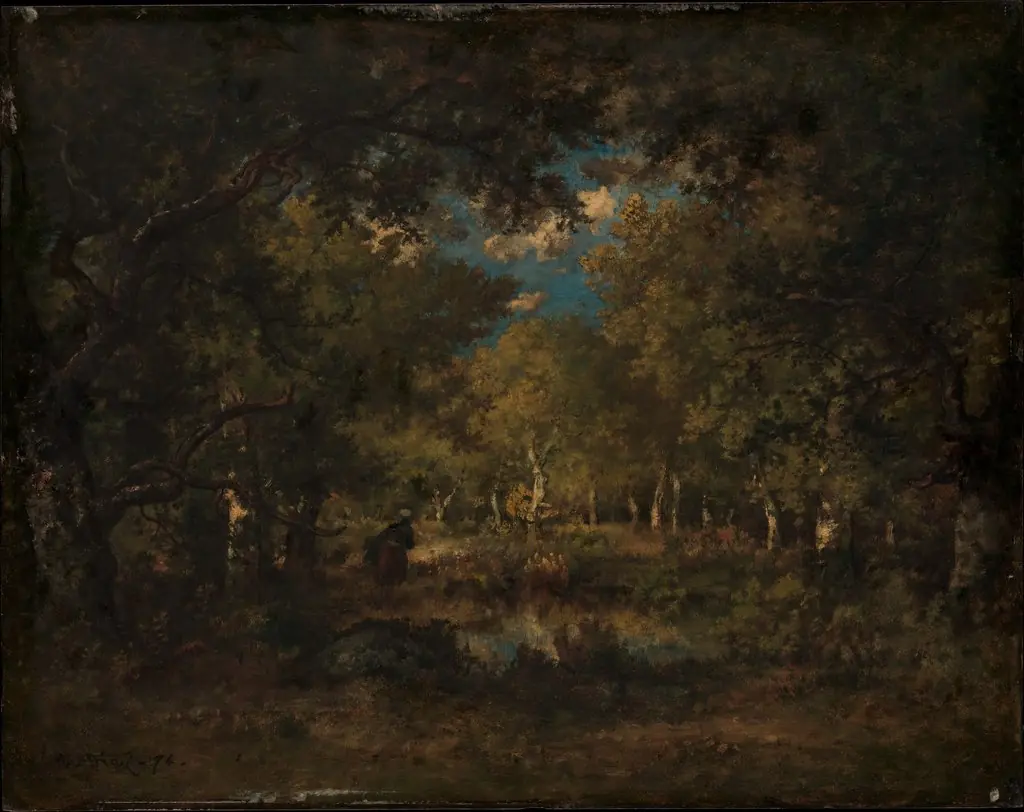
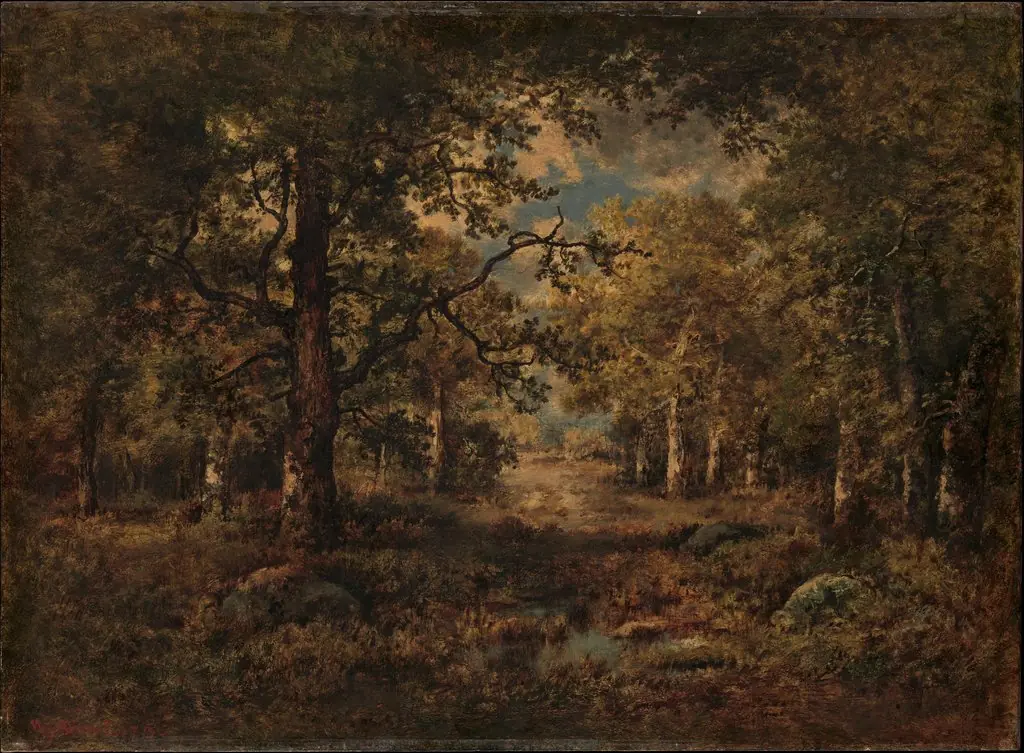
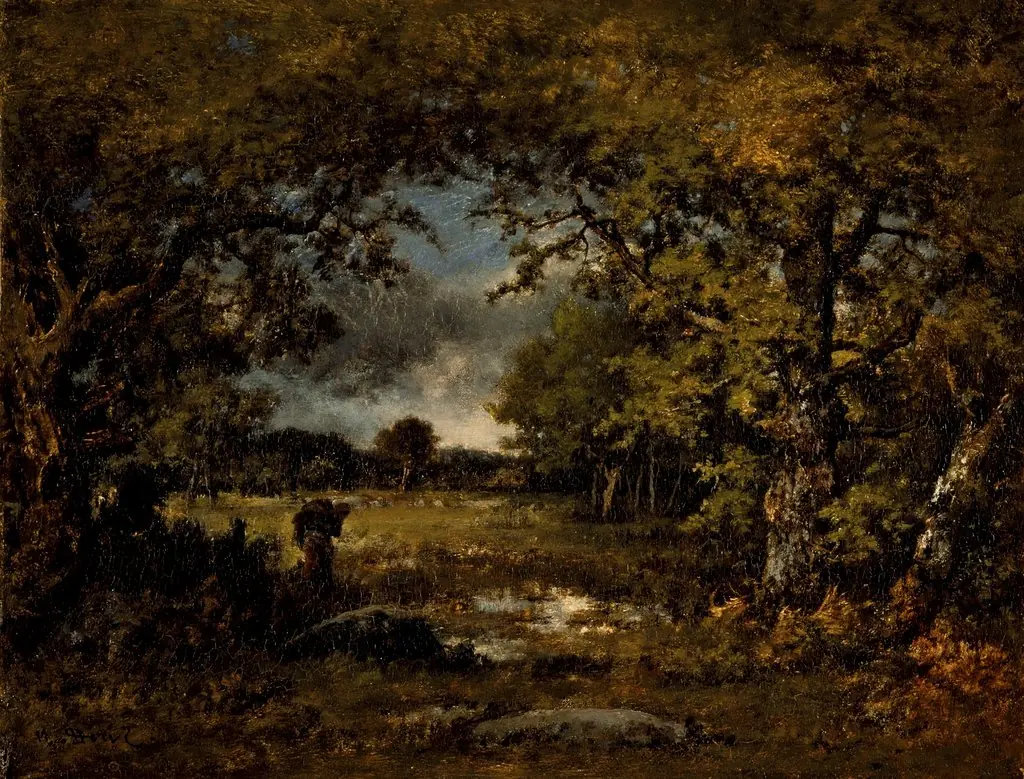
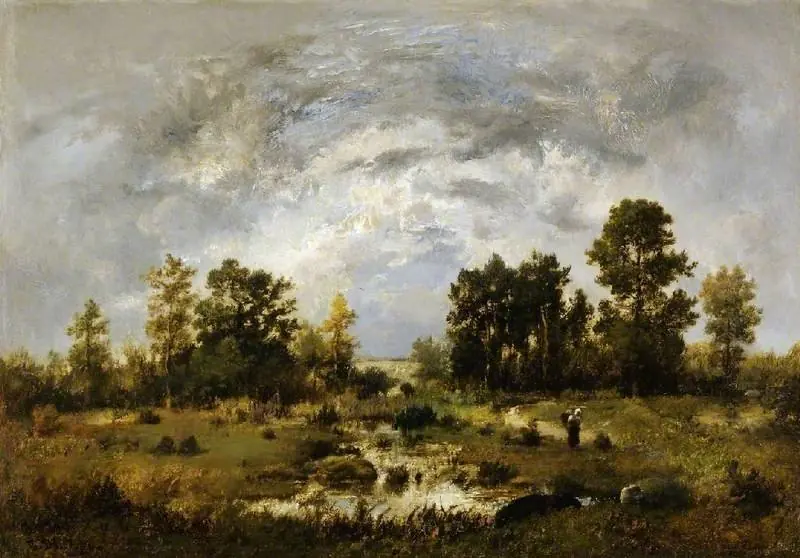
A Clearing in the Forest is an oil painting by the Barbizon school artist Narcisse Virgilio Díaz. It dates from 1869 and is held in the collection of the National Galleries Scotland.
About this work
Overview
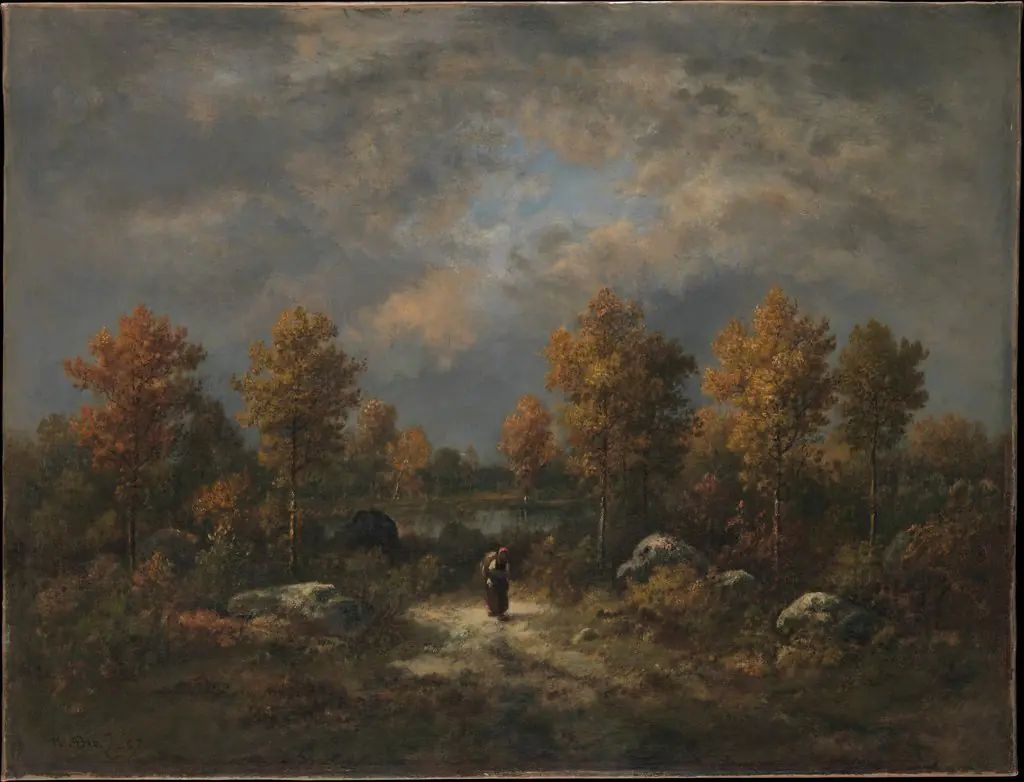
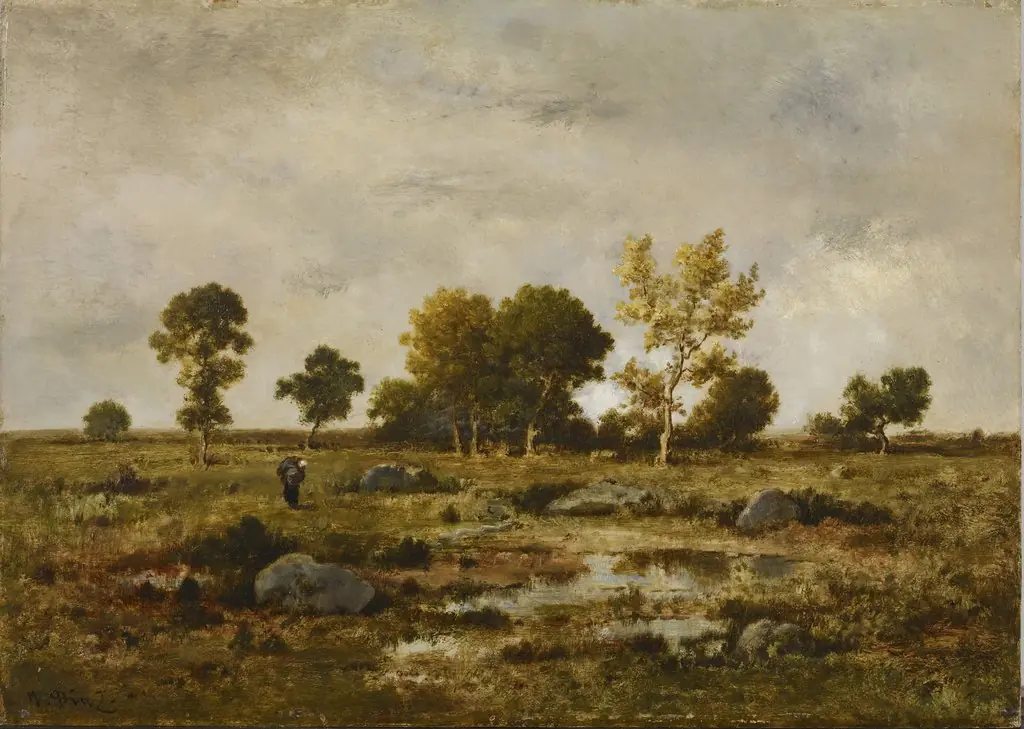
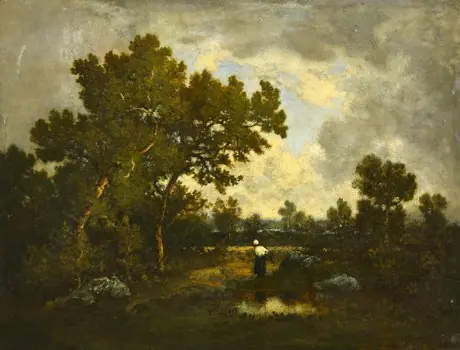
The canvas depicts a sun‑dappled opening within a woodland, where trees and underbrush appear in a palette of greens, yellows and earth tones.
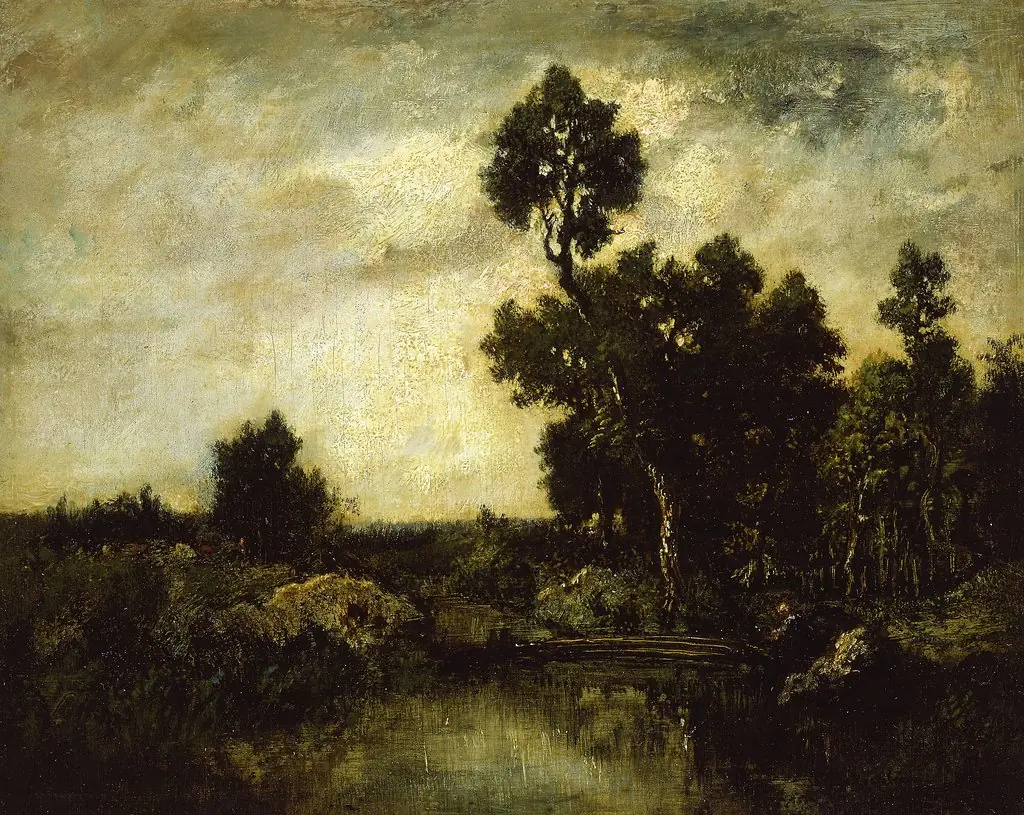
Narcisse Virgilio Díaz completed the oil work titled A Clearing in the Forest in 1869. The canvas depicts a sun‑dappled opening within a woodland, where trees and underbrush appear in a palette of greens, yellows and earth tones. A modest pond occupies the foreground, mirroring the surrounding foliage, while a muted, cloud‑filled sky looms overhead. The painting is part of the collection of the Scottish National Gallery.
Subject & Meaning
The scene captures a tranquil moment in nature, emphasizing the interplay between light and shadow among the trees. The reflective pond serves as a visual anchor, echoing the colors of the foliage and suggesting a quiet stillness within the forest’s broader dynamism. The composition invites contemplation of the fleeting quality of light and the subtle movement of wind through leaves.
Technique & Style
Díaz employs a vigorous application of paint, layering thick brushstrokes that give the foliage a tactile presence. His handling of color creates a luminous contrast, with brighter greens and yellows set against deeper browns, enhancing the sense of depth. The treatment of atmospheric conditions—cloudy sky and shimmering water—shows an awareness of chiaroscuro principles, balancing illuminated areas with shadowed forms.
History & Provenance
Created toward the end of Díaz’s career, A Clearing in the Forest entered the Scottish National Gallery’s holdings in the early twentieth century, though the exact acquisition details remain modestly documented. The work reflects the artist’s continued interest in woodland subjects, a theme he explored throughout his oeuvre, and it remains a representative example of his late‑period landscape practice.
Artist & collection
Artist
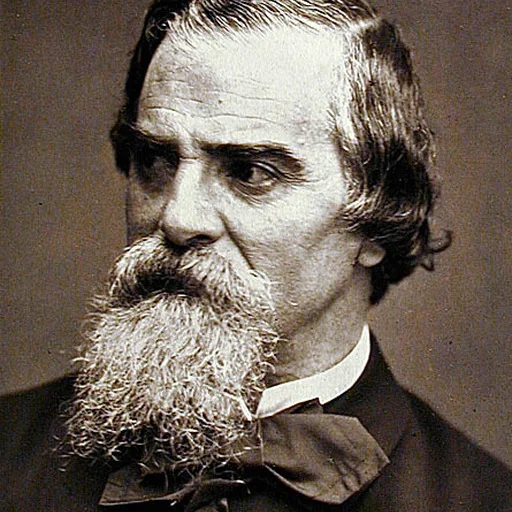
Narcisse Virgilio Díaz (1807–1876) was a French artist, born in Bordeaux.