Artwork
The Dyke
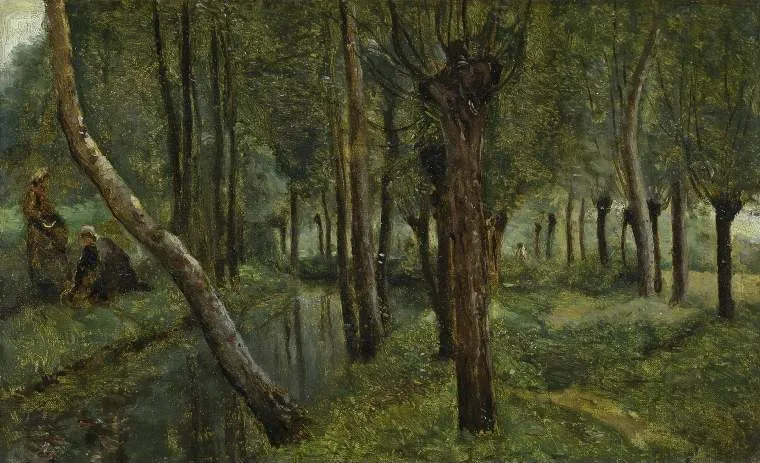
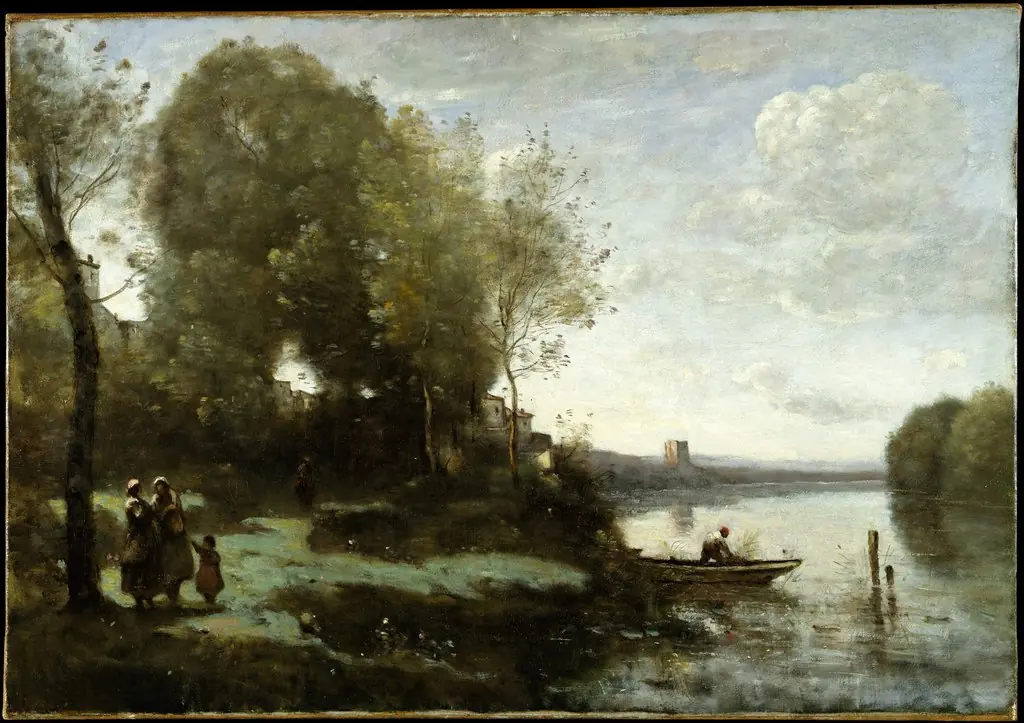
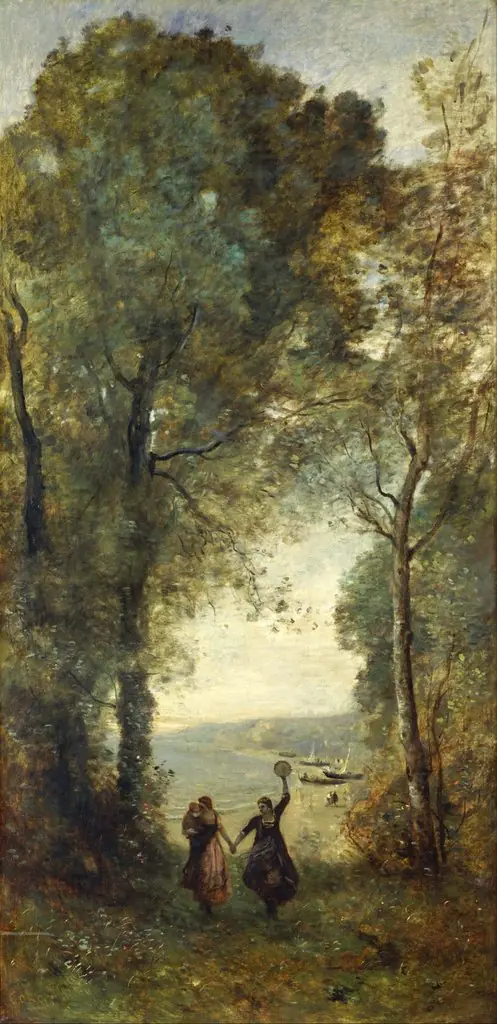
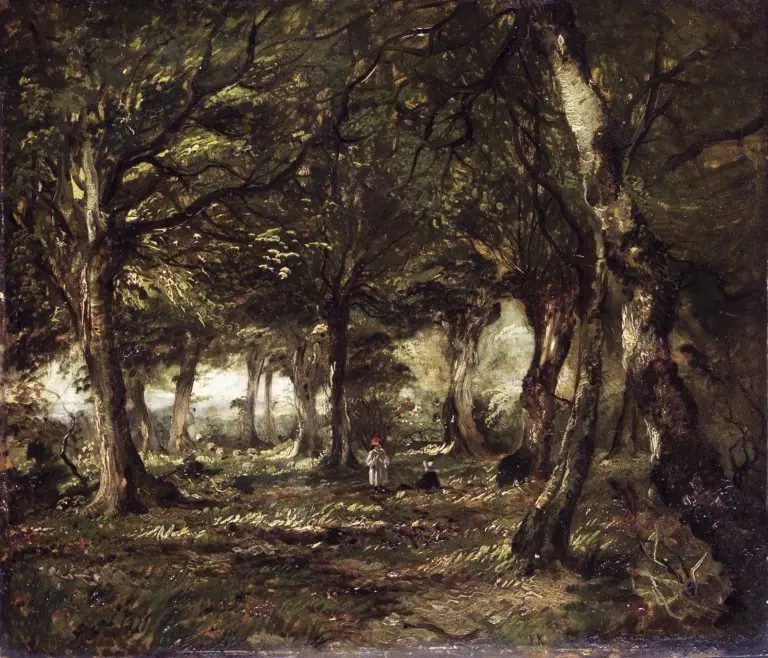
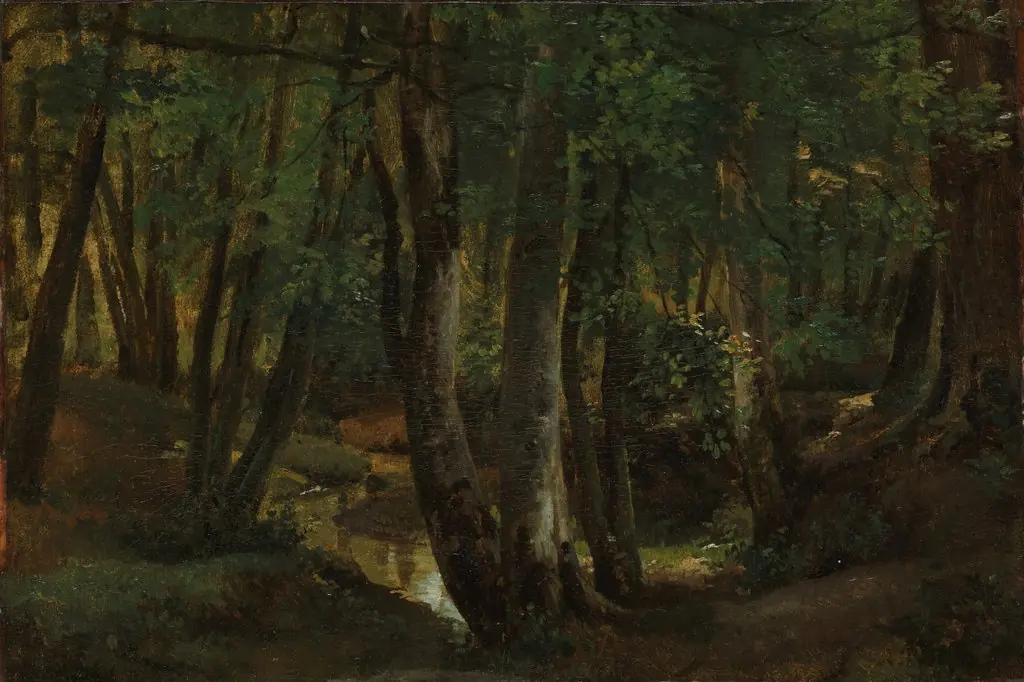
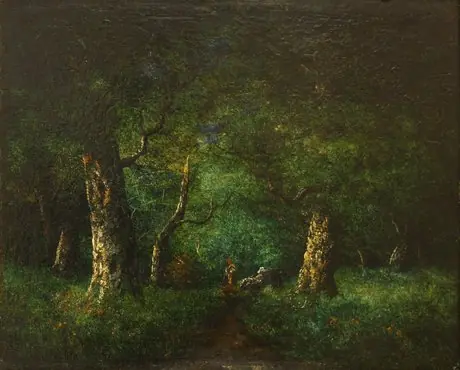
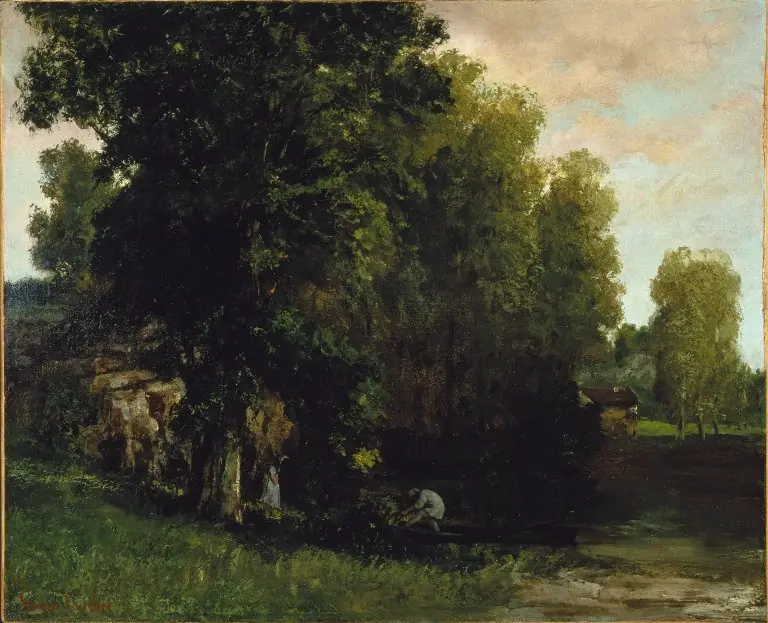
The Dyke is an oil painting by the Realist artist Jean Baptiste Camille Corot. It dates from 1865 and is held in the collection of the Fitzwilliam Museum.
About this work
Overview
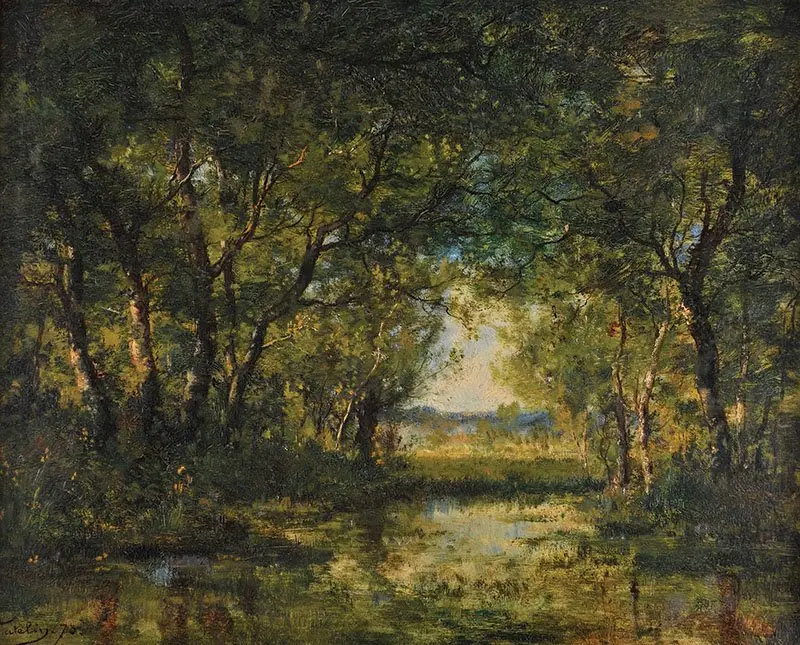
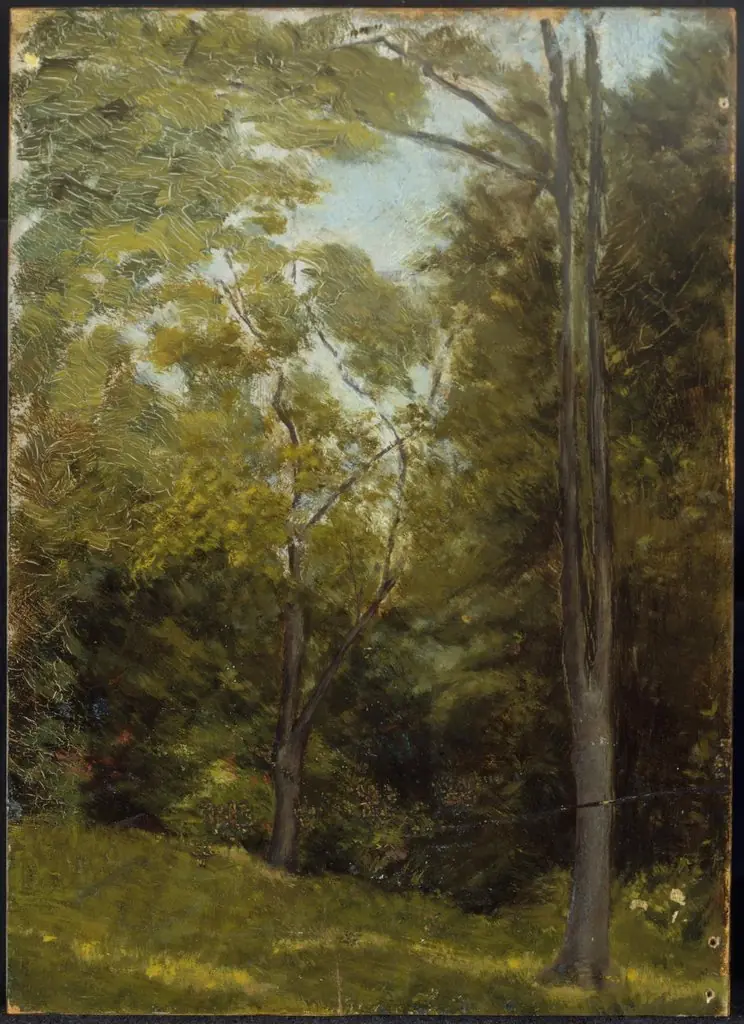
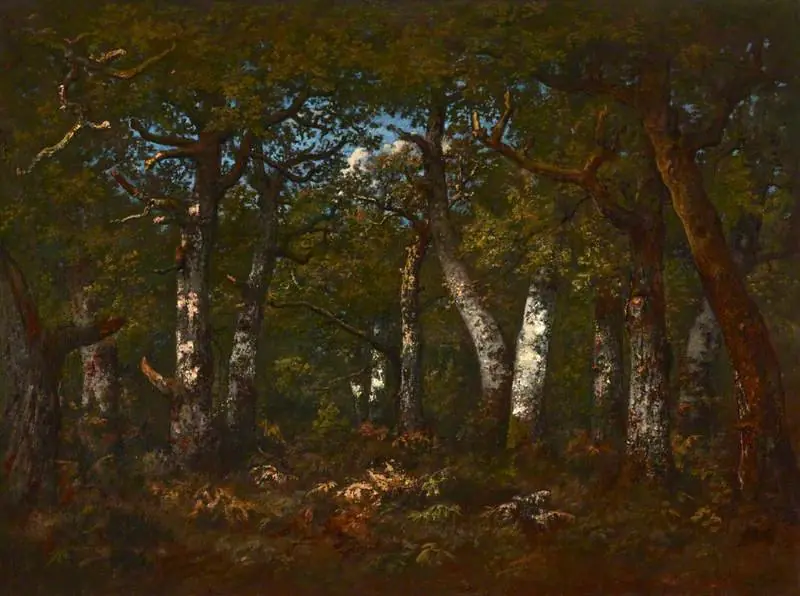
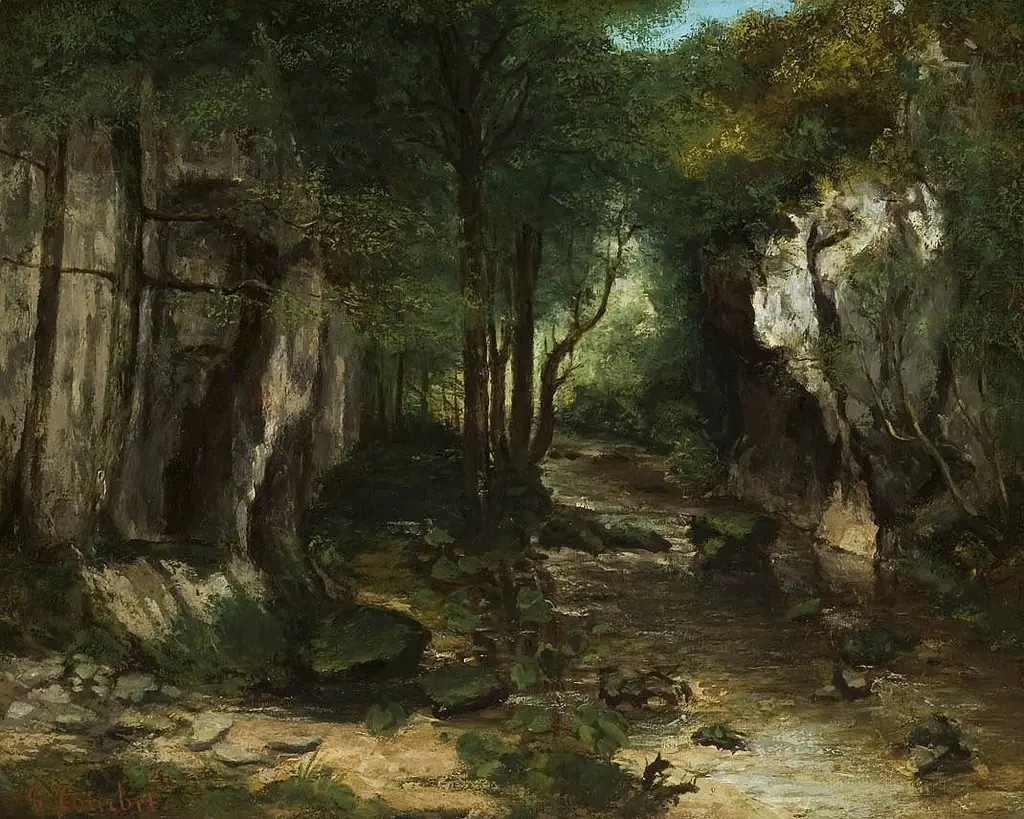
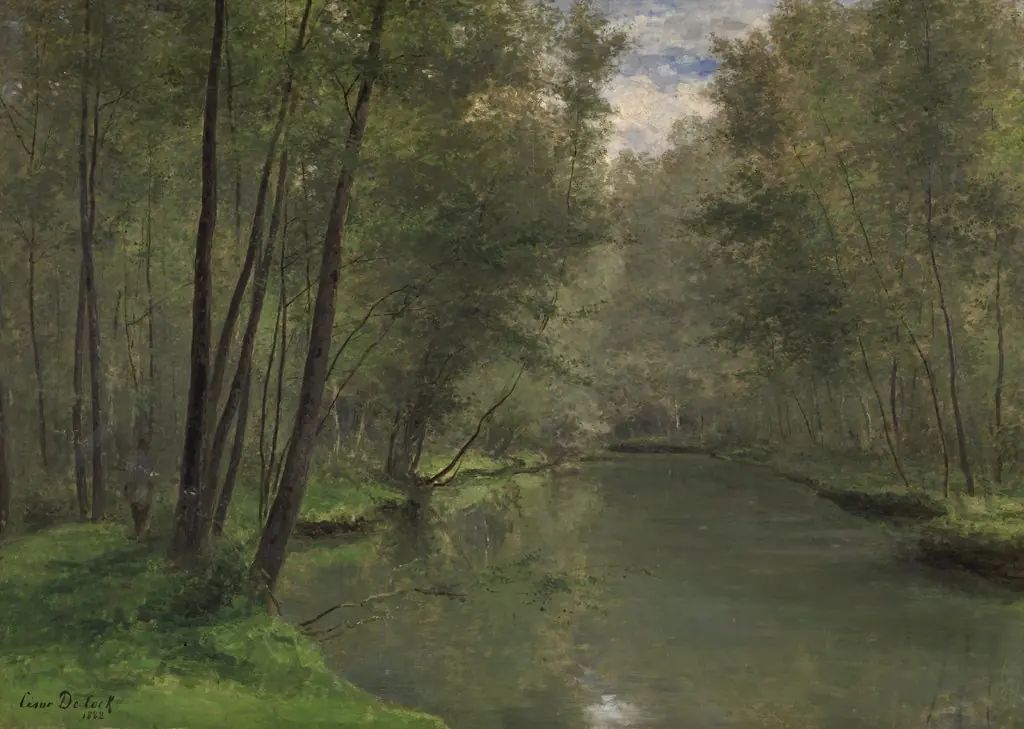
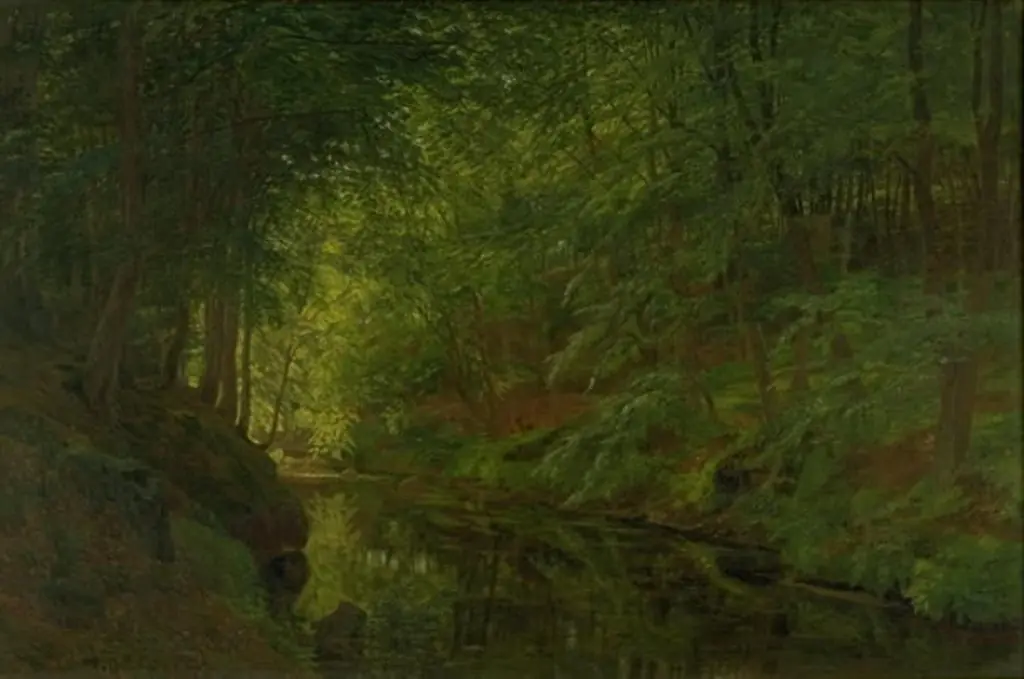
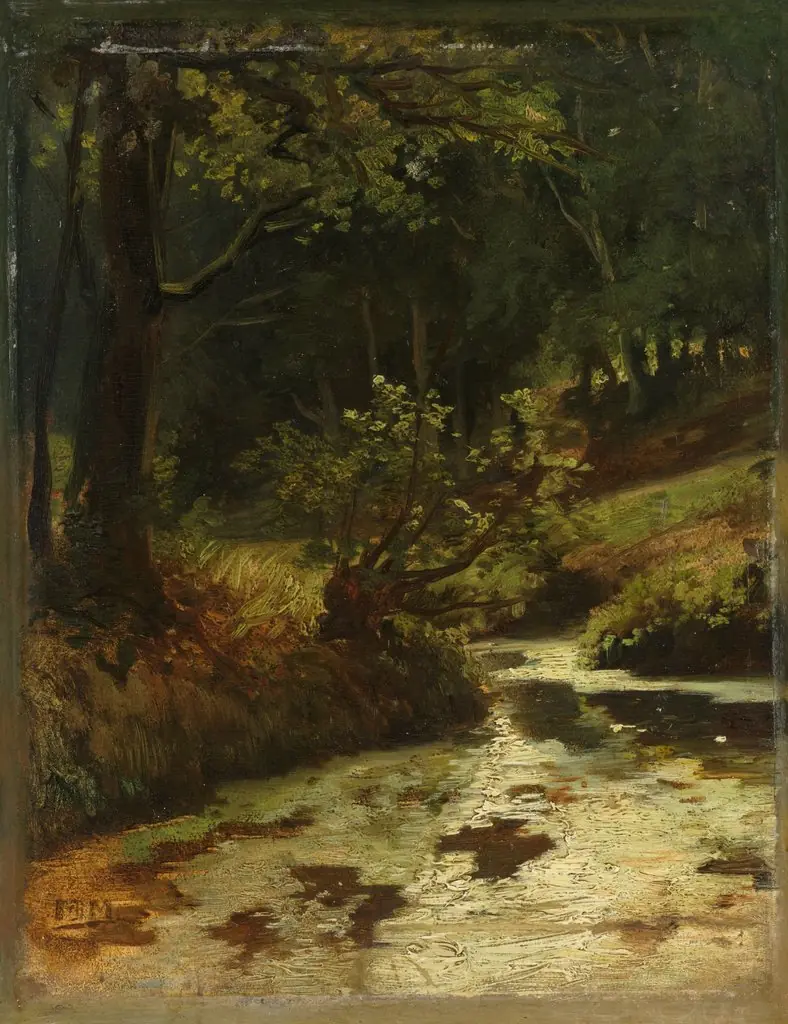
Jean-Baptiste-Camille Corot painted *The Dyke* in 1865 with oil on canvas. The work depicts a quiet woodland scene, featuring slender trees, a fallen trunk in the foreground, and a few distant figures. Muted greens, browns and grays dominate the composition, and the surface shows a tactile brushwork that emphasizes the natural texture of the landscape.
Subject & Meaning
The canvas presents a modest slice of rural life, focusing on the interplay of light and shadow among the trees and the quiet presence of human activity far in the background. By isolating the fallen log and the surrounding foliage, Corot invites contemplation of the passage of time and the subtle rhythms of the countryside.
Technique & Style
Corot employs a restrained palette and visible, loose brushstrokes that lend the scene a slightly rough, organic surface. The handling of paint aligns with the principles of the Barbizon school, where close observation of nature and a focus on atmospheric effects guide the artist’s approach.
History & Provenance
After its creation, the painting entered the collection of the Fitzwilliam Museum, where it remains on public display. Its acquisition reflects the museum’s interest in 19th‑century French landscape painting and Corot’s role in the transition toward modern plein‑air practices.
Context
*The Dyke* belongs to the Realist movement, a period when artists sought to portray everyday environments with fidelity rather than idealization. Corot’s work bridges the academic traditions of Neo‑Classicism with the emerging emphasis on direct observation that would later influence Impressionism.
Artist & collection
Artist
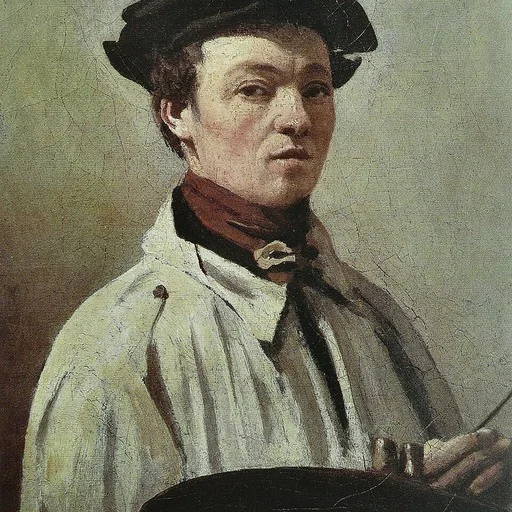
Jean-Baptiste-Camille Corot (UK: KORR-oh, US: kə-ROH, kor-OH; French: ; 16 July 1796 – 22 February 1875), or simply Camille Corot, was a French landscape and portrait painter as well as a printmaker in etching.