Artwork
The Reaper with a Sickle
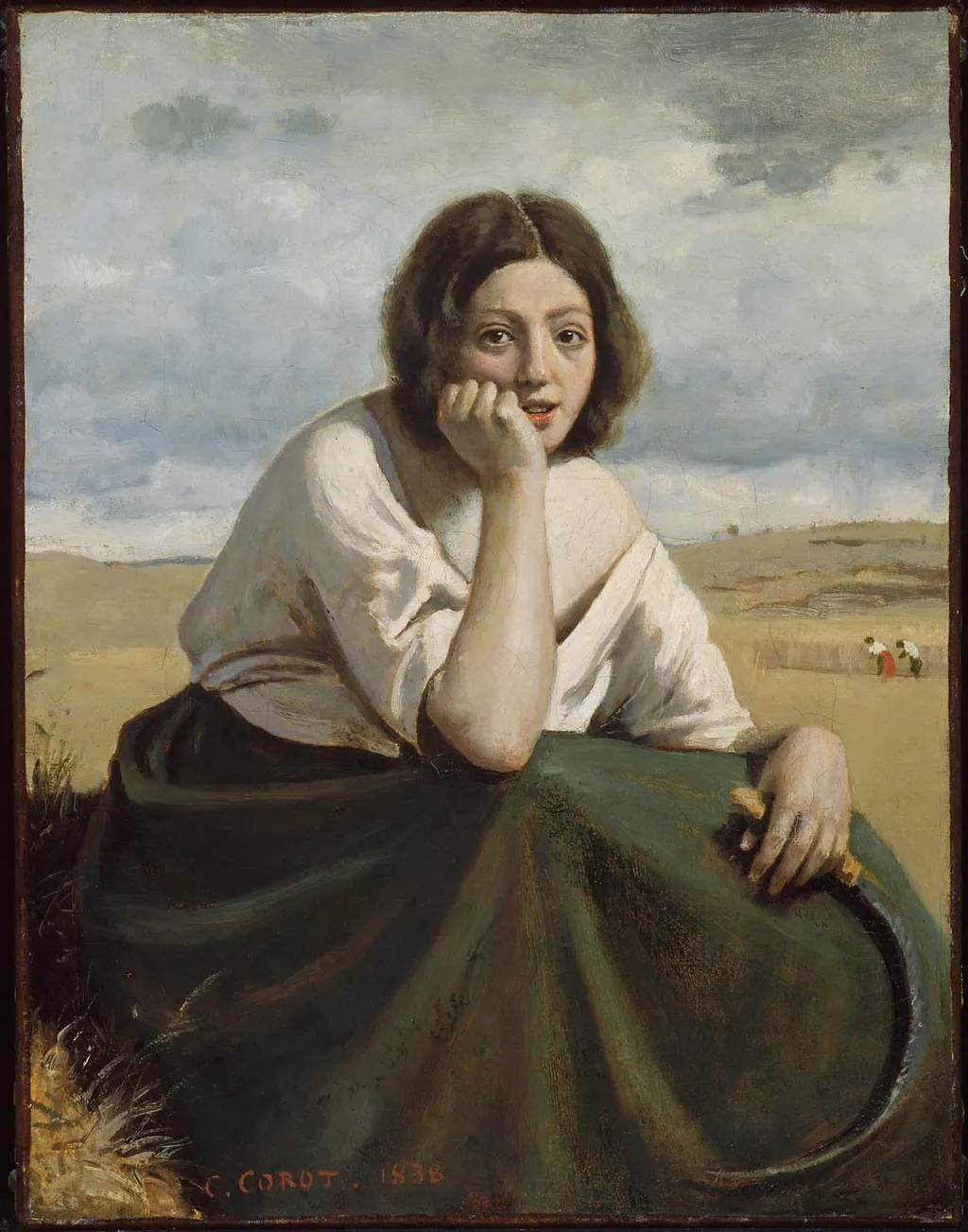
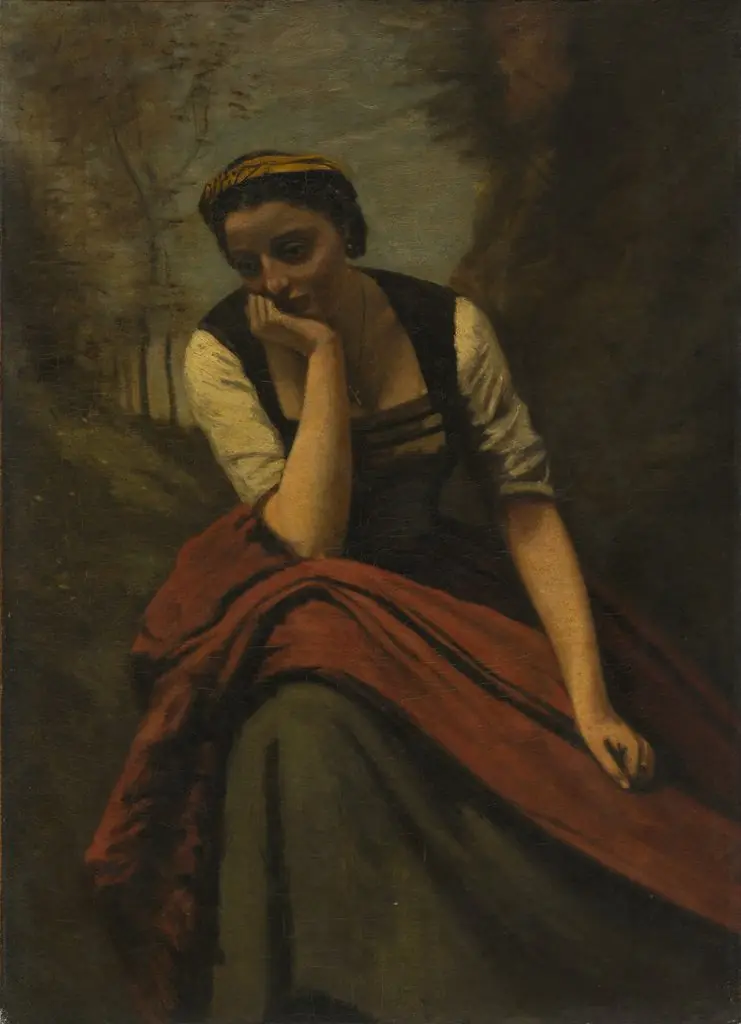
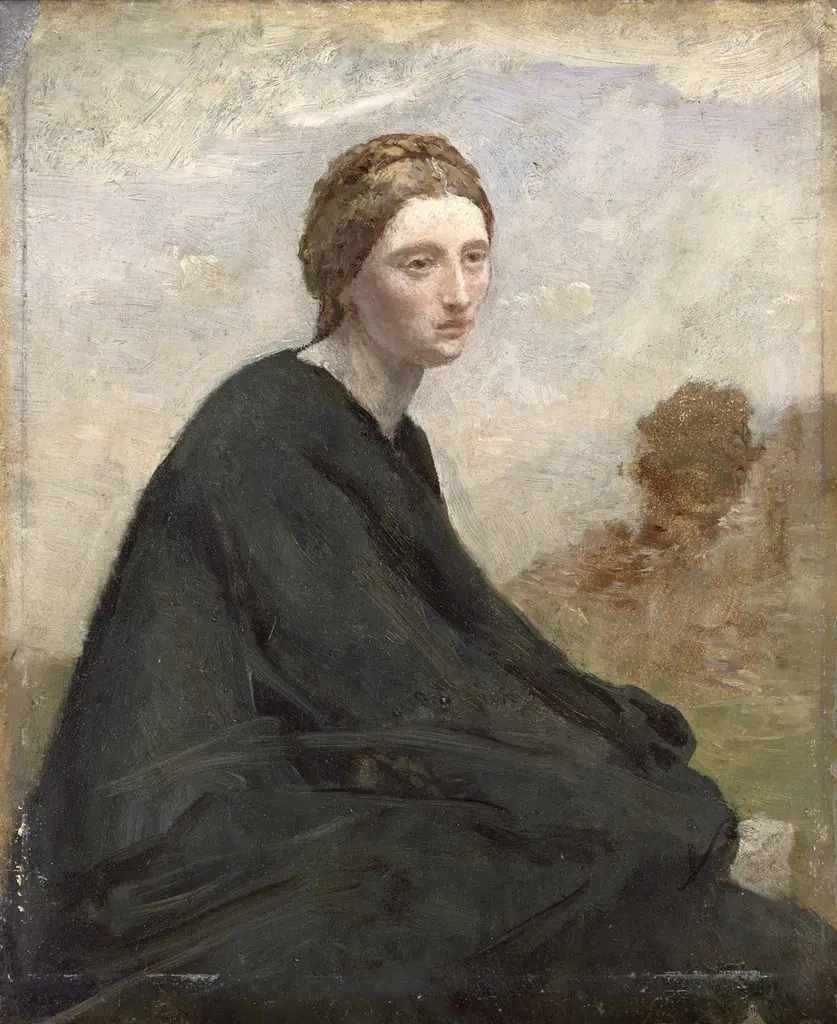
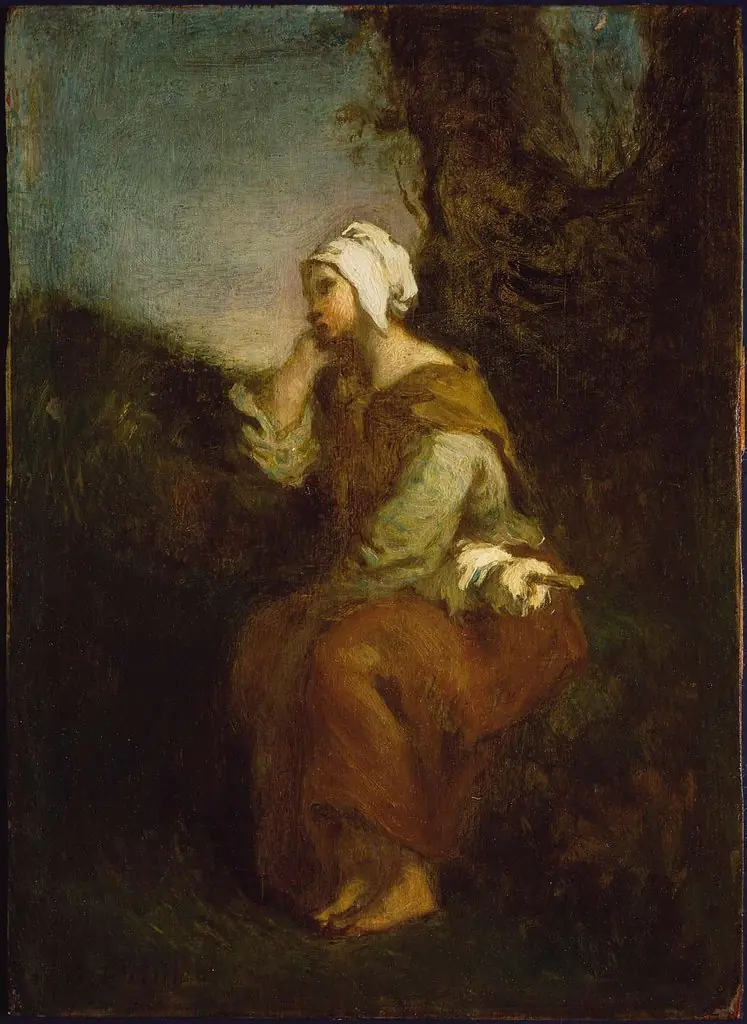
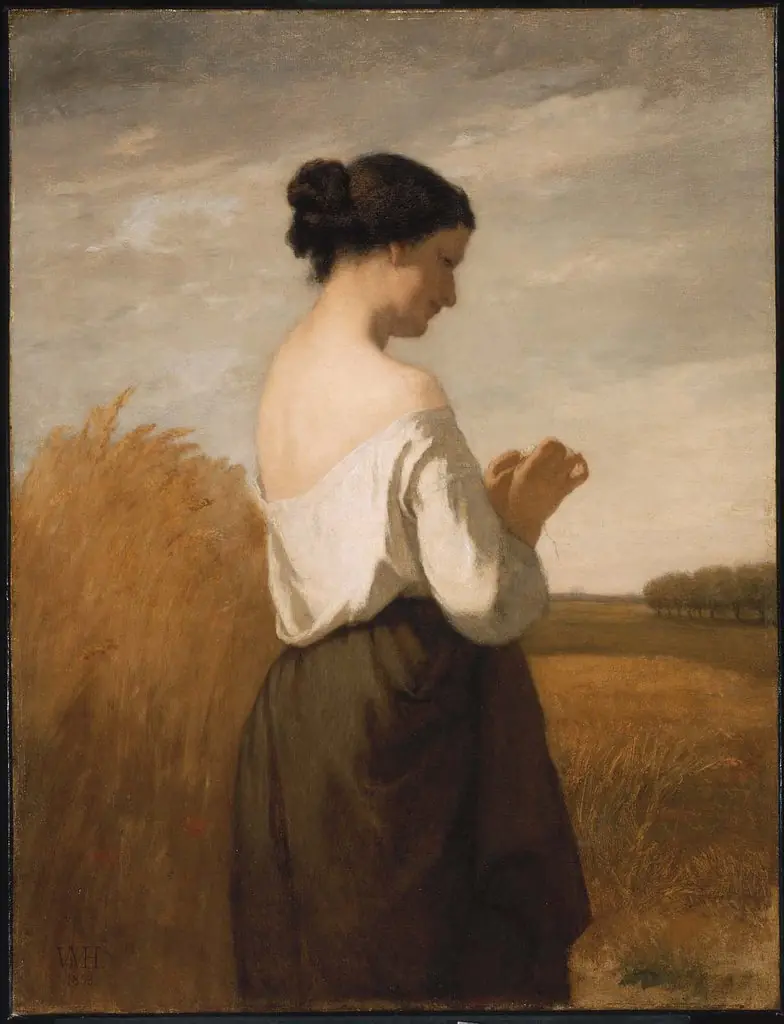
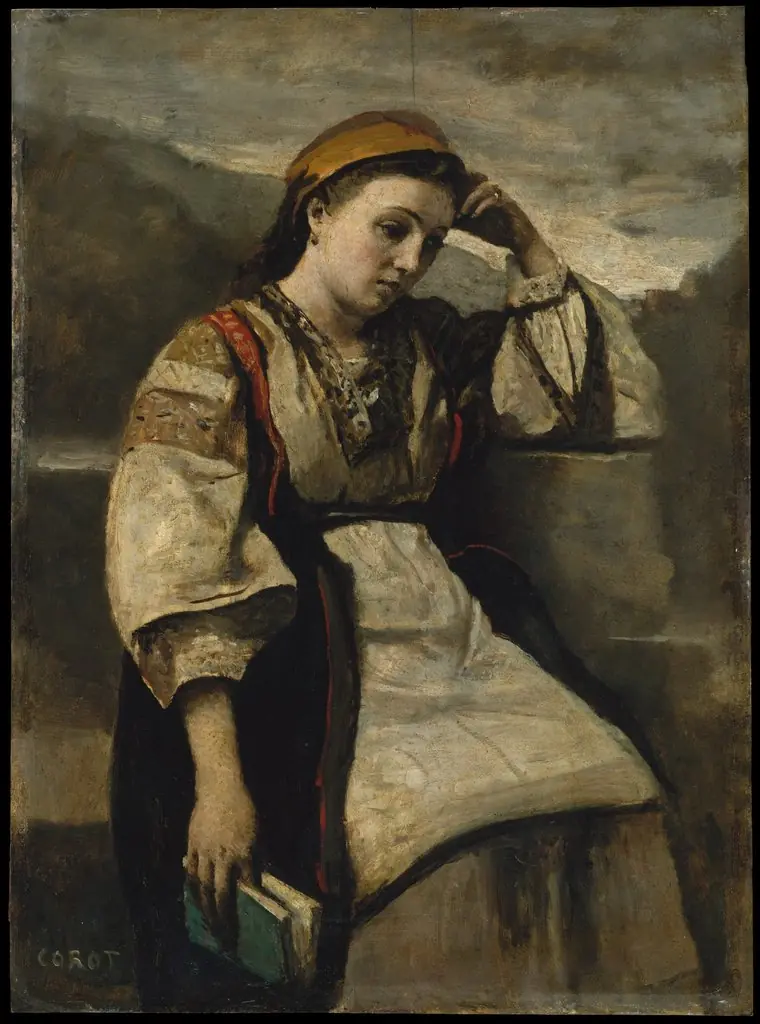
The Reaper with a Sickle is an oil painting by the Realist artist Jean Baptiste Camille Corot. It dates from 1838 and is held in the collection of the Museum of Fine Arts Boston. Painted in 1838 by Jean-Baptiste-Camille Corot, this oil on canvas depicts a solitary rural laborer in a quiet moment of rest.
About this work
Overview
Though Corot is often associated with landscape, this work centers on a human figure within a natural setting, reflecting his interest in everyday life.
Painted in 1838 by Jean-Baptiste-Camille Corot, this oil on canvas depicts a solitary rural laborer in a quiet moment of rest. Though Corot is often associated with landscape, this work centers on a human figure within a natural setting, reflecting his interest in everyday life. The painting is part of the Museum of Fine Arts, Boston’s collection and exemplifies his transition toward more direct, observational approaches to subject matter.
Subject & Meaning
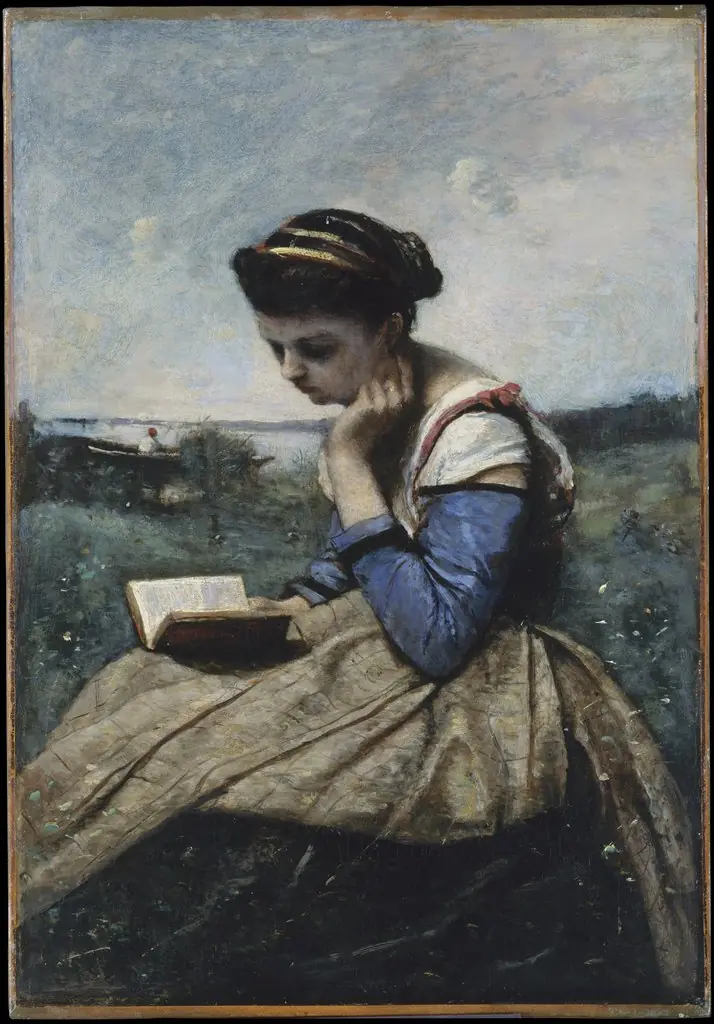
The figure is a young woman, seated on a gentle rise, her posture suggesting introspection rather than exertion. Though a sickle is referenced in the title, it is not visibly held; instead, her hand rests beneath her chin, eyes directed outward. The absence of overt labor emphasizes contemplation, inviting viewers to consider the inner life of rural workers, a subtle shift from idealized peasant imagery toward quiet realism.
Technique & Style
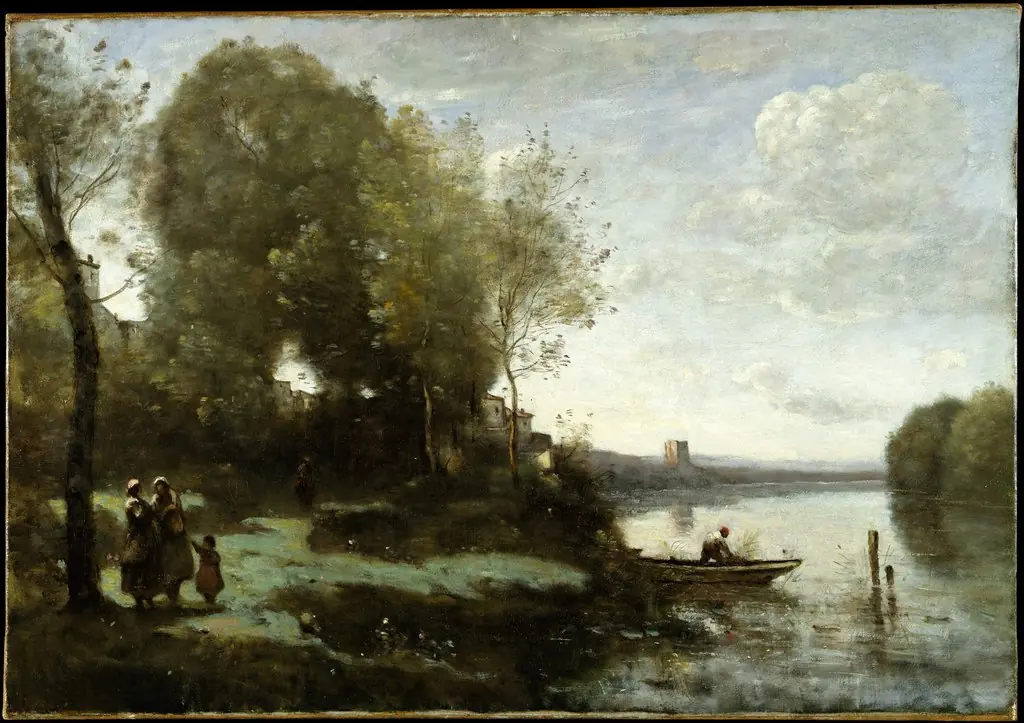
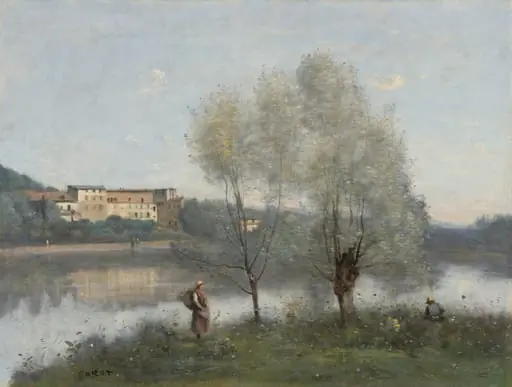
Corot employed soft, blended brushwork and a restrained palette of earth tones and pale grays to evoke a hazy, atmospheric quality. The sky and field merge gently, with distant figures rendered in loose strokes that suggest movement without detail. This technique prioritizes mood over narrative, aligning with early Realist tendencies while retaining a lyrical sensitivity inherited from Neo-Classical traditions.
History & Provenance
Created during Corot’s formative years, the painting emerged as he increasingly turned from studio-based compositions to direct observation of the countryside. It entered the Museum of Fine Arts, Boston’s collection in the early 20th century, where it has remained as part of their 19th-century French holdings. Its provenance reflects growing American interest in European Realism during that period.
Context
In the late 1830s, French art was shifting away from historical and mythological themes toward depictions of ordinary life. Corot’s focus on a lone worker in a vast landscape resonated with broader cultural movements that valued authenticity and the dignity of labor. While not overtly political, the painting quietly participates in this emerging visual language of rural truth.
Legacy
Though less celebrated than Corot’s later landscapes, this work illustrates his early commitment to capturing unidealized human presence within nature. It anticipates the Realist concerns of artists like Millet and Courbet, offering a precursor to the genre’s full development. Its quiet intensity continues to inform interpretations of 19th-century French painting’s engagement with everyday existence.
Artist & collection
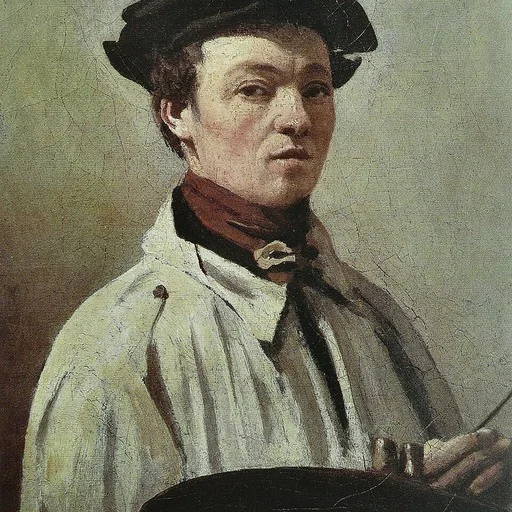
Artist
Jean-Baptiste-Camille Corot (UK: KORR-oh, US: kə-ROH, kor-OH; French: ; 16 July 1796 – 22 February 1875), or simply Camille Corot, was a French landscape and portrait painter as well as a printmaker in etching.