Artwork
A Widow
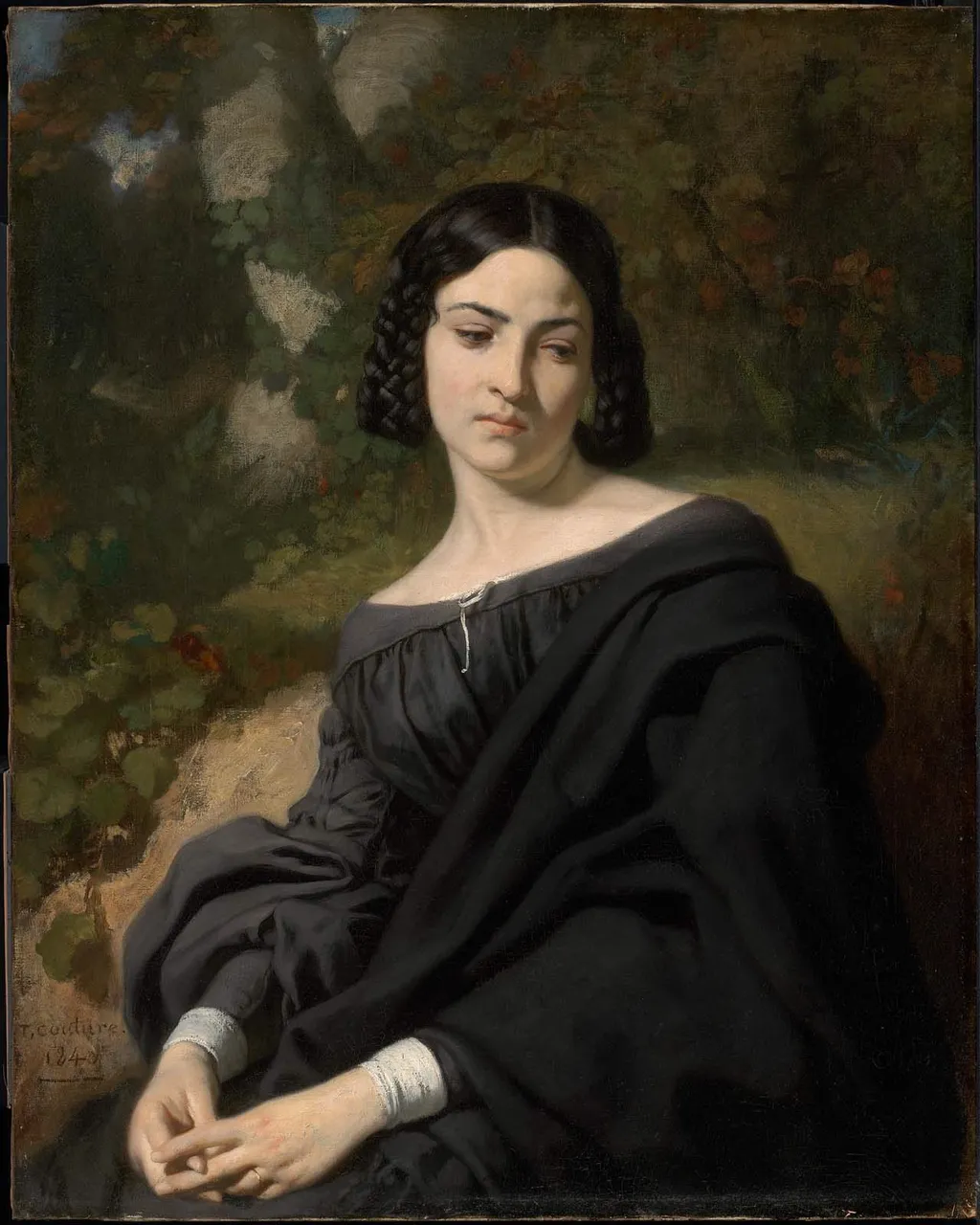
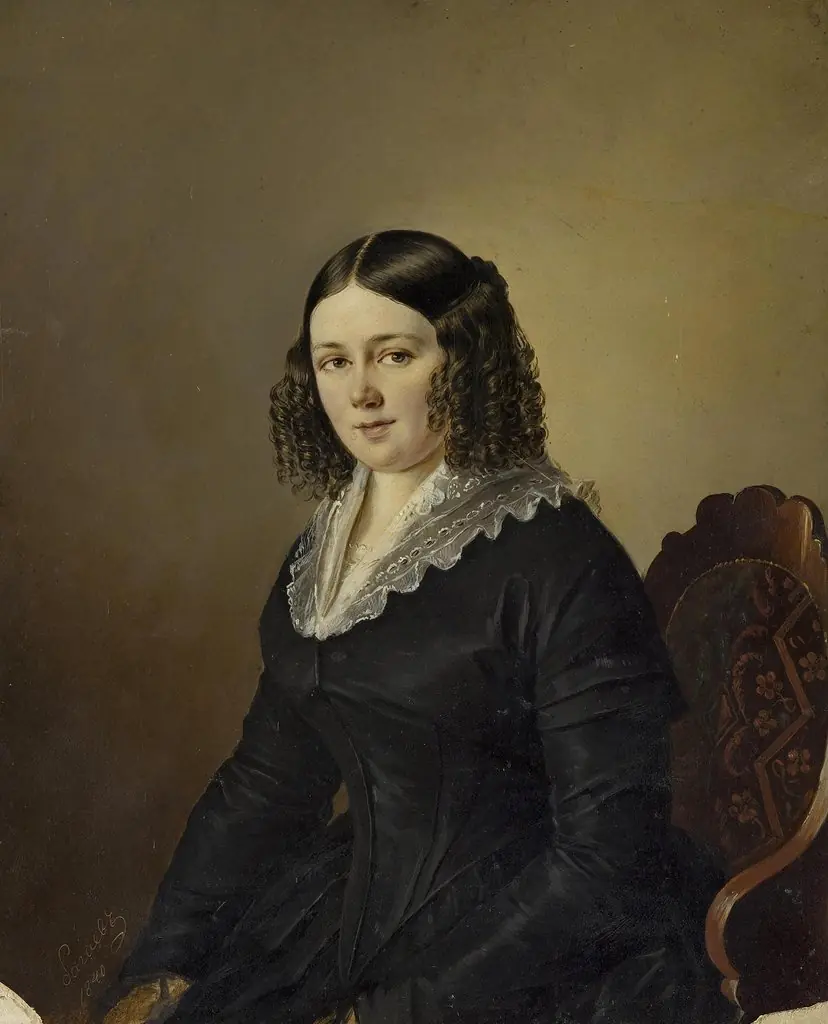
A Widow is an oil painting by the Realist artist Thomas Couture. It dates from 1840 and is held in the collection of the Museum of Fine Arts Boston.
About this work
Overview
The work reflects his interest in emotional authenticity over idealized narrative, distinguishing it from the grand historical themes common in his era.
Thomas Couture painted *A Widow* in 1840 using oil on canvas, capturing a quiet moment of grief in contemporary French society. Though trained in academic traditions, Couture turned toward subjects drawn from everyday life, aligning with emerging Realist sensibilities. The work reflects his interest in emotional authenticity over idealized narrative, distinguishing it from the grand historical themes common in his era.
Subject & Meaning
The painting depicts a woman seated alone in a wooded garden, dressed in a dark mourning gown with a faint white cuff at her wrist. Her downcast gaze and still posture convey introspection rather than theatrical sorrow. The title confirms her status as a widow, and the natural setting—neither ornate nor symbolic—grounds her grief in ordinary reality, rejecting romanticized depictions of loss common in earlier art.
Technique & Style
Couture employed muted tones and diffused light to sustain the painting’s somber mood. Subtle contrasts between shadow and soft illumination guide attention to the figure’s face and hands, without dramatic chiaroscuro. Brushwork is restrained, favoring smooth transitions over texture, reinforcing the quiet dignity of the subject. The composition is tightly framed, isolating the woman within the foliage to emphasize solitude.
History & Provenance
Completed in 1840, *A Widow* was exhibited during a period when French art was shifting from Neoclassical grandeur toward social realism. Though not among Couture’s most publicly celebrated works, it reflects his personal engagement with contemporary emotional life. The painting remained in private collections for much of the 19th century before entering institutional hands, where it is now studied as an early example of Realist portraiture.
Context
In the 1840s, French artists began rejecting mythological and heroic subjects in favor of ordinary people and unvarnished emotion. Couture, though an academic teacher, encouraged this shift among his students, including future Realists like Courbet. *A Widow* fits within this broader movement, offering a quiet counterpoint to the theatricality of official Salon paintings and affirming the legitimacy of private grief as a subject for art.
Legacy
While not widely reproduced, *A Widow* is recognized as a precursor to the mature Realist style that would dominate later decades. Its unadorned portrayal of a woman’s inner state influenced a generation of artists seeking emotional truth over narrative spectacle. Couture’s role as a teacher amplified the painting’s impact, as his students carried forward its emphasis on psychological depth and everyday subject matter.
Artist & collection

Artist
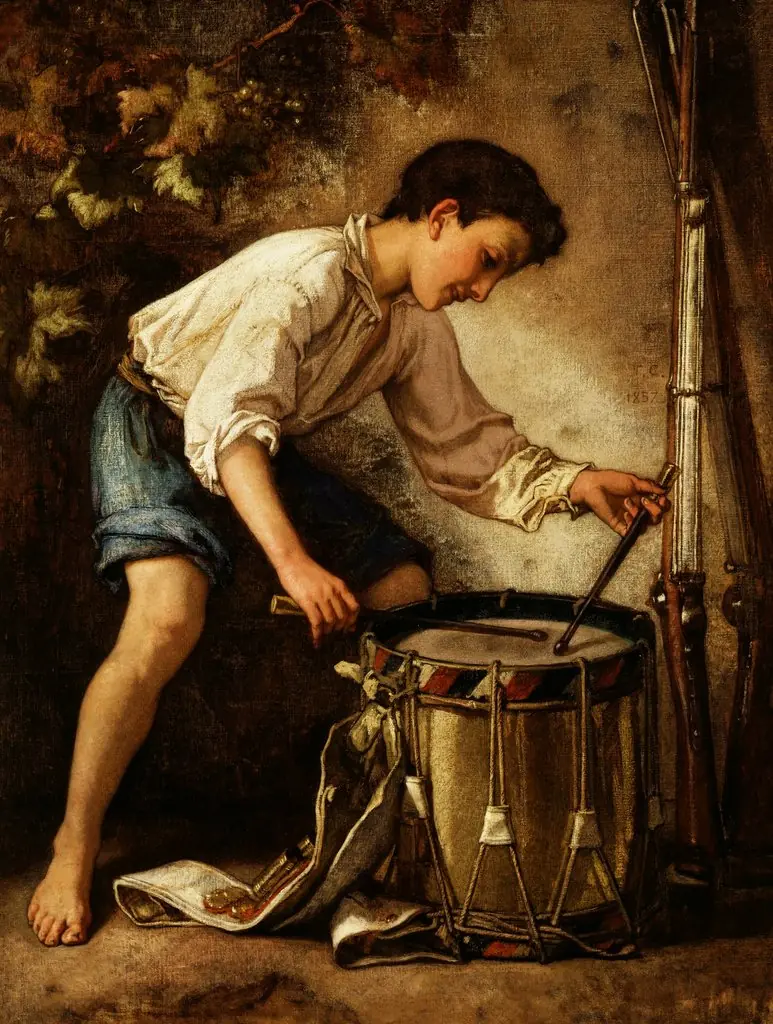
Thomas Couture (French pronunciation: ; 21 December 1815 – 30 March 1879) was a French history painter and teacher.

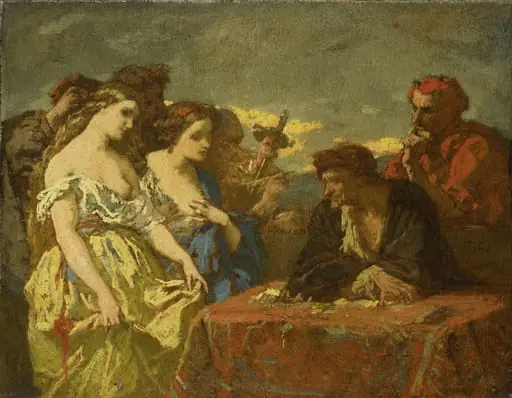
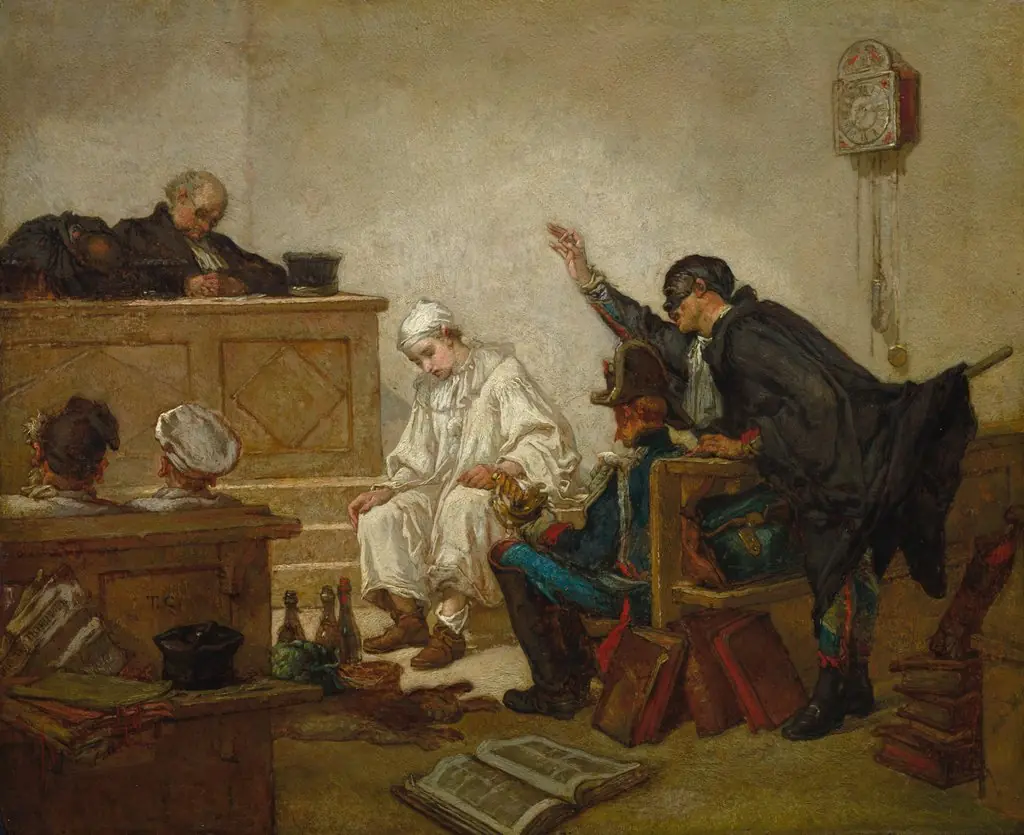
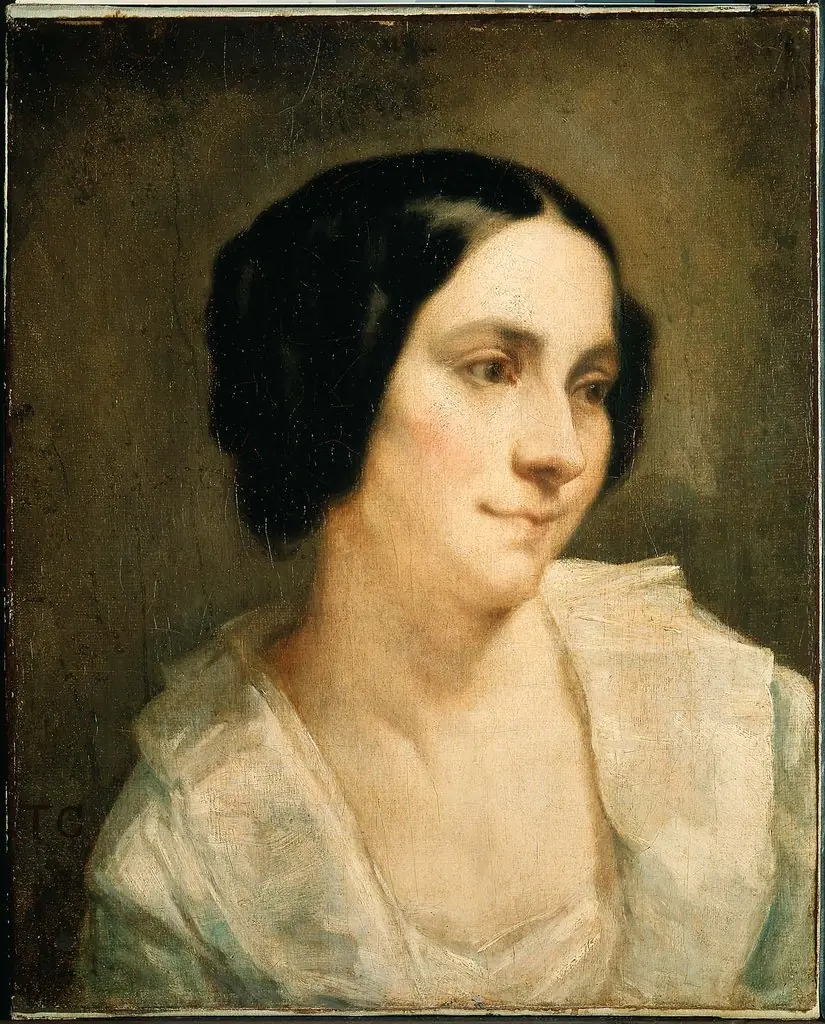
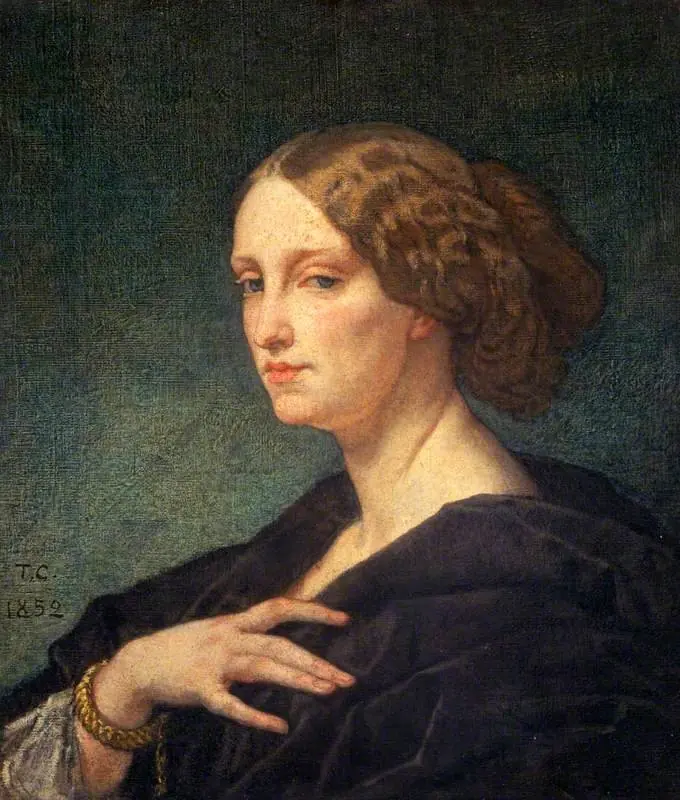
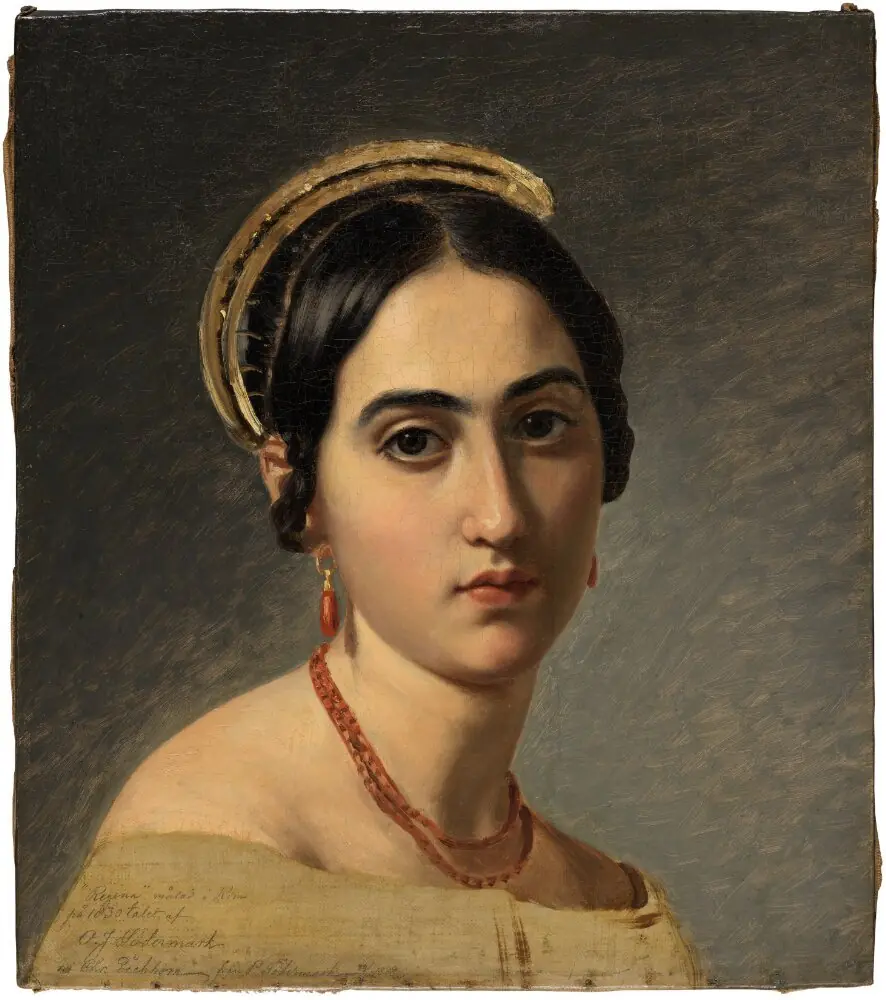 Regina. Roman Girl with Choral Necklace and Earrings
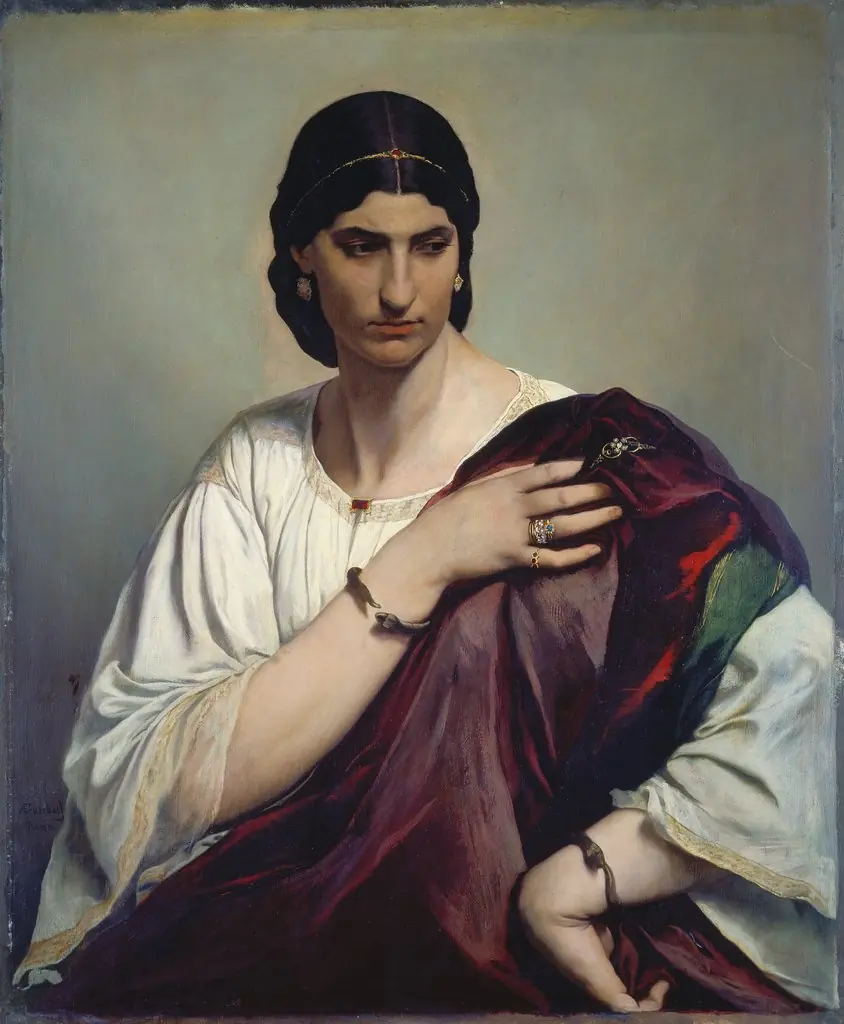 Lucrezia Borgia; Portrait of a Roman woman in white tunic and red robe
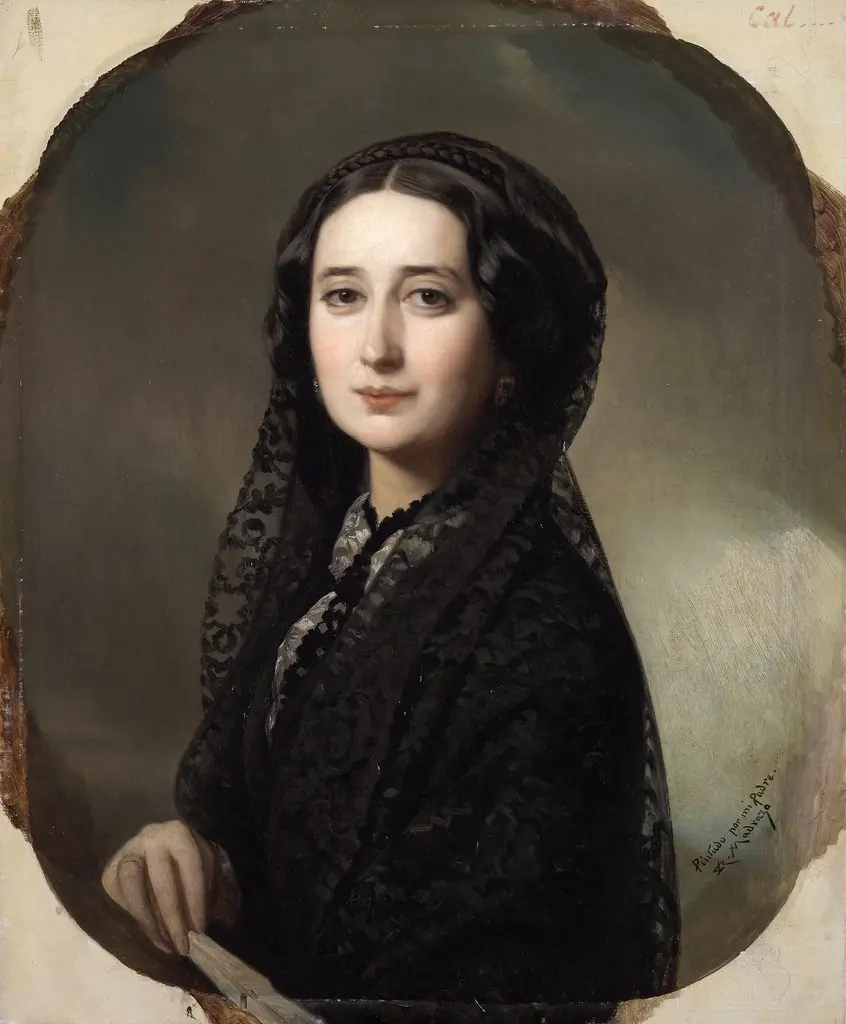 Carolina Coronado
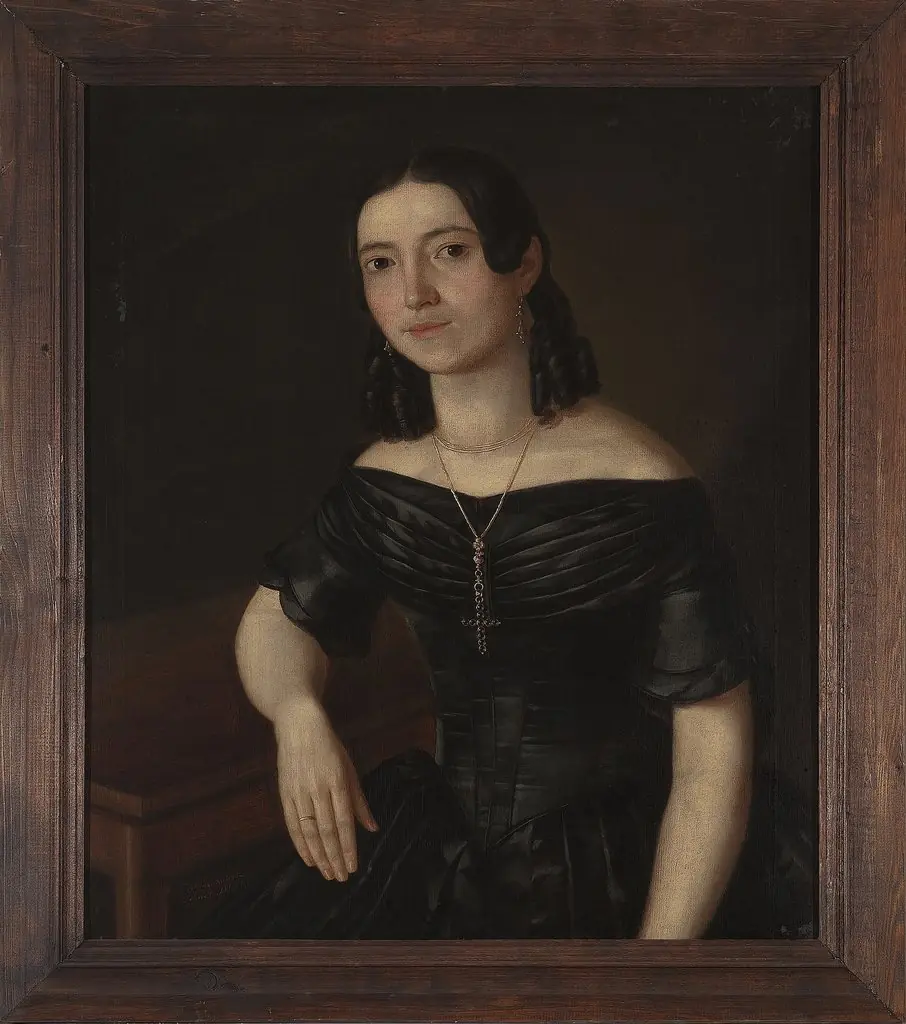 Portrait of a young woman
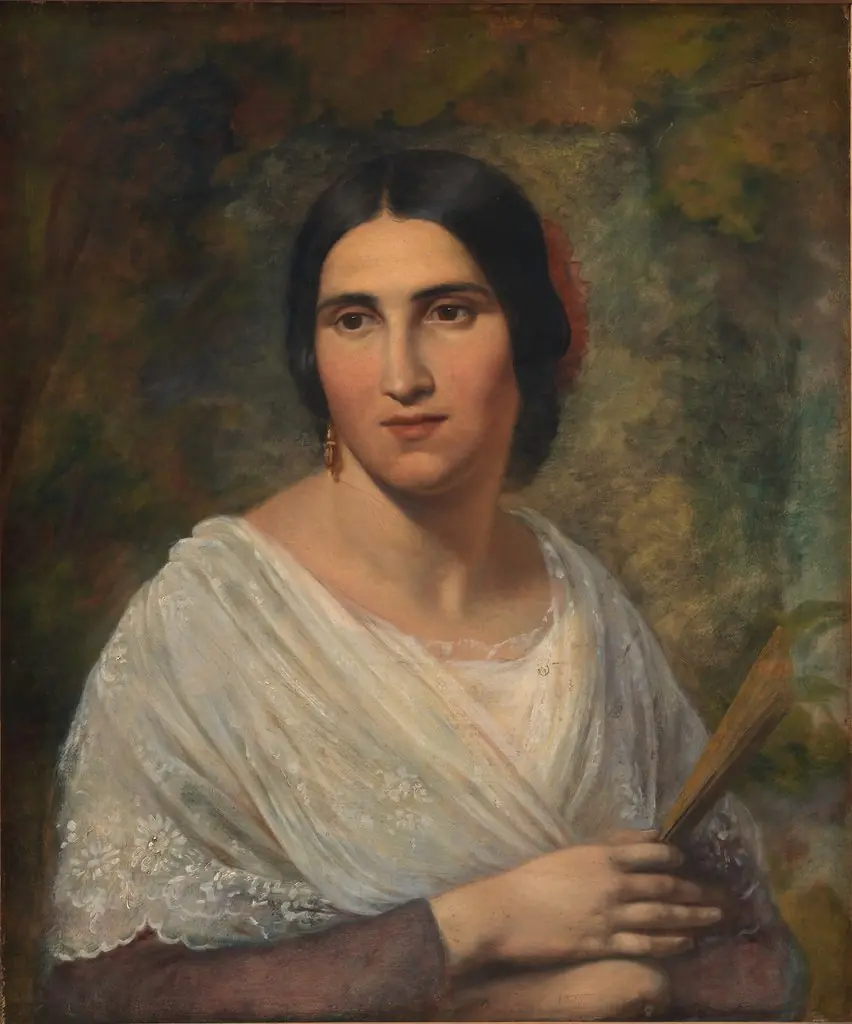 A Roman Woman
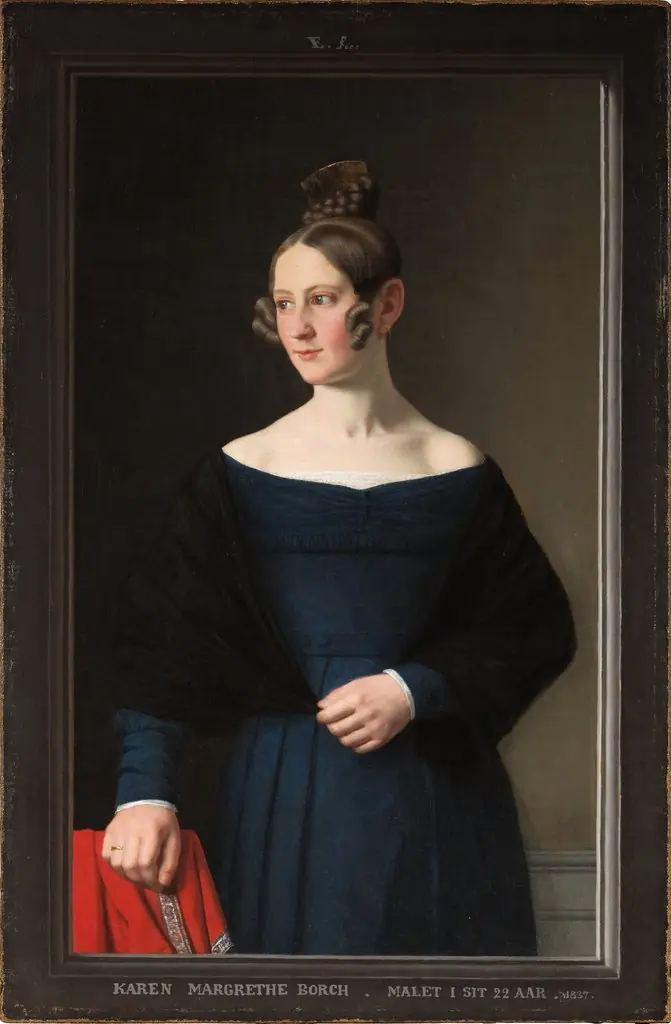 Karen Margrethe Borch
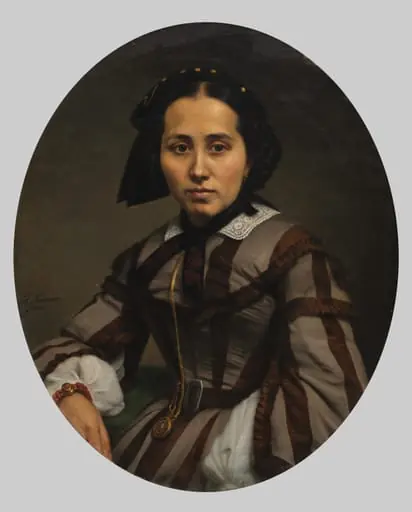 Portrait of a Lady
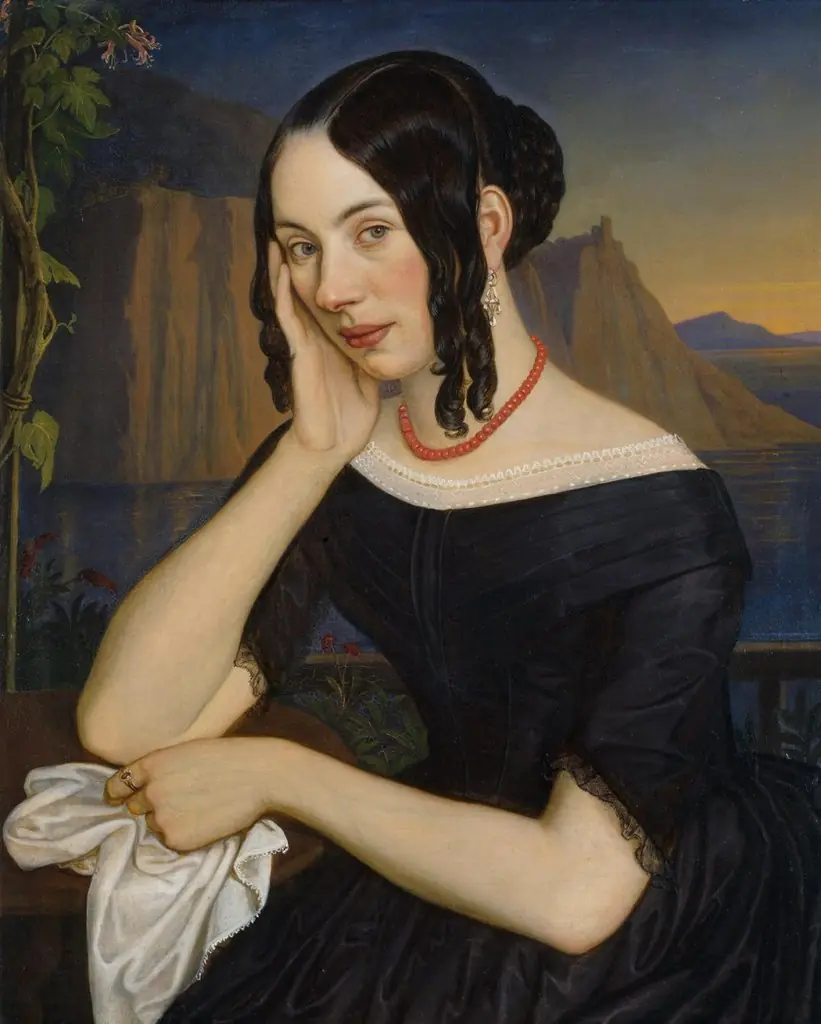 Bildnis Katharina Kern aus Sterzing
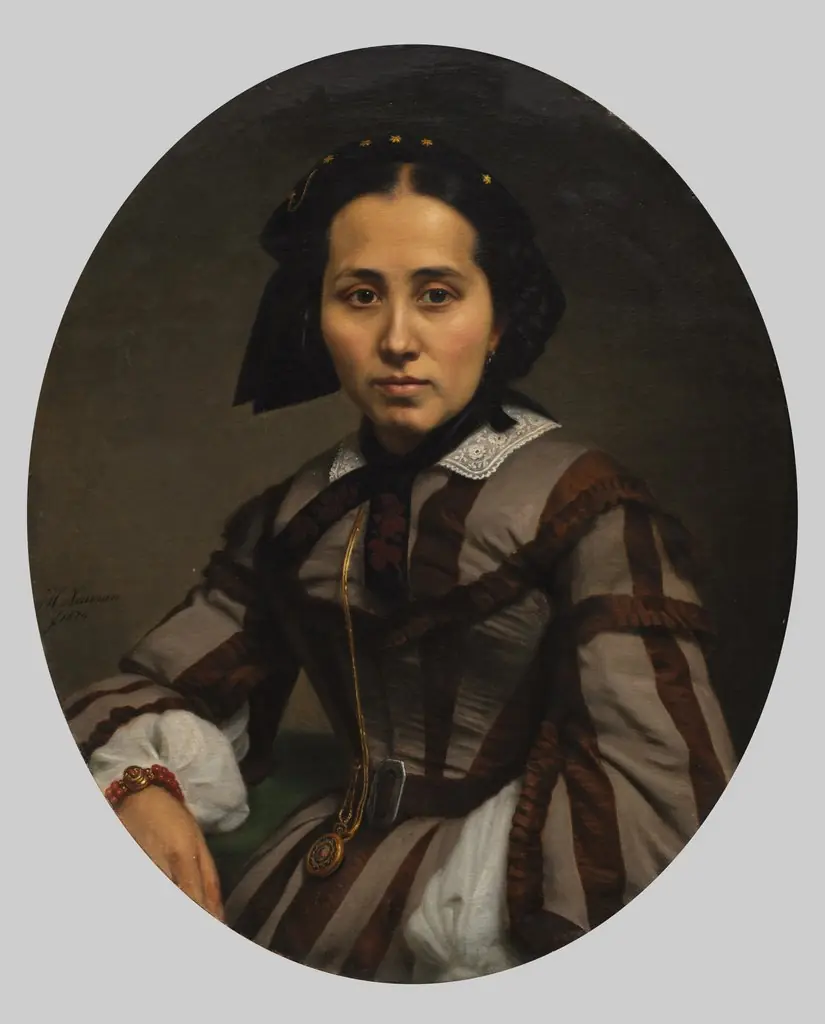 Portrait of a Lady
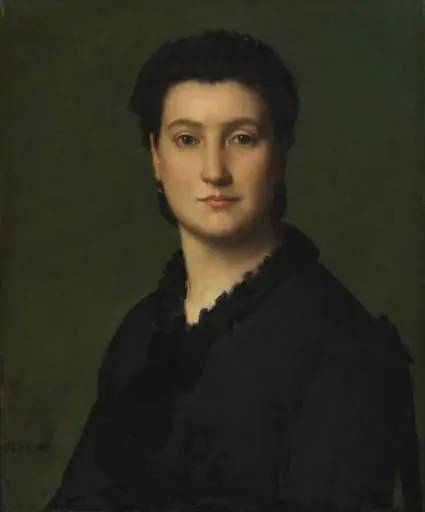 Portrait of a Woman
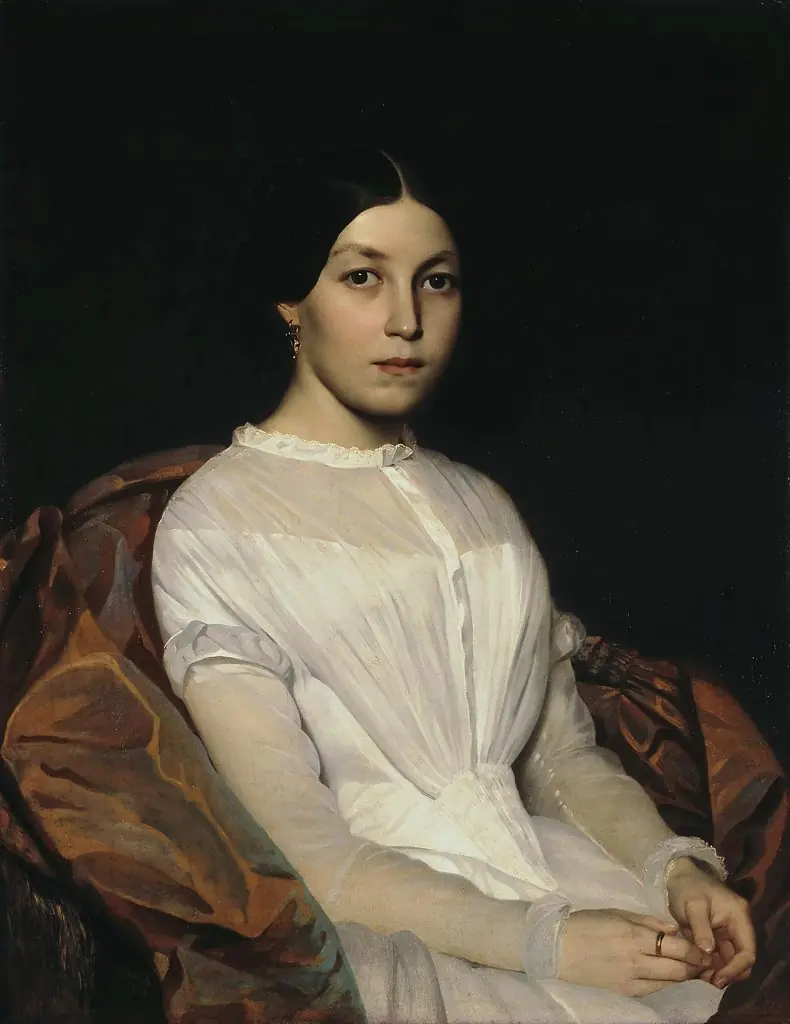 Alexandra Kutorga
 Portrait of A.I. Kolychiova