Artwork
The Last Supper
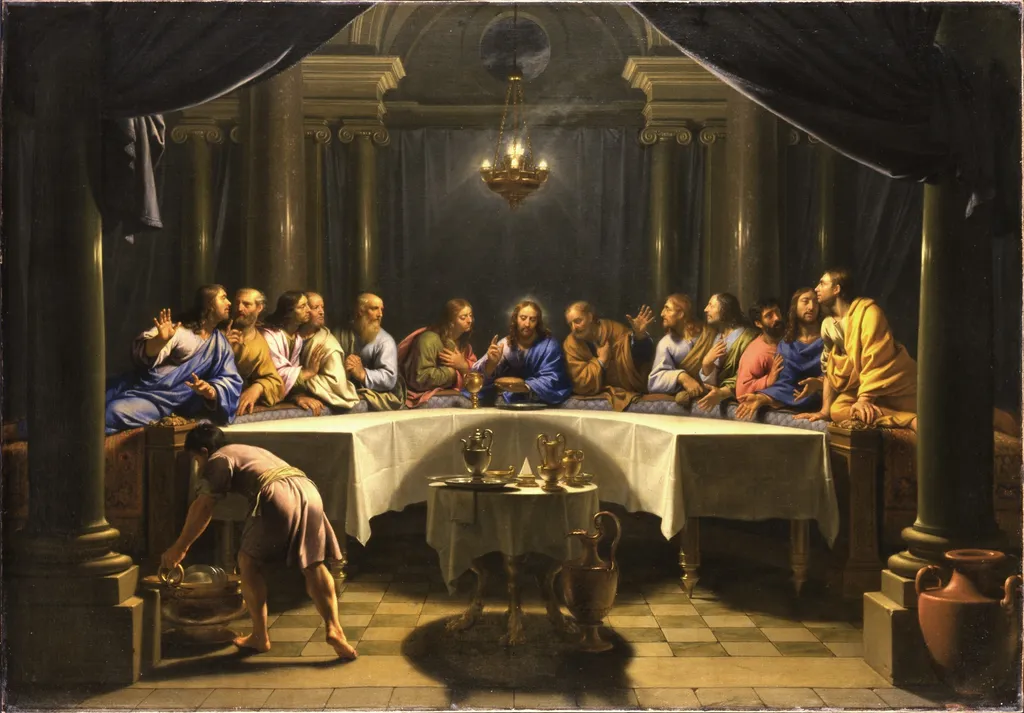
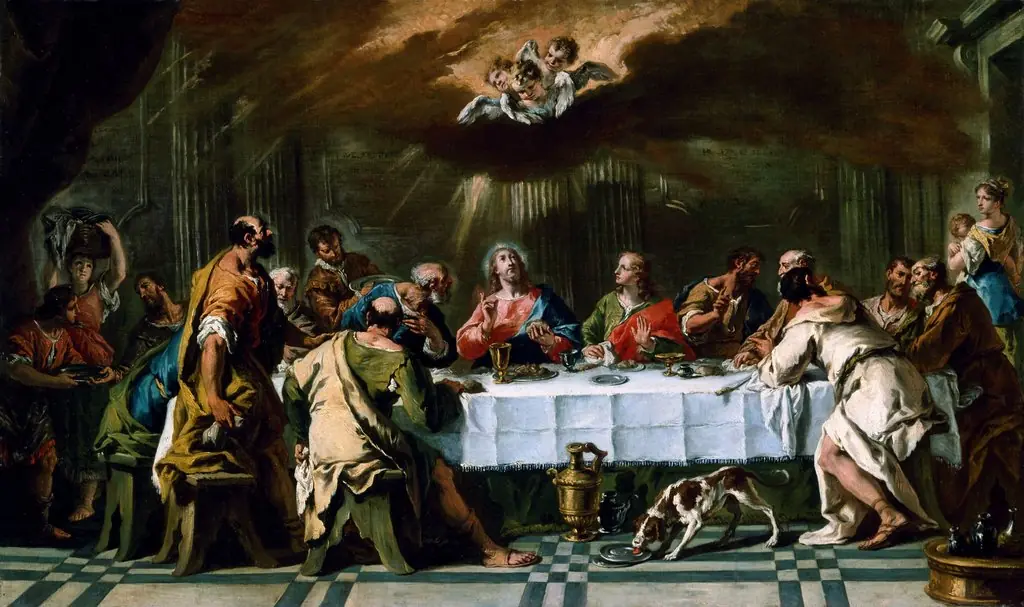
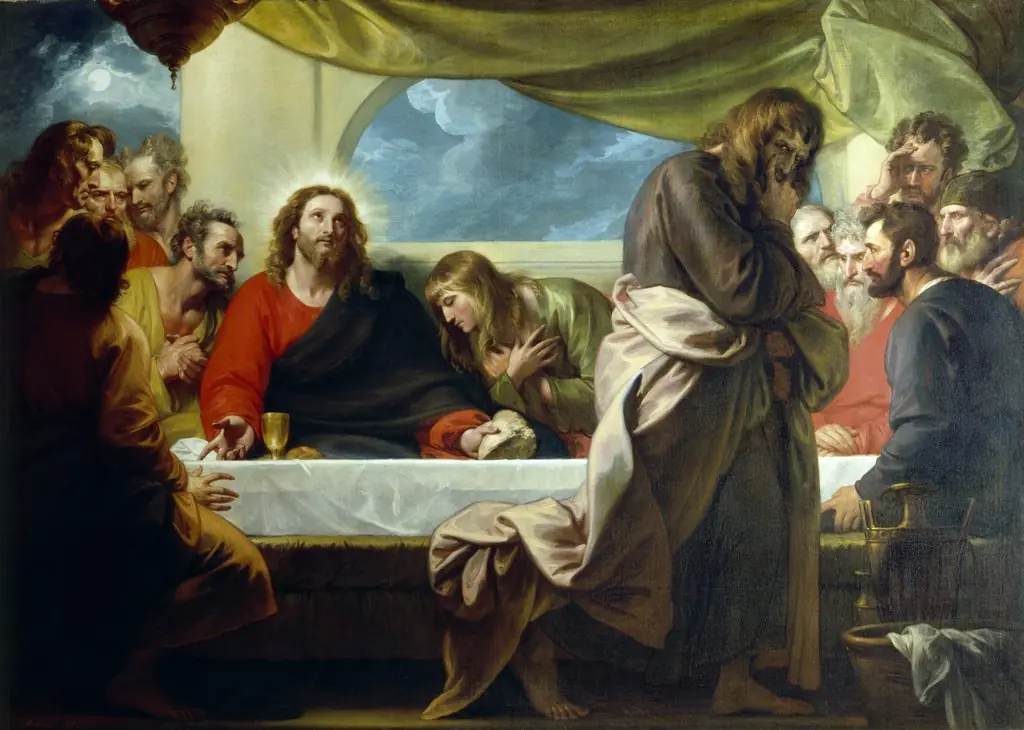
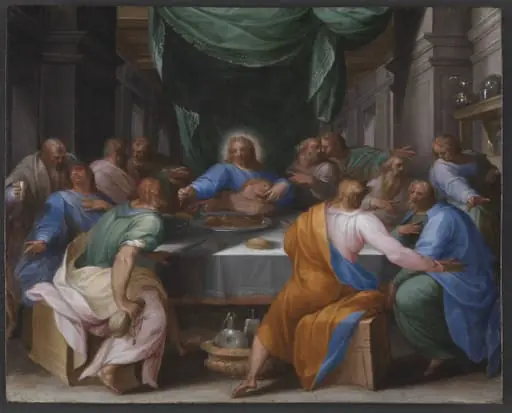
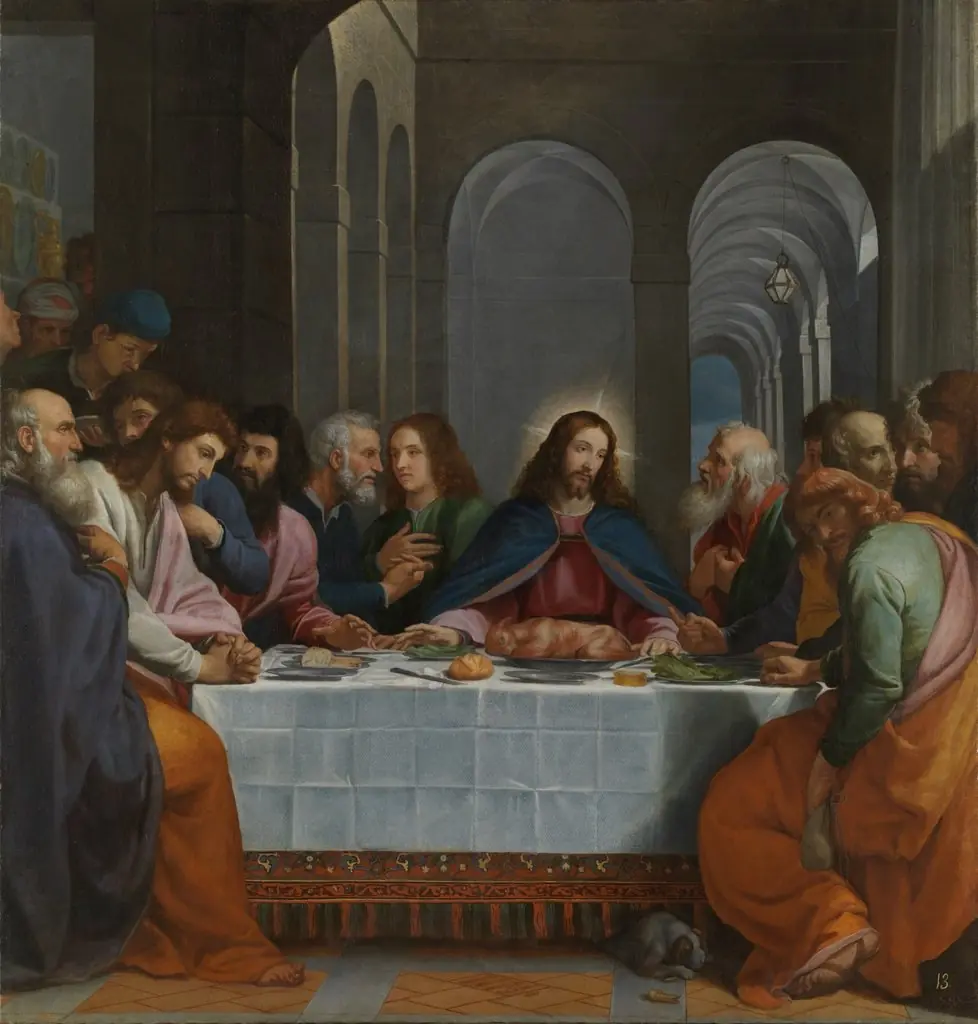
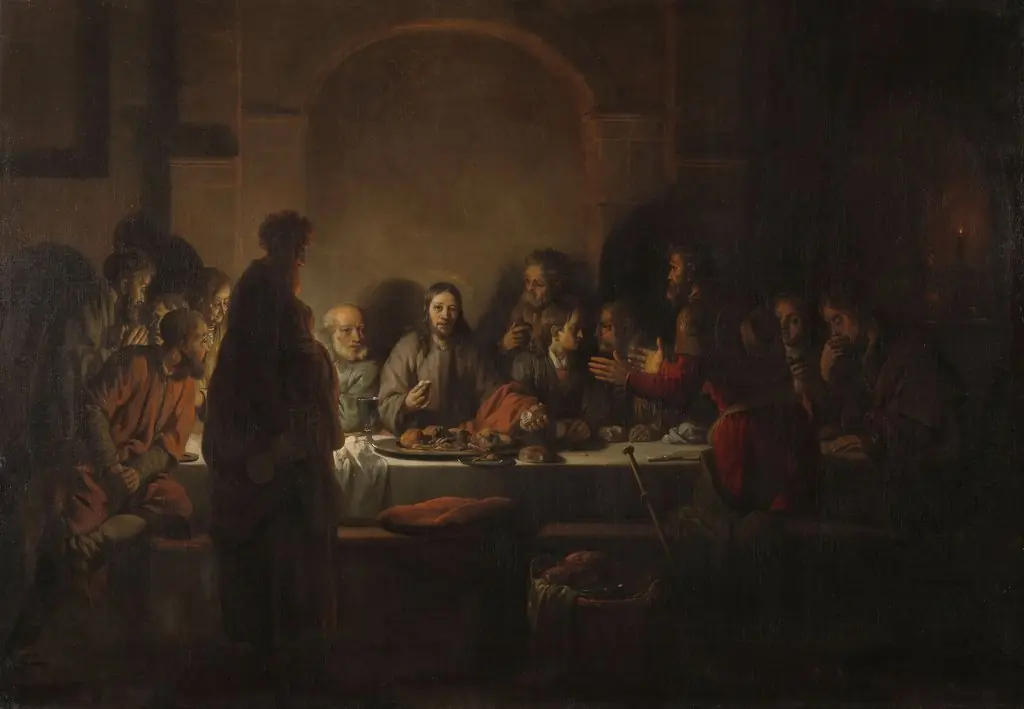
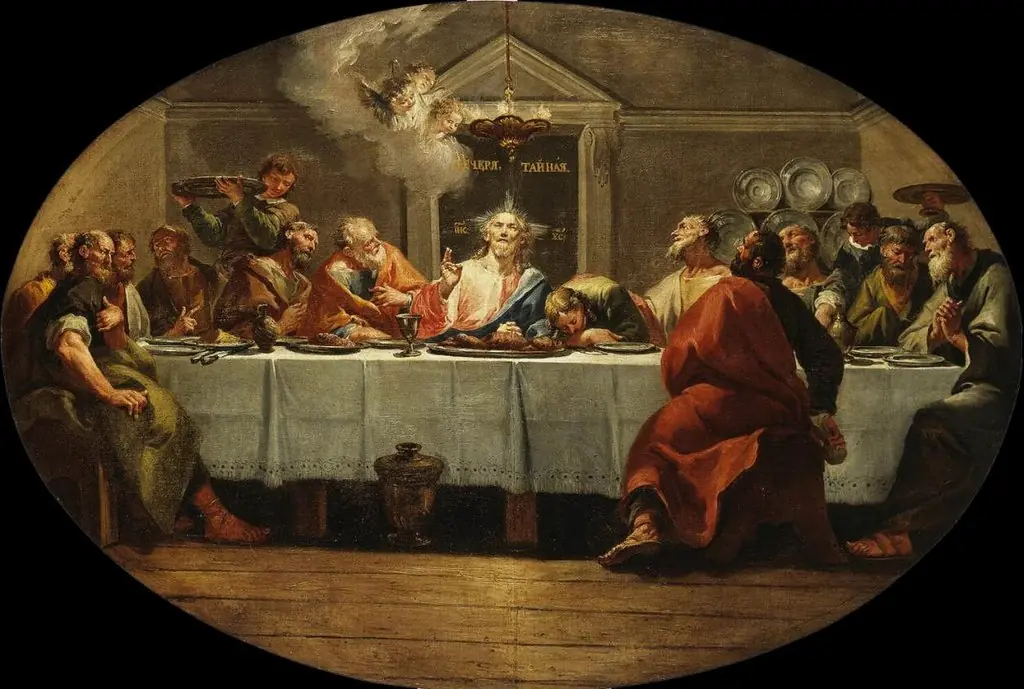
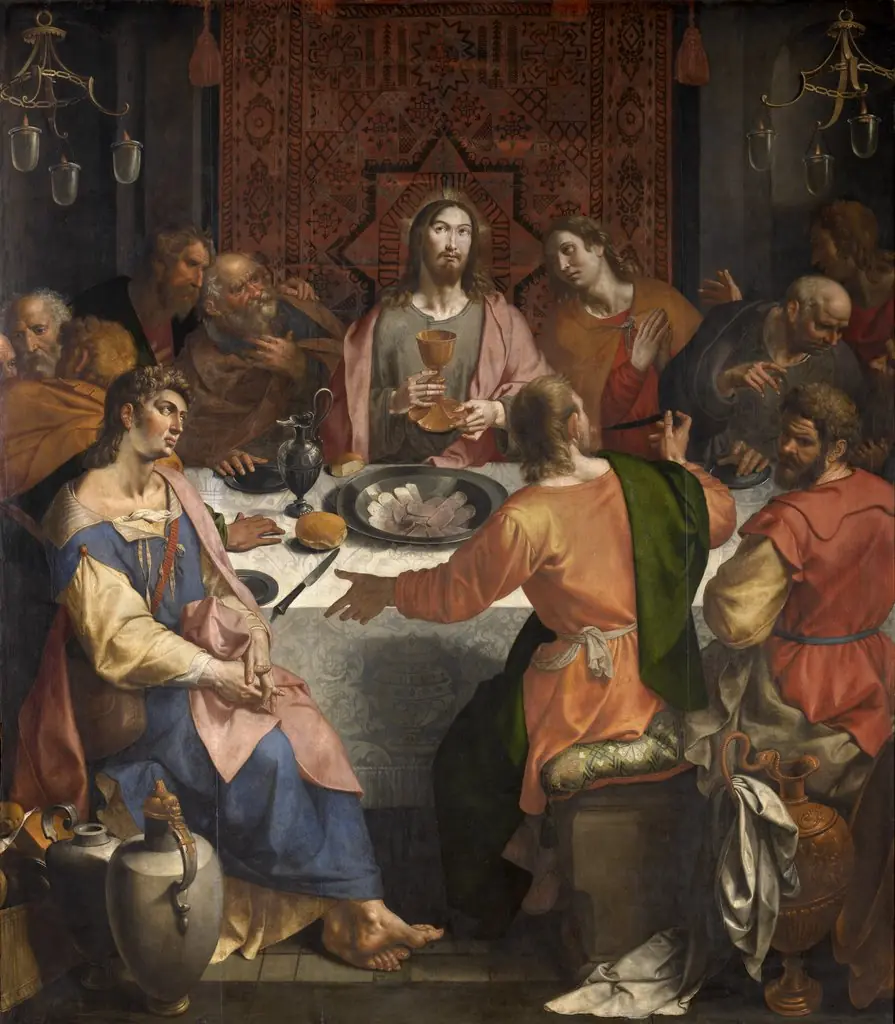
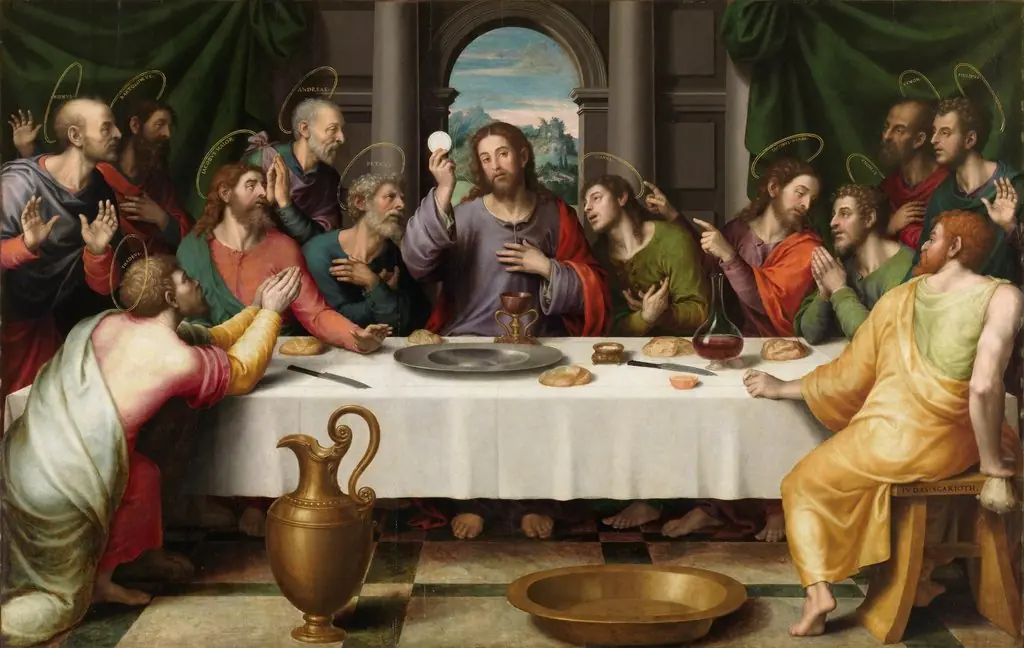
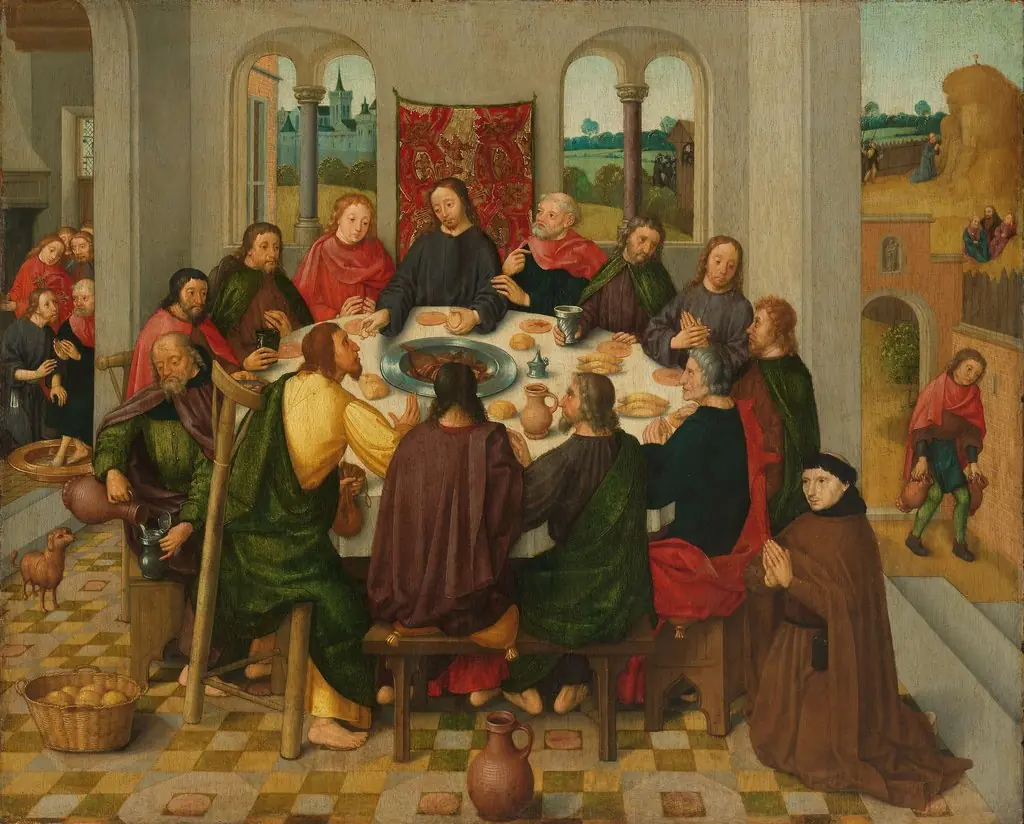
The Last Supper is an oil painting by the French Classical Baroque artist Jean Baptiste de Champaigne. It dates from 1690 and is held in the collection of the Detroit Institute of Arts.
About this work
Overview
Jean Baptiste de Champaigne’s 1690 oil painting titled *The Last Supper* presents a solemn gathering of figures around a long, white‑draped table.
Jean Baptiste de Champaigne’s 1690 oil painting titled *The Last Supper* presents a solemn gathering of figures around a long, white‑draped table. Executed in the French Classical Baroque idiom, the work now belongs to the Detroit Institute of Arts. Its composition centers on a central figure holding a cup, while surrounding participants engage in restrained gestures, all illuminated by a warm, directional light.
Subject & Meaning
The scene depicts the biblical moment of the final meal shared by Jesus and his disciples, a theme recurrent in Christian art. The central cup alludes to the institution of the Eucharist, while the attentive postures of the surrounding men convey contemplation and reverence. A kneeling servant with a tray adds a domestic detail that grounds the narrative in a tangible setting.
Technique & Style
Champaigne employs chiaroscuro to model the figures, allowing deep shadows to fall across the walls and garments while a focused light source creates a luminous halo around the faces. This contrast enhances the three‑dimensionality of the composition and directs the viewer’s gaze toward the central action. The brushwork remains smooth, reflecting the polished finish typical of French Baroque classicism.
History & Provenance
Painted in 1690, the work reflects Champaigne’s mature period after his relocation from Flanders to France, where he taught at the Académie Royale. The painting entered the Detroit Institute of Arts collection through a 20th‑century acquisition, though earlier ownership records remain sparse. Its presence in the museum underscores the institution’s commitment to representing European religious art.
Context
Created during the height of the French Classical Baroque, the painting aligns with contemporary efforts to combine dramatic lighting with restrained, orderly composition. Champaigne, a pupil of Nicolas Poussin’s circle, integrates the grandeur of Baroque narrative with the clarity of classical form, reflecting the Counter‑Reformation’s demand for emotionally resonant yet doctrinally clear visualizations of sacred events.
Artist & collection
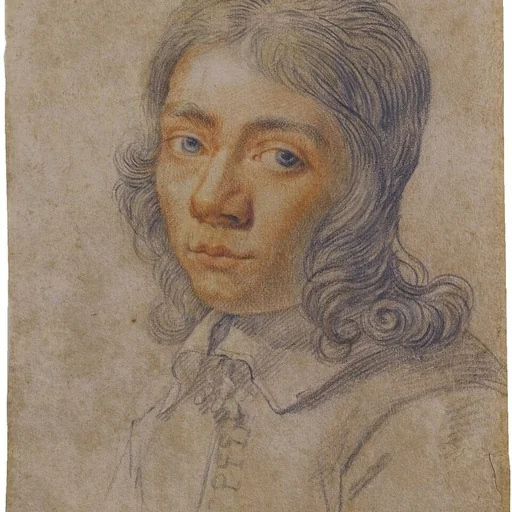
Artist
Jean Baptiste de Champaigne (10 December 1631 – 27 October 1681), was a Flemish-born French Baroque painter and teacher.