Artwork
The last supper
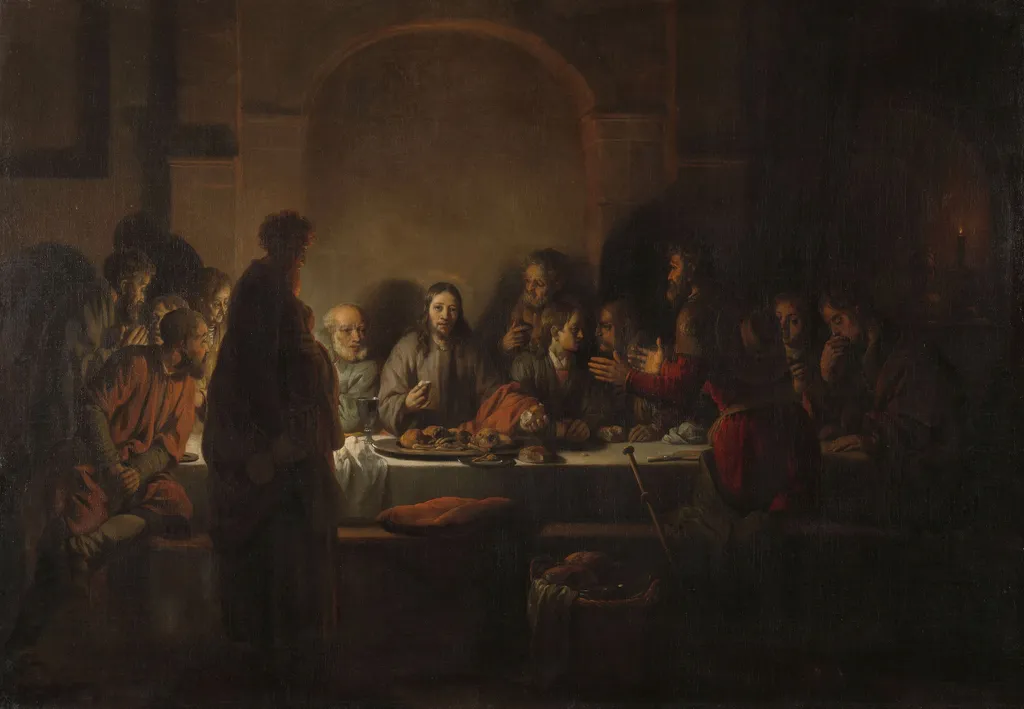
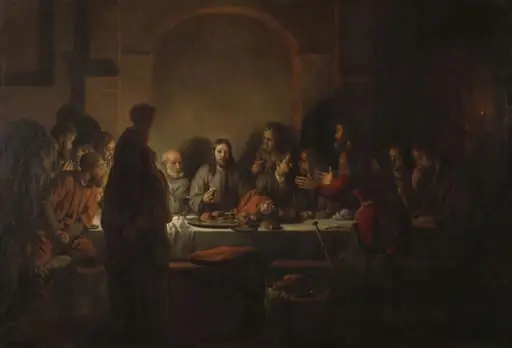
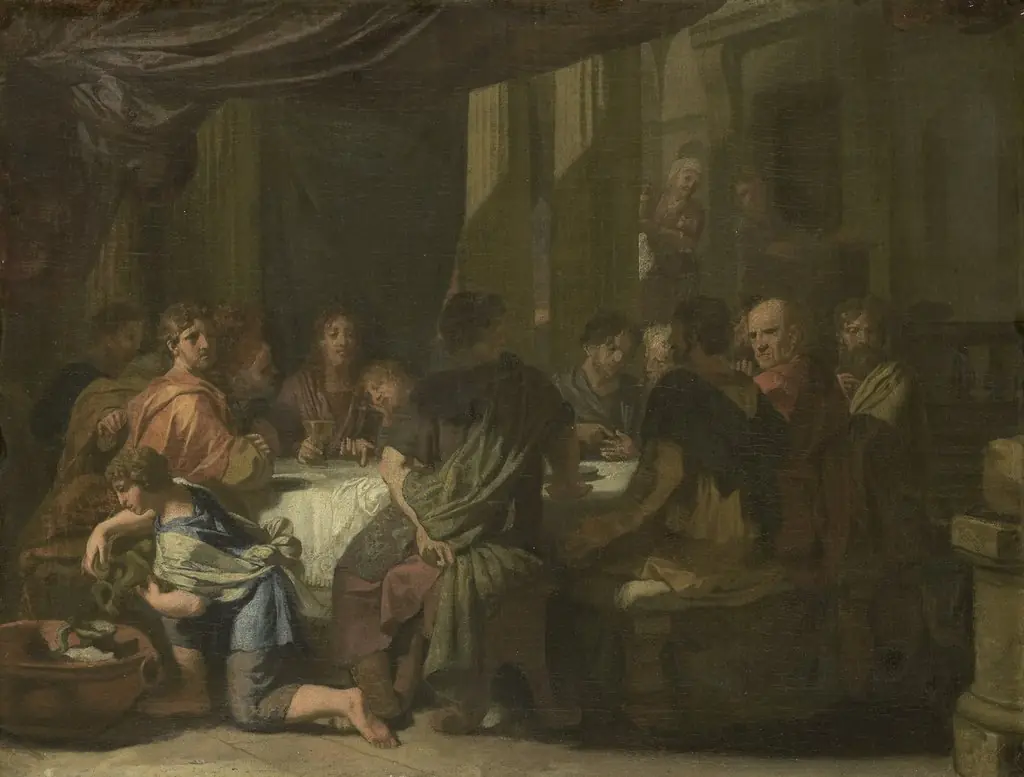
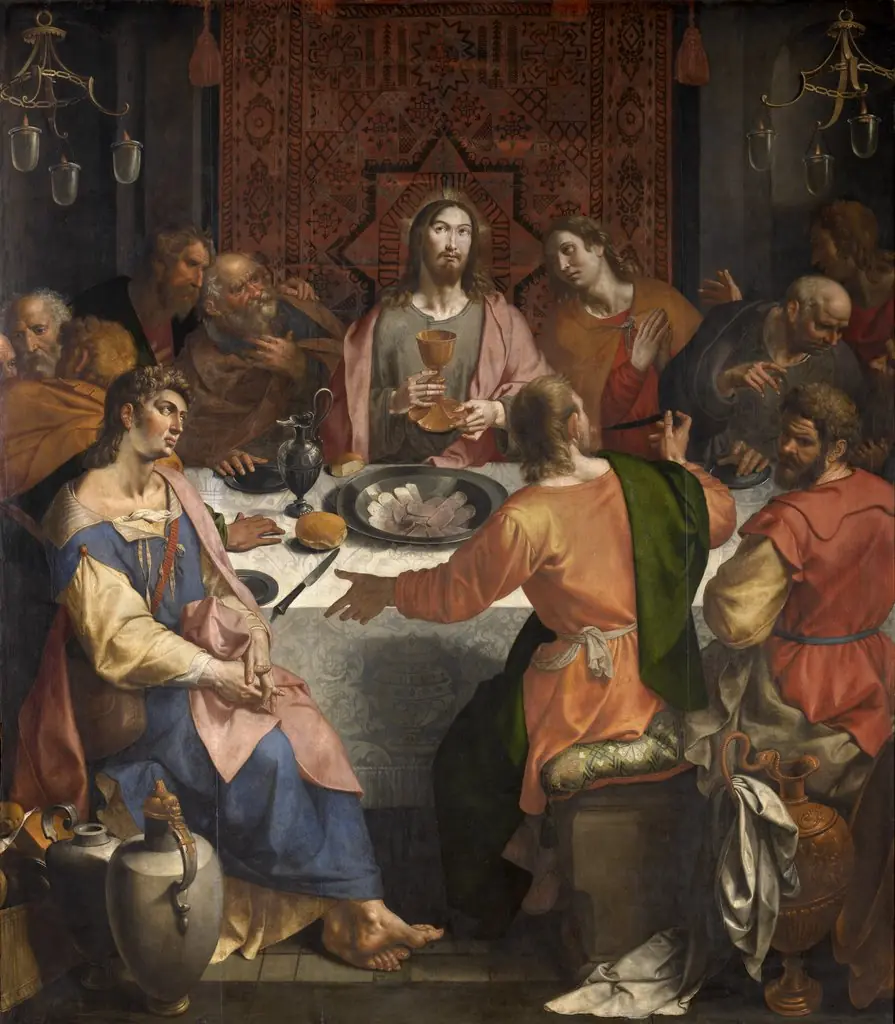
The last supper is an oil painting by the Dutch Golden Age artist Gerbrand van den Eeckhout. It dates from 1664 and is held in the collection of the Rijksmuseum.
About this work
Overview
Gerbrand van den Eeckhout's *The Last Supper* (1664) is a religious painting executed in oil paint, characteristic of the Dutch Golden Age movement. It is currently part of the Rijksmuseum's collection.
Subject & Meaning
The painting depicts the New Testament's Last Supper, showing a group of robed men engaged in conversation around a set table, conveying a sense of warmth, intimacy, and contemplative reflection.
Technique & Style
Eeckhout employed a realistic style with meticulous attention to detail and texture. Chiaroscuro creates depth, while glazing and impasto techniques add richness and luminosity, enhancing the scene's dimensionality.
History & Provenance
Created in 1664 by Gerbrand van den Eeckhout, a prominent student of Rembrandt, the work's provenance leads to its current holding at the Rijksmuseum.
Context
As a product of the Dutch Golden Age, *The Last Supper* reflects the era's artistic values, with Eeckhout's personal touch influenced by his tutelage under Rembrandt.
Legacy
While specific lasting impacts of *The Last Supper* on art history are not broadly highlighted, it remains a notable example of Eeckhout's contribution to the Dutch Golden Age's religious art.
Own this work as a print
Artist & collection
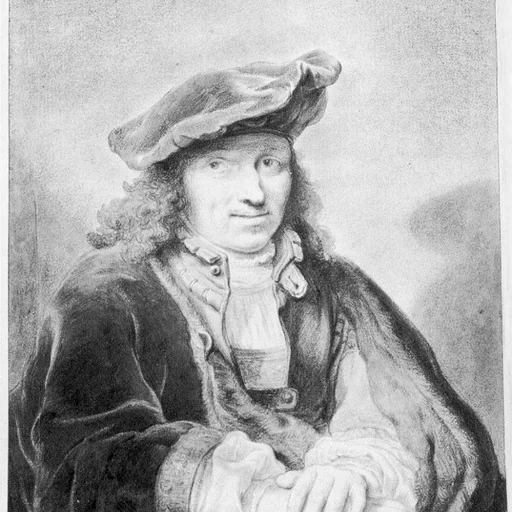
Artist
Gerbrand van den Eeckhout (19 August 1621 – 29 September 1674) was a Dutch Golden Age painter and a favourite student of Rembrandt. He was also an etcher, an amateur poet, a collector and an adviser on art.