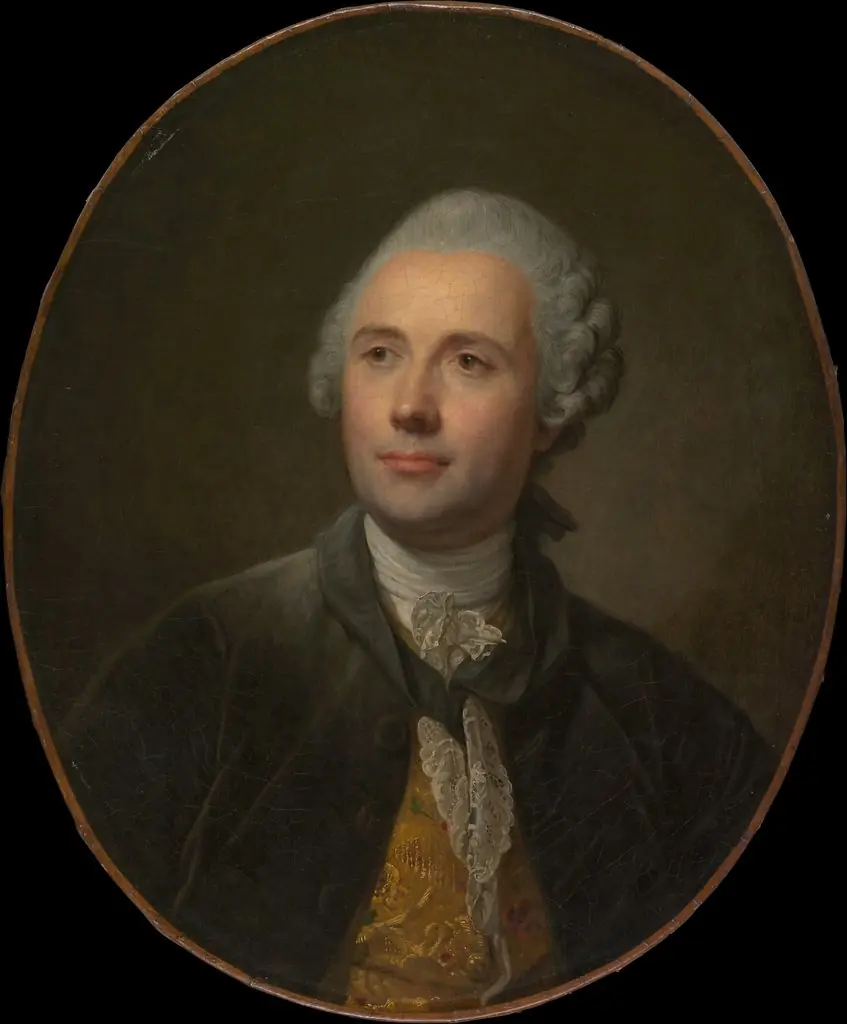
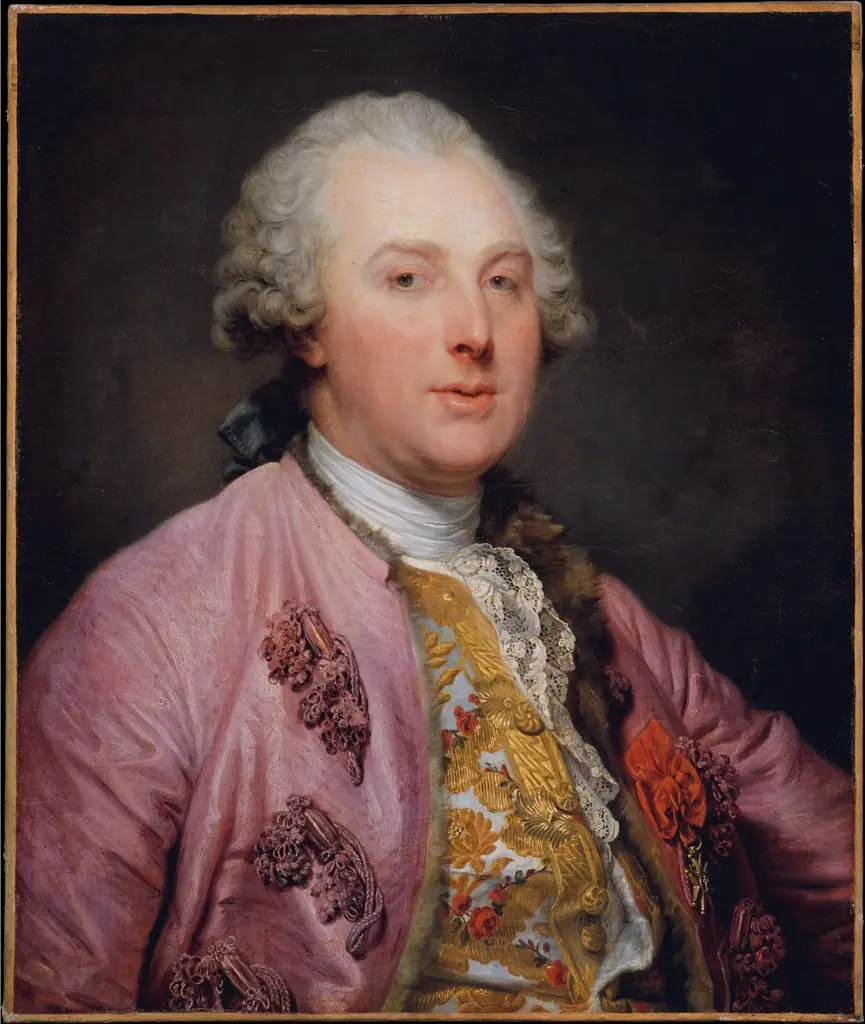
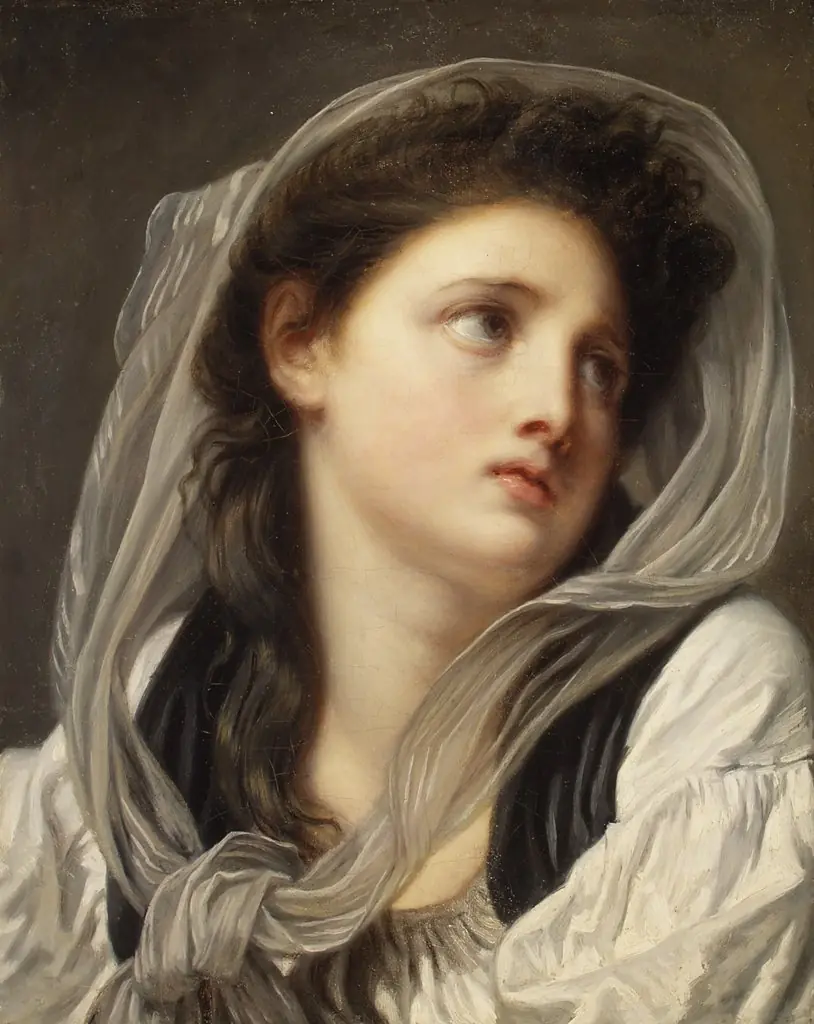
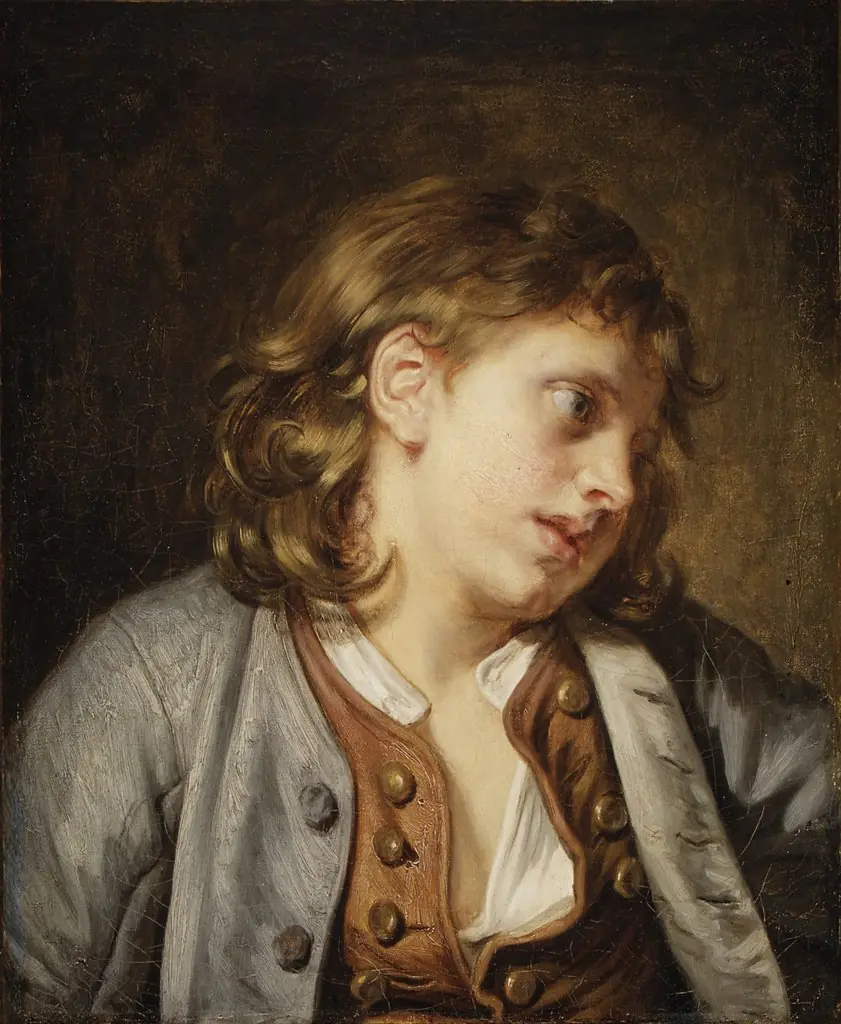
Artwork
La Simplicité (Simplicity)
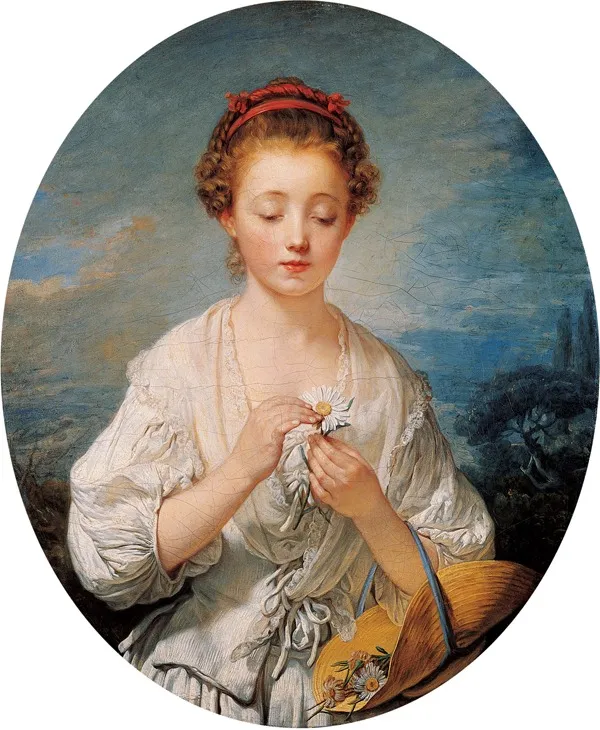
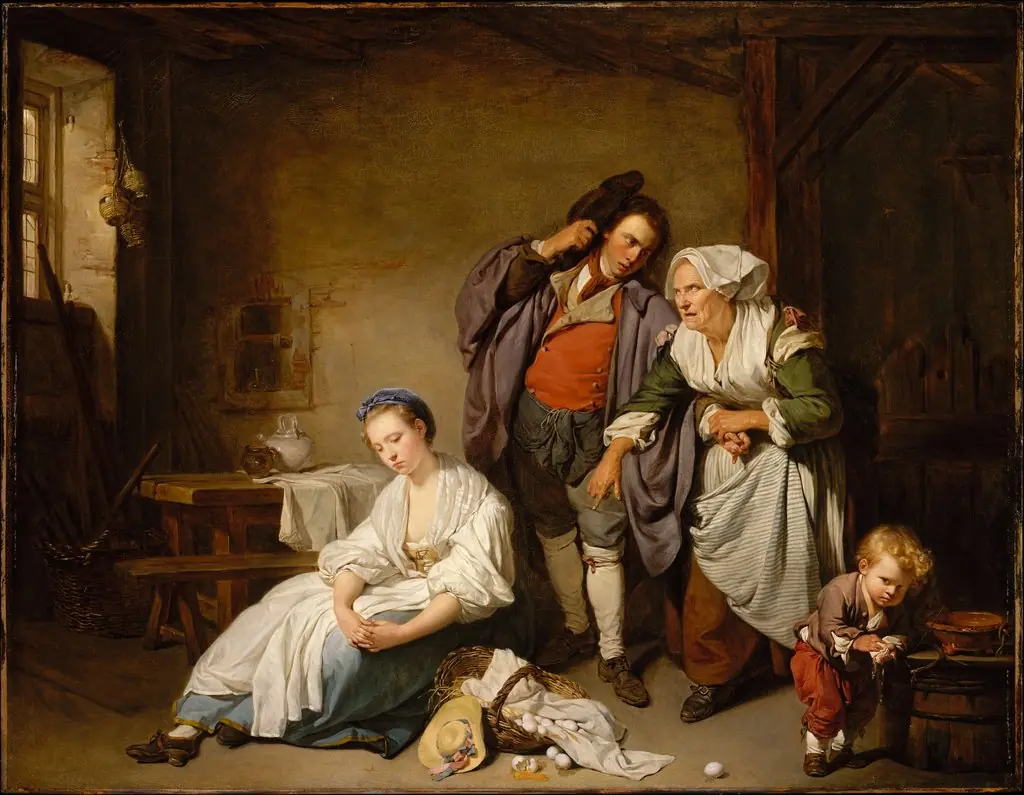
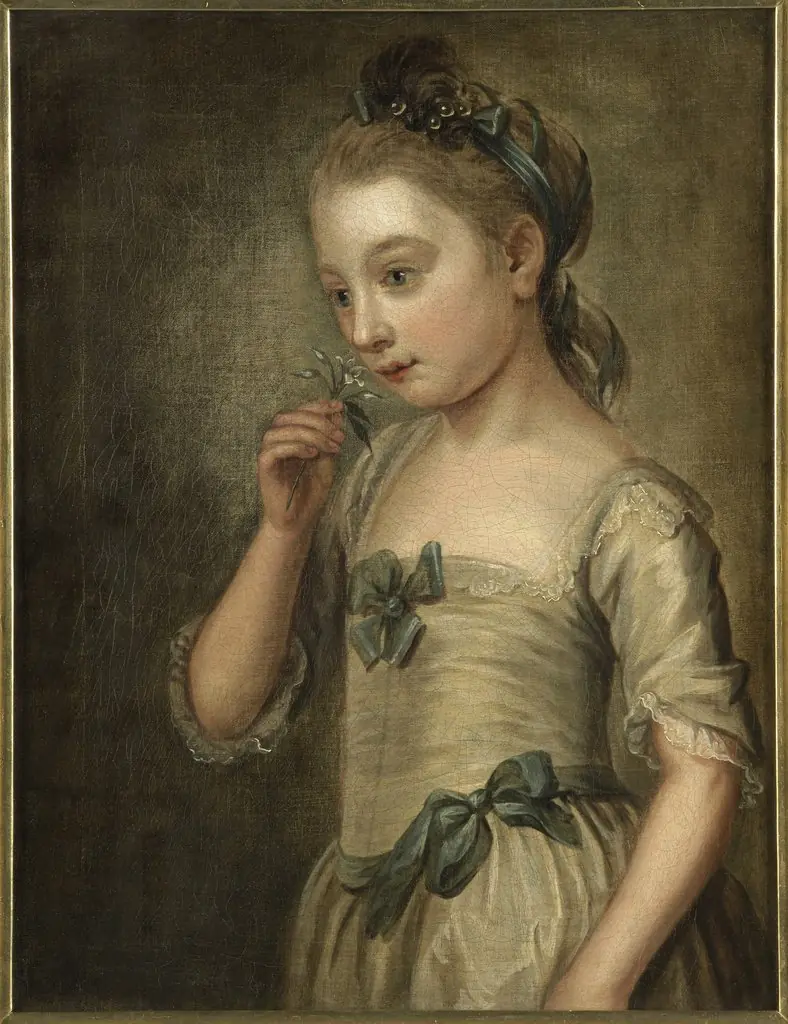
La Simplicité (Simplicity) is an oil painting by the Rococo painting artist Jean-Baptiste Greuze. It dates from 1759 and is held in the collection of the Kimbell Art Museum.
About this work
Overview
It is part of the Kimbell Art Museum’s permanent collection, where it stands as an example of Greuze’s interest in moralizing domestic scenes.
La Simplicité, painted in 1759 by Jean-Baptiste Greuze, is an oil-on-canvas work that captures a quiet moment of rural life. Though associated with the Rococo era, the painting diverges from its ornamental tendencies by emphasizing restraint and naturalism. It is part of the Kimbell Art Museum’s permanent collection, where it stands as an example of Greuze’s interest in moralizing domestic scenes.
Subject & Meaning
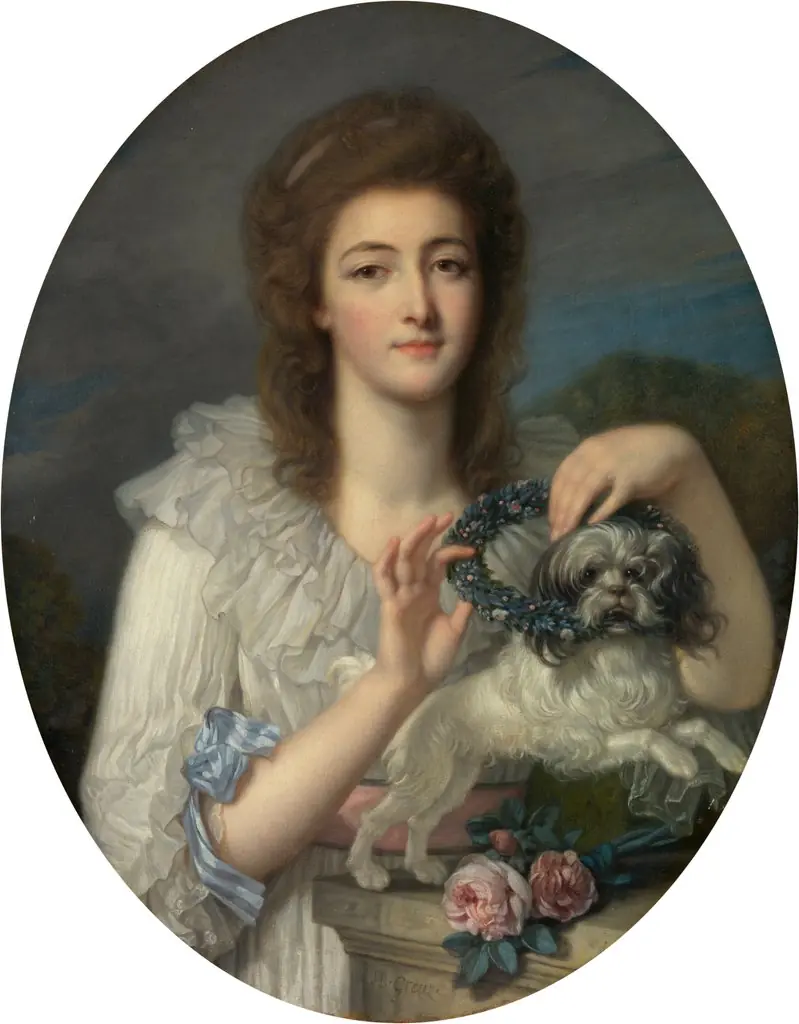
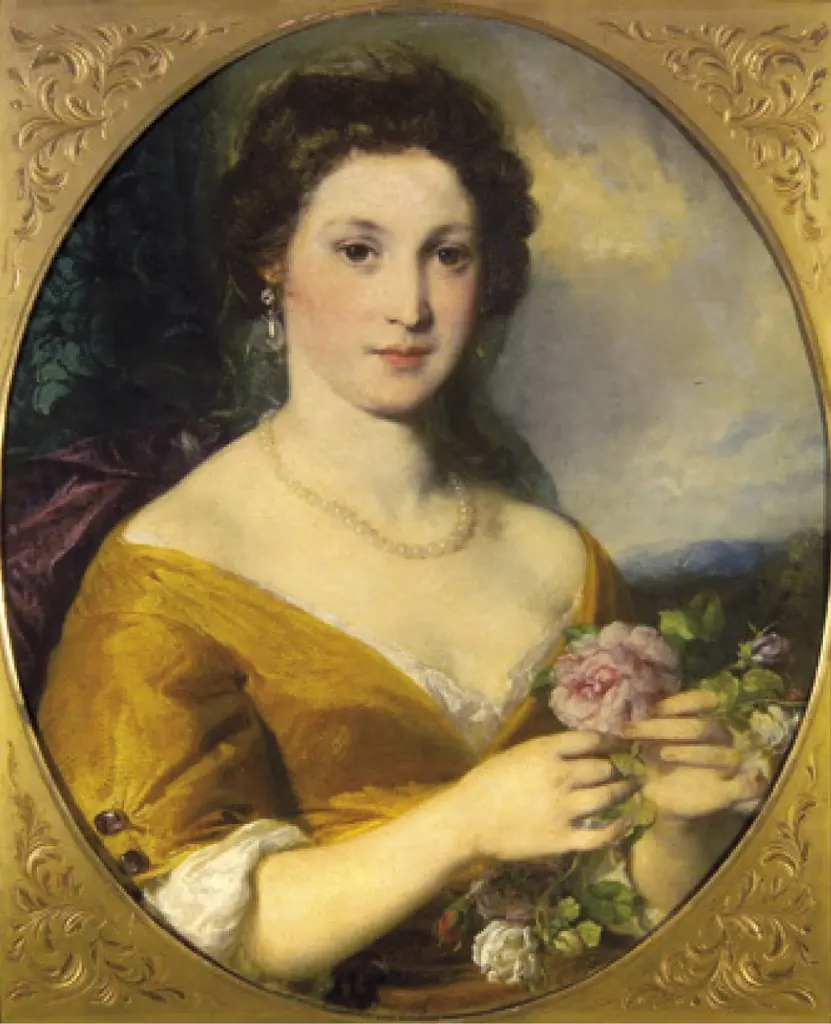
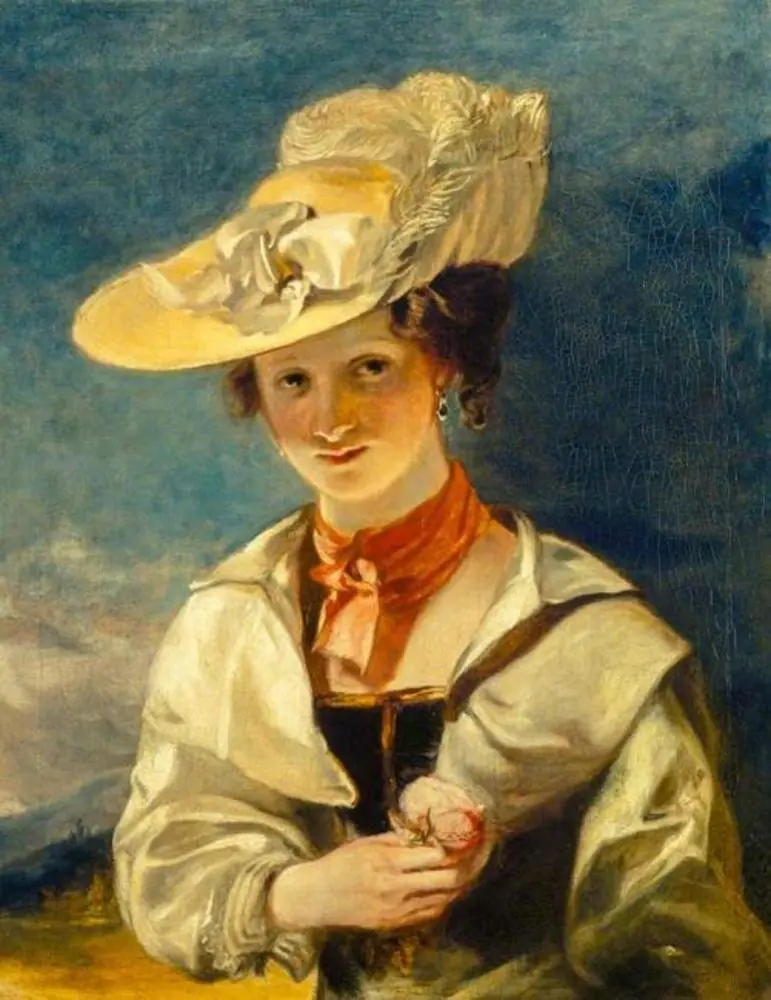
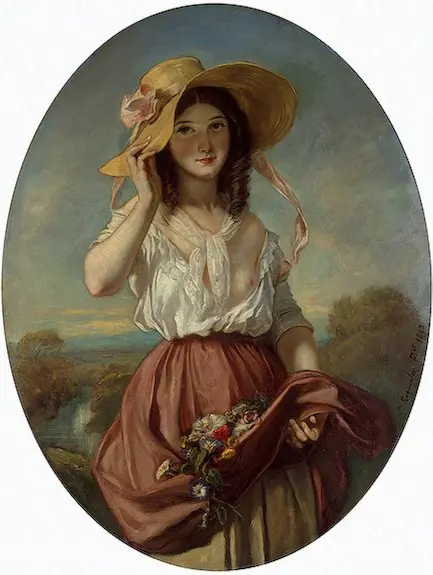
The painting portrays a young woman holding a single daisy, her attire simple and unadorned, with a red headband and loose white dress. A basket of flowers rests nearby, suggesting a moment of quiet contemplation. The absence of elaborate detail or narrative drama invites interpretation as an idealized representation of virtue, innocence, and harmony with nature—values often linked to Enlightenment thought.
Technique & Style
Greuze employed soft, blended brushwork and a muted palette of pastel tones to evoke tranquility. The figure emerges gently from a hazy blue-gray background, with subtle shifts in light modeling her form. While not overtly dramatic, the lighting suggests a gentle chiaroscuro, enhancing the figure’s presence without theatricality. The composition is balanced and intimate, focusing attention on the subject’s quiet demeanor.
History & Provenance
Created in 1759, the painting entered the Kimbell Art Museum’s collection in the 20th century after passing through private European holdings. Its early reception aligned with contemporary interest in morally instructive genre scenes. Though not widely exhibited during Greuze’s lifetime, it gained recognition later as an exemplar of his quieter, more introspective works.
Context
In mid-18th-century France, artists increasingly turned to scenes of ordinary life as alternatives to mythological or aristocratic subjects. Greuze’s work responded to this shift, blending Enlightenment ideals of virtue with the visual language of Rococo delicacy. La Simplicité reflects a cultural moment where simplicity was reimagined not as poverty, but as moral purity.
Legacy
The painting contributes to Greuze’s reputation as a bridge between Rococo elegance and emerging Neoclassical values. While less celebrated than his dramatic narratives, La Simplicité endures as a quiet testament to his skill in conveying emotional depth through understated means. It influenced later artists seeking to elevate everyday subjects with dignity and restraint.
Artist & collection
Artist
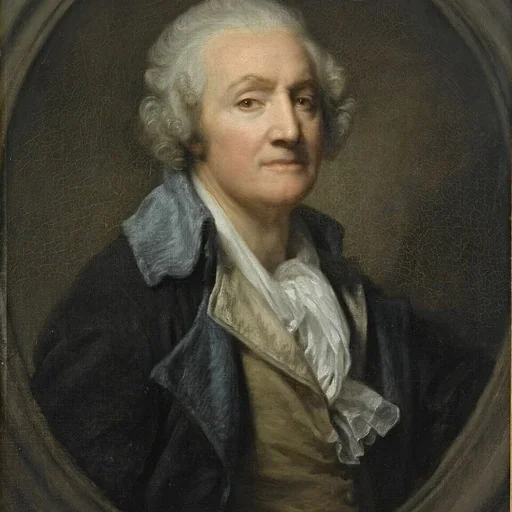
Jean-Baptiste Greuze (French pronunciation: , 21 August 1725 – 4 March 1805) was a French painter of portraits, genre scenes, and history painting.