Artwork
The sense of smell
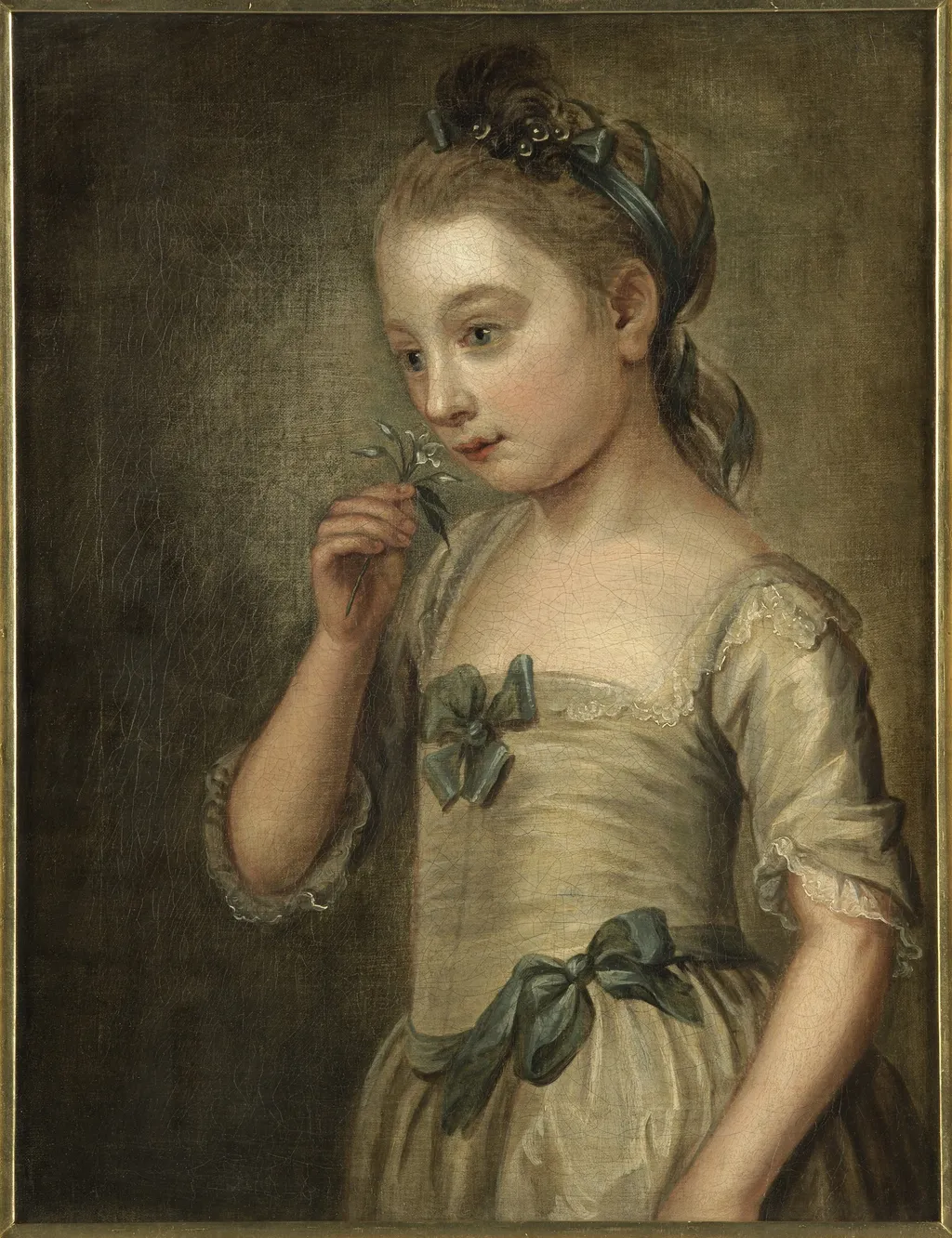
The sense of smell is an oil painting by the Rococo painting artist Philippe Mercier. It dates from 1750 and is held in the collection of the Museum of New Zealand Te Papa Tongarewa.
About this work
Overview
Painted around 1750 by Philippe Mercier, a French Huguenot active in England, this oil on canvas work is one of a series representing the senses. Mercier, known for bringing Rococo sensibilities to British portraiture, rendered this scene with delicate attention to detail and quiet intimacy. The painting is now held in the collection of Museum of New Zealand Te Papa Tongarewa.
Subject & Meaning
The painting portrays a young girl gently bringing a flower to her nose, evoking the sense of smell through a private, contemplative gesture.
The painting portrays a young girl gently bringing a flower to her nose, evoking the sense of smell through a private, contemplative gesture. Her poised demeanor and the simplicity of the action suggest an idealized moment of sensory awareness, common in allegorical depictions of the senses during the 18th century. The flower becomes both subject and symbol, anchoring the composition in natural elegance.
Technique & Style
Mercier employed fine brushwork to render the lace trim, ribbons, and soft fabric of the girl’s dress, emphasizing texture without excess ornamentation. The dark, unmodeled background isolates the figure, enhancing focus on her form and the flower. Light falls gently across her face and hands, a hallmark of Rococo portraiture that balances refinement with naturalism.
History & Provenance
Created during Mercier’s time in England, the painting reflects his role in bridging French Rococo traditions with British tastes. It remained in private collections before entering the Museum of New Zealand Te Papa Tongarewa’s holdings. Its journey to New Zealand underscores the global circulation of 18th-century European art through colonial and institutional networks.
Context
In mid-18th-century Europe, allegorical series of the five senses were popular among aristocratic patrons. Mercier’s version aligns with this trend, yet avoids theatricality, favoring subdued grace. His work contributed to a shift in British art toward more intimate, psychologically nuanced portraiture, distinct from the grandeur of earlier Baroque styles.
Legacy
Though not widely exhibited, the painting exemplifies Mercier’s influence on British visual culture. His approach to delicate subject matter and refined technique informed later portraitists, particularly in the depiction of childhood and domestic tranquility. The work remains a quiet testament to the transnational exchange of artistic ideas in the Enlightenment era.
Artist & collection
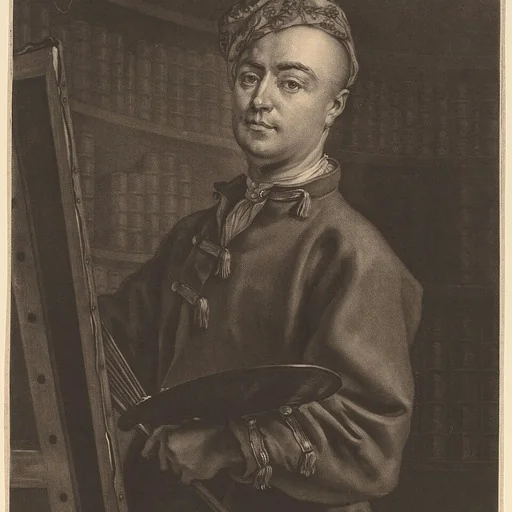
Artist
Philippe Mercier (also spelled Philip Mercier; 1689 – 18 July 1760) was an artist of French Huguenot descent from the German realm of Brandenburg-Prussia (later Kingdom of Prussia), usually defined to French school.

Museum
Museum of New Zealand Te Papa Tongarewa
Continue through works from the same source collection.
 Portret van een meisje
 Marie-Louise de France (1728-1733), dite Madame Louise / Madame Troisième
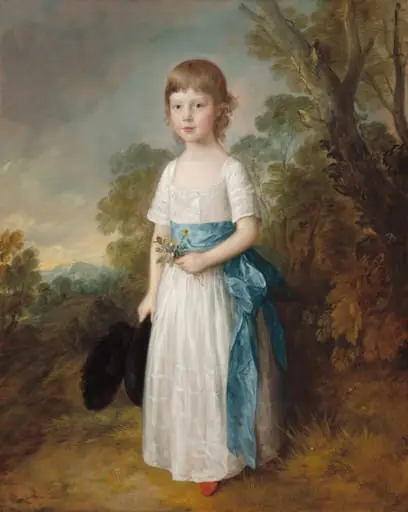 Master John Heathcote
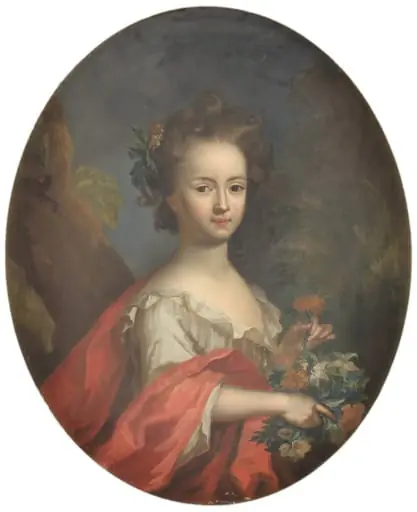 Et barn med blomster
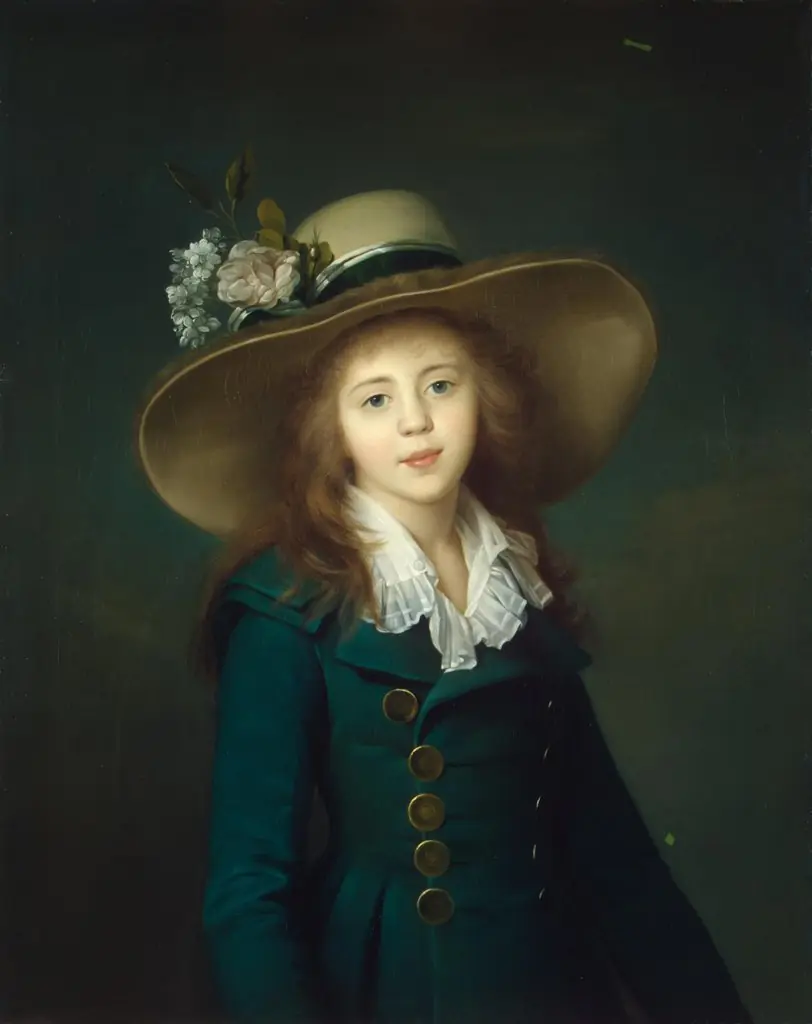 Portrait of a Girl in a Hat
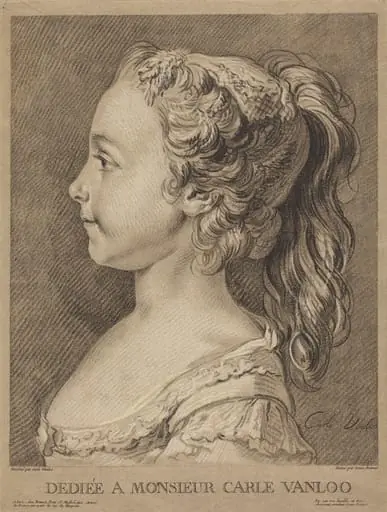 Marie-Rosalie Vanloo
 María Ana Victoria de Borbón
 Et barn med blomster
 Portrait of grand Duchess Yelena Pavlovna as the Child
 Portrait of Joseph (1741–1786) and his Brother John Gulston (1750–1764)
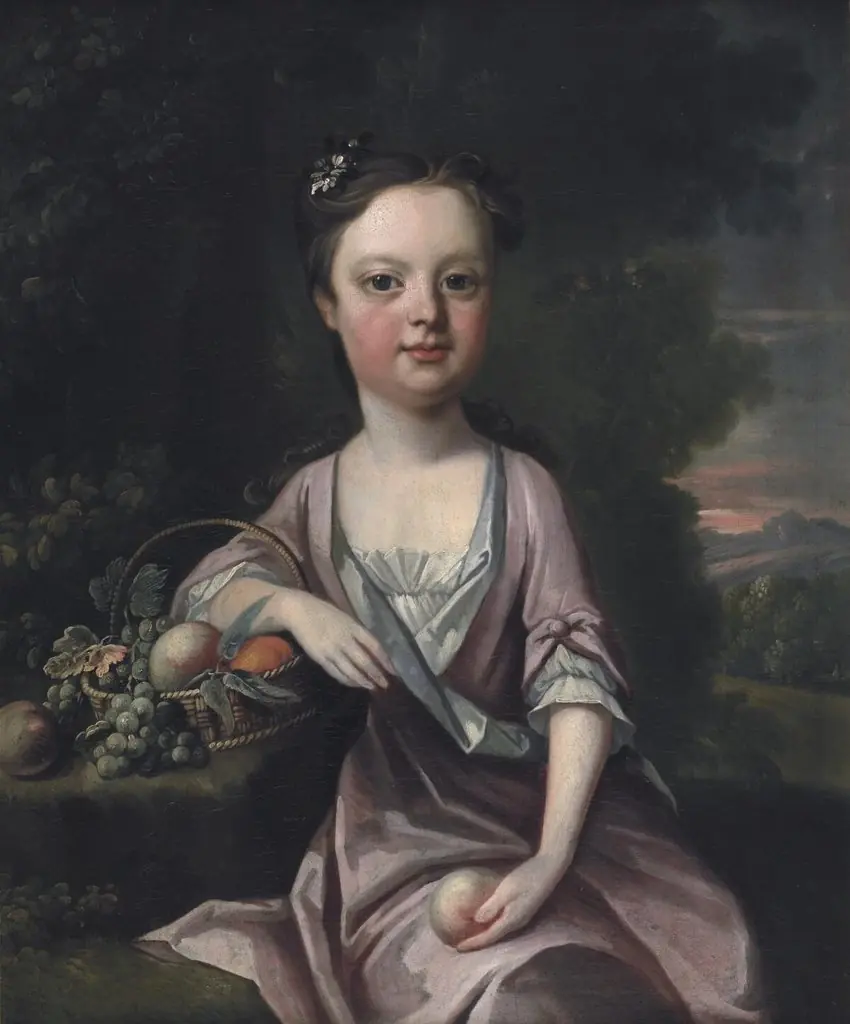 Margaret Wynne (1722 -)
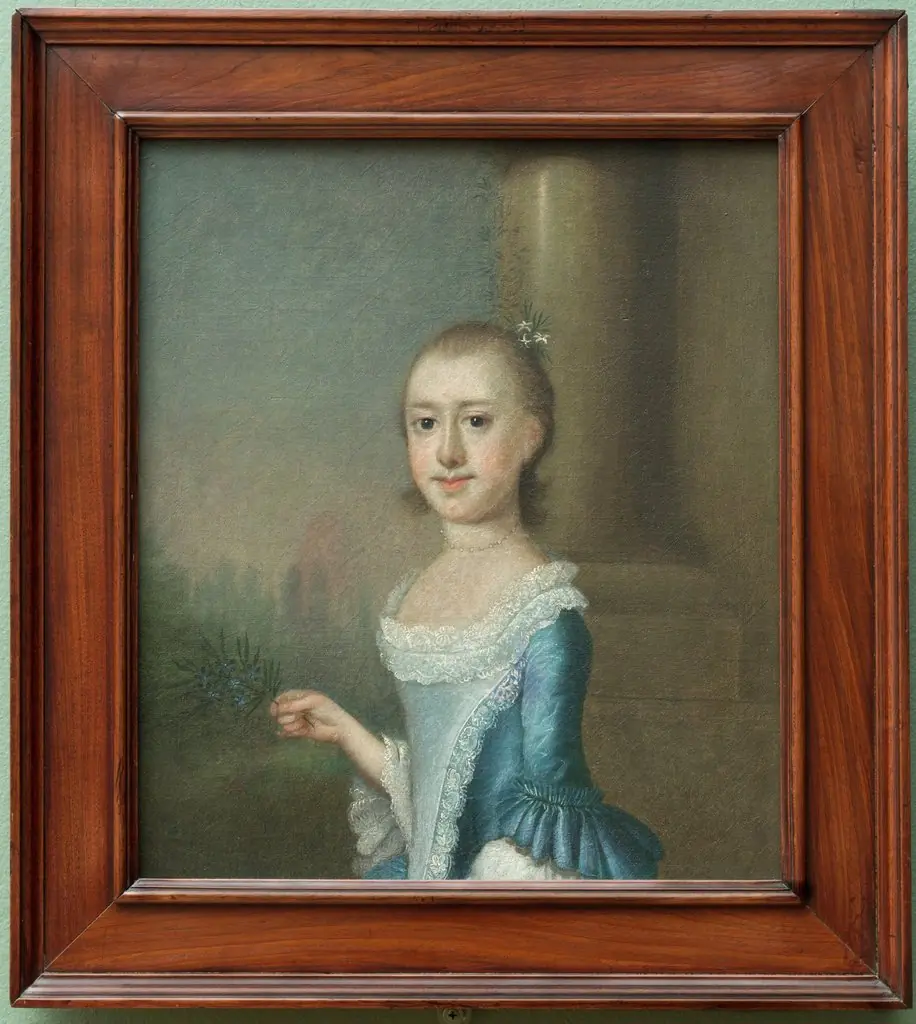 Portrait of Amarinthia Elliott