Artwork
Jacques Luc Barbier-Valbonne
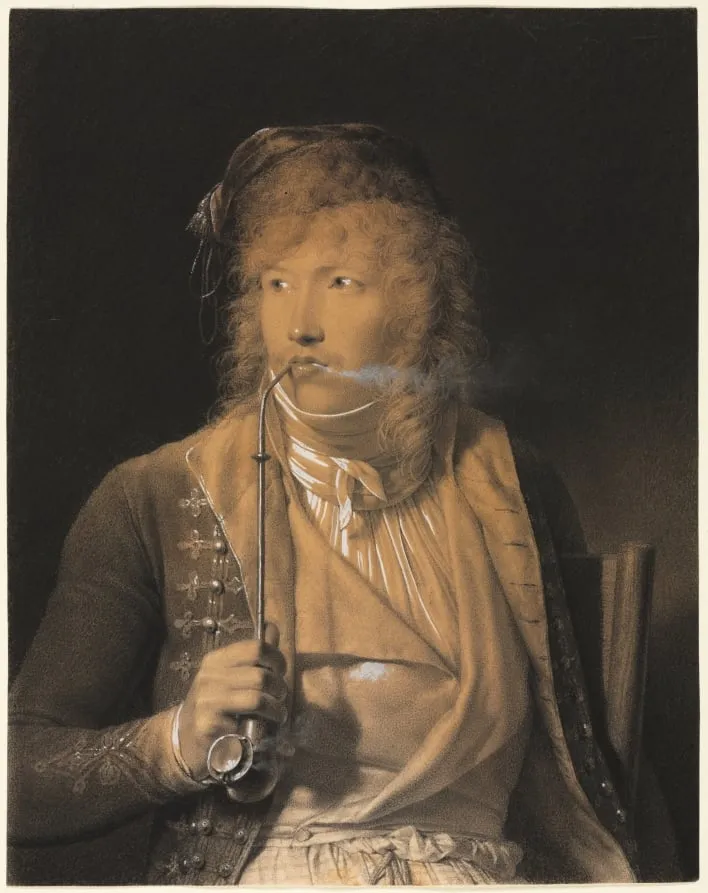
Jacques Luc Barbier-Valbonne is a drawing by the Romanticist artist Jean-Baptiste Isabey. It dates from 1796 and is held in the collection of the Cleveland Museum of Art.
About this work
Overview
Unlike grand historical compositions favored under the monarchy, this intimate work reflects a shift toward personal expression in art.
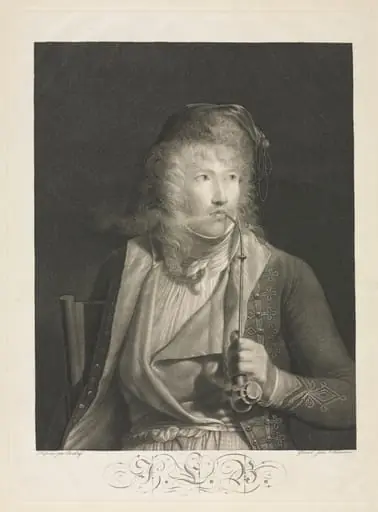
This drawing by Jean-Baptiste Isabey, created in 1796, portrays his friend Jacques Luc Barbier-Valbonne as a civilian figure emerging from the upheaval of the French Revolution. Unlike grand historical compositions favored under the monarchy, this intimate work reflects a shift toward personal expression in art. Executed in pencil and ink, it belongs to a growing category of drawings valued for their immediacy and accessibility during a period when traditional artistic hierarchies were being dismantled.
Subject & Meaning
Barbier-Valbonne is depicted not as a noble or idealized hero, but as a man of the new Republic—dressed in a military-inspired jacket and cap that reference his past as a hussar, yet styled with contemporary Parisian details like a cravat and 'dog-ear' haircut. His posture, holding a pencil as if mid-creation, aligns him with the artist’s profession. The act of smoking, uncommon in portraits of fashionable men, signals a deliberate embrace of everyday life, rejecting aristocratic decorum in favor of republican simplicity.
Technique & Style
Isabey employs a fluid, economical line to capture Barbier’s form and expression, emphasizing texture and gesture over finish. The pencil’s softness renders the fabric of the jacket and the curl of smoke with equal attention, blurring the line between portraiture and genre scene. The composition is informal, with the subject slightly off-center and the pipe’s smoke drawing the eye upward, creating a quiet rhythm that contrasts with the rigid symmetry of earlier academic portraiture.
History & Provenance
Created for exhibition at the 1796 Paris Salon, the drawing was part of a broader trend where artists began presenting works on paper as legitimate public art, not merely preparatory studies. Its inclusion in a major exhibition marked a turning point in the status of drawing. The work remained in private collections in France through the 19th century before entering a public collection, where it continues to exemplify the evolving role of the artist in post-revolutionary society.
Context
In the wake of the Revolution, the Academy’s dominance waned, and art institutions opened to a wider range of subjects and media. Drawings gained new prominence as democratic artifacts—less costly, more spontaneous, and accessible to non-elites. Barbier’s portrayal as a former soldier turned artist reflects the fluid social identities of the era, where military service, artistic vocation, and civic identity converged in the figure of the new French citizen.
Legacy
This drawing helped redefine portraiture by normalizing the depiction of ordinary behaviors—like smoking or holding a pencil—in formal art. It contributed to the legitimacy of drawing as a finished medium and influenced later 19th-century artists who sought to capture individuality over idealization. Its quiet rebellion against aristocratic norms paved the way for more candid, psychologically grounded representations in modern art.
Artist & collection
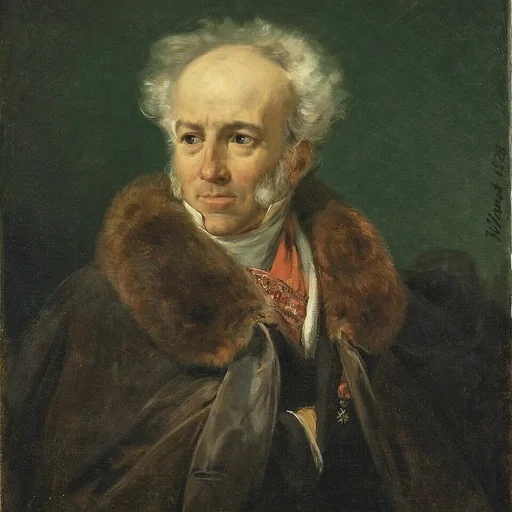
Artist
Jean-Baptiste Isabey (French pronunciation: ; 11 April 1767 – 18 April 1855) was a French artist during both the First Empire and the Restoration.

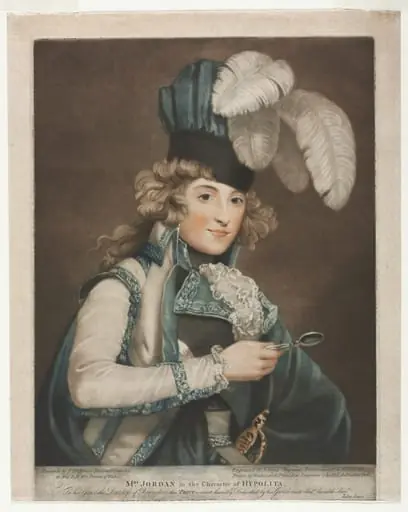 Dorothy Jordan
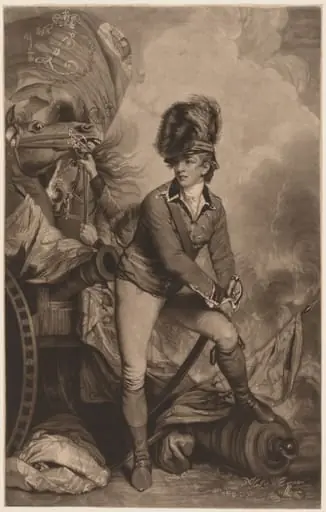 Lt. Col. Tarleton
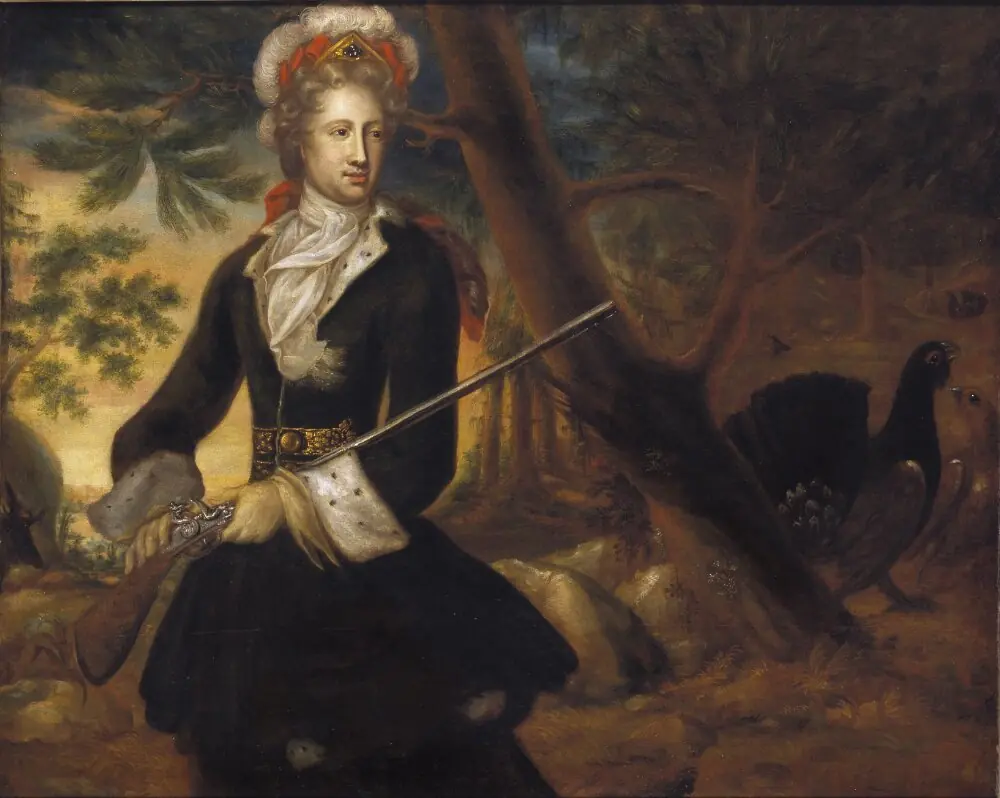 Hedvig Sofia, 1681-1708, prinsessa av Sverige, hertiginna av Holstein-Gottorp
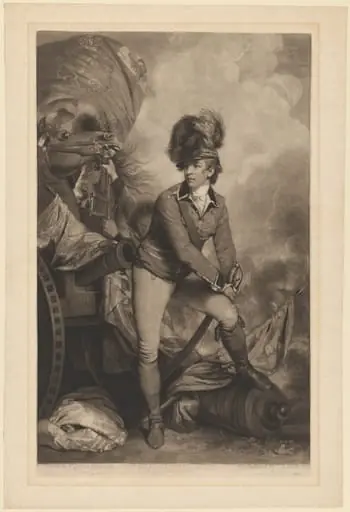 Lieutenant Colonel Sir Banastre Tarleton
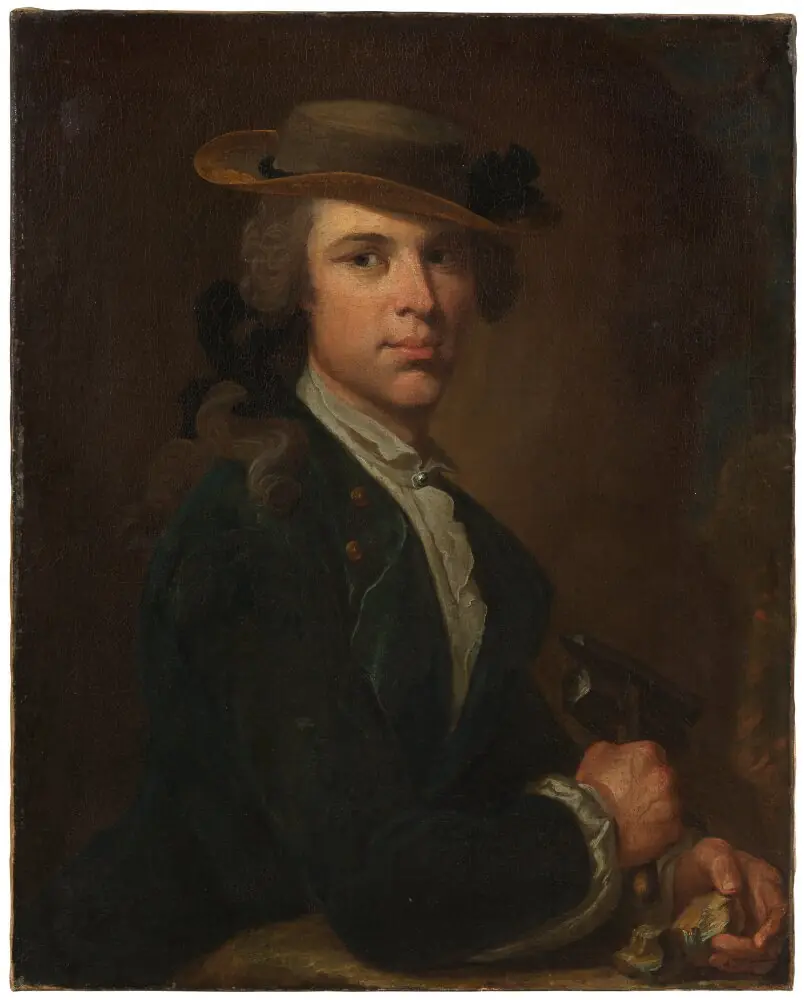 Daniel Tilas (1712–1772), Baron, Mineralogist
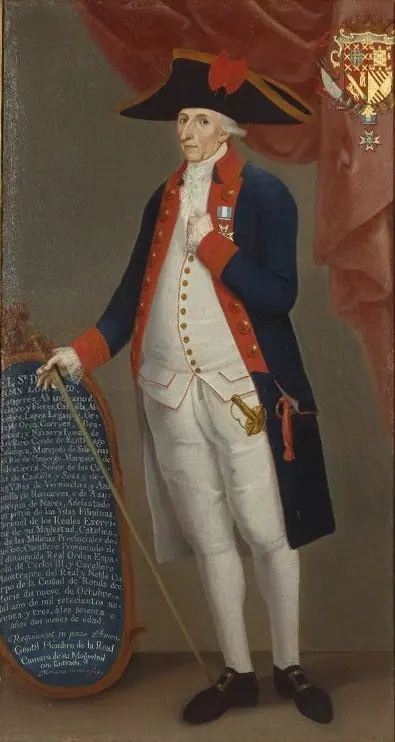 Don Juan Lorenzo Gutiérrez Altamirano de Velasco y Flores
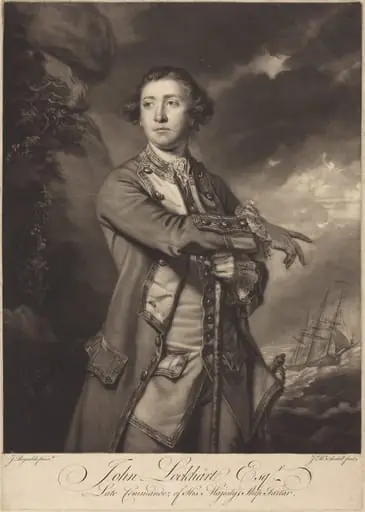 James Lockhart
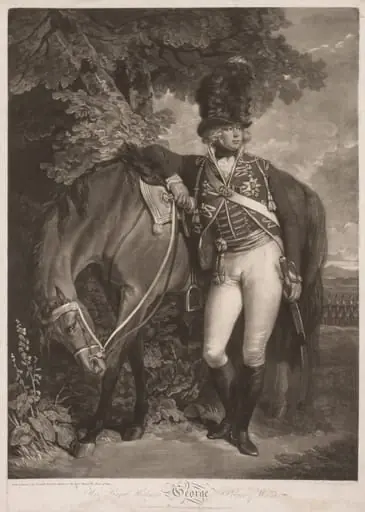 George, Prince of Wales
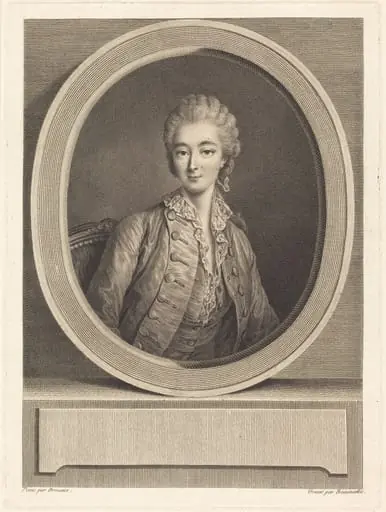 Madame du Barry
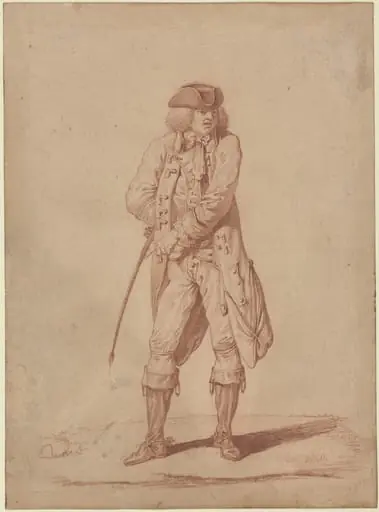 Gentleman with a Riding Crop
 H Beard Print Collection
 The Painter Jacques-Luc Barbier-Walbonne