Artwork
Portrait of a Man, possibly Alexander I, Emperor of Russia
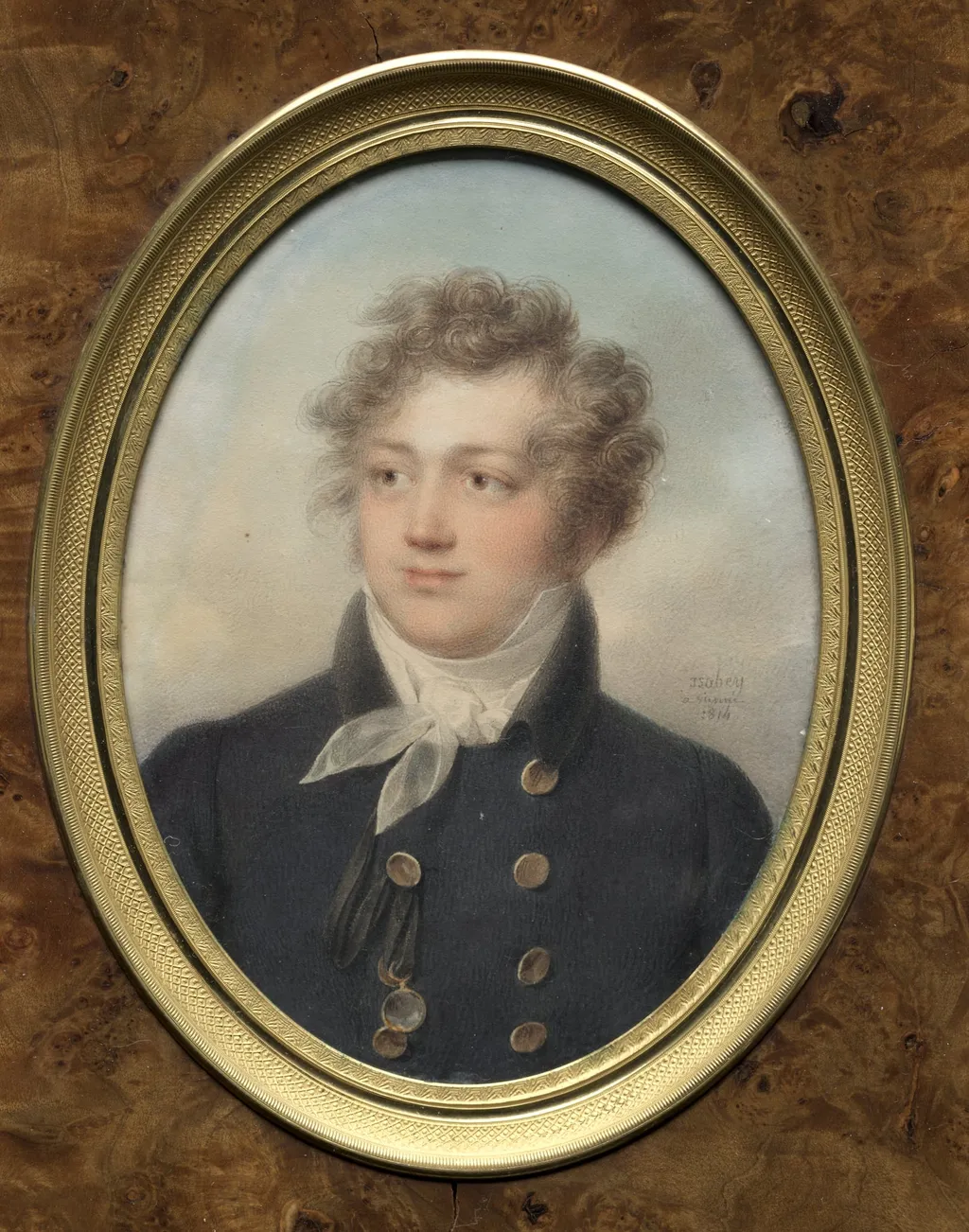
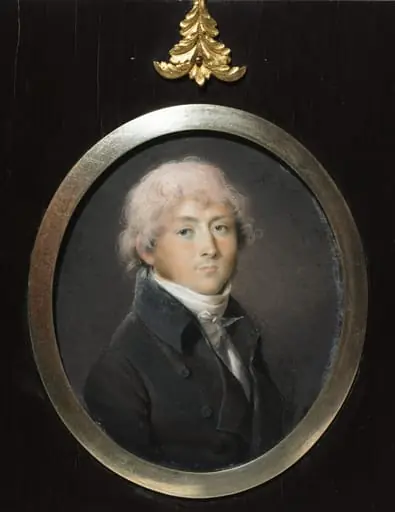
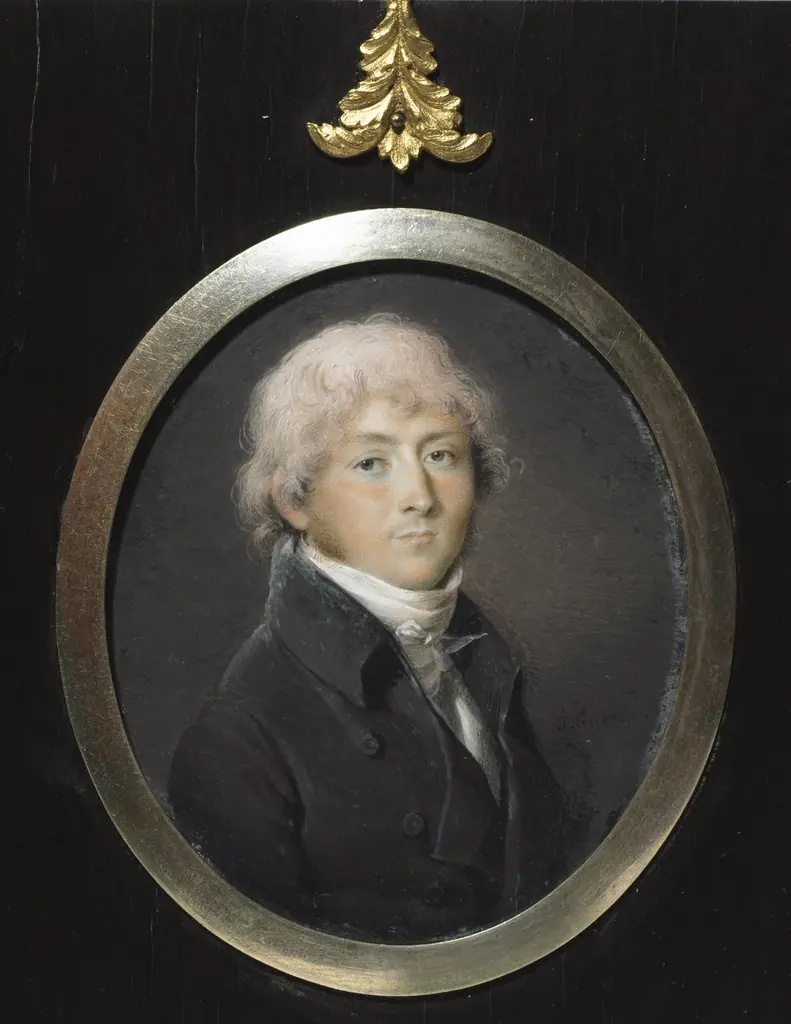
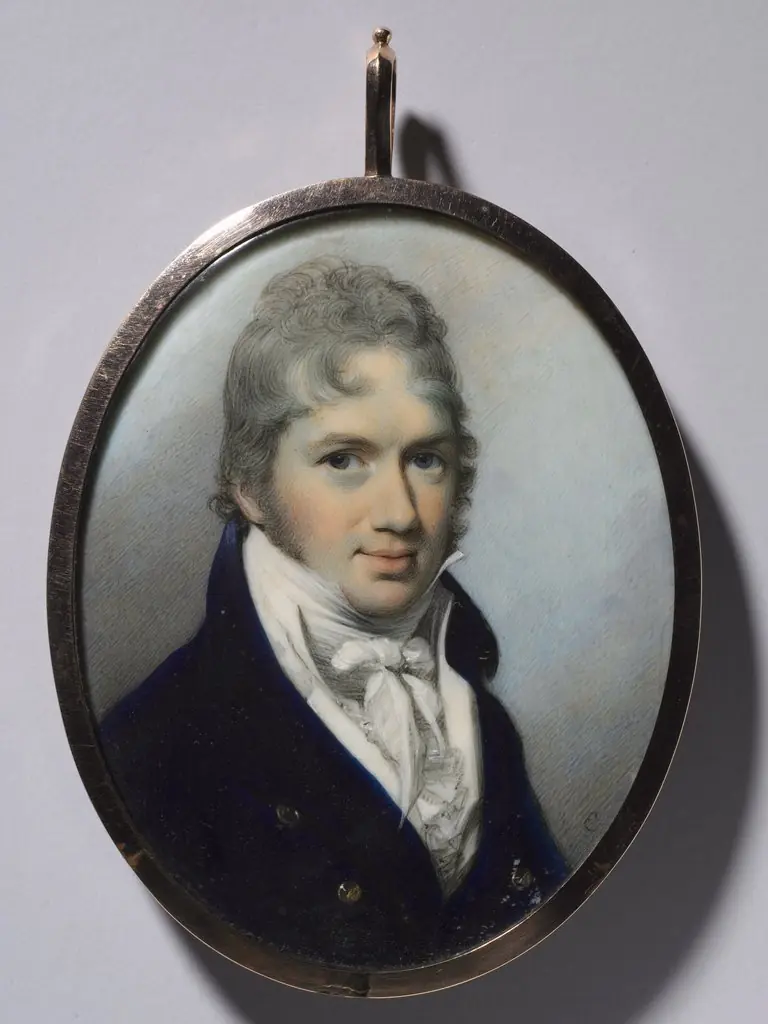
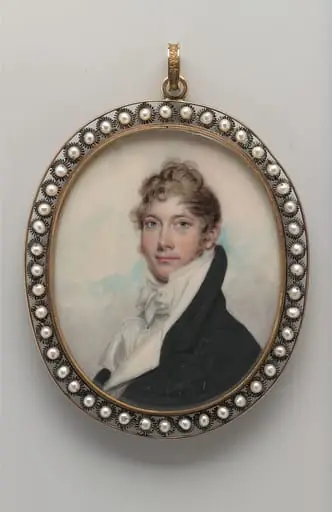
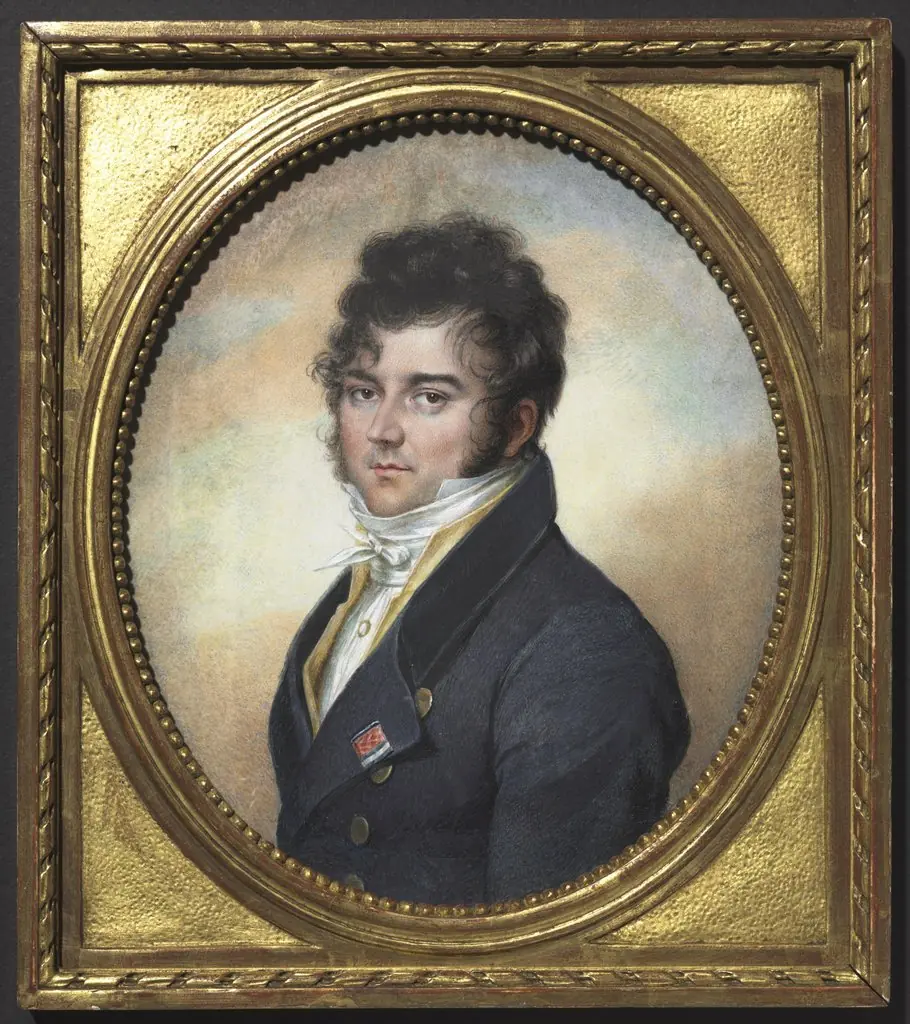
Portrait of a Man, possibly Alexander I, Emperor of Russia is an unspecified portrait miniature by the Romanticist artist Jean-Baptiste Isabey. It dates from 1814 and is held in the collection of the Cleveland Museum of Art. This small portrait miniature, painted in 1814, depicts a man believed to be Alexander I of Russia during the Congress of Vienna.
About this work
This tiny portrait was painted in 1814, when Europe’s leaders met in Vienna to redraw borders after Napoleon’s wars.
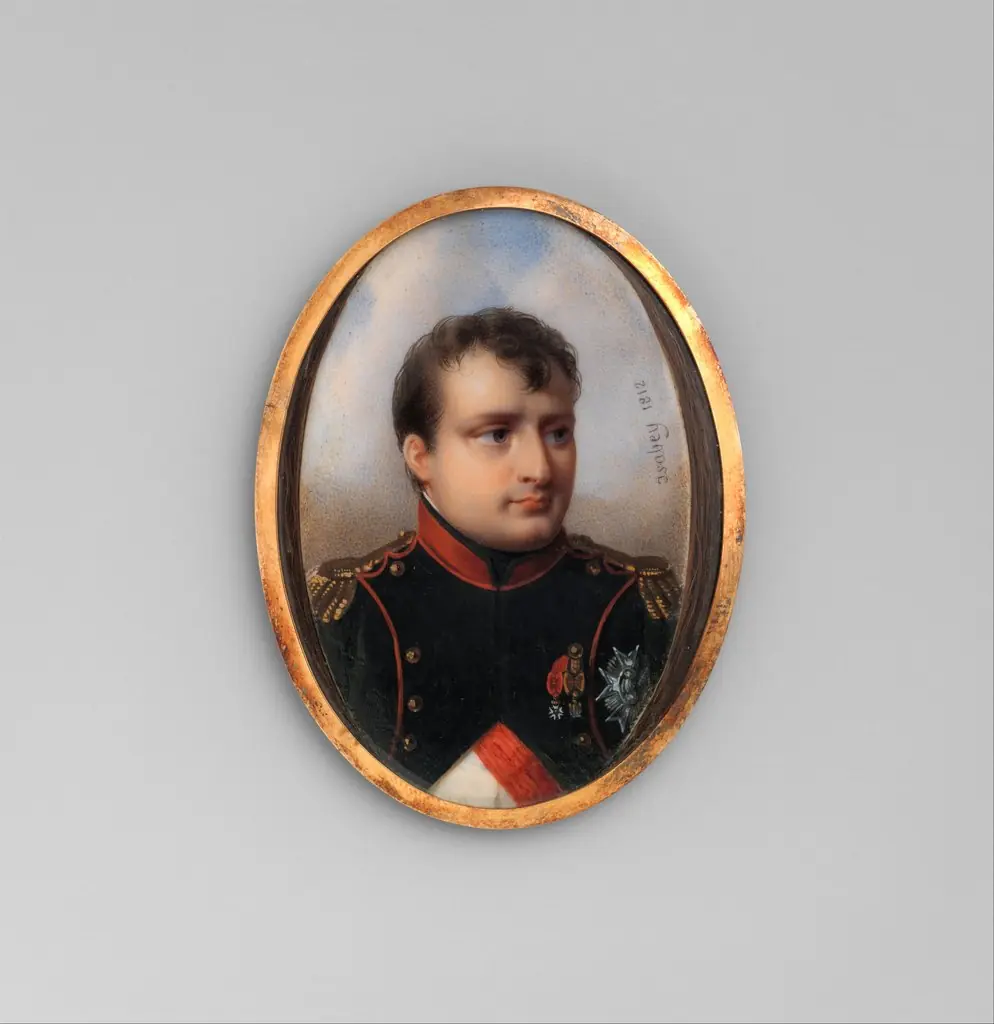
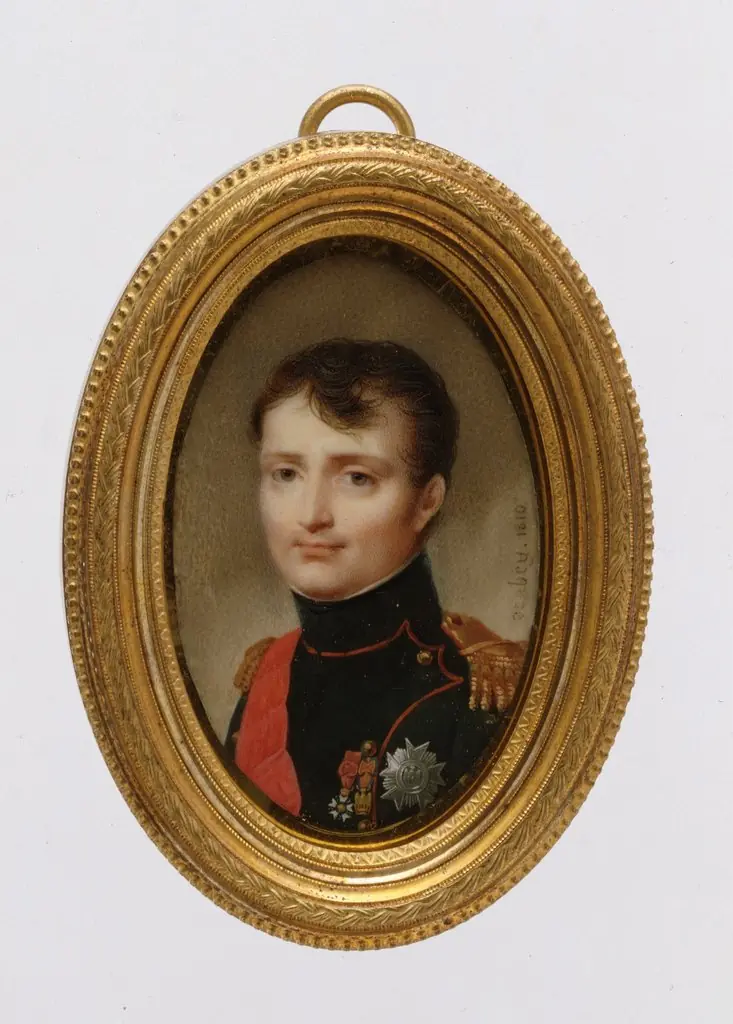
A man in a dark military coat looks straight at you. Gold buttons shine, and his hair is neatly curled. The face is small—about the size of a playing card.
This tiny portrait was painted in 1814, when Europe’s leaders met in Vienna to redraw borders after Napoleon’s wars. The artist, Isabey, was there too, sketching diplomats between fancy dinners. Miniatures like this were pocket-sized gifts for friends or lovers.
Look up other works from the Congress of Vienna to see how art and politics mixed back then.
Overview
This small portrait miniature, painted in 1814, depicts a man believed to be Alexander I of Russia during the Congress of Vienna. Executed in watercolor on ivory, it measures roughly the size of a playing card and was likely intended as a personal keepsake. The artist, Jean-Baptiste Isabey, was among the many artists present in Vienna to capture the likenesses of the gathering European elite. His signature 'Isabey à Vienne' confirms the work’s origin in the diplomatic hub of the time.
Subject & Meaning
The figure is thought to be Alexander I, who attended the Congress not as a formal delegate but to safeguard Russian interests. His expression is calm and direct, conveying quiet authority rather than ceremonial grandeur. Absent are imperial regalia or military honors, suggesting an intimate portrayal rather than a state image. The absence of symbols may reflect the informal, personal nature of miniature portraiture, meant for private circulation among allies and confidants.
Technique & Style
Isabey employed fine brushwork and delicate washes to render the subject’s features with precision. The dark military coat is rendered with subtle tonal shifts, while the gold buttons catch light with restrained brilliance. The face, with its drooping eyelids, elongated upper lip, and rounded nose, aligns with known depictions of Alexander by other artists of the period. The background is left plain, focusing attention entirely on the sitter’s countenance and the quiet dignity of his gaze.
History & Provenance
Jean-Baptiste Isabey established a thriving studio in Vienna during the Congress, where demand for portraits among diplomats and nobles was high. His works from this period often bear the inscription 'Isabey à Vienne,' signaling their connection to the historic gathering. This miniature, signed in the same manner, likely passed through private hands after its creation, possibly gifted to a close associate. Its survival offers a rare glimpse into the personal networks formed during the diplomatic event.
Context
The Congress of Vienna brought together monarchs, ministers, and artists in a city transformed into a stage for post-Napoleonic realignment. Miniature portraits like this one served as both souvenirs and diplomatic tokens, exchanged among elites to cement alliances. Isabey’s presence among the attendees underscores how art functioned as a tool of social and political connection, blurring the lines between personal commemoration and international diplomacy.
Legacy
Isabey’s Vienna miniatures remain valuable records of the Congress’s participants, capturing individual presence beyond official state imagery. This portrait contributes to a broader visual archive of early 19th-century European leadership, revealing how personal likeness could convey political identity without overt symbolism. Its modest scale and intimate tone contrast with grander historical narratives, offering a quieter, more human perspective on a pivotal moment in European history.
Artist & collection
Artist
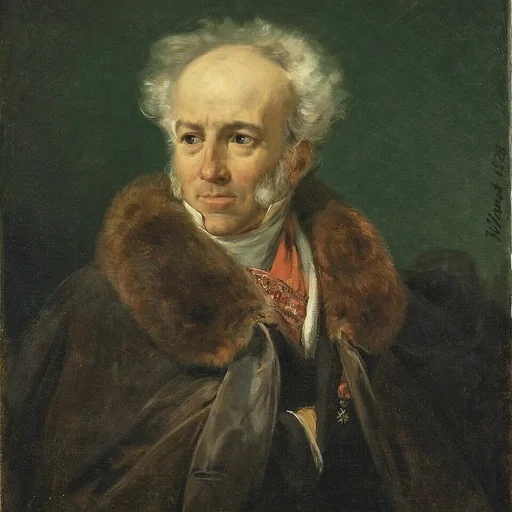
Jean-Baptiste Isabey (French pronunciation: ; 11 April 1767 – 18 April 1855) was a French artist during both the First Empire and the Restoration.