Artwork
Portrait of a Woman Near a Balustrade
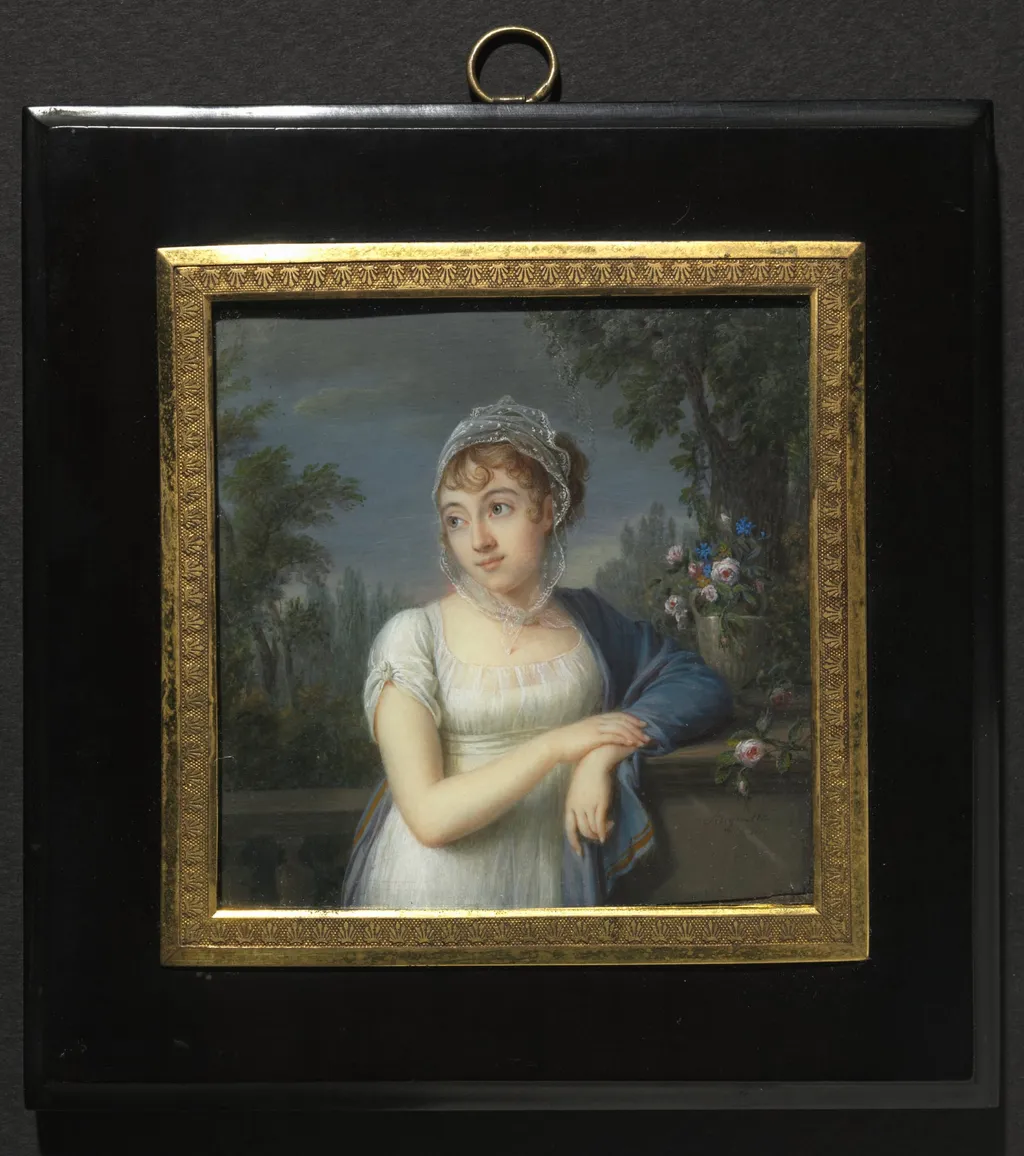
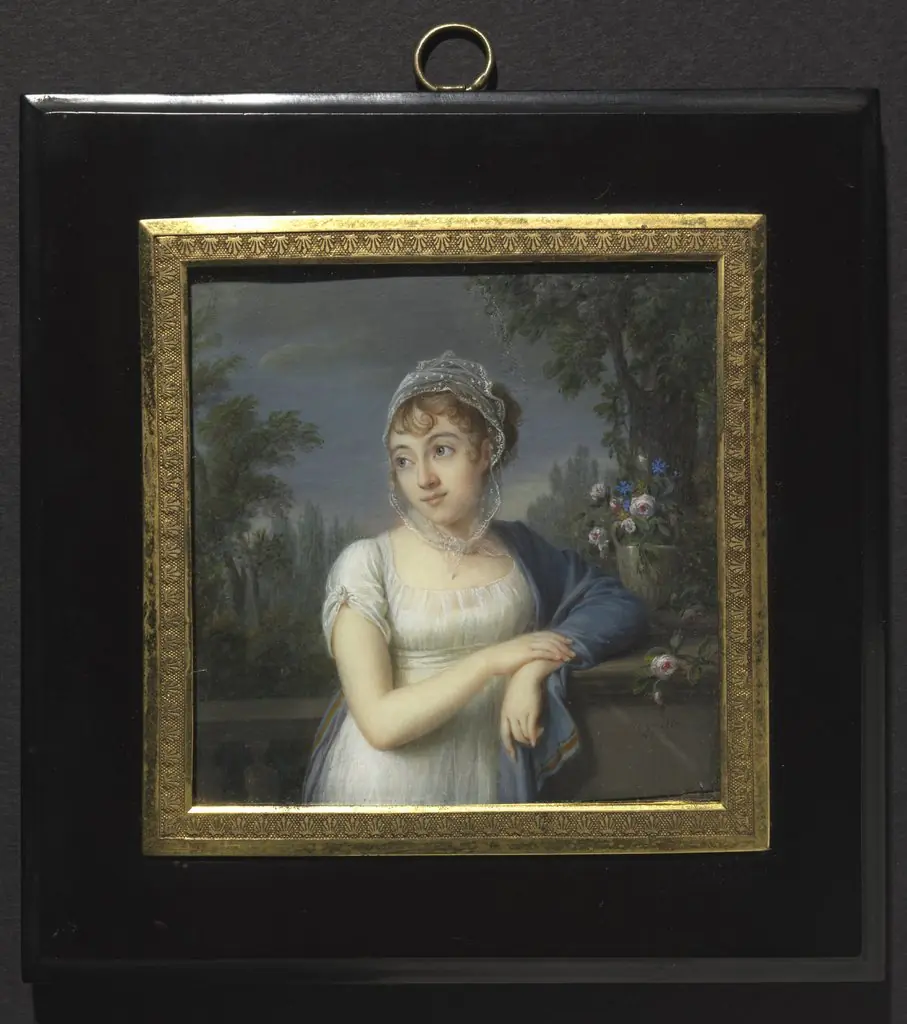
Portrait of a Woman Near a Balustrade is an unspecified portrait miniature by the Neoclassicist artist Jean-Baptiste Jacques Augustin. It dates from 1804 and is held in the collection of the Cleveland Museum of Art.
About this work
Overview
Painted in 1804 by Jean-Baptiste Jacques Augustin, this portrait miniature depicts a woman standing beside a stone balustrade. Executed in watercolor on ivory, the work is part of the collection at The Cleveland Museum of Art. Its small scale and refined detail reflect the tradition of intimate portraiture popular among European elites in the early 19th century.
Subject & Meaning
The sitter, dressed in a pale gown and draped in a blue shawl, holds a modest bouquet of flowers, suggesting quiet elegance rather than grandeur.
The sitter, dressed in a pale gown and draped in a blue shawl, holds a modest bouquet of flowers, suggesting quiet elegance rather than grandeur. Her composed posture and direct gaze convey a sense of calm self-possession. The absence of overt symbols or narrative elements points to an emphasis on personal presence, characteristic of early Romantic sensibilities that valued inner life over external display.
Technique & Style
Augustin employed delicate watercolor washes on ivory to achieve subtle gradations of tone. Soft lighting models the woman’s face, creating a luminous effect that contrasts with the muted, shadowed garden behind her. The background is rendered with loose, atmospheric brushwork, while her features and fabric are meticulously detailed—highlighting the miniature’s function as a private, tactile object rather than a public display.
History & Provenance
The portrait entered The Cleveland Museum of Art’s collection in the 20th century, though its earlier ownership remains undocumented. Augustin, known for his refined miniatures of French aristocracy and bourgeoisie, produced numerous works during the post-Revolutionary period. This piece aligns with his mature style, characterized by restrained emotion and technical precision, likely commissioned by a private patron seeking a personal likeness.
Context
Created during the early years of the Napoleonic era, the portrait reflects a cultural shift toward private introspection following the upheavals of the French Revolution. While grand historical painting dominated official circles, miniature portraiture flourished among the middle and upper classes as a means of preserving intimate, individual identity. Augustin’s work exemplifies this trend, blending neoclassical restraint with emerging Romantic sensitivity.
Legacy
Augustin’s miniatures, including this one, are valued for their technical mastery and emotional subtlety. Though overshadowed by larger-scale works of the period, they remain important examples of how personal identity was visually articulated in early 19th-century France. The Cleveland Museum’s preservation ensures continued study of this refined genre, bridging the gap between Enlightenment formality and Romantic individualism.
Artist & collection
Artist
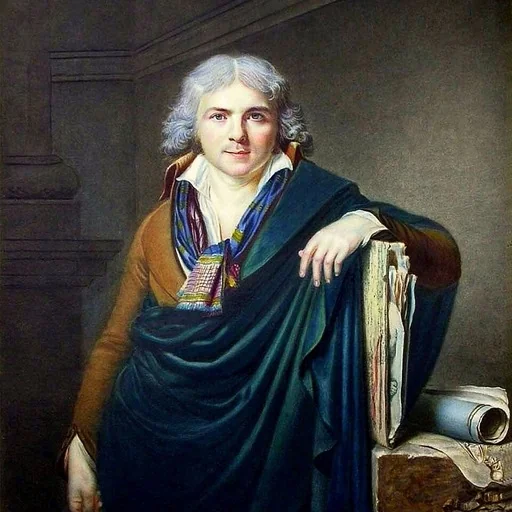
Jean-Baptiste Jacques Augustin
Jean-Baptiste Jacques Augustin (1759–1832) was a French artist, born in Saint-Dié-des-Vosges.

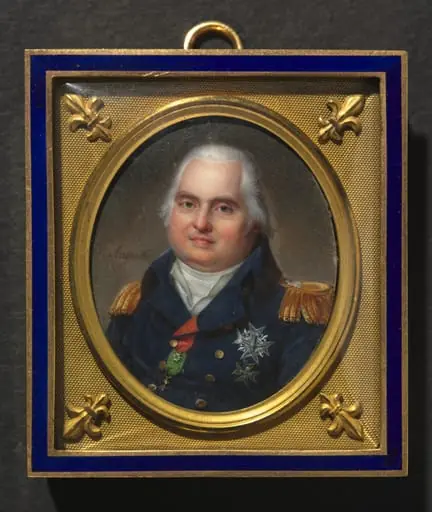
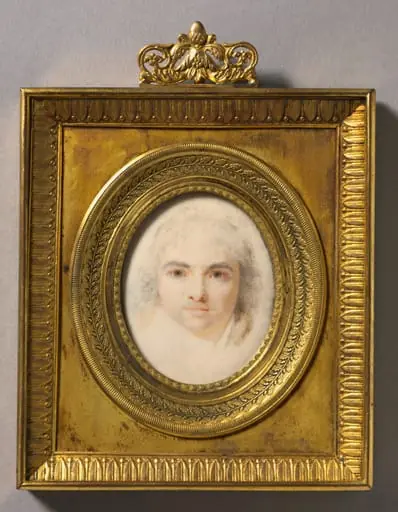
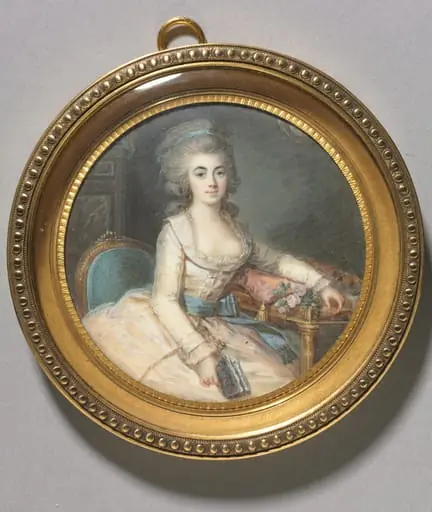 Portrait of a Woman
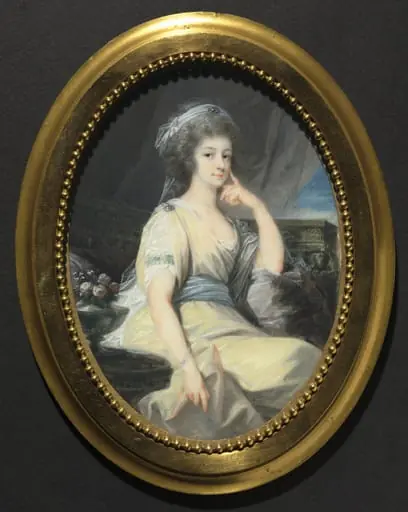 Portrait of Marie Karolina Anna, Countess Thun
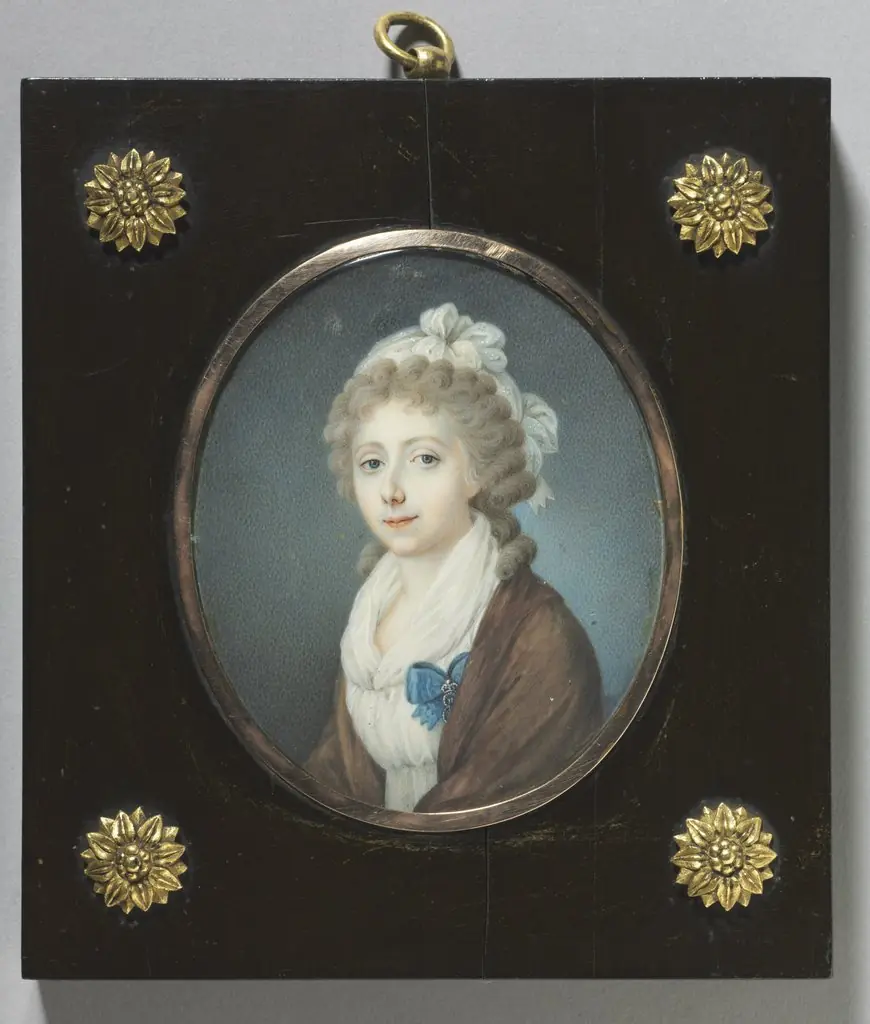 Portrait of a Noblewoman
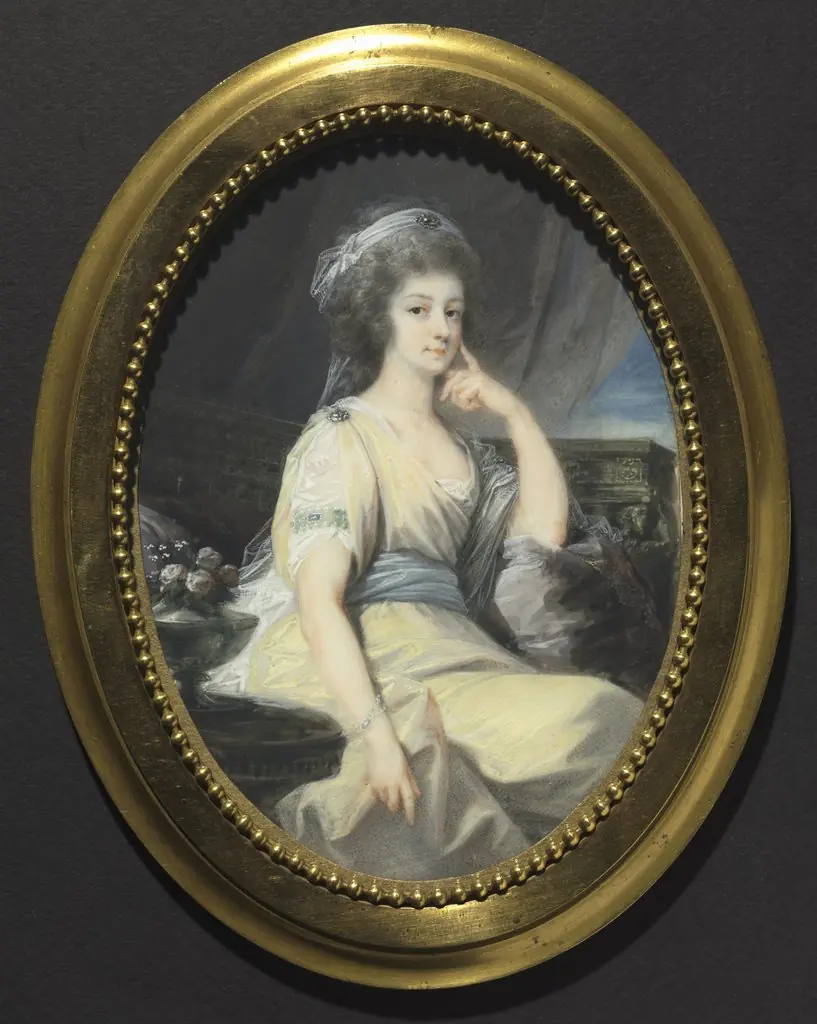 Portrait of Marie Karolina Anna, Countess Thun
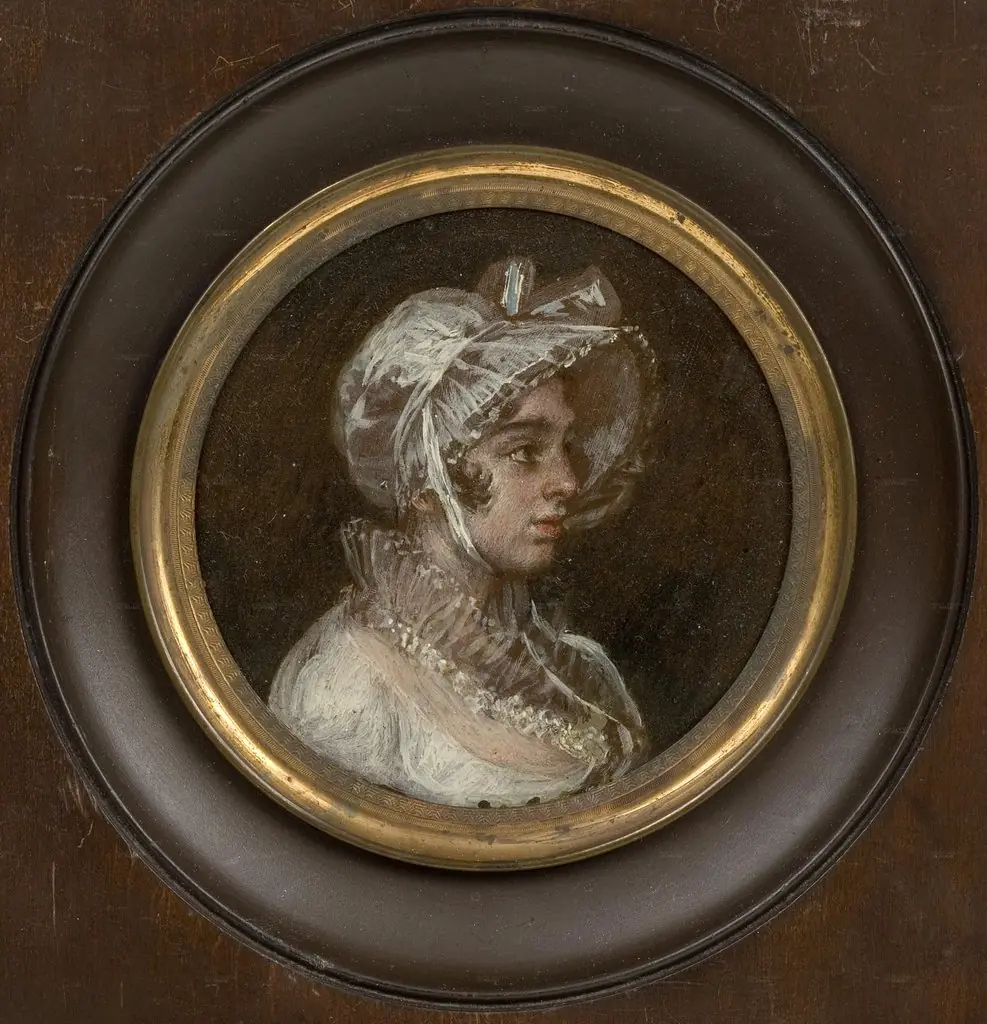 Manuela Goicoechea y Galarza
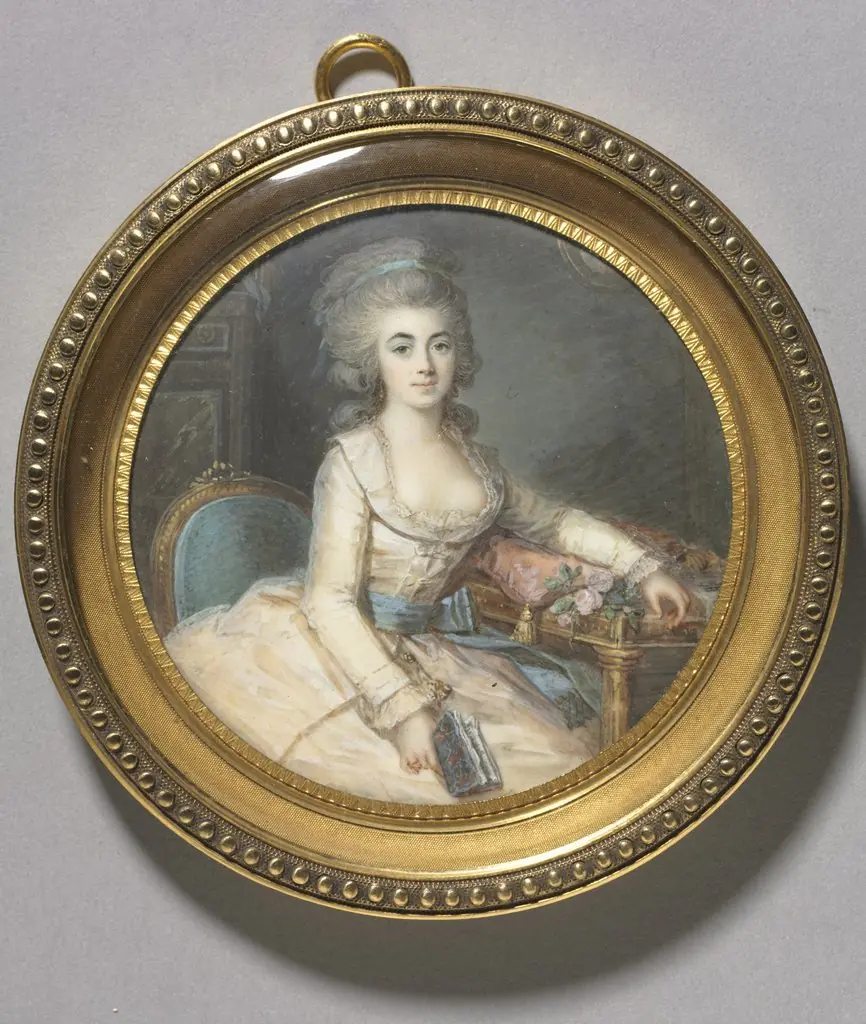 Portrait of a Woman
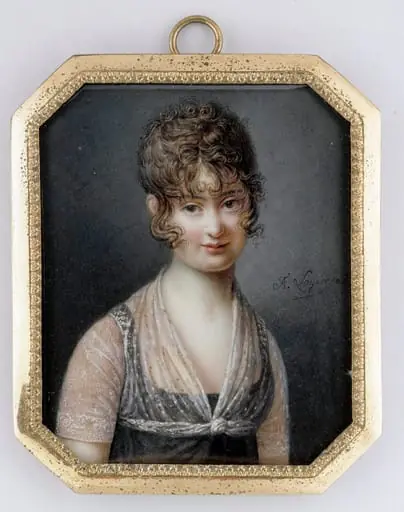 Naisen muotokuva
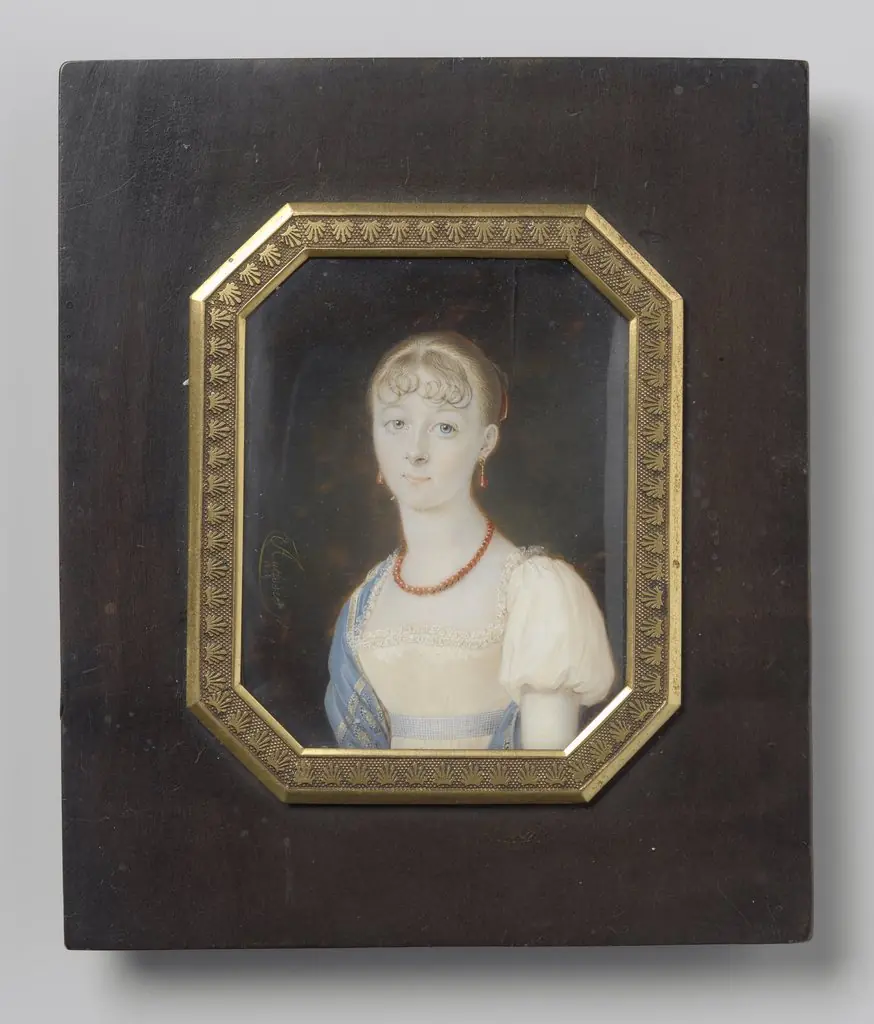 Jonkvrouw Johanna Cornelia Mollerus (1792-1844)
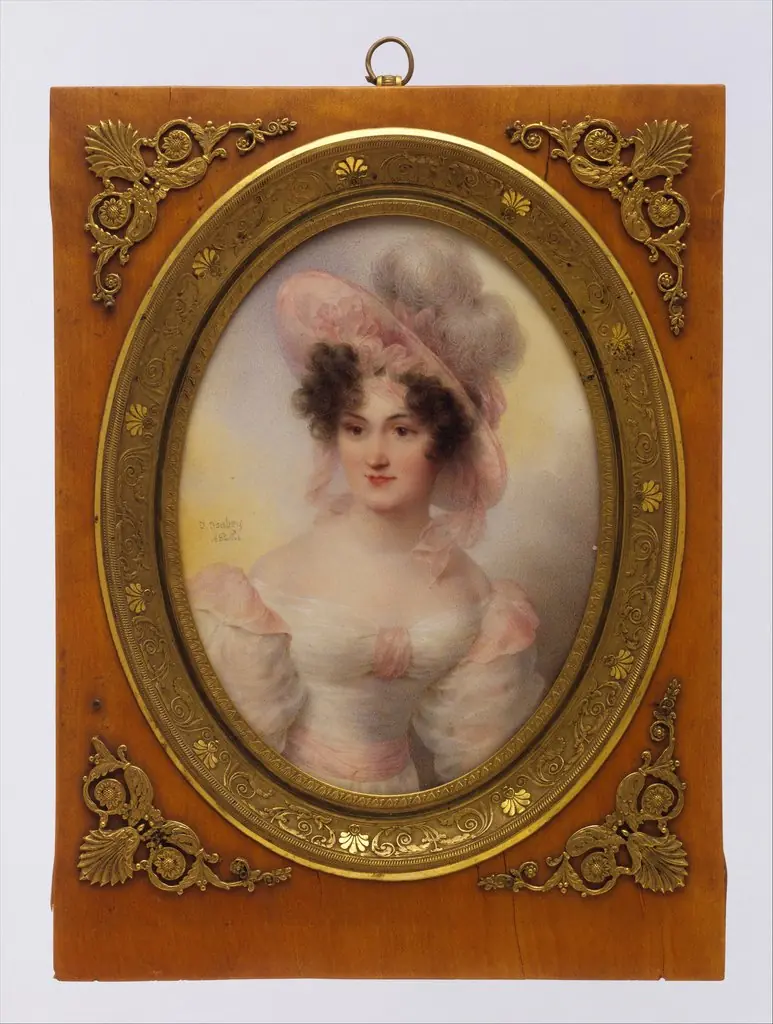 Mrs. Rufus Prime (Augusta Temple Palmer, 1807–1840)
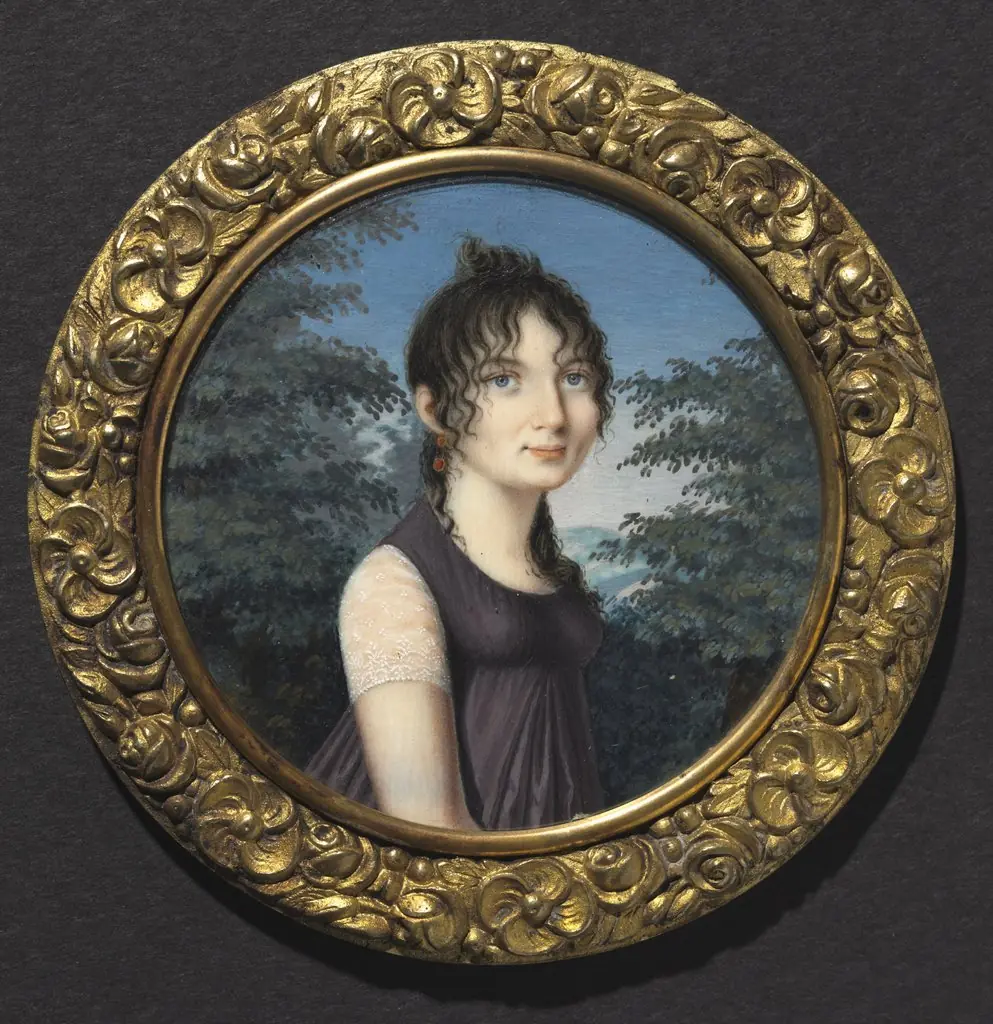 Portrait of a Woman
 Portrait of a Woman Near a Balustrade
 Portrait of a Noblewoman